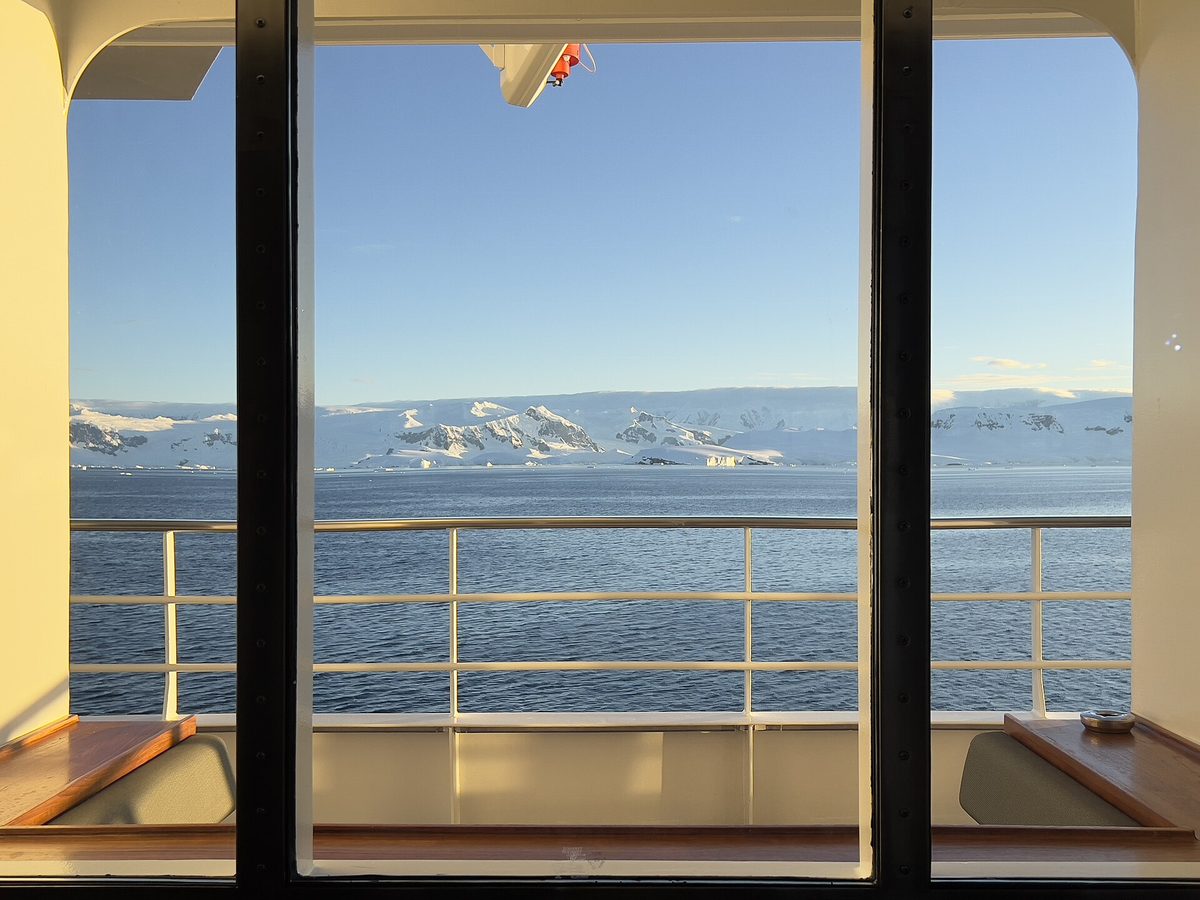
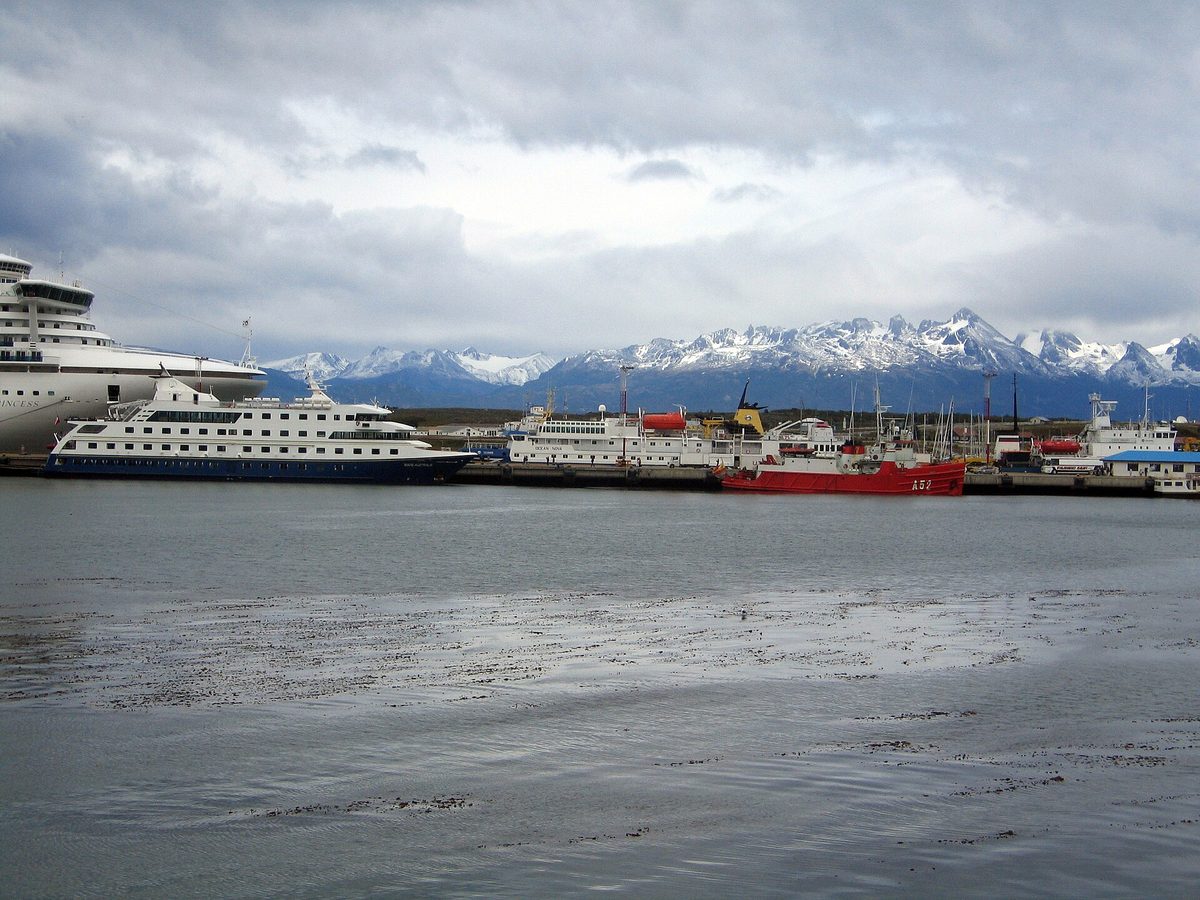
If there is one line item on your Antarctica budget that you should never, ever try to skip, it is antarctica travel insurance. I have watched a fellow passenger get turned away at the pier in Ushuaia because the policy he waved at the expedition staff did not include emergency medical evacuation. He had paid tens of thousands of dollars for his voyage, flown to the bottom of Argentina, and was sent back to his hotel to sort out a new policy while the rest of us boarded. It was a brutal, expensive lesson in something every operator will tell you up front: on the white continent, the right insurance is not optional paperwork. It is the price of admission.
This guide walks through exactly what you need, why the coverage numbers are so high, what a real evacuation from the ice actually involves, how much a good policy costs, and the traps that catch first-timers. I have crossed the Drake twice and helped friends untangle their policies before their own trips, so I will keep this practical rather than theoretical. Think of insurance as the quiet partner to the rest of your planning — the thing that lets you enjoy the penguins instead of lying awake doing arithmetic about worst-case scenarios.
Why Antarctica Travel Insurance Is Mandatory, Not Optional
Antarctica is the most remote tourist destination on Earth. There are no hospitals on the continent, no urgent-care clinics, no pharmacies, and certainly no way to hail an ambulance. The nearest serious medical facilities are back across the Drake Passage in southern Chile or Argentina — a sea voyage of roughly two days in good weather. If something goes badly wrong, getting you to a hospital is a complex, costly, sometimes multi-day operation involving the ship’s doctor, the captain, other vessels, and occasionally national Antarctic programs or specialist evacuation companies.
Because of this, every reputable operator that belongs to the International Association of Antarctica Tour Operators (IAATO) requires guests to carry insurance that covers emergency medical treatment and, crucially, emergency evacuation and repatriation. They check it. You will typically be asked to submit your policy number and proof of coverage weeks before departure, and the expedition team confirms it again at embarkation. The rule is sometimes summarized bluntly in the industry as “no insurance, no expedition,” and it is enforced exactly that literally.
The “No Insurance, No Expedition” Rule
It helps to understand that this is not the cruise line being fussy. Search-and-rescue in the Southern Ocean depends on a web of mutual aid: ships divert to help each other, and national programs may be drawn in. An uninsured passenger who needs a six-figure evacuation becomes a problem for everyone, and operators will not carry that risk. So the requirement is universal across the serious players, from the most budget-friendly to the most luxurious. The only thing that varies is the minimum coverage figure they demand and the paperwork format they want it in.
What this means for you is simple: budget for insurance the moment you put down your deposit, and buy it early. Buying early is not just about peace of mind — as you will see below, the most valuable cancellation protections only work if you purchase within a short window of your first trip payment.
What Minimum Coverage Do Operators Require?
The single non-negotiable number is your emergency medical evacuation limit. Most Antarctica operators require evacuation, repatriation, and medical cover somewhere in the range of US$100,000 to US$250,000 per person, with US$200,000 being the most common floor. Many experienced travelers and rescue specialists recommend carrying significantly more — US$500,000 or even unlimited evacuation — because a genuine worst-case extraction from deep in the Weddell Sea or the Antarctic Circle can blow straight through a $100,000 cap.
Here is a rough picture of how the requirements tend to look. Always confirm the exact figure with your own operator, because they update these terms, but this gives you the lay of the land:
| Coverage type | Typical operator minimum | What I’d actually carry |
|---|---|---|
| Emergency medical evacuation | US$200,000 | US$500,000+ (or unlimited) |
| Emergency medical / hospital | US$100,000 | US$250,000+ |
| Repatriation of remains | Often bundled with evacuation | US$50,000+ |
| Trip cancellation | Not always required | 100% of trip cost |
| Trip interruption | Not always required | 100–150% of trip cost |
Notice the gap between the operator minimum and what a seasoned traveler buys. The operator is protecting itself; you are protecting your savings and your life. Buy for the second goal, not the first.
Emergency Medical Evacuation: The Coverage That Matters Most
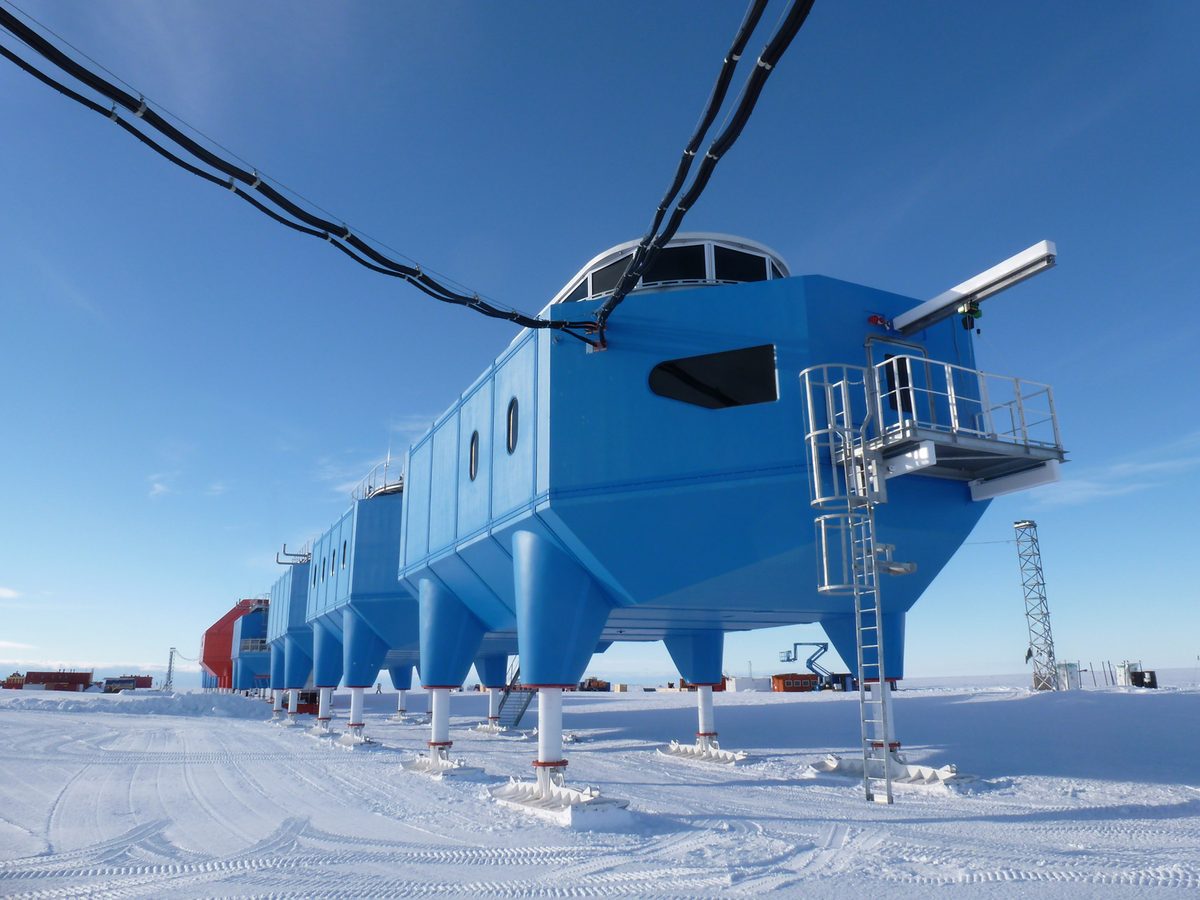
If you read nothing else, read this. Evacuation is the coverage that justifies the whole policy. Rescue organizations consistently warn that an evacuation from Antarctica can easily exceed US$100,000, and in complicated cases — a chartered ship diversion, a long sail to Ushuaia, a medical flight onward to a major hospital — the bill climbs much higher. Unlike a twisted ankle in Europe, where a taxi to a clinic solves the problem, a serious event on the ice triggers a logistics chain that bills by the hour.
What pushes the cost up is distance and weather. There is no on-demand helicopter waiting to whisk you to safety. The ship’s doctor stabilizes you, the captain decides whether to turn the vessel around, and you may spend a day or more sailing north before any onward transport is even possible. If your policy’s evacuation limit runs out mid-rescue, you are personally liable for the rest. That is why I push people toward the highest evacuation limit they can reasonably buy.
Medical Expense Coverage on the Ice
Separate from evacuation is the cost of the treatment itself. Ships carry a doctor and a small infirmary, and minor issues — seasickness, sprains, chest infections, cuts from a slip on wet rocks — are usually handled on board. But onboard medical care is not free, and a serious illness that needs hospital treatment back on land can generate enormous bills, especially for travelers from countries without reciprocal health agreements. Your insurance should include a robust emergency medical limit on top of, not instead of, the evacuation figure. Check that the two limits are stated separately in your policy documents.
Trip Cancellation and Interruption
An Antarctica voyage is one of the most expensive trips most people ever take, and the money is largely non-refundable once you are inside the cancellation window. Trip cancellation coverage reimburses your prepaid, non-refundable costs if a covered reason — illness, injury, a death in the family, jury duty, certain work emergencies — forces you to cancel before departure. Given that a single cabin can run from roughly US$8,000 to well over US$50,000, this protection is not a luxury. I treat 100% trip-cost cancellation coverage as standard for a trip of this size. If you want a fuller picture of what you are insuring, our guide to the overall cost of an Antarctica trip breaks down where the money goes.
Trip interruption is the mirror image: it covers you if you have to cut the trip short or rejoin it late. Because Antarctica trips hinge on a single charter departure, interruption coverage of 100–150% of trip cost is wise, since getting yourself home from Ushuaia or Punta Arenas at the last minute is not cheap.
Trip Delay and Missed Departure
This is the coverage first-timers underrate and veterans swear by. Your ship leaves on its scheduled day whether or not you are standing on the dock. If a blizzard closes the airport, a strike grounds your flight, or your luggage vanishes, a missed connection can mean missing the voyage entirely. Good policies include trip delay and missed-connection benefits, and this is the single best argument for the planning rule every guide repeats: arrive in your gateway city at least one full day early. Read more about that logistics chain in our guide on how to get to Antarctica and the realities of flights to Antarctica.
Adventure Activities: Kayaking, Camping, Diving and the Polar Plunge
Antarctica is not a beach holiday, and the optional activities that make it unforgettable can also void a standard policy. Sea kayaking, overnight camping on the ice, stand-up paddleboarding, mountaineering, scuba diving, and even the famous polar plunge can fall under “hazardous activities” exclusions in ordinary travel insurance. If you plan to do any of the add-ons described in our guide to things to do in Antarctica, read the activities schedule in your policy line by line, and buy the adventure or “winter sports / extreme activities” rider if your chosen excursions are not covered by default. It is a small surcharge that prevents a catastrophic gap.
Diving deserves a special mention. Polar diving is specialized, and many insurers exclude it outright or cap depth and certification levels. If you are a diver, you almost certainly need a dedicated dive-travel policy layered on top of, or instead of, your standard plan.
Pre-Existing Medical Conditions
Antarctica skews toward older travelers, which means pre-existing conditions are a live issue for a large share of passengers. Most quality policies will cover pre-existing conditions only if you buy within a defined window (often 14–21 days) of your initial trip deposit and insure the full non-refundable cost. Miss that window and a flare-up of a known condition may not be covered. If you have any ongoing medical history — heart, lungs, diabetes, recent surgery — disclose it fully and secure the pre-existing-condition waiver. Honesty here protects your claim; a non-disclosure is the fastest way to have a six-figure bill rejected.
What Antarctica Travel Insurance Typically Does Not Cover
Every policy has exclusions, and knowing them in advance saves heartbreak at claim time. Common gaps include:
- Undisclosed pre-existing conditions outside the purchase window.
- Hazardous activities without the appropriate rider (kayaking, diving, mountaineering, camping).
- Cancellations for reasons not named in the policy — unless you bought “cancel for any reason.”
- Travel against medical advice or while already unfit to travel.
- Alcohol- or drug-related incidents.
- Known events — a named storm or strike that was already public when you bought the policy.
- Routine or foreseeable costs, like baggage you simply forgot.
None of these are unusual or unfair; they are standard. The point is to read your certificate of insurance — the actual document, not the marketing page — so there are no surprises.
“Cancel For Any Reason” (CFAR): Is It Worth It?
Standard cancellation only pays out for listed reasons. “Cancel for any reason” upgrades let you cancel for, well, any reason — cold feet, a work crisis, a wobble of nerves about the Drake — and still recover a percentage (usually 50–75%) of your costs. CFAR adds roughly 40–50% to your premium and comes with strict rules: buy it within days of your deposit, insure 100% of your cost, and cancel at least 48 hours before departure. For a once-in-a-lifetime, heavily non-refundable trip, many travelers find the flexibility worth it, especially if they are booking far ahead. If you are someone who values an exit door, price it out.
How Much Does Antarctica Travel Insurance Cost?
For a comprehensive policy with high evacuation limits, expect to pay roughly 5–12% of your total trip cost. The exact premium depends on your age, your home country, the trip length, the total insured value, and whether you add CFAR or adventure riders. Age is the biggest single driver: a healthy 35-year-old pays far less than a 70-year-old for identical coverage. Here is a realistic ballpark for a comprehensive plan covering a standard 11-day Peninsula voyage:
| Traveler age | Trip cost insured | Typical premium (comprehensive) |
|---|---|---|
| 30–45 | US$12,000 | US$500–900 |
| 46–60 | US$12,000 | US$700–1,400 |
| 61–70 | US$12,000 | US$1,200–2,400 |
| 71+ | US$12,000 | US$2,000–4,000+ |
Those numbers feel large until you set them beside a US$100,000 evacuation bill. Insurance is the cheapest expensive thing you will buy for this trip.
Specialist Polar Insurers vs Standard Travel Insurance
You have two broad routes. The first is a comprehensive travel-insurance policy from a mainstream provider that explicitly covers Antarctica and high evacuation limits. The second is a dedicated medical-evacuation membership — companies that specialize in getting people out of remote places — layered with a separate trip-cancellation policy for the financial side. Plenty of experienced polar travelers run both: a membership for the rescue muscle and a travel policy for cancellation, delay, and baggage. Whichever you choose, the test is the same: does it name Antarctica, does it cover your activities, and are the evacuation and medical limits high enough?
Is Credit Card Travel Insurance Enough for Antarctica?
Almost never. The complimentary travel insurance bundled with premium credit cards is designed for mainstream trips. It rarely carries the evacuation limits Antarctica operators demand, frequently excludes the adventure activities you will want to do, and often will not satisfy the operator’s proof-of-coverage requirement. By all means use your card’s coverage as a small top-up, but do not rely on it as your primary policy. I have never seen a card policy that an expedition team accepted as sole proof.
How to Buy and What Proof to Bring
The process is straightforward once you know the steps. Buy soon after your deposit to capture pre-existing and CFAR windows. Insure your full non-refundable cost. Confirm the evacuation and medical limits meet — ideally exceed — your operator’s stated minimum. Add adventure and CFAR riders if relevant. Then download the actual certificate of insurance and keep both a printed and a phone copy. Your operator will usually want the policy number, the insurer’s name, the emergency assistance phone number, and the coverage amounts in writing. Bring all of it to embarkation. While you are organizing documents, cross-check the rest of your paperwork against our guide to Antarctica travel requirements and documents.
A Pre-Purchase Checklist
- Emergency medical evacuation limit of at least US$200,000 — I prefer US$500,000 or unlimited.
- Separate emergency medical / hospital limit of US$100,000+.
- Repatriation of remains included.
- Trip cancellation at 100% of non-refundable cost.
- Trip interruption and trip delay / missed connection benefits.
- Adventure-activity rider if you plan to kayak, camp, dive or plunge.
- Pre-existing condition waiver, purchased within the required window.
- The word “Antarctica” or “worldwide including polar regions” explicitly named.
- A 24/7 emergency assistance line you can actually call from a ship.
Frequently Asked Questions
Do I really need travel insurance for Antarctica?
Yes, and it is enforced. Every reputable IAATO operator requires proof of medical and emergency evacuation coverage before you board. Travelers without it are turned away at embarkation, as I have personally seen happen.
How much evacuation coverage is enough for Antarctica?
Operators typically require around US$200,000, but because real evacuations can exceed US$100,000 and sometimes far more, many seasoned travelers carry US$500,000 or unlimited evacuation. More is genuinely better here.
When should I buy my policy?
As soon as you pay your deposit. The pre-existing-condition waiver and “cancel for any reason” upgrade are only available if you buy within a short window — often 14–21 days — of your first trip payment.
Will my regular travel insurance cover the polar plunge or kayaking?
Not always. Many standard policies exclude these as hazardous activities. If you plan to kayak, camp, dive, or take the plunge, buy the adventure-activity rider and confirm each excursion is listed.
Does insurance cover the Drake Passage being rough?
Rough seas themselves are not a claimable event, but related medical issues are. If seasickness becomes severe enough to need treatment, that falls under medical coverage. For prevention strategies, see our guide to avoiding seasickness in Antarctica and the realities of the Drake Passage crossing.
Is credit card insurance acceptable?
Rarely. Card coverage usually lacks the evacuation limits and activity coverage Antarctica requires, and operators seldom accept it as sole proof. Use it only as a small supplement.
Can I get coverage with a pre-existing condition?
Usually yes, if you disclose it fully and buy within the waiver window while insuring your full trip cost. Non-disclosure is the most common reason large claims are denied.
How much should I budget for insurance overall?
Plan on roughly 5–12% of your trip cost, driven mostly by your age and whether you add CFAR. For a mid-range voyage that often lands between US$600 and US$2,500 per person.
Does insurance affect whether Antarctica is safe to visit?
Insurance does not change the risks, but it changes the consequences. Modern expedition travel is well run; for a fuller picture of the actual hazards and how operators manage them, read is Antarctica safe to visit.
Insurance for Fly-Cruises and Land-Based Trips
Not everyone crosses the Drake by sea. A growing number of travelers fly from Punta Arenas to King George Island and join their ship there, or visit on a scenic overflight, or stay at a land-based camp deep in the interior. Each of these changes your risk profile and therefore your insurance needs. A fly-cruise adds an air segment over the Southern Ocean, so you want strong missed-connection and air-travel coverage in case weather grounds the flight for days, which it routinely does. Land-based and deep-field trips push you even further from help, which makes the evacuation limit matter more, not less. If a flight-based itinerary appeals to you, our guide to flights to Antarctica explains the trade-offs, and you should tell your insurer exactly which segments you are taking so nothing is excluded.
Filing a Claim Without Losing Your Mind
The difference between a smooth claim and a nightmare is almost always documentation. From the moment anything goes wrong, keep everything: medical reports from the ship’s doctor, receipts, boarding passes, written confirmation of delays or cancellations from the operator, and a simple timeline of what happened and when. Call your insurer’s 24/7 assistance line before incurring big costs if you possibly can, because pre-authorization smooths reimbursement and, in an evacuation, the assistance company often coordinates the logistics directly. Photograph documents as you go, since paper does not survive a wet Zodiac transfer. When you get home, file promptly and completely; partial claims invite delay. None of this is hard, but it is the part travelers neglect until they need it.
A Realistic Worst-Case Scenario
Picture a passenger in her late sixties who develops a serious chest infection on day four, deep along the Peninsula. The ship’s doctor stabilizes her, but she needs hospital care the infirmary cannot provide. The captain turns north, costing the voyage a landing day, and after roughly two days at sea she is transferred to a hospital in Punta Arenas, then flown home with a medical escort once she is stable. Without insurance, that chain — ship diversion, hospital admission, escorted repatriation — can run well past US$100,000, all of it billed to her. With the right policy, she pays her deductible and the assistance company handles the rest. That is the entire reason the coverage exists, and it is why I never treat insurance as the place to economize. If you are weighing the overall affordability of a trip, our Antarctica cost guide shows where you genuinely can save instead.
Final Thoughts
Antarctica rewards careful planning more than almost anywhere on the planet, and insurance is the foundation the rest of the trip stands on. Get the evacuation limit high, buy early to lock in the waivers, match the policy to the activities you actually intend to do, and carry the paperwork with you. Do that, and you can step onto the ship in Ushuaia with the one feeling this trip deserves: pure anticipation. For everything else on the practical side of planning, our Antarctica travel tips hub ties the whole checklist together, and our guides to Antarctica cruises and what to pack for Antarctica will get you the rest of the way to the dock.