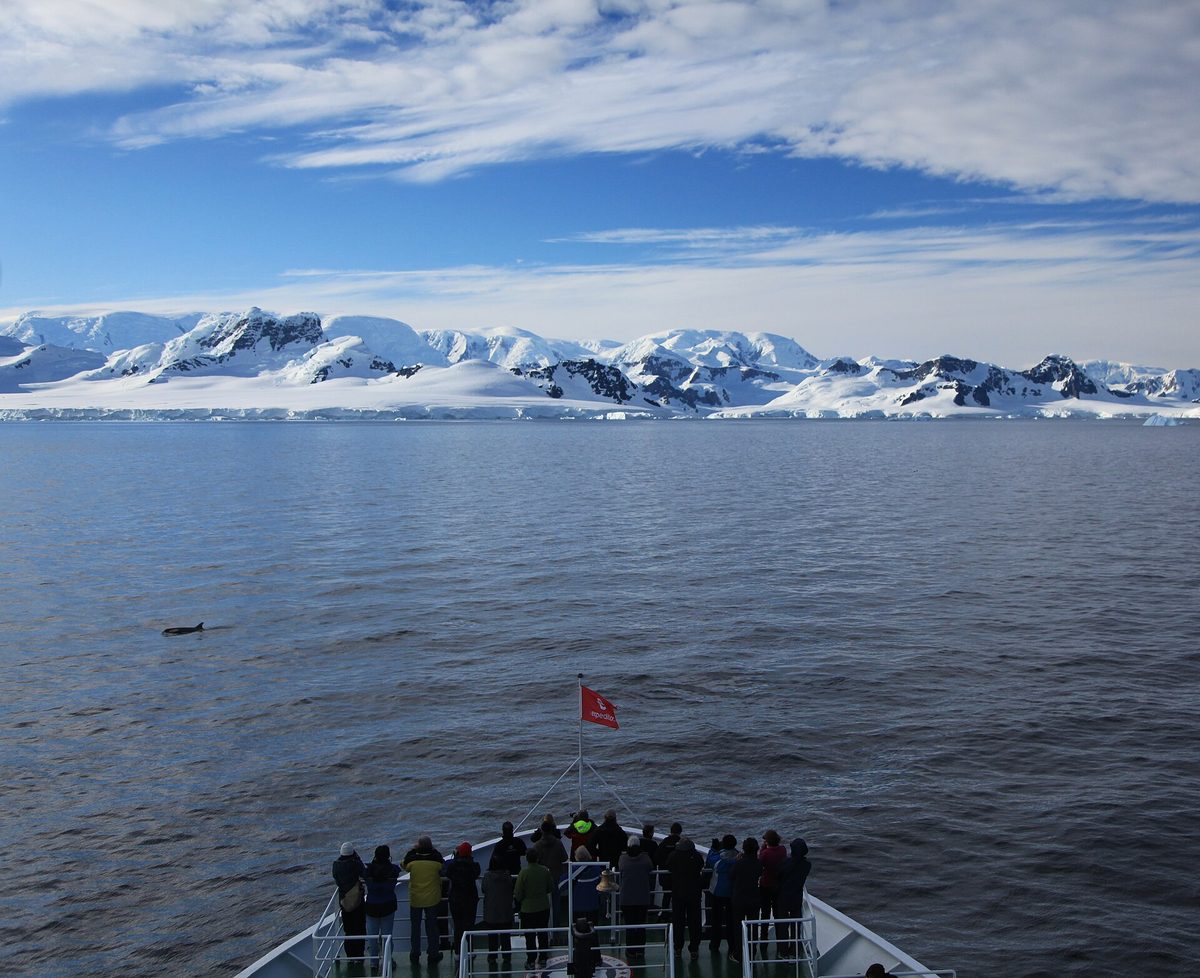
Antarctica is the most logistically demanding trip most people will ever take, but the preparation is far less daunting than the destination sounds — as long as you get a short list of essentials right. The continent is unforgiving of a few specific mistakes (skipping insurance, missing a connection, packing cotton) and wonderfully forgiving of everything else, because your expedition team handles the hard parts.
The most important Antarctica travel tips boil down to a handful of non-negotiables: carry proper travel insurance with emergency-evacuation cover (operators won’t let you board without it), book only with an IAATO-member operator, arrive at your gateway city a day or two early, dress for wind and water rather than deep cold, and protect your eyes and skin from the fierce reflected sun. Nail those, and the rest is refinement.
This guide is the complete “know before you go” companion — insurance, visas and entry requirements, safety, health and seasickness, money, connectivity, biosecurity, accessibility, and a pre-departure checklist — so you arrive at the bottom of the world prepared and worry-free. Let’s get you ready.
Last updated: June 2026 · Requirements change — always confirm current rules with your operator and government sources before you travel. Written and fact-checked by the AntarcticaTourism.org editorial team.
Antarctica travel tips at a glance
If you remember nothing else, remember this checklist of essentials.
| Essential | The tip |
|---|---|
| Insurance | Mandatory; needs emergency medical-evacuation cover (min ~$200,000; $500,000+ ideal) |
| Documents | Valid passport + your gateway country’s entry rules — there’s no Antarctica visa |
| Operator | Book IAATO members only — the key safety & environmental credential |
| Health & fitness | Moderate mobility; seasickness remedies; routine vaccinations up to date |
| Buffer | Arrive 1–2 days early at your gateway city — the ship won’t wait |
| Sun protection | Quality sunglasses + high-SPF sunscreen — reflected glare is fierce |
| Connectivity | Expect little to no Wi-Fi or phone signal — tell people you’ll be offline |
| Money | Little cash needed; onboard accounts run on card; carry some for the gateway |
The rest of this guide expands each of these. Pair it with our packing guide and the overall Antarctica cruise guide.
The non-negotiables
Most of Antarctic travel is flexible, but four things genuinely are not, and they’re worth stating plainly before the detail. First, insurance with evacuation cover — no exceptions, no boarding without it. Second, an IAATO-member operator — the single best guarantee of safety and environmental responsibility. Third, a buffer day at your gateway city, because a missed connection can cost you the entire voyage and the ship sails on schedule. And fourth, the right gear — waterproof layers and sun protection, not bulk. Everything else in this guide makes your trip smoother; these four make it possible. Let’s take them one at a time, starting with the one people most often underestimate.
Travel insurance: the one thing you cannot skip
If there’s a single rule for Antarctica, it’s this: you must have travel insurance with emergency medical-evacuation cover, and you must be able to prove it. Operators check before you board, and they’re strict, because the nearest hospital is days away by sea and an evacuation from Antarctica is enormously expensive and complex. Most require a minimum of around $200,000 in emergency medical-evacuation coverage, and many specialists recommend $500,000 or more given the remoteness. As of July 2025, Argentina also requires all visitors to carry basic health and emergency insurance, so it’s doubly essential if you transit through Ushuaia.
A few things to get right: make sure your policy explicitly covers Antarctica and expedition cruising (many standard policies exclude polar regions or adventure activities like kayaking), and look beyond evacuation to trip cancellation and interruption cover — Antarctic voyages are expensive and non-refundable late, so cancellation insurance protects a five-figure outlay if illness or a missed connection derails you. Add baggage and delay cover for good measure. Our Antarctica travel insurance guide breaks down exactly what to look for and how to confirm your policy meets your operator’s minimum.
Visas, passports and entry requirements
Good news first: Antarctica itself has no government, no immigration, and therefore no visa — nobody stamps you in (though many ships carry a fun novelty stamp). What you actually need are the entry requirements of your gateway country, plus the permits your IAATO operator already holds on your behalf. The essentials, expanded in our Antarctica visa and travel requirements guides:
- Passport: valid well beyond your travel dates — six months’ validity is the safe standard — for entry to Argentina or Chile.
- Gateway visas: most US, UK, Canadian, and EU travelers are visa-free for short tourism in Argentina and Chile. Some nationalities (Australians, for instance) need a visa or fee for Chile, so check your specific passport before booking flights via Santiago.
- Operator permits: the environmental and landing permits required under the Antarctic Treaty are arranged by your operator — you don’t apply for anything yourself.
- Health forms: expect a medical questionnaire from your operator, and check any current entry rules for your gateway country before you fly.
In short, the paperwork is lighter than people fear — a valid passport, the right gateway entry, and proof of insurance cover the essentials. Coordinate it all with our getting to Antarctica guide.
Is Antarctica safe to visit?
For travelers on a reputable expedition, yes — Antarctica is far safer than its forbidding reputation suggests. There’s no crime, no political unrest, and no terrorism; the ships are purpose-built and ice-strengthened, the crews are seasoned polar professionals, and a mandatory safety briefing at the start of every voyage covers life jackets, Zodiac procedures, and emergencies. The realistic risks are mundane: seasickness on the Drake, and slips on icy or uneven ground (sturdy boots and staying with your guide handle most of that). Our is Antarctica safe? guide covers it in full.
The genuine safety consideration is isolation: the nearest hospital is days away, and weather can delay help, which is precisely why evacuation insurance is mandatory and why itineraries flex around conditions. Follow the crew’s instructions, respect the wildlife distances, and keep one hand for the ship in rough seas, and you’re in very safe hands.
Health, fitness and vaccinations
You don’t need to be an athlete, but you do need a baseline of mobility and a little preparation. The detail is in our health and vaccinations guide; the essentials:
- Fitness: moderate is plenty. If you can step in and out of a Zodiac with a steadying hand and walk on uneven snow, you can do this trip — travelers in their seventies and eighties go every season. There’s no shame in skipping a landing to rest.
- Vaccinations: none are required for Antarctica itself. Keep routine vaccinations current, check requirements for your gateway country, and complete the health questionnaire your operator sends — ships carry a doctor but need to know about serious conditions in advance.
- Medications: bring more than enough of any prescriptions in their original packaging, packed in your carry-on, plus a small personal first-aid kit. The ship’s doctor handles emergencies and seasickness, not your routine refills.
- The isolation factor: because evacuation is slow and costly, declare pre-existing conditions honestly and make sure your insurance covers them. This is not the trip to hide a heart condition from your operator.
For matching the trip to your ability — and which voyages suit less-mobile travelers — see our Antarctica for every traveler guide.
Seasickness and the Drake Passage
If anything about Antarctica deserves your planning energy, it’s seasickness on the Drake Passage — not because it’s dangerous, but because it’s the discomfort most likely to affect you, and it’s very manageable. The golden rule is to start your remedy before you feel ill, not after. Talk to your doctor about a scopolamine patch (worn behind the ear, good for about three days), or use over-the-counter options like meclizine (Bonine) or dimenhydrinate (Dramamine); many travelers also swear by acupressure Sea-Bands and ginger. Then work with your body: keep your eyes on the horizon, get fresh air on deck, eat light regular meals, stay hydrated, and skip the alcohol. A cabin low in the ship and amidships feels the least motion, the ship’s doctor carries stronger remedies if needed, and — the ultimate fix — a fly-cruise skips the crossing entirely. Full playbook in our seasickness guide.
Traveling with a pre-existing medical condition
Antarctica’s defining feature, medically speaking, is isolation: you may be days from a hospital, and serious cases require a complex, expensive evacuation. That doesn’t mean travelers with health conditions can’t go — many do, happily — but it does mean honesty and preparation are essential. Every reputable operator asks you to complete a medical questionnaire, and you must fill it in truthfully; declaring a condition protects you, not disqualifies you.
A few practical steps make all the difference. Get genuine medical clearance from your own doctor, who knows your history and can advise whether the trip and its demands are wise. Carry more than enough of any prescription medication — in your hand luggage, in original packaging, with a copy of the prescription — because you cannot pop to a pharmacy mid-voyage. Ships carry a doctor and a basic infirmary for routine issues and stabilization, but not a full hospital. And make absolutely sure your travel insurance explicitly covers your condition and includes high-limit emergency medical evacuation, the one cover that is genuinely non-negotiable here, as our section on insurance stresses. Prepared properly, a managed condition need not keep you from the ice.
Money and currency
Here’s a refreshingly simple one: Antarctica has no currency, no shops beyond the ship, and no ATMs, so you barely need cash on the continent at all. Onboard, almost everything runs on a ship account that you settle by credit card at the end of the voyage (usually in US dollars), covering any drinks, the ship shop, and optional extras. The detail is in our Antarctica currency guide, but the practical tips are:
- Carry a credit card with no foreign-transaction fees for your onboard account and gateway-city spending.
- Bring some local cash (Argentine pesos or Chilean pesos) plus a little US currency for taxis, meals, and tips in Ushuaia or Punta Arenas.
- Budget for crew gratuities — customarily around $15–$20 per person per day, often settled by card on your final bill (see our gratuities guide).
- Get cash before the docks — the small gateway towns have limited ATMs that can run dry in peak season.
Connectivity: Wi-Fi and phone signal
Set expectations now: Antarctica is one of the last genuinely disconnected places on Earth, and that’s part of its magic. There are no cell towers, so your phone will have no signal the moment you leave your gateway city — keep it in airplane mode and use it as a camera. For internet, it depends on the ship: older vessels offer little or no Wi-Fi, while many newer ships have added satellite systems (increasingly Starlink) that range from patchy to surprisingly decent, often sold in paid packages and prioritized for essentials. Either way, treat connectivity as a bonus, not a given. The single best tip is to tell family and work before you go that you’ll be largely offline for the duration, set an auto-reply, and then enjoy the rare gift of being unreachable. Our Antarctica Wi-Fi and phone signal guides have the specifics by operator.
Biosecurity and environmental rules
Protecting Antarctica is a responsibility you take on the moment you book, and biosecurity is where it gets hands-on. Before your first landing you’ll vacuum and scrub all your outer gear — jackets, daypacks, Velcro, pockets, boot treads — to remove any seeds, soil, or organic matter that could introduce a foreign species. Between every landing, you’ll dip and scrub your boots at decontamination stations to avoid carrying anything (including disease) from one site to another. Ashore, the rules are simple and strict: no food, stay on the routes your guides set, keep your distance from wildlife, and take only photographs — never a rock, a bone, or a feather. These measures, enforced by IAATO, are why the continent stays pristine, and they’re covered fully in our biosecurity guide and our wildlife guide.
Accessibility and mobility
Antarctica presents real challenges for travelers with limited mobility — there’s no infrastructure ashore, landings involve stepping in and out of a bobbing Zodiac, and terrain is uneven snow and rock — but it’s far from impossible, and the right ship and planning open it up. Larger, newer expedition ships often have elevators, stabilizers, and more accessible cabins, and crews are experienced at assisting guests in and out of Zodiacs. The key is an honest conversation with your operator well in advance about your specific needs: some landings may not be feasible, but you can often still enjoy Zodiac cruises and superb deck-based wildlife watching even on days you skip a shore landing. Our accessible Antarctica travel guide covers which ships and itineraries work best and the questions to ask.
Packing essentials
Packing for Antarctica is its own art — covered in full in our what to pack for Antarctica guide — but the essentials in tip form: think layers, not bulk (a wicking base layer, fleece, and a fully waterproof outer), since wind and wet, not deep cold, are the real enemies. Your operator almost always provides the big insulated parka and the rubber boots, so don’t buy those; your job is base and mid layers, fully waterproof over-trousers, a warm hat and waterproof gloves (pack spares), thick socks, sunglasses and sunscreen, a dry bag for the Zodiac, your camera with spare batteries, and your seasickness remedies in your carry-on. Leave the cotton, the formalwear, and the drone (banned) at home.
Sun protection and weather
Two weather realities catch first-timers off guard. First, the sun is ferocious: the ozone layer is thin over the far south, and the glare reflecting off snow and water comes at you from every angle, so quality sunglasses, high-SPF sunscreen, and SPF lip balm are non-negotiable — sunburn under the chin and nose is genuinely common. Second, the weather is mercurial: a calm, sunny landing can turn into a stinging squall within the hour, which is exactly why layering and a flexible attitude matter, and why your itinerary will shift around conditions. It’s rarely brutally cold on the Peninsula in summer — near freezing — but the wind chill bites, so dress to block wind and stay dry. Time it all with our best time to visit guide.
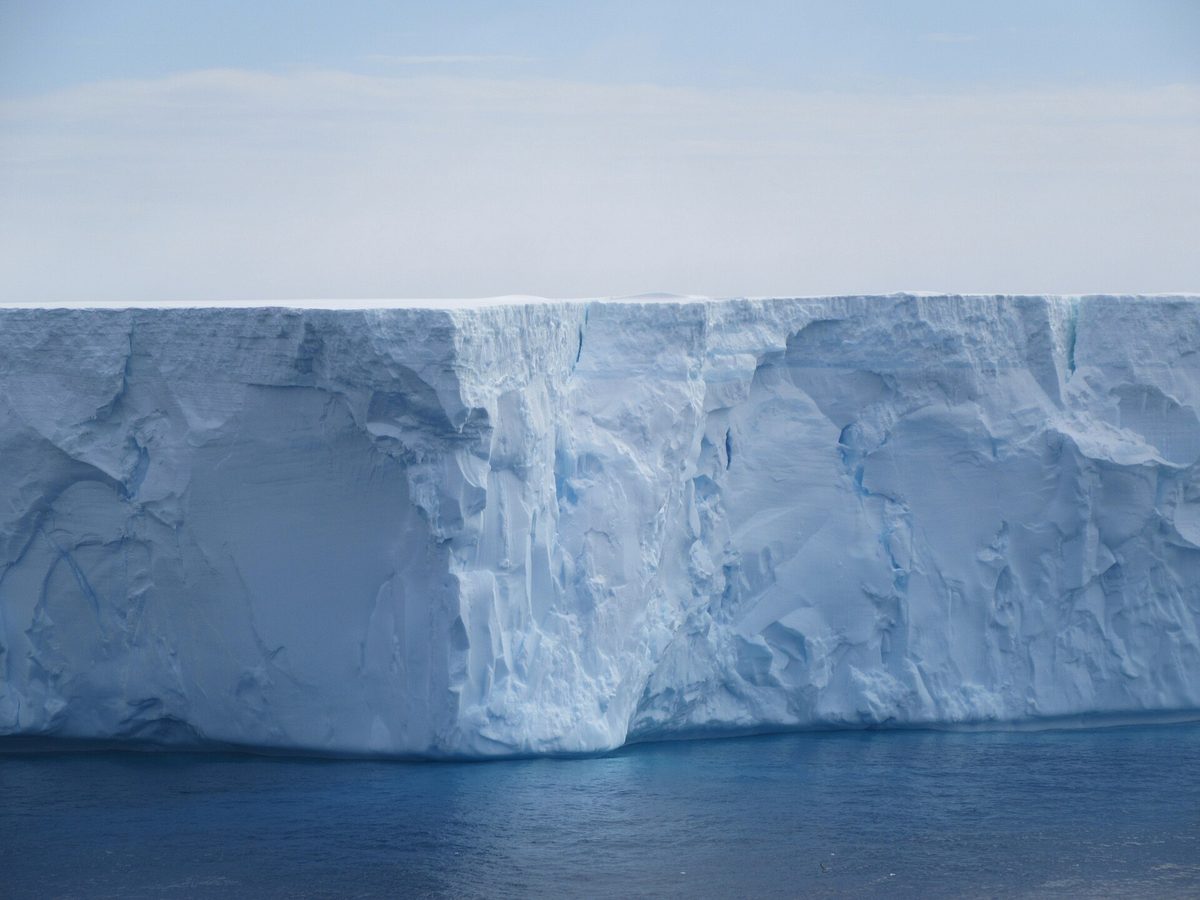
Your Antarctica pre-departure checklist
Pull the essentials into one sequence and the months before departure organize themselves:
- Book early with an IAATO-member operator — cabin and any activities (kayaking, camping) sell out 6–18 months ahead.
- Buy travel insurance with emergency-evacuation and cancellation cover, confirm it meets your operator’s minimum, and save proof to show at boarding.
- Check your passport (six months’ validity) and sort any gateway-country visa.
- Book flights with a buffer day at your gateway, plus the pre-cruise hotel night.
- Complete your operator’s health questionnaire and see your doctor about seasickness medication.
- Sort your gear — base and mid layers, waterproof trousers, hat, gloves, sunglasses — and confirm what parka and boots the ship provides.
- Get some local cash and a no-foreign-fee card, and download books and shows for the offline days.
- Tell family and work you’ll be largely unreachable, and set an auto-reply.
First-timer tips from people who’ve been
A handful of hard-won pointers that make a first Antarctic trip smoother and richer:
- Arrive a day or two early — the most repeated advice there is. A missed connection can cost you the whole voyage.
- Keep essentials in your carry-on — medications, a base layer, your camera — in case a checked bag is delayed.
- Go to the lectures and the recaps. The expedition team’s knowledge transforms what you’re seeing, and many ships run real citizen-science projects you can join.
- Embrace the flexibility. When the captain reroutes around weather or ice, it’s not a letdown — it’s how you get the best of the day.
- Book the kayaking early and just do the polar plunge. The add-ons sell out, and the plunge is a free story you’ll tell forever.
- Bring binoculars, and put the camera down sometimes. Some of the best moments are the ones you simply watch.
- Respect the wildlife rules — keep your distance and let the animals come to you, which they often will.
Common Antarctica travel mistakes to avoid
The flip side of the tips above — the errors that most often catch first-timers:
- No buffer day before the cruise — the single riskiest mistake, since one flight delay can mean missing the ship entirely.
- Skimping on insurance, or buying a policy that excludes Antarctica or expedition activities — check the fine print.
- Packing cotton and a giant coat instead of waterproof layers, then getting cold and wet.
- Leaving seasickness meds to the last minute — start them before the Drake, not after.
- Bringing a drone, which is banned for tourists.
- Booking a big ship expecting to land — vessels over 500 guests can’t put you ashore at all.
- Booking activities too late — kayaking and camping sell out a year ahead.
- Not warning family you’ll be offline, then worrying them with your silence.
Staying in touch and emergencies
Even though your phone won’t have a signal, you’re never truly cut off in an emergency. Every expedition ship carries satellite communications — phone and email — that the crew can use to reach the outside world if needed, and you can leave your operator’s emergency contact details with family at home so they can relay an urgent message to the ship. For peace of mind, some travelers bring a personal satellite messenger (such as a Garmin inReach) to send the occasional “I’m fine” note from the deck, though you should check your operator’s policy on personal devices first. The practical approach: set expectations before you leave that day-to-day contact will be minimal, share the ship’s emergency line with a family member, and trust that genuine emergencies can always get through. More in our phone signal guide.
The unwritten etiquette of expedition life
Beyond the formal rules, expedition life runs on a set of unwritten courtesies that make a shipful of strangers function happily — and that newcomers pick up fast. Punctuality is the big one: when the team calls a Zodiac group, be ready and on time, because a hundred other people are working around the same tight, weather-dependent schedule. Attend the daily recap and briefing even when you’re tired; it’s where you learn what tomorrow holds and what you saw today.
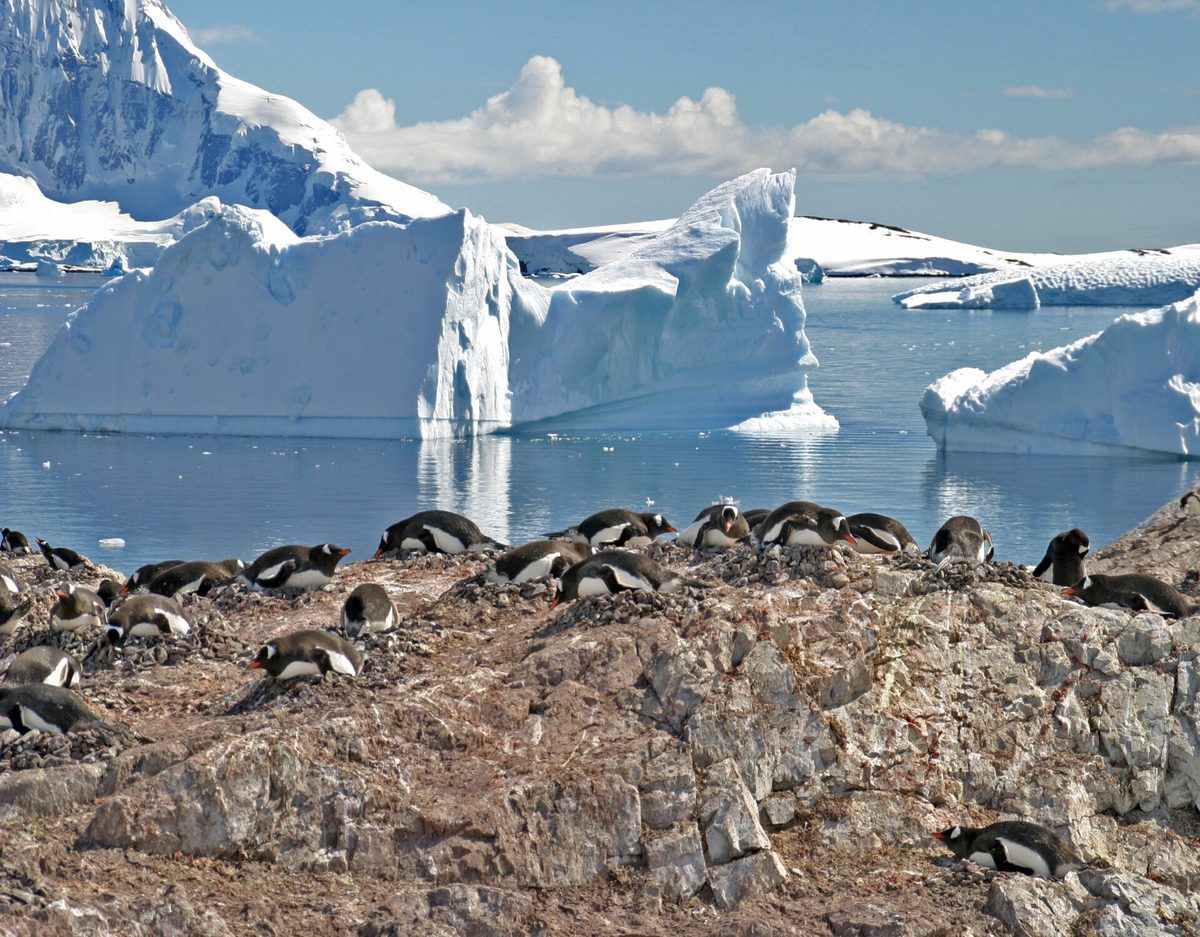
Ashore and on deck, small considerations matter. Don’t block a wildlife sightline or a fellow passenger’s photograph; take your shot and step aside. Keep your voice down near animals, never get between a penguin and the sea or its nest, and always yield the right of way to wildlife — they were here first. Follow the biosecurity rituals (boot-washing, no food ashore) without grumbling, since they protect the very thing you came to see. And lend a hand in the little communal moments — these courtesies are what turn a good group into a great one, and they flow naturally from the respect the wildlife deserves.
Responsible travel: leaving no trace
Visiting Antarctica makes you a temporary guardian of it, and the visitor guidelines are built around a simple ethic: leave nothing, take nothing, disturb nothing. That means keeping your distance from wildlife and never blocking their path, staying on the routes your guides set, not touching historic sites or artifacts, following the biosecurity routine to the letter, and carrying every scrap of litter back to the ship. Beyond the rules, many travelers offset the carbon of their flights, choose operators with strong environmental credentials and hybrid ships (see our sustainable cruise guide), and join the citizen-science projects that turn a holiday into a small contribution to research. The happy paradox of Antarctic tourism is that seeing the place tends to turn visitors into its most committed advocates.
Travel tips for specific travelers
A few tailored pointers, with the full version in our Antarctica for every traveler guide:
- Solo travelers: expedition ships are sociable by design; look for “willing to share” cabin rates or waived-single-supplement departures to avoid paying double.
- Couples: book a balcony cabin on a newer ship for the romance, and consider February for golden light.
- Families: check the minimum age (often around 8), choose a family departure, and lean on citizen-science programs to engage kids and teens.
- Photographers: bring spare batteries (the cold drains them), a telephoto and a wide lens, and choose a ship with a dedicated photo guide.
- Older travelers: moderate fitness is enough, the ship’s doctor is on hand, and you can always sit out a landing — this is a very age-friendly adventure.
Beating jet lag and arriving ready
The journey to the gateway often crosses many time zones, and arriving frazzled is a poor way to begin a once-in-a-lifetime trip. The most important single habit is the one I repeat throughout this site: build in at least one buffer day in your gateway city before embarkation. It absorbs flight delays and lost luggage, and it gives your body clock a head start on adjusting before the ship sails.
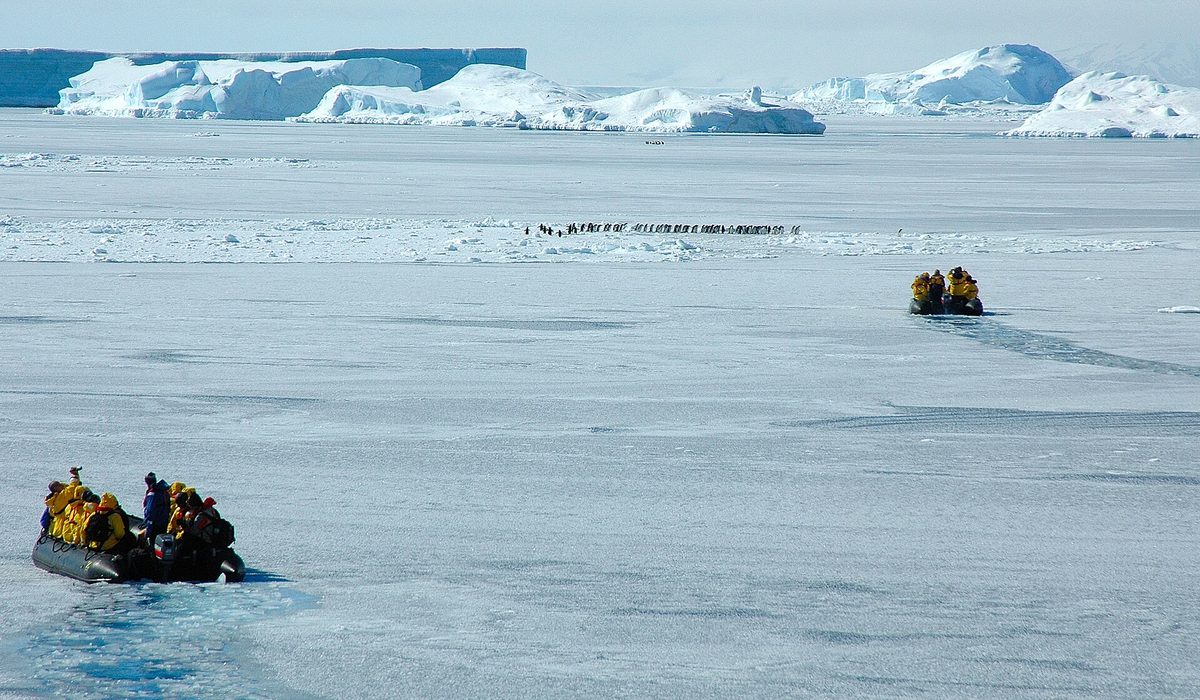
Use the long-haul flights wisely: set your watch to the destination time as you board, hydrate far more than feels necessary, go easy on alcohol and caffeine, and try to sleep on the body clock of where you’re headed. Once you’ve landed, daylight and a gentle walk help reset your rhythm faster than a darkened hotel room. By the time you step aboard, you want to feel rested and excited rather than wrung out — because the adventure begins immediately, often with a Drake crossing or a flight to the ice. A little discipline on the way down pays off in how much you enjoy those crucial first days, as our getting there guide details.
Antarctica travel tips FAQ
Do I need a visa to visit Antarctica?
No — Antarctica has no government and issues no visas. You only need to meet the entry requirements of your gateway country (Argentina for Ushuaia, Chile for Punta Arenas), which are visa-free for short tourism for most Western nationalities. Always confirm the rules for your specific passport before booking.
Is travel insurance required for Antarctica?
Yes, and it’s mandatory — operators check proof before boarding. You need emergency medical-evacuation cover (a minimum of around $200,000, with $500,000+ recommended), and ideally trip-cancellation cover too. Make sure the policy explicitly covers Antarctica and any adventure activities you’ve booked.
Is it safe to travel to Antarctica?
Yes, with a reputable IAATO-member operator. Ships are purpose-built, crews are highly experienced, and there’s no crime or unrest. The real considerations are seasickness, slips on ice, and the continent’s isolation — which is exactly why evacuation insurance and following your guides matter so much.
Do I need vaccinations for Antarctica?
None are required for Antarctica itself. Keep your routine vaccinations up to date, check any requirements for your gateway country, and complete your operator’s health questionnaire. Bring any personal medications in their original packaging, packed in your carry-on.
How fit do I need to be?
Moderately fit, not athletic. If you can step in and out of a Zodiac with help and walk on uneven snow, you can do this trip — many travelers in their seventies and eighties go each season. You can always skip a landing to rest, and the ship carries a doctor.
Will I get seasick crossing the Drake?
You might, but it’s very manageable. Start a remedy (scopolamine patch or Bonine/Dramamine) before you sail, watch the horizon, eat light, and stay hydrated. Most people find their sea legs by the second day, and a fly-cruise skips the crossing entirely if you’re truly worried.
Is there Wi-Fi or phone signal in Antarctica?
Phone signal, essentially none — there are no cell towers. Wi-Fi depends on the ship: older vessels have little or none, while newer ones increasingly offer satellite internet (often Starlink) in paid packages. Treat connectivity as a bonus and tell people you’ll be largely offline.
What currency do I need, and how much cash?
Very little on the continent — onboard accounts run on credit card, settled at the end of the voyage. Carry a no-foreign-fee card plus some Argentine or Chilean pesos and a little US currency for your gateway city. There are no ATMs or shops in Antarctica beyond the ship.
What is biosecurity and what will I have to do?
It’s the set of measures protecting Antarctica from foreign species and disease. You’ll vacuum and scrub your gear before the first landing and disinfect your boots between every site, carry no food ashore, stay on marked routes, and take nothing — no rocks, bones, or feathers. It’s quick, and it’s why the place stays pristine.
Can I travel to Antarctica with a disability or limited mobility?
Often, yes, with the right ship and planning. Newer ships have elevators and stabilizers, and crews assist with Zodiac transfers, though uneven terrain ashore is a real barrier. Talk to your operator early about your needs — even on days you skip a landing, Zodiac cruising and deck-based wildlife watching are superb.
What is the single most important Antarctica travel tip?
Arrive at your gateway city at least one full day early, and never skip travel insurance with evacuation cover. Those two together protect the entire trip: the buffer day saves you from a flight delay costing your voyage, and the insurance is both mandatory and your safety net in a place where help is days away.
Do I need a guide, or can I travel independently?
You travel as part of a guided, IAATO-regulated expedition — there’s no independent backpacking in Antarctica. All shore time is led by expert guides within set areas, which keeps both you and the environment safe and is part of why the wildlife stays so approachable. Your “independence” is choosing the right voyage.
What should I not bring to Antarctica?
Leave behind cotton clothing for landings (it chills you when wet), a bulky coat (the parka is provided), formalwear (there are no formal nights), and absolutely any drone (banned for tourists). Also skip single-use plastics where you can, and don’t plan to bring home any natural “souvenir” — taking rocks, bones, or feathers is prohibited.
How cold is Antarctica, and what’s the weather like?
Milder than you’d think — the Peninsula in summer hovers near freezing, around 28–38°F (−2 to 3°C), and warmer in the sun. The bite comes from wind chill and damp, not extreme cold, so layering and waterproofs matter more than heavy insulation. Conditions change fast, which is why itineraries flex daily.
Do I really need sunscreen in Antarctica?
Absolutely — arguably more than at the beach. The ozone layer is thin over the far south and the sun reflects off snow and water from every angle, so sunburn is common, even under your chin and nose. Pack high-SPF sunscreen, SPF lip balm, and proper sunglasses, and use them daily.
How far in advance should I plan an Antarctica trip?
Start 12 to 18 months out for peak dates, the best cabins, and popular activities, which sell out early. You’ll also want time to arrange insurance, gear, and flights with a buffer. Shoulder-season trips can sometimes be booked later, but early planning almost always means more choice and better fares.
What documents do I need to bring?
A passport valid for at least six months, any required gateway-country visa, printed copies of your flights and hotel bookings, and — crucially — proof of travel insurance with evacuation cover, which your operator will check. Keep digital and paper copies, and store them in your carry-on, not your checked bag.
Is the ship’s food and water safe, and what’s catered?
Yes — expedition ships serve plentiful, high-quality meals with potable water, and most accommodate dietary needs (vegetarian, vegan, gluten-free, allergies) if you notify them in advance. Dining is casual and hearty to fuel active days. Flag any requirements when you book so the galley can prepare.
Can children travel to Antarctica?
Yes, on many ships, though minimum ages (often around 8) apply for Zodiac and landing participation, and some operators run dedicated family departures. It can be a phenomenal trip for kids old enough to handle the excursions — see our Antarctica for every traveler guide.
What’s the best tip for the Drake Passage crossing?
Pre-medicate for seasickness before you sail, choose a low, midship cabin, and reframe the crossing as part of the adventure rather than an ordeal — the albatrosses and the building anticipation are half the magic. If rough water genuinely frightens you, book a fly-cruise and skip it.
Can I contact home in an emergency from Antarctica?
Yes. While there’s no cell signal, every expedition ship has satellite communications the crew can use for genuine emergencies, and you can leave your operator’s emergency contact line with family so an urgent message can reach you. Some travelers also carry a personal satellite messenger — check your operator’s policy first.
How can I make my Antarctica trip more sustainable?
Choose an IAATO operator with strong environmental credentials and, ideally, a hybrid ship; follow the biosecurity and leave-no-trace rules diligently; offset the carbon of your flights; and join onboard citizen-science projects. Travelling thoughtfully and treating the trip as a once-in-a-lifetime journey, rather than a casual one, is part of visiting responsibly.
What should I do as soon as I arrive at my gateway city?
Confirm your luggage arrived, locate your operator’s welcome desk or hotel, and relax — that’s the point of the buffer day. Use the time to pick up any last gear or local cash, attend any pre-departure briefing, and explore a little. Above all, don’t schedule anything that risks you missing the ship.
Is there a doctor on board?
Yes — every expedition ship carries a qualified doctor and a basic medical facility to handle illness, seasickness, and minor injuries. For anything serious, the limitation is the continent’s isolation and the time an evacuation takes, which is precisely why comprehensive medical-evacuation insurance is mandatory. Declare any conditions to your operator in advance.
What happens if weather cancels a landing or activity?
The expedition leader reroutes — that’s the whole point of the daily flexibility. A blocked landing becomes a chance to visit somewhere clear or chase reported wildlife, and operators generally refund pre-booked paid activities that can’t run. You may miss a specific site, but you’ll see something just as good that the conditions made possible.
Should I book through a travel agent or direct?
Either works, and a good polar specialist agent usually costs you nothing extra (they’re paid by the operator) while adding real value — matching the right ship to you and flagging the fine print. Whichever you choose, book early and confirm the operator is an IAATO member.
Is Antarctica a good choice for a first big international trip?
It can be — because it’s so thoroughly guided and managed, you’re looked after from embarkation onward, which suits nervous or first-time international travelers surprisingly well. The main demands are the planning checklist in this guide and a buffer day for the journey; the expedition itself holds your hand the rest of the way.
Final thoughts
Antarctica rewards preparation more than almost any destination, but the preparation is reassuringly finite: sort your insurance and documents, book a good IAATO operator, build in a buffer day, pack smart layers, protect against the sun, and make peace with being offline. Do that, and you arrive at the bottom of the world free to be fully present for it — which, when a humpback surfaces beside your Zodiac, is the only thing that matters.
Tick off the checklist, then stop worrying: the expedition team has guided thousands of first-timers and will shepherd you through the rest. Pair this guide with our packing, cost, and cruise-choosing guides, and you’ll be as ready as anyone can be for the trip of a lifetime. And here is the reassurance to carry with you: thousands of ordinary travelers make this journey every season, the overwhelming majority without a hitch, looked after at every step by people who do it for a living. The preparation feels heavy from your living room and weightless the moment you are aboard. Handle the checklist — insurance, documents, a buffer day, smart layers, sun protection — then let the worry go entirely. Antarctica asks for a little diligence up front and repays it, a thousand times over, with the most extraordinary days of your life. Go prepared, go open, and let the white continent do the rest.
About the author
Photo credits
All images via Wikimedia Commons, used under their respective licenses: travelers aboard ship & a research station — Liam Quinn (CC BY-SA 2.0); traveler with penguins — Denis Luyten (public domain); iceberg — amanderson2 (CC BY 2.0).
3 notes
Notes are closed on this entry.