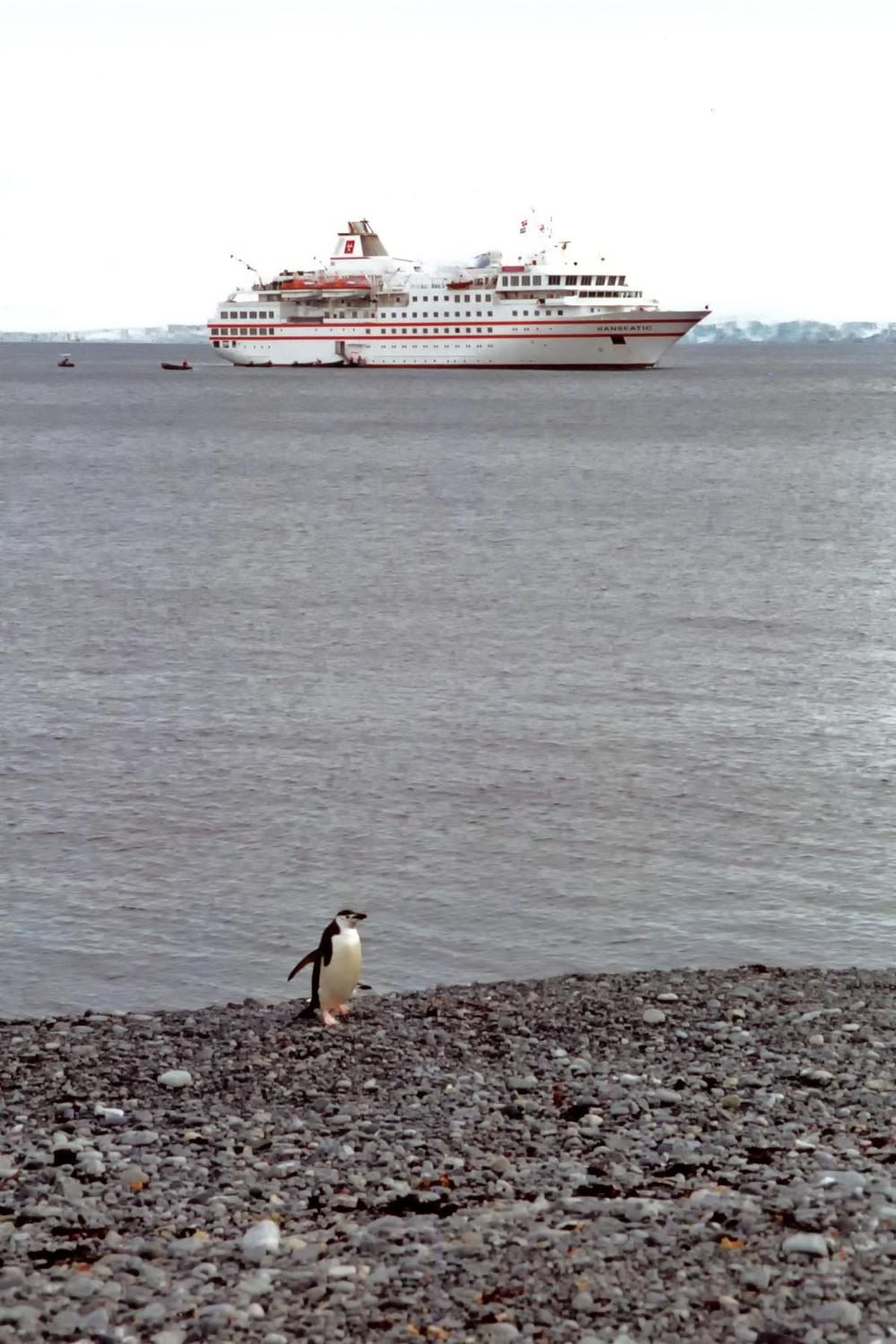
Before my first expedition, my mother asked me the question that everyone’s mother asks: is Antarctica safe? She pictured icebergs splitting under my feet, polar storms, the infamous Drake Passage swallowing the ship whole. I understood the worry, because Antarctica occupies a place in our imagination reserved for hostile, deadly wilderness. So let me answer plainly before we go any further, and then spend the rest of this guide backing it up: yes. Visiting Antarctica with a reputable expedition operator is remarkably safe, far safer than the continent’s fearsome reputation suggests, and the risks that do exist are well understood and carefully managed.
That is not the same as saying it is risk-free, and I am not going to pretend otherwise. Antarctica is genuinely remote, the weather is genuinely powerful, and a small number of real hazards deserve respect. But more than 118,000 people visited in the most recent season, the overwhelming majority returning home with nothing more dramatic than a memory card full of penguins and a slightly sunburned nose. In this guide I will walk through every real risk honestly — cold, sea conditions, wildlife, illness, medical access — and show you exactly how the system keeps travelers safe, so you can make your decision from facts rather than fear.
So, Is Antarctica Safe to Visit?
By the numbers and by experience, yes. Antarctic tourism has run for more than half a century and now carries well over a hundred thousand visitors a season — 118,491 in the 2024–25 season alone — with a safety record that any adventure-travel sector would envy. The reason is not luck. It is the result of a tightly coordinated, self-regulating system built specifically to manage the continent’s hazards. The single most important safety decision you will make is choosing an operator that belongs to the International Association of Antarctica Tour Operators (IAATO), because IAATO membership is effectively shorthand for “does this the safe way.”
Antarctica is safe in the way that commercial aviation is safe: the environment is unforgiving, but the procedures wrapped around it are so thorough that the practical risk to a well-prepared traveler is low. Your job is mostly to follow the briefings, dress correctly, and respect the staff’s instructions. Do that, and you tilt the odds firmly in your favor.
How the Safety System Actually Works
When people imagine Antarctic tourism, they picture a free-for-all on the ice. The reality is the opposite: it is one of the most regulated travel experiences on the planet. IAATO operators follow detailed rules that govern almost every moment ashore. No more than 100 passengers may be on land at any single site at one time, which prevents crowding and keeps groups manageable. Staff-to-passenger ratios are strict, so there are always experienced guides watching over you. Before your very first landing, the expedition team delivers a mandatory briefing on safety, wildlife distances, and environmental rules, and they repeat the key points constantly.
Layered on top of that are site-specific guidelines for each landing spot, activity-specific rules for things like kayaking and camping, pre- and post-visit reporting, and — crucially — contingency and emergency medical evacuation plans worked out in advance. Ships also coordinate their schedules so that vessels are reasonably spread across the region, which matters enormously if one ever needs help. This invisible scaffolding is why a day in Antarctica feels relaxed and spontaneous even though it is, in fact, choreographed down to the minute.
The Real Risks, Honestly: Cold and Weather
The most universal hazard is also the most manageable: the weather. Antarctica is cold, obviously, but Peninsula-season temperatures are milder than most people expect, often hovering around freezing rather than the brutal interior extremes you see in documentaries. The genuine dangers are wind, wet, and sudden change. A calm morning can turn into a whiteout, and wind chill on an open Zodiac bites hard. The result is that the main cold-weather risks for tourists are relatively minor — chilled hands, wet feet, the odd touch of frostnip — rather than life-threatening exposure, precisely because the layering system and the operator’s willingness to cancel a landing keep you out of real danger. Dressing correctly is your responsibility, and our guide to what to pack for Antarctica exists largely to keep you warm and dry.
Operators are conservative. If conditions deteriorate, landings are shortened or scrapped, and Zodiac operations pause. It can be disappointing to sit out a landing, but that conservatism is exactly why the safety record is so strong. Choosing the best time to visit Antarctica for calmer conditions can also stack the deck in your favor.
The Drake Passage and Seasickness
If there is one part of the trip that earns its fearsome reputation, it is the Drake Passage, the stretch of open ocean between South America and the Peninsula. It can be glassy calm — the “Drake Lake” — or genuinely rough, the “Drake Shake,” with big swells that confine queasy passengers to their cabins. Here is the reassuring truth: rough seas are uncomfortable, not dangerous. Modern expedition ships are built for these waters, with stabilizers and ice-strengthened hulls, and the crossing is routine for the crew even when it feels dramatic to you. The real issue for travelers is seasickness, which is miserable but treatable. We cover prevention in depth in our dedicated guide to avoiding seasickness in Antarctica, and the broader experience in our Drake Passage guide. If you are truly anxious about the sea, fly-cruise options let you skip the crossing entirely.
Slips, Falls and Zodiac Safety
Statistically, the most common injuries in Antarctica are mundane: slips and falls on wet rocks, icy gangways, and slick landing beaches. This is unglamorous but important, because a broken wrist in a place with no hospital is a serious matter. The mitigations are simple and effective — good waterproof boots with grip, the “sailor’s grip” when handing yourself in and out of Zodiacs, taking the crew’s hand, and never rushing. The expedition staff drill Zodiac safety relentlessly: how to board, where to sit, how to hold on. Follow it. The overwhelming majority of incidents that do happen are preventable with a little care and the right footwear.
Wildlife Safety: Respect the Distance
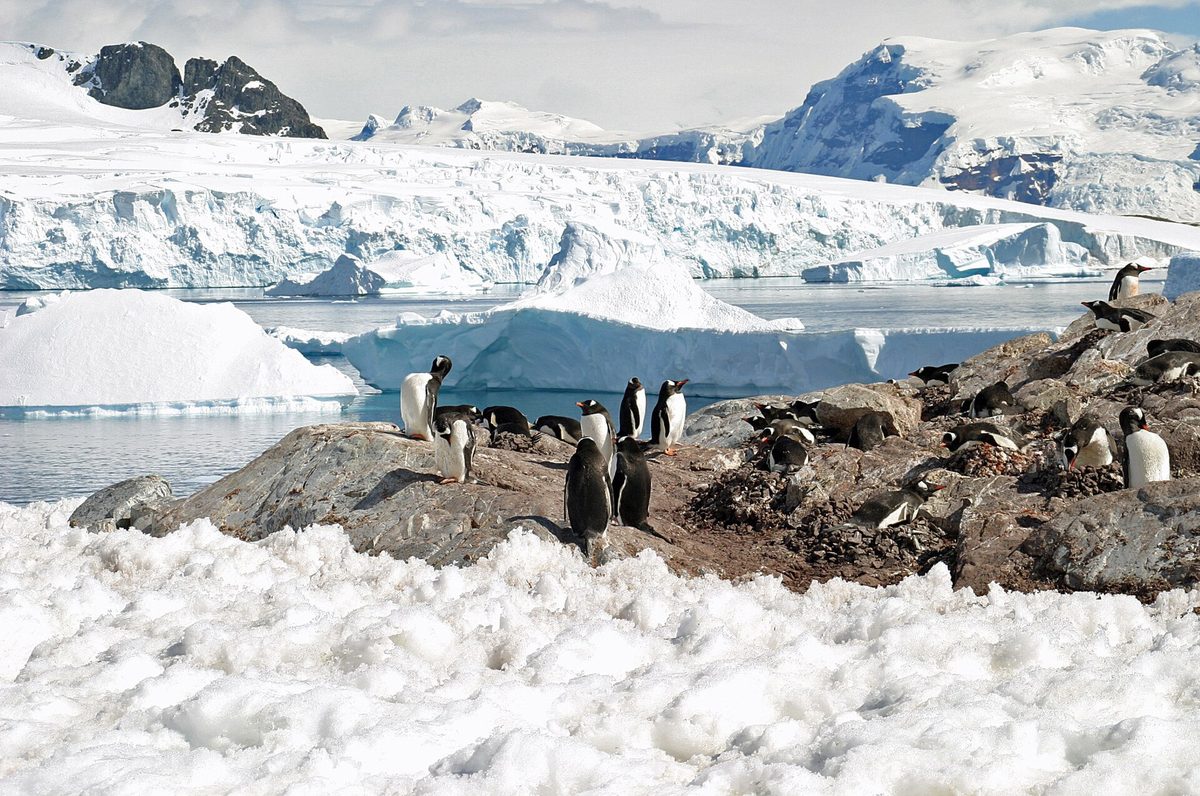
Antarctic wildlife is astonishingly approachable, which creates its own risk — to you and to the animals. Fur seals can be aggressive and surprisingly fast, large bull elephant seals are best given a wide berth, and even penguins can deliver a nasty peck if cornered. IAATO rules require keeping set minimum distances (generally at least five meters from most wildlife, more for some species), never blocking an animal’s path to the sea, and letting curious penguins approach you rather than the reverse. These rules protect the animals first and you second. Our Antarctica wildlife guide explains the etiquette species by species. The headline: the wildlife is not out to get you, but it is wild, and the distance rules exist for good reasons.
Illness On Board and Biosecurity
Any time a few hundred people share a ship, contagious illness is a consideration, and Antarctica is no exception. The realistic risks are the same gastrointestinal and respiratory bugs that circulate on any cruise — norovirus-type stomach illness and ordinary colds and flu — rather than anything exotic. Operators take this seriously, with hand-sanitizer stations, rigorous galley hygiene, and isolation protocols if someone falls ill. You can help by washing your hands obsessively and staying home if you are unwell before departure. The continent also enforces strict biosecurity in the other direction, to stop visitors introducing seeds, spores, or pathogens that could harm Antarctic ecosystems; the boot-washing and gear-decontamination rituals are explained in our guide to Antarctica biosecurity and decontamination. Staying current on routine vaccinations before you travel is sensible, as covered in our Antarctica health and vaccinations guide.
Medical Care and Emergency Evacuation
This is where the remoteness becomes real, and where the system earns its keep. Every expedition ship carries at least one doctor — often two — and a small infirmary capable of handling seasickness, minor injuries, infections, and stabilization. What a ship cannot do is provide hospital-level care, so the safety net is the evacuation plan: stabilize on board, sail toward help, and coordinate onward transport from a gateway city. These plans are pre-arranged, but they are slow and expensive by the standards of anywhere with roads. That is precisely why comprehensive insurance with a high evacuation limit is mandatory, not optional, and why I never let anyone skimp on it. Read our Antarctica travel insurance guide for exactly how much coverage to carry. The reassuring reality is that serious medical events are rare, and the onboard doctor resolves the vast majority of issues without any drama at all.
Is the Ice Itself Dangerous?
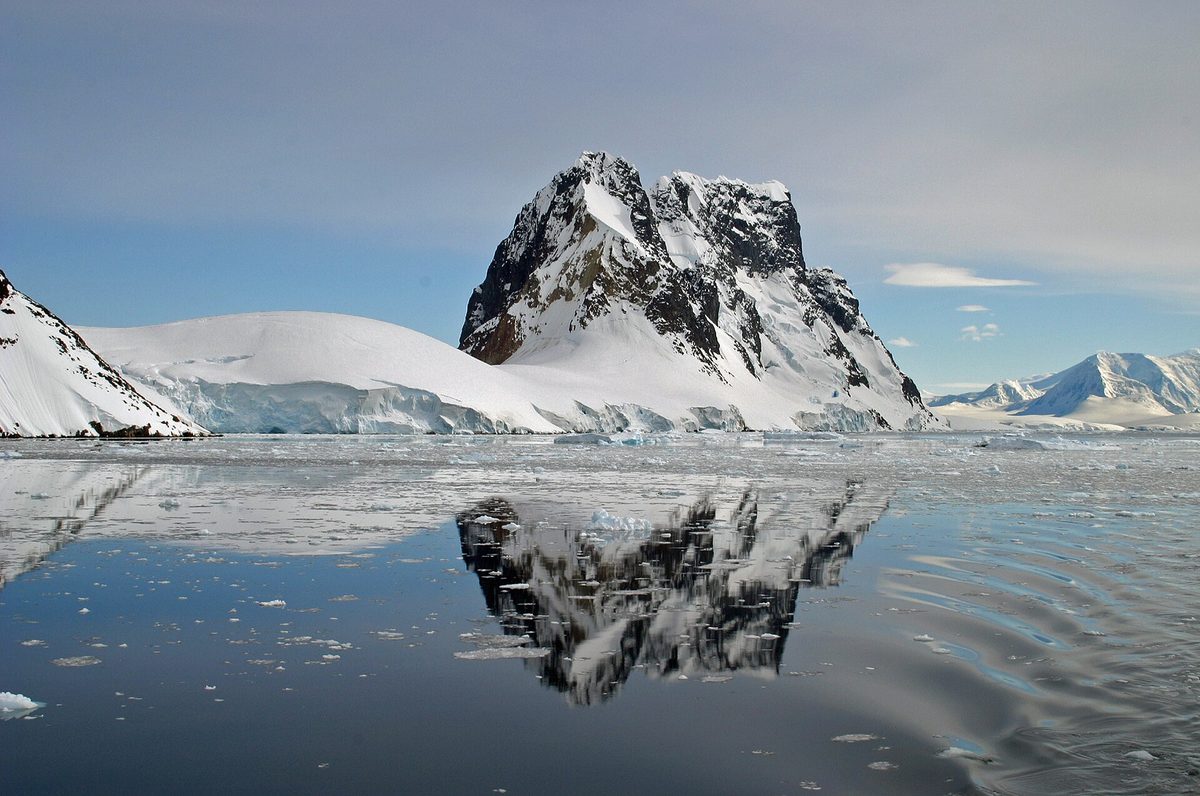
People often fear the landscape — calving glaciers, crevasses, sea ice giving way. These are real phenomena, but tourists are kept well clear of them. Guides choose landing sites and walking routes specifically to avoid crevasse fields and unstable ice, rope off safe areas, and keep Zodiacs at a respectful distance from glacier faces that might calve. You are not mountaineering across a crevassed plateau; you are walking a guided route on a beach or low slope that the staff have assessed. The dramatic ice you will photograph is admired from a safe distance, not scrambled over. In years of expedition travel, the landscape itself is rarely the thing that hurts people — inattention and bad footwear are.
Modern Expedition Ships Are Built for This
The vessels themselves are a huge part of the safety story. Today’s purpose-built expedition ships have ice-strengthened or ice-classed hulls, advanced stabilizers, redundant navigation and propulsion, satellite communications, and crews highly experienced in polar waters. They are a world away from the repurposed vessels of early Antarctic tourism. When you are choosing a voyage, the ship matters, and our guide to Antarctica expedition ships and operators explains what to look for. A modern, well-crewed ship operated by an IAATO member is the foundation everything else rests on.
Who Should Think Twice — or Prepare Extra Carefully
Antarctica is accessible to a wide range of travelers, including many in their seventies and eighties, but honesty requires some caveats. If you have a serious heart or lung condition, uncontrolled diabetes, recent major surgery, or a condition that could deteriorate rapidly, the remoteness changes the calculus, and you should have a frank conversation with your doctor before booking. The issue is not the activity level, which can be gentle, but the distance from definitive medical care. This is not a reason to stay home for most people — it is a reason to plan, disclose conditions to your insurer, and choose an itinerary that matches your fitness. Travelers with mobility needs should read our guide to accessible travel in Antarctica.
Is Antarctica Safe for Solo Travelers, Families and Seniors?
Yes to all three, with small nuances. Solo travelers are wonderfully safe on expedition ships, which are sociable, contained environments with attentive staff; you are never truly alone. Families with children find Antarctica safe and extraordinary, though very young kids may struggle with the long sea days, and some operators set minimum ages. Seniors make up a large share of every passenger list and do beautifully, helped by the unhurried pace and the ship’s amenities. The common thread is that the structured, staffed, small-group nature of expedition travel suits every demographic. For tailored advice, see our Antarctica cruises guide.
How to Choose a Safe Operator
If you take one practical step away from this guide, make it this: book only with an IAATO member. Membership signals a binding commitment to the safety and environmental standards that make Antarctic tourism as safe as it is — the passenger limits, the staffing ratios, the briefings, the evacuation planning. Beyond that, look for a modern ice-class ship, a strong staff-to-passenger ratio, an experienced expedition leader, and transparent answers about medical facilities and contingency plans. A reputable operator will happily tell you who their doctor is and what their evacuation arrangements look like. Vagueness on these points is a red flag.
What You Can Do to Stay Safe
- Book an IAATO-member operator with a modern, ice-class ship.
- Buy comprehensive insurance with a high medical-evacuation limit.
- Be honest with your doctor and insurer about any medical conditions.
- Pack and wear the correct layers and grippy waterproof boots.
- Attend every briefing and follow the staff’s instructions precisely.
- Use the sailor’s grip on Zodiacs and gangways; never rush.
- Keep your distance from wildlife and respect the site rules.
- Wash your hands constantly to avoid shipboard illness.
Is Antarctica Safe Right Now?
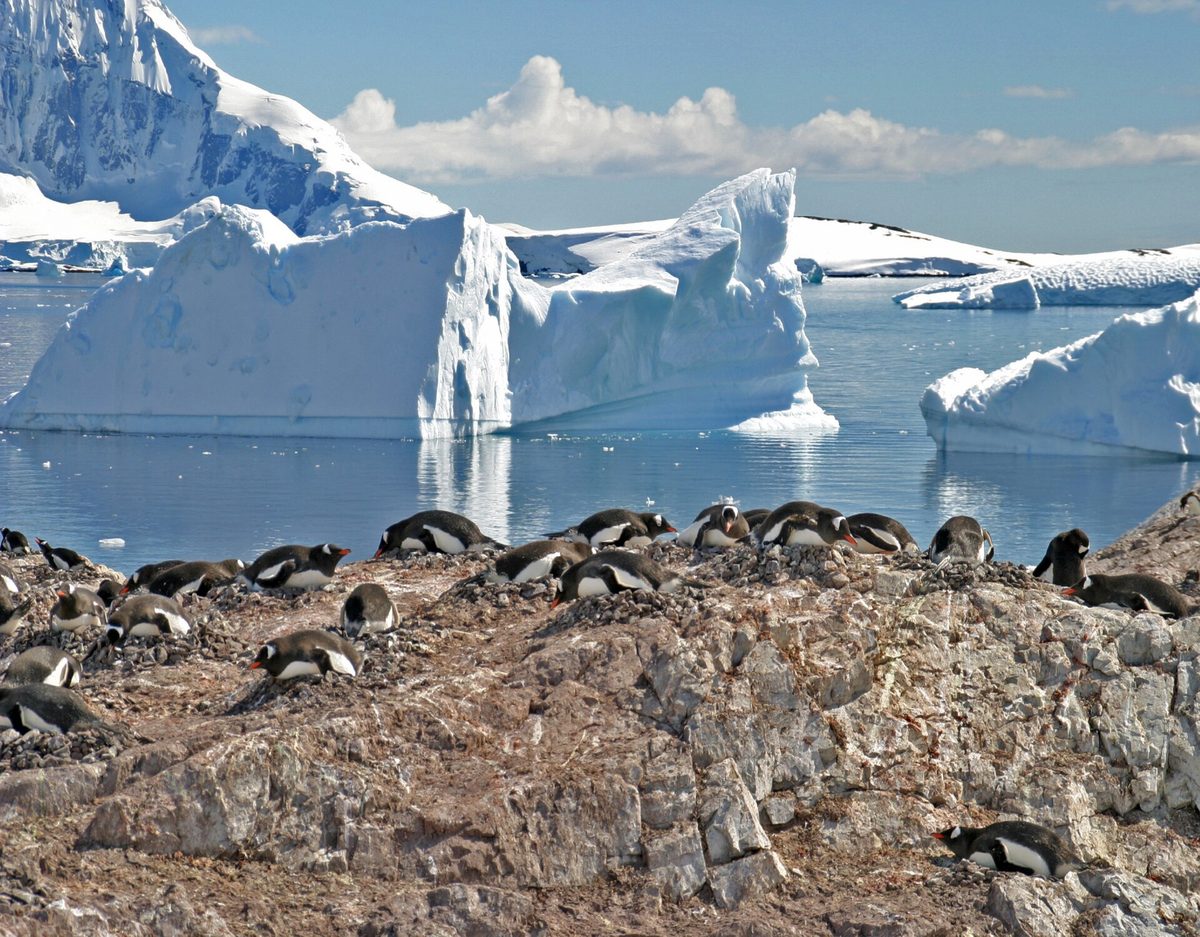
As of the 2024–25 season, Antarctic tourism is busier than ever, with visitor numbers comfortably above 100,000 and a safety framework that has scaled up alongside demand. The growth brings its own debates about environmental pressure and crowding at popular sites, which the industry is actively managing, but it has not made the experience less safe for the individual traveler. If anything, the maturity of the sector — more ships with better technology, deeper institutional experience, refined protocols — means today’s expeditions are run with more accumulated know-how than ever before. The honest, current answer to whether Antarctica is safe to visit is a confident yes, provided you choose well and prepare properly.
Staying Connected for Peace of Mind
One underrated dimension of feeling safe is being reachable. Modern expedition ships carry satellite communications, so the crew can coordinate help and you can usually get word to family, even if the connection is slow and metered. Knowing you are not truly cut off does a lot to ease the natural anxiety of traveling somewhere this remote. Manage your expectations, though: this is not home broadband, and that is part of the appeal. Our guides to internet and Wi-Fi in Antarctica and phones and staying in touch explain exactly what to expect, including how to reach the outside world in a genuine emergency.
A Word on Travel Anxiety
It is completely normal to feel a flutter of nerves before a trip like this, especially about the Drake or the cold. In my experience, that anxiety melts within the first day aboard, once you have met the expedition team, sat through the briefings, and felt how methodically everything is run. The staff have done this hundreds of times; their calm is contagious. If you are an anxious traveler, lean on that structure. Ask questions, learn the routines, and let the professionals carry the load. The reward for trusting the system is the freedom to be fully, joyfully present when a humpback surfaces beside your Zodiac or a curious gentoo waddles up to inspect your boots. That is the version of Antarctica worth traveling for, and it is the one the safety framework is designed to deliver.
How Antarctic Safety Compares to Other Adventures
It helps to put the risk in perspective. Plenty of popular trips carry hazards we rarely think twice about: high-altitude trekking in Nepal, safari travel in remote bush, scuba holidays far from a recompression chamber, even a road trip on unfamiliar highways. Measured against those, a guided Antarctic expedition stacks up extremely well, because the structure is so much tighter. You are not navigating yourself through hazards; a professional team is doing it for you, with rules that cap group sizes, vet every route, and pre-plan every contingency. The thing that makes Antarctica feel risky — its remoteness — is the very thing the industry has spent fifty years engineering around. The result is an adventure that looks wild and is wild, yet is delivered with the discipline of a far tamer activity. That combination is rare, and it is the real reason seasoned travelers keep going back without a second thought.
None of this means switching off your own judgment. The safest travelers are the ones who stay attentive, follow the briefings, and treat the environment with respect rather than complacency. Safety in Antarctica is a partnership: the operator provides the framework, and you provide the good sense to work within it.
Frequently Asked Questions
Is Antarctica safe to visit as a tourist?
Yes. With a reputable IAATO operator, Antarctica is a very safe destination. Over 118,000 people visited in the latest season, and the sector has an excellent safety record built on strict passenger limits, staffing ratios, briefings and evacuation planning.
What is the most dangerous part of an Antarctica trip?
Statistically, mundane slips and falls on wet rocks and gangways cause the most injuries, not the dramatic hazards people imagine. Good boots, the sailor’s grip, and not rushing prevent the large majority of them.
Is the Drake Passage dangerous?
It can be rough, but rough is uncomfortable, not dangerous. Modern expedition ships are built for these seas. The real challenge is seasickness, which is treatable, and fly-cruises let you skip the crossing if you prefer.
What medical care is available in Antarctica?
Every expedition ship carries at least one doctor and a small infirmary for minor issues. Serious cases require evacuation to a gateway city, which is slow and costly — hence the mandatory high-limit insurance.
Are the animals dangerous?
Mostly no, but fur seals can charge and large seals deserve space. The IAATO distance rules protect both you and the wildlife. Let penguins approach you, never the reverse.
Can older travelers visit Antarctica safely?
Absolutely — seniors are the largest group on most voyages. The pace is unhurried. Anyone with a serious medical condition should consult their doctor and insurer first, because of the distance from hospital care.
Is it safe to visit Antarctica solo?
Yes. Expedition ships are sociable, staffed, contained environments where you are never truly alone, making them excellent for solo travelers.
Do I need vaccinations to stay safe in Antarctica?
No special Antarctic vaccines exist, but being current on routine immunizations is wise, mainly because of shipboard contact and your gateway-country travel. See our health and vaccinations guide for details.
Has anyone died on an Antarctic tourist expedition?
Incidents are extremely rare relative to the number of visitors, which is why the sector’s safety record is so strong. The hazards that exist — sea conditions, slips, the distance from hospitals — are real, which is exactly why operators wrap the experience in such thorough procedures and why insurance is mandatory.
What should I do if I have a medical emergency at sea?
Alert the staff immediately; the ship’s doctor will assess and stabilize you, and the captain will activate the pre-arranged evacuation plan if needed. This is precisely the scenario your high-limit medical-evacuation insurance is designed to cover, so carry it and keep the policy details handy.
Final Thoughts
Antarctica’s reputation as a deadly wilderness is a half-truth: the environment is formidable, but the experience of visiting it as a modern expedition traveler is safe, structured, and astonishingly well managed. The risks are real but small and well understood — cold, sea, slips, the distance from hospitals — and every one of them is actively mitigated by the operator you choose and the preparation you do. Pick an IAATO member, insure yourself properly, dress for the conditions, and listen to your guides, and you can let the fear go and simply be present for one of the greatest journeys on Earth. For the full pre-trip checklist, visit our Antarctica travel tips hub.