After all the spreadsheets and price comparisons, every traveller arrives at the same hard question: is antarctica worth the money? You are looking at a fare that averages $9,000 to $14,000 per person and an all-in cost that can climb past $16,000, which is serious money by any measure. I will not pretend otherwise, and I will not give you a glib yes. But having weighed it honestly, and having heard from countless travellers who made the leap, my answer is a considered, emphatic yes for most people, with a few honest caveats about who might feel differently. This guide makes the real case, for and against, so you can decide for yourself.
This is the emotional counterweight to all the numbers. Read it alongside our cost of visiting Antarctica hub and the full price breakdown once you know what it costs and want to know whether to spend it.
Is antarctica worth the money? The honest answer
Reviewers and returning travellers are strikingly consistent: the overwhelming majority say yes, often describing it as the best money they ever spent. The phrase I hear most is some version of “worth every penny.” That near-unanimity is unusual for any expensive purchase, and it tells you something real. Antarctica is not a holiday you compare unfavourably to a cheaper beach week; it is a singular experience that people measure against the milestones of their lives. The value is not in luxury or pampering, which you can buy more cheaply elsewhere, but in standing somewhere almost no one ever will, among wildlife that has no fear of you, on the last great wilderness on Earth.
What you are actually paying for
It helps to be clear-eyed about where the money goes, because the value case rests on it. You are paying for an ice-strengthened ship that is expensive to build and run, an expert crew and an expedition team of scientists and guides, strict environmental compliance and cleaner fuels, and the sheer logistics of operating at the end of the Earth with no infrastructure to lean on. This is not a megaship spreading costs over four thousand passengers; it is a small vessel carrying a hundred or two, with guides who often outnumber guests on the beach. The price reflects genuine, unavoidable cost, not a luxury markup, which is part of why it feels fair once you are there.
The experiences money cannot replicate
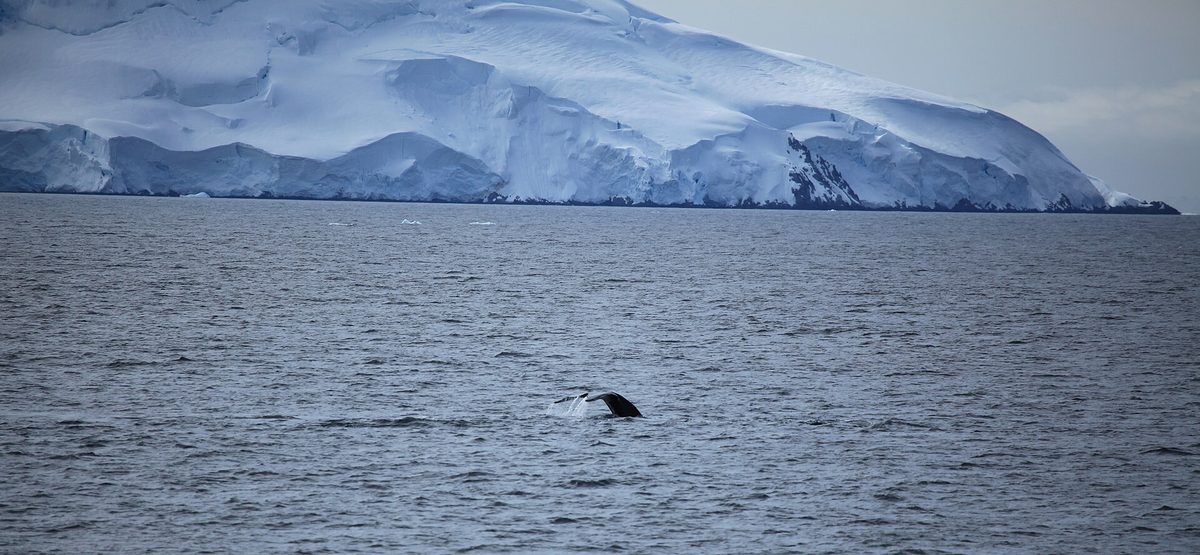
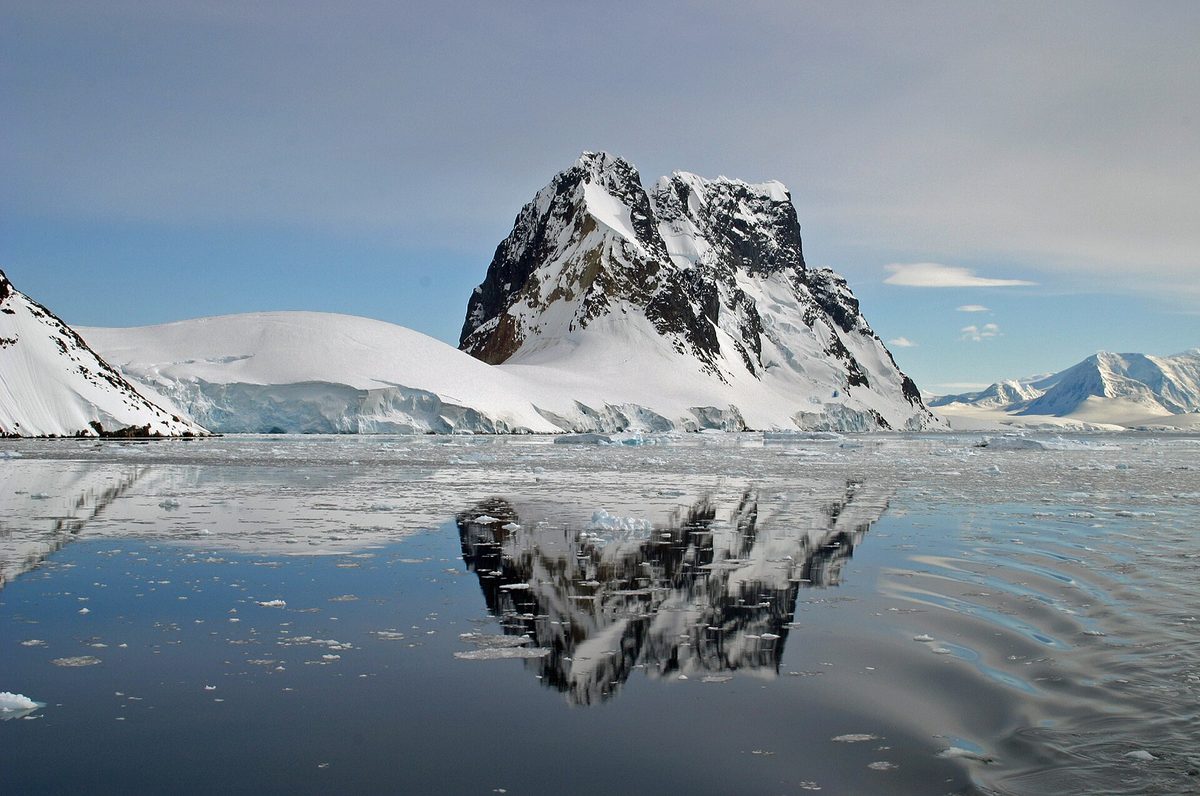
Here is the heart of the matter. There are experiences on an Antarctic voyage that simply do not exist anywhere else at any price. Standing in the profound silence of a place with no permanent human population. Watching a humpback whale surface an arm’s length from your Zodiac. Sitting on a rock while a curious penguin waddles over to inspect your boots. The impossible blues inside a glacier. The scale of mountains rising straight from a black sea. You cannot buy these elsewhere because they are not for sale elsewhere; they are the dividend of going to the one place on the planet that still belongs to the ice and the animals.
The wildlife payoff
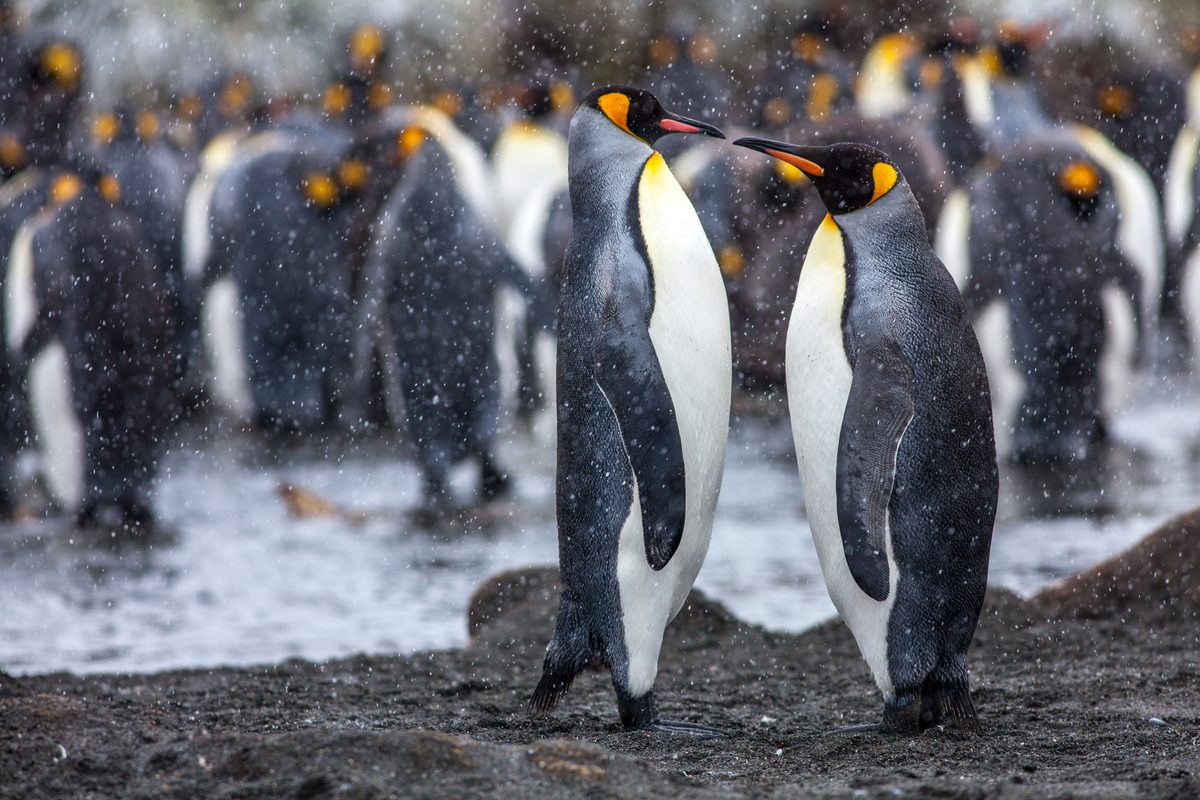
For many travellers, the wildlife alone justifies the cost. Antarctica and its approaches deliver a density and fearlessness of animals you will not find on a conventional safari. Penguin colonies tens of thousands strong, their chicks underfoot. Leopard seals patrolling the ice edge. Whales feeding so close you hear their breath. Albatrosses shadowing the ship across the Drake. Because the animals evolved without land predators, they do not flee, so you watch their lives unfold at a distance measured in feet. Our Antarctica wildlife guide catalogues it all, but no list conveys what it feels like to be among them.
The landings that define the trip
What truly separates an Antarctic expedition from a sightseeing cruise is that you get off the ship, twice a day, onto the continent and its islands. These Zodiac landings, included in every reputable fare, are where the value concentrates: guided walks among colonies, visits to historic huts and research bases, quiet cruises along ice cliffs. You are not watching Antarctica through glass; you are standing on it, breathing it, your boots on the same snow as the penguins. Even on the most budget-friendly ship, these landings are the core product, which is why I argue that the essential experience is included in even the cheapest real voyage.
Why it costs what it costs
Understanding the expense makes it easier to accept. Ice-strengthened ships require specialist construction and constant maintenance, experienced ice captains and crews, and compliance with strict environmental regulations covering fuel, waste and wildlife distance rules. The continent has no ports, fuel depots or hospitals to support operators, so everything must be carried and self-sufficient. Small passenger numbers, mandated partly to protect the environment, mean those costs are shared among few. None of this is gouging; it is the true price of taking people responsibly to the most remote wilderness on Earth. Seen that way, the fare is less a splurge than the honest cost of an extraordinary logistical feat.
Who finds it worth every penny
Some travellers are almost guaranteed to feel the money was well spent. Lovers of wildlife and wild places, for whom proximity to whales and penguins is priceless. Photographers, who find a lifetime of images in a single voyage. Seasoned travellers ticking the seventh continent, for whom the achievement itself carries weight. Anyone drawn to silence, scale and solitude. People marking a milestone, a retirement, an anniversary, a long-held dream. If you have spent years quietly wanting this, that longing is itself a strong signal; the people who most want to go are almost always the ones who come back most certain it was worth it.
Who might feel differently
Honesty cuts both ways, so let me name who might not. Travellers who need warmth, nightlife, shopping or constant comfort may find an expedition cold, remote and quiet to a fault. Those who are indifferent to wildlife and landscape, and who measure value purely in luxury per dollar, can buy more pampering elsewhere for less. People prone to severe seasickness who cannot or will not fly the Drake may suffer on the crossing. And anyone who would have to take on debt to go should weigh that carefully, because financial strain can sour any trip. Antarctica rewards a particular kind of traveller richly, and it is fair to ask honestly whether you are one.
How it compares to other big trips
Set against other bucket-list journeys, Antarctica holds up well. Here is how I think about the comparison.
- An African safari: spectacular wildlife too, often at a similar cost, but on a continent many more people will reach.
- A luxury European tour: comfortable and cultured, yet replicable and far less rare.
- A Galapagos cruise: the closest cousin, fearless wildlife and small ships, but without the overwhelming scale and remoteness of the ice.
- Antarctica: the rarest of them all, a place fewer than a few hundred thousand people have ever visited, delivering wildlife, wilderness and achievement at once.
Measured by uniqueness per dollar, the seventh continent is arguably the best value on the list, precisely because nothing else compares to it.
How to make sure you get the value
Worth is not automatic; you can increase it. Arrive fit enough to take every landing and Zodiac cruise, because the value is in participation, not observation. Engage with the expedition team, whose knowledge transforms a pretty view into a story. Choose the right season for the wildlife you most want. Pick one optional activity, like kayaking, that will become a defining memory. And manage your budget so you are not anxious about money while you are there. The travellers who extract the most value are not the ones who paid the most; they are the ones who showed up engaged and present. Our things to do in Antarctica guide helps you plan that engagement.
Does a budget trip deliver the same worth?
This matters enormously for the value question: the budget passenger and the suite passenger climb into the same Zodiacs, land on the same beaches, and watch the same whales. The expensive ship buys comfort between the adventures, not better adventures. So if cost is your barrier, take heart, because the part that makes Antarctica worth it is included in even the cheapest real expedition. You do not need a balcony to be changed by the place. Our budget guide and cheapest way to get to Antarctica guide show how to access that same worth for far less.
Minimising the risk of regret
If you worry about spending so much and not loving it, you can stack the odds in your favour. Choose a reputable operator and a well-reviewed ship. Match the season to your priorities, whales late, chicks midsummer, pristine snow early. Read honestly about the Drake and choose to fly it if seasickness genuinely frightens you. Budget so the cost is comfortable rather than crushing. Do these and the probability of regret drops to almost nothing, which is reflected in just how rarely returning travellers express any. The most common post-trip emotion is not buyer’s remorse; it is the urge to find a way to go back.
The intangible returns
Some of what you buy cannot be put on a spreadsheet, and it may be the most valuable part. People return from Antarctica subtly changed: more aware of the planet’s fragility, more humbled by scale, carrying a story they will tell for the rest of their lives. A trip like this resets your sense of what is possible and what matters. Years later, travellers describe the memories as a permanent source of joy, returned to again and again. If you measure worth only in dollars per day, you will miss this entirely; if you measure it in how a place can mark and move you, Antarctica may be the best investment you ever make.
Conservation and the value of going
There is a broader value too. Travellers who witness Antarctica almost universally become advocates for protecting it, and well-run, regulated tourism funds research, supports conservation awareness and creates a constituency of people who care about the polar regions. Going responsibly, with an operator that follows the strict environmental rules, is not at odds with loving the place; it can deepen your commitment to it. Many returning travellers channel their experience into support for conservation, which adds a dimension of worth beyond the personal. You come home not just with memories but with a stake in the future of the last great wilderness.
Timing it for the right moment in life
Finally, worth is partly about timing. Antarctica asks for money, time and a degree of physical capability, so the value is highest when those align in your life. For some that is a milestone year; for others it is simply the moment the longing outweighs the hesitation. Waiting for the “perfect” time forever is its own kind of loss, because health and circumstances change. If the desire is strong and the budget is reachable, the honest advice from almost everyone who has gone is the same: find a way, and go. The regret people voice is rarely about spending the money; it is about the years they waited.
Putting a price on a memory
One way to settle the worth question is to divide the cost by what you actually take home. Spread an all-in cost of, say, $15,000 across a lifetime of vivid memory and it begins to look different from a single line on a credit-card statement. People happily spend comparable sums on cars that depreciate, kitchens they barely notice after a month, or a string of forgettable holidays. Antarctica returns something that does not fade: a story you will tell for decades and images that stop people mid-conversation. When you weigh it against the average cruise price and the hidden costs, the real comparison is not against a cheaper holiday but against everything else you might do with the money, and few things compete with a permanent memory of the seventh continent.
What past travellers say
Listen to people who have actually gone and a clear pattern emerges. They rarely talk about the cabin or the food; they talk about the moment a whale looked them in the eye, the hush of a glacier calving, the absurd charm of a penguin colony at dawn. The camaraderie of a shipful of strangers becoming friends comes up constantly, as does the expertise of the expedition team. Even travellers who fretted about the price beforehand, including solo travellers who navigated the single supplement and those who weighed the flight costs, almost universally land in the same place afterward: it was worth it, and they would do it again.
Is it worth it for every kind of traveller?
The value holds across very different travellers, in different ways. Families find it a once-in-a-childhood education that no classroom can match. Solo travellers discover an unusually social, welcoming environment and a profound personal adventure. Older travellers, provided they are reasonably mobile, often call it the crowning trip of a lifetime of travel. Couples mark milestones against a backdrop nothing else can rival. The trip flexes to fit who you are, which is part of why so many different people rate it so highly. Our Antarctica for every traveller guide explores how the experience lands for each, and our Antarctica travel tips help everyone get the most from it.
Making peace with the price
If the number still gives you pause, here is how thoughtful travellers come to terms with it:
- Reframe it as a once-in-a-lifetime experience, not a recurring holiday cost.
- Save deliberately over the year between deposit and final payment.
- Choose a budget ship and shoulder season so the same worth costs less.
- Share a cabin to avoid the single supplement and halve the solo premium.
- Pick one meaningful splurge rather than spreading money thinly across many.
- Refuse to go into debt; a comfortable budget protects the joy of the trip.
Approach the cost this way and it stops being a source of anxiety and becomes simply the price of admission to somewhere extraordinary.
The verdict
So here is my plain verdict after weighing it all. Antarctica is genuinely expensive, and for a small number of travellers, those who crave comfort over wilderness, or who would have to borrow heavily to go, it may not be the right spend. But for the great majority who feel the pull of the place, it delivers a return that few purchases on Earth can match: rarity, beauty, fearless wildlife, achievement and a story without end. The near-universal testimony of those who have gone is not marketing; it is people telling the truth about the best money they ever spent. If you want to go, and you can reach the budget without breaking yourself, the honest answer is yes, it is worth it.
A question only you can answer
In the end, whether Antarctica is worth the money is a deeply personal calculation, and no review can make it for you. What the testimony of others can do is shift the odds: knowing that the overwhelming majority return convinced, that the core experience survives a budget, and that regret is genuinely rare should reassure anyone on the fence. Weigh your own longing against your own finances honestly. If the desire is real and the cost is reachable without hardship, the collected wisdom of thousands of travellers points one way. Antarctica does not promise comfort or convenience, but it delivers wonder at a scale almost nothing else can, and for most people who go, that turns out to be worth every cent.
Frequently asked questions
Is antarctica worth the money for most travellers?
Yes, for the great majority. Returning travellers and reviewers overwhelmingly describe it as worth every penny, valuing the wildlife, wilderness and sense of achievement above the comfort that cheaper trips can buy.
Why is Antarctica so expensive?
Ice-strengthened ships, expert crews, strict environmental rules and the logistics of operating with no infrastructure all cost money, shared among only a hundred or two passengers. The fare reflects genuine cost, not a luxury markup.
Who might not find it worth it?
Travellers who need warmth, nightlife or constant luxury, those indifferent to wildlife and landscape, people with severe seasickness who will not fly the Drake, and anyone who would have to go into serious debt to afford it.
Does a cheaper trip feel less worth it?
No. Budget passengers join the same landings, guides and wildlife as everyone aboard. The premium buys onboard comfort, not a better Antarctic experience, so the core worth is present even on the cheapest real voyage.
How does it compare to a safari or Galapagos?
It offers comparable wildlife with far greater rarity, scale and remoteness. Measured by uniqueness per dollar, many travellers rate Antarctica the best value among the great bucket-list trips.
How can I make sure I get my money’s worth?
Arrive fit, take every landing, engage with the expedition team, match the season to your wildlife goals, pick one memorable activity, and budget so money worries do not intrude on the experience.
Will I regret spending so much?
Very rarely. With a reputable operator, the right season and a comfortable budget, regret is uncommon. The most common feeling afterward is the desire to return, not remorse over the cost.
Is it worth going into debt for?
Generally no. Financial strain can sour any trip. It is better to save, travel in the shoulder season, share a cabin and choose a budget ship than to take on debt that outlasts the memories.
Final thoughts
Is Antarctica worth the money? For most people who genuinely want to go, the answer that comes back, again and again, is an unhesitating yes. You are buying something money can rarely purchase: rarity, wilderness, fearless wildlife and a story that will outlast almost everything else you spend on. Budget honestly, choose well, travel responsibly, and the price stops feeling like a barrier and starts feeling like a fair toll for the trip of a lifetime. When you are ready to turn the dream into a plan, our complete cruises guide and best time to visit guide will help you take the first step.
