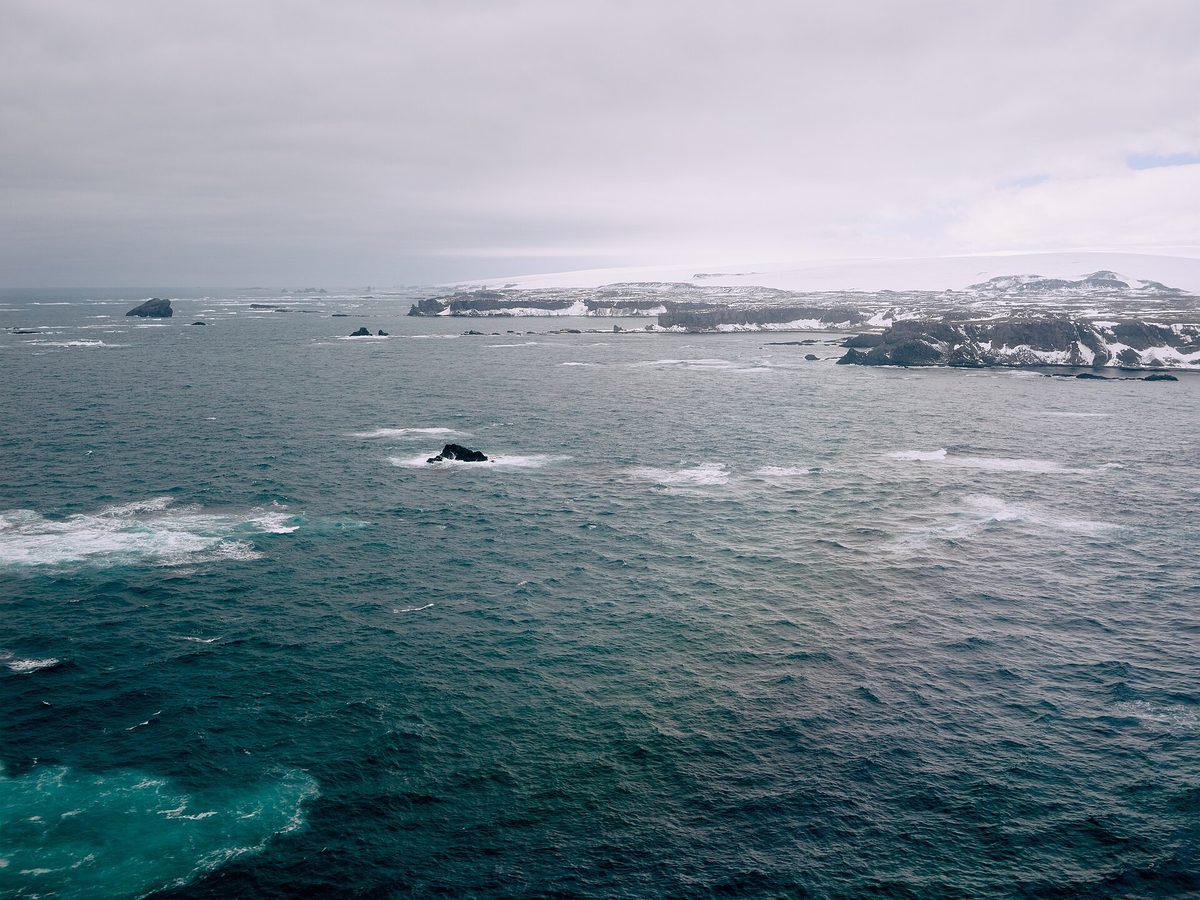
For most of the last century, there was exactly one way to reach Antarctica: you got on a ship and you sailed there, across some of the wildest water on the planet. That’s no longer true. Flights to Antarctica have quietly transformed who gets to visit the white continent and how — and if you’ve been put off by the thought of two pitching days across the Drake Passage, this is the guide that opens a different door. Today you can fly over the Drake and step onto an expedition ship with dry feet, soar above the continent for an afternoon without ever landing, or charter a private jet to a blue-ice runway and sleep in a luxury pod beside an emperor penguin colony.
These are not variations on one trip. They are wildly different experiences, at wildly different prices, leaving from different continents, for completely different kinds of traveler. A two-hour charter from Chile that saves you the Drake has almost nothing in common with a $110,000 expedition to the South Pole from Cape Town, and neither resembles a day-return sightseeing flight from Sydney. I’ve spent years untangling these options for travelers, and the confusion is understandable — the operators each describe only their own slice. This guide lays out the whole picture: every way to experience Antarctica by air, what each one costs, who it suits, and how to choose.
Think of this as the master hub for Antarctic aviation. Each route below gets the full headline treatment here, with links through to dedicated deep-dive guides. Whether you want to skip the Drake, see the ice from a plane window, or plant your boots at ninety degrees south, the sky is now a genuine way in.
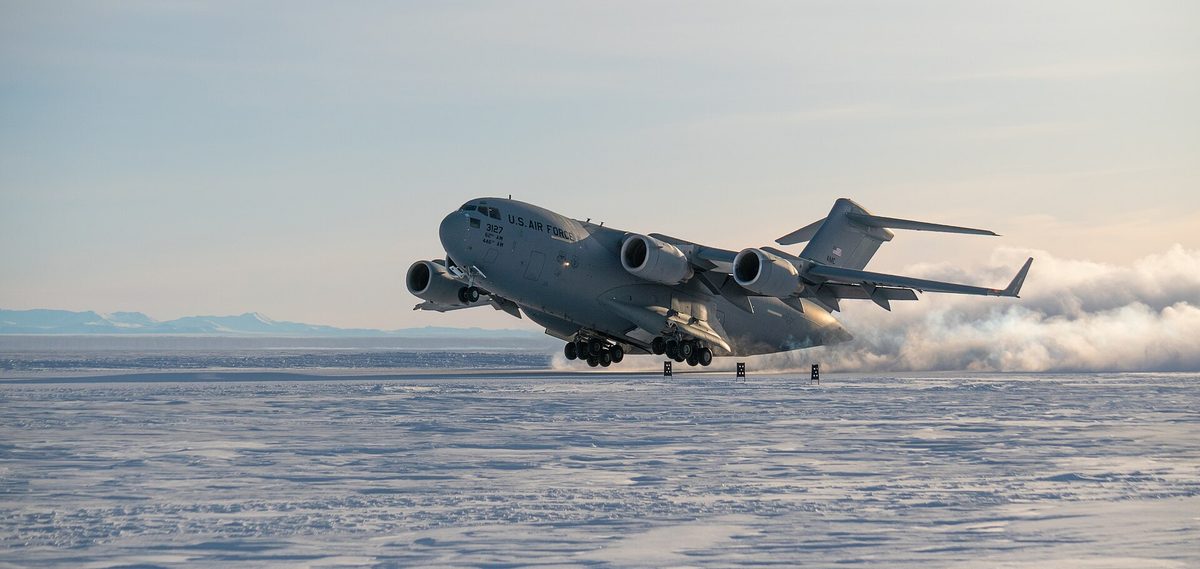
Why consider flying instead of sailing?
The honest answer is that flying solves specific problems. The biggest is the Drake Passage — the 800-kilometre stretch of open ocean between South America and Antarctica that can deliver either the gentle “Drake Lake” or the brutal “Drake Shake,” and you don’t get to choose which. For travelers who are prone to seasickness, short on time, or simply unwilling to gamble two days each way on the weather, flying across that water in two hours is transformative. You trade up to four days at sea for a couple of hours in the air, and you spend that reclaimed time among the icebergs and penguins instead.
Time is the other great motivator. A classic sailing voyage runs ten or eleven days minimum once you account for the crossing; fly both ways and you can experience the Antarctic Peninsula in around eight. For working professionals burning precious vacation days, that compression matters. And then there are the experiences you simply cannot have by ship at all — the deep interior, the Geographic South Pole, and the emperor penguin colonies on the fast ice are reachable only by aircraft. If those are your dream, a plane isn’t a shortcut; it’s the only road.
What does flying cost you, besides money? A little romance, perhaps. Plenty of travelers consider the Drake a rite of passage and wouldn’t skip it for anything, and the open-ocean crossing is prime time for albatrosses and whales. We weigh that trade-off honestly in our complete Drake Passage guide. But if the cons of sailing are deal-breakers for you, read on — the air has answers.
The different kinds of flights to Antarctica
Before we go deep, here’s the lay of the land. There are four fundamentally different ways to experience Antarctica by air, and almost every product on the market is a version of one of them. Skim this table, find the row that speaks to you, and jump to its section below for the full story and a link to its dedicated guide.
| Air option | What it is | Departs from | Rough cost (pp) | Best for |
|---|---|---|---|---|
| Fly-cruise (air-cruise) | Fly over the Drake, then cruise on an expedition ship | Punta Arenas, Chile | $11,000–$30,000+ | Time-pressed travelers, the seasick, comfort-seekers |
| Scenic overflight | Day-return flight over the continent, no landing | Australian cities | $800–$5,200 | Bucket-listers on a budget, the time-poor |
| Land-based fly-in camp | Private jet to an interior ice camp; ultra-luxury | Cape Town, South Africa | $15,000–$110,000 | Luxury travelers, South Pole & emperor dreamers |
| South Pole & emperor expeditions | Deep-interior flights to 90°S or emperor colonies | Cape Town / Punta Arenas | $70,000–$110,000+ | Once-in-a-lifetime, money-no-object adventurers |
Fly-cruise: skip the Drake, keep the ship
The fly-cruise — also called an air-cruise — is by far the most popular way to fly, and for good reason: it gives you the full expedition-ship experience minus the ocean crossing. The concept was pioneered by Antarctica21 more than two decades ago and has since been adopted by Quark Expeditions (its “Antarctic Express” voyages), Silversea, Lindblad, and others. Here’s how it works: you gather in Punta Arenas at the southern tip of Chile, board a chartered aircraft, and fly roughly two hours across the Drake to land on the gravel runway at King George Island in the South Shetlands. Your expedition ship is waiting in the bay. You board, and you’re exploring Antarctica that same day.
There are two main configurations, and the distinction matters. A fly-fly itinerary flies you in both directions — you never cross the Drake by sea at all, maximizing your time in Antarctica and eliminating seasickness entirely. A fly-sail (or sail-fly) itinerary flies one leg and sails the other, so you experience the Drake once — the rite of passage without the full round-trip toll — usually at a lower price than flying both ways. Which you choose depends on how you feel about that famous water. Our dedicated fly-cruise Antarctica guide breaks down every operator, ship, and itinerary in detail.
The trade-offs are real and worth stating plainly. Fly-cruises cost roughly 20% more than the equivalent sailing voyage, because there are no scheduled flights to Antarctica — everything runs on specialist chartered aircraft with highly skilled pilots, and that doesn’t come cheap. Flights are also weather-dependent, so you build in buffer time and accept a small risk of delay, though modern forecasting has pushed cancellation rates down to around 2%. And here’s the caveat the brochures gloss over: flying over the Drake doesn’t guarantee calm water, because your ship still crosses the Bransfield Strait to reach the Peninsula, and that can be choppy too. Even so, for the right traveler the fly-cruise is close to perfect.
Fly-cruise vs sailing: which is right for you?
This is the decision most Antarctica-bound travelers actually wrestle with, so let’s settle it. Neither option is objectively better — they’re better for different people. Sailing is cheaper, delivers the Drake’s pelagic birds and whales, and carries the romance of arriving the old-fashioned way. Flying is faster, gentler on the stomach, and buys you more time among the ice. The right answer comes down to your priorities: budget, time, seasickness, and how you feel about two days of open ocean.
| Factor | Sailing the Drake | Fly-cruise |
|---|---|---|
| Total trip length | 10–11 days minimum | About 8 days (fly-fly) |
| Cost | Lower (baseline) | Roughly 20% more |
| Seasickness risk | Higher — up to 4 days at sea | Much lower — Bransfield only |
| Wildlife en route | Albatrosses, petrels, whales | Less ocean time, more Antarctica time |
| Weather risk | Rough seas possible | Small chance of flight delay (~2%) |
| The “rite of passage” | Yes — you earn it | Skipped (or once, with fly-sail) |
My rule of thumb: if you’re tight on time, genuinely fear seasickness, or are celebrating something and want maximum comfort, fly. If budget is your first concern, you’re an enthusiastic sailor, or the idea of crossing the legendary Drake under your own keel thrills you, sail. And if you can’t decide, the fly-sail compromise is genuinely the best of both worlds — you taste the Drake once and skip the return slog. We go deeper on every angle in the fly-cruise vs sailing comparison, and you can size up the alternative in the full Antarctica cruises guide. For a sense of the price gap, our trip cost breakdown puts real numbers on both.
Scenic overflights: Antarctica in a day
Here’s the option almost nobody outside Australia knows about, and it’s a beauty. Every austral summer, Qantas operates a handful of sightseeing flights that take off from an Australian city, fly south for hours, spend three to four hours cruising low over the Antarctic continent at sightseeing altitude, and return the same day — without ever landing. You leave home in the morning and you’re back for a late dinner, having gazed down on the most remote landscape on Earth from a Boeing 787 Dreamliner.
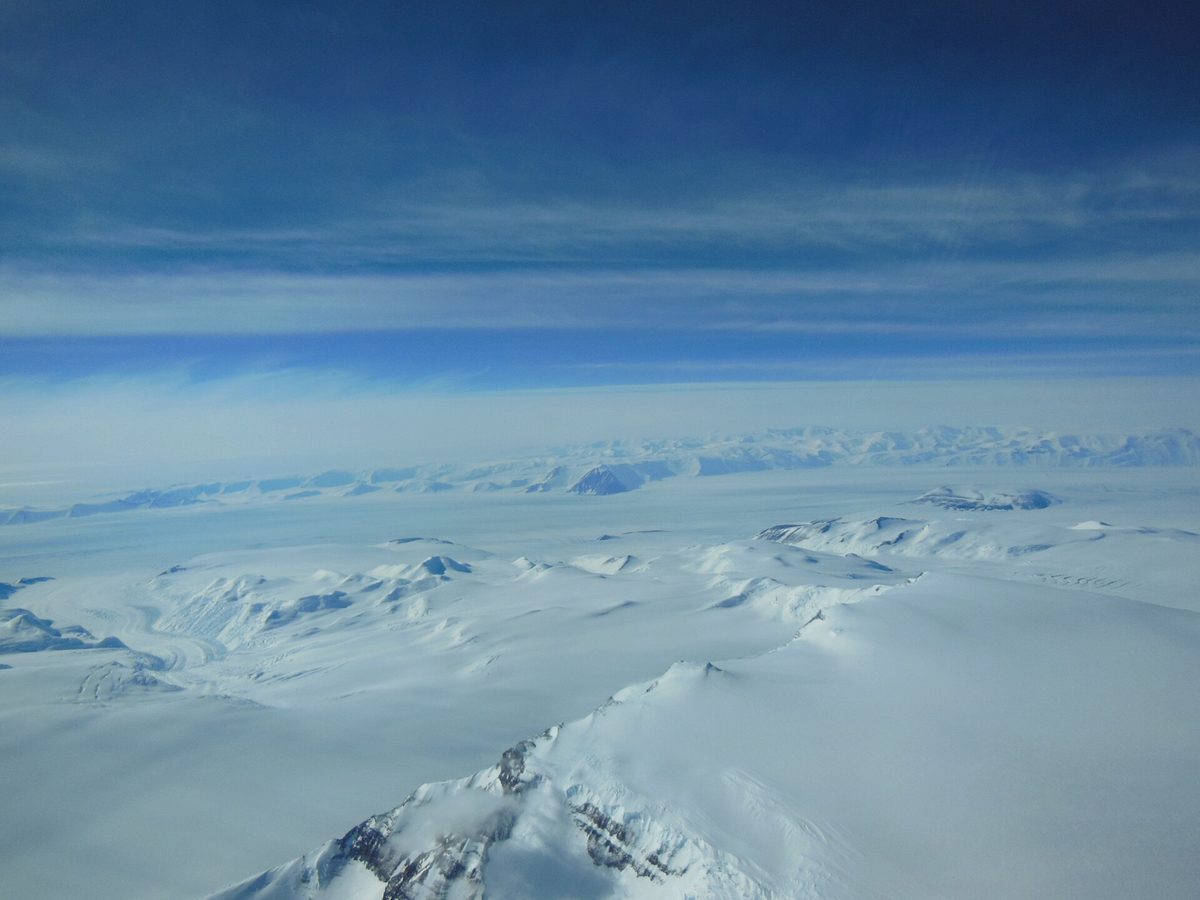
The numbers tell the story of why this exists. For the 2025–26 season, around seven flights departed from Melbourne, Sydney, Brisbane, and Perth between November and February. Pricing spans an enormous range — from roughly AU$1,199 (about US$775) for an “Explorer Economy” seat to AU$7,999 (about US$5,170) for “Business Class Deluxe” — and because the views are out the windows, passengers rotate seats throughout the flight so everyone gets a turn at the glass. Onboard you’ll find Antarctic expeditioners narrating the landscape, full bar service, and a genuinely festive cabin atmosphere. It is, by a wide margin, the cheapest and fastest way to lay eyes on Antarctica.
The obvious limitation: you don’t set foot on the continent, you don’t see wildlife up close, and a cloudy day can obscure the views (though the aircraft will maneuver to find clear patches). It’s a flightseeing experience, not an expedition — but for a bucket-lister who can’t spare two weeks or $15,000, it’s a magical way in. People also frequently ask whether regular commercial airline routes ever cross Antarctica; the short answer involves geography and economics, and we tackle it head-on in can you fly over Antarctica? The full rundown of sightseeing options lives in our Antarctica scenic overflights guide.
Land-based fly-in expeditions: Antarctica’s ultimate luxury
Now we enter rarefied air — literally. A small number of travelers each year skip ships entirely and fly into the Antarctic interior to stay at an exclusive ice camp. The undisputed leader here is White Desert, and the model is unlike anything else in this guide. Instead of departing South America, you fly from Cape Town, South Africa, aboard a private jet — a 14-seat Gulfstream — on a five-to-six-hour flight to a blue-ice runway at Wolf’s Fang. From there a ski-equipped Basler DC-3 ferries you across the ice to camp.
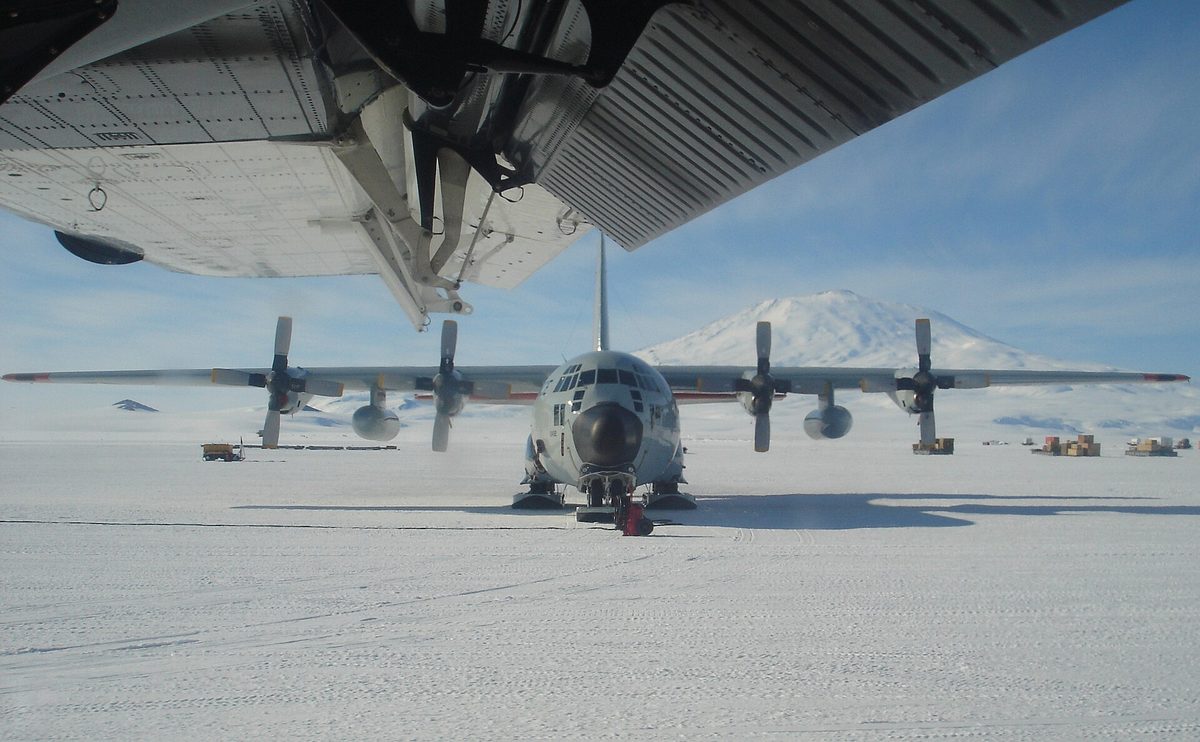
The camps themselves — Whichaway and Echo — are the stuff of design magazines: futuristic heated sleeping pods, gourmet dining, fine wine, and a staff of over a hundred supporting just twelve guests at a time. This is glamping at the bottom of the world, and it is priced accordingly. White Desert’s 2025–26 rates run from around $15,950 for a long day trip to between $71,500 and $110,000 for the multi-day flagship expeditions. A single day on the ice — fly from Cape Town, a few hours among the mountains and ice, and fly back — sits around $13,500.
What are you paying for, beyond the obvious exclusivity? Access. From these camps you can reach places no ship can: abseiling into ice tunnels, exploring nunataks and ice waves, and — the two crown jewels — the Geographic South Pole and the emperor penguins. If your Antarctic dream is interior wilderness and total seclusion rather than zodiac cruising along the coast, this is your trip. We cover the camps, the logistics, and exactly what’s included in our land-based Antarctica guide and the dedicated White Desert guide.
Flying to the South Pole
Standing at the Geographic South Pole — ninety degrees south, where every direction is north and the world’s time zones converge under your boots — is one of the rarest travel achievements on the planet. Far more people have summited Everest. And essentially the only way to get there as a visitor is to fly. From the interior camps, guests board a ski-equipped Basler DC-3 and fly deep across mountain ranges, typically refueling around 83 degrees south before pressing on to the Pole itself, where the United States’ Amundsen–Scott South Pole Station marks the spot.
It is a long, expensive, and weather-dependent undertaking — the South Pole expeditions sit at the very top of White Desert’s price list, around $110,000 — but for a certain kind of traveler there is no substitute for that ceremonial striped pole and the photograph beside it. You’re not just visiting Antarctica; you’re reaching the axis of the Earth. Our guide to flying to the South Pole explains the routes, the cost, and what the journey actually involves.
Visiting emperor penguins by air
If there’s one image that pulls travelers toward the deep interior, it’s the emperor penguin — the towering, dignified species of March of the Penguins, which breeds on the fast ice far from where any cruise ship can reach. This is the single biggest reason to fly rather than sail: emperor colonies are, for practical purposes, accessible only by aircraft. White Desert holds the license to visit the colony at Atka Bay, home to over 14,000 breeding pairs and, in the right weeks, thousands of fluffy grey chicks.
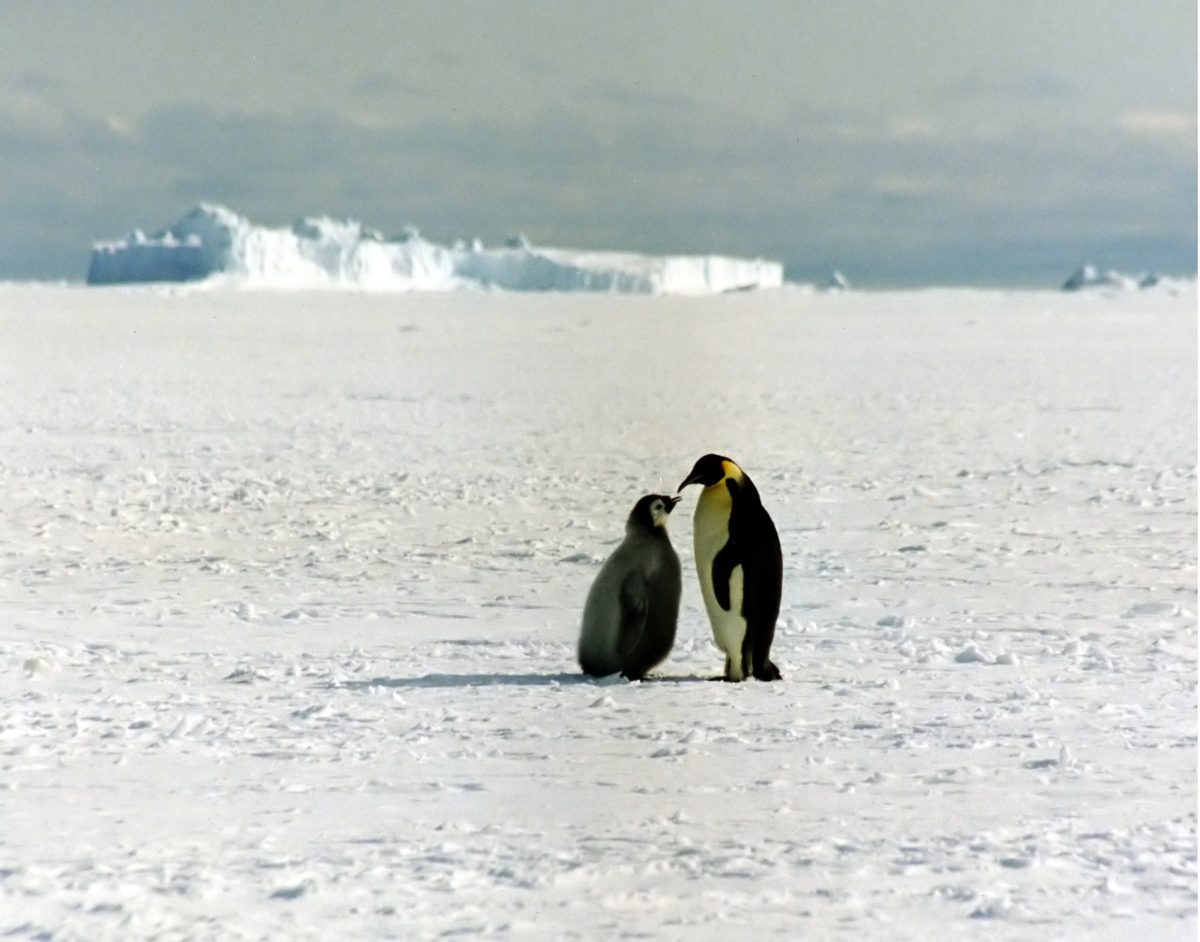
Timing is everything for emperors. The chicks hatch in the depths of winter and grow through the early season, so the window to see them is narrow and falls earlier than the classic tourist months — another reason these trips are specialist, flown affairs rather than something you can tack onto a standard cruise. Sitting on the ice as a colony of emperors goes about its business a respectful distance away is, by every account I’ve heard, a profoundly moving experience. The full picture — colonies, timing, operators, and cost — is in our emperor penguin tour guide, and you can read about every species you might meet in the broader Antarctica wildlife guide.
The two gateways: Punta Arenas vs Cape Town
One thing that surprises people is that flying to Antarctica means choosing not just an operator but a continent of departure. The two air gateways serve completely different experiences. Punta Arenas, Chile is the hub for fly-cruises — the short hop over the Drake to King George Island and the waiting expedition ships of the Antarctic Peninsula. It’s the affordable, coast-focused, wildlife-rich side of Antarctic aviation. Cape Town, South Africa is the gateway to the interior — the long private-jet flights to blue-ice runways, the luxury camps, the South Pole, and the emperors. It’s the ultra-premium, deep-continent side.
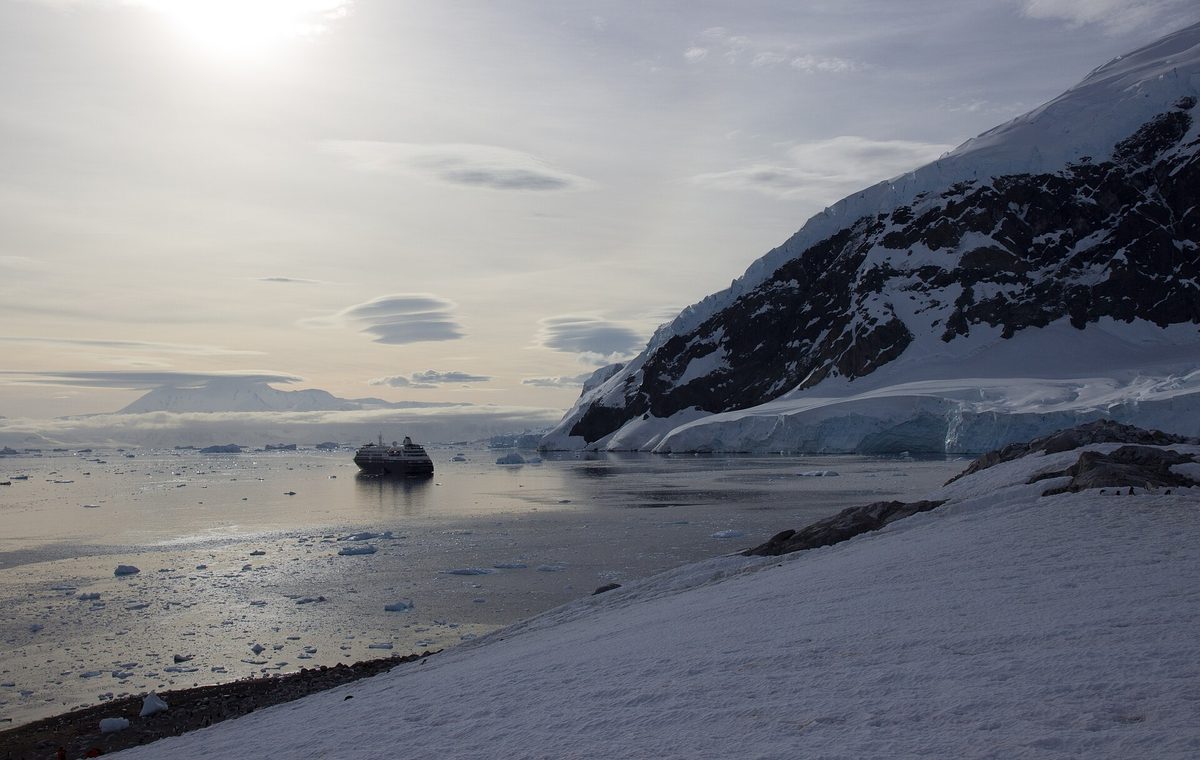
Which gateway you use is dictated entirely by which experience you’re after, not the other way around. Nobody chooses Cape Town to save money or Punta Arenas to reach the Pole — the routes simply don’t overlap. If you’re weighing how all the access points fit together, including the sea routes, our complete how to get to Antarctica guide maps every gateway, and the itineraries guide shows how flying reshapes your day-by-day.
Combining your flight with a South America adventure
Here’s a way to wring more out of the long journey south: since fly-cruises and many sea voyages depart from southern Chile and Argentina, you’re already most of the way to some of the planet’s most spectacular landscapes. Rather than fly all that distance for Antarctica alone, a great many travelers bookend the trip with a South American extension — turning one big flight into two or three unforgettable experiences.
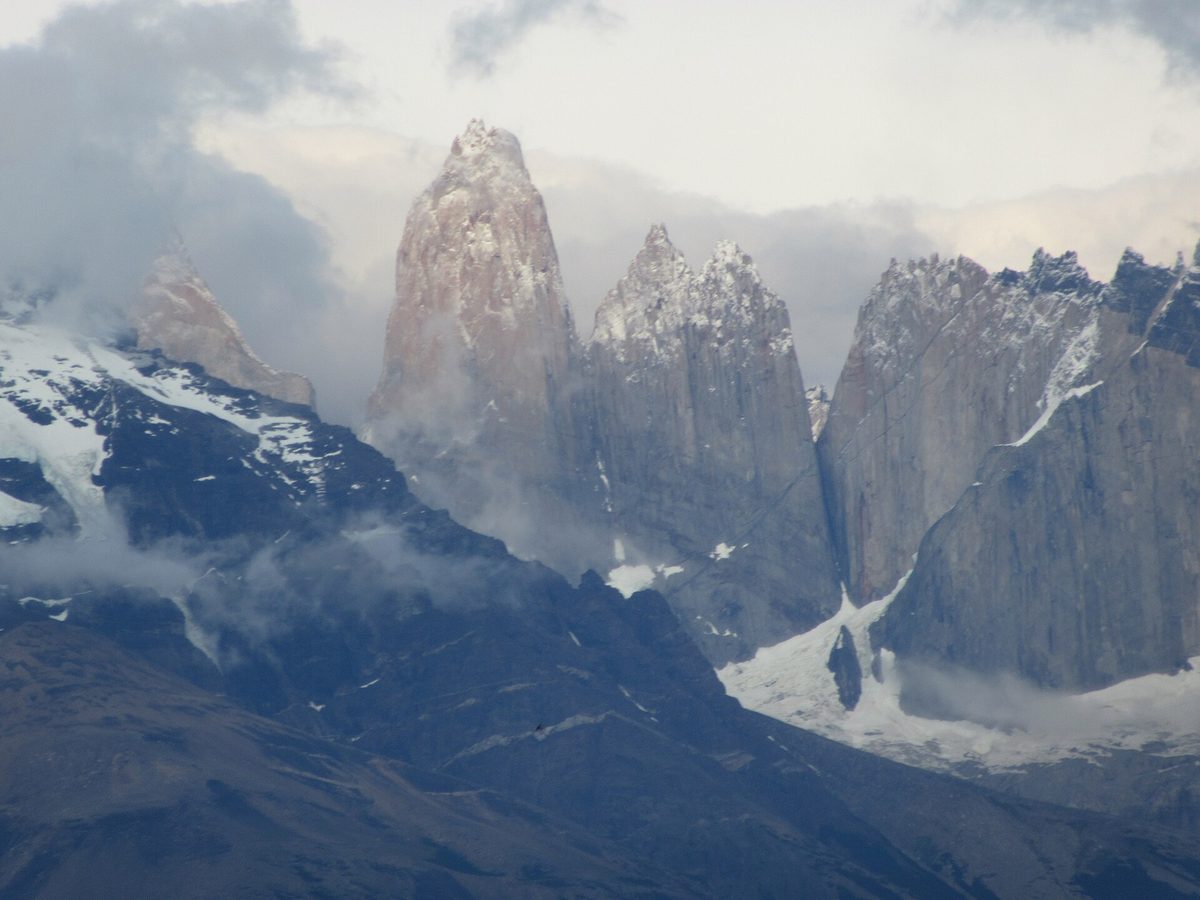
The natural pairings are easy. From Punta Arenas, the granite towers of Torres del Paine in Chilean Patagonia are within reach for a few days of world-class hiking. From Ushuaia, you can explore Tierra del Fuego National Park at the literal end of the road. And almost everyone routes through Buenos Aires or Santiago, both worth a few days for food, culture, and tango or wine. Building in these extensions also creates a useful buffer against flight delays before your departure, and it spreads the cost of that long-haul airfare across a richer trip. If you’re flying halfway around the world, it’s often worth making a grand journey of it — a theme our getting there guide develops.
Weather, cancellations and the things to know before you book
Flying to Antarctica is genuinely safer and more reliable than it has ever been, but it is still flying to Antarctica, and a few realities are worth internalizing before you commit. First, weather rules everything. Flights go when conditions at the ice runway allow, not strictly when the schedule says, so reputable operators build buffer nights into your itinerary — usually in Punta Arenas or Cape Town — and you should never book a tight onward connection. Modern forecasting has cut fly-cruise cancellation rates to around 2%, but “rare” isn’t “never.”
Second, comprehensive travel insurance with emergency medical evacuation cover is non-negotiable — even more so for interior trips, where you are extraordinarily far from help. Third, the aircraft impose real constraints: charter flights have strict, often modest baggage limits, so pack accordingly and read our Antarctica packing guide with the weight allowance in mind. Finally, book early — seats on these specialist flights are limited and the best departures sell out twelve to eighteen months ahead. For the full pre-departure checklist, our Antarctica travel tips guide has you covered, and the best time to visit guide helps you align your flight with what you want to see.
The carbon footprint of flying to Antarctica
It would be dishonest to discuss flying to Antarctica without addressing its environmental cost, because charter flights and long-haul travel carry a real carbon footprint — and the irony of burning fuel to visit a place threatened by climate change isn’t lost on thoughtful travelers. There’s no way to make the journey impact-free, and pretending otherwise helps no one.
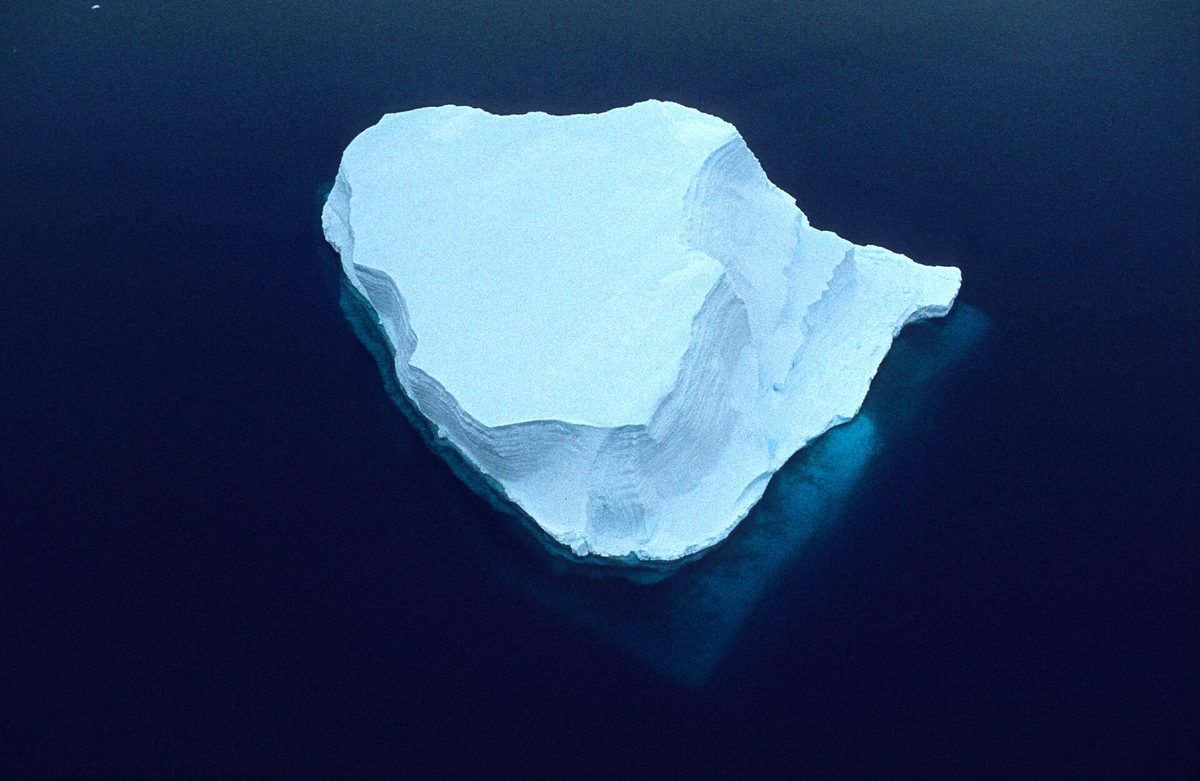
What you can do is travel as responsibly as the trip allows. Choose operators that are members of IAATO and bound by its strict environmental rules; several — including the interior luxury camps — build carbon offsetting directly into their fares, and a growing number of expedition ships are switching to cleaner hybrid propulsion. Offset your own long-haul flights through a reputable scheme. Follow every biosecurity and wildlife-distance rule to the letter. And consider the genuine counterweight: many who visit Antarctica become lifelong advocates for its protection, and the tightly regulated tourism industry funds research and builds the political constituency that helps keep the continent safe. It’s a trade-off worth making consciously rather than ignoring, and one we revisit in our facts and history guide.
Which air option is right for you?
Let’s bring it home. After helping a lot of travelers make this exact decision, I’ve found it usually comes down to three things: budget, what you want to see, and how much time you have. Use the cheat sheet below to find your starting point, then follow the link to the guide that matches.
| If you want to… | Choose | Why |
|---|---|---|
| Skip the Drake but still cruise the Peninsula | Fly-cruise (fly-fly) | Full ship experience, no open-ocean crossing |
| Taste the Drake once and save time | Fly-cruise (fly-sail) | The rite of passage, half the sea time |
| See Antarctica cheaply, in a single day | Scenic overflight | From ~US$775, no continent landing |
| Stay on the continent in total luxury | Land-based fly-in camp | Private jet, ice camp, interior access |
| Stand at the Geographic South Pole | South Pole expedition | Only reachable by interior flights |
| Meet emperor penguins | Emperor colony trip by air | Colonies sit on fast ice no ship can reach |
Whatever you choose, remember that flying is a means, not the point. The point is the place — and increasingly, the sky is simply the smartest way to reach the parts of it you most want to see. If you’re still deciding what kind of traveler you are, our Antarctica for every traveler guide helps match the whole trip to you, and the expedition ships guide covers the vessels your fly-cruise will put you aboard.
What you are really paying for
It’s worth understanding why flying costs what it does, because once you see the economics, the prices stop feeling arbitrary. Unlike almost any other destination, Antarctica has no commercial aviation infrastructure you can piggyback on. There are no scheduled airlines, no terminals, no fuel you can simply buy on arrival. Every flight is a charter, flown by specialist crews on aircraft modified for polar conditions, landing on gravel strips or ice runways that teams prepare and monitor constantly. Fuel for the deep-interior legs is often pre-positioned by earlier flights. All of that — the aircraft, the crews, the runway operations, the weather forecasting, the contingency planning — is baked into your fare.
That’s why a fly-cruise runs about 20% above the sailing equivalent rather than a token surcharge, and why a week at an interior camp can cost as much as a luxury car. You’re not paying for distance; you’re paying for an entire private aviation system stood up in the most logistically hostile place on the planet. When you frame it that way, the fly-cruise in particular starts to look like remarkable value: for a fifth more than sailing, you reclaim up to four days and skip the roughest seas on Earth. The interior trips are a different proposition — there, you’re funding a feat of expedition logistics that simply has no equivalent anywhere else, which is precisely why so few people have done it.
A useful way to think about it: scenic overflights sell you the view, fly-cruises sell you time, and land-based expeditions sell you access to places ships can’t go. Decide which of those three you’re actually buying, and the right price tier becomes obvious. For a line-by-line look at where the money goes across every style of trip, our Antarctica trip cost guide is the companion to this one.
How to choose and book the right flight
Once you know which of the four air experiences fits you, a handful of practical steps will save you money and grief. Start by being ruthless about your single biggest priority — time, cost, comfort, or a specific dream like the Pole or the emperors — because that one factor eliminates most options instantly and stops you drowning in brochures. A money-no-object emperor dream and a budget bucket-list flight are not the same search, and treating them as one is how people waste months.
Next, book early. This bears repeating because the consequences are real: the limited seats on these specialist flights, and especially the single cabins and premium camp dates, sell out twelve to eighteen months ahead, and early bookings also tend to carry the better fares. Then build slack into your plans — an extra night at the gateway city and loose onward connections — so a weather delay becomes an inconvenience rather than a crisis. Confirm exactly what your fare includes; fly-cruises usually bundle the charter flight, the voyage, and polar gear loans, while overflights and day trips are far more bare-bones.
Finally, lean on expertise. A reputable polar specialist or the operator’s own team will know which aircraft serves which route this season, how the buffer nights work, and what the baggage limits really are — details that change year to year and matter enormously when you’re committing this kind of money. There’s no shame in asking a lot of questions; the people who run these trips would far rather you arrive informed. When you’re ready to look at the vessel side of a fly-cruise, our expedition ships and operators guide compares the fleet you’ll be boarding.
A short history of reaching Antarctica by air
It helps to know how recent all of this is. For the heroic-age explorers — Amundsen, Scott, Shackleton — aircraft weren’t an option at all; they walked, sledged, and sailed, and many didn’t come home. The first flight over Antarctica didn’t happen until 1929, when Richard Byrd’s expedition flew over the South Pole, and for decades afterward Antarctic aviation belonged exclusively to national research programs ferrying scientists and supplies to remote stations on ski-equipped military aircraft. The idea of a tourist boarding a plane south would have seemed absurd.
Tourism by air arrived in fits and starts. Sightseeing overflights began in the 1970s, paused after a tragic accident at the end of that decade, and were eventually revived into the safe, polished day-trips that fly from Australia today. The real revolution for hands-on travelers came around the turn of the millennium, when Antarctica21 pioneered the commercial air-cruise — proving you could fly paying guests over the Drake to a waiting ship and back, reliably and safely. That single innovation cracked Antarctica open for everyone who couldn’t stomach the crossing, and the rest of the industry followed. More recently, luxury operators extended the model into the deep interior, building private runways and camps that put the South Pole and the emperors within reach of anyone with the means.
What’s striking is how fast reliability has improved. The same routes that were genuinely risky a few decades ago now run on sophisticated weather modeling that has driven cancellation rates down to the low single digits, and purpose-built ski aircraft handle the interior with routine competence. Antarctic flight has matured from a feat into a service — still extraordinary, still weather-bound, but no longer the gamble it once was.
That trajectory matters for your trip because it’s still moving. New ships are being built specifically for fly-cruise itineraries, new camps and runways are opening in the interior, and competition is slowly nudging at the edges of pricing and availability. The window of options in front of you today is wider than any previous generation of travelers ever had — and it keeps widening. If reaching the ice by air appeals to you, there has never been a better moment to do it. To see how the air routes slot in alongside the traditional sea voyages, pair this guide with our overview of how to get to Antarctica and the seasonal planning in the best time to visit guide.
Who should fly, and who should still sail
After all the options, let me boil the decision down to the people I’d actually steer each way. You should seriously consider flying — whether a fly-cruise over the Drake or an interior expedition — if you’re short on vacation days, genuinely prone to debilitating seasickness, traveling on a honeymoon or milestone where comfort is paramount, or chasing something only aircraft can reach, like the emperor penguins or the South Pole. For these travelers, the premium buys something they truly value: time, comfort, or access.
You should probably still sail if budget is your primary constraint (sailing is meaningfully cheaper), if you’re an enthusiastic sea traveler who’d relish the wildlife and rite-of-passage of the Drake crossing, or if you simply feel that arriving under your own keel is part of the story you want. Neither choice is braver or better — they’re suited to different people and priorities. The worst decision is an uninformed one; the best is the one you make with clear eyes about your own tolerance, timeline, and budget, exactly as our guide for every traveler encourages.
Frequently asked questions
Can you actually fly to Antarctica?
Yes — in several ways. You can take a fly-cruise (a chartered flight over the Drake Passage from Chile to an expedition ship), a scenic overflight (a day-return sightseeing flight, mainly from Australia, with no landing), or a land-based fly-in expedition (a private jet from Cape Town to an interior ice camp). There are no scheduled commercial flights that land in Antarctica; everything runs on specialist charters.
How much do flights to Antarctica cost?
It depends entirely on the type. Scenic overflights start around US$775; fly-cruises run roughly $11,000–$30,000+ per person (about 20% more than the equivalent sailing); and land-based fly-in expeditions range from about $15,000 for a day trip to $110,000 for South Pole and emperor expeditions. See our trip cost guide for full breakdowns.
What is a fly-cruise (or air-cruise)?
It’s a trip where you fly across the Drake Passage instead of sailing it. You gather in Punta Arenas, Chile, take a roughly two-hour charter flight to King George Island, and board your expedition ship there. “Fly-fly” flies both legs; “fly-sail” flies one and sails the other. Details in our fly-cruise guide.
Is flying over the Drake Passage worth the extra cost?
For the time-pressed and the seasickness-prone, almost always yes — you save up to four days at sea and avoid the roughest water. If budget is tight or you relish the crossing, sailing wins. Note that even fly-cruises still cross the sometimes-choppy Bransfield Strait. Weigh it up in our fly-cruise vs sailing comparison.
How reliable are the flights? Do they get cancelled?
More reliable than ever — improved forecasting has pushed fly-cruise cancellation rates to around 2%. Still, weather rules, so reputable operators build buffer nights into the itinerary. Never book a tight onward connection, and always carry comprehensive travel insurance.
Can I fly over Antarctica on a normal commercial flight?
Almost never on a scheduled route — geography, fuel-diversion rules, and economics keep most airlines away, though a few long-haul routes pass near the continent. The purpose-built exception is the Qantas sightseeing charter. We explain the details in can you fly over Antarctica?
What are the Qantas Antarctica sightseeing flights?
Day-return charter flights aboard a Boeing 787 that depart Australian cities, spend three to four hours over the continent at sightseeing altitude, and return the same day without landing. Prices run from about AU$1,199 to AU$7,999, and passengers rotate seats so everyone gets window time. See our scenic overflights guide.
How do I visit emperor penguins?
By air, essentially. Emperor colonies breed on fast ice that ships can’t reach, so you fly in from an interior camp. White Desert holds the license to visit the Atka Bay colony of 14,000+ pairs. Timing is early-season and narrow. Full details in our emperor penguin tour guide.
Can tourists fly to the South Pole?
Yes, but it’s a major undertaking. From interior camps, a ski-equipped Basler DC-3 flies deep across the continent, refueling around 83°S before reaching 90°S and the Amundsen–Scott Station. It’s among the priciest trips on Earth (around $110,000). See our flying to the South Pole guide.
What is White Desert?
The leading land-based luxury operator in Antarctica. It flies guests by private jet from Cape Town to blue-ice runways, then to design-forward camps (Whichaway and Echo) that host just twelve guests each. Trips range from day excursions to flagship South Pole and emperor expeditions. Read the White Desert guide.
Where do flights to Antarctica leave from?
Fly-cruises depart Punta Arenas, Chile; land-based and interior expeditions depart Cape Town, South Africa; scenic overflights depart Australian cities (Melbourne, Sydney, Brisbane, Perth). Your goal dictates the gateway. Our how to get to Antarctica guide maps them all.
Is flying to Antarctica safe?
Antarctic aviation is operated by highly experienced charter crews and is statistically safe, but it operates in an extreme, remote environment where weather, not convenience, sets the schedule. The main practical risks are delays and the isolation from medical care — both managed by buffer time and mandatory evacuation insurance.
When can I take these flights?
During the austral summer, roughly late November to February or March. Emperor-penguin trips skew earlier in the season; classic fly-cruises run the whole window. Match your dates to your target using the best time to visit guide.
Can I combine flying and sailing on one trip?
Yes — that’s exactly what a fly-sail (or sail-fly) itinerary is. You fly one direction across the Drake and sail the other, so you experience the famous crossing once while saving time and money over flying both ways. It’s the popular middle path for travelers who are curious about the Drake but don’t want the full round-trip at sea.
Is flying to Antarctica bad for the environment?
Any travel to Antarctica carries a carbon and footprint cost, and charter flights are no exception. Reputable operators are IAATO members bound by strict environmental rules, and several — including the interior luxury camps — build carbon offsetting into their fares. The most responsible approach is to choose an IAATO-affiliated operator, follow all biosecurity and wildlife-distance guidelines, and treat the trip as the rare privilege it is.
Final thoughts
A generation ago, reaching Antarctica meant one thing: a ship, a long crossing, and the mercy of the Southern Ocean. Now the sky has opened the continent to people who could never have made that voyage — the time-pressed, the seasick, the luxury traveler, the dreamer who wants to stand at the very bottom of the Earth. That’s a genuinely good thing, and choosing to fly is no longer a compromise; for many trips it’s simply the smarter way in. The Drake purists will always have their crossing, and more power to them. But if a plane is what gets you to the ice — whether that’s a two-hour hop over the Drake, an afternoon at the window of a Dreamliner, or a private jet to a camp beside the emperors — then a plane is the right choice, and you’ll be no less moved when the white continent finally fills the glass. Work out which of the four routes is yours, book it early, pack light, and go. Antarctica has never been more reachable, and it has never stopped being extraordinary.
