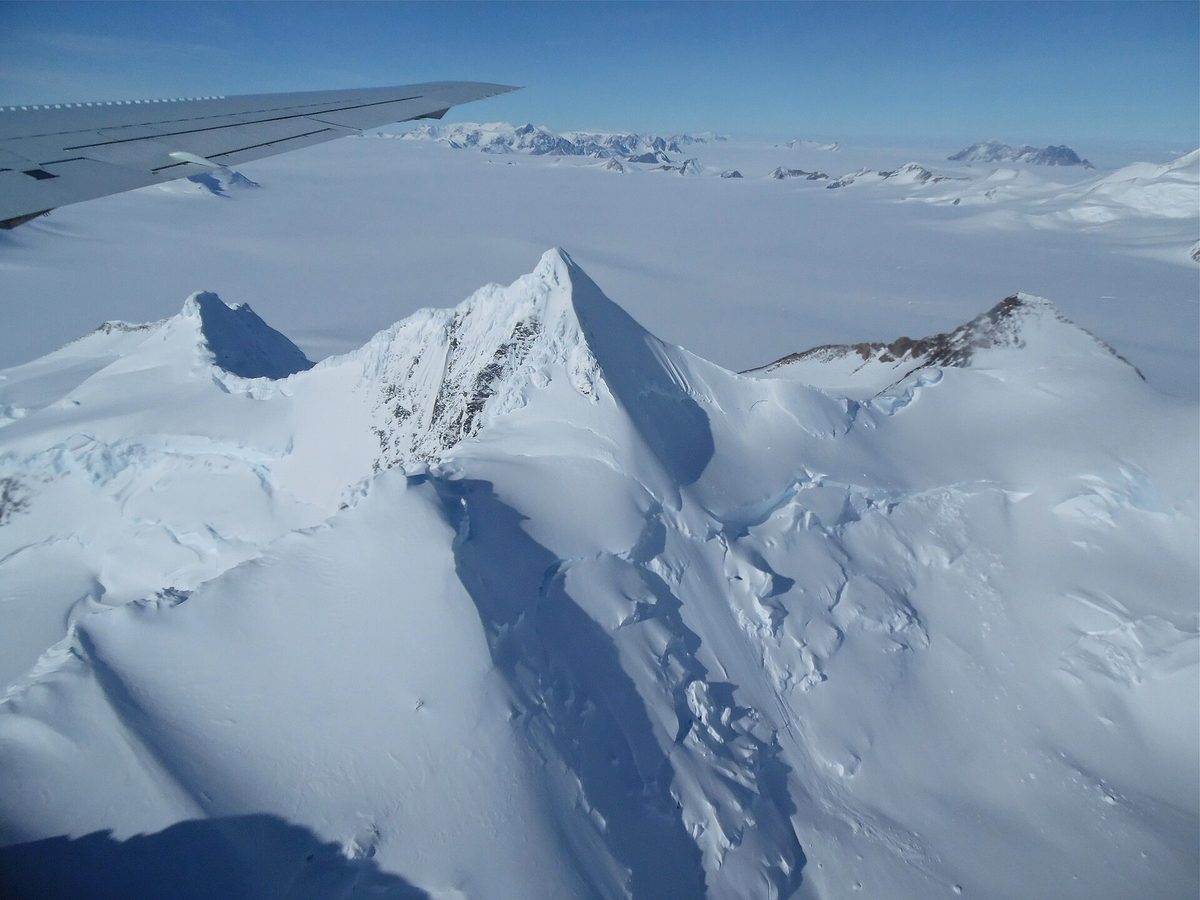
For most travelers, Antarctica means a 10-day cruise to the Peninsula — and that’s a wonderful trip. But there is a rarer, more ambitious way to experience the continent, and an Antarctica semi circumnavigation cruise sits at the very pinnacle of polar travel. These epic voyages of a month or more sail along a vast arc of the continent’s coastline, reaching seas and historic sites that the classic itineraries never touch, following the wake of the heroic-age explorers into the deep south. They are the domain of the serious expedition traveler, and they are unforgettable.
This guide explains exactly what a semi-circumnavigation involves, the closely related repositioning cruises, what you’ll see that ordinary voyages miss, how long they take and what they cost, and who these grand expeditions are really for. They’re not for everyone — the time and expense are considerable — but for the right traveler, nothing else compares. For the full menu of route options, pair this with our cruise itineraries guide; here we focus on the longest, deepest voyages of all.
What is an Antarctica semi circumnavigation cruise?
An Antarctica semi circumnavigation cruise is an expedition that sails roughly halfway around the Antarctic continent, typically crossing between South America and New Zealand (or Australia) rather than returning to the same port. Instead of the out-and-back Peninsula loop, you traverse a huge sweep of coastline — from the Antarctic Peninsula, through the Bellingshausen and Amundsen Seas, into the legendary Ross Sea, and out via the sub-Antarctic islands toward New Zealand. It’s a point-to-point ocean crossing of the most remote waters on Earth.
The “semi” is the key word: a full circumnavigation of Antarctica is rarely offered to tourists, so these voyages cover about half the continent’s circumference in one continuous, ambitious journey. They’re operated on ice-strengthened expedition ships carrying relatively few passengers — often around 130 — and they run only a handful of times each season, if at all. This is exploration in the truest modern sense, and it places you among a tiny number of travelers who’ve seen this side of the continent. Our regions guide maps the seas these voyages reach.
The epic route
The classic semi-circumnavigation runs between Ushuaia in Argentina and a New Zealand port such as Christchurch (in either direction), and the route reads like a roll-call of Antarctic legend. You sail the Drake Passage and explore the Peninsula and South Shetlands as on a standard trip, then keep going west and south where ordinary cruises turn back — across the Bellingshausen Sea, the Amundsen Sea, and into the Ross Sea, before threading the wild sub-Antarctic islands on the approach to New Zealand. The whole arc covers thousands of kilometres of coastline most people will never see.
Because so much of the route is open ocean and remote coast, these are genuine blue-water expeditions with many sea days — but those days are filled with seabirds, whales, lectures, and the anticipation of landfalls almost no tourists make. It’s the difference between visiting Antarctica’s doorstep and traversing its great southern facade. The how to get to Antarctica guide covers the gateway logistics for these point-to-point trips.
What you’ll see that ordinary voyages miss
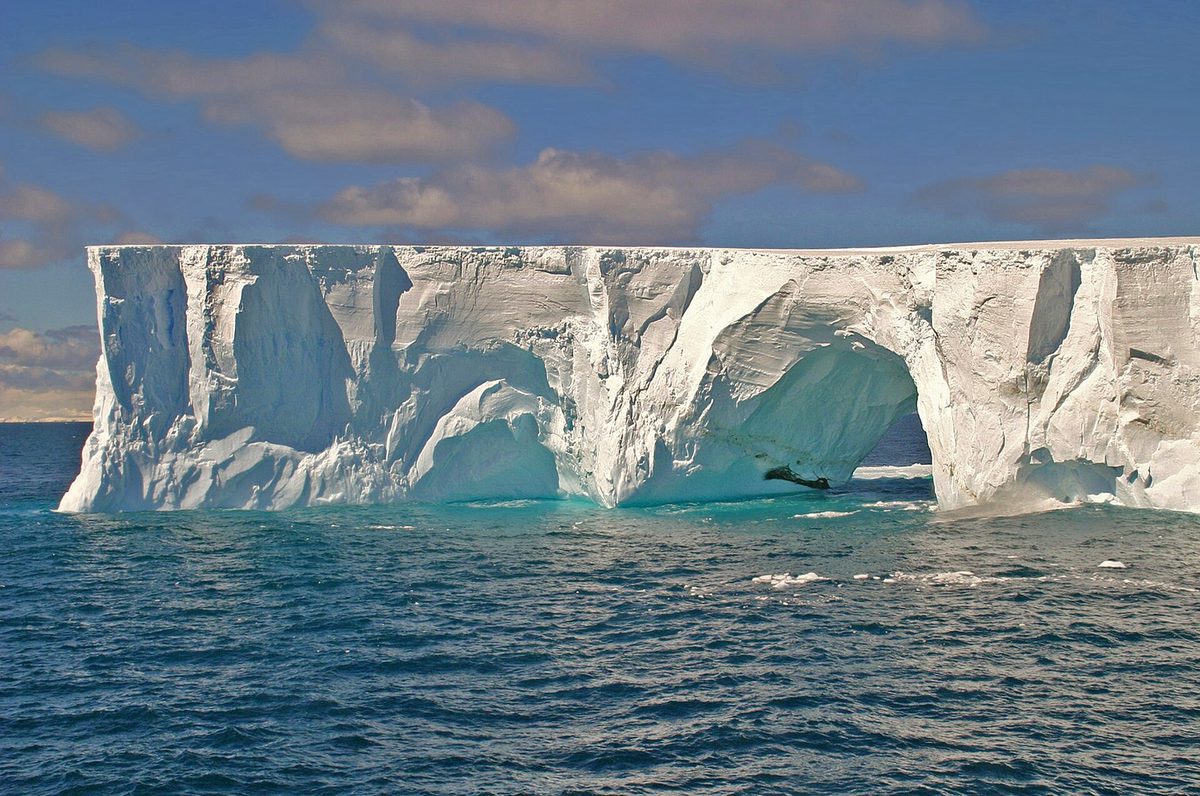
The semi-circumnavigation’s reward is access to places the Peninsula cruises can’t reach. Chief among them is the Ross Sea, the heart of heroic-age exploration, where the actual huts of Scott and Shackleton still stand preserved by the cold, tins of food on their shelves a century later. You may witness the colossal Ross Ice Shelf, a wall of ice the size of a country; vast Adélie and emperor penguin colonies; and the sub-Antarctic islands en route, home to spectacular wildlife.
- The Ross Sea — explorers’ huts, the Ross Ice Shelf, and rich wildlife.
- The Bellingshausen and Amundsen Seas — remote, ice-filled waters few ever see.
- Sub-Antarctic islands — Campbell, Auckland, and Macquarie, with royal albatross colonies, yellow-eyed penguins, and sea lions.
- The Antarctic Circle crossing — the milestone of reaching 66°33′ south.
- The classic Peninsula — still included at the start, so you don’t miss the highlights.
This combination — the familiar Peninsula plus the legendary deep south — is what makes the semi-circumnavigation the ultimate Antarctic itinerary for those with the time and budget. Our facts and history guide brings the heroic-age sites to life.
How long does it take?
These are long voyages, and there’s no getting around it. A semi-circumnavigation typically runs around 30 to 35 days — roughly a month at sea and ashore — reflecting the enormous distances covered between South America and New Zealand. That’s three times the length of a classic Peninsula cruise, and it demands a significant block of time as well as money. Many of those days are sea days crossing remote waters, so a tolerance for (and enjoyment of) life aboard ship is essential. For travelers who relish the journey itself, those weeks at the edge of the world are a feature, not a chore.
The ships that sail them
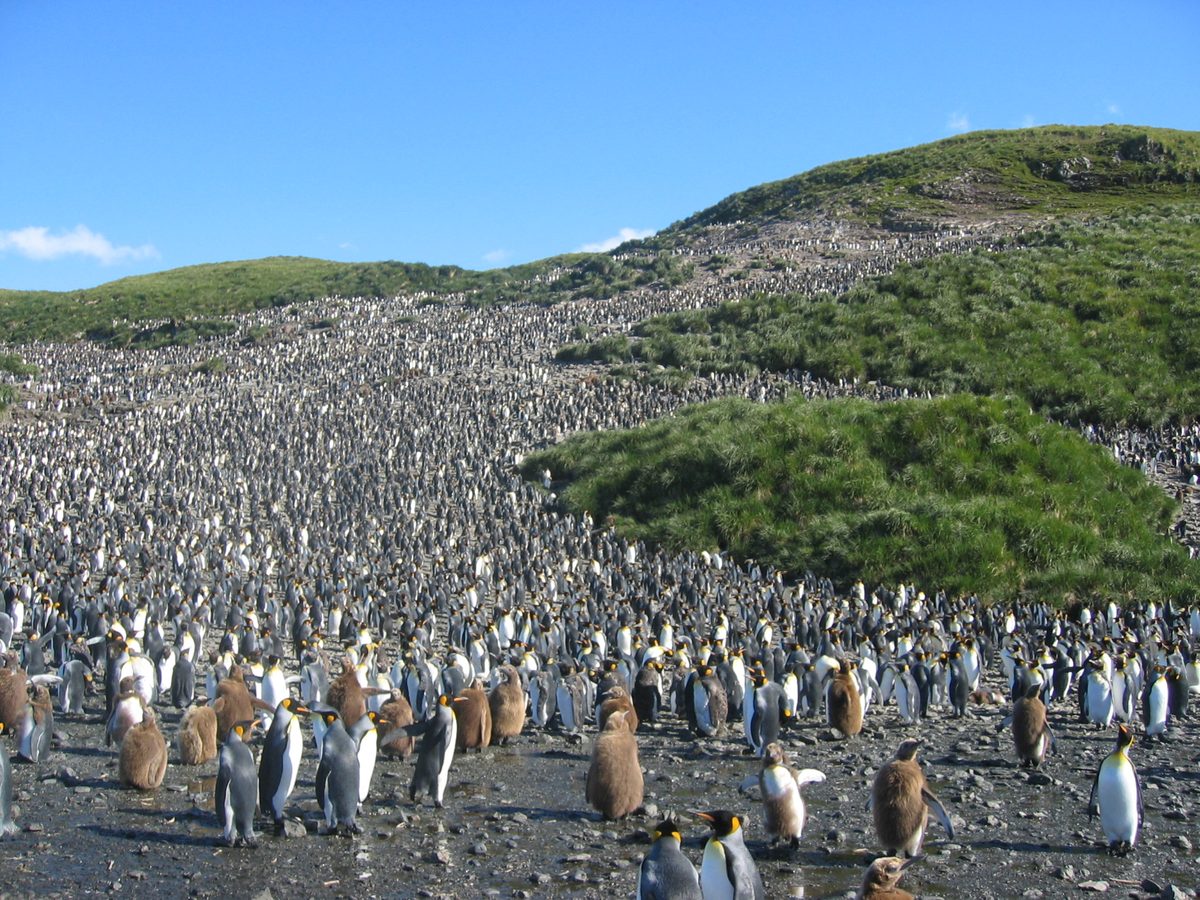
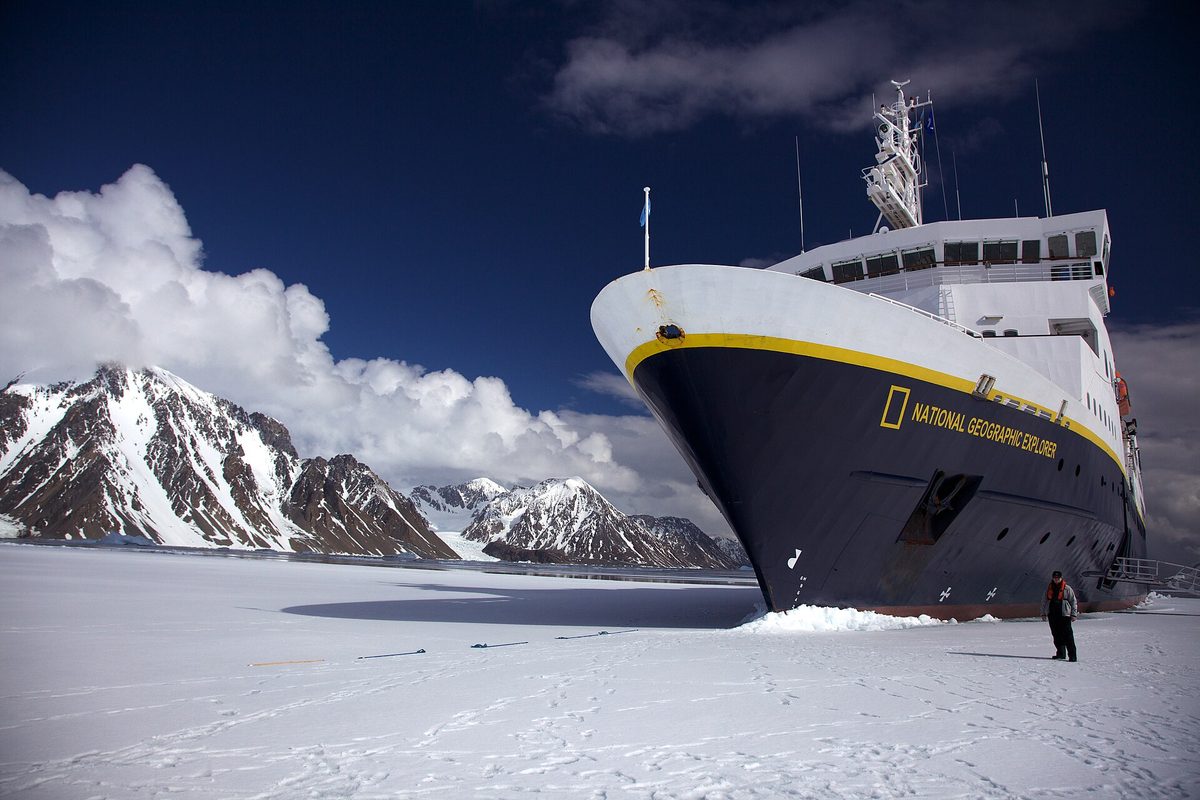
Semi-circumnavigations demand capable ships and experienced operators. They’re run on ice-strengthened expedition vessels — often purpose-built, carrying around 130 passengers — with the range, ice class, and expedition expertise to handle weeks in the most remote waters on the planet. Because these voyages venture far from any rescue, the operators are among the most seasoned in polar travel, and the expedition teams are correspondingly deep in scientists, historians, and veteran guides. You’re not just buying a longer cruise; you’re buying the specialised capability to go where standard ships can’t. Our ships and operators guide profiles the vessels equipped for such journeys.
Repositioning cruises explained
Closely related, and often confused with semi-circumnavigations, are repositioning cruises. A repositioning voyage happens when a ship needs to relocate — for instance, moving from its Antarctic season to an Arctic one, or shifting between regions at the start or end of a season. Rather than sail empty, the operator sells the relocation as a one-off expedition, often at keen value. Some of these repositioning sailings are semi-circumnavigations or long point-to-point routes; others are shorter transfers. They appeal to flexible travelers chasing unusual itineraries or better per-day value, as our cruise deals guide notes. The trade-off is that their dates and routes are dictated by the ship’s schedule, not your preference.
Crossing the Antarctic Circle
A milestone that features on semi-circumnavigations — and on dedicated shorter “Polar Circle” voyages too — is crossing the Antarctic Circle at 66°33′ south. This is the latitude below which the sun stays above the horizon for at least one full day in summer (the midnight sun) and below it for at least one day in winter. Ships typically cross it along the Peninsula’s west coast, often near the ice-strewn beauty of Crystal Sound. Crossing the Circle is both a symbolic achievement — you’ve gone properly deep — and a gateway to emptier, more pristine waters. Many travelers mark it with an onboard ceremony. Our guide to reaching Antarctica touches on how far south different voyages go.
Semi-circumnavigation vs the classic Peninsula cruise
| Factor | Classic Peninsula | Semi-circumnavigation |
|---|---|---|
| Length | 10–12 days | ~30–35 days |
| Route | Out-and-back from Ushuaia | Point-to-point (S. America ↔ NZ) |
| Regions | Peninsula & South Shetlands | Peninsula, Bellingshausen, Amundsen, Ross Seas, sub-Antarctic isles |
| Sea days | Few (the Drake) | Many — long ocean crossings |
| Cost | $$–$$$ | $$$$ — premium |
| Best for | First-timers, most travelers | Experienced, time-rich expeditioners |
The takeaway is that these are different trips for different travelers. The Peninsula cruise is the ideal introduction; the semi-circumnavigation is the grand, deep-south epic for those who’ve perhaps already been, or who want the ultimate first voyage and have the time and budget for it. Our itineraries guide sets them side by side with every other route.
Who is a semi-circumnavigation for?
Be honest with yourself about fit. A semi-circumnavigation suits the experienced or deeply committed traveler: someone with a month to spare, a generous budget, a genuine love of life at sea (including many days with no landings), and a fascination with the remote, historic deep south rather than just the wildlife-rich Peninsula. Polar-history enthusiasts drawn to the Ross Sea huts, seasoned expedition cruisers seeking something beyond a repeat Peninsula trip, and bucket-listers who want the single most ambitious Antarctic journey are the natural audience.
It’s a poor fit for first-timers short on time or budget, anyone who dislikes extended time at sea, or travelers who primarily want close wildlife encounters (which the shorter Peninsula trips deliver more efficiently per day). If you’re unsure, a classic voyage first, with a semi-circumnavigation as a future ambition, is the sensible path. Our guide for every traveler can help you judge.
What it costs and when they run
These are premium voyages, reflecting their length and the specialised ships and expertise required. A 30-to-35-day semi-circumnavigation typically costs well into the tens of thousands of dollars per person — comfortably the priciest tier of Antarctic travel once you account for the duration — plus the long-haul flights at both ends (you fly home from a different continent than you departed). They run only a handful of times per season, if at all, usually at the very start or end of the Antarctic summer when the ship is repositioning, so departures are scarce and book up far in advance. Our trip cost guide puts the figures in context, and the best time to visit guide explains the seasonal timing.
The heroic-age connection
Part of the deep appeal of these voyages is history. The Ross Sea region is the cradle of the Heroic Age of Antarctic exploration, and reaching it lets you walk in the literal footsteps of Scott, Shackleton, and their companions. Their expedition huts on the Ross Sea coast survive almost exactly as they left them, preserved by the cold — a deeply moving link to the era of wooden ships and man-hauled sledges. For travelers stirred by that history, standing inside one of those huts is worth the entire month-long journey. Our facts and history guide tells the full story of the explorers whose wake you’ll follow.
How to book a semi-circumnavigation
Given how few of these voyages run, booking is all about being early and informed. Identify the operators that offer semi-circumnavigations or long repositioning routes for the seasons you’re considering, sign up for their announcements, and be ready to commit far in advance — 18 to 24 months is sensible for such scarce, sought-after departures. A polar travel specialist is especially valuable here, since they’ll know which ships are repositioning when and can flag these rare itineraries before they sell out. Confirm IAATO membership, the ship’s ice class, and the expedition team’s experience, as you would for any voyage but with extra care given the remoteness. Our how to choose guide and when to book guide apply with full force.
A sample semi-circumnavigation, week by week
To picture the scale, imagine a 33-day voyage from Ushuaia to New Zealand. The first week crosses the Drake and explores the Peninsula and South Shetlands with daily landings — the classic experience. The second week pushes south and west into the rarely-visited Bellingshausen and Amundsen Seas, with sea days broken by ice and wildlife. The third week reaches the Ross Sea, the expedition’s climax: the Ross Ice Shelf, the explorers’ huts, and vast penguin colonies. The final week threads the sub-Antarctic islands — Campbell, Auckland, Macquarie — with their royal albatrosses and sea lions, before landfall in New Zealand. Each week feels like a different expedition, and together they form the most complete Antarctic journey on offer. Our regions guide details each area.
Preparing for a month at sea
A month-long expedition asks more of you than a 10-day trip, and a little preparation pays off. Pack for the long haul with enough personal supplies, any medications, and entertainment for the many sea days — books, downloaded content, and a journal, since Wi-Fi is minimal. Mentally, embrace the rhythm of expedition life: the lectures, the camaraderie, the slow unspooling of the world’s most remote coastline. Seasickness preparation matters more over many open-ocean days, so have your remedies sorted. And build in buffer time at both gateways, since these point-to-point trips involve long flights from and to home on different continents. Our packing guide and travel tips guide help you prepare.
Photography on a long voyage
For photographers, a semi-circumnavigation is a dream and a logistical challenge. The variety is unmatched — Peninsula wildlife, remote sea ice, the Ross Ice Shelf, historic huts, and sub-Antarctic colonies — but a month in the field means you must manage power, storage, and gear care carefully. Bring far more storage than you think, keep batteries warm, and protect equipment from sea spray and condensation. The reward is a portfolio almost no other photographer can match, spanning a swathe of the continent few ever capture. Our things to do guide covers onboard photography programs.
Combining with a New Zealand or South America trip
Because semi-circumnavigations are point-to-point, they lend themselves beautifully to a longer journey. Disembarking in New Zealand (or Australia), you’re perfectly placed to extend into one of the world’s great travel destinations, and the same applies in reverse from South America and Patagonia. Given the considerable cost and time already invested in the voyage, tacking on a week or two at the far end turns an epic cruise into the trip of a lifetime and spreads the value of those long-haul flights. Our getting there guide covers the gateways at both ends.
Frequently asked questions
What is an Antarctica semi circumnavigation cruise?
It’s an expedition that sails roughly halfway around the Antarctic continent, usually point-to-point between South America and New Zealand, covering the Peninsula, the Bellingshausen, Amundsen and Ross Seas, and the sub-Antarctic islands. These ~30–35-day voyages reach the legendary deep south that standard Peninsula cruises never touch.
How long is a semi-circumnavigation of Antarctica?
Typically around 30 to 35 days — roughly a month — reflecting the vast distances between South America and New Zealand. That’s about three times the length of a classic Peninsula cruise, with many sea days crossing remote waters.
What’s the difference between a semi-circumnavigation and a repositioning cruise?
A semi-circumnavigation is a long point-to-point voyage halfway around the continent. A repositioning cruise is any sailing where the ship relocates between regions or seasons, sold as a one-off; some repositioning voyages are semi-circumnavigations, while others are shorter transfers. Both can offer unusual routes and value.
What does a semi-circumnavigation cost?
Well into the tens of thousands of dollars per person, making it the priciest tier of Antarctic travel given its month-long length, plus long-haul flights at both ends. Departures are scarce — only a handful per season — and book up far ahead. See our trip cost guide.
Can you cross the Antarctic Circle on these cruises?
Yes — semi-circumnavigations cross the Antarctic Circle at 66°33′ south, often near Crystal Sound on the Peninsula’s west coast, as do dedicated shorter “Polar Circle” voyages. It’s a symbolic milestone marking the latitude of the midnight sun and the gateway to emptier southern waters.
Who should choose a semi-circumnavigation?
Experienced or deeply committed travelers with a month to spare, a generous budget, a love of life at sea, and a fascination with the remote, historic Ross Sea region. First-timers short on time or budget, or those wanting efficient wildlife encounters, are usually better served by a classic Peninsula cruise.
Do these voyages still visit the Antarctic Peninsula?
Yes — the classic Peninsula and South Shetlands are typically included at the start (or end) of the route, so you experience the famous highlights before continuing into the deep south. You get the best of the standard trip plus the rare seas beyond it.
How often do semi-circumnavigation cruises run?
Only a handful of times per season, if at all — usually at the very start or end of the Antarctic summer when a ship is repositioning between regions. Departures are scarce and sought-after, so they book up far in advance, often 18 to 24 months ahead.
Do I fly home from a different country?
Yes — because these are point-to-point voyages, you typically board in South America and disembark in New Zealand (or vice versa), so your flights home depart a different continent than you arrived on. Factor the long-haul flights at both ends into your budget and time. See our getting there guide.
Is a semi-circumnavigation good for a first Antarctica trip?
It can be the ultimate first trip if you have the time, budget, and love of sea travel — it includes the classic Peninsula plus the deep south. But for most first-timers, a shorter Peninsula cruise is the more sensible, efficient introduction, with the semi-circumnavigation saved as a grand future ambition.
Are repositioning cruises cheaper than regular voyages?
They can offer good value, since operators price them to fill a relocation rather than leave the ship empty — but a long repositioning semi-circumnavigation is still a premium trip given its length. The value is in the unusual route and per-day cost rather than a low headline price. See our cruise deals guide.
Will I see emperor penguins on a semi-circumnavigation?
Possibly — the Ross Sea region hosts emperor colonies, and these deep-south voyages have a better chance of encountering them than a standard Peninsula cruise, though sightings are never guaranteed and depend on ice and timing. The wildlife variety across the whole route is the real draw. Our wildlife guide covers the species.
Final thoughts
An Antarctica semi circumnavigation cruise is the grandest expedition the white continent offers — a month-long traverse of its great southern arc, reaching the Ross Sea’s historic huts, the Antarctic Circle, and waters almost no traveler ever sees, all while still including the classic Peninsula highlights. It demands serious time, budget, and a love of the sea, which makes it a specialist’s dream rather than a first-timer’s default. But for the experienced expeditioner, the polar-history devotee, or the bucket-lister who wants the ultimate Antarctic journey, nothing else comes close. If that’s you, start watching the rare repositioning schedules and book early — and let our itineraries and best cruises guides help you find your voyage to the deep south.