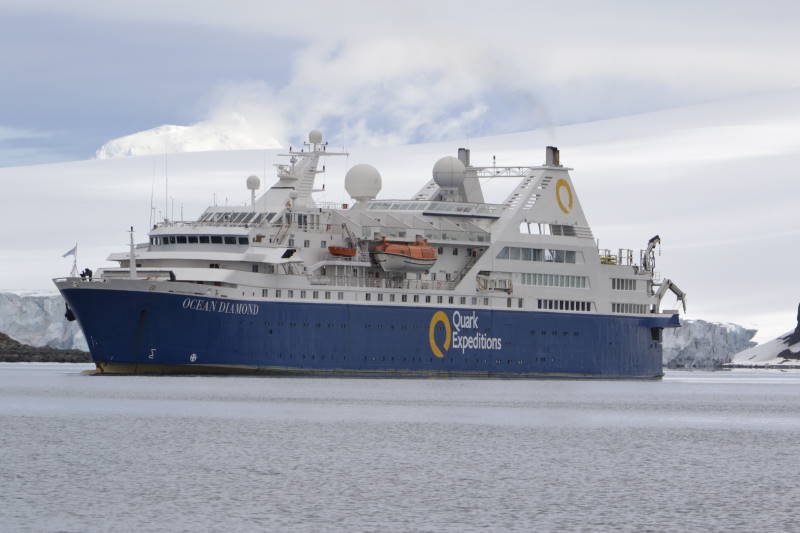
Spend any time researching an Antarctic voyage and you will see five letters again and again, usually presented as a badge of honour: IAATO. It stands for the International Association of Antarctica Tour Operators, and while it may sound like dry bureaucracy, it is in fact the single most important thing standing between responsible, sustainable tourism and the slow ruin of the most pristine wilderness on Earth. Understanding what IAATO is, what it requires of operators, and why you should never book a voyage with a company that is not a member, is one of the most important pieces of knowledge any prospective traveller can have.
I treat IAATO membership as an absolute, non-negotiable requirement when recommending any operator, and by the end of this guide you will understand exactly why. We will cover what the organisation is, the rules it enforces, how those rules shape your own trip, and how to confirm that the company you are considering belongs. This guide sits within our guide to Antarctica expedition ships and operators and underpins my advice on choosing an Antarctica cruise operator.
What is IAATO?
IAATO is a member organisation founded in 1991 by seven private tour operators who came together to practise and promote the highest possible standards of travel in the remote, wild and delicate region of Antarctica. From those seven founders it has grown into a body of more than a hundred members worldwide — operators, ships, agents and associates — who collectively account for the overwhelming majority of all Antarctic tourism. Membership is voluntary, but the standards it imposes are anything but optional once you join.
What makes IAATO remarkable is that it is a form of self-regulation. The tourism industry, recognising both the fragility of Antarctica and its own potential to cause harm, chose to bind itself with strict rules rather than wait for disaster or external imposition. The result is a comprehensive framework governing how, when and where tourism may operate on the continent, designed to keep both travellers and the environment safe. It is, in many ways, a model of an industry policing itself responsibly. This framework shapes every reputable voyage, including those I compare in my cruise lines guide.
Why IAATO exists
To understand IAATO you have to understand Antarctica’s unique status. The continent belongs to no nation; it is governed by the Antarctic Treaty System, an international agreement that sets it aside for peace and science and prohibits territorial claims and exploitation. But the Treaty was not designed to micromanage the day-to-day conduct of tour ships, and as tourism grew from a trickle to tens of thousands of visitors a year, a gap opened between the Treaty’s high principles and the practical realities of running landings, Zodiacs and wildlife encounters.
IAATO exists to fill that gap. It translates the broad environmental goals of the Treaty into concrete, enforceable operating procedures — exactly how close you may approach a penguin, how many people may stand on a beach, how a ship must clean its gear between sites. In doing so it allows tourism to coexist with conservation rather than threaten it. Without IAATO, the continent would be far more vulnerable to the pressures that come with its growing popularity, a tension I touch on throughout my guide to Antarctica cruises.
The key rules IAATO enforces
IAATO’s framework is extensive, but a handful of core rules define the experience for travellers. The most famous is the limit on people ashore: no more than 100 passengers may be on land at any single site at one time, with a guide-to-passenger ratio of no more than one to twenty. Ships carrying more than 500 passengers may not land guests at all. On top of these come detailed site-specific guidelines, activity rules, mandatory wildlife-watching distances, pre- and post-visit reporting, thorough passenger briefings, and requirements for staff experience and emergency planning.
These are not vague aspirations but binding procedures that members must follow on every voyage, and they have been so successful that several were formally adopted into the Antarctic Treaty System itself, notably Measure 15 of 2009 on the landing of persons from passenger vessels. The effect is a remarkably consistent, well-managed standard of conduct across the whole industry. Here are the core limits at a glance:
| Rule | What it means |
|---|---|
| 100 ashore maximum | No more than 100 passengers at any landing site at once |
| 1:20 guide ratio | At least one guide for every twenty guests ashore |
| 500-passenger limit | Ships over 500 guests cannot land passengers at all |
| Wildlife distances | Mandatory minimum approach distances to all animals |
| Biosecurity | Decontamination of gear and clothing between sites |
| Site guidelines | Specific rules for each individual landing location |
The 100-passenger landing limit and what it means for you
Of all IAATO’s rules, the 100-passenger limit matters most to your own trip, because it directly determines how much time you spend on the continent. Since no more than 100 people may be ashore at once, a ship carrying around 100 guests lands everyone together, while larger ships must rotate passengers in groups — a 200-passenger ship in two waves, a 300-passenger ship in three. The bigger the ship, the more time you spend waiting your turn aboard rather than standing among the penguins.
This single rule is the reason I and most experienced travellers urge you to choose a smaller ship, ideally under 200 guests and better still under about 130. It is also why ships over 500 passengers are scenic cruises only, never landing expeditions. Understanding this rule turns the otherwise baffling question of ship size into a simple, decisive factor. I explore the implications fully in my guides to the best small expedition ships and choosing your cabin.
Biosecurity: keeping Antarctica pristine
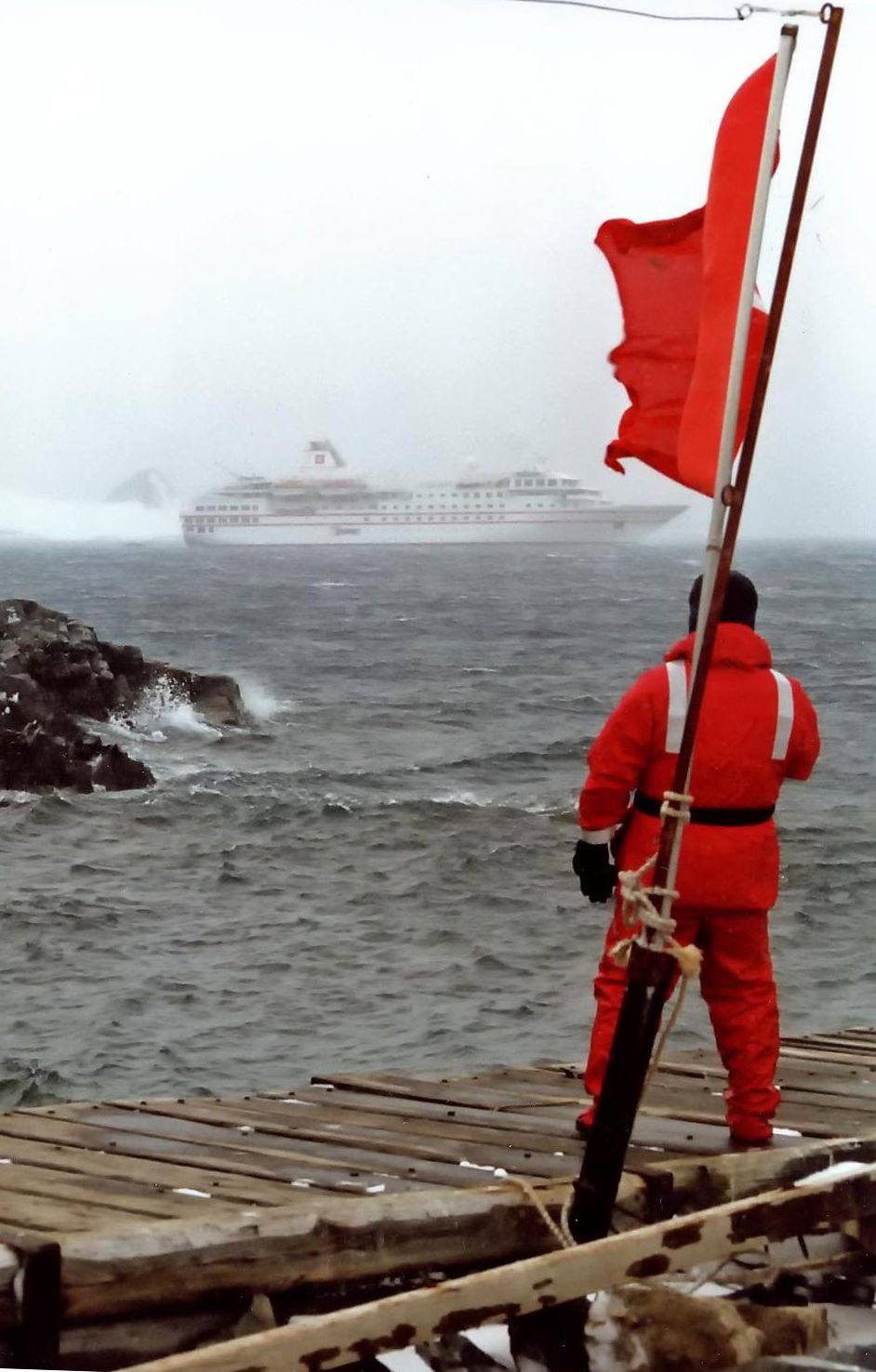
One of IAATO’s most vital and least visible roles is biosecurity — the prevention of introducing foreign organisms, seeds, soil or diseases to a continent whose ecosystems have evolved in isolation and have no defences against invaders. Before every landing, travellers must thoroughly clean and decontaminate their boots, clothing, bags and equipment, vacuuming out seeds and scrubbing off mud, and they must repeat the process between sites to avoid carrying anything from one location to another. Nothing may be eaten ashore, and nothing — not a pebble, not a feather — may be taken away.
These protocols were significantly strengthened with new mandatory biosecurity measures that came into effect in the 2022/23 season, developed with scientists to counter the growing risks posed by more visitors and a changing climate, including threats like avian influenza. They apply to every IAATO operator and every member of staff, without exception. The diligence with which a crew enforces them is one of the clearest signs of a serious, responsible operator. This care is part of the broader sustainability story I tell in my guide to sustainable Antarctica ships.
Wildlife guidelines: watching without harming
The encounters with wildlife that draw most people to Antarctica are governed by careful IAATO rules designed to ensure the animals are never disturbed or endangered. Travellers must keep prescribed minimum distances from penguins, seals and birds — typically around five metres, more for certain species and nesting sites — must never touch, feed or chase any animal, and must give way if an animal approaches a path. Curious penguins may waddle right up to you, and the rule is simple: you stay still and let them, never the reverse.
These guidelines protect breeding colonies from stress, prevent the transmission of disease, and preserve the extraordinary natural behaviour that makes Antarctic wildlife watching so magical in the first place. They also ensure that the experience remains the same for the travellers who come after you. Far from diminishing the encounter, the discipline deepens it, fostering a respectful intimacy with creatures that have no fear of humans. To know what you will meet, read my guide to Antarctica wildlife.
Why you should only book an IAATO member
Here is the heart of the matter. When you book with an IAATO member, you are guaranteed an operator that follows every one of these rules — the safety protocols, the environmental safeguards, the experienced staff, the emergency and evacuation planning, the biosecurity. You are also supporting the collective system that keeps Antarctic tourism responsible. When you book with a non-member, you have none of these guarantees, and you may be sailing with an operator cutting corners on the very protections that make a voyage to this unforgiving place safe.
Antarctica has no coastguard, no hospitals and no infrastructure; if something goes wrong, you depend entirely on your operator’s competence and contingency planning. IAATO membership is the clearest single signal that an operator takes that responsibility seriously. This is why I will not recommend, and would never personally sail with, a non-member, however tempting the price. It is the one corner that must never be cut, a point I make repeatedly in my guide to the most affordable Antarctica ships.
How to check if an operator is an IAATO member
Verifying membership is simple and worth doing. Reputable operators display their IAATO membership prominently on their websites and brochures, and the organisation maintains a public directory of its members that anyone can search. If you cannot quickly confirm that a company is a current member, treat that as a serious red flag and look elsewhere. Membership also comes in categories — full operators, provisional members, associates — so for the company actually running your voyage, look for full operator membership.
A good specialist travel agent will only work with IAATO operators and can confirm membership for you instantly, which is one more reason to use one for a trip this important. Do not rely on vague claims of being “environmentally responsible” or “expert”; look specifically for the IAATO name and verify it. The few minutes this takes are among the best-spent of your entire planning process. I fold this check into the broader vetting process in my guide to choosing an operator.
Does IAATO actually work?
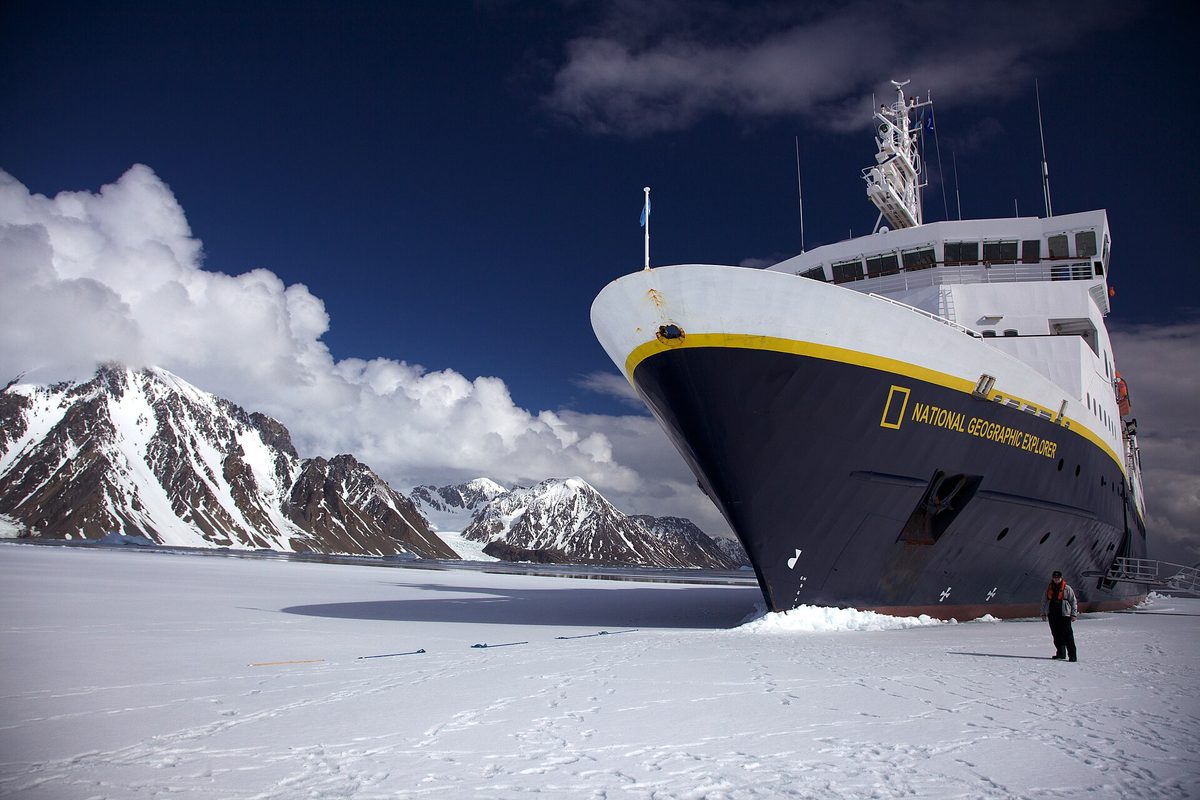
It is fair to ask whether self-regulation genuinely succeeds, and the evidence is largely reassuring. Decades on from its founding, IAATO has presided over a vast increase in visitor numbers while maintaining an enviable safety record and keeping the environmental footprint of tourism remarkably contained. The consistency of conduct across the industry — the same wildlife distances, the same landing limits, the same biosecurity, whatever ship you sail — is a direct testament to its effectiveness. Many of its standards have been so successful that the Antarctic Treaty nations adopted them outright.
That said, IAATO is not without its critics or its challenges. As tourism grows, some conservationists question whether voluntary self-regulation can cope with ever-rising numbers, whether popular sites are being over-visited, and whether the carbon cost of reaching Antarctica can ever be reconciled with protecting it. These are legitimate debates, and IAATO continues to evolve its rules in response. A thoughtful traveller should hold both truths: that IAATO is genuinely valuable, and that the pressures on Antarctica are real and growing. That tension runs through my guide to sustainable Antarctica ships.
How IAATO grew from seven operators to a movement
The story of IAATO is, in its way, an inspiring one. In 1991, when Antarctic tourism was still tiny and largely unregulated, seven pioneering operators made a decision that was far from inevitable: rather than compete in a race to the bottom, they would cooperate to set the highest possible standards and hold one another to them. It was an act of collective foresight, recognising that their long-term interest, and the continent’s survival as a destination, depended on getting tourism right from the start.
In the decades since, as visitor numbers climbed from a few thousand to many tens of thousands each season, that founding membership of seven has grown to well over a hundred operators, ships and agents spanning the globe. The organisation has continually refined its rules, added new protocols as science and circumstances demanded, and built a culture in which responsible conduct is simply the price of doing business in Antarctica. That this happened by voluntary agreement rather than external force is genuinely unusual, and it is a large part of why the system commands such respect. It shapes even the newest ships entering the fleet, which I survey in my best expedition ships guide.
IAATO and the future of Antarctic tourism
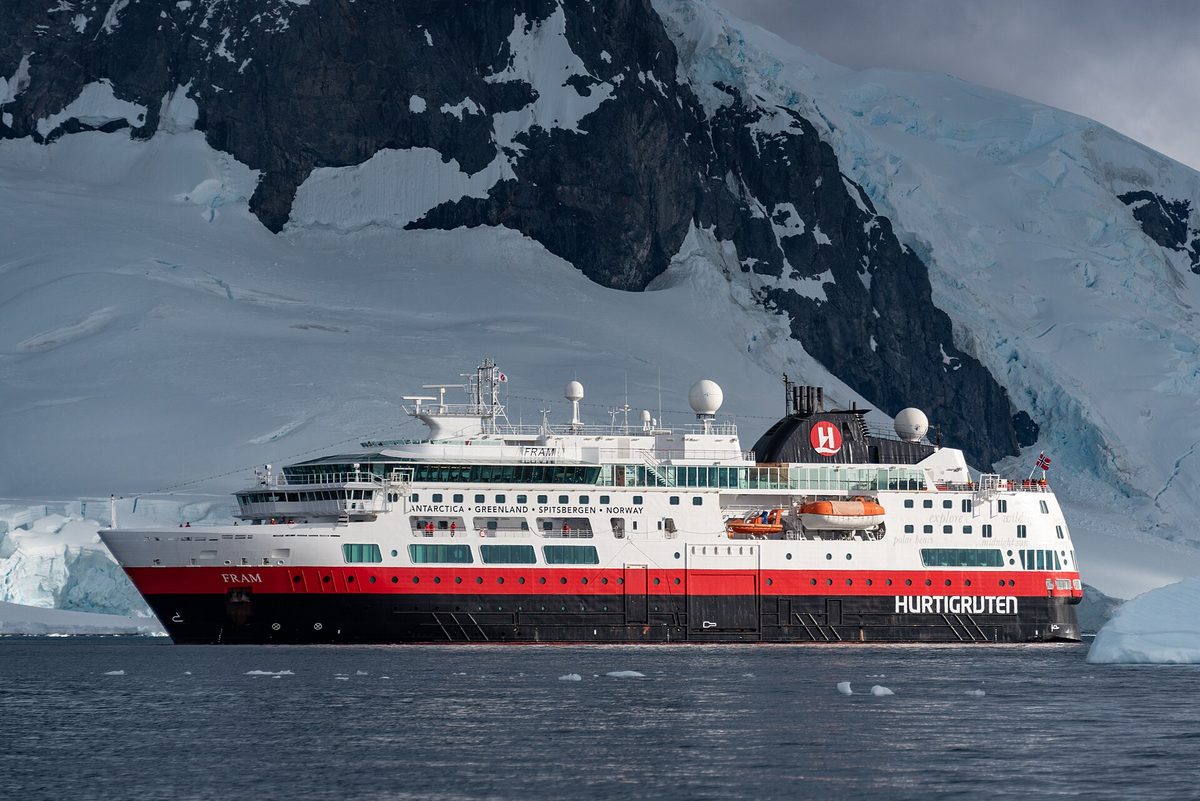
The challenges ahead are real, and IAATO is increasingly focused on them. Visitor numbers continue to rise, concentrating pressure on a relatively small number of accessible and popular landing sites along the Antarctic Peninsula. Climate change is altering the very ice and wildlife that travellers come to see, and introducing new risks like the spread of avian influenza. And the carbon cost of long voyages to the bottom of the world sits uncomfortably against the goal of protecting it. These are not easy problems, and reasonable people disagree about the answers.
In response, IAATO continues to evolve — strengthening biosecurity, managing site usage, encouraging cleaner ships and citizen-science participation, and debating how growth can be reconciled with protection. Whether voluntary self-regulation will prove sufficient as numbers climb is a genuine open question, and one worth weighing as a traveller. Choosing a member that takes these issues seriously, and travelling thoughtfully yourself, is the most constructive thing you can do. I explore the greener end of the fleet in my guide to sustainable Antarctica ships.
What IAATO membership means for your safety
Beyond the environment, IAATO is fundamentally about safety. Its requirements for experienced staff, thorough passenger briefings, careful Zodiac operations, contingency planning and mandatory emergency medical evacuation arrangements exist because Antarctica is one of the most hazardous environments on the planet, and a small mistake can have grave consequences. Members coordinate with one another, sharing information and standing ready to assist in an emergency, creating a safety net that no lone operator could provide.
For you, this means that sailing with an IAATO member is sailing with an operator embedded in a community committed to getting you there and back safely. It is the difference between an adventure that is bold but managed, and one that is recklessly exposed. When you weigh the cost of a voyage, factor in that this safety net is part of what you are paying for, and that it is priceless if you ever need it. Safety underpins everything in my complete guide to Antarctica cruises.
Frequently asked questions
What does IAATO stand for?
IAATO stands for the International Association of Antarctica Tour Operators, a member organisation founded in 1991 to promote safe and environmentally responsible private-sector travel to Antarctica. It now has more than a hundred members worldwide and sets the rules that govern the overwhelming majority of Antarctic tourism, from landing limits to biosecurity.
Why is IAATO membership important when booking a cruise?
IAATO membership guarantees that an operator follows strict safety and environmental rules — landing limits, wildlife distances, biosecurity, experienced staff and emergency planning. Booking a non-member means sailing without those guarantees in a place with no coastguard or hospitals. It is the single most important check you can make, and one I consider non-negotiable.
What is the IAATO 100-passenger rule?
IAATO permits no more than 100 passengers ashore at any single landing site at one time, with a guide-to-passenger ratio of at least one to twenty. Ships over 500 passengers cannot land guests at all. This rule is why smaller ships, which land everyone together, give you far more time on the continent.
How do I check if an Antarctica operator is an IAATO member?
Reputable operators display their IAATO membership on their websites, and IAATO maintains a public, searchable directory of members. Look specifically for full operator membership for the company running your voyage. If you cannot confirm membership quickly, treat it as a red flag. A good specialist travel agent can also verify it instantly.
Is IAATO a government body?
No. IAATO is a voluntary, self-regulating industry association, not a government or a branch of the Antarctic Treaty. However, it works closely with the Antarctic Treaty System, and several of its operating procedures have been formally adopted into Treaty measures, giving its standards real force across the continent.
Does IAATO membership cost travellers more?
Not meaningfully. The vast majority of credible operators are IAATO members across every price tier, from budget ships to ultra-luxury vessels, so choosing a member does not mean paying more. The occasional non-member offering a suspiciously cheap fare is exactly the kind of operator the membership requirement is designed to steer you away from.
How many members does IAATO have?
IAATO has grown from its seven founding operators in 1991 to more than a hundred members today, including tour operators, ships, travel agents and associate organisations. Together they account for the overwhelming majority of all Antarctic tourism, which is why the organisation’s rules effectively set the standard for the entire industry.
What happens if an operator breaks IAATO rules?
IAATO members are accountable to one another and to the association, and operators report their activities before and after each visit. Members that breach the rules can face review, sanction and ultimately the loss of membership, which carries serious reputational and practical consequences in a tight-knit industry. This peer accountability is a key reason the standards are followed so consistently across the fleet.
Can I visit Antarctica without using an IAATO operator?
In practice, almost all credible tourism to Antarctica is run by IAATO members, and choosing one is strongly advisable. Non-member options are rare, harder to vet and carry none of the safety and environmental guarantees. For the overwhelming majority of travellers, sailing with an IAATO member is the only sensible and responsible way to visit the continent.
Final thoughts
IAATO is the quiet, unglamorous backbone of responsible Antarctic tourism, the reason that tens of thousands of people can visit the most fragile wilderness on Earth each year without destroying it. Its rules shape your trip in ways large and small, from the size of ship you should choose to the way you clean your boots and keep your distance from a penguin, and every one of those rules exists to protect both you and the continent you have come so far to see.
So make IAATO membership the first box you tick when choosing an operator, before price, before ship, before itinerary. Confirm it, insist on it, and sail with confidence knowing you have chosen a company committed to doing this the right way. In a place as precious and unforgiving as Antarctica, that commitment is everything — and being part of it, however briefly, is a privilege as well as a responsibility.
Related reading
- Antarctica expedition ships and cruise operators
- How to choose an Antarctica cruise operator
- Hybrid and sustainable Antarctica ships
- Best small expedition ships for Antarctica
- Best Antarctica cruise lines compared
- The most affordable Antarctica ships
- Antarctica wildlife
- Antarctica cruise ship cabins guide
- Antarctica cruises: the complete guide