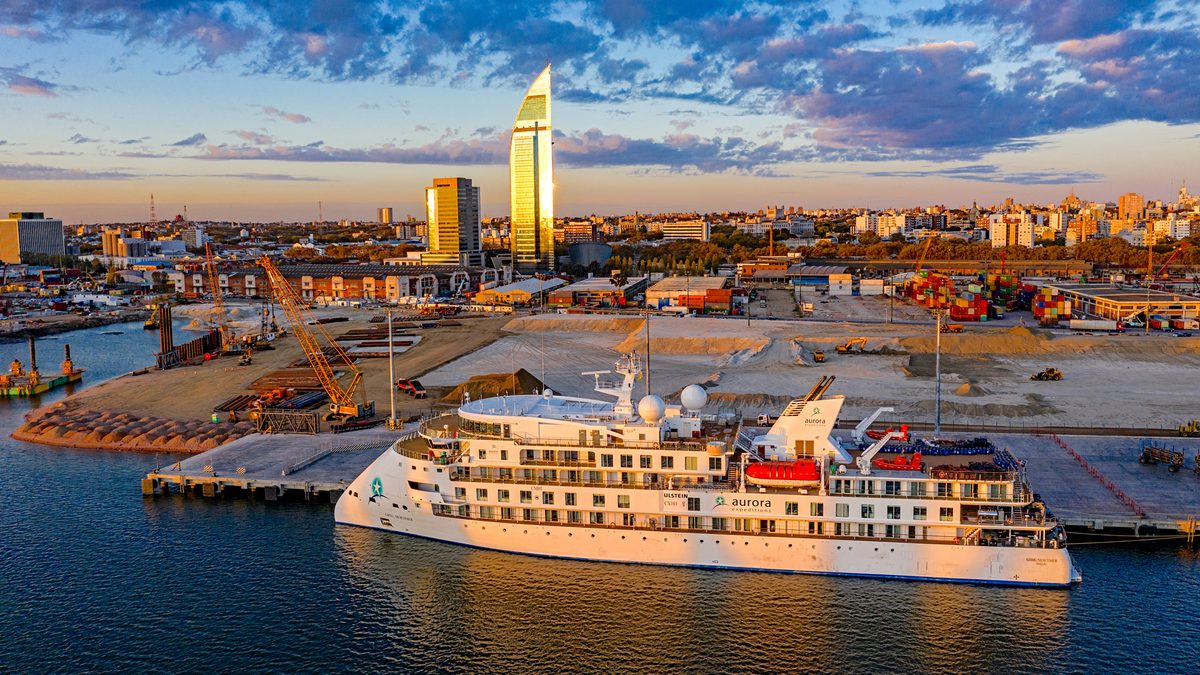
People often ask me to name the single best antarctica expedition ship, and my honest answer always disappoints them at first: there isn’t one. There is, however, a clear category of ship that delivers the finest possible Antarctic experience — small, ice-strengthened expedition vessels carrying somewhere between roughly 100 and 200 guests. These are the ships that can land everyone ashore at once, nose into channels the big liners cannot reach, and turn a voyage into a genuine expedition rather than a scenic drive-by. Within that category there are several outstanding contenders, and the right one for you depends on what you want to do down there.
I have sailed on small expedition ships, toured others in port, and spent years listening to guests rave and grumble about the vessels that carried them south. In this guide I will explain exactly what separates a great expedition ship from a merely adequate one, then walk through the standout vessels sailing in the 2026/27 season so you can find your match. This article sits within our broader guide to Antarctica expedition ships and operators, and complements my comparison of the best Antarctica cruise lines.
Why small ships win in Antarctica
The case for a small ship rests on one immovable rule. Under IAATO regulations, no more than 100 people may be ashore at any single landing site at one time, and ships carrying more than 500 passengers cannot land guests at all. A vessel under about 115 guests therefore puts everyone ashore together, with nobody waiting their turn aboard; a 200-passenger ship lands in two waves; a 300-passenger ship in three. The smaller the ship, the more of Antarctica you actually stand on.
Small ships also reach places the larger ones cannot — the narrow Lemaire Channel, the tight bays, the lesser-visited landing sites — and they foster a more intimate, expeditionary atmosphere where you come to know the guides and your fellow travellers. The trade is comfort and price: small ships can roll more in the Drake and often cost more per night than the big value vessels. But for time on the continent, smaller is almost always better. I lay out the operator side of this in my guide to how to choose an Antarctica cruise operator.
What makes the best Antarctica expedition ship
Strip away the marketing and a handful of features genuinely distinguish a superb expedition ship. The first is ice class — the certified strength of the hull for working in ice, expressed in ratings like Polar Class PC6 or 1A. A higher ice class lets a ship push deeper into the pack and later into the season with confidence. The second is hull design: the modern Ulstein X-bow, which slices into Drake Passage swells rather than slamming over them, has revolutionised the comfort of the crossing.
Beyond that, look for a large fleet of Zodiacs so the whole ship can disembark quickly, advanced stabilisers, a deep and well-qualified expedition team, and thoughtful viewing spaces — observation lounges, open decks and floor-to-ceiling windows — that keep you connected to the scenery. A great ship also offers the activities you want, from kayaking to helicopters. I dig into the technical side in my guide to ice-class ships and icebreakers explained.
Standout expedition ships at a glance
Here are the small expedition ships I most often point travellers toward for 2026/27, with their key strengths. All carry well under 500 guests and land passengers ashore, and all belong to IAATO-member operators.
| Ship | Operator | Guests | Stands out for |
|---|---|---|---|
| Ultramarine | Quark Expeditions | ~199 | Two helicopters, PC6 ice class, adventure |
| Sylvia Earle | Aurora Expeditions | ~132 | X-bow ride, sustainability, intimacy |
| Greg Mortimer | Aurora Expeditions | ~132 | X-bow pioneer, activities |
| Nat Geo Endurance | Lindblad | ~126 | Education, science, polar class |
| Silver Endeavour | Silversea | ~200 | Six-star luxury, high ice class |
| Le Commandant Charcot | Ponant | ~245 | True luxury icebreaker, deep ice |
| Seabourn Venture | Seabourn | ~264 | Submarines, luxury suites |
| MS Fram | HX | ~200 | Heritage, value, ice-strengthened |
None of these is objectively “the best” — each wins for a different traveller. Below I will explain who each one suits. For the budget end of the spectrum, see my separate guide to the most affordable Antarctica ships.
Ultramarine: the adventure flagship
Quark Expeditions’ Ultramarine is, for sheer capability, one of the most impressive small ships in Antarctica. Built with a PC6 polar class and a 1A+ ice rating, she is engineered to work hard in the ice, and her signature feature is a pair of twin-engine helicopters that open up heli-flightseeing and remote landings no Zodiac can reach. Add the widest adventure menu afloat — kayaking, mountaineering, camping, paddleboarding — and Ultramarine becomes the obvious choice for travellers who want to do as much as humanly possible.
She carries up to around 199 guests, so landings run in waves, and her style is rugged-modern rather than opulent. But for adventure-hungry travellers, the helicopters alone justify the choice. I cover that capability in depth in my guide to Antarctica cruises with helicopters and submarines.
Aurora’s X-bow trio: Sylvia Earle, Greg Mortimer and Douglas Mawson
Aurora Expeditions was the first operator in Antarctica to adopt the Ulstein X-bow, and its three modern ships — the Greg Mortimer (2019), the Sylvia Earle (2022) and the brand-new Douglas Mawson (2025) — are among my favourite vessels in the region. Each carries only about 132 guests, runs a rich activity programme of kayaking, snorkelling, diving, snowshoeing and camping, and rides the Drake noticeably more gently thanks to that inverted bow. The Sylvia Earle even adds fuel-efficient features, virtual anchoring to protect the seabed, and reduced light pollution.
These ships hit a sweet spot that suits a huge range of travellers: small enough to land everyone at once, modern and comfortable without being stuffy, genuinely adventurous, and seriously committed to sustainability. For active couples and solo travellers who want intimacy with a conscience, Aurora’s trio is hard to beat. Their green credentials feature in my guide to hybrid and sustainable Antarctica ships.
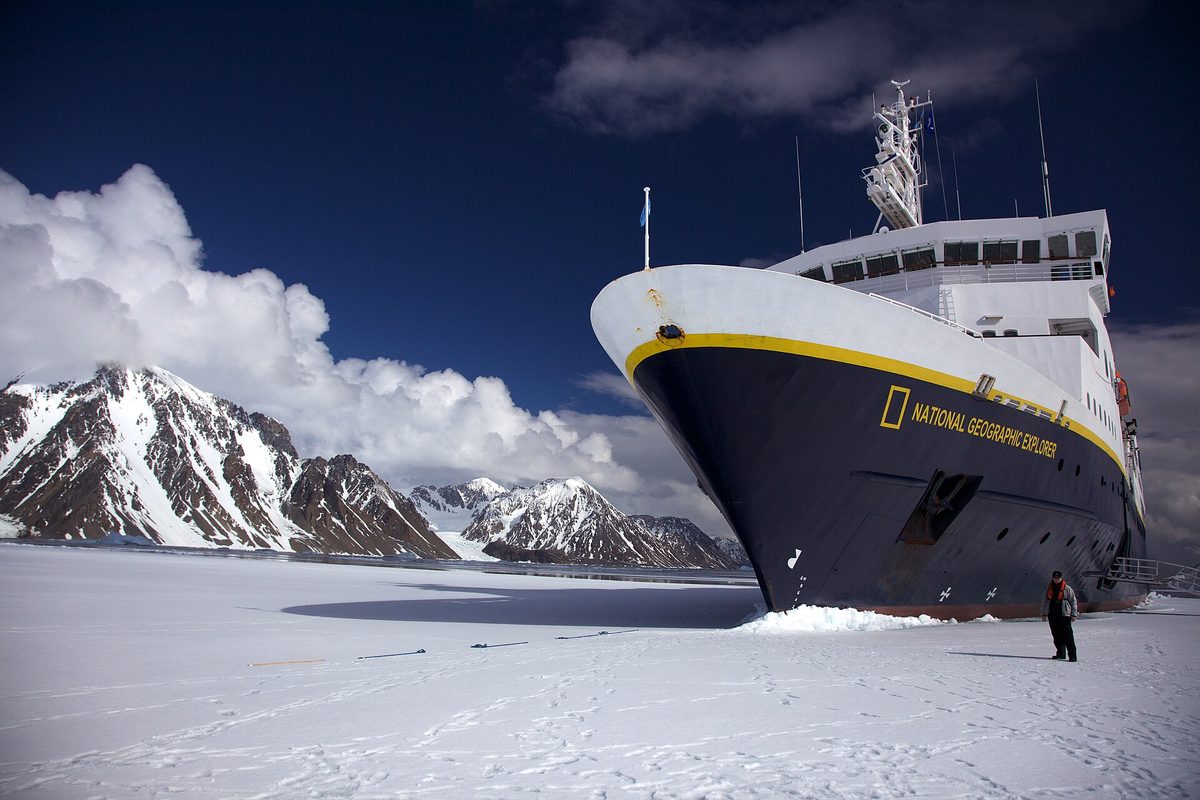
National Geographic Endurance and Resolution: the scholar’s ships
Lindblad Expeditions’ purpose-built National Geographic Endurance and Resolution are polar-class ships designed around learning. Carrying roughly 126 to 138 guests, they pair serious ice capability with the deepest expedition teams in the business — naturalists, National Geographic photographers, undersea specialists and historians who turn every day into a seminar. If you want to come home not just having seen Antarctica but truly understanding it, these are the ships.
They are not cheap, and the emphasis is firmly on intellectual depth rather than adventure activities, though kayaking and Zodiac cruising feature. For naturalists, photographers and curious families, the price buys an education money can rarely match elsewhere. Pair a Lindblad voyage with my guide to Antarctica wildlife and you will read the landscape fluently.
Silver Endeavour: six-star expedition
For travellers who refuse to choose between exploration and indulgence, Silversea’s Silver Endeavour is one of the most luxurious expedition ships ever built. Carrying around 200 guests in all-suite accommodation, she pairs a high ice class and a serious expedition operation with butler service, multiple gourmet restaurants and a guest-to-crew ratio close to one to one. This is genuine expedition cruising — Zodiacs, landings, a strong team — delivered with the polish of a six-star hotel.
The price sits at the top of the market, and at 200 guests landings run in rotations, but the experience is flawless and the comfort total. For honeymooners and milestone travellers who want the ice without sacrificing a thread of luxury, the Silver Endeavour is a compelling answer. The cabin question is central to ships like this, which I cover in my guide to Antarctica cruise ship cabins.
Le Commandant Charcot: the luxury icebreaker
Ponant’s Le Commandant Charcot is a category of one: the only true luxury polar icebreaker carrying tourists anywhere in the world. With a PC2 ice class — far higher than any standard expedition ship — she can crush through thick pack ice and reach places, like the deep Weddell Sea and even the geographic regions near the poles, that are simply off-limits to everyone else. All this comes wrapped in French luxury: two restaurants, a spa, an indoor-outdoor pool and spacious suites.
At around 245 guests and an eye-watering price, the Charcot is not for everyone, and her itineraries lean toward the remote and the rare rather than the classic Peninsula highlights. But for travellers who want to go where no ordinary ship can, in total comfort, she is unmatched. Her capabilities are the subject of my guide to ice-class ships and icebreakers.
Seabourn Venture and Pursuit: luxury with submarines
Seabourn’s expedition pair, Venture and Pursuit, bring the line’s legendary ultra-luxury service to the ice and add a thrilling twist: each carries two custom submarines that take guests beneath the surface for a privileged look at the underwater world. Carrying around 264 guests in lavish suites, with a deep expedition team and a fleet of Zodiacs, they deliver expedition substance alongside serious indulgence.
As with all the larger luxury ships, the 264-guest count means landings happen in waves, and the fare is steep. But the combination of submarines, suites and Seabourn’s renowned dining is a unique proposition. The submarines in particular are a genuine novelty I explore further in my helicopter and submarine cruises guide.
MS Fram and the HX hybrid ships
HX, formerly Hurtigruten Expeditions, runs the ice-strengthened veteran MS Fram alongside the newer hybrid-powered Roald Amundsen and Fridtjof Nansen. These ships carry around 200 to 500 guests and represent the value end of the modern fleet: solid polar pedigree, comfortable Scandinavian-styled cabins, big windows and competitive prices. The hybrid vessels in particular cut fuel use and emissions while offering some of the best panoramic viewing spaces afloat.
On the larger HX ships landings run in rotations, so you trade some time ashore for comfort and value. But for travellers who want a credible, well-run expedition at a more accessible price, the Fram and her hybrid fleet-mates are a dependable choice. Their environmental tech leads my guide to sustainable Antarctica ships.
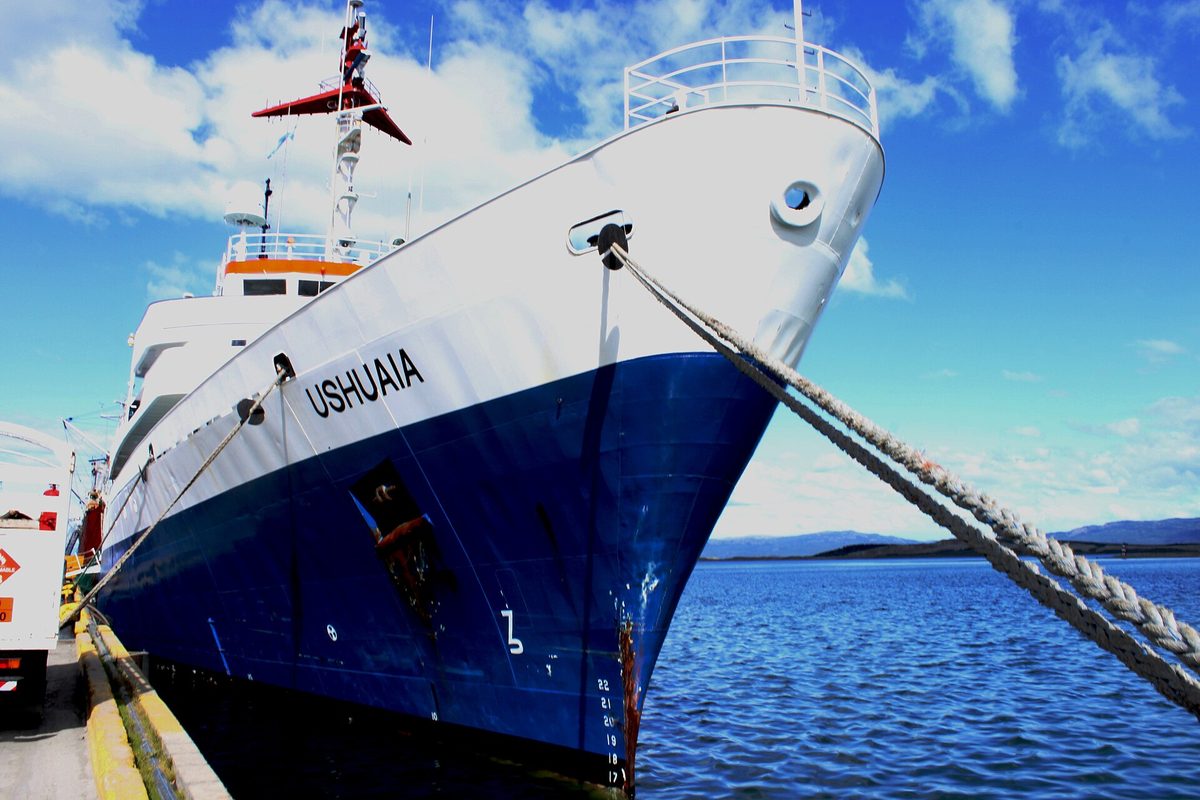
The classic small ships: Oceanwide and the budget veterans
Not every great expedition ship is brand new. Oceanwide Expeditions’ Plancius, Ortelius and Hondius, along with veteran vessels like the MV Ushuaia, are older, simpler ships beloved by serious naturalists for their flexible, wildlife-led itineraries and their low prices. Carrying roughly 100 to 130 guests, they land everyone ashore at once and keep the focus squarely on the experience rather than the frills. Cabins are modest, the atmosphere is unpretentious, and the value is exceptional.
These are the ships I recommend to budget travellers who care more about boots on the ice than balconies and gourmet menus. You give up luxury but keep the thing that matters most. For the full money-saving picture, see my guide to the most affordable Antarctica ships.
The X-bow and the smoother ride south
If the Drake Passage worries you — and for many travellers it is the single biggest anxiety — the design of the hull matters enormously. The Ulstein X-bow, pioneered in Antarctica by Aurora and now adopted by several other operators, replaces the traditional flared bow with an inverted, knife-like shape that pierces oncoming swells instead of riding up and slamming down over them. The result is a markedly smoother, drier, quieter crossing.
Combined with modern stabilisers, an X-bow ship can make the dreaded Drake far more bearable. It is not magic — a big storm is still a big storm — but the difference is real and worth weighting in your choice if you are prone to seasickness. To gauge your appetite for the crossing, read my guide to the Drake Passage.
Cabins and comfort on small ships
Small ships span a wide comfort range, from simple porthole cabins with shared facilities on the budget veterans to palatial balcony suites on the luxury vessels. Because you will spend real time aboard — sea days, Drake crossings, long Antarctic evenings — the cabin grade you choose genuinely shapes the trip. A modest cabin on an expedition-first ship still delivers the full wildlife experience; a suite simply makes the hours between landings more luxurious.
My advice is to spend what you comfortably can on the ship and cabin while keeping the passenger count low, because both the intimacy of a small ship and a cabin you enjoy returning to pay dividends over ten days. For a full breakdown of cabin grades and which to choose, see my Antarctica cruise cabins guide.
The Zodiac fleet: the unsung hero of every expedition ship
Ask most travellers what makes a great expedition ship and they talk about cabins and ice class. But the humblest piece of equipment aboard may matter most of all: the fleet of Zodiacs, the tough inflatable boats that ferry you from ship to shore and cruise you among the icebergs and seals. A ship with enough Zodiacs and skilled drivers can disembark the whole vessel quickly and keep you ashore longer; one short of boats wastes precious landing time shuttling people back and forth.
The best small ships carry a generous Zodiac fleet, fast and stable, with experienced expedition staff at the helm who double as your guides and spotters. When you compare ships, it is worth asking how many Zodiacs each carries relative to its guest count, because that ratio quietly shapes how much time you actually spend off the ship. The Zodiac cruise — drifting silently past a calving glacier or a raft of penguins — is for many travellers the single most magical part of the whole voyage.
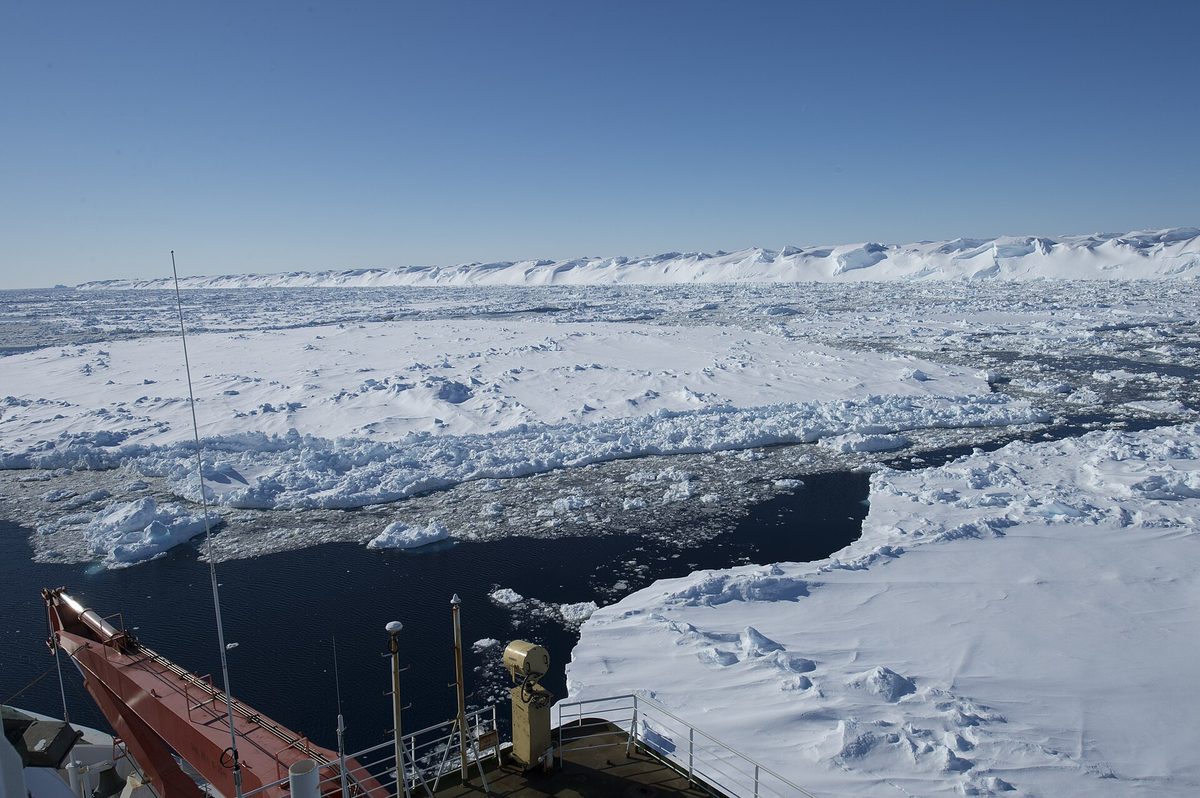
Older versus newer: does the ship’s age matter?
There is a persistent assumption that newer always means better, and in Antarctica that is only half true. The latest ships bring X-bows, hybrid engines, balconies and slick design, and they ride the Drake more gently. But the older expedition veterans — the converted research vessels and long-serving small ships — carry decades of polar know-how, often field superb naturalist teams, and put you ashore with exactly the same wildlife at a fraction of the price.
What truly matters is not the launch year but the ice class, the passenger count, the quality of the expedition team and the operator’s track record. A well-run older ship beats a flashy new one with a thin team every time. So do not be seduced by a launch date alone; judge a ship on the things that actually shape your days on the ice.
How to choose the right expedition ship for you
With so many excellent ships, the choice comes down to priorities. If adventure is everything, Ultramarine and Aurora’s X-bow trio lead. If you want to learn, choose Lindblad. If luxury is non-negotiable, look to Silver Endeavour, the Charcot or Seabourn. If value matters most, the HX ships and the classic Oceanwide veterans deliver real expeditions for less. And if the Drake terrifies you, weight your choice toward an X-bow hull or consider a fly-cruise instead.
Whatever you choose, keep the passenger count under 200 if landing ashore is your priority, confirm the operator is an IAATO member, and check that your must-do activities are available on the specific departure. Do that, and almost any ship on this list will give you the voyage of a lifetime. Tie it all together with my complete guide to Antarctica cruises.
Frequently asked questions
What is the best Antarctica expedition ship?
There is no single best ship — it depends on your priorities. Ultramarine leads for adventure and helicopters, Aurora’s X-bow trio for an intimate smooth ride, Lindblad’s National Geographic ships for education, and the Charcot, Silver Endeavour and Seabourn vessels for luxury. The best ship is the one whose strengths match the trip you want.
How many passengers should the best expedition ship carry?
For the richest time ashore, choose a ship under 200 guests, and ideally under about 130, so everyone lands together with no waiting. IAATO bars ships over 500 passengers from landing at all, so larger vessels only cruise past the scenery rather than setting foot on the continent.
What ice class do I need for an Antarctica expedition?
For the classic Peninsula season, a standard expedition ship with a Polar Class PC6 or 1A ice rating is more than adequate. Only voyages pushing into heavy pack ice, like deep Weddell Sea or late-season trips, benefit from a higher class such as the Charcot’s PC2. Most travellers never need an icebreaker.
Are X-bow ships really smoother across the Drake?
Yes, noticeably. The inverted X-bow pierces swells rather than slamming over them, producing a drier, quieter, more comfortable crossing. Combined with modern stabilisers it makes the Drake far more bearable, though no ship eliminates rough weather entirely. If seasickness worries you, an X-bow hull is a smart choice.
Which expedition ship is best for first-timers?
First-timers do well on Aurora’s X-bow ships, Lindblad’s National Geographic vessels or HX’s modern hybrids — all small-to-mid-size, comfortable and well-run, with strong expedition teams and reliable Peninsula itineraries. Match the ship’s style to whether you prioritise adventure, learning, value or comfort.
Do newer expedition ships cost more?
Generally yes. The newest purpose-built ships with X-bows, hybrid engines and balcony suites command higher fares than the older classic vessels. But those veterans still land you ashore with the same wildlife, so budget travellers lose little by choosing an older small ship over a gleaming new one.
What is the newest Antarctica expedition ship?
Among the newest small expedition ships is Aurora Expeditions’ Douglas Mawson, launched in 2025, which joins the X-bow Greg Mortimer and Sylvia Earle. Several operators have added purpose-built polar vessels in recent years, so the fleet keeps getting newer, greener and more comfortable, though the older veterans still offer excellent value.
Final thoughts
The best antarctica expedition ship is not a single vessel but a category — small, ice-capable and crewed by an expert team — within which several outstanding ships compete for different travellers. The adventurer, the scholar, the luxury seeker and the budget-minded naturalist should each end up on a different deck, and all of them will have an extraordinary time. Decide what you most want from the continent, keep the passenger count low, and the right ship reveals itself.
More than anything, do not let the dazzling choice delay you. Every ship on this list will carry you to a place that rearranges your sense of the world. Pick the one that fits your priorities, book the cabin, and go meet the ice. The ship is simply the vehicle; the continent is the reward.
Related reading
- Antarctica expedition ships and cruise operators
- Best Antarctica cruise lines compared
- How to choose an Antarctica cruise operator
- Ice-class ships and icebreakers explained
- Antarctica cruises with helicopters and submarines
- The most affordable Antarctica ships
- Antarctica cruise ship cabins guide
- Antarctica cruises: the complete guide
- The Drake Passage explained