People spend months obsessing over which ship to book and what to pack, and then step aboard with almost no idea how their days will actually unfold. Yet life on an antarctica cruise has a rhythm all its own — utterly unlike any ordinary holiday cruise — and knowing that rhythm in advance is one of the best ways to arrive relaxed and ready to savour every moment. There are no casinos, no Broadway shows and no formal nights here. Instead there are Zodiac landings among penguins, lectures from world-class naturalists, and the slow, hypnotic pull of the most beautiful wilderness on Earth sliding past your window.
Having spent many weeks living this rhythm, I want to walk you through a day in the life aboard an expedition ship, from the early-morning wake-up call to the late, light-filled evenings. By the end you will know exactly what to expect — the landings, the meals, the lectures, the sea days and the quiet magic between — so you can spend your own voyage present in it rather than puzzled by it. This guide sits within our guide to Antarctica expedition ships and complements my advice on choosing a cabin.
What life on an Antarctica cruise is really like
The first thing to understand is that an expedition cruise is not a cruise in the conventional sense. The ship is not a floating resort but a base camp — a comfortable, sociable, well-fed base camp, but a base camp all the same — from which you sally out into the wild twice a day. The whole experience is built around getting you off the ship and onto the ice or the water as often as the weather allows, and everything else, the meals, the lectures, the downtime, fills the spaces between those landings.
The second thing is that no two days are ever the same, because everything bends to the weather, the ice and the wildlife. The expedition team plans each day around conditions, and plans change constantly and cheerfully. This flexibility is not a flaw but the very essence of expedition travel; you surrender control and let Antarctica set the agenda. Embrace that, and the trip becomes magical. For the seasonal backdrop to it all, see my guide to the best time to visit Antarctica.
A typical day at a glance
Though every day flexes with the weather, the underlying shape tends to look something like this:
- 7:00am — wake-up call from the expedition leader with the morning’s plan.
- 7:30–8:00am — buffet breakfast and suiting up in the mudroom.
- 8:30–11:30am — morning Zodiac landing or cruise, around two to three hours.
- 12:30pm — hot drinks on return, then a buffet lunch as the ship repositions.
- 2:30–5:30pm — afternoon landing, Zodiac cruise or optional activity.
- 6:30pm — daily recap and briefing in the lounge, drink in hand.
- 7:30pm — served three-course dinner, then deck time in the late light.
Treat it as a sketch, not a timetable. The expedition team will rewrite it without hesitation the moment a pod of orcas appears or the ice opens a new opportunity, and those improvised detours are often the best moments of all.
Morning: the wake-up call and breakfast
A typical day begins early, often with a gentle wake-up announcement over the cabin speakers from the expedition leader around 7am, sharing the morning’s plan and a first glimpse of the day’s weather and wildlife. Breakfast follows, usually a generous buffet served from around 7:30 or 8am, though it shifts earlier when an early landing beckons and a little later on lazy sea days. You fuel up well, because a morning ashore in the cold burns more energy than you expect.
Over coffee and eggs, the anticipation builds. Outside the windows, icebergs drift past and the coastline reveals itself, and the dining room hums with the particular excitement of people about to step onto the seventh continent. Then comes the call to suit up — the cue to head for your cabin and the mudroom and pull on the layers that turn you from breakfast guest into polar explorer. Knowing what to wear is half the battle, which is why I always point first-timers to my guide on what to pack for Antarctica.
The Zodiac landing: the heart of every day
The centrepiece of the day is the landing, and it works like this. You gather in the mudroom, step into your waterproof boots, zip into your parka and life jacket, and clamber down a gangway into a Zodiac — the tough inflatable boats that ferry around ten guests at a time from ship to shore. A short, exhilarating ride across the freezing water, often weaving between ice floes, delivers you onto a beach or a rocky shore where penguins, seals and astonishing scenery await.
Time ashore typically lasts two to three hours, with expedition staff posted around the site to keep you safely distant from the wildlife and to share the geology, history and natural history of the place. You might walk to a penguin colony, hike to a viewpoint, or simply stand still and let it all wash over you, with options usually offered to suit different fitness levels. Some outings are not landings at all but Zodiac cruises, drifting among icebergs and past hauled-out seals. The wildlife you meet is the subject of my guide to Antarctica wildlife.
Midday: back aboard for lunch
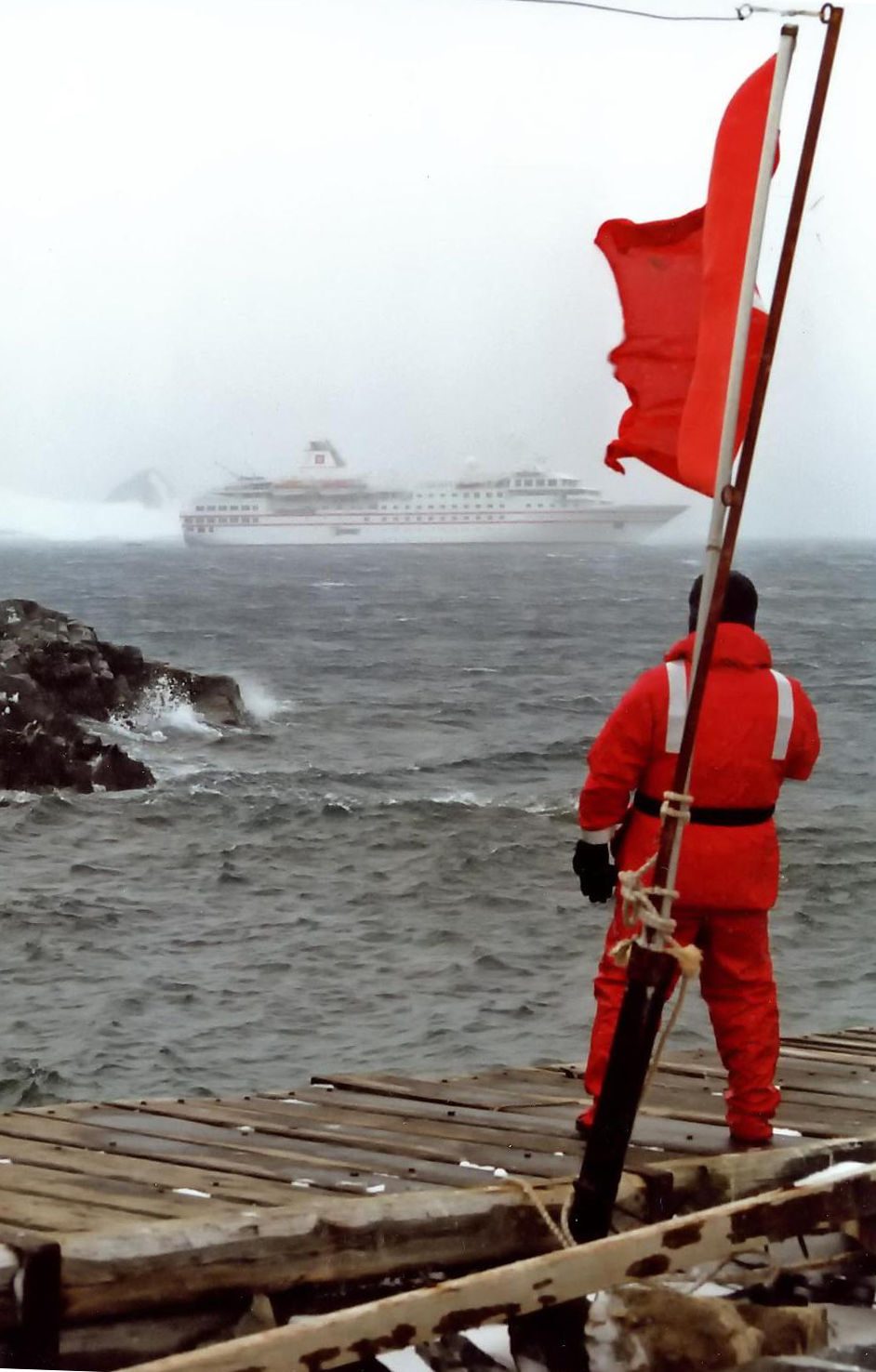
Returning to the ship is its own small ritual. You climb out of the Zodiac, step through a boot-wash to protect the ship and the next landing site from cross-contamination, peel off your layers in the mudroom, and emerge to the welcome of hot drinks — often cocoa or mulled wine — and snacks set out to thaw you. There is a deep, earned contentment in that moment, cold and exhilarated, cradling a hot chocolate as the ship repositions for the afternoon.
Lunch is usually a hearty buffet with hot dishes, soups, salads and desserts, eaten while the ship cruises to its next destination and the scenery scrolls past the windows. It is a sociable, relaxed affair, full of animated chatter about the morning’s sightings. The food on these ships is consistently good and plentiful, a comfort that matters more than you might think after a morning in the elements. The biosecurity rituals are part of the responsible tourism I describe in my guide to IAATO and operator membership.
Afternoon: the second outing
After lunch comes the second excursion of the day, weather permitting — another landing at a new site, or a Zodiac cruise among the bergs, or sometimes an optional activity like sea kayaking or a bracing polar plunge into the near-freezing sea. The afternoon light in Antarctica is extraordinary, low and golden and endless, and many of the trip’s most magical moments happen in these hours, whether watching whales surface beside the Zodiac or sitting silent in a kayak as the ice creaks around you.
By late afternoon you return to the ship one more time, run the boot-wash gauntlet, shed your layers and settle into the gentle decompression of the evening. There is usually time to shower, sort through the day’s photographs, or simply sink into a lounge chair with a drink and watch the coastline pass. This unhurried downtime, with nowhere to be and nothing to do but absorb the view, is one of the underrated pleasures of the voyage. The optional activities vary by operator, as I explain in my guide to choosing an operator.
Evening: recap, briefing and dinner
Before dinner, the whole ship usually gathers in the main lounge for the daily recap and briefing, a roughly 45-minute ritual that becomes a highlight in itself. The expedition team reviews the day’s sightings, shares photographs, and explains the wildlife and landscapes you encountered, before the expedition leader outlines the tentative plan for the next day — always with the cheerful caveat that the weather may rewrite it entirely. A drink in hand, the room buzzing with the day’s discoveries, it is a wonderfully convivial way to close the afternoon.
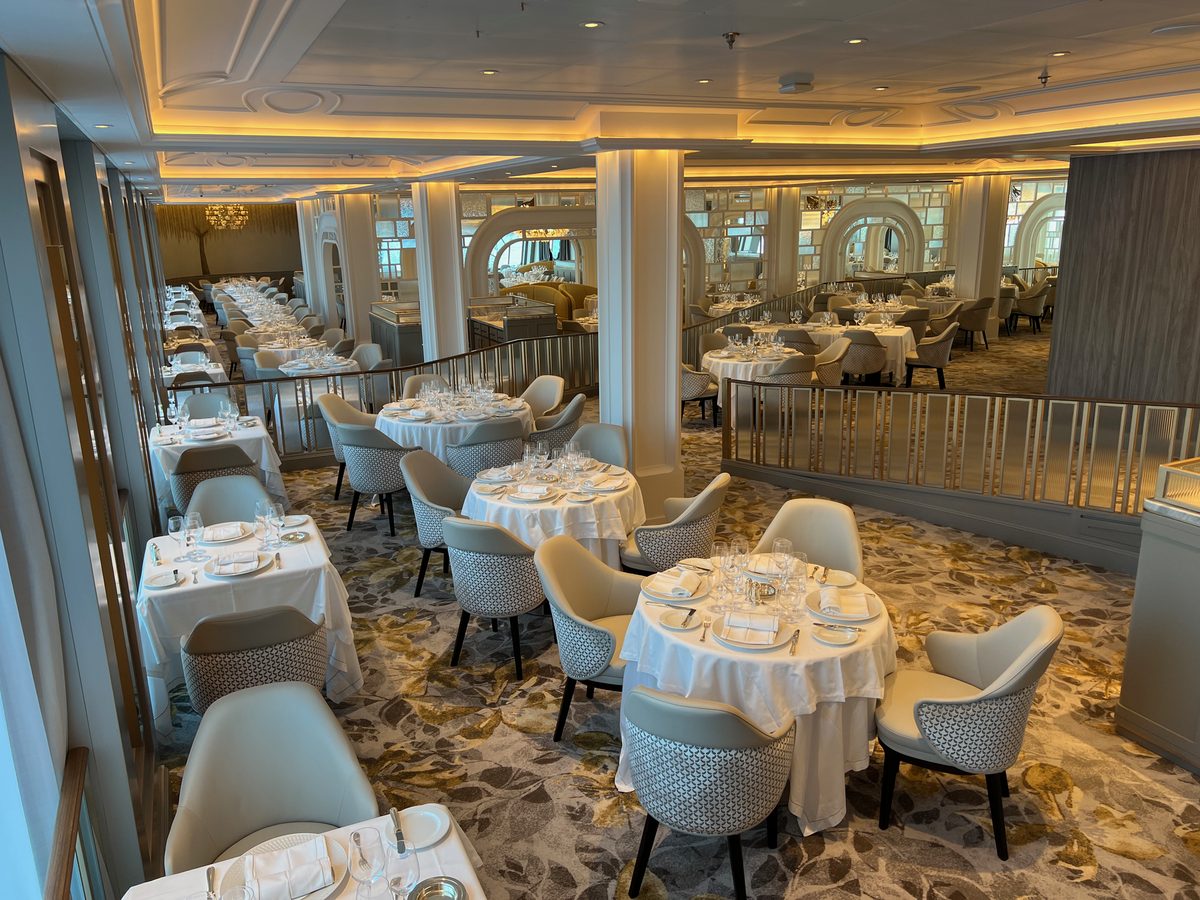
Dinner follows, and unlike the buffet meals it is typically a sit-down, served affair of three courses, often with wine and beer included, in a relaxed but slightly more refined atmosphere. Conversation flows between tables of strangers who have quickly become friends, united by the shared wonder of where they are. Afterwards, some retire early, exhausted and happy; others linger at the bar, swap stories, or head out on deck to drink in the late, luminous light. The whole rhythm is part of what makes the right ship matter, which I cover in my best expedition ships guide.
The food onboard
Expedition ship food consistently surprises first-timers with its quality and abundance. Breakfast and lunch are usually generous buffets with hot and cold options, while dinner is a served, multi-course meal. Between them, morning and afternoon teas, fresh-baked snacks, and evening canapés mean you are never far from something warm and welcome, and the galleys cater readily to dietary needs when notified in advance. After cold hours ashore, the food is not mere sustenance but a genuine comfort.
On the luxury ships the dining rises to gourmet heights, with multiple restaurants and fine wines; on the budget vessels it is simpler but still hearty and good. Either way, no one goes hungry on an Antarctic voyage, and mealtimes become important social anchors in the day. How elaborate the dining gets is one of the things that separates the operators, as I detail in my cruise lines comparison.
Lectures and the expedition team
One of the quiet joys of expedition cruising is the onboard education. The expedition staff — naturalists, ornithologists, marine biologists, geologists, historians and photographers — deliver a rolling programme of lectures throughout the voyage, on everything from penguin behaviour and glaciology to the heroic age of exploration and the art of polar photography. These talks transform what you see ashore from pretty scenery into a rich, comprehensible story, and they are genuinely some of the best I have ever attended anywhere.
The team is also endlessly available between formal sessions, happy to identify a bird, explain an iceberg or share a tale on deck. Their knowledge and passion are a huge part of what you pay for, and a strong team can elevate even a modest ship into an unforgettable experience. Choosing a voyage with a deep, expert team is one of the smartest decisions you can make, as I argue in my guide to choosing an operator.
Sea days and the Drake Passage
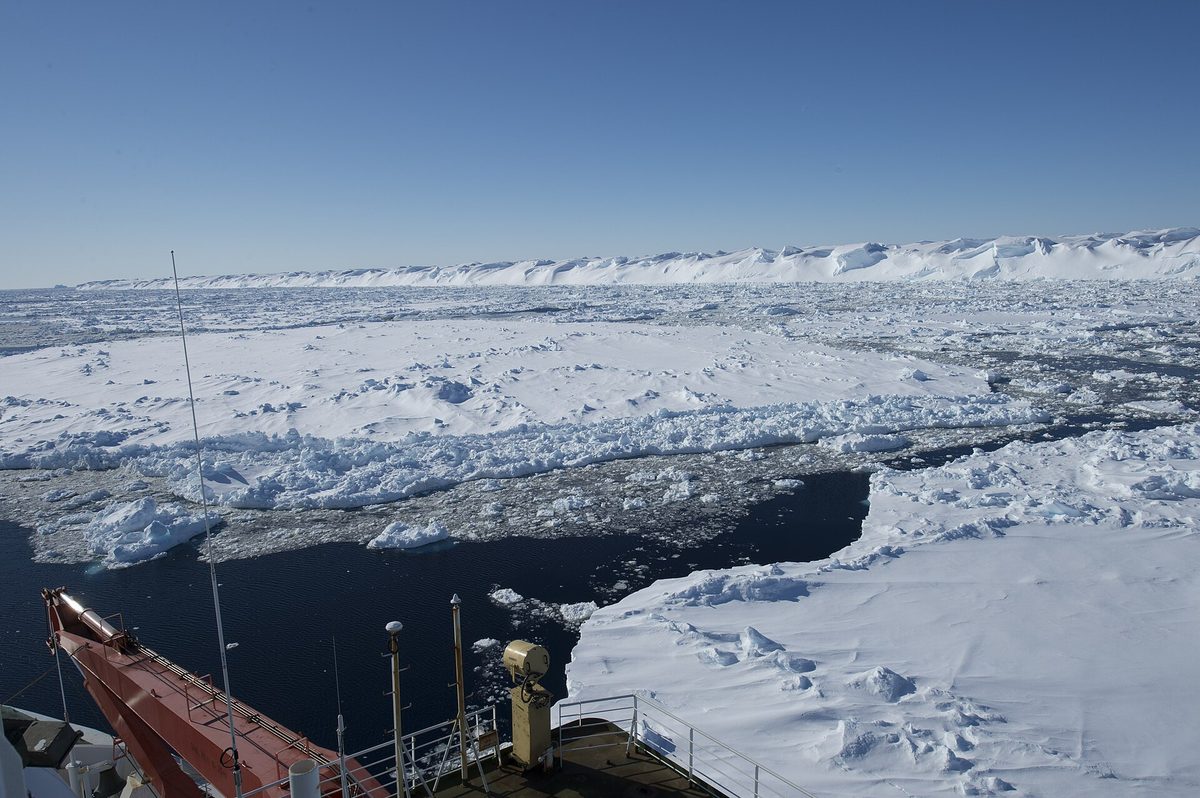
Not every day involves a landing. The voyage to and from the Peninsula crosses the Drake Passage, two days of open ocean each way, and these sea days have their own character. With no landings possible, the days fill with back-to-back lectures, wildlife watching from the deck as albatross wheel behind the ship, and the simple business of settling into shipboard life. If the Drake is rough, you may spend time in your cabin; if it is the fabled “Drake Lake,” you will be out on deck marvelling at the seabirds.
Far from being dead time, sea days are when much of the learning happens and when the community aboard truly gels. They are also a chance to rest, read and prepare for the intensity of the landings ahead. Whether your crossing is calm or wild, it is an integral part of the experience, and my guide to the Drake Passage explains exactly what to expect and how to cope.
The endless daylight and the ship’s facilities
In the Antarctic summer the sun barely sets, and that near-endless daylight reshapes the rhythm of life aboard. There is no rush to catch a view before dark, and the most spectacular light often comes late in the evening, drawing people back out on deck at hours when they would normally be asleep. It can play havoc with your body clock, but it also gifts you more hours of wonder than any ordinary day contains.
Between excursions, the ship’s facilities give you space to relax: observation lounges with floor-to-ceiling windows, a bar, a library of polar books, often a gym, sauna or small spa, and open decks for wildlife watching. These are not the glitzy amenities of a mega-ship but calm, comfortable spaces designed to keep you connected to the scenery. The newest ships offer the most, as I describe in my best expedition ships guide.
The people you meet
One of the most unexpected pleasures of an Antarctic voyage is the people. Expedition cruises draw curious, adventurous, well-travelled souls from around the world, and the shared intensity of the experience forges friendships with remarkable speed. By the second or third day, the dining room feels like a gathering of friends, and many travellers leave with bonds that long outlast the voyage. The small passenger numbers on expedition ships make this closeness possible in a way the mega-ships never could.
The crew and expedition team, too, become part of the fabric of the trip, their warmth and expertise setting the tone for the whole community aboard. This human dimension, easy to overlook when you are dreaming of penguins, is for many people one of the most cherished parts of the entire experience. The intimacy is another argument for the small ships I champion throughout my guide to Antarctica cruises.
Activities: kayaking, camping and the polar plunge
Beyond the standard landings, many voyages offer optional activities that deepen the experience, and saying yes to them is rarely regretted. Sea kayaking lets you paddle silently among the ice floes, closer to the water and the wildlife than any Zodiac, and it is the activity I recommend above all others for those fit enough. Some ships offer overnight camping on the ice, a chance to sleep out under the polar sky in a bivouac, and most run the famous polar plunge — a brief, shrieking, exhilarating dip into the near-freezing Southern Ocean that becomes an instant badge of honour.
Other operators add snowshoeing, stand-up paddleboarding, mountaineering or photography workshops, depending on the ship and the voyage. Places are limited and usually booked in advance, so if an activity calls to you, reserve it when you book your cabin. These add-ons punctuate the daily rhythm with bursts of unforgettable adventure, and they are a big part of what distinguishes one operator from another, as I explain in my cruise lines comparison.
What life onboard is not
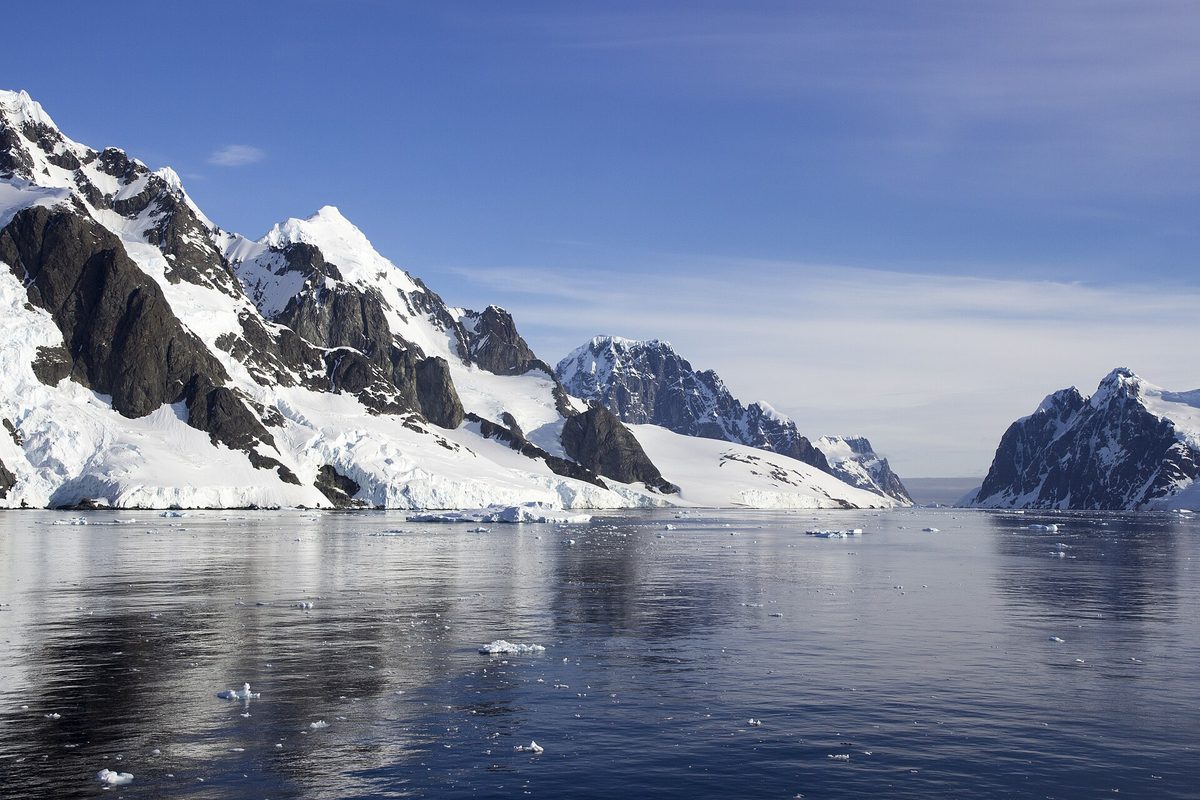
It is worth saying plainly what an expedition cruise is not, because expectations shaped by ordinary cruising can mislead. There are no casinos, no waterslides, no nightly stage shows, no formal black-tie evenings and no endless onboard shopping. Dress is casual and practical throughout, evenings are low-key, and the entertainment is the continent itself rather than any manufactured diversion. If you are seeking the bells and whistles of a mega-ship holiday, you will not find them here.
What you will find instead is something far richer: a focused, intimate, deeply rewarding immersion in the wildest place on Earth, in the company of experts and like-minded travellers. The absence of distraction is precisely the point, leaving you free to be wholly present in the experience. Understanding this in advance is the surest way to arrive with the right expectations, and it is why I stress matching ship and operator to your temperament in my guide to choosing an operator.
Frequently asked questions
What is a typical day like on an Antarctica cruise?
A typical day features an early wake-up call, breakfast, a two-to-three-hour morning landing or Zodiac cruise, lunch back aboard, a second afternoon excursion, an evening recap and briefing, then a served dinner. Sea days replace landings with lectures and wildlife watching. Everything flexes around the weather, ice and wildlife, so no two days are alike.
What is the food like on an Antarctica expedition ship?
Consistently good and plentiful. Breakfast and lunch are usually buffets, dinner a served multi-course meal, with teas, snacks and canapés in between. Luxury ships offer gourmet dining and fine wines; budget ships keep it simpler but hearty. Galleys cater to dietary needs when notified in advance, so no one goes hungry.
Is an Antarctica cruise like a normal cruise?
No. There are no casinos, shows or formal nights. An expedition ship is a comfortable base camp focused entirely on getting you ashore among the wildlife, with lectures, Zodiac landings and downtime filling the rest. It is more intimate, more active and more educational than any conventional cruise, and weather dictates the schedule.
What do you do on sea days crossing the Drake Passage?
Sea days fill with lectures from the expedition team, wildlife watching from the deck as albatross follow the ship, reading, resting and socialising. If the Drake is rough you may spend time in your cabin; if calm, you will be out on deck. Far from dead time, sea days are when much of the learning and bonding happens.
How much time do you actually spend on land in Antarctica?
Usually two landings a day, each lasting two to three hours, weather permitting, so often four to six hours ashore daily during the Peninsula portion of the voyage. The rest is spent cruising between sites, eating, attending lectures and relaxing aboard. Landings are limited by IAATO rules and conditions, but the time ashore is profoundly rewarding.
Will I get bored on an Antarctica cruise?
Almost never. Between twice-daily excursions, a rich lecture programme, ever-changing scenery, abundant wildlife and a sociable community aboard, the days fill effortlessly. Even sea days brim with activity. The bigger risk is exhaustion from packing so much wonder into each day, not boredom. Most travellers wish the voyage were longer, not shorter.
Final thoughts
Life on an antarctica cruise is unlike anything else in travel: a daily rhythm of early starts, thrilling Zodiac landings, world-class lectures, hearty meals and long luminous evenings, all bending gracefully to the will of the weather and the ice. It is active without being gruelling, sociable without being crowded, and educational without ever feeling like a classroom. Once you settle into its cadence, usually by the second day, the experience becomes pure, undiluted wonder.
My best advice is to arrive ready to surrender to that rhythm. Let go of the urge to control the schedule, say yes to every landing and every lecture, linger on deck in the late light, and talk to your fellow travellers. Do that, and you will not merely visit Antarctica; you will live, however briefly, the extraordinary daily life of a polar explorer. There is nothing else on Earth quite like it.
Related reading
- Antarctica expedition ships and cruise operators
- Antarctica cruise ship cabins guide
- Best small expedition ships for Antarctica
- How to choose an Antarctica cruise operator
- What to pack for Antarctica
- Antarctica wildlife
- The Drake Passage explained
- The best time to visit Antarctica
- Antarctica cruises: the complete guide