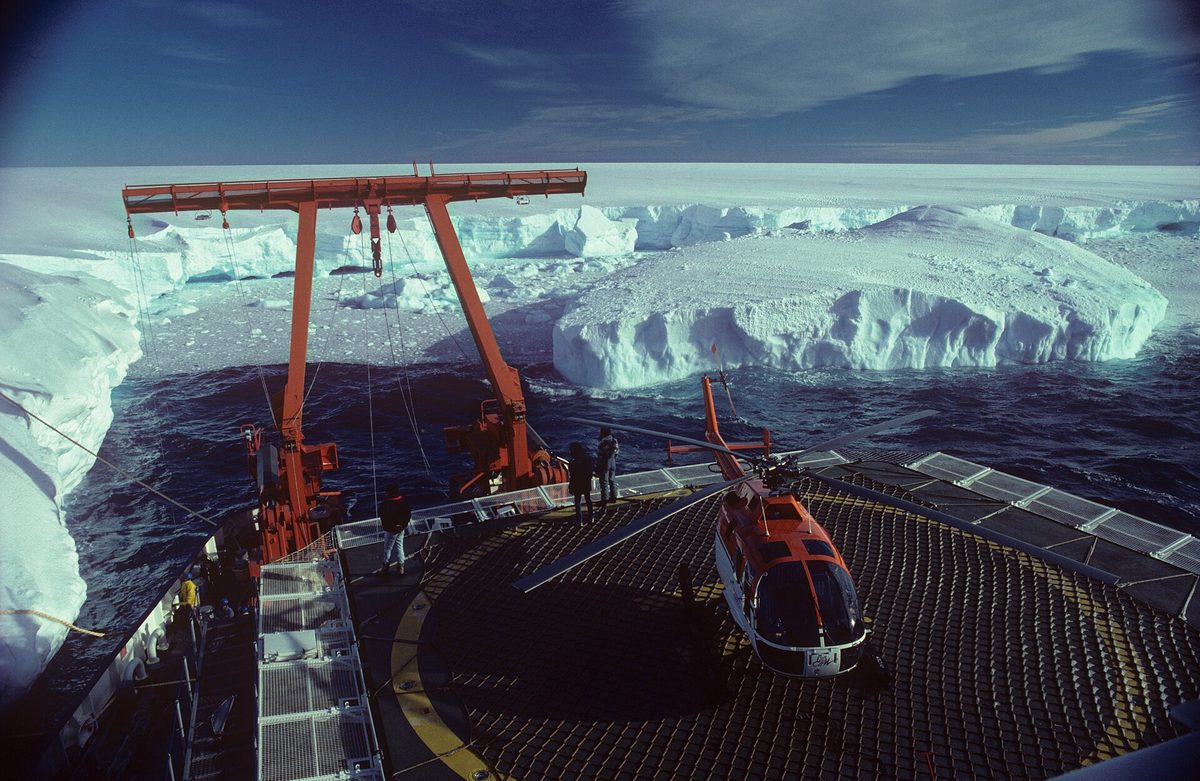
Once you’ve decided to go to Antarctica, the next question lands with a thud: which company, which ship? There are dozens of operators and a bewildering fleet of vessels, from no-frills former research ships to hybrid-electric icebreakers with private balconies and butlers — and they vary wildly in price, style, and capability.
Here’s the liberating truth: there is no single best Antarctica cruise line. The best one is the one that fits you — your budget, your appetite for rugged adventure versus polished comfort, and how far off the beaten ice you want to push. The dedicated expedition specialists are masters at getting you onto the continent; the luxury lines wrap that same ice in five-star service; and value operators make the whole thing genuinely affordable. They’re all “best” for different people.
This guide cuts through the noise: the factors that actually separate a great ship from a mediocre one, the main operators sorted by what they do best, the standout (and budget) ships, what the cabins and onboard life are really like, why IAATO membership matters, and how to choose with confidence. Let’s find your ship.
Last updated: June 2026 · Operator and ship details are general and current to the 2026 season; confirm specifics before booking. Written and fact-checked by the AntarcticaTourism.org editorial team.
How to find the best Antarctica cruise line for you
Rather than crown one winner, it helps to see the operators grouped by what they’re built for. Here’s the landscape at a glance.
| Type | Operators (examples) | Best for |
|---|---|---|
| Expedition specialists | Quark, Aurora, Oceanwide, Poseidon | Maximum landings & polar expertise |
| Value / adventure | G Adventures, Intrepid, Albatros, Chimu | Affordability; younger, active travelers |
| Premium new-build | HX (Hurtigruten), Lindblad/Nat Geo, Atlas, Swan Hellenic | Comfort with full landing time & science |
| Luxury / all-inclusive | Ponant, Silversea, Seabourn, Scenic | Five-star comfort, suites, fine dining |
| Fly-cruise specialist | Antarctica21 | Skipping the Drake Passage |
| Icebreaker | Ponant (Le Commandant Charcot) | The deepest, most remote ice |
Find your row and you’ve already narrowed dozens of options to a handful. Pair this with our guides to Antarctica cruises and the full trip cost — price and operator type go hand in hand.
What actually makes a great Antarctica ship
Before names, understand the criteria — because the right vessel is defined by a few things that matter far more than the brochure photos.
Size, above all. IAATO rules cap landings at 100 guests ashore at any site at once, and ships carrying more than 500 passengers can’t land anyone. So a ship under ~200 guests can land everyone in one go (more time on the ice), while a big ship makes you wait your turn or skip landings entirely. For a true expedition, smaller is better — aim for under 200, ideally around 100.
Ice class. A higher ice rating lets the captain push into channels and chase wildlife a thinner-hulled ship must admire from afar. You don’t need a full icebreaker for the Peninsula, but you want a purpose-built, ice-strengthened expedition vessel — more in our ice-class ship guide.
The expedition team. The best operators carry a deep bench of biologists, glaciologists, historians, and guides — ideally one staffer per ten or so guests, which means more boats in the water and shorter waits. The inclusion model (what’s bundled vs extra) and the ship’s age and design round out the picture. Hold these criteria in mind as we tour the operators.
The Antarctica operators, by what they do best
Here are the main players, grouped by the kind of trip they’re built around. We rank and compare them in more depth in our best Antarctica cruise lines and choosing an operator guides.
The expedition specialists
These are the polar-focused operators whose whole business is getting you onto the ice, and they tend to maximize landing time over onboard frills. Quark Expeditions is among the largest and most experienced, with a broad fleet and a big menu of adventure add-ons. Aurora Expeditions (an Australian pioneer, now running modern Infinity-class ships) and Oceanwide Expeditions (known for hands-on, ship-forward voyages and dedicated dive and kayak trips) are firm favorites, while Poseidon Expeditions runs small-group classic crossings. If landings and expertise top your list, start here.
Value & adventure operators
For travelers prioritizing affordability and an active, social atmosphere, G Adventures (aboard the purpose-built Expedition) and Intrepid offer some of the most accessible fares, often drawing a younger crowd. Albatros Expeditions has pushed modern ships at competitive prices, and Chimu Adventures is a major specialist seller of well-priced voyages. These are where budget-conscious adventurers tend to land.
Premium new-build lines
A wave of purpose-built ships has blurred the line between expedition and comfort. HX (Hurtigruten Expeditions) runs hybrid-powered ships with science centers; Lindblad Expeditions in partnership with National Geographic offers arguably the deepest naturalist and photography programs afloat, with working scientists aboard ships like the National Geographic Endurance (around 126 guests); Atlas Ocean Voyages fields quiet, modern sub-200-guest yachts; and Swan Hellenic pairs boutique luxury with genuine PC5 ice capability on the SH Diana and SH Vega. This tier gives you comfort without sacrificing landing time.
Luxury & all-inclusive lines
At the top end, the service is as much the point as the ice. Ponant brings French elegance and frontier capability; Silversea offers comprehensive ultra-luxury, all-inclusive sailings with butler service in every suite; Seabourn and Scenic (whose Scenic Eclipse carries helicopters and a submarine) round out the five-star field. Expect drinks, gratuities, and excursions folded into a single high fare — and the polished comfort to match.
The fly-cruise and icebreaker specialists
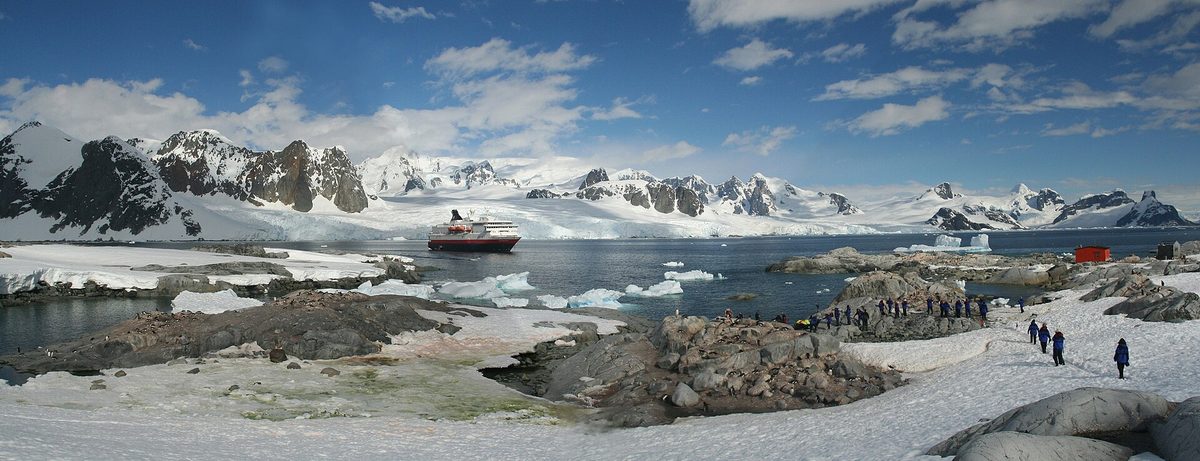
Two operators stand a little apart. Antarctica21 pioneered the fly-cruise, flying you over the Drake from Punta Arenas to a waiting ship — the natural choice if skipping the crossing is a priority. And in a category entirely its own, Ponant’s Le Commandant Charcot is the world’s first and only true icebreaker built for tourism, a hybrid-electric ship that can push into the Weddell Sea, to emperor colonies, and toward the geographic South Pole where no standard expedition vessel can follow. It’s the tool for the most remote ice on Earth.
The best Antarctica expedition ships
A handful of modern vessels consistently top travelers’ and specialists’ lists, each excelling at something different — the full rundown is in our best Antarctica expedition ship guide. Standouts include Lindblad’s National Geographic Endurance and Resolution (around 126 guests, science and photography depth); Aurora’s Greg Mortimer and Sylvia Earle (innovative X-Bow hulls for a smoother ride); Quark’s Ultramarine (twin helicopters and a big adventure program); Oceanwide’s Hondius and Plancius (rugged, landing-focused, with diving and kayaking); Swan Hellenic’s SH Diana; and at the luxury end Ponant’s Le Commandant Charcot, Silversea’s Silver Endeavour, and Scenic Eclipse. What unites the best is the formula from earlier: small guest numbers, strong ice capability, and a deep expedition team.
Ships with helicopters and submarines
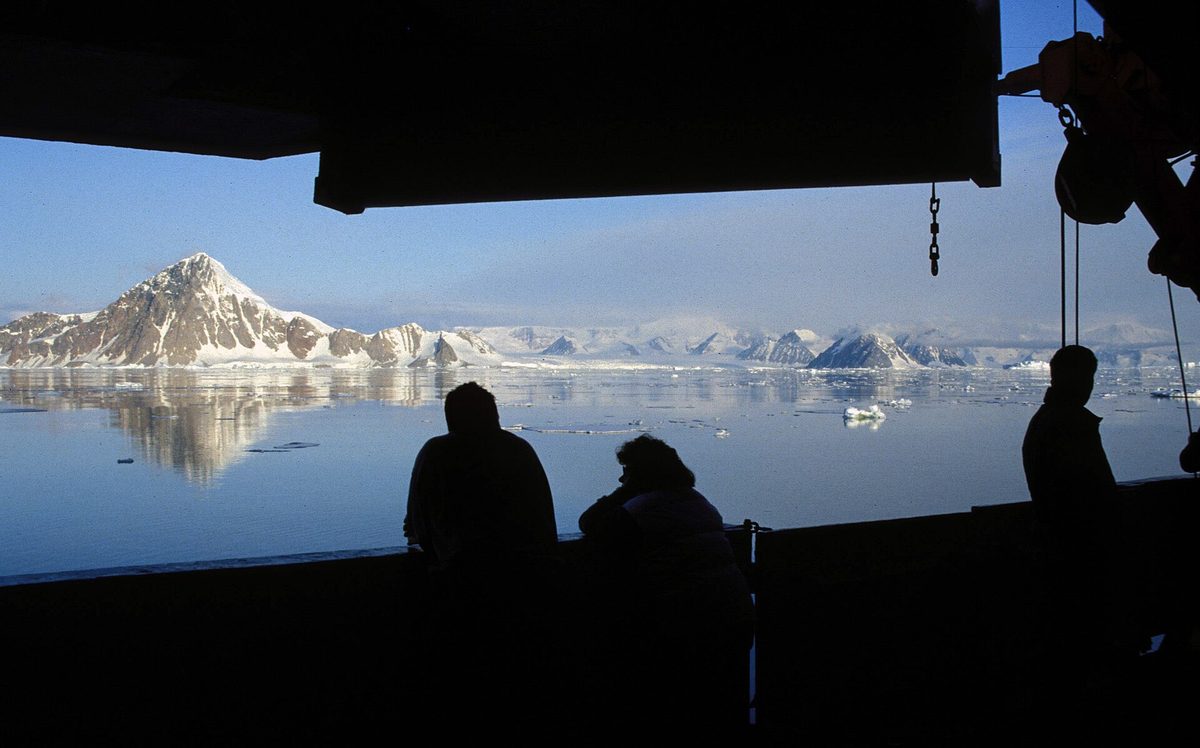
A few ships carry their own aircraft and submersibles, opening up perspectives most voyages never get. Helicopters — on Quark’s Ultramarine, Ponant’s Le Commandant Charcot, and Scenic Eclipse — enable flightseeing and reaching otherwise-inaccessible spots like inland emperor colonies (often on Weddell Sea itineraries). Submarines, carried by Scenic Eclipse and Seabourn’s Venture and Pursuit, take small groups beneath the surface into the strange polar deep. These are premium experiences on premium ships, and they’re usually a paid add-on even aboard; our helicopter and submarine cruises guide covers what’s involved.
The most affordable Antarctica ships
At the other end, budget doesn’t mean you stand on lesser ice — the older, smaller, no-frills ships visit exactly the same places as the suites. Vessels like the Ocean Nova, MV Ushuaia, Oceanwide’s Plancius, Poseidon’s Sea Spirit, and G Adventures’ Expedition deliver genuine expeditions at the lowest fares, especially in a triple or quad cabin and in shoulder season. New entrants have pushed prices down further, too. If value is the goal, a practical, functional ship is your friend — see our cheapest Antarctica ships and broader budget cruise guides.
Ice class explained: what those ratings mean
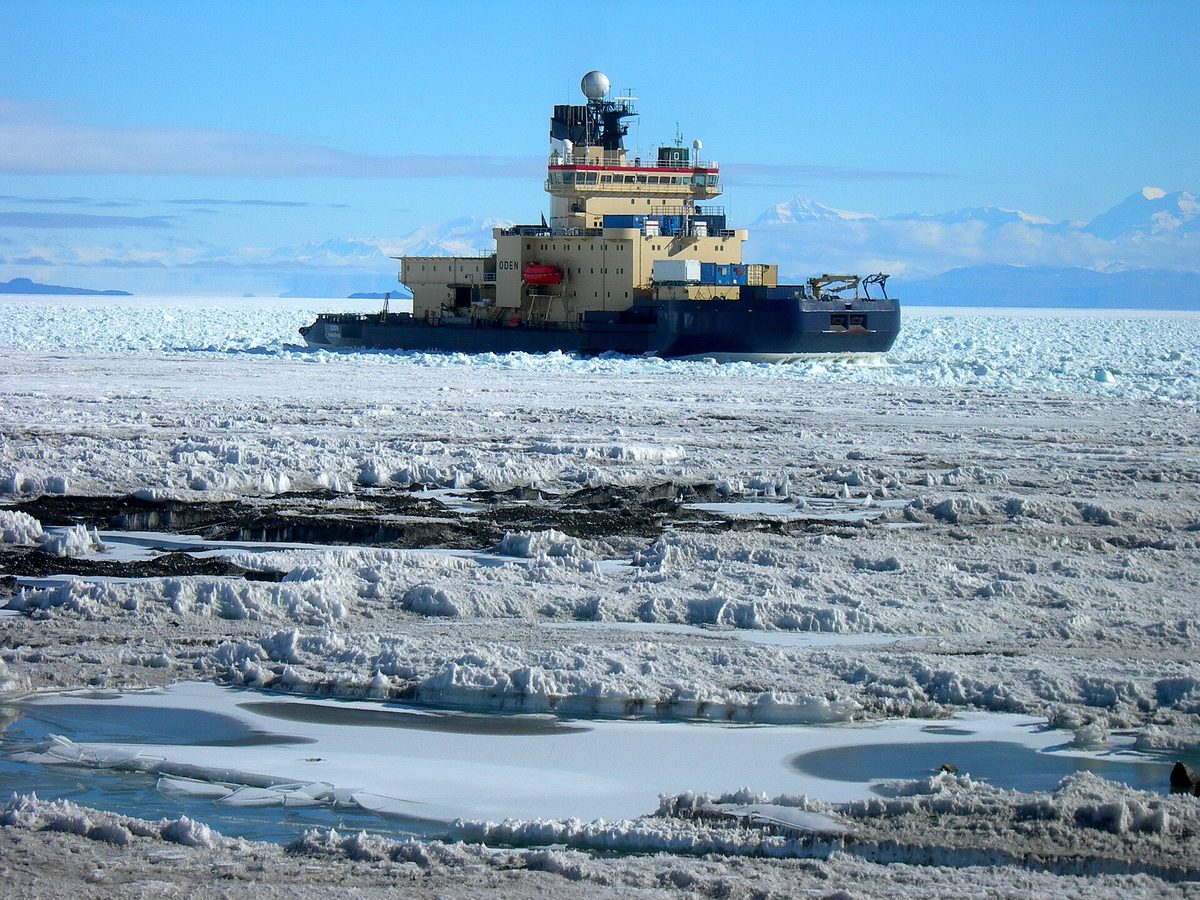
You’ll see ships described by an “ice class,” and it’s worth decoding because it tells you where a ship can actually take you. Most use the international Polar Class (PC) scale, which runs from PC1 (the toughest, year-round heavy-ice capability) down to PC7 (lighter summer ice). The fine distinction is between an ice-strengthened expedition ship — reinforced to nudge through and bump aside floes, typically around PC5–PC6, which is plenty for the Antarctic Peninsula — and a true icebreaker, built to ride up onto and crush thick pack ice, like Ponant’s PC2 Le Commandant Charcot. For a classic Peninsula trip you simply want a purpose-built, ice-strengthened vessel; for the deep Weddell Sea or the far south, the higher the ice class the further you can go. Our ice-class ship guide breaks down the full scale.
Choosing your cabin
Once you’ve picked a ship, the cabin is your next decision — and the one with the biggest swing on price. The categories run from shared triples and quads (the cheapest berths on the ship) and porthole or window twins up through balcony cabins to lavish suites with butler service. The crucial thing to remember: the ship sails to the exact same places and runs the same excursions no matter where you sleep, so a humble cabin buys the identical Antarctica for thousands less. Two practical tips: a cabin low in the ship and amidships feels the least motion across the Drake, and solo travelers should weigh the single supplement (or a “willing to share” rate) carefully. We cover the categories in our Antarctica cruise cabins guide, with the budgeting in the trip cost and single supplement guides.
Life on board an Antarctica expedition ship
Between excursions, the ship is your warm, sociable basecamp, and life aboard has a rhythm all its own — the full picture is in our life on an Antarctica cruise guide. Days revolve around two outings bookended by generous meals (buffet breakfasts and lunches, often a served dinner), with the dress code firmly casual — no formal nights here. In the downtime there are expert lectures and a science center, an open-bridge policy where you can watch the officers read the ice, a library of polar literature, a bar and lounges for swapping stories, and on the smarter ships a sauna, hot tub, small pool, or gym. Wi-Fi is limited and slow, which most people come to see as a feature. A “mud room” near the waterline handles the boot-and-parka routine between landings. More than any amenity, though, it’s the camaraderie — a shipful of strangers becoming friends over a shared once-in-a-lifetime experience — that defines onboard life.
IAATO: why operator membership matters
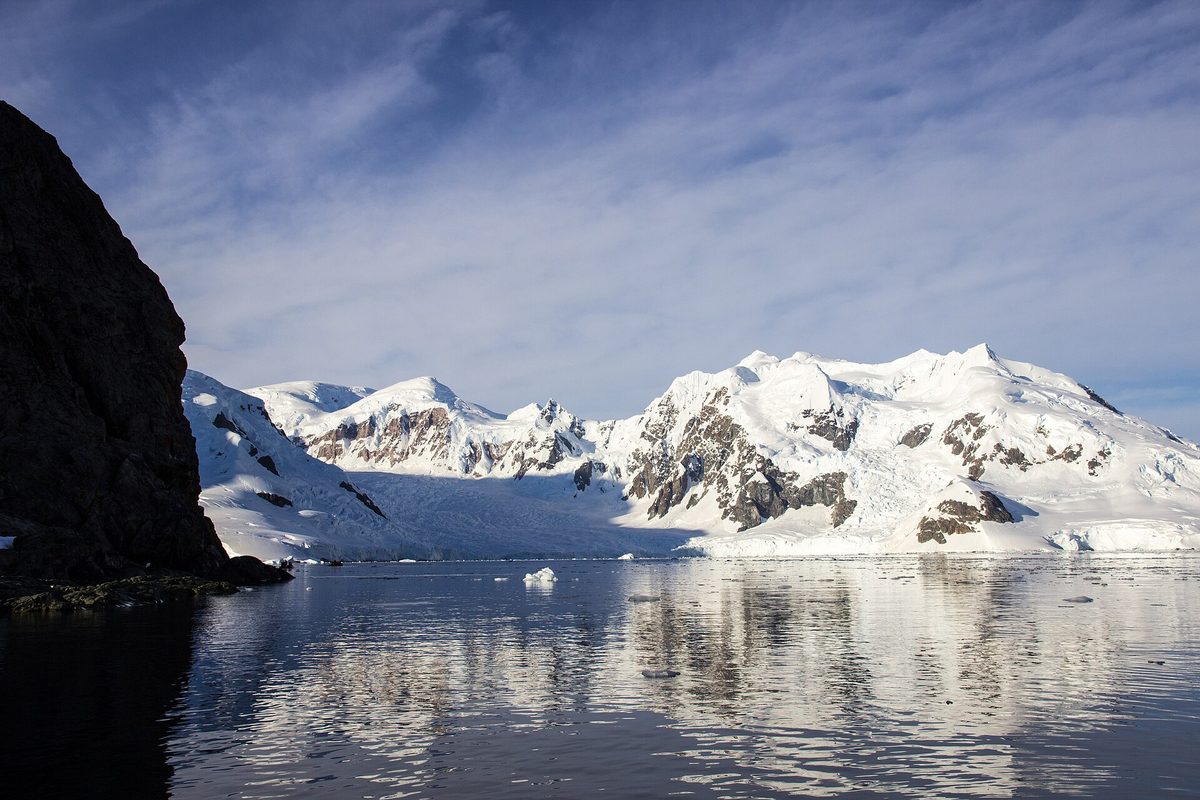
One credential matters more than any brochure claim: membership of IAATO, the International Association of Antarctica Tour Operators. Because Antarctica has no government, tourism is largely self-regulated, and IAATO sets and enforces the rules that keep the continent pristine and visitors safe — the 100-guests-ashore limit, one ship per landing site at a time, guide-to-guest ratios, strict biosecurity, and minimum wildlife distances. Virtually every reputable operator is a member, and booking with one is the simplest way to ensure your trip is responsible, safe, and properly managed. If a company isn’t an IAATO member, treat that as a serious red flag. Our IAATO guide explains how it works and why it’s the backbone of Antarctic tourism.
Sustainable and hybrid ships
Antarctica is the last place anyone wants to harm, and the industry has moved meaningfully on sustainability — a factor worth weighing in your choice. South of 60°S, ships are banned from burning heavy fuel oil and must use cleaner marine gas oil, and a new generation of hybrid-electric vessels (Ponant’s Le Commandant Charcot, HX’s ships) cuts emissions and noise further. Leading operators eliminate single-use plastics, run real citizen-science programs, follow strict IAATO environmental protocols, and offer carbon-offset options. The honest caveat remains the carbon cost of getting there at all, which many travelers offset and treat as a once-in-a-lifetime trip rather than a casual one. If a low footprint matters to you, our sustainable Antarctica cruise guide compares the greenest options.
Meet the expedition team behind your voyage
People obsess over the ship, but the single biggest variable in how good your trip feels is the expedition team — the staff who plan each day, drive the Zodiacs, give the lectures, and lead you ashore. A great team turns a string of landings into a coherent, illuminating adventure; a thin or inexperienced one leaves you wondering what you just looked at. This is the human engine of the whole experience, and it’s worth weighting heavily.
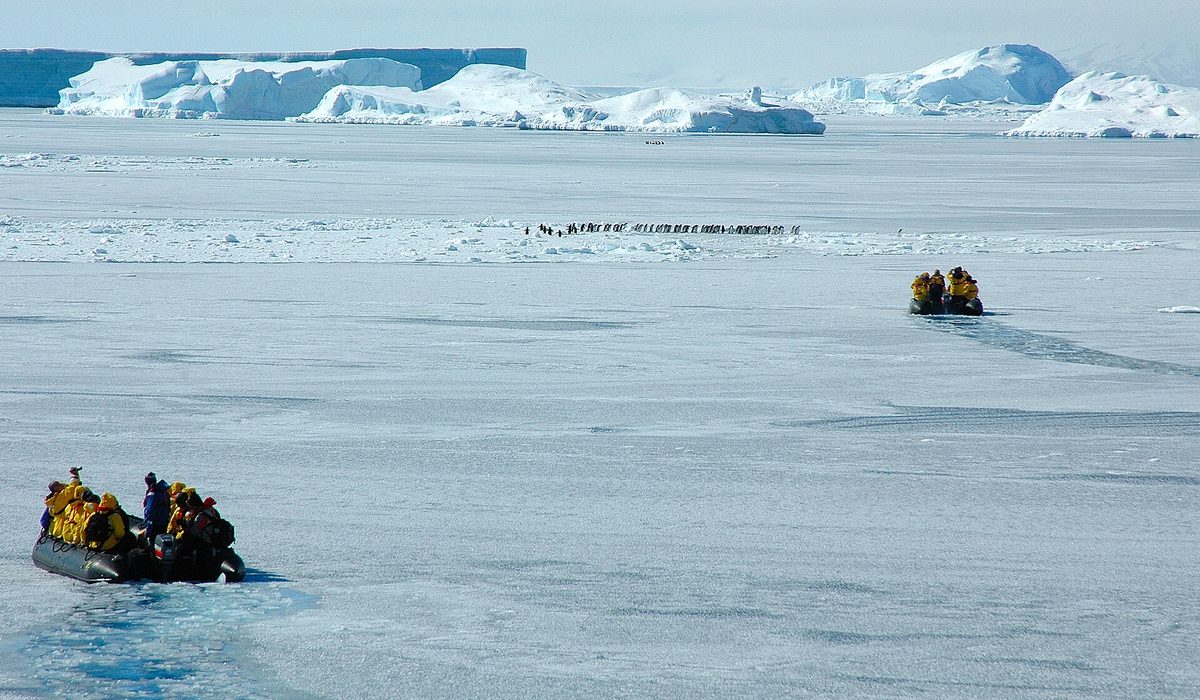
Look first at the guide-to-guest ratio: the best expeditions field roughly one expedition staffer for every eight to twelve passengers, which means smaller, more personal groups ashore and more expertise to tap. Look, too, at the depth of the team — the strongest ships carry working or former scientists, professional photographers, historians, and seasoned polar guides, not just generalists. The expedition leader’s experience matters enormously, since they make the daily call on where to go and when to push or hold back. When you’re comparing operators, ask how many expedition staff they carry and what their backgrounds are; a confident operator answers proudly, which ties directly to the vetting advice in our cruises guide.
How to choose your operator and ship
Pull it together and the decision becomes a short sequence, the same one we use in our cruise-choosing guide:
- Set your budget tier — value, premium, or luxury. This alone eliminates most of the field.
- Prioritize ship size. If maximizing time on the ice matters, insist on under ~200 guests; for the fullest expedition feel, aim near 100.
- Match the adventure level. Want kayaking, diving, a submarine, or helicopters? Choose an operator and ship that offer them — not all do.
- Sail or fly the Drake? If flying, that points you toward Antarctica21 and other fly-cruise operators.
- Consider the region. The Weddell Sea, the deep south, and the Ross Sea demand higher ice class and specialist operators — cross-reference our itineraries guide.
Run those five filters and you’ll have a shortlist of two or three operators and ships that genuinely fit — at which point you’re comparing real options, not drowning in dozens.
Choosing where your cabin sits on the ship
Once you’ve picked a ship, the cabin decision isn’t just about luxury level — where the cabin sits affects your comfort more than most first-timers realize. The ship moves most at the bow (front) and the higher decks, so if you’re prone to seasickness, a lower, mid-ship cabin is the steadiest berth and worth prioritizing over a view. Cabins near the engine or above busy public areas can be noisier; those near a lift and central stairwell save a lot of walking in heavy gear.
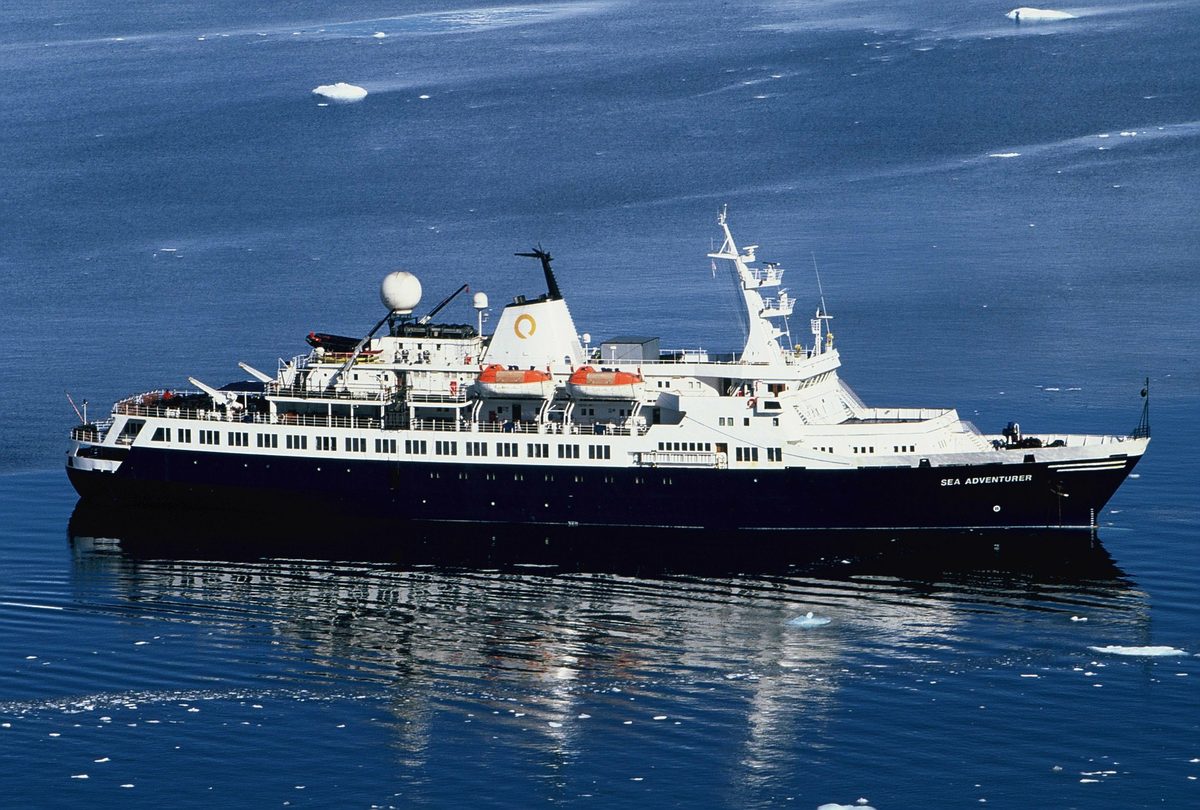
Then weigh windows against balconies. A private balcony is a genuine joy in calm, scenic waters — stepping out in your robe to watch the Lemaire Channel slide by is unforgettable — but you’ll use it less than you imagine in cold or rough conditions, and it commands a steep premium. A simple porthole or picture window on a lower deck is the value sweet spot for many travelers, freeing budget for the activities and add-ons that arguably matter more. Match the cabin to how you’ll actually travel, a principle our guide for every traveler applies across the board.
Operator red flags to avoid
A few warning signs are worth knowing before you hand over a deposit:
- Not an IAATO member. The single biggest red flag — reputable Antarctic operators are members, full stop.
- A big ship sold as an “expedition.” Vessels over 200 guests cut your landing time, and those over 500 can’t land you at all — if a “cruise” is vague about landings, ask hard questions.
- No clarity on ice class or the expedition team. Strong operators are proud of both; evasiveness suggests a repurposed, under-staffed ship.
- A price that seems too good. Genuine Antarctic operating costs are high; a suspiciously cheap fare often hides a giant ship, a cruise-by-only itinerary, or hidden extras.
Booking direct or through a specialist?
You can book most operators directly, but a good polar specialist travel agent is often worth it — and usually costs you nothing extra, since they’re paid by the operator. The value is in matching the right ship to you from dozens of options, flagging when one vessel suits you better than another, and sometimes securing perks or cabins. Whichever route you take, book early: the best ships, cabins, and activity add-ons on peak departures sell out 12–18 months ahead, as we cover in our guide to when to book.
Expedition ship vs regular cruise ship
This distinction trips up more first-timers than any other, and getting it wrong can ruin a trip. An expedition ship is small (typically under 200 guests), ice-strengthened, carries a fleet of Zodiacs and an expert expedition team, and exists to land you on the continent twice a day. A regular ocean cruise ship — the 1,000-to-3,000-passenger vessels some mainstream lines send south — is a different animal entirely: it cruises past the scenery from the deck and, under IAATO rules, cannot land anyone at all if it carries more than 500 guests. The big-ship version is cheaper and you’ll see Antarctica from a balcony, but you’ll never set foot on it or feel a penguin colony around you. Make sure you know which you’re buying — our expedition cruise guide spells out the difference.
What passenger size is ideal?
Since size drives landing time, it’s worth being precise about the sweet spots. Under 100 guests gives you the most flexibility and the most time ashore, with an intimate, expedition-purist feel (though fewer onboard amenities). The 100–200 range is the popular middle ground — everyone can still land in a single rotation, but you get more comforts, dining choices, and lounges. Above 200, landings have to be staggered in shifts, eating into your shore time, and above 500 you can’t land at all. So the rule of thumb is simple: for a true expedition, stay under 200, and lean smaller if landing time is your top priority. Our guide to small-ship Antarctica cruises goes deeper on the trade-offs.
The best Antarctica cruise line by traveler type
A quick matchmaker to point you toward the right operator, with more in our Antarctica for every traveler guide:
- First-timers: an established expedition specialist like Quark or Aurora, or a premium new-build line like HX or Lindblad — experienced, well-rounded, reassuring.
- Luxury seekers: Silversea, Ponant, or Seabourn for all-inclusive, suite-and-butler comfort.
- Budget travelers: G Adventures, Intrepid, or a budget Oceanwide/Poseidon ship in shoulder season.
- Science & photography buffs: Lindblad in partnership with National Geographic, hands down.
- Adventure activity lovers: Quark and Oceanwide for the broadest kayaking, diving, and camping programs.
- Drake-skippers: Antarctica21, the fly-cruise pioneer.
- Remote-ice chasers: Ponant’s Le Commandant Charcot for the Weddell Sea, emperors, and the deep south.
A closer look at the major cruise lines
To go a layer deeper, here’s what distinguishes a few of the lines you’ll compare most often. Quark Expeditions built its name on the widest adventure menu — kayaking, camping, even helicopters on the Ultramarine — and deep polar experience. Lindblad/National Geographic is unmatched for naturalist and photography programs, with working scientists aboard intimate ~126-guest ships. Ponant pairs French-luxury comfort with genuine frontier reach, crowned by the icebreaker Le Commandant Charcot. HX (Hurtigruten Expeditions) leads on sustainability with hybrid ships and serious science centers at a premium-but-attainable price. Oceanwide Expeditions keeps things rugged and landing-focused, with dedicated dive and kayak voyages and strong value. And Antarctica21 owns the fly-cruise niche. None is “the best” outright — each is the best at something, which is exactly why your priorities decide the winner. We rank them in detail in our best cruise lines guide.
What it costs by operator tier
Operator type maps closely to price, so your tier choice is also a budget choice. Value operators start roughly $8,000–$12,000 for a Peninsula voyage; premium new-build lines tend to run $12,000–$20,000; and luxury and icebreaker sailings climb to $18,000–$30,000+ — all per person and before flights. Remember that the cheapest cabin on a luxury ship and the priciest on a value ship can overlap, and that all of them land you on the same ice. Map the full budget with our Antarctica trip cost guide.
Booking your ship: deposits and what to ask
Once you’ve shortlisted a ship, the booking mechanics are straightforward: operators typically take a deposit of around 20–25% to hold your cabin, with the balance due roughly 90–120 days before departure, and many offer interest-free payment plans in between. Before you commit, run through a short checklist of questions — the answers separate a great operator from a mediocre one: Is the company an IAATO member? How many guests does the ship carry, and what’s its ice class? What’s the guide-to-guest ratio? Exactly what’s included in the fare, and what costs extra? Is there a single supplement, and which cabin categories are still available? Which optional activities does this ship offer, and have they sold out? What are the cancellation terms? A reputable operator (or a good specialist agent) answers all of these clearly and proudly. Pair this with our when to book and travel tips guides, and don’t forget the mandatory evacuation insurance every operator requires.
A pre-booking checklist: what to ask before you commit
Before you put down a deposit that runs into thousands, a short interrogation of the operator protects you from expensive surprises. Run through these questions and weigh the answers: Is the operator an IAATO member (non-negotiable)? How many passengers does the ship carry, and — crucially — how many can it actually land at once, given the 100-ashore rule? What’s the guide-to-guest ratio? Exactly what’s included: flights, transfers, parka, boot loan, gratuities, activities? What’s the cancellation and refund policy, and what travel-insurance cover do they require?
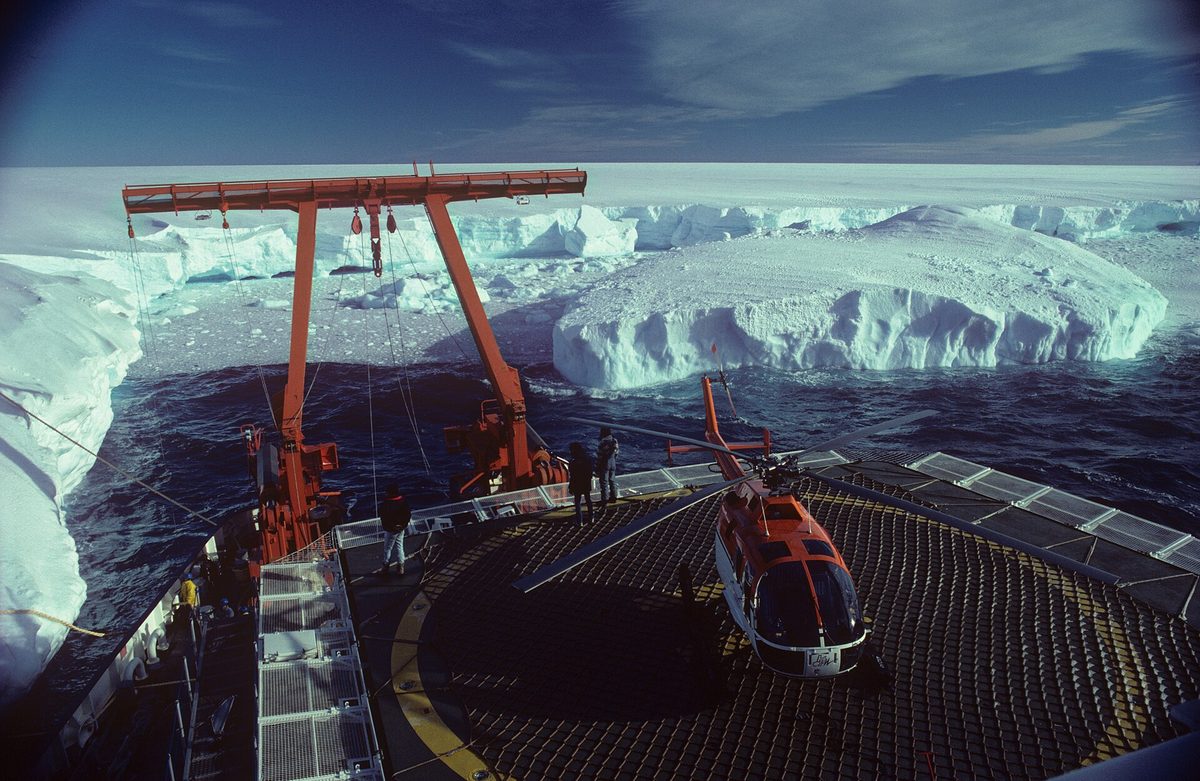
Push a little further for the answers that separate good operators from great ones: What ice class is the ship, and how does it handle the conditions you’ll meet? What contingency exists if weather disrupts the itinerary or a fly-cruise flight is delayed? How long has the expedition leader worked in Antarctica? And what sustainability and citizen-science commitments does the operator hold? A reputable company welcomes every one of these questions and answers them precisely; evasiveness or pressure to book immediately is itself the answer. Cross-check the price against our trip cost guide so you know a fair deal when you see one.
Antarctica ships & cruise lines FAQ
What is the best Antarctica cruise line?
There isn’t one universal best — it depends on you. Quark, Aurora, and Oceanwide lead for hard-core expedition focus and landings; Lindblad/National Geographic for science and photography; Ponant, Silversea, and Seabourn for luxury; and G Adventures or Intrepid for value. The “best” line is the one whose style and price match your priorities.
What is the best Antarctica expedition ship?
Top picks include Lindblad’s National Geographic Endurance and Resolution, Aurora’s Greg Mortimer and Sylvia Earle, Quark’s Ultramarine, Oceanwide’s Hondius, Swan Hellenic’s SH Diana, and luxury vessels like Ponant’s Le Commandant Charcot and Scenic Eclipse. The best ships share small guest numbers, strong ice class, and a deep expedition team.
How big should an Antarctica ship be?
Under 200 passengers, ideally around 100. Ships under 200 can land everyone in one rotation thanks to the IAATO 100-ashore rule, maximizing your time on the ice, while those over 500 can’t land anyone. Smaller means more landings and intimacy; the 100–200 range adds comforts without losing shore time.
What does “ice class” mean?
It’s a ship’s rating for operating in ice, usually on the Polar Class (PC) scale from PC1 (toughest) to PC7 (light summer ice). Expedition ships are typically ice-strengthened around PC5–PC6, plenty for the Peninsula, while true icebreakers like Le Commandant Charcot (PC2) can reach far heavier ice and remoter regions.
Which Antarctica cruises have helicopters or submarines?
Helicopters fly from Quark’s Ultramarine, Ponant’s Le Commandant Charcot, and Scenic Eclipse, opening up aerial sightseeing and remote emperor colonies. Submarines are carried by Scenic Eclipse and Seabourn’s Venture and Pursuit. Both are premium features on premium ships, usually as paid add-ons.
What is IAATO and why does it matter?
The International Association of Antarctica Tour Operators self-regulates Antarctic tourism, enforcing the rules that protect the continent and keep visitors safe — the 100-ashore limit, one ship per site, guide ratios, and biosecurity. Virtually all reputable operators are members; booking with one is the simplest assurance of a responsible, safe trip.
Are luxury Antarctica cruises worth it?
It depends what you value. The ship visits the same ice whether you sail luxury or budget, so you’re paying for comfort, space, all-inclusive service, and (on some) helicopters or submarines — not for a “better” Antarctica. If polished comfort and seamless service matter to you, luxury is worth it; if the wildlife is the whole point, a value ship delivers the same encounters for far less.
Can you cruise to Antarctica on a big ship?
You can sail past it on a large ocean liner, but under IAATO rules ships carrying more than 500 passengers can’t land anyone — so it becomes a scenic, deck-only cruise. To actually set foot on the continent and do Zodiac landings, you need a small expedition ship under 200 guests. Know which experience a “cruise” is offering before you book.
What is Le Commandant Charcot?
Ponant’s Le Commandant Charcot is the world’s first and only icebreaker built for tourism — a hybrid-electric, PC2-rated luxury ship that can push into the Weddell Sea, reach inland emperor colonies, and even sail toward the geographic South Pole, places standard expedition ships can’t go. It’s the ultimate (and priciest) tool for the most remote Antarctic ice.
Do all operators offer kayaking and camping?
Most expedition operators offer kayaking and camping as optional paid add-ons, but availability, equipment, and quality vary, and places are limited and sell out early. Diving, snowshoeing, mountaineering, and paddleboarding are offered by fewer ships. If a specific activity matters, confirm the operator and ship provide it before booking.
Which operator is best for solo travelers?
Expedition ships are sociable by nature, with communal dining and shared Zodiacs, so almost any suits solo travelers. Look for operators that waive or reduce the single supplement on select departures, or that offer a “willing to share” cabin program pairing you with a same-gender traveler at the standard rate.
Are newer ships better than older ones?
Newer ships offer more comfort — balconies, stabilizers, science centers, hybrid propulsion — but older, smaller vessels often deliver a more intimate, expedition-pure feel and lower fares, and they land you in exactly the same places. “Better” depends on whether you prioritize comfort or value; both can run superb expeditions.
How many companies offer Antarctica cruises?
Dozens — from a handful of large, long-established expedition specialists to luxury lines, value operators, and niche players, plus agencies that resell many of them. Almost all reputable ones are IAATO members. The variety is why narrowing by budget tier, ship size, and trip style is the key to choosing well.
Is Hurtigruten / HX good for Antarctica?
Yes — HX (Hurtigruten Expeditions) is a well-regarded operator running modern, hybrid-powered ships with strong science programs and good landing capability, sitting in the premium new-build tier. As with any line, check the specific ship’s size and itinerary, but HX is a solid, sustainability-minded choice.
What’s included in an Antarctica cruise fare?
On expedition ships, almost always all meals, Zodiac excursions and landings, the lecture program, and usually a parka and loaner boots. Optional activities, gratuities, drinks on non-luxury ships, and flights are typically extra. Luxury lines fold in more — drinks, gratuities, excursions. Always confirm the specific inclusion model.
Should I pick the operator or the ship first?
In practice they come together — but lead with the trip you want (region, dates, style, budget), which points to a shortlist of operators, then compare their specific ships on size, ice class, and cabins. A polar specialist agent can match ship to traveler across many operators at no extra cost.
Which Antarctica cruise line is best for value?
For the lowest fares, look at G Adventures, Intrepid, and budget ships from operators like Oceanwide and Poseidon, especially in a shared cabin and in shoulder season. Specialist sellers such as Chimu also package well-priced voyages. You’ll trade some onboard polish for affordability — but you’ll stand on exactly the same ice.
Which is the most luxurious Antarctica cruise line?
Silversea, Ponant, and Seabourn lead the ultra-luxury field, with all-inclusive fares, spacious suites, fine dining, and butler service; Scenic and Ponant’s Le Commandant Charcot add helicopters and submarines. Expect five-figure-plus fares per person, with drinks, gratuities, and excursions folded in.
Do I need an icebreaker for Antarctica?
No — for a classic Antarctic Peninsula trip, a purpose-built, ice-strengthened expedition ship is more than enough. A true icebreaker like Le Commandant Charcot is only necessary (and worth its premium) if you want to reach the heavy ice of the Weddell Sea, inland emperor colonies, or the deep far south that standard ships can’t access.
What questions should I ask before booking a ship?
Confirm IAATO membership, the ship’s guest capacity and ice class, the guide-to-guest ratio, exactly what’s included versus extra, the single-supplement policy, which cabins and activities are still available, and the cancellation terms. Clear, confident answers signal a quality operator; vagueness is a warning sign.
Are converted research ships any good?
Often excellent. Several beloved expedition ships — like Oceanwide’s Plancius — are former research or naval vessels rebuilt for passengers, and their sturdy, ice-capable hulls and no-nonsense character make for superb, well-priced expeditions. What matters is the refit, the expedition team, and the guest numbers, not whether the hull was originally built for tourism.
Can I see a ship before I book?
Yes — operators publish deck plans, cabin photos, and increasingly virtual tours, and independent reviews abound. A polar specialist agent can also walk you through the differences between vessels. Studying the deck plan is especially worthwhile for choosing a cabin’s location and understanding the onboard spaces.
How many passengers do the biggest expedition ships carry?
Most expedition ships top out around 200 guests, with some premium and luxury vessels (certain Ponant and Silversea ships) reaching roughly 250–270. They can still run landings, but in staggered groups, so you get less continuous shore time than on a sub-200 ship. Anything over 500 guests can’t land passengers at all under IAATO rules.
What’s the difference between Silversea and Ponant?
Both are luxury, all-inclusive lines, but the flavor differs: Silversea offers comprehensive, butler-served ultra-luxury with a polished international style, while Ponant brings a distinctly French elegance — and, crucially, the icebreaker Le Commandant Charcot for reaching remote ice no standard luxury ship can. Choose Silversea for refined comfort, Ponant if frontier reach also appeals.
Which operators have the newest ships?
A building boom has given several lines very modern fleets — HX, Ponant, Swan Hellenic, Atlas Ocean Voyages, Seabourn, and Lindblad have all launched purpose-built expedition ships in recent years, featuring hybrid propulsion, stabilizers, science centers, and balcony cabins. If a brand-new ship matters to you, these tiers are where to look.
Final thoughts
The sheer number of Antarctica operators and ships can paralyze a first-time planner, but the choice is simpler than it looks once you stop hunting for a mythical “best” and start matching a ship to yourself. Decide your budget tier, insist on a small (sub-200) IAATO-member expedition ship, pick the adventure level and region you want, and a clear shortlist appears. Whether you sail with a rugged expedition specialist or a five-star icebreaker, the continent on the other side of the rail is the same magnificent place.
Choose the ship that fits your priorities and your wallet, book early, and trust that the expedition team — the real heart of any great operator — will do the rest. Line your choice up with our guides to Antarctica cruises, itineraries, and the full trip cost, and you’ll book the right ship with confidence. And here is the reassuring part: get the ship right and it all but disappears into the background — exactly as it should — leaving nothing between you and the ice, the silence, and the quarter-million penguins waiting just beyond the rail. Whichever operator you choose, that is what every one of these remarkable ships is ultimately built to deliver.
About the author
Photo credits
All images via Wikimedia Commons, used under their respective licenses: expedition ship in ice & ship by an iceberg — Hannes Grobe / AWI (CC BY-SA 4.0 / 2.5); ice-class ship — Eli Duke (CC BY-SA 2.0); ship near a glacier — Cascoly (CC BY-SA 3.0); ship in Paradise Bay — Gary Bembridge (CC BY 2.0).
2 notes
Notes are closed on this entry.