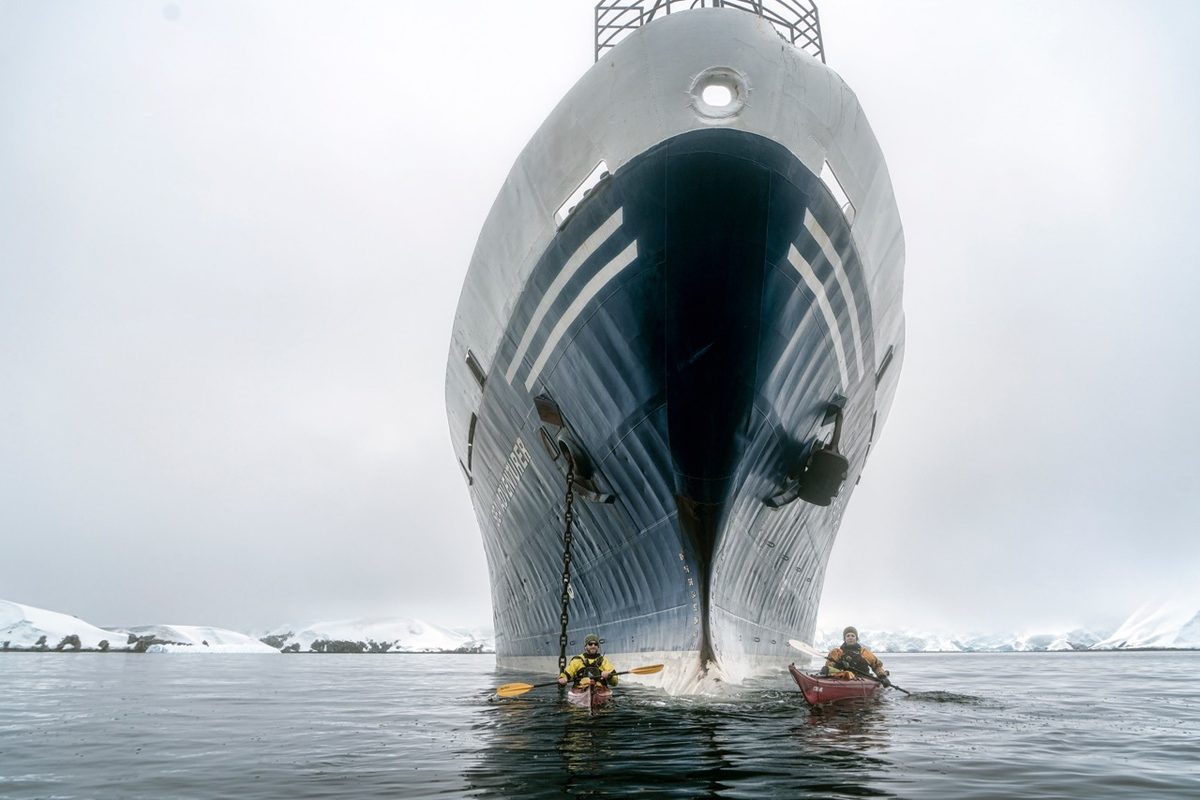
Some travellers come to the bottom of the world to watch; others come to take part, and if you fall into the second camp then antarctica adventure travel is exactly what you are looking for. This is the active, hands-on side of a polar expedition, where the days at a landing site are not just about standing on a beach with the penguins but about sliding a sea kayak between brash ice, roping up for a glacier ascent, snowshoeing to a ridgeline nobody has stood on that season, or zipping yourself into a bivy bag to spend a single, electric night camped on the ice. It is travel that asks a little more of you and gives a great deal back.
I have sailed south many times, and the trips I remember in the most vivid detail are almost always the ones where I did something rather than simply saw something. The cold water shock of a kayak launch, the rhythmic crunch of crampons, the absurd, gasping joy of the polar plunge: these are the moments that turn a holiday into a story you will be telling for the rest of your life. In this guide I will walk you through the full menu of activities, what each one demands of your body and your wallet, how the all-in-one “basecamp” voyages work, and how to make sure you actually get a spot, because the single biggest mistake people make is leaving it too late.
What antarctica adventure travel actually means
Let me clear up a common misunderstanding first. Almost every modern voyage to the Antarctic Peninsula is, by the standards of an ordinary cruise, already an adventure. You travel on a small expedition ship rather than a floating resort, you go ashore by Zodiac rather than down a gangway, and your itinerary bends to the ice and the weather rather than the other way around. If you simply want that, any good expedition cruise will deliver it, and you can read the full overview of Antarctica cruises to see how the standard product is built.
What we are talking about here is a step beyond that baseline: the optional, skill-based, often physically demanding activities that you add on top of the core landing-and-cruising programme. These are run by specialist guides, they cost extra, they have a finite number of places, and several of them require you to prove some prior experience. They are the difference between visiting Antarctica and adventuring in it. For a gentler menu of what everyone does as standard, see our guide to the everyday things to do in Antarctica; this article is about turning the dial up.
The full menu of adventure activities
No single voyage offers every one of these, and availability shifts year to year and ship to ship, so treat the following as the master list to shop from rather than a checklist you can complete in one trip. When you book, you will choose your add-ons from whatever subset your particular ship and operator run.
Sea kayaking among the ice
Sea kayaking is the most popular adventure add-on, and for good reason. Down at water level, the scale of the place rearranges itself: an iceberg that looked merely large from the ship’s deck becomes a cathedral, and the only sounds are your paddle, the fizz of ancient air escaping the ice, and occasionally the explosive breath of a whale surfacing nearby. Most operators run kayaking as a small, dedicated group that peels away from the main Zodiac fleet, paddling sheltered bays such as those around Paradise Harbour or Cuverville Island. Because conditions can change fast, most programmes ask for genuine prior sea-kayak experience and a basic swim ability, and they keep group sizes small. We go deep on the practicalities in our dedicated guide to kayaking in Antarctica, but the short version is: it is sublime, it sells out first, and you should sign up the moment you book the cruise.
Camping and overnight ashore
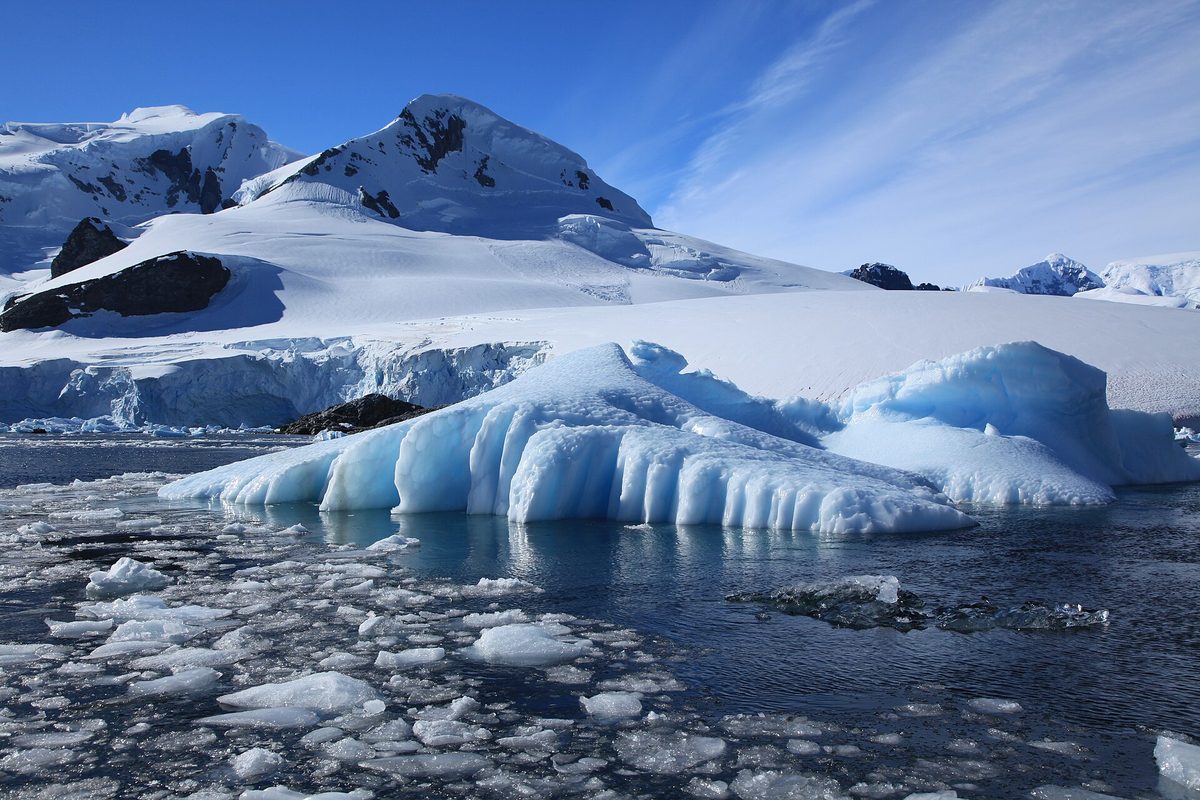
If you want one night you will never forget, this is it. Antarctic camping is a strict no-trace overnight on the snow or ice: you go ashore in the evening, dig a shallow trench against the wind, climb into a bivy bag (often without a tent at all, just a waterproof outer and a warm sleeping system), and lie there under a sky that, in high summer, never quite goes fully dark. There are no campfires, no meals, and you carry everything off again in the morning so that nothing is left behind. It is basic, occasionally cold, and completely magical, broken only by the distant bray of penguins and the boom of calving glaciers. Spaces are very limited and weather-dependent, so it is not guaranteed even if you book it. Our full account of camping in Antarctica covers exactly what to expect and how to sleep warm.
Mountaineering and glacier travel
For the experienced, guided mountaineering opens up the peaks and glaciers behind the landing beaches. Roped together and moving on crampons, small teams ascend snow slopes and ridgelines for summit views that almost no one else on the ship will ever see. This is serious activity: it generally requires prior alpine or glacier-travel experience, a good level of fitness, and a willingness to be turned back by conditions without complaint. It is also one of the most rewarding things you can do on the entire continent.
Snowshoeing and hiking
At the more accessible end, snowshoeing and longer guided hikes let you trade the crowded beach for the high ground without any technical skill. Strap on a pair of snowshoes and you can cross deep, soft snow that would otherwise swallow you to the thigh, climbing to a vantage point above a penguin colony or a glacier front. These outings suit anyone with reasonable mobility and a moderate fitness base, and they are a wonderful middle path between a gentle shore walk and full mountaineering.
Ski touring and splitboarding
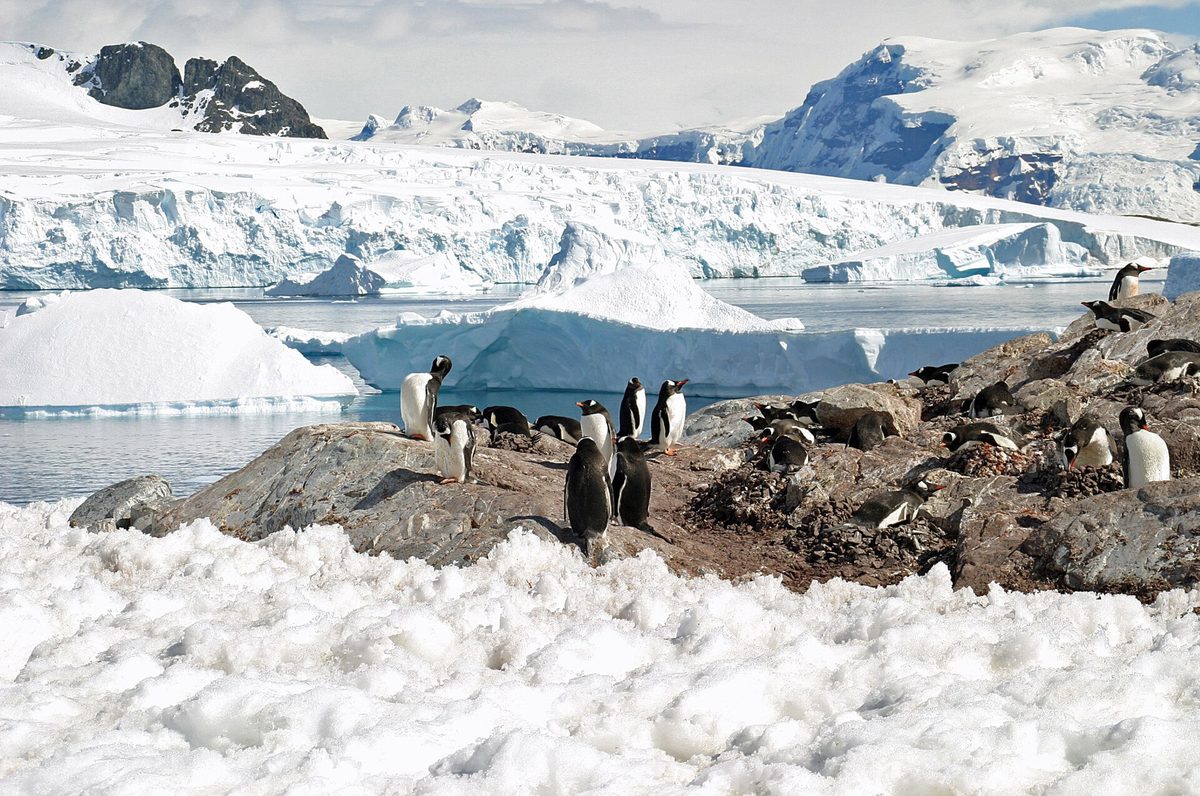
Specialist ski-touring and splitboard voyages are a category of their own. Using climbing skins to ascend untouched slopes and then carving turns down to the shoreline, with the sea and the icebergs spread out below, is the stuff of ski films. These trips demand confident off-piste or backcountry skiing or snowboarding ability, avalanche awareness, and a high fitness level, and they often run as dedicated departures rather than a casual add-on. Cross-country skiing appears on some itineraries too, for those who prefer gliding across flatter terrain.
Ice climbing
On a handful of voyages, guides set up ropes on a suitable ice face or glacier wall and let you have a go at ice climbing, swinging axes and kicking crampon points into blue ice. It is usually offered as a taster for those with general fitness rather than a serious technical objective, but it is an extraordinary way to get truly intimate with the ice.
Scuba diving and snorkelling
The boldest add-on of all is going beneath the surface. Polar scuba diving is for very experienced, dry-suit-certified divers only, who descend into a silent, sculpted underworld of ice walls, kelp and curious wildlife. Snorkelling is a more approachable cold-water version, with operators supplying thick wetsuits or dry suits so you can float face-down among brash ice and, if you are lucky, watch penguins torpedo past. Both require a separate briefing, the right certification or a willingness to do a check, and a tolerance for genuinely cold water.
Stand-up paddleboarding
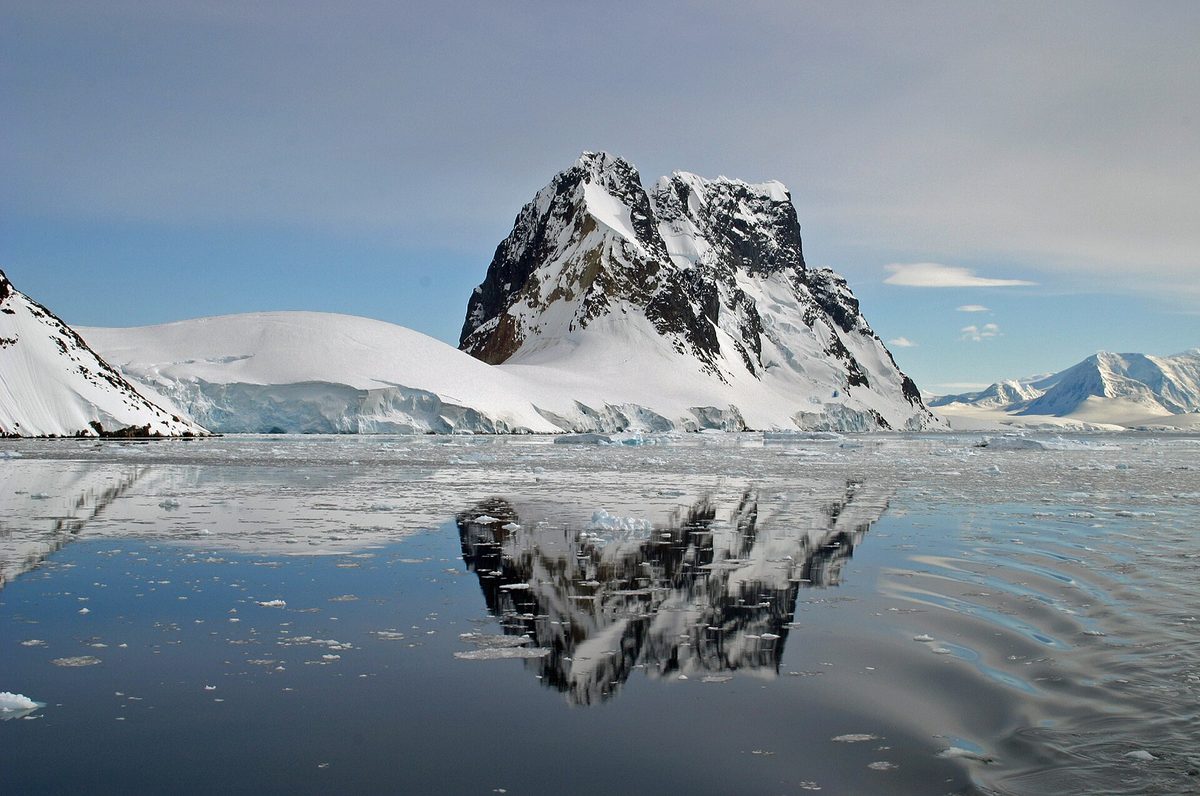
Stand-up paddleboarding has crept onto Antarctic menus in recent years as a calmer-water alternative to kayaking. On a glassy morning in a sheltered cove, balancing on a board with mirror-still reflections all around you is unforgettable. It is weather-sensitive in the extreme, so it tends to be offered opportunistically rather than guaranteed.
The polar plunge
Almost everyone, adventurer or not, ends up doing the polar plunge, and it deserves its own mention because it is the great democratic dare of any voyage. Tethered to a safety line, you leap from the ship or shore into water hovering around freezing, gasp, and scramble back out grinning like a lunatic. It costs nothing, takes about four seconds, and somehow becomes a highlight of the trip. Our guide to the Antarctica polar plunge tells you how it works and how to survive it with dignity.
Basecamp voyages: many activities, one trip
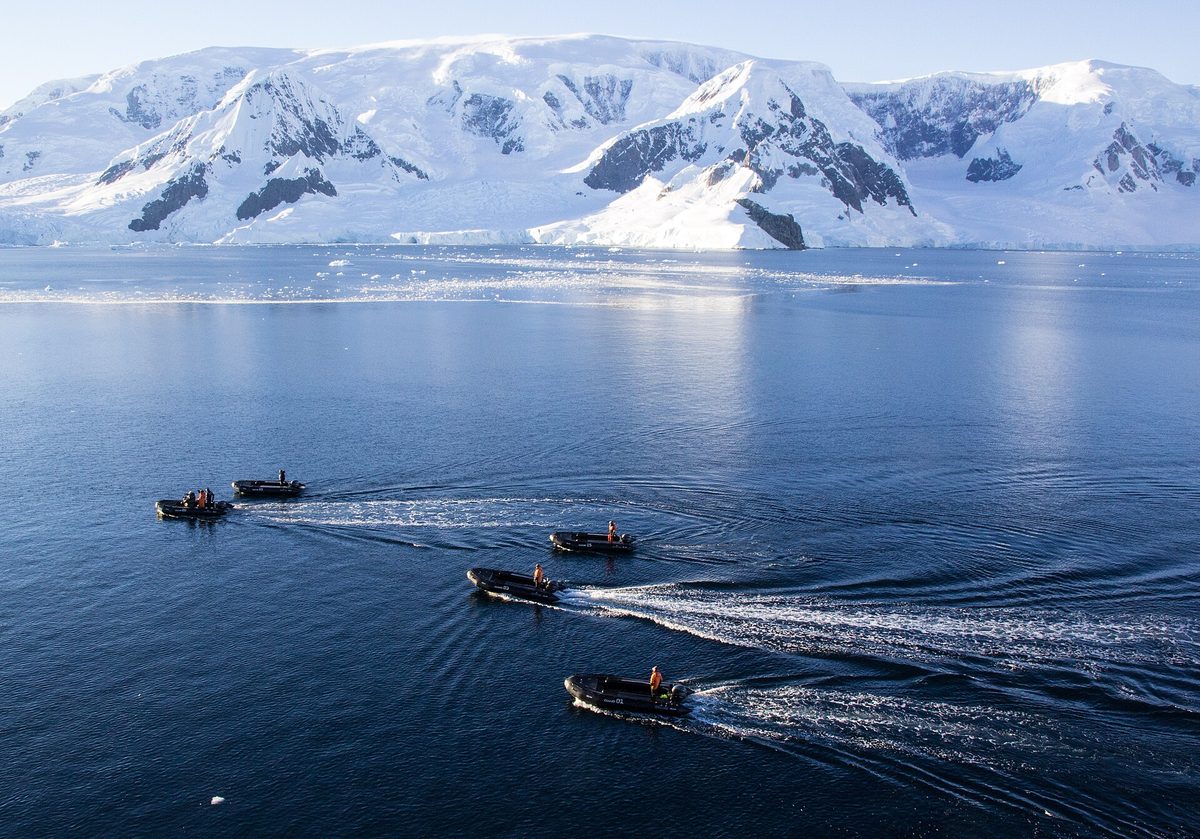
If you cannot choose between the activities above, the good news is that you may not have to. A whole category of “basecamp” voyages exists precisely for people who want to sample several adventure pursuits on a single expedition. Rather than focusing on covering maximum distance, a basecamp ship parks itself in a productive corner of the Peninsula and uses it as a hub, running a rotating programme of activities day after day so that guests can mix and match.
On a typical basecamp itinerary you might find hiking, snowshoeing, mountaineering, kayaking, Zodiac cruising and an overnight camp all bundled into the voyage, often at no extra activity charge because the adventure programme is the whole point of the trip. As an illustration of the format, an Antarctic Peninsula basecamp voyage of roughly thirteen days aboard a vessel such as the MV Plancius is commonly built around exactly that spread of activities, while a longer deep-south basecamp of around fourteen days aboard a ship like Ortelius pushes beyond the Antarctic Circle toward Marguerite Bay with kayaking, hiking, snowshoeing and camping on offer. Treat those as examples of how operators package the experience rather than fixed promises; the precise ship, length and inclusions vary by season and company.
How a basecamp day flows
The rhythm of a basecamp day is gloriously flexible. After breakfast, the expedition team announces the menu: perhaps a mountaineering team forms up on deck while a kayak group readies their boats and a snowshoe party heads for the high ground, with a Zodiac cruise looping the bay for anyone who prefers to keep their feet dry. You pick what suits your energy that morning, swap to something gentler in the afternoon, and the whole ship reconvenes for dinner to compare notes. For travellers who thrive on variety, it is the single best-value way to experience the active side of the continent.
| Activity | Skill / fitness needed | Usually extra cost? | Spots |
|---|---|---|---|
| Sea kayaking | Prior sea-kayak experience; moderate fitness | Yes, on most cruises | Very limited |
| Camping / overnight ashore | None; tolerance for cold and basics | Often, sometimes included | Very limited |
| Mountaineering | Prior alpine / glacier experience; high fitness | Yes | Limited |
| Snowshoeing / hiking | Reasonable mobility; moderate fitness | Sometimes included | Generous |
| Ski touring / splitboard | Confident backcountry skier; high fitness | Specialist departures | Limited |
| Ice climbing | General fitness; taster level | Yes, where offered | Limited |
| Scuba diving | Dry-suit certified, very experienced | Yes | Very limited |
| Snorkelling | Comfortable in cold water | Yes | Limited |
| Stand-up paddleboard | Basic balance; calm conditions only | Yes / opportunistic | Limited |
| Polar plunge | None; nerve only | Free | Open to all |
Fitness and skill: how ready do you need to be?
This is the question I am asked most, and the honest answer is that it depends entirely on which activities you choose. A standard expedition with Zodiac landings asks only that you can get in and out of a small boat and walk on uneven, slippery ground; the adventure add-ons sit on a spectrum above that. Snowshoeing and hiking want a moderate baseline of cardiovascular fitness and steady balance. Kayaking adds upper-body endurance and prior paddling skill. Mountaineering, ski touring and diving sit at the demanding end, with real prerequisites you cannot fake on the day.
My advice is to be ruthlessly honest with yourself months in advance and train for the activity you have booked: walk hills with a pack, paddle if you can, build core and leg strength. We have a dedicated breakdown of Antarctica fitness requirements that maps each activity to a realistic fitness level, and it is well worth reading before you commit to anything technical. The guides are superb and safety-first, which also means they will, quite rightly, turn you back if you are out of your depth.
Costs, add-ons and booking early
Adventure activities almost always cost extra on top of your cruise fare, and prices vary widely by operator and activity. As a rough mental model, a full-voyage kayaking package is typically the priciest common add-on, mountaineering and diving sit in a similar bracket, camping is usually a more modest per-night supplement, and snowshoeing or hiking are frequently included at no charge. I will not quote exact figures because they move every season and differ between companies, but you should budget meaningfully above the headline cruise price if adventure is your priority. Our overview of Antarctica trip cost sets the base fares in context so you can layer the extras on top.
The non-negotiable rule is to book your activities at the same time you book the cruise, not later. Adventure spots are strictly capped for safety and logistics, and the popular ones, especially kayaking and camping, are often gone within days of a sailing opening for sale. Operators run these as a separate sign-up that you tick at the point of booking, frequently a year or more before departure. If you wait until you are aboard, you will usually be too late. Booking early also gives you time to gather any documentation, such as proof of paddling experience or a dive certification, that the activity requires.
What is typically included versus extra
- Included in most fares: Zodiac cruising, guided shore landings, the polar plunge, lectures and, on many ships, snowshoeing or short hikes.
- Almost always extra: sea kayaking, scuba diving, ski touring and splitboarding, ice climbing, stand-up paddleboarding.
- Sometimes extra, sometimes bundled: camping and overnight ashore, depending on the operator and the voyage style.
- Specialist whole trips: dedicated ski-touring or deep-field fly-in expeditions, which are a different price tier altogether.
Getting there: Ushuaia, the Drake, and fly-cruise options
Most adventure voyages, like most Antarctic voyages of any kind, depart from Ushuaia at the southern tip of Argentina and cross the Drake Passage to reach the Peninsula. If you want the full picture of routes and gateways, our guide on how to get to Antarctica lays out every option. The Drake is the legendary stretch of open ocean between South America and Antarctica, and it can serve up anything from a glassy “Drake Lake” to a heaving “Drake Shake.” It is part of the adventure in its own right, and understanding it is part of preparing well; our full guide to the Drake Passage explains what to expect and how to cope with it.
If the thought of two days each way across the Drake Passage does not appeal, or if you simply want to maximise activity time, a fly-cruise is the answer. On these itineraries you fly from Punta Arenas in Chile across the Drake Passage to an airstrip in the South Shetlands and join your ship there, trimming roughly two days of open-ocean sailing off each end of the trip. That saved time can be reinvested in more landings and more activities, which is why fly-cruises are increasingly popular with adventure-minded travellers who are short on holiday but long on ambition. The trade-off is cost and a small weather-delay risk, since flights across the Drake Passage depend on conditions at both ends. Either way, knowing the Drake Passage well, even if you fly over it, helps you choose the right format, and many travellers still relish sailing the Drake Passage at least once for the full expedition experience.
Timing matters too. The Antarctic travel season runs roughly from November to March, and different months favour different activities and wildlife; our guide to the best time to visit Antarctica breaks down what each part of the season offers. Early-season snow tends to be deeper and better for skiing and snowshoeing, while later in the season the wildlife action peaks.
What to pack for an active voyage
Adventure travel in the polar regions lives or dies by your kit. The expedition operator will usually supply the big technical items for specialist activities, kayak gear, dive equipment, snowshoes, helmets and harnesses for mountaineering, but your personal clothing is on you, and getting it right is the difference between blissful and miserable. The principle is layering: a wicking base, an insulating mid-layer, and a fully waterproof, windproof outer shell, with redundancy so you always have something dry. Good gloves (several pairs), a warm hat, sturdy waterproof gloves and quality merino socks matter more than almost anything else.
For activity-specific items, you will want quick-drying layers for anything that involves spray, and serious thermal protection for sitting still in a kayak or waiting your turn on a climb. Our complete checklist of what to pack for Antarctica covers the lot, and it flags the active-traveller extras that a standard cruise packing list might miss.
Who Antarctic adventure travel suits
This style of trip rewards a particular kind of traveller. If you are reasonably fit, comfortable being cold and wet for stretches, happy to have plans rewritten by weather without sulking, and energised rather than daunted by the idea of physical effort in a wild place, you will love it. It suits solo adventurers, active couples, and groups of friends who want a shared challenge as much as it suits dedicated mountaineers and paddlers.
It is less ideal if your dream is a relaxed, observational journey with maximum comfort and minimum exertion, and that is completely fine, that is what the standard expedition product is for. There is no wrong way to go south. The adventure menu is simply there for those who want to participate in the landscape rather than admire it from a distance. Whatever your style, our hub on planning Antarctica for every traveler helps you match the right voyage to the right person, and if you love a camera as much as a kayak paddle, our guide to an Antarctica photography trip shows how to combine the two.
Frequently asked questions about antarctica adventure travel
Do I need previous experience to do adventure activities in Antarctica?
It depends on the activity. Snowshoeing, hiking, the polar plunge and, in many cases, camping require no prior experience, just reasonable mobility and the right clothing. Sea kayaking usually requires genuine prior paddling experience, while mountaineering, ski touring and scuba diving have firm prerequisites such as backcountry skills or a dive certification. Always check the specific requirements when you book.
How far in advance should I book adventure add-ons?
As early as you possibly can, ideally at the same moment you book the cruise itself, which is frequently a year or more before departure. Adventure spots are strictly limited for safety, and the most popular ones like kayaking and camping often sell out within days of a sailing going on sale. Booking late usually means missing out entirely.
How much extra do adventure activities cost?
Prices vary widely by operator and activity, so treat any figure as a rough guide. Kayaking, diving and mountaineering tend to be the more expensive add-ons, camping is usually a more modest supplement, and snowshoeing or hiking are often included at no charge. Expect to budget meaningfully above your base cruise fare if you want several activities.
What is a basecamp voyage?
A basecamp voyage is an expedition designed around adventure activities rather than maximum distance. The ship uses a productive area of the Peninsula as a hub and runs a rotating daily programme of hiking, snowshoeing, mountaineering, kayaking, Zodiac cruising and often an overnight camp, so guests can mix and match pursuits day by day, frequently with the activity programme bundled into the fare.
Is the polar plunge really safe?
Yes, when done as the operator runs it. You are tethered to a safety line, medical staff are on hand, and you are in the water for only a few seconds before climbing straight back out to warm up. The shock of near-freezing water is intense but brief, and it remains one of the most popular and memorable moments of any voyage.
Can I camp overnight on the ice?
On many voyages, yes, though spaces are very limited and entirely weather-dependent, so it is never guaranteed even if you book it. Antarctic camping is a no-trace overnight in a bivy bag on the snow, with no fires or meals and everything carried off in the morning. It is basic but unforgettable, and it is one of the best ways to feel the sheer scale and silence of the place.
Does adventure travel cross the Drake Passage like other trips?
Most adventure voyages sail from Ushuaia across the Drake Passage, which takes about two days each way and can be calm or rough. If you would rather skip it, fly-cruise options fly from Punta Arenas over the Drake Passage to the South Shetlands, saving sailing time for more activities, at higher cost and with a small weather-delay risk.
What fitness level do I need for an adventure voyage?
It scales with your chosen activities. A standard landing programme needs only the ability to board a Zodiac and walk on uneven ground, while snowshoeing and kayaking want a moderate fitness base and mountaineering or ski touring demand a high one. Train specifically for what you book, and read our fitness requirements guide so there are no surprises on the ice.
Final thoughts
The continent rewards everyone who makes the journey, but antarctica adventure travel offers something special to those who want to lean in: to paddle, climb, sleep on the snow, and feel the place in their muscles as well as their memory. Choose the activities that excite you, train honestly, pack thoughtfully, and above all book early, because the spots that make these trips unforgettable are the first to vanish. Do that, and you will come home with the kind of stories that begin with “so there I was, in a kayak, when a humpback surfaced right beside me,” and never really end.