The first time I sailed south, I stood on deck somewhere in the middle of the Drake Passage, queasy and a little terrified, wondering what on earth I had signed up for. Two days later I was kneeling in fresh snow while a gentoo penguin waddled past my boot as if I were a slightly disappointing piece of furniture, and I understood completely. Planning your antarctica first time trip can feel overwhelming — the prices are large, the geography is unfamiliar, and everyone has an opinion — but the truth is that a first voyage to the white continent is one of the most achievable great adventures left on the planet. This guide is everything I wish someone had told me before I booked.
I have now sailed to the Antarctic Peninsula many times, in early season and late, on small ships and slightly larger ones, in glassy calm and in weather that rearranged the furniture. What follows is a warm, honest, practical walk-through for beginners: how to choose your voyage, when to go, what the Drake Passage is really like, what a normal day on board looks like, how the landings and the wildlife rules work, what it all costs, what to pack, and the handful of mistakes that catch almost every first-timer. If you read one article before you start comparing trips, I hope it is this one. For the bigger picture of who goes and why, our hub on Antarctica for every traveller is a good companion piece.
Can a complete beginner really go to Antarctica?
Yes — and most people who go are exactly that. The vast majority of travellers on any given expedition ship have never been before, are not scientists, are not extreme athletes, and have no special polar skills. They are ordinary curious people who saved up, booked a cabin, and showed up. If you can walk on uneven ground for twenty minutes, climb in and out of a small inflatable boat with a steadying hand, and tolerate a couple of days at sea, you can do this. The expedition staff are there precisely to make a remote, demanding place feel safe and welcoming for first-timers.
There is no visa for Antarctica itself and no permanent population. You do not need to be wealthy beyond reason, although you do need a real budget. You do not need to be young; some of the most delighted travellers I have shared a Zodiac with were well into their seventies. If you are wondering in the most basic sense whether this is even allowed, our explainer on whether you can visit Antarctica covers the legal and practical side. The honest gate is fitness and budget, not credentials — and even the fitness bar is gentler than people fear, as our notes on Antarctica fitness requirements explain.
Choosing your first voyage: the classic Peninsula route
For a first trip, I almost always steer people toward the classic western Antarctic Peninsula itinerary out of Ushuaia, Argentina. It is the most-booked route in Antarctic tourism, and for good reason. You sail down the Beagle Channel, cross the Drake Passage, and spend several days threading among the islands and bays of the Peninsula — the part of the continent with the most wildlife, the most dramatic scenery within easy reach, and the most reliable landing sites. The whole trip usually runs about ten to twelve days door to ship to door.
The Peninsula is the right call because it concentrates the best of Antarctica into a manageable window. You get penguins by the thousand, whales, seals, towering glaciers, and historic huts, all without the longer, rougher passages that more specialised trips demand. There are more ambitious options — crossing the Antarctic Circle, or adding the wildlife superpower of South Georgia — but those add days, cost, and sea time. Save them for a second voyage. To see how the routes compare side by side, our guide to Antarctica cruise itineraries lays them out, and the broader overview of Antarctica cruises is worth a read before you commit.
A quick word on what to ignore for now: unless you have a very specific reason, skip the long repositioning cruises that only sail past Antarctica without landing, and be wary of enormous ships marketed as Antarctic cruises that carry far too many passengers to put everyone ashore. The point of a first voyage is to actually set foot on the continent, and that hinges on the kind of ship you pick.
Ship size matters more than almost anything else
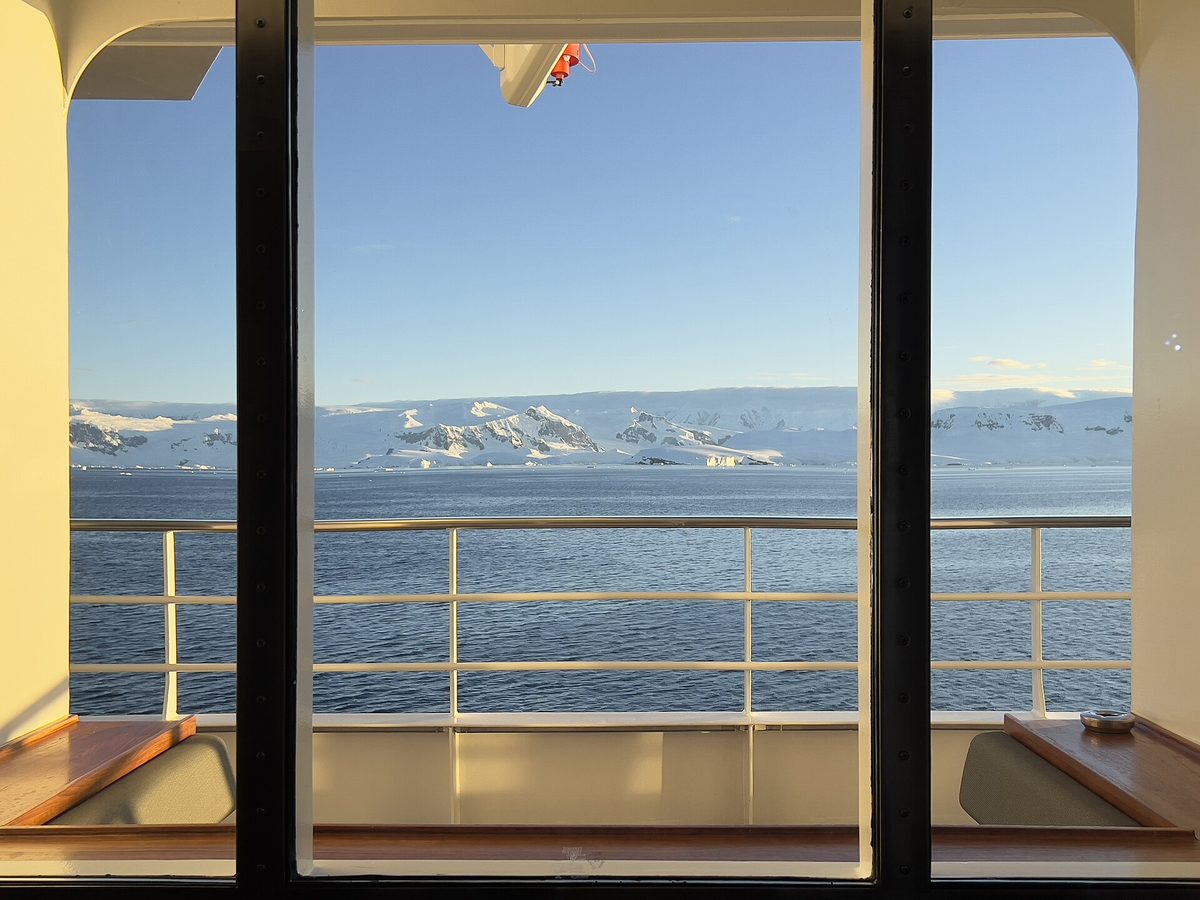
If you remember one piece of advice from this whole article, make it this: choose a small ship. Under the rules that govern Antarctic tourism, no more than 100 passengers may be ashore at any one landing site at the same time. That single rule shapes your entire experience. A ship carrying around 100 to 150 guests can land everyone, all at once or in two quick rotations, so you spend more of each day on land or cruising in a Zodiac. A ship carrying 400, 500, or more has to shuttle passengers ashore in shifts — or, on the very largest vessels, cannot land guests in the usual way at all.
My rough rule for first-timers is to look hard at ships carrying fewer than 200 passengers, and ideally in that sweet spot of roughly 100 to 150. You will pay a little more per night than on a big ship, but you are buying the thing you came for: time on the ice. Bigger vessels can be more comfortable in heavy seas and sometimes cheaper, which is a genuine trade-off, but they cost you landing time. For a deeper comparison of vessel types, stabilisers, ice ratings, and cabins, see our rundown of Antarctica expedition ships.
Beyond passenger count, ask about the ratio of expedition staff to guests, how many Zodiacs the ship carries, and whether activities like kayaking or camping are offered. More staff and more boats mean smoother, faster operations. None of this needs to be agonised over — but size is the lever that moves everything else.
Sail across the Drake, or fly over it?
The Drake Passage is the stretch of the Southern Ocean between South America and Antarctica, and crossing it is the traditional rite of passage. It takes roughly two days each way. On a good crossing — what crews fondly call the “Drake Lake” — the sea is eerily smooth and you spend hours on deck watching albatrosses wheel behind the ship. On a bad one — the “Drake Shake” — it is genuinely rough, and you will be glad of your seasickness remedies and a cabin near the middle of the vessel. Most crossings fall somewhere in between, and the ship handles it all far better than your stomach might initially believe.
There is an alternative. Fly-cruise voyages fly you from southern Chile across the Drake to an airstrip in the South Shetland Islands, where you board your ship. This skips the two-day sea crossing in each direction, which is a gift if you are short on time or genuinely dread being seasick. The trade-offs are real: fly-cruises cost more, the flights are weather-dependent and can be delayed, and you miss the slow, atmospheric build-up that many of us love. For a first-timer who is anxious about the sea or tight on holiday, though, it is a perfectly sensible choice. Our dedicated guide to the Drake Passage goes deep on conditions and crossing strategy, and how to get to Antarctica walks through the sail-versus-fly decision in full.
When is the best time for an antarctica first time voyage?
The Antarctic tourist season runs roughly from November to March, the southern summer, when there is enough daylight and the sea ice has retreated enough for ships to operate. There is no bad time within that window — only different flavours of wonderful — but the period shapes what you see, so it is worth choosing deliberately for your antarctica first time voyage.
The peak months of December, January, and February are the most popular for good reason: the warmest temperatures, the longest daylight (near-endless in midsummer), penguin chicks hatching and then growing, and superb whale watching as the season matures. The shoulder months are quieter and usually cheaper. November offers pristine, untouched snow, dramatic pack ice, and penguins in full courtship; it is my secret favourite for photographers. March brings the best whale watching of all and the lowest crowds, though the colonies are messier and some chicks have fledged.
| Period | What it’s like | Best for |
|---|---|---|
| November (early) | Pristine snow, heavy pack ice, courting penguins, lower prices | Photographers, value seekers, untouched scenery |
| December–January (peak) | Warmest, longest daylight, eggs and the first chicks | First-timers wanting the full classic experience |
| January–February (peak) | Active fluffy chicks, strong whale activity, busy | Families, penguin lovers, whale watchers |
| March (late) | Best whale watching, fewest crowds, lower prices, messier colonies | Whale enthusiasts, quieter ships, value |
If your dates are flexible, shoulder season gives you most of the magic for less money and with fewer ships about. If you want the postcard summer with chubby chicks and balmy (by Antarctic standards) weather, aim for the heart of the season and book early. Our month-by-month breakdown in the best time to visit Antarctica will help you pin down exact dates.
How many days do you actually need?
A standard Peninsula voyage of around ten to twelve days is the realistic minimum for a satisfying first trip, and it is what I recommend. Within that, you typically spend two days crossing the Drake each way and four to six full days in Antarctic waters making landings and Zodiac cruises. Shorter “express” fly-cruise itineraries can compress the trip to roughly eight days by removing the sea crossings, which is a fair option for the time-poor.
Do not underestimate the travel on either end. Most people fly into Buenos Aires or Santiago, then on to Ushuaia or Punta Arenas, often with an overnight before embarkation — I strongly recommend arriving at least a day early so a delayed bag or flight cannot cost you the ship. All in, budget around two full weeks away from home for a classic voyage. Our guide to how many days in Antarctica you need breaks down the options if you are weighing a longer or shorter trip.
A typical day on board your expedition ship
People imagine Antarctic travel as relentless and rugged. In practice the rhythm is gentle and well-organised, and it is one of the great pleasures of the trip. Here is roughly how a day in Antarctic waters unfolds once you are through the Drake.
- Early morning: a wake-up call over the address system, often with a quick briefing on where you are and what the day holds. Breakfast is generous; you will eat well throughout.
- Mid-morning: the first outing — either a shore landing or a Zodiac cruise among the ice and wildlife. You suit up, wash your boots at the biosecurity station, and load into the boats in small groups.
- Midday: back on board for a hot lunch, often while the ship repositions to the afternoon site. Time to thaw, download photos, and rest.
- Afternoon: a second landing or cruise. Most days you get one to two outings; weather and ice dictate the exact plan, which can change at short notice.
- Evening: a recap and briefing from the expedition leader, then dinner, then lectures from the naturalists, historians, and photographers on staff. Many people are asleep early, pleasantly exhausted.
The expedition team scout and pre-flag safe walking routes ashore before you ever set foot on land, marking the boundaries with flags so you know exactly where you may roam. Lectures during sea days and downtime turn the whole voyage into a floating field school — you will learn more about ice, birds, whales, and exploration history than you expected. Shipboard life is relaxed and the food is plentiful; this is expedition travel, not a survival ordeal.
Landings, Zodiacs, and the IAATO rules that protect Antarctica
Tourism in Antarctica is self-regulated to a high standard by the International Association of Antarctica Tour Operators, IAATO, and reputable operators follow its rules closely. As a first-timer you do not need to memorise the rulebook, but understanding the spirit of it makes you a better guest and explains a lot of what you will be asked to do.
The core guidelines are simple and sensible. Keep your distance from wildlife — generally stay at least five metres from penguins, seals, and birds, and never touch, feed, or chase them; if an animal approaches you, that is its choice, and you simply hold still. No more than 100 guests may be ashore at any landing site at once, which is exactly why ship size matters so much. Before and after every landing you scrub and disinfect your boots at a biosecurity station to avoid carrying seeds, soil, or disease between sites. You stay within the flagged route, take nothing (not a pebble, not a feather, not a bone), and leave nothing behind.
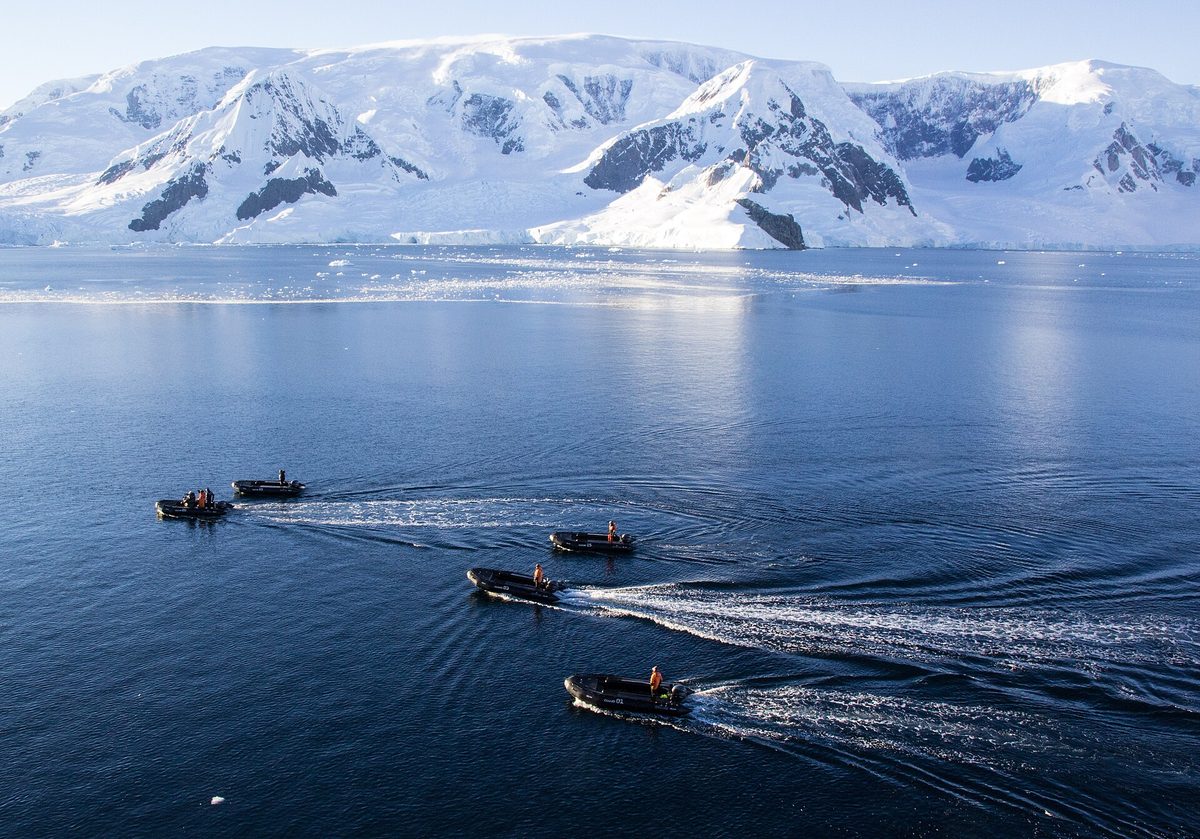
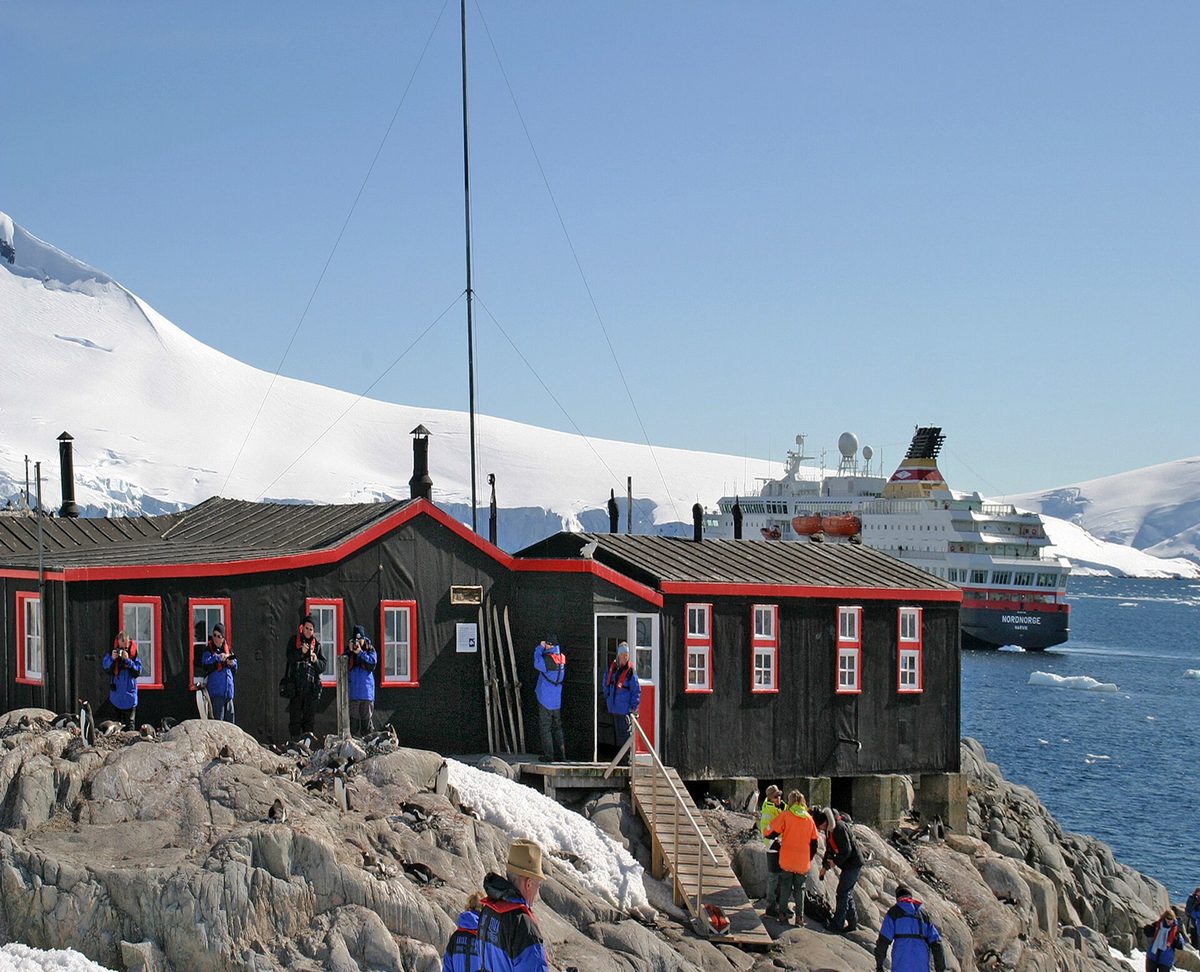
Getting ashore is done by Zodiac, the tough inflatable boats that are the workhorses of every expedition. Staff hold the boat steady while you board using a “sailor’s grip,” and you will quickly get the hang of the wet landings, where you step into a few inches of shallow water in your waterproof boots. Some outings are cruises rather than landings — you stay in the Zodiac and nose among icebergs and past seals hauled out on floes. If you want the full picture of how these outings run, our guide to the Antarctica Zodiac cruise experience covers it, and our overview of the best things to do in Antarctica rounds out the optional extras.
The wildlife you came for
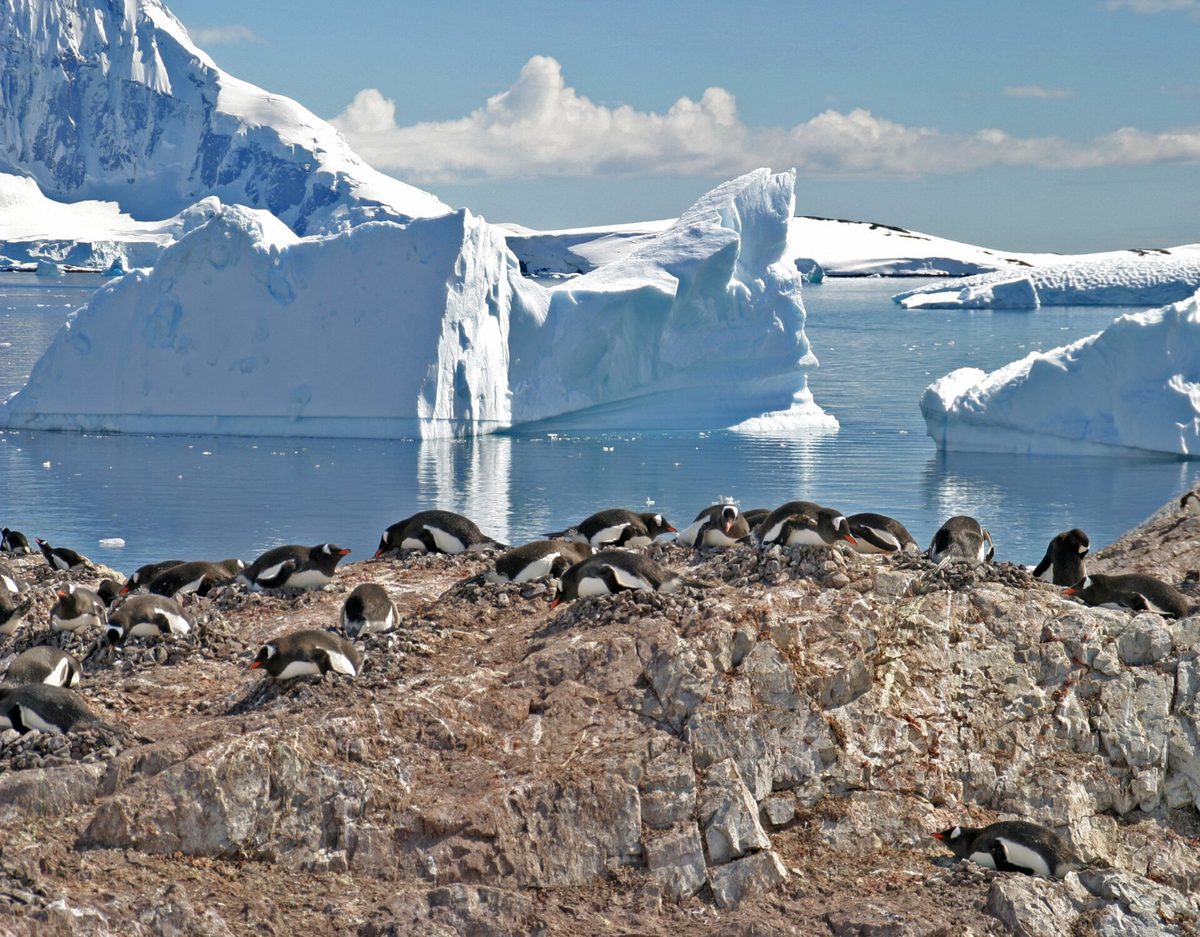
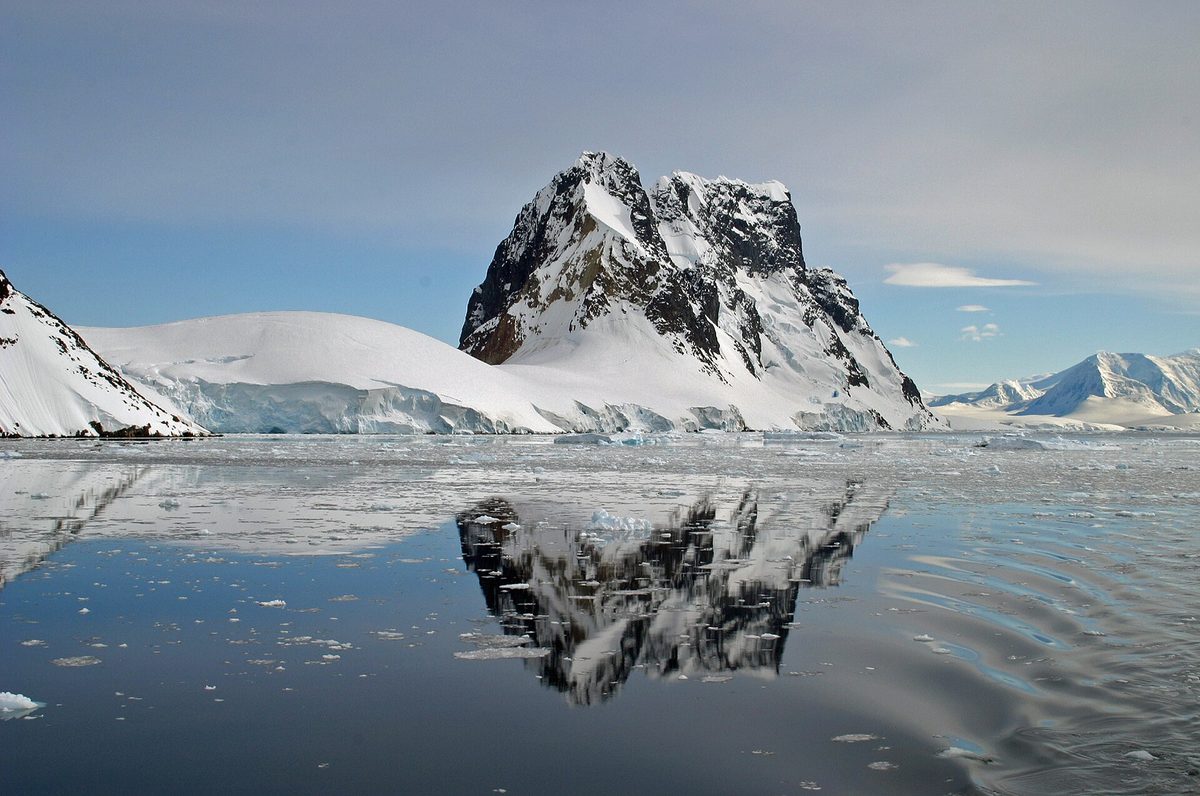
Wildlife is the beating heart of any first Antarctic voyage, and the Peninsula delivers it generously. Penguins are the headline act — on a typical trip you will spend time with gentoo, chinstrap, and Adelie colonies, sometimes thousands of birds at once, going about their noisy, smelly, utterly charming business just metres away. Watching chicks demand food or adults porpoising through the surf never gets old, however many times I see it.
Beyond penguins, the cast is rich. Humpback and minke whales feed in the channels, often surfacing close to the Zodiacs; later in the season the whale watching is extraordinary. Crabeater, Weddell, leopard, and fur seals lounge on ice floes and beaches. Seabirds shadow the ship across the Drake, including the vast wandering albatross with its three-metre wingspan. You do not need to seek any of this out — it surrounds you. For a fuller field guide to what you will meet, see our pages on Antarctica wildlife, the specifics of Antarctica’s penguins, and the seasonal drama of Antarctica’s whales.
What does a first trip to Antarctica cost?
Let me be straight with you: Antarctica is expensive, and under-budgeting is the single most common first-timer mistake. As a broad guide, a classic Peninsula voyage typically starts somewhere in the region of nine to thirteen thousand US dollars per person for a basic cabin in shoulder season, and climbs well beyond that for suites, peak dates, longer itineraries, or fly-cruise options. Prices vary enormously by operator, ship, cabin, and season, so treat any single number as a starting point, not a quote.
Crucially, the headline fare is not the whole cost. Build a realistic total that includes international flights to South America, the connecting flights to your departure port, a pre-voyage hotel night or two, travel insurance, optional activities like kayaking or camping, gratuities for the crew, and incidentals on board. Solo travellers should also factor in the single supplement, the surcharge for occupying a cabin alone, though some operators waive or reduce it — our guide to the Antarctica single supplement explains how to keep that cost down. For the full money picture, including ways to save, read our detailed breakdown of Antarctica trip cost.
Where can you save without ruining the trip? Travel in the shoulder season, choose a smaller or lower-deck cabin, book a triple-share or be open to a cabin-share to dodge the single supplement, watch for early-booking discounts (which are common), and avoid the temptation of pricey add-ons you will not use. What you should never cut is the right ship size or comprehensive insurance.
Travel insurance is non-negotiable
I will say this plainly because it matters: do not sail to Antarctica without proper travel insurance, and most reputable operators will not let you board without it. You are travelling to one of the most remote places on Earth, days from a hospital, and any serious medical issue may require evacuation by ship and air at staggering cost. Your policy must include emergency medical cover and, specifically, emergency medical evacuation with a high coverage limit suited to polar regions.
It is also wise to insure the trip itself. These voyages are a major outlay booked far in advance, and weather can delay fly-cruise flights or disrupt connections. Trip cancellation and interruption cover protects that investment. Read the fine print for any exclusions around adventure activities if you plan to kayak, camp, or do the polar plunge. Our guide to Antarctica travel insurance walks through exactly what to look for so you are properly protected.
What to pack and what to wear
Antarctica in summer is colder than a fridge but warmer than most people fear — daytime temperatures on the Peninsula often hover around freezing, not the deep cold of the South Pole. The enemies are wind, wet, and the chill of standing still in a Zodiac, so the answer is layering, not bulk. The golden formula is a moisture-wicking base layer, a warm insulating mid layer such as fleece or down, and a windproof, waterproof outer shell. Many operators lend or give you a proper expedition parka, and most provide or rent the essential waterproof rubber boots for landings — always confirm what is included before you buy.
Here is the short version of what genuinely matters:
- Layers, not bulk: thermal base layers, fleece or down mid layers, and a waterproof shell jacket and trousers.
- Extremities: warm hat, neck gaiter or buff, two pairs of gloves (a thin liner plus a warm waterproof outer), and warm wool socks.
- Eyes and skin: good sunglasses and high-SPF sunscreen — the reflected glare off snow and water is intense, even on grey days.
- Sea days: seasickness remedies, casual comfortable clothes for the ship, and a refillable water bottle.
- Camera kit: spare batteries (the cold drains them fast), plenty of memory, and a dry bag to protect gear on the Zodiacs.
Shipboard dress is relaxed and casual throughout — no one is dressing up — but keep your parka, hat, and gloves handy because outings can be called at short notice. Resist the urge to over-pack the wrong clothes, which is another classic first-timer error. For the complete kit list and shopping advice, see what to pack for Antarctica, the printable Antarctica packing list, and our advice on exactly what to wear in Antarctica.
Seasickness: the honest truth and how to handle it
Seasickness is the thing first-timers worry about most, and it is worth addressing head-on. The two Drake crossings are where it bites, not in the sheltered Antarctic waters, which are usually calm. Some people sail straight through without a flicker; others feel rough for a day. The good news is that it is manageable and temporary, and modern stabilised ships are far steadier than the small boats of old.
Come prepared. Bring your preferred remedy — tablets, patches, or wristbands — and start taking medication before the sea picks up rather than after you feel ill, because prevention works far better than cure. Choose a cabin lower down and toward the middle of the ship, where motion is least. On deck, fix your eyes on the horizon, stay hydrated, eat light but regularly, and get fresh air. The ship’s doctor can help if you are really struggling. And if the very idea fills you with dread, remember the fly-cruise option exists precisely to skip the Drake entirely.
Optional adventures: kayaking, camping, and the polar plunge
Beyond the daily landings, many ships offer optional activities that deepen the experience, and a first trip is a fine time to try one if the budget allows. Sea kayaking lets you paddle silently among the icebergs and brash ice, often the most serene hours of the whole voyage — our guide to kayaking in Antarctica explains how it works and who it suits. Camping on the ice, a single unforgettable night sleeping out under the polar sky, is offered on some voyages; see camping in Antarctica for the realities of it.
And then there is the polar plunge: the gleeful, screaming, ten-second dip into near-freezing water that has become an Antarctic tradition. It is optional, it is bracing beyond words, and almost everyone who does it is grinning within seconds of climbing out. You do not have to do any of these things to have the trip of a lifetime — the landings alone are extraordinary — but they are wonderful if they appeal. Our overview of the Antarctica polar plunge tells you what to expect.
Common first-timer mistakes (and how to avoid them)
After many voyages I see the same avoidable mistakes again and again. Steer clear of these and you will be ahead of most of the ship.
- Under-budgeting. The cabin fare is just the start. Add flights, hotels, insurance, tips, and extras so the final bill does not blindside you.
- Picking too large a ship. Big vessels look like a bargain but cost you precious landing time. Favour smaller ships under 200 passengers.
- Booking too late. The best small ships and peak dates sell out a year or more ahead. Early booking gets better cabins and often better prices.
- Over-packing the wrong clothes. You need smart layers and waterproofs, not a giant suitcase of cotton and heavy coats you will never wear.
- Skimping on insurance. Inadequate medical-evacuation cover is a false economy in the most remote place on Earth.
- Forgetting seasickness prep. Bring remedies and take them early; do not gamble on a smooth Drake.
- Overscheduling the ends. Arrive at your departure city at least a day early so a flight delay cannot cost you the voyage.
For a broader collection of hard-won wisdom, our pages of Antarctica travel tips are full of small things that make a big difference on board.
Who an antarctica first time trip suits
This kind of trip suits the curious far more than the merely adventurous. If you love wildlife, wild landscapes, photography, history, or simply being somewhere genuinely untouched, you will be in heaven. It suits solo travellers, couples, families with older children, and travellers well into their later years — expedition ships are sociable, supportive places, and the staff look after everyone. You do not need to be an athlete; you need to be reasonably mobile and willing to embrace changeable plans.
It suits you less well if you need constant nightlife, guaranteed schedules, warm beaches, or fast internet — the weather rules everything here and connectivity is limited and a poor use of the trip anyway. If that sounds like a feature rather than a bug, you are exactly the kind of traveller Antarctica was made for. A handful of facts about the place, gathered in our page of Antarctica facts, will only deepen the appeal.
Frequently Asked Questions
Is Antarctica safe for a first-time traveller?
Yes, when you travel with an established, IAATO-member operator. Expedition staff are highly experienced, ships are purpose-built and stabilised, safety briefings are thorough, and every landing is scouted and pre-flagged before guests go ashore. The main risks are slips on uneven ground and seasickness, both manageable. You are never wandering alone; trained guides are always close by.
Do I need to be very fit to visit Antarctica?
No, only reasonably mobile. You should be able to walk on uneven, snowy ground for short stretches, keep your balance, and get in and out of a Zodiac with a guiding hand. There is no hiking requirement on a standard voyage, and you can always sit out an outing. If mobility is a concern, our notes on Antarctica fitness requirements explain what each activity really demands.
When should I book my first Antarctica trip?
As early as you reasonably can — ideally six to eighteen months ahead. The best small ships, peak-season dates, and well-priced cabins sell out far in advance, and early bookings often come with discounts. Last-minute deals do appear occasionally, but they are a gamble on availability and you lose your pick of ship and date.
How rough is the Drake Passage, really?
It varies wildly from glassy calm to genuinely rough, and you cannot know which you will get until you are out there. Most crossings are somewhere in between and last about two days each way. Modern stabilised ships handle it well, and seasickness remedies make a big difference. If the sea worries you, a fly-cruise lets you skip the Drake altogether.
What is the cheapest way to do a first Antarctica trip?
Travel in the shoulder season of November or March, choose a lower-deck or smaller cabin, look for early-booking discounts, and consider a cabin-share to avoid the single supplement. Be flexible on dates and operators. The one thing not to economise on is a small enough ship and proper insurance, which are central to the experience and your safety.
Will I actually get to set foot on the continent?
On a proper small-ship Peninsula voyage, almost certainly yes, weather permitting — you typically make several landings over your days in Antarctic waters. The caveat is that ice and weather can occasionally force a change of plan, and very large ships often cannot land guests at all. Choosing a small expedition ship is what makes landings happen.
Is it worth adding South Georgia or the Antarctic Circle on a first trip?
For most first-timers, no — the classic Peninsula route is plenty, and the add-ons mean more days, more cost, and more time at sea. South Georgia’s wildlife and the symbolic Antarctic Circle crossing are spectacular, but they reward a second voyage when you already know you love this kind of travel. Start with the Peninsula and leave yourself something to come back for.
How long does the whole trip take?
Budget around two weeks away from home for a classic Peninsula voyage. The cruise itself usually runs ten to twelve days, plus travel to and from South America and a recommended night or two before embarkation. Fly-cruises can shorten the trip to roughly eight days by skipping the Drake crossings, if your time is limited.
Final thoughts
Your antarctica first time voyage will almost certainly turn out to be easier, safer, and more comfortable than your nerves are telling you — and far more moving than any brochure can convey. Choose a small ship on the classic Peninsula route, go in a season that suits your priorities, budget honestly, insure properly, pack smart layers, and bring something for the Drake. Do those few things well and the rest takes care of itself. The penguins, the whales, the impossible blue of the ice, and the silence so deep it hums — those are waiting for you exactly as they have waited for everyone who finally decided to go. I hope you do. When you are ready to plan in earnest, start with our hub on Antarctica for every traveller and follow the threads from there.