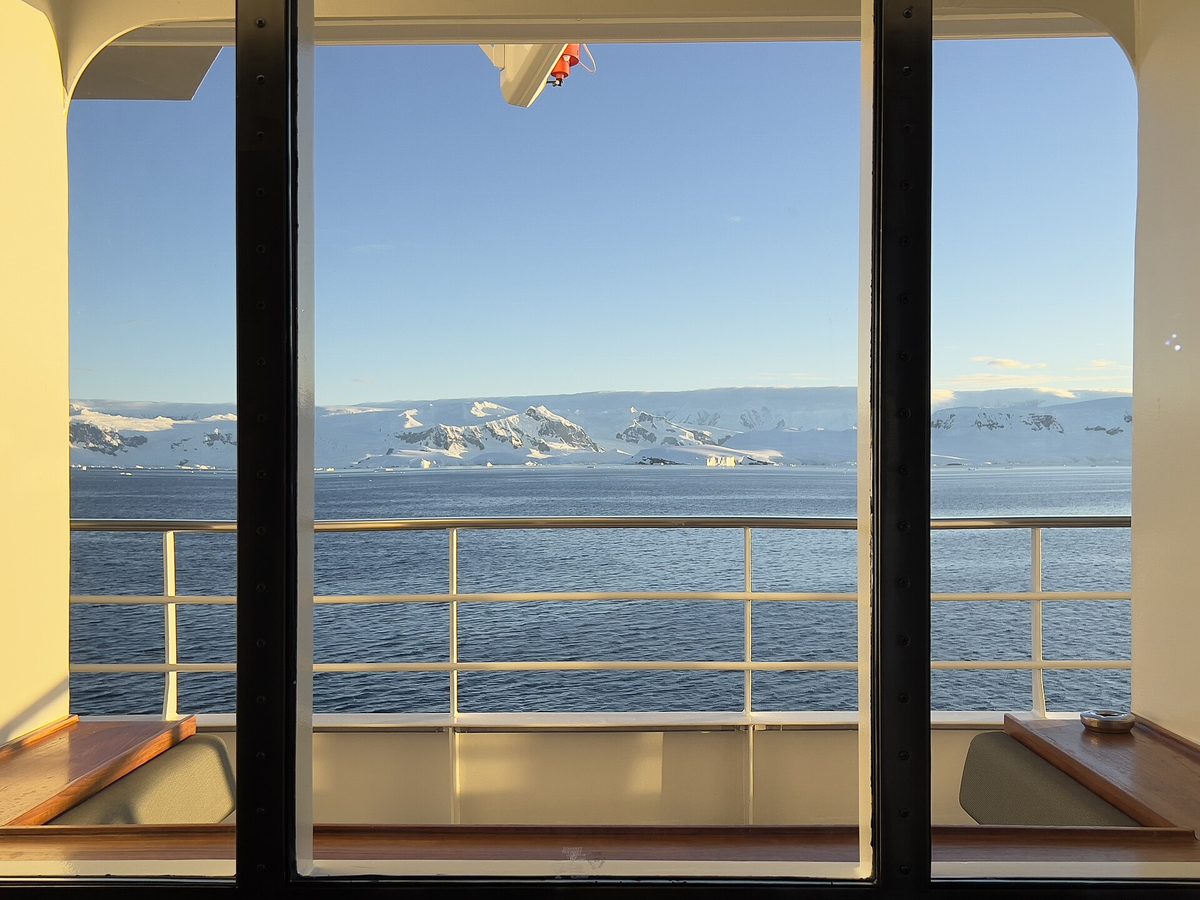
An Antarctica vacation is not one trip. It is, I’d argue, a hundred different trips wearing the same white coat — and the single most useful thing I can tell you, before we get into ships or seasons or budgets, is that the version of Antarctica you’ll fall in love with depends almost entirely on who you are. The honeymooning couple toasting champagne on a balcony as the Gerlache Strait slides by is on the same continent as the wetsuited diver dropping beneath the ice and the seventy-eight-year-old grandmother photographing her first gentoo chick, but they are not on the same holiday. They chose differently, and they chose well.
I’ve spent years helping people plan these journeys, and the mistake I see most often isn’t picking the wrong ship or the wrong month. It’s assuming there’s a single “best” Antarctica trip that everyone is competing for. There isn’t. There’s the best trip for you — for your relationship, your family, your knees, your camera, your nerve, and your bank balance. This guide is built around that idea. Instead of one generic itinerary, I’m going to walk you through how an Antarctica vacation changes shape depending on the traveler, so you can find the door that’s actually yours.
Think of this as the master hub. Each traveler type below gets the headline version here, with a link through to a full, dedicated guide where we go deep. Whether you’re planning a romantic escape, dragging three generations along, or going gloriously alone, the path starts in the same place: understanding what the continent asks of you and what it gives back.
Is an Antarctica vacation right for you?
Let me be honest before you spend a cent. An Antarctica vacation is a serious undertaking. It’s expensive, it’s far, and for most travelers it involves crossing the Drake Passage, two of the rowdiest days of open ocean on Earth. It is not a beach week you book on a whim. But here’s the other side of that coin: it is also one of the most forgiving great adventures you can take, because nearly everything is managed for you. You’re not navigating, cooking, pitching tents (unless you want to), or finding your own way. A team of expedition staff handles the logistics; you handle showing up and being amazed.
That combination — genuinely wild destination, thoroughly supported experience — is why Antarctica suits a far wider range of people than its reputation suggests. You do not need to be an athlete. You do not need polar experience. You need an average level of fitness, a tolerance for cold and motion, the budget, and roughly ten days. If you can manage stairs, stand up in a moving boat with a steadying hand, and walk a few hundred metres over uneven ground, the continent is open to you. We’ll get specific about that in the fitness and mobility guide, but don’t rule yourself out yet.
The travelers who should think twice are those who can’t tolerate isolation from medical care, who are unwilling to buy comprehensive evacuation insurance, or who simply won’t enjoy days where the weather, not the schedule, makes the decisions. Antarctica rewards flexibility and punishes rigidity. If a cancelled landing would ruin your week, this might not be your trip. If a cancelled landing becomes “well, what do we get to see instead?” — welcome aboard.
How much does an Antarctica vacation cost?
Money shapes every other decision, so let’s get it on the table early. A trip to Antarctica typically runs anywhere from about $6,000 to $50,000 per person, with the average landing somewhere around $10,000. That enormous spread is exactly why matching the trip to the traveler matters so much — the same continent can be a $7,000 adventure or a $35,000 indulgence depending on the ship, the cabin, the season, and the add-ons you choose.
As a rough map: budget-friendly voyages on simpler, seasoned vessels run roughly $6,000–$10,000 per person; mid-range trips, where most travelers end up, sit around $10,000–$20,000 on comfortable expedition ships that hit the sweet spot of comfort and value; and luxury voyages with suites, butlers, and helicopters climb past $25,000 and keep going. You can shave costs by travelling in the shoulder months of November or March, by sharing a cabin, or by grabbing a last-minute berth from a gateway port. You’ll spend more for a private balcony, a single cabin, or a fly-cruise that skips the Drake. I break every line item down in the full Antarctica trip cost guide, including what’s genuinely included and what stings you later.
| Budget tier | Price per person | What you get | Best for |
|---|---|---|---|
| Budget | $6,000–$10,000 | Older, simpler ships; smaller cabins; fewer included extras | First-timers, solo travelers, flexible adventurers |
| Mid-range | $10,000–$20,000 | Modern expedition ships; good cabins; most activities available | Most couples, families, photographers |
| Luxury | $25,000+ | Suites, balconies, fine dining, spas, sometimes helicopters/submarines | Honeymooners, milestone trips, comfort-first travelers |
When should you go?
The Antarctic tourism season is short and runs through the austral summer, roughly late November to early March. Within that window the experience shifts noticeably: early season brings pristine snow, dramatic ice, and courting penguins; midsummer delivers the longest days, warmest temperatures, and bustling colonies; late season is prime time for whales and discounted fares. None of these is “best” in the abstract — they’re best for different travelers, which is the theme of your whole trip. Photographers often want the sculpted ice of November; families frequently prefer the fluffy chicks and easy weather of January; whale lovers and bargain hunters lean toward February and March. The full best time to visit Antarctica guide matches each month to what you’ll actually see.
The big idea: match the trip to the traveler
Here’s the framework I use with everyone. Before you compare ships or itineraries, answer four questions about yourself. First, what’s your tolerance for the Drake Passage — embrace it as a rite of passage, or pay to fly over it? Second, how active do you want to be — content with daily landings and zodiac cruises, or itching to kayak, camp, and climb? Third, what’s your comfort floor — will a simple cabin do, or do you need a balcony and a spa? And fourth, who are you travelling with — a partner, kids, a group, or just yourself? Your answers point you straight at one of the traveler types below.
The table that follows is the cheat sheet. Skim it, find the row that sounds like you, then jump to that section for the real detail and a link to its dedicated guide.
| You are a… | Prioritize | Typical budget | Go deeper |
|---|---|---|---|
| Honeymooning couple | Balcony suite, privacy, romance, fly-cruise to save days | $$$–$$$$ | Honeymoon guide |
| Family with kids | Family-friendly operator, minimum age, triple cabins, dedicated youth program | $$–$$$ | Antarctica with kids |
| Solo traveler | Cabin-share program, no/low single supplement, sociable ship | $–$$$ | Solo travel guide |
| Senior traveler | Comfort, accessible cabins, manageable landings, fly-cruise option | $$–$$$$ | Antarctica for seniors |
| Photographer | Small ship, photo leaders, golden-hour zodiacs, fewer passengers | $$$–$$$$ | Photography trips |
| Adventure seeker | Kayaking, camping, mountaineering, diving, polar plunge | $$–$$$ | Adventure travel |
| First-timer | Classic Peninsula itinerary, mid-size ship, all the highlights | $$–$$$ | First-timer guide |
| Birdwatcher | South Georgia add-on, expert guides, longer voyages | $$$–$$$$ | Birdwatching guide |
Antarctica honeymoons and romantic escapes
If you’re planning an Antarctica honeymoon, you’ve chosen one of the most extravagant backdrops on the planet for the start of a marriage — and I love you for it. There’s something fitting about beginning a life together at the edge of the world, where the scale of everything puts the ordinary into perspective. Honeymooners tend to want three things from Antarctica: privacy, comfort, and moments that feel just-for-two, and the good news is the modern fleet delivers all three beautifully.
For couples, I steer the conversation toward cabins first. This is the trip to splurge on a suite with a private balcony — waking up to the Lemaire Channel from your own veranda, coffee in hand, is the kind of memory that’s worth the upgrade. Many newer ships offer balcony cabins, walk-in suites, and even rooms with floor-to-ceiling glass. On the activity side, couples often pair the romance with a shared first: a tandem kayak among the icebergs, a side-by-side polar plunge, or a night camping on the ice under a sky that never fully darkens. Some operators will happily arrange a private dinner, a couples’ spa treatment, or a quiet champagne toast at a scenic anchorage if you tip them off that you’re celebrating.
Two practical notes. First, consider a fly-cruise that crosses the Drake by air — honeymoons are short and precious, and trading two seasick days for two extra days of romance is an easy call for many couples. Second, build in time in the gateway city; a few nights in Buenos Aires or a Patagonia extension turns a cruise into a proper honeymoon. Our full Antarctica honeymoon guide covers the most romantic ships, the best cabins for couples, and how to weave in those once-in-a-lifetime touches.
Antarctica with kids: family expeditions
Taking children to Antarctica is one of the great gifts a family can give, and it’s more achievable than most parents assume — with a few important caveats. The first is age. Minimum ages vary by operator: a handful welcome children as young as six or eight, many set the bar at twelve, and some require teenagers. Beyond the rules, there’s the question of whether a child will get anything out of it. My honest guidance, echoed by most expedition staff, is that kids of around ten and up tend to genuinely absorb and remember the experience, while younger children may struggle with the long journey and the structure of ship life.
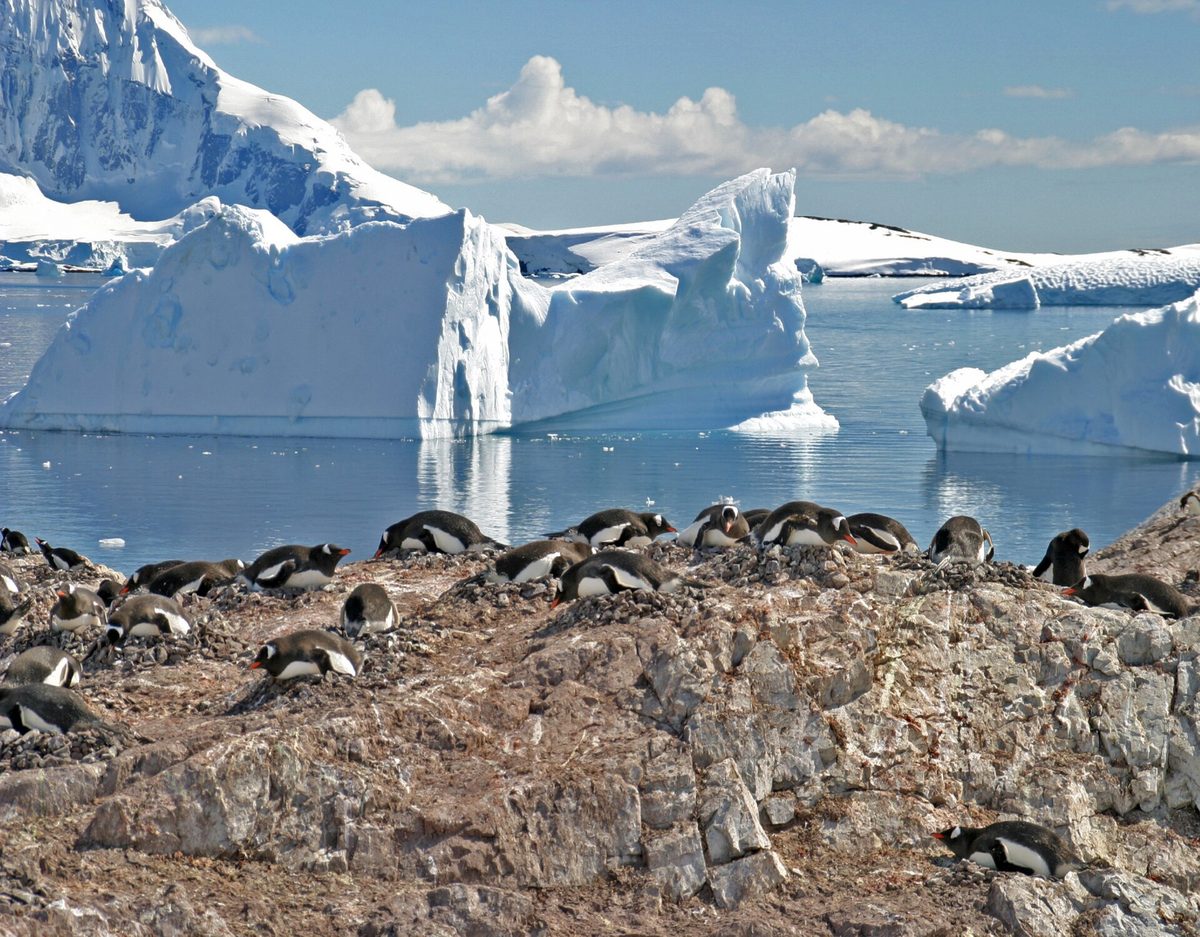
Safety drives a lot of the rules. Expedition ships have slippery outer decks, heavy doors, and open railings, and in rough seas everyone needs to hold the safety bars and follow guide instructions without negotiation. A child has to be able to do that. The reward, though, is extraordinary: there is no classroom on Earth like standing quietly beside a penguin colony, and many ships run dedicated young-explorer programs with citizen-science projects, junior zodiac driving lessons, and naturalists who light up when a curious kid asks a hundred questions.
For families, I recommend operators that actively cater to children, cabins that sleep three or four, and itineraries on the shorter, calmer side for a first trip. The classic Peninsula route in midsummer — long daylight, milder weather, chicks everywhere — is the family sweet spot. Multi-generational trips work wonderfully here too; grandparents, parents, and teens each find their own version of the adventure. Dive into the details in our Antarctica with kids guide, including the most family-friendly ships and how to prepare children for the Drake.
Solo travelers: going it alone (you won’t be lonely)
Some of the happiest travelers I meet on these voyages are the ones who came alone. Expedition ships are unusually sociable places — shared meals, small group zodiacs, a bar where everyone swaps the day’s sightings — and a solo traveler is folded into the group almost instantly. You are never truly alone out there unless you want to be.
The real solo question is financial. The dreaded single supplement — the surcharge for occupying a double cabin alone — typically runs 50 to 100 percent on top of the per-person fare, and it can quietly double your trip cost. The way around it is the cabin-share program that most operators offer: they pair you with another solo traveler of the same sex (and often a similar age), and you each pay the standard rate. If they can’t find you a roommate, many will waive the supplement entirely and give you the cabin to yourself — a genuinely risk-free deal. A handful of ships also have dedicated single cabins, though these are limited and sell out early, and operators periodically run no-single-supplement promotions worth pouncing on.
My advice to solo travelers: be honest with yourself about whether you’d rather share to save money or pay for privacy, book early to catch single cabins and share-match deals, and choose a sociable mid-size ship over a tiny or ultra-luxury one if making friends matters to you. The full solo travel to Antarctica guide walks through cabin-share logistics, the best ships for solos, and how to sidestep that supplement.
Antarctica for seniors and older travelers
I want to push back gently on a myth: Antarctica is not a young person’s game. A huge share of expedition travelers are retirees, and the continent is genuinely well-suited to older visitors who are in reasonable health. Antarctic cruising is best described as “light adventure” — most people with an average level of fitness handle it comfortably. What matters is mobility, not athleticism.
Here’s the practical test. You’ll need to embark and disembark and move around the ship unassisted, though handrails run throughout every vessel. You’ll need to step from a moving ship into a zodiac that’s rising and falling on the water — staff are there to steady you, but you have to make the step. On shore, most landings involve walking less than half a mile over uneven, sometimes icy ground, where walking poles are a senior traveler’s best friend. Crucially, the effort is almost always optional: where others hike up to a ridge for the panorama, you can stay happily on the beach among the penguins and miss nothing essential.
For older travelers I emphasize a few things: choose a ship with a lift between decks if stairs are a concern, consider a fly-cruise to skip the physical toll of the Drake, get genuine medical clearance from your own doctor, and never travel without comprehensive evacuation insurance given the continent’s isolation. Plenty of travelers in their seventies and eighties have the time of their lives down there. See our Antarctica for seniors guide and the companion fitness and mobility guide for a clear-eyed look at who can handle the trip.
Group and charter trips
Travelling with a group changes the calculus in good ways. Whether it’s a club of friends, an alumni association, a special-interest society, or an extended family reunion, groups unlock options that individuals can’t easily reach: negotiated rates, dedicated guides, reserved tables, and sometimes a full ship charter where the entire experience bends around your people. On a charter you set the tone — a quiet contemplative voyage, a raucous celebration, a themed expedition built around photography or science or a milestone birthday.
Even without chartering, group bookings of eight or more typically earn discounts and a measure of clout with the operator. The trade-off is coordination: aligning everyone’s dates, budgets, and fitness levels takes work, and groups move slower than solos. My tip is to appoint one decisive organizer, lock dates early, and be upfront about the range of budgets so nobody feels squeezed. Our group and charter travel guide covers how charters work, what they cost, and how to wrangle a crowd to the bottom of the world.
Antarctica for photographers
If you carry a camera seriously, Antarctica may be the most rewarding subject you’ll ever shoot — and it deserves a trip designed around the light. The difference between a general voyage and a dedicated photography expedition is enormous. Photo-led trips sail on smaller ships, carry professional photographer-guides who run workshops and editing sessions, time zodiac cruises for golden-hour light, and split passengers into smaller groups so you’re not elbowing a hundred people for the same shot. Operators like Aurora Expeditions, Albatros, and specialist fly-cruise outfits build entire departures around this.
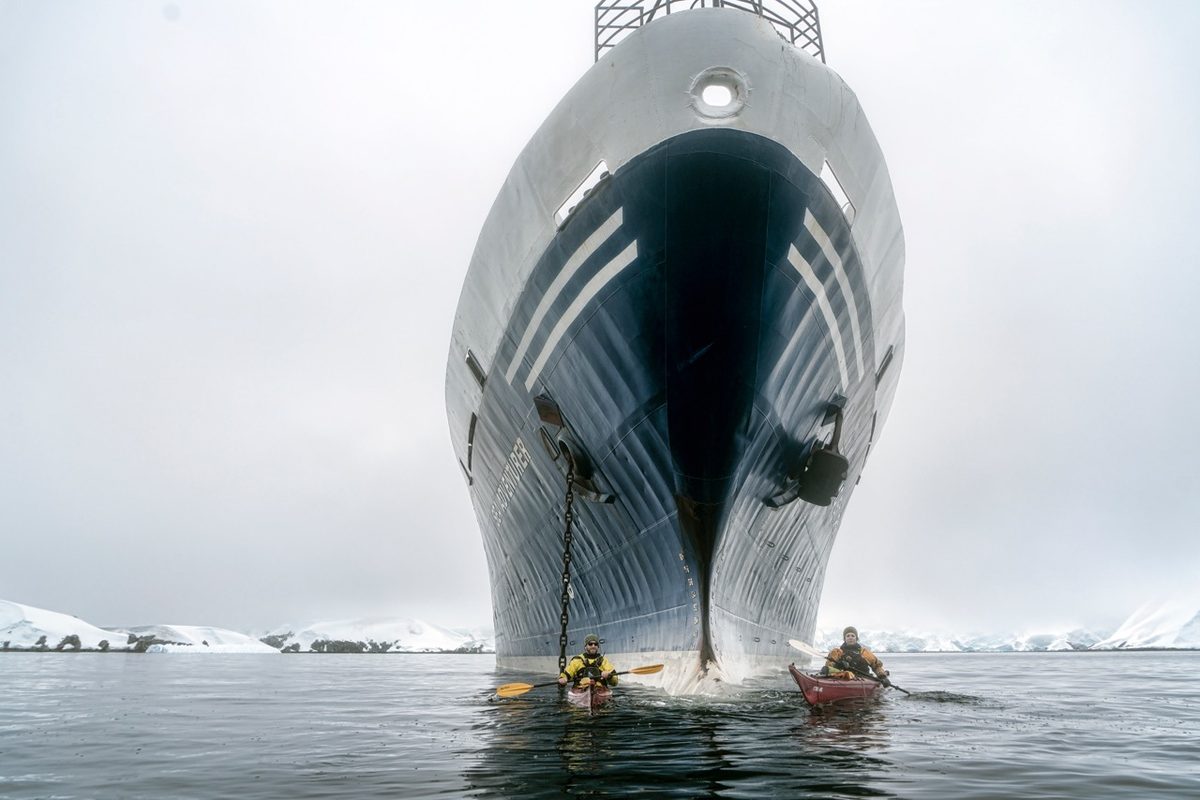
What should a photographer prioritize? Passenger count, first — fewer people means more space, faster landings, and the freedom to wait for the moment. Then the calibre of the photo team, the cabin space to manage gear, and the season: early-season ice and late-season whales each reward a different lens. A fly-cruise can be a photographer’s secret weapon, trading Drake crossing time for more days actually shooting. Bring more storage and batteries than you think you need; the cold drains both. Our Antarctica photography guide compares the best photo expeditions and the gear that survives the conditions, and the wildlife guide will help you anticipate your subjects.
Adventure seekers: kayak, camp, climb, dive
For travelers who can’t sit still, Antarctica has quietly become an adventure playground. The menu of optional activities has grown to the point where the continent rivals any adventure destination on Earth — you just bolt the activities onto a standard expedition cruise. The two most widely available are sea kayaking, offered most days when conditions allow and one of the purest ways to feel the silence of the ice, and camping, usually a once-per-voyage chance to sleep out on the continent itself in a bivvy bag under the polar sky.
Push further and you’ll find ski-mountaineering for experienced skiers who want to climb and descend glaciated terrain, snowshoeing for those who just want to get higher and quieter, stand-up paddleboarding on still mornings, and — on a small number of specialist ships — polar snorkeling and even scuba diving for advanced drysuit divers with cold-water experience. Nearly everyone, regardless of trip type, can do the polar plunge: a screaming, glorious leap into water hovering around freezing. Operators known for a deep activity menu include Quark Expeditions, Aurora Expeditions, and Hurtigruten, among others.
A word of realism: the big-ticket activities cost extra, sell out, and depend on weather and your experience level. Kayaking and diving in particular require you to prove competence, and camping happens only once if at all. Book your must-do activities at the same time as your cabin. Our adventure travel guide details every activity, its cost, and its prerequisites, and the broader things to do in Antarctica guide rounds out the picture.
First-timers: your first trip to Antarctica
If this is your first polar trip — and for most people it is — my advice is to resist the urge to overcomplicate it. You do not need the longest, most exotic, or most extreme itinerary to be utterly transformed. The classic Antarctic Peninsula voyage of around ten to twelve days, on a comfortable mid-size ship, hits every headline: the Drake crossing as a genuine rite of passage, towering icebergs, multiple penguin species, seals, whales, and a string of landings that will leave you grinning like a child.
First-timers should choose a well-reviewed operator over a rock-bottom price, pick a mid-size ship (around 100–200 passengers) for the best balance of stability, landing time, and atmosphere, and lean toward midsummer for the gentlest introduction. Don’t agonize over missing South Georgia or the Weddell Sea on trip one — the Peninsula alone will exceed everything you imagined, and you can always come back for the deep cuts. The most important first-timer skill is managing expectations about weather and flexibility, which we cover thoroughly. Start with our first-timer’s guide to Antarctica and the Antarctica cruises overview to get your bearings.
Birdwatchers and wildlife enthusiasts
For birders, Antarctica and its sub-Antarctic islands are a pilgrimage. Beyond the obvious penguins — gentoo, chinstrap, Adélie on the Peninsula, with king and macaroni colonies if you reach South Georgia — the Southern Ocean is one of the great theatres for seabirds. Wandering albatrosses with their three-metre wingspans shadow the ship across the Drake; petrels, prions, skuas, shags, and terns fill every sea day. Patient birders rack up remarkable lists.
If birds are your priority, the single biggest decision is whether to add South Georgia, which transforms the trip from a penguin highlight reel into a full-blown wildlife epic — king penguin megacolonies, breeding albatrosses, fur seals, and elephant seals. These longer voyages cost more and demand more time at sea, but for a dedicated birdwatcher they’re the holy grail. Choose operators with expert ornithologist guides and generous deck time. Our Antarctica birdwatching guide maps the species and the best voyages for seeing them, and pairs naturally with the full Antarctica wildlife guide.
Multi-generational journeys: the whole family on the ice
Some of the most joyful groups I’ve seen on expedition ships span three generations — grandparents, parents, and teenagers sharing the trip of several lifetimes at once. Antarctica is unusually good at this, because the experience flexes to each age without anyone feeling left out. The grandparents take the gentle shore walks and the lectures; the parents add a kayak outing or two; the teenagers throw themselves at the polar plunge and the citizen-science projects. Everyone reconvenes at dinner to compare the same astonishing day from different angles.
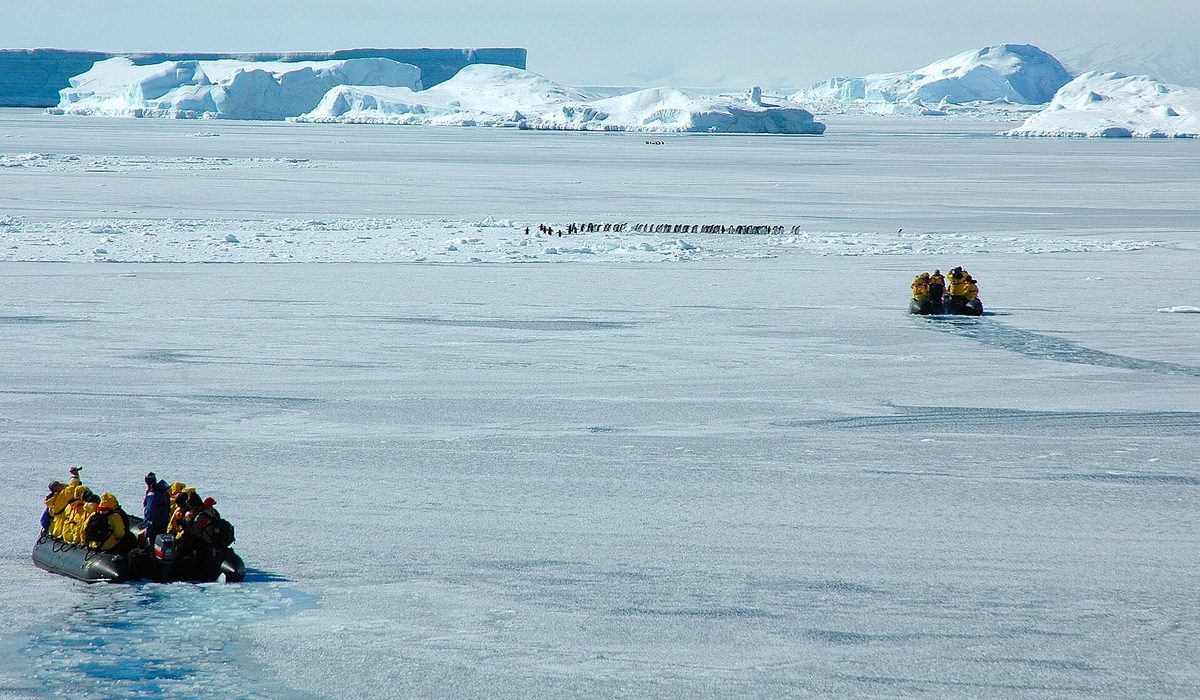
Pulling it off takes a little planning. Look for an operator that welcomes the youngest member of your party (minimum ages vary), book cabins close together or a set of triples, and choose a milder midsummer Peninsula itinerary for a first family trip. A mid-size ship usually strikes the best balance — enough space and amenities for varied energy levels, enough intimacy for the family to feel together. The reward is the rarest of things: a shared family memory so vivid it becomes part of your collective story forever. Our guides to Antarctica with kids and Antarctica for seniors cover the two ends of the age range in detail.
Choosing the right ship and cabin for your trip type
By now you’ve probably recognized yourself in one or two sections above — and that recognition is exactly what should drive your ship choice. Ship size is the master variable. Small ships (under roughly 100 passengers) mean more landings, more intimacy, and faster zodiac operations, which is why photographers, honeymooners, and adventure seekers gravitate to them. Mid-size ships (100–200) are the all-rounders that suit first-timers, families, and solo travelers looking for atmosphere. Larger vessels offer more amenities and stability but fewer hours ashore, because landing rules cap how many people can be on land at once.
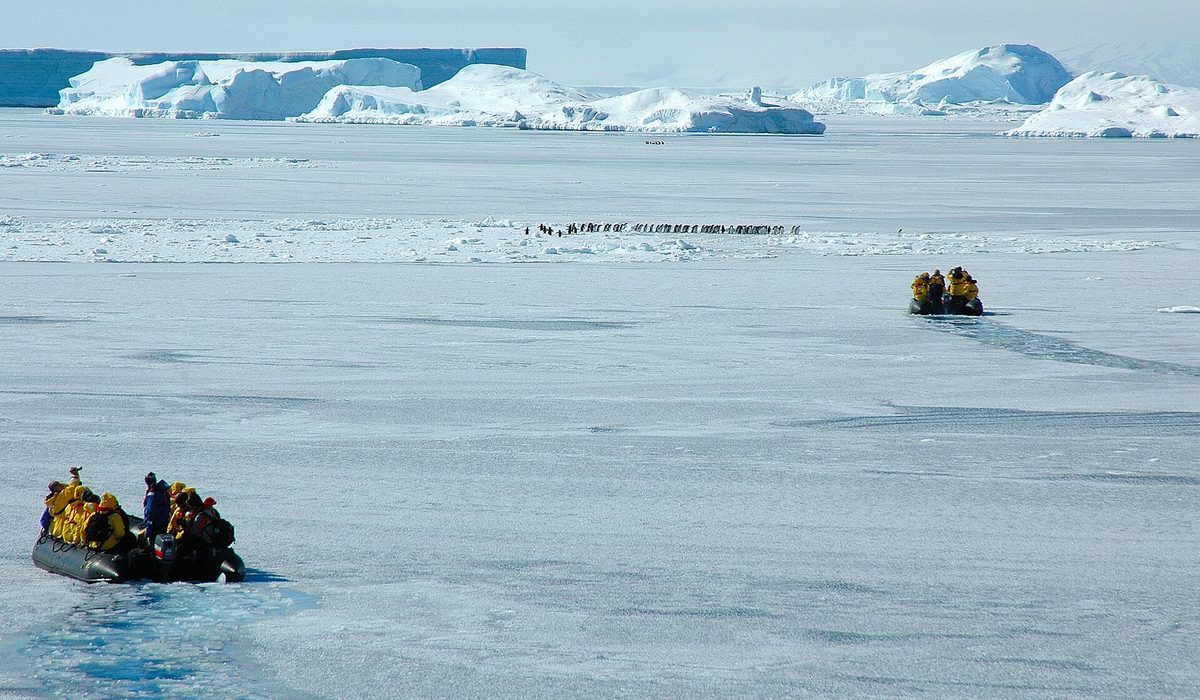
Cabin choice is where your traveler type really shows. Honeymooners want balconies and suites; families want triples and quads; solo travelers want a share program or a rare single; seniors want a cabin near a lift and away from the bow’s motion. Ice-strengthened hulls, a high crew-to-guest ratio, and a strong expedition team matter for everyone. Rather than choose blind, read our detailed Antarctica expedition ships and operators guide, which compares the fleet by size, comfort, and specialty, and the cruise itineraries guide for how route length shapes your days.
Accessible travel: what’s possible with limited mobility
A question I’m asked often and gladly: can someone with limited mobility experience Antarctica? Increasingly, yes — though with honest caveats. The single biggest barrier is the Zodiac transfer: getting from a moving ship into a bobbing inflatable boat, and then sometimes making a ‘wet landing’ by stepping into shallow surf, requires a degree of balance and strength that no operator can waive for safety reasons. That reality shapes what’s realistic.
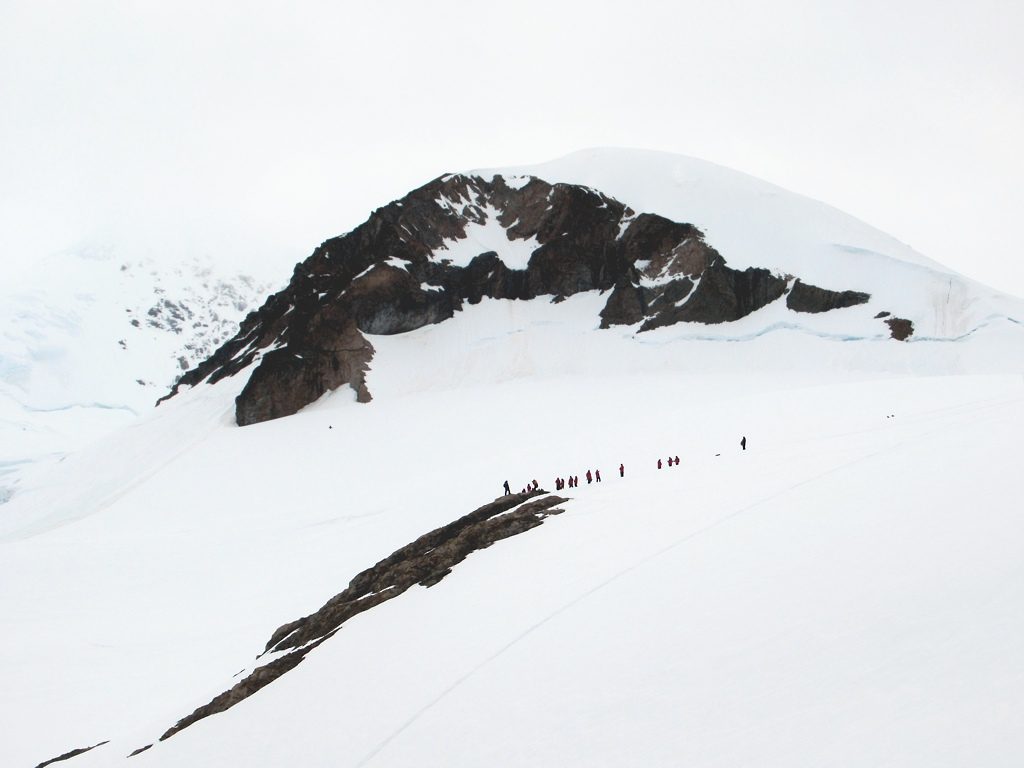
But there’s more flexibility than people assume. Several modern ships have lifts between decks, accessible cabins, and crew experienced at assisting guests; expedition teams will help willing travelers make the Zodiac step where it’s safe to do so. Those who can’t, or prefer not to, still gain enormously from the ship-based experience — spectacular scenery, whales and icebergs from the deck, lectures, and the scenic Zodiac cruises that don’t require a landing. A fly-cruise that skips the Drake can also reduce the physical toll. The key is a frank conversation with the operator about your specific needs before booking, and pairing it with our fitness and mobility guide. Antarctica is more accessible than its reputation suggests — just go in with clear eyes.
Planning and booking your Antarctica vacation
However you travel, a few planning truths apply to everyone. Book early — the best ships, single cabins, and specialty departures sell out twelve to eighteen months ahead, and early booking also unlocks the better fares. Decide your Drake strategy: sailing it is cheaper and, for many, part of the story; flying it (a fly-cruise) saves days and seasickness at a premium. Get your logistics right at the gateway — most trips leave from Ushuaia in Argentina, and arriving a day or two early is non-negotiable insurance against flight delays. Read the full how to get to Antarctica guide before you book flights.
Two more universals. First, comprehensive travel insurance with emergency medical evacuation cover is mandatory with reputable operators and simply non-negotiable given where you’re going. Second, pack smart — the right layers make or break your comfort ashore, and our Antarctica packing guide tells you exactly what to bring. For the hundred small things that smooth a polar trip — from seasickness remedies to power adapters — our Antarctica travel tips guide is your pre-departure checklist. And if you’re weighing whether to use a specialist agent, I usually say yes: a good polar travel specialist costs you nothing extra and saves you from expensive mistakes.
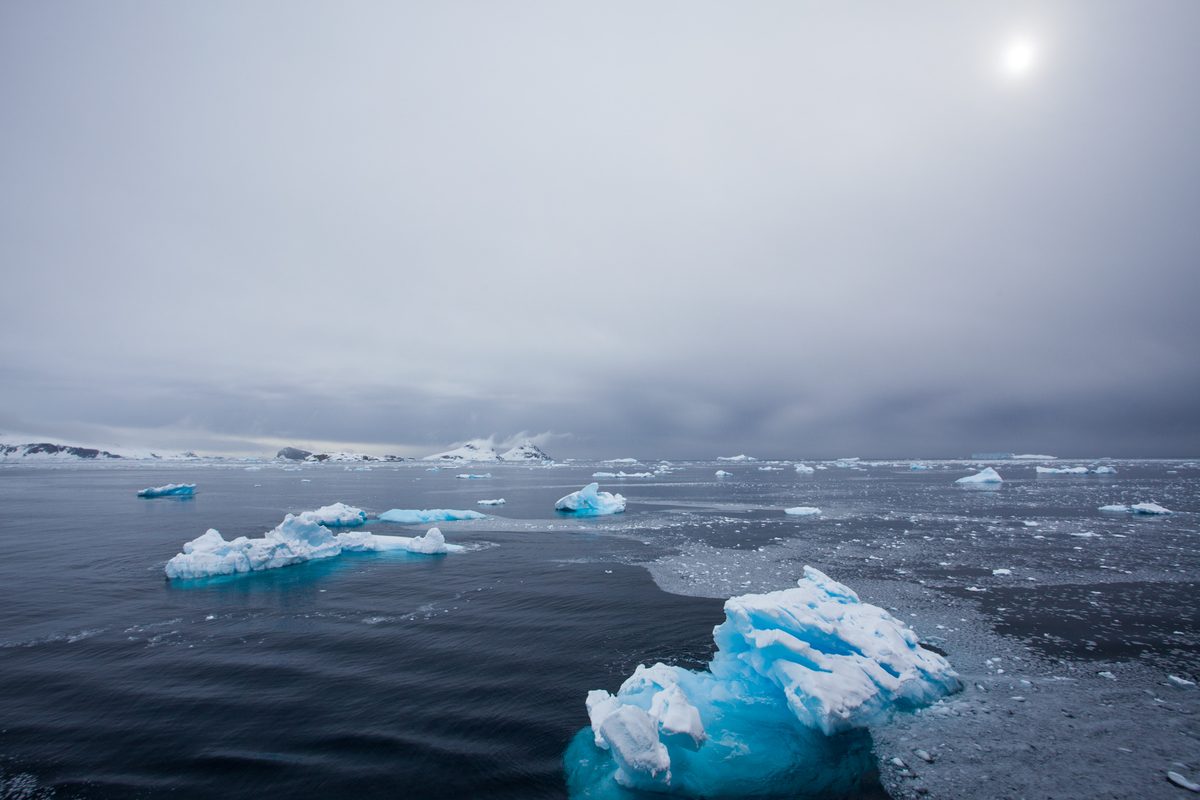
One last piece of perspective. Whatever your traveler type, you’ll cross paths on the ship with people who chose completely differently — the divers and the romantics, the families and the lone wolves, the photographers and the birders — and you’ll all stand together at the rail when the first iceberg the size of a cathedral slides past. That shared awe, across every kind of traveler, is the truest thing about an Antarctica vacation. The trip is personal; the wonder is universal.
Returning travelers: planning your second Antarctic trip
Here’s a phenomenon nobody warns you about: a great many people who swear Antarctica is a once-in-a-lifetime trip find themselves quietly planning a second one. If the white continent has its hooks in you and you’re plotting a return, the good news is that your second trip can be radically different from your first. Having ticked off the classic Peninsula, you’re now free to chase the deep cuts.
Returning travelers typically level up in one of a few directions. Some go longer and wilder — adding South Georgia for its king penguin megacolonies and Shackleton history, or committing to the remote Ross Sea and its explorers’ huts. Some go deeper into an activity, booking a dedicated photography departure or a voyage built around kayaking and camping. Others chase a specific dream that a standard cruise can’t deliver: the emperor penguins or the Geographic South Pole, both reachable only by the specialist flights we cover in the flights guide. And a few simply return to the Peninsula in a different month to see it transformed. Whatever the direction, a second trip rewards you with the confidence of a veteran and the freedom to follow exactly what moved you most the first time.
Frequently asked questions
What is the best Antarctica vacation for a first-timer?
A classic Antarctic Peninsula voyage of ten to twelve days on a comfortable mid-size ship, ideally in midsummer (December–January). It delivers every highlight — the Drake, icebergs, multiple penguin species, seals, and whales — without the extra time, cost, and sea days of South Georgia or the Ross Sea. Save the deep-cut itineraries for a return trip.
How much does an Antarctica vacation cost per person?
Roughly $6,000 to $50,000, with an average around $10,000. Budget voyages run $6,000–$10,000, mid-range trips $10,000–$20,000, and luxury sailings $25,000 and up. Your traveler type drives the number: solo cabin shares keep costs down, while balconies, single cabins, and fly-cruises push them up.
Is Antarctica suitable for families with children?
Yes, with caveats. Minimum ages vary by operator from about six to fourteen, and most expedition staff agree children of ten and up get the most from the trip. Choose a family-friendly operator with a youth program, book triple or quad cabins, and favor a shorter, calmer midsummer Peninsula itinerary. See our Antarctica with kids guide.
Can solo travelers avoid the single supplement?
Often, yes. Most operators run a cabin-share program that matches you with another solo of the same sex so you each pay the standard rate, and many waive the supplement entirely if no match is found. Dedicated single cabins exist but are limited and sell out early. Watch for no-single-supplement promotions and book ahead.
Am I fit enough for an Antarctica vacation?
Probably. Antarctic cruising is “light adventure” suited to average fitness. You need to board and move around the ship unassisted, step into a moving zodiac with a steadying hand, and walk a few hundred metres over uneven ground. Most exertion ashore is optional. If in doubt, get medical clearance from your doctor and read our fitness and mobility guide.
Is Antarctica a good honeymoon destination?
For adventurous couples, it’s extraordinary. Splurge on a balcony suite, consider a fly-cruise to maximize romance over sea days, and tell your operator you’re celebrating — many arrange private dinners or champagne toasts. Pair it with a few nights in Buenos Aires or Patagonia. Details in our honeymoon guide.
Which Antarctica trip is best for photographers?
A dedicated photography expedition on a small ship with professional photo-guides, smaller zodiac groups, and golden-hour timing. Prioritize low passenger counts and the calibre of the photo team. A fly-cruise buys you more shooting time. Our photography guide compares the best departures.
What adventure activities can I add to my trip?
Sea kayaking and camping are the most widely available; snowshoeing, ski-mountaineering, paddleboarding, polar snorkeling, and scuba diving are offered on select ships. Almost everyone can do the polar plunge. The premium activities cost extra, depend on weather and experience, and sell out — book them with your cabin. See the adventure travel guide.
Do I have to cross the Drake Passage?
Not necessarily. Fly-cruises fly between a South American gateway and the South Shetland Islands, replacing up to four days of open-ocean sailing with a roughly two-hour flight. It costs more and adds a small weather risk to the flights, but it’s popular with honeymooners, seniors, and the time-pressed. The full Drake Passage guide weighs both options.
When is the best time for my type of trip?
Late November to early March overall. Photographers love early-season ice; families prefer warm, bright midsummer with penguin chicks; whale watchers and bargain hunters favor February–March. Match the month to your priority using our best time to visit guide.
Is an Antarctica vacation worth the money?
Almost universally, travelers say yes — it’s the rare trip that exceeds sky-high expectations. The value lies in its uniqueness: there is nowhere else like it, the wildlife shows no fear, and the scale resets your sense of the world. If the budget is a stretch, a budget-tier cabin on a reputable ship still delivers the full experience.
How far in advance should I book?
Twelve to eighteen months for the best ships, single cabins, specialty departures, and early-booking fares. Last-minute deals exist from gateway ports for the flexible, but you sacrifice choice of ship, cabin, and activities. Solo travelers and photographers especially should book early.
Do I need special insurance?
Yes — comprehensive travel insurance that includes emergency medical evacuation is mandatory with reputable operators and essential given Antarctica’s isolation. Buy it as soon as you book to capture cancellation cover. Our travel tips guide explains what the policy must include.
Can seniors and travelers with limited mobility go?
Many do, and happily. The keys are reasonable mobility (not athleticism), choosing a ship with a lift, considering a fly-cruise to skip the Drake, getting medical clearance, and accepting that some shore hikes are optional. Read our Antarctica for seniors guide.
Common mistakes when choosing your trip type
After watching hundreds of travelers plan these journeys, I see the same avoidable missteps again and again. The first is choosing on price alone — booking the cheapest berth without asking whether that ship suits your traveler type, then discovering a honeymoon spent on a cramped, social party-boat or a photography trip on a vessel with a hundred and eighty people fighting for the same zodiac. The cheapest trip that doesn’t fit you is more expensive than the right one.
The second mistake is overreaching on the itinerary. First-timers routinely talk themselves into a three-week South Georgia and Falklands epic when the standard Peninsula voyage would have left them speechless and saved them thousands. Ambition is wonderful, but the Peninsula alone is a ten out of ten. The third mistake is booking too late and getting whatever’s left — the wrong cabin, no kayaking spot, a sold-out single. The fourth is forgetting that you’ll share the ship with every other traveler type, then being surprised that the vibe isn’t tailored solely to you; the fix is choosing a ship whose size and style lean toward your priorities.
The last and most human mistake is talking yourself out of the trip entirely — deciding you’re too old, too inexperienced, too cautious, or too ordinary for Antarctica. You almost certainly aren’t. Match the trip to who you actually are, and the door opens.
Final thoughts
The question is never really “should I go to Antarctica?” It’s “which Antarctica is mine?” The honeymooners and the families, the solo adventurers and the careful planners in their seventies, the photographers chasing light and the divers chasing silence — they’re all right, because they each found the version of the trip that fit their life. That’s the secret this guide exists to share: there is no wrong way to do this, only the way that’s wrong for you. Figure out who you are on this trip, match the ship and the season and the cabin to that person, and the white continent will do the rest. It always does. Whatever door you walk through, it leads to the same impossible, unforgettable place — and you’ll spend the rest of your life trying to describe it to people who weren’t there.