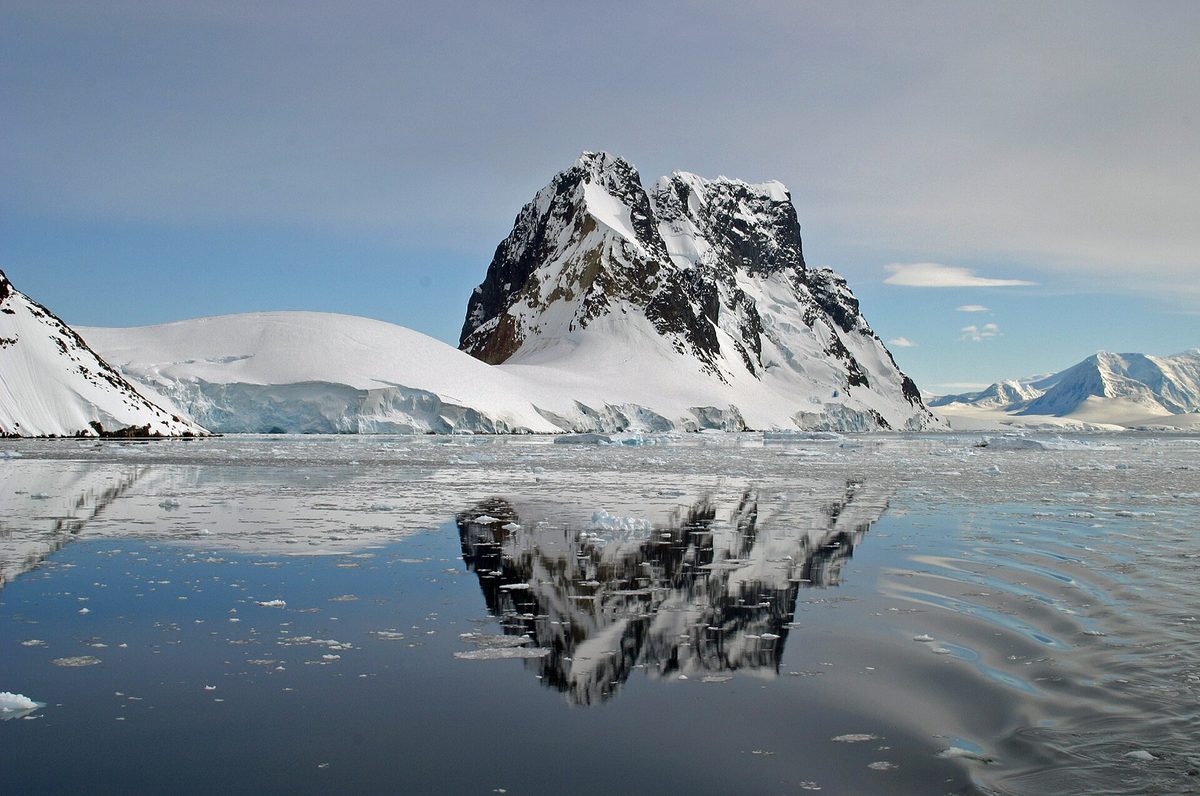
The first time I watched a couple hold hands at the bow rail as our ship slipped into the Lemaire Channel, the only sound was ice fizzing against the hull and someone, somewhere, quietly crying with joy. That image is exactly why an antarctica honeymoon has quietly become one of the most extraordinary ways to begin a marriage. It is remote, dramatic, and almost absurdly romantic in a way no beach resort can touch. Instead of a swim-up bar, you get a continent that belongs to almost no one, shared with the person you just promised the rest of your life to.
I have sailed south many times, and I have lost count of the newlyweds I have met along the way: the ones who got engaged on deck, the couples who renewed their vows on a snowy beach with penguins as witnesses, the pair who did the polar plunge in matching robes and laughed about it for the rest of the trip. This guide is everything I would tell a friend planning a honeymoon at the bottom of the world — why it works, what it costs, when to go, which voyage and cabin to choose, and the small romantic moments that make it unforgettable. It is honest, too, about who this trip suits and who might be happier somewhere warmer.
Why an Antarctica honeymoon is the ultimate bucket-list trip
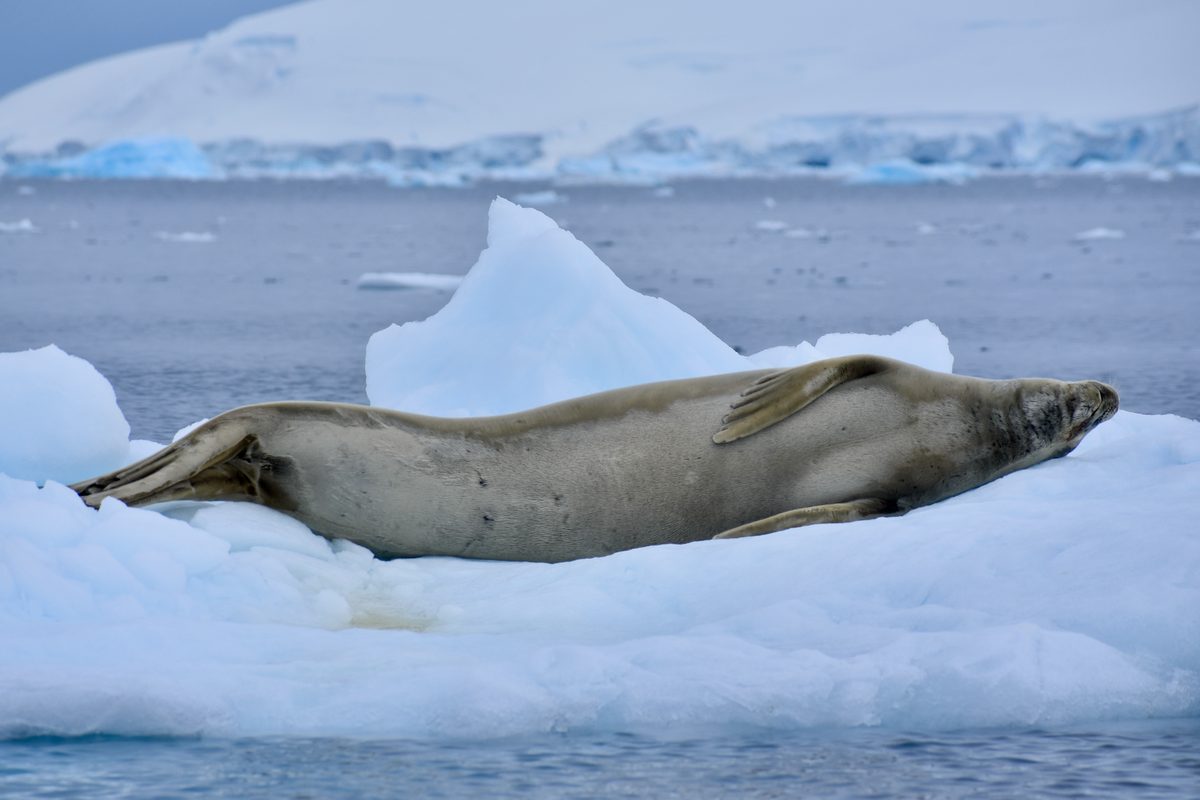
Most honeymoons are about relaxation. An expedition to Antarctica is about awe. That is a genuinely different emotional register, and for the right couple it is far more powerful. You are not lying on a lounger; you are standing on the deck of a small ship as a humpback whale surfaces an arm’s length away, or sitting in a Zodiac while a leopard seal eyes you with frank curiosity. Shared awe is a powerful glue. The couples I have watched come back from a landing, cheeks pink, eyes huge, unable to stop talking over each other — that is the bond this place builds.
There is also the simple fact that almost no one goes. Roughly a hundred thousand or so travellers reach Antarctica in a season, a rounding error next to the millions who honeymoon in Hawaii or the Maldives each year. When you tell people where you went, the reaction is not polite interest; it is open astonishment. You will have done something together that most people only ever read about. For a marriage that is just beginning, starting with a story that big is its own kind of vow.
And then there is the disconnection. Out here, wifi is limited, expensive, and often nonexistent for stretches. You will not be doom-scrolling on your honeymoon. You will be talking, reading, watching the light, and being genuinely present with each other in a way that modern life almost never allows. More than one couple has told me the forced digital detox was the most romantic part of the whole trip. If you want to remember what it feels like to have someone’s undivided attention, this is the place.
What actually makes Antarctica romantic
People assume a frozen continent cannot be romantic. They are wrong, and it is worth explaining why, because the romance here is not the obvious resort kind — it is deeper and stranger and more memorable.
The scenery does the work for you
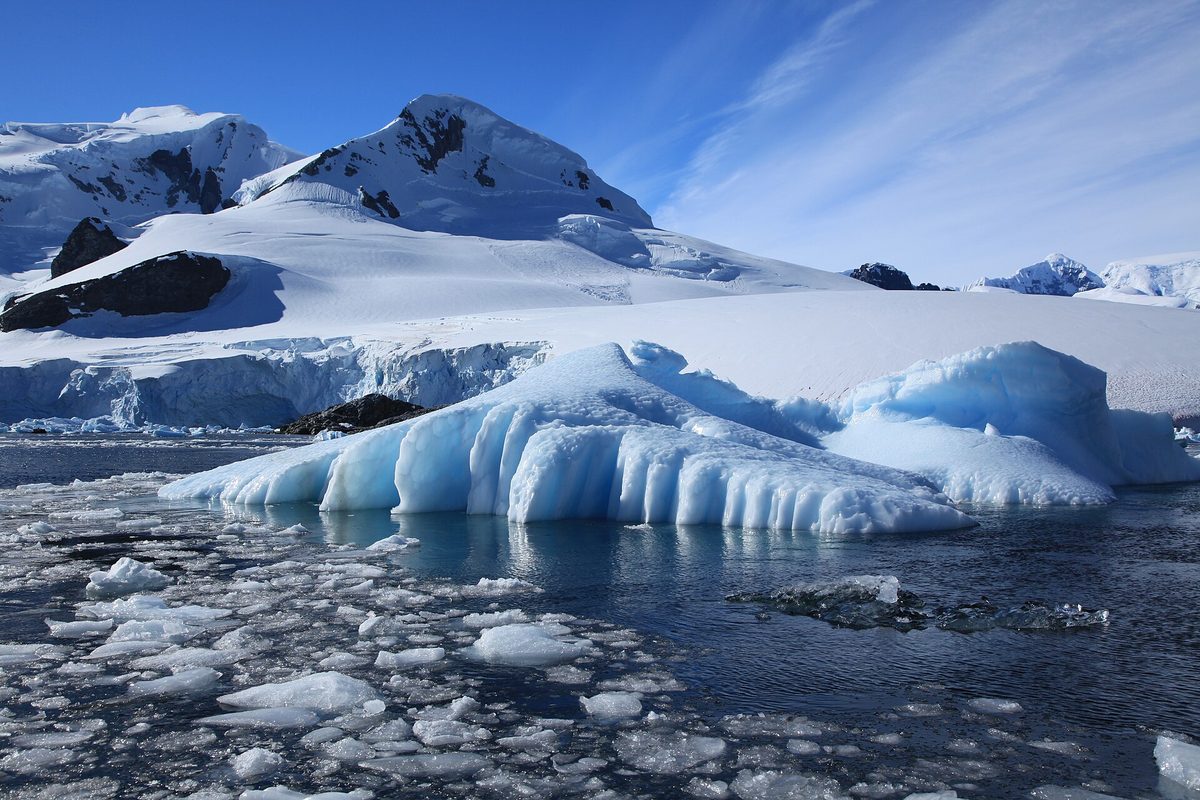
Antarctica is, without exaggeration, the most beautiful place I have ever been. Icebergs the size of cathedrals glow electric blue. Glaciers calve with a crack like thunder. The Lemaire Channel — nicknamed the "Kodak Gap" long before phones — is a mile-wide passage flanked by sheer black peaks and mirror-still water, and ships often slow to a crawl so everyone can simply stare. You do not need to manufacture romance against a backdrop like this. You just need to stand there together and let it land.
The light, especially in midsummer
In December and January the sun barely sets. You get hours of low, golden, slanting light that photographers chase their whole careers, and long luminous evenings on deck when most of the ship has gone to bed. Wrapped in a parka with a mug of something warm, watching alpenglow on the peaks at eleven at night with your new spouse — that is a kind of romance you cannot buy at a spa.
Shared adventure, not passive luxury
You will do things together that are genuinely a little bit brave. You might take the polar plunge into water hovering around freezing, holding hands as you leap. You might kayak side by side past a sleeping seal, or stand on a peak you hiked up together. Doing something slightly daring as a team, early in a marriage, builds a quiet confidence in each other. Years later, "remember when we jumped into the Southern Ocean?" is a better anniversary toast than almost anything else.
Choosing the right voyage for your honeymoon
Not all Antarctica trips are created equal, and the voyage you pick shapes the whole honeymoon. Here is how I think about it.
The classic: a Voyage to Antarctica on a small expedition ship
The bread-and-butter trip is a roughly 10 to 14-day "Voyage to Antarctica" sailing from Ushuaia, at the southern tip of Argentina, crossing the Drake Passage and exploring the Antarctic Peninsula. For most honeymooners this is the sweet spot: long enough to feel immersed, short enough to be doable, and focused on the most scenic, wildlife-rich, accessible part of the continent. You sail on a small ship — expedition vessels typically carry from under a hundred to a few hundred guests — because anything over 500 passengers cannot land guests under the rules that govern visits. Smaller ships mean more landings, fewer crowds, and a more intimate atmosphere. For a couple, that intimacy matters. I would steer almost every honeymooner toward a genuine expedition ship rather than a big cruise liner that only sails past. To understand the full range, our guide to Antarctica cruises breaks down ship types in detail, and the Antarctica cruise itineraries overview shows how the days are actually structured.
The fly-cruise: skip the Drake Passage
If either of you is prone to seasickness, or you simply do not have two-plus weeks, look hard at the "air cruise" or fly-the-Drake option. Instead of sailing the famously rough Drake Passage, you fly from Punta Arenas, Chile, across to an airstrip in the South Shetland Islands and board your ship there. It cuts roughly four days of open-ocean sailing off the trip and removes the single biggest source of misery for queasy travellers. It costs more per day and the flights are weather-dependent, but for a honeymoon with limited time — or a partner who turns green on a ferry — it can be the difference between a dream trip and a fortnight of dread. Our piece on flights to Antarctica covers how these crossings work.
Longer voyages: South Georgia and the Falklands
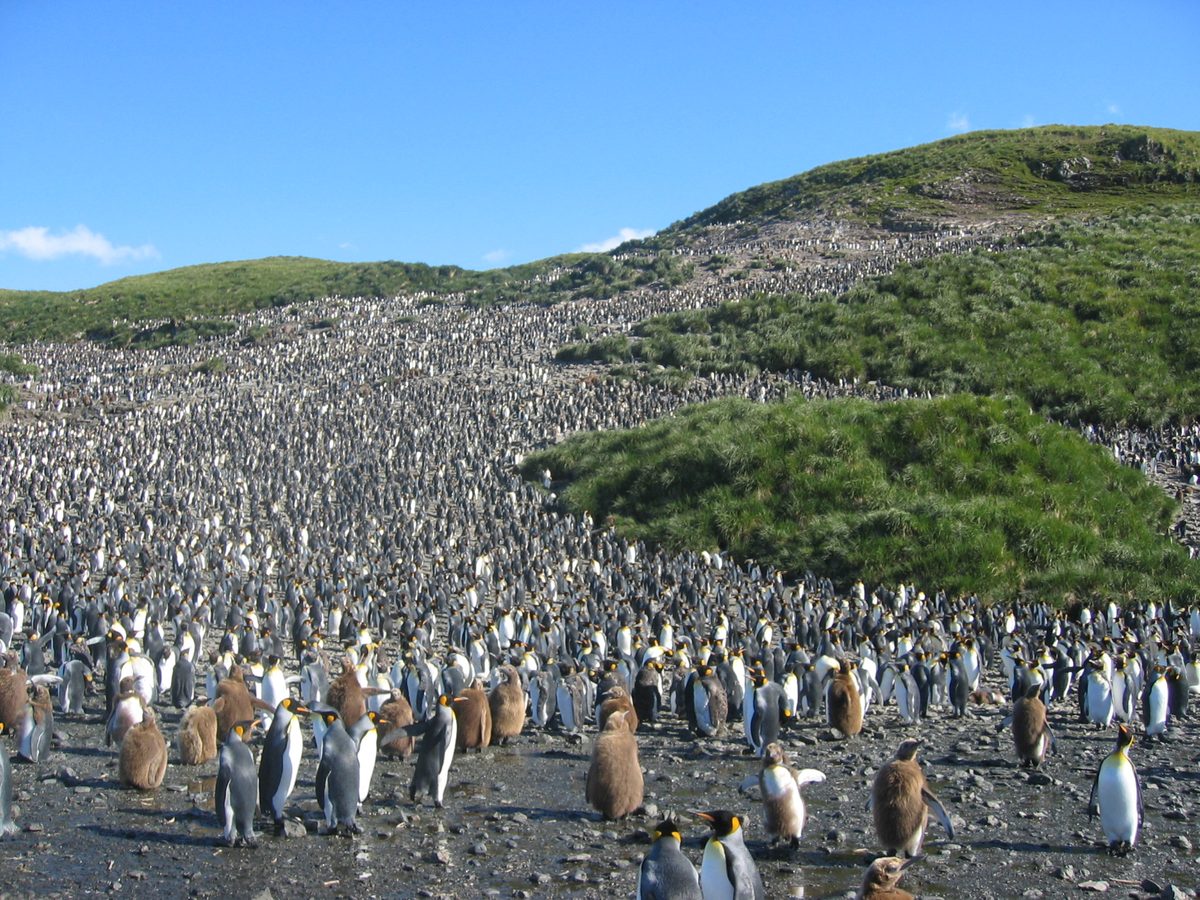
If you have three weeks and a healthy budget, the epic version adds the Falkland Islands and South Georgia — the latter being, in my opinion, the single greatest wildlife spectacle on Earth, with king penguin colonies hundreds of thousands strong. It is more sailing and more money, but as a once-in-a-lifetime honeymoon it is hard to beat. Most couples, though, are perfectly happy with the classic Peninsula voyage, and there is no shame in that at all.
| Voyage type | Typical length | Departs from | Best for honeymooners who… |
|---|---|---|---|
| Classic Peninsula voyage | ~10–14 days | Ushuaia, Argentina | Want the full expedition and the best value |
| Fly-cruise / air cruise | ~6–9 days | Punta Arenas, Chile | Are short on time or worried about seasickness |
| South Georgia & Falklands | ~18–23 days | Ushuaia, Argentina | Have time, budget, and a love of wildlife |
Cabins: where the honeymoon romance is won or lost
On a honeymoon, the cabin matters more than it does for any other traveller. You are going to want a private space that is genuinely yours, ideally with a view, and you are going to want a real bed configuration — a double, not two twins jammed together. Here is my honest take on the choices.
Balcony cabins and suites
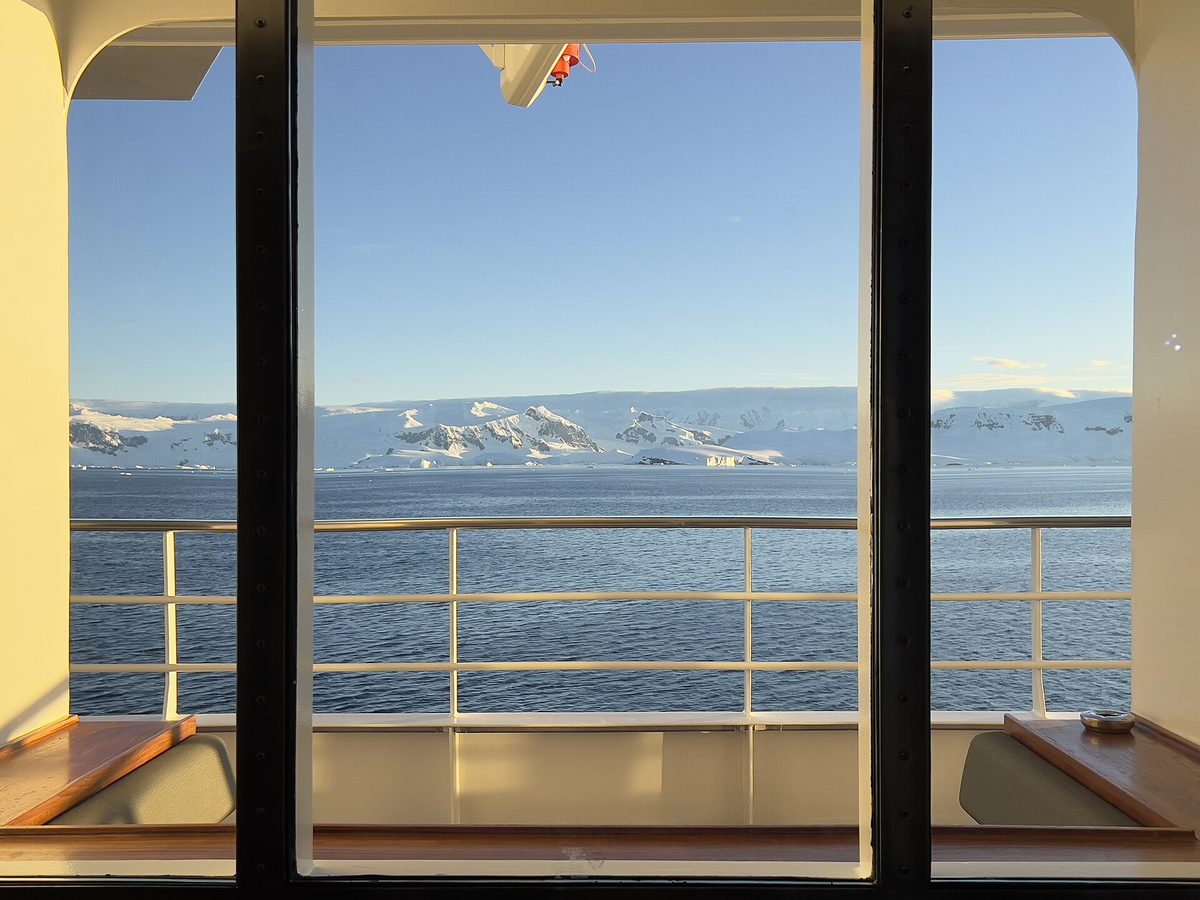
If your budget stretches, a balcony cabin is the honeymoon splurge that earns its keep. Being able to step out in a robe, coffee in hand, and watch icebergs drift past in private — without sharing the deck with two hundred other guests — is exactly the kind of intimate moment a honeymoon is for. Suites go further, with more space, sometimes a sitting area, and on some ships small perks like priority Zodiac boarding or in-suite dining. They cost a great deal more, but for a once-in-a-lifetime trip many couples decide this is the place to spend.
Mid-range cabins with a window
You do not need a suite to have a wonderful honeymoon. A comfortable cabin with a picture window or porthole, a double bed, and a private bathroom is plenty, and it frees up budget for excursions like kayaking or camping. This is what most couples I meet actually book, and they do not feel short-changed in the slightest. The whole ship is your living room out here; you spend remarkably little waking time in the cabin.
A note on the single supplement (and travelling with friends)
Cabins on expedition ships are priced per person on a double-occupancy basis, which actually works in honeymooners’ favour — you are two people sharing, so you avoid the dreaded solo surcharge entirely. If you are curious how that pricing works, our explainer on the Antarctica single supplement is worth a read, and travellers heading down without a partner should see our Antarctica solo travel guide.
When is the best time for an Antarctica honeymoon?
The season runs roughly from November to March, the austral summer, and every slice of it has a different character. There is no single "best" month — it depends on what you and your partner most want to see and feel. Our full best time to visit Antarctica guide goes deep, but here is the honeymoon-specific version.
November: pristine snow and fewer ships
Early season is for couples who want Antarctica at its most untouched. The snow is deep, clean, and unmarked, the icebergs are at their most sculptural, and there are fewer ships around, so landings feel more private. Penguins are courting and building nests — you will literally watch them present pebbles to their mates, which is about as on-theme for a honeymoon as wildlife gets. It can be a touch colder, but the sense of being early, of seeing it fresh, is special.
December and January: warmth, long light, and chicks
Peak summer is the most popular window for good reason. Temperatures are at their (relative) warmest, daylight stretches almost around the clock for those long golden evenings, and by late December penguin chicks are hatching. It is the most comfortable time to be on deck late at night together, which for a honeymoon counts for a lot. It is also the busiest and priciest period, so book well ahead.
February and March: whales and deeper discounts
Late season is whale season. The humpbacks and minkes are feeding actively and often linger around the ship, and underwater feeding behaviour becomes common. The snow has receded a little and penguin colonies are messier, but the wildlife and frequently lower late-season fares are a real draw. If your honeymoon timing is flexible and budget matters, the back end of the season can deliver the most whales for the least money. See our guide to Antarctica whales for what to expect.
How much does an Antarctica honeymoon cost?
Let me be straight with you: this is not a cheap honeymoon, and you should plan accordingly. As a rough guide, expect somewhere around $8,000 to $15,000 or more per person for a classic Peninsula voyage, with the figure driven by the ship, the cabin grade, and the length of the trip. Entry-level cabins on a no-frills vessel sit at the lower end; balcony cabins and suites on a premium or luxury ship climb well past the top of that range. Fly-cruises that skip the Drake tend to cost more per day because of the charter flights. Longer South Georgia voyages cost more again.
On top of the fare, budget for international flights to Ushuaia or Punta Arenas, a night or two of pre-voyage accommodation (almost essential as a buffer against flight delays), comprehensive travel insurance with emergency evacuation cover, tips, and any optional activities. For the full picture, our Antarctica trip cost breakdown is the most detailed resource we have, and I would read it before you set a budget.
Is it worth the money for a honeymoon?
Only you can answer that, but here is how I frame it for couples agonising over the price. A honeymoon is a once-in-a-lifetime event, and so, for most people, is reaching Antarctica. Combining them means one extraordinary trip instead of two ordinary ones. Many couples I have met deliberately chose a slightly simpler wedding to fund the trip of their lives, and not one has regretted it. If you would rather have the memory than the marquee, this is money well spent. If a frozen continent does not stir you, no amount of justifying will make it the right call — and that is completely fine.
Where to save and where to splurge
- Splurge on: the cabin (a balcony or a double bed transforms the honeymoon), the timing (peak summer light), and at least one signature add-on like kayaking together.
- Save on: the ship category if needed — a comfortable mid-range vessel still lands you in the same magical places as a luxury one.
- Never skimp on: travel insurance with medical evacuation, and a buffer night before embarkation. Both protect the whole trip.
The on-board romantic moments
Some of the most romantic parts of an Antarctica honeymoon happen on the ship itself, between landings. The rhythm of expedition days — up early, ashore in the morning, back for lunch, out again in the afternoon, recap and dinner in the evening — leaves lovely pockets of time just for the two of you.
Dining for two is genuinely special out here. Many expedition ships have relaxed, often open-seating dining, and watching the scenery slide past the windows over dinner, glass of wine in hand, with the day’s adventures to relive, is hard to beat. Some operators offer little romantic touches — a champagne welcome, a special table, a celebratory dessert if you mention you are honeymooning. Always tell the operator at booking that it is your honeymoon; many will do something thoughtful, though I would keep expectations general and confirm the specifics directly with your ship rather than assume.
Then there are the quiet hours: reading side by side in the observation lounge as the ship rolls gently, soaking in the sauna or hot tub that some vessels carry while glaciers drift past, or just standing wrapped up on deck at midnight in the endless summer light. The disconnection from the outside world makes all of this richer. You are, for once, fully each other’s.
The on-shore romantic moments
Ashore and on the water is where the once-in-a-lifetime memories are made. A few that I have watched turn honeymooners speechless.
A private Zodiac cruise for two
Some operators can, on request and for a fee, arrange a more private Zodiac outing — or you simply end up in a small boat with just a handful of others, drifting silently past a wall of blue ice with a seal hauled out nearby. Few things feel more intimate than a small boat, a vast landscape, and the person you love. Our guide to the Antarctica Zodiac cruise experience explains how these outings run.
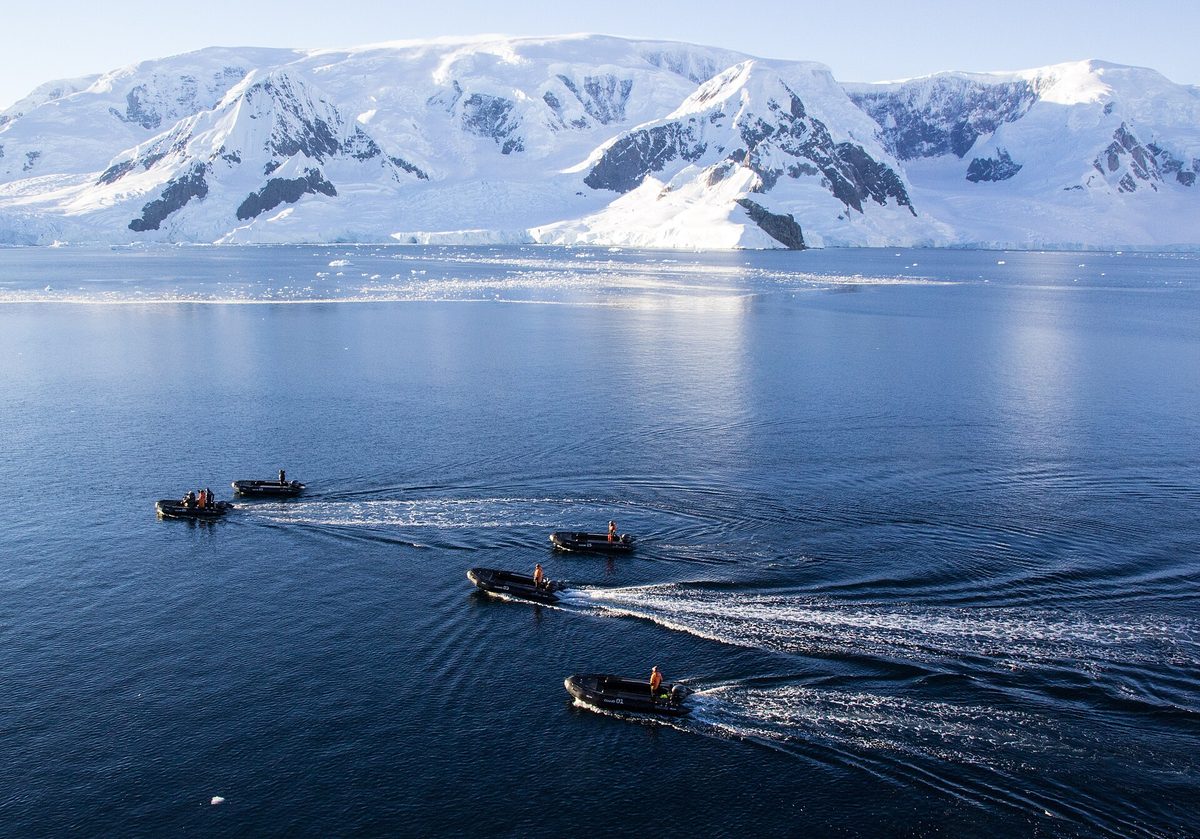
The polar plunge, together
Leaping into water hovering around freezing, hand in hand, then howling with laughter and adrenaline as you scramble back out — this is the kind of shared, slightly mad moment that becomes a marriage’s private legend. You absolutely do not have to do it, but the couples who do never stop talking about it. See our take on the Antarctica polar plunge if you are tempted.
Vow renewals and ceremonies
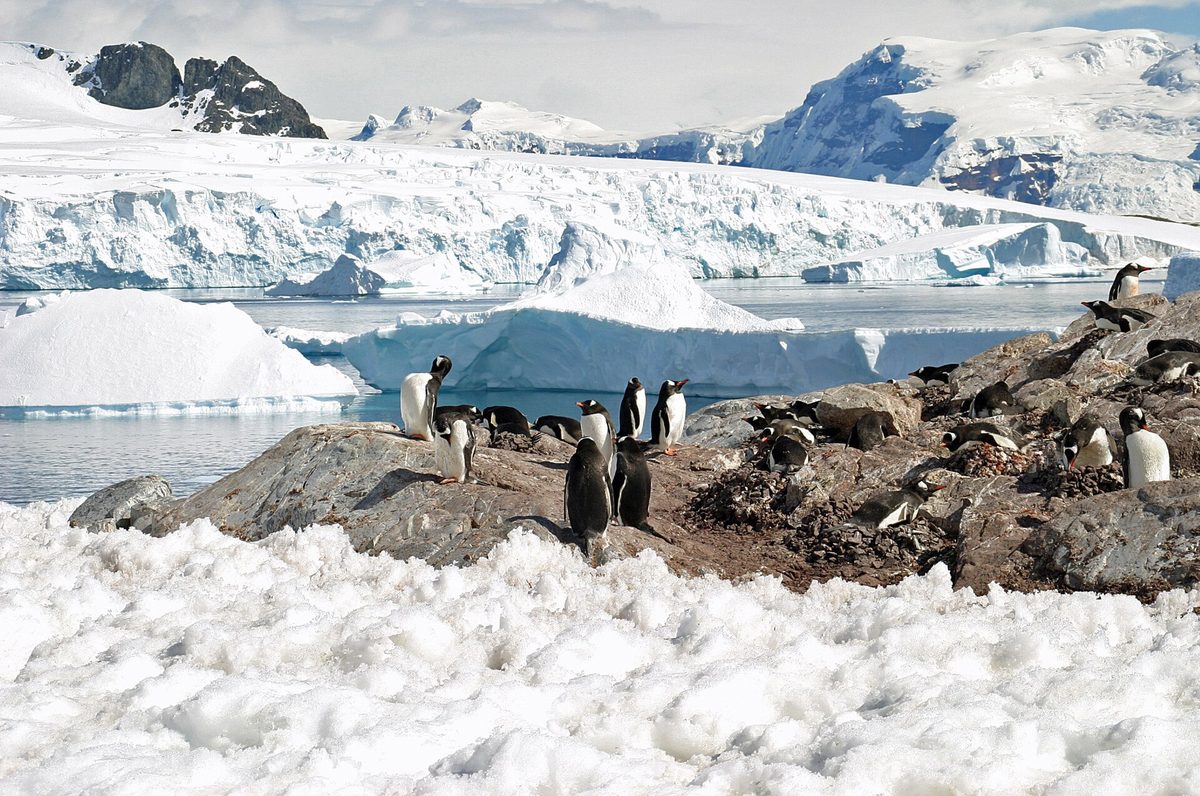
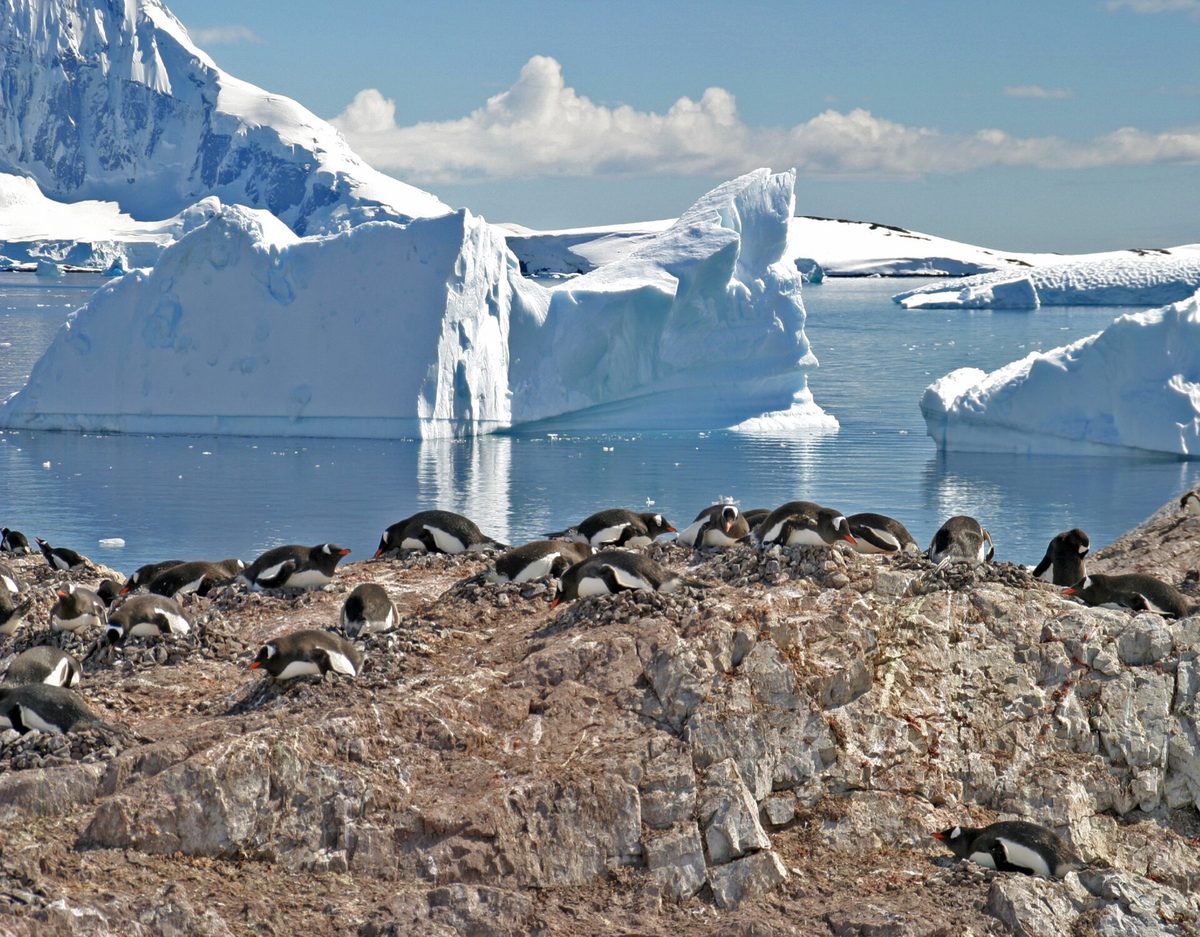
A number of operators will, with notice, help arrange a vow renewal or a small ceremony on deck or ashore — sometimes with champagne, sometimes with a penguin colony as an unlikely congregation. I have seen a couple renew their vows on a snowy beach in falling flakes, witnessed by gentoos going about their business, and there was not a dry eye on the Zodiacs. If this appeals, raise it early with your operator; arrangements vary, are weather-dependent, and should be confirmed in writing, but when it works it is magical.
Wildlife you watch together
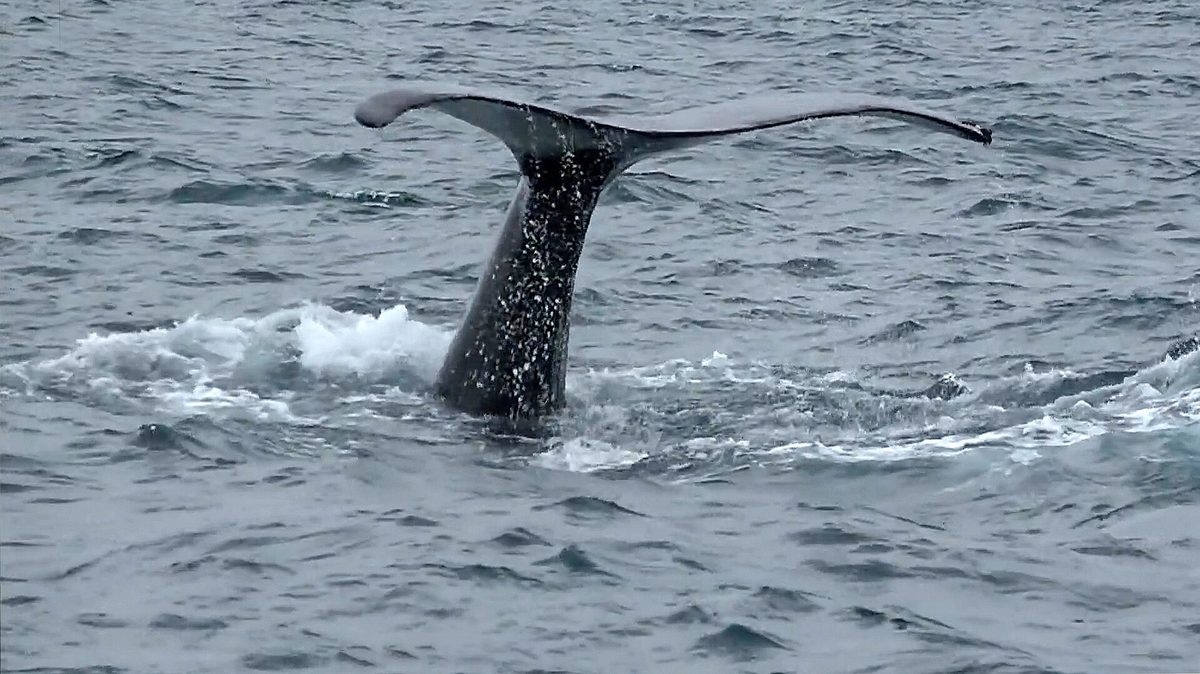
And then there is simply the wildlife. Sitting quietly at a respectful distance while a penguin colony bustles around you, watching a whale lift its fluke and slide under, locking eyes with a curious seal on an ice floe — experiencing all of this shoulder to shoulder with your partner is its own quiet romance. Our Antarctica wildlife guide covers what you are likely to see, and penguin-lovers should not miss the Antarctica penguins rundown.
Activities to share on your honeymoon
Beyond the included landings and Zodiac cruises, most expedition ships offer optional adventures you can book — and doing one together is a wonderful honeymoon memory. Spaces are limited and often sell out, so reserve at booking.
- Sea kayaking: paddling side by side through still water dotted with ice, away from the engine noise, is sublimely peaceful and romantic. Our kayaking in Antarctica guide explains the fitness and experience needed.
- Camping ashore: a handful of operators let small groups spend a night camped on the ice. Snuggled in a bivvy bag under the polar sky with your new spouse is unforgettable — see camping in Antarctica.
- Photography: if you both love a camera, the light here is extraordinary. A dedicated Antarctica photography trip or a photo-focused departure can elevate the whole experience.
- Hiking and snowshoeing: guided walks to a viewpoint reward you with a panorama you earned together.
For the full menu, browse our overview of things to do in Antarctica.
Planning your honeymoon: the practical checklist
The romance is the easy part. A smooth honeymoon takes a little planning, especially for a trip this remote. Here is what I tell every couple.
Book early — really early
The 2026–27 season is in genuinely high demand, with new small ships and more air-cruise options than ever, but the best cabins on the best departures sell out a year or more ahead. For a honeymoon, where you want a specific cabin and date, book as far in advance as you can. Operators worth knowing include Lindblad-National Geographic, HX, Antarctica21, Aurora Expeditions, and specialist agents like Swoop and EverBlue — but always compare and read the fine print.
Give yourself a buffer
Build in at least one night in Ushuaia or Punta Arenas before your ship departs. Flights to the bottom of South America are long and occasionally disrupted, and missing your departure is the one mistake you genuinely cannot recover from. The buffer night also lets you arrive rested and start the honeymoon relaxed rather than frazzled.
Pack for warmth, not glamour
This is not a trip for honeymoon lingerie photoshoots on a balcony — it is layers, waterproofs, and warm boots. Operators usually lend or provide a parka and loan boots; you bring the layers underneath. Do not forget a swimsuit for the polar plunge and the hot tub. Our what to pack for Antarctica guide and the detailed Antarctica packing list have you covered.
Sort insurance and health early
Comprehensive travel insurance that explicitly covers Antarctica and emergency medical evacuation is non-negotiable — many operators require it. If either of you has health concerns, check the fitness requirements for landings and activities.
Manage the seasickness question honestly
If your partner is a nervous sailor, do not gamble the honeymoon on a calm Drake crossing. Either choose a fly-cruise, or come prepared with medication, patches, and wristbands. The Drake can be glassy ("Drake Lake") or genuinely rough ("Drake Shake"), and you cannot predict which you will get.
Who an Antarctica honeymoon suits — and who it doesn’t
I am a believer in honest advice, and that means telling you when this trip is not the one.
It is perfect for couples who…
- Are energised by adventure, wildlife, and dramatic landscapes more than by sunbathing.
- Want a once-in-a-lifetime story to start their marriage with.
- Genuinely enjoy each other’s company without constant distraction — you will have a lot of together-time.
- Have the budget, or are happy to prioritise this over a flashier wedding or two smaller trips.
- Are reasonably mobile and up for climbing in and out of Zodiacs and walking on uneven, snowy ground.
It is probably not for couples who…
- Dream of a honeymoon that is about total rest, spa days, and doing nothing — this is an active expedition.
- Want guaranteed warmth, beaches, and nightlife.
- Have a strict, modest budget where the cost would cause real stress — a honeymoon should not start a marriage in financial anxiety.
- Cannot tolerate uncertainty — weather dictates the itinerary here, and plans change daily.
If you are unsure where you fall, our hub on planning Antarctica for every traveler compares trips by traveller type, and first-timers should read Antarctica for the first time to know what to expect.
Antarctica honeymoon ideas for different couples
One of the things I love about this trip is how it flexes to fit very different partnerships. A few honeymoon shapes I have seen work beautifully.
The adventurous couple
Stack the optional activities: kayak together, camp on the ice for a night, do the polar plunge, take every landing. Choose a true expedition ship that maximises time ashore. This is the high-energy honeymoon, and it is exhilarating.
The comfort-loving couple
Pick a premium ship with a balcony cabin, a sauna, fine dining, and lecturers, and let the expedition come to you in comfort. You will still land and still see everything — you will just do it with a hot tub waiting back on board.
The time-poor couple
Take the fly-cruise from Punta Arenas, skip the Drake, and compress the magic into under a week. Less sailing, more certainty, and you are home before your leave runs out.
The photography-obsessed couple
Go in the shoulder months for dramatic light and book a photo-focused departure. You will spend your honeymoon chasing the same golden hour, which for the right pair is pure joy.
Frequently asked questions
Is Antarctica a good honeymoon destination?
For the right couple, it is exceptional. If you both love adventure, wildlife, and dramatic scenery more than beaches and spa days, an Antarctica honeymoon delivers awe, total disconnection from the outside world, and a once-in-a-lifetime story to start your marriage. It is not relaxing in the conventional sense, but it is deeply romantic and utterly unforgettable.
How much does an Antarctica honeymoon cost?
Plan for roughly $8,000 to $15,000 or more per person for a classic Peninsula voyage, depending on the ship, cabin grade, and trip length. Balcony cabins, suites, fly-cruises, and longer South Georgia itineraries cost more. On top of the fare, budget for flights to South America, a buffer night before embarkation, insurance, tips, and optional activities.
When is the best time to honeymoon in Antarctica?
The season runs November to March. November brings pristine snow, courting penguins, and fewer ships; December and January offer the warmest weather, longest daylight, and penguin chicks; February and March bring active whales and often lower fares. For long romantic evenings on deck, peak summer (December–January) is hard to beat, but every month has its own appeal.
Can you get married or renew your vows in Antarctica?
Some expedition operators can help arrange a vow renewal or symbolic ceremony on deck or ashore, often with champagne and sometimes with penguins nearby, if you give plenty of notice. A legally binding wedding is far more complicated given Antarctica’s special legal status, so most couples opt for a symbolic ceremony or vow renewal. Always confirm the details directly and in writing with your operator, as arrangements vary and depend on weather.
How long should an Antarctica honeymoon be?
Allow about two to three weeks in total. A classic Peninsula voyage runs roughly 10 to 14 days at sea, plus travel days to and from South America and a buffer night before you embark. A fly-cruise can compress the trip to around a week if time is tight, while adding South Georgia pushes the voyage itself toward three weeks.
Do we have to cross the Drake Passage?
Not necessarily. If you sail from Ushuaia you will cross the Drake Passage, which can be calm or rough. If seasickness worries you or your partner, choose a fly-cruise (air cruise) from Punta Arenas, which flies you across to the South Shetlands and skips the open-ocean crossing entirely. It costs more and depends on weather for the flights, but it removes the biggest source of discomfort.
Is Antarctica too cold for a comfortable honeymoon?
It is colder than a tropical honeymoon, but the austral summer on the Peninsula is milder than people expect, often hovering around or a little above freezing. With good layers and the parka most operators provide, you will be comfortable on deck and ashore. Ships are warm and cosy, and many have hot tubs or saunas, so you are never cold for long.
What should we book ahead of time for a honeymoon?
Book the voyage itself and your preferred cabin as early as possible, ideally a year or more out for peak departures. Reserve optional activities like kayaking or camping at the same time, as they sell out. Sort travel insurance with evacuation cover, your flights to South America, a buffer night before embarkation, and tell your operator it is your honeymoon so they can add any thoughtful touches.
Is an Antarctica honeymoon safe?
Expedition travel to Antarctica is well-established and run by experienced operators with strong safety records, trained guides, and strict protocols. The main risks are weather-related delays and the cold, both of which are managed carefully. Comprehensive insurance with medical evacuation is essential and often required. As with any adventure travel, follow your guides’ instructions and you will be in very capable hands.
Final thoughts
I have stood on a lot of decks at the bottom of the world, and the couples I remember most are not the ones who spent the most money — they are the ones who looked at each other, wide-eyed, in front of something enormous and beautiful, and knew they would never forget it. That is what an antarctica honeymoon gives you: not a tan, but a shared sense of wonder that you will carry for the rest of your marriage. If you are the kind of couple who would rather collect a once-in-a-lifetime memory than a resort wristband, book the trip. Tell them it is your honeymoon. Hold hands at the bow rail as the ice slides by. You will be glad you started here.