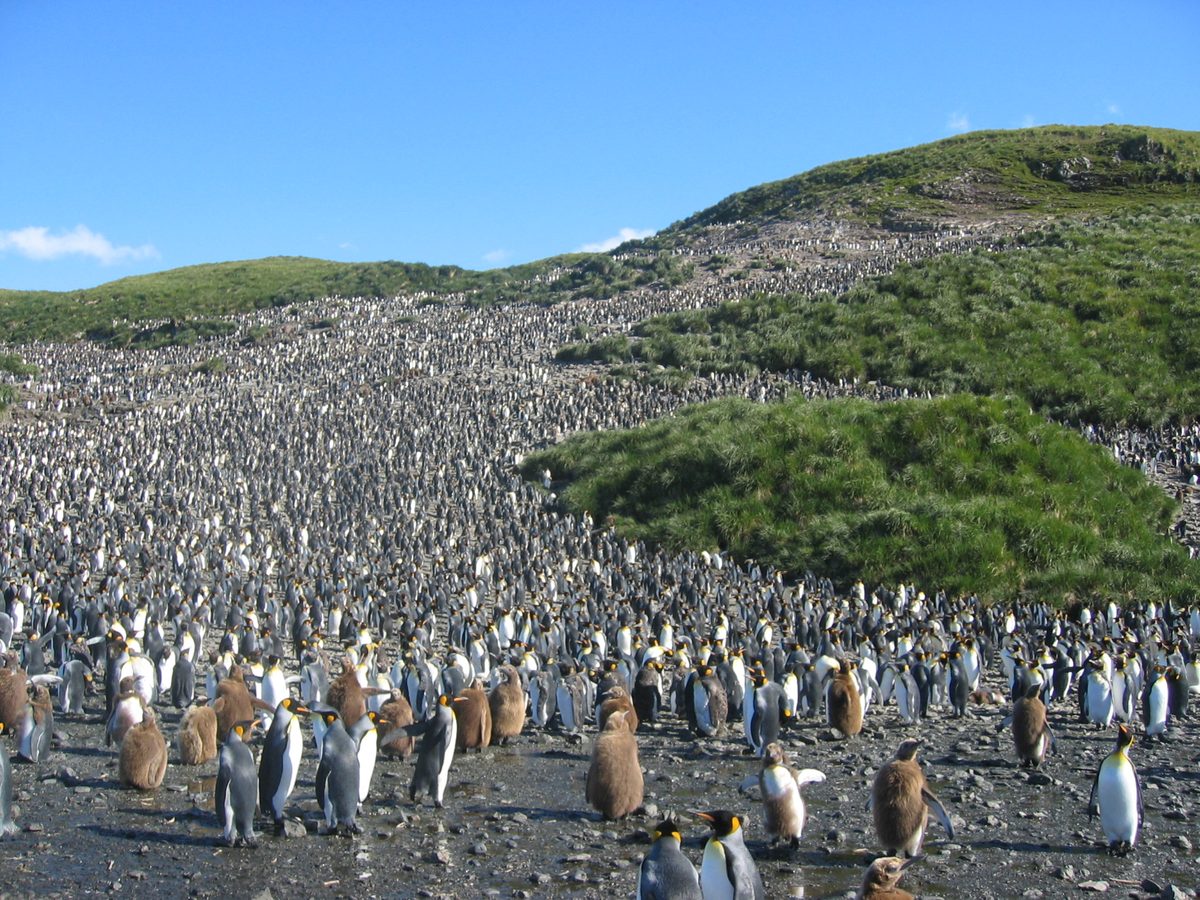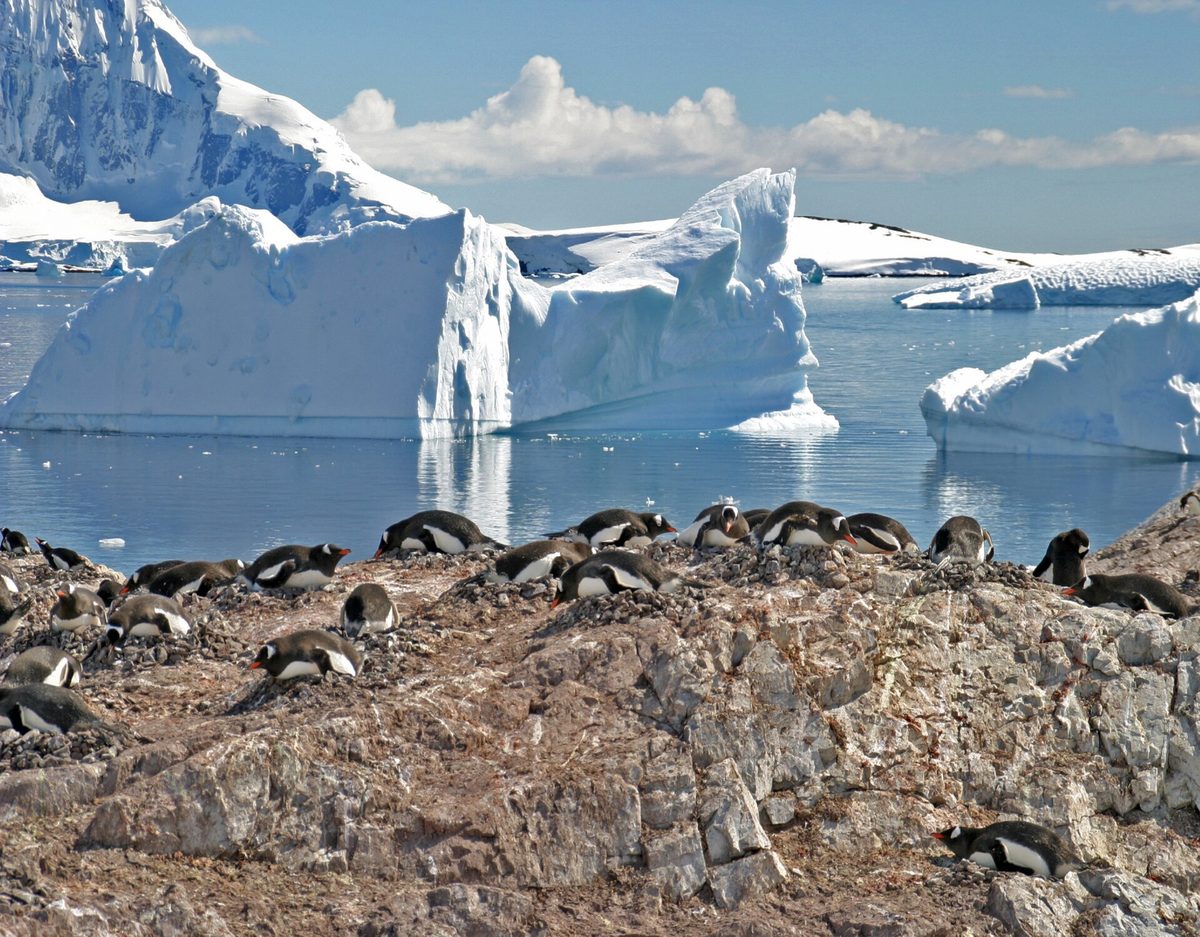
Taking your family to the bottom of the world sounds like the kind of trip people only dream about — and then quietly file under “someday.” But planning a trip to antarctica with kids is more achievable than most parents imagine, provided you choose the right voyage, the right season, and the right age for your children. I have sailed south many times, often on ships carrying a handful of families, and I can tell you the sight of a ten-year-old crouched on a beach while a curious gentoo penguin waddles up to inspect their boots is one of the purest joys this kind of travel offers. There is nothing quite like watching a child fall in love with the wild.
That said, this is not a casual family holiday, and it would be dishonest to pretend otherwise. Antarctica is cold, remote, expensive, and physically demanding in small but constant ways. Expedition ships are built for adult travellers, the days are long and active, and the famous Drake Passage can flatten the hardiest stomach. This guide walks through everything I wish someone had told me before bringing younger travellers along: whether it is suitable for your family at all, what minimum ages to expect, how to pick a family-friendly departure, when to go, what it costs, how to keep children genuinely engaged, and how to keep everyone safe and warm. My goal is to help you decide honestly — not to sell you a postcard.
Is Antarctica a good idea for a family trip at all?
Let me start with the honest answer: it depends enormously on your kids, and far less on Antarctica itself. The continent will deliver no matter what — the wildlife is staggering, the scenery is on a scale that humbles adults let alone children, and the sense of having reached the edge of the map never wears off. The real question is whether your particular children are ready to meet a place like this on its own terms.
In my experience, the families who come away glowing have one thing in common: their kids already love the outdoors and, especially, animals. A child who lights up at a wildlife documentary, who is happy bundled up in the cold, and who can entertain themselves through a quiet hour will thrive. A child who needs constant screens, struggles with unstructured time, or hates being cold will find the long sea days and the bracing landings a slog — and a miserable child can quietly unravel an otherwise spectacular trip for everyone. Be honest with yourself about which description fits.
It also helps to set expectations about pace. This is not a theme park with a new thrill every fifteen minutes. The rhythm is slow and weather-dependent: you might spend a morning watching the same colony, or an afternoon scanning grey water for the blow of a whale that may or may not appear. For the right child, that patience is part of the magic. For the wrong one, it is purgatory. If you are weighing this against other big trips, our overview of Antarctica for every traveller is a useful place to see how a family voyage compares with honeymoons, solo trips, and group departures.
Planning a trip to Antarctica with kids: minimum ages and what operators allow
This is the first practical hurdle, and it surprises a lot of parents. There is no single rule — minimum ages vary by operator, and you cannot assume your family will be welcome on any ship you fancy. As a rough guide, many expedition companies set their minimum somewhere around six to eight years old, while a good number simply do not accept children under twelve at all. Always check the specific operator’s policy before you fall in love with an itinerary, because the small print here is genuinely binding.
Air-cruise operators add their own physical thresholds on top of an age number, and for good reason — flying the Drake Passage to a gravel airstrip and then boarding Zodiacs is a different proposition from a standard cruise. Antarctica21, for example, typically welcomes children aged eight and over who are at least 1.20 m tall and weigh at least 30 kg, and who travel accompanied by a responsible adult. Those height and weight minimums exist because a child needs to fit a life jacket properly and be physically capable of clambering in and out of an inflatable boat in cold, wet conditions. Expect similar conditions elsewhere, and read them as safety requirements rather than bureaucratic hoops.
If you want my personal view, I would lean toward waiting until children are around ten to twelve or older unless they are an unusually outdoorsy, wildlife-mad kid. At that age they can remember the trip vividly for the rest of their lives, follow the naturalists’ talks, handle the cold and the early starts, and get real meaning from what they are seeing. Younger than that and you are often paying a great deal for a child who will retain fragments at best. None of this is a hard rule — I have seen wonderful eight-year-olds — but it is the pattern I have watched play out again and again.
A rough age-readiness guide
Every child is different, so treat the table below as a starting point for an honest family conversation rather than a verdict. The right answer is the one that matches your own children’s temperament and stamina.
| Age band | Typical fit for an Antarctica expedition |
|---|---|
| Under 6 | Rarely permitted and rarely advisable. Ships and landings are not built for toddlers or very young children. |
| 6–8 | Allowed by some operators, often with height/weight minimums. Best only for exceptionally calm, outdoorsy children with patient parents. |
| 9–12 | Often the sweet spot. Old enough to engage deeply, remember it forever, and handle long active days; young enough to be awe-struck. |
| 13–17 | Excellent, especially on departures with kayaking, photography, or citizen-science add-ons that channel teenage energy. |
Choosing a family-friendly voyage
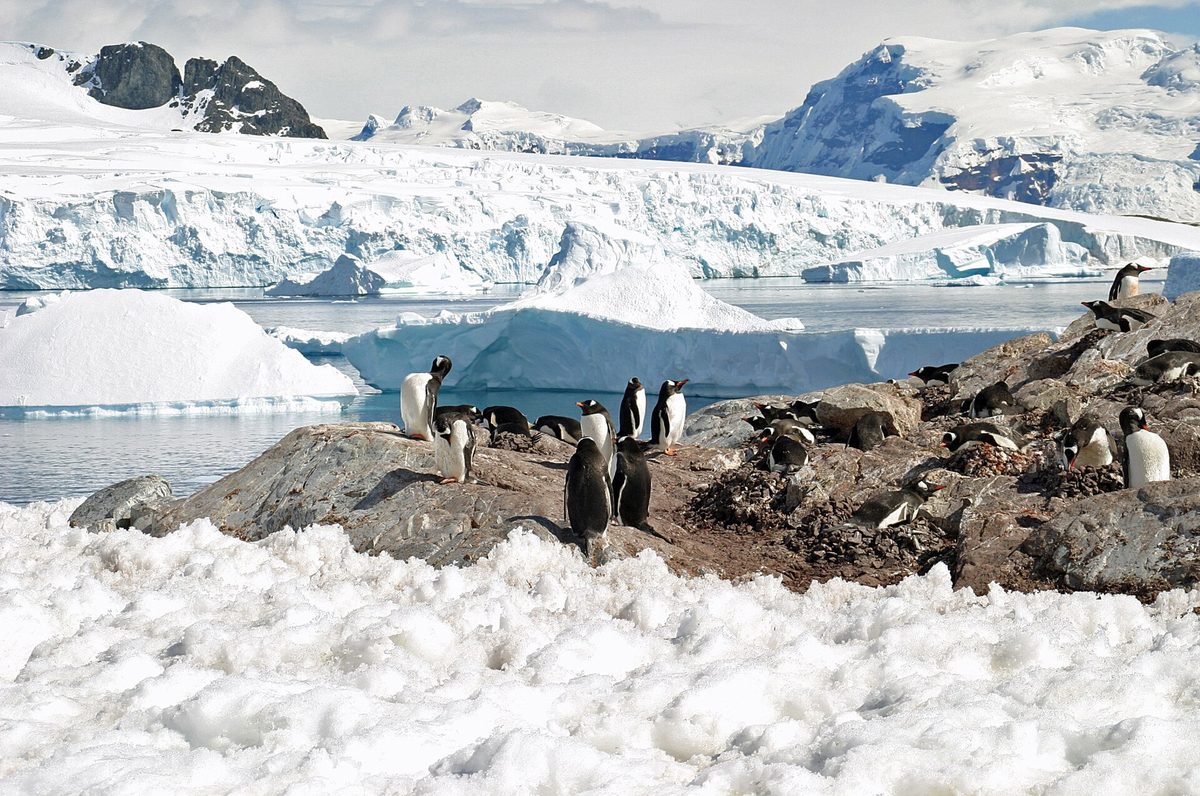
Not all expeditions are equal when it comes to families, and choosing well is more than half the battle. Some operators run dedicated family departures with extra activities, younger-traveller programmes, and a crew used to having children aboard. Others are aimed squarely at adults — serious photographers, retirees, honeymooners — and while children may technically be allowed, the atmosphere and pacing will not suit them. The single best decision you can make is to book a voyage designed with families in mind.
Look for a few specific things. First, dedicated family departures: companies known for these — Lindblad Expeditions in partnership with National Geographic is the classic example — schedule certain sailings specifically for families and bundle in junior expedition programmes, hands-on science, and activities pitched at younger ages. Second, the activity mix: voyages that offer kayaking, photography coaching, and citizen-science projects give kids and teens something active to sink their teeth into between landings. Third, the ship size and culture — smaller expedition ships mean more landings and a more intimate, where the expedition team gets to know your children by name.
It is worth reading widely before you commit. Our guides to Antarctica cruises and the different cruise itineraries will help you understand what a typical voyage looks like, while the rundown of expedition ships explains how vessel size shapes the experience. If anyone in your family is prone to seasickness, pay close attention to the next point, because it can be the deciding factor.
Fly-cruise versus sailing the Drake
Most classic voyages cross the Drake Passage by ship: two days of open ocean each way between South America and the Peninsula. The Drake can be glassy calm or genuinely rough, and there is no way to know which you will get until you are in it. For adults this is part of the adventure; for a seasick-prone child it can mean two days of misery bookending the trip. Fly-cruise (air-cruise) options skip the crossing by flying directly to the South Shetland Islands and boarding the ship there, which can be a game-changer for families with queasy stomachs. The trade-offs are a higher price, weather-dependent flights that can shift the schedule, and those stricter age and size minimums. Our deep dive on the Drake Passage and the practicalities of flights to Antarctica will help you weigh which approach fits your crew.
Best time to go to Antarctica with children
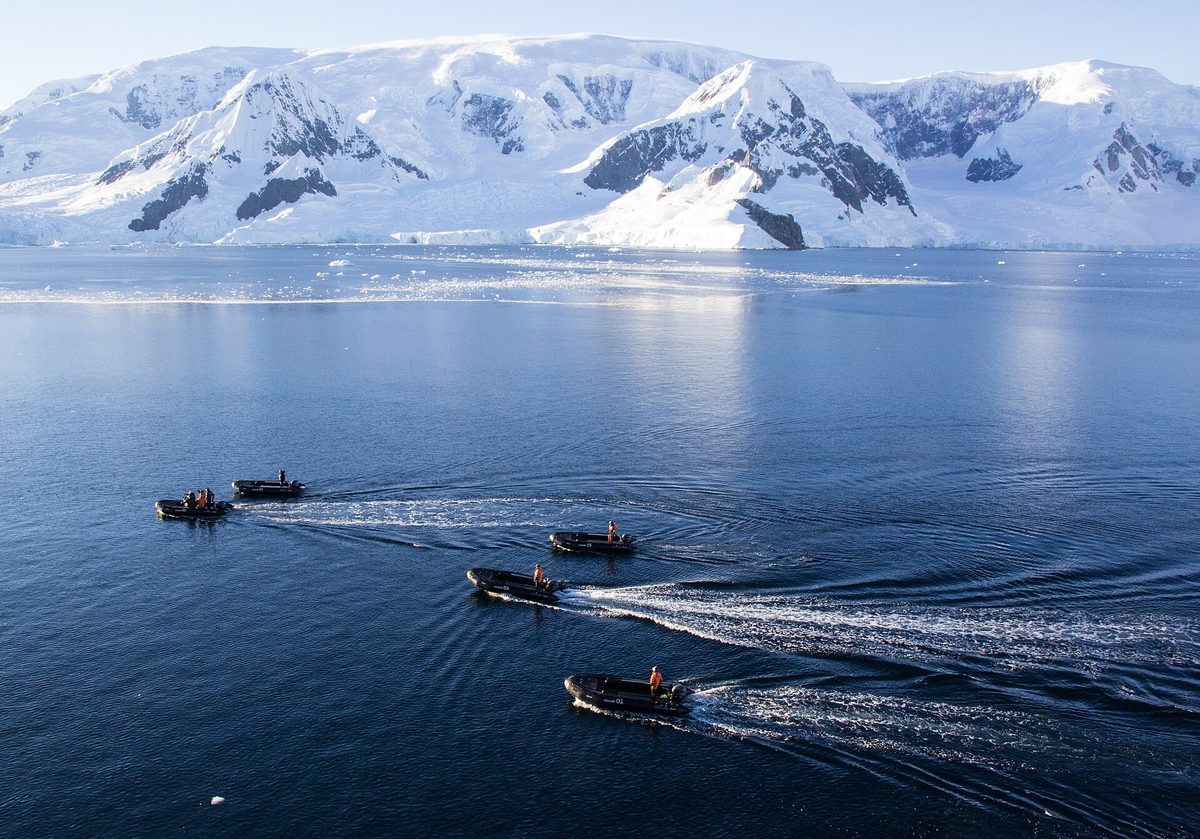
If you have school-age children, your timing is partly decided for you by the academic calendar — and happily, that lines up well with the best family window. The Antarctic travel season runs roughly from late October to March, and for families I almost always steer people toward December and January. Here is why those mid-summer months work so well for younger travellers.
- Penguin chicks. By December and January the colonies are full of fluffy chicks, and nothing on earth holds a child’s attention like a wobbling penguin chick begging its parent for food. This is the single biggest reason to favour midsummer with kids.
- The warmest temperatures. “Warm” is relative in Antarctica, but the Peninsula in high summer is at its most forgiving, which makes the cold far more manageable for small bodies.
- Very long daylight. Near-endless summer light means more time on deck, more flexibility for landings, and golden evenings that feel magical to children.
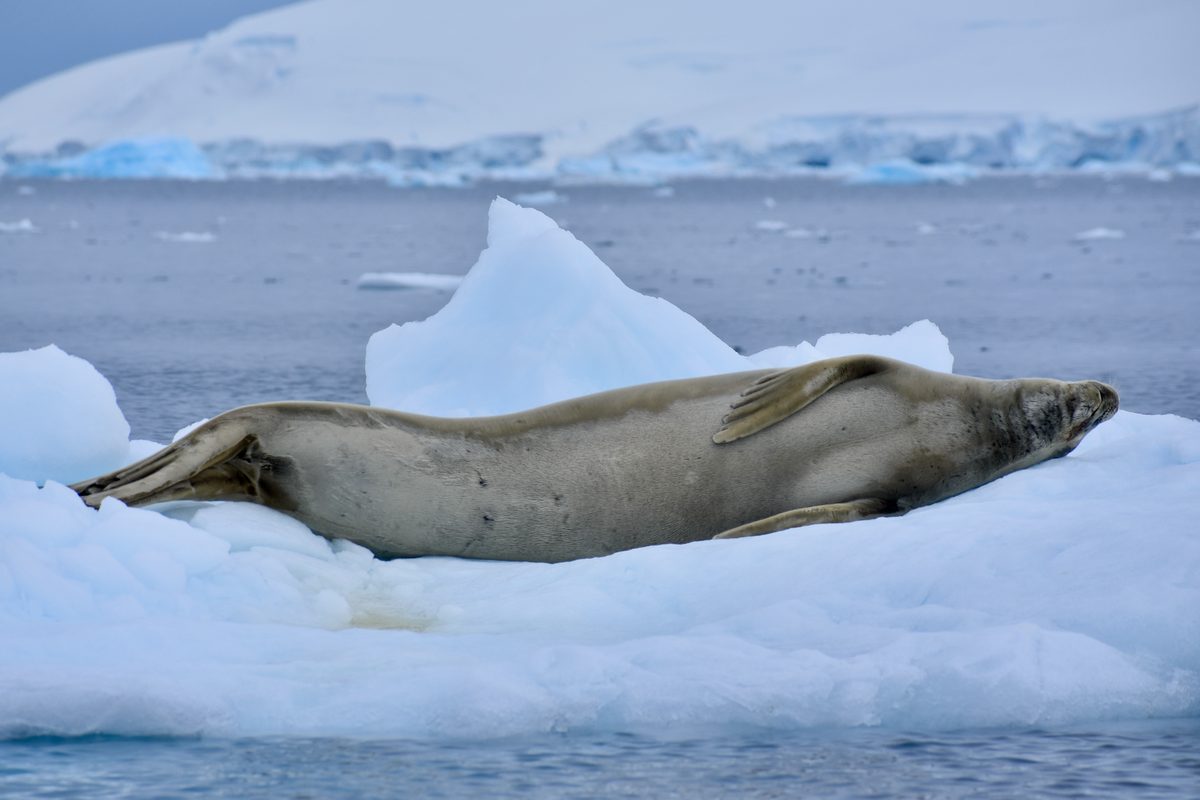
- Active wildlife. Seals haul out on the ice, and whale sightings build through the season, so there is plenty of movement to keep eyes glued to the water.
Earlier in the season (November) you get pristine snow and dramatic ice but colder, quieter colonies; later (late February into March) is prime whale-watching but the chicks have grown and some colonies thin out. For the classic, chick-filled, kid-pleasing experience, midsummer is hard to beat. For a fuller breakdown by month, see our guide to the best time to visit Antarctica.
Costs and cabins: what families should budget
There is no gentle way to say it — Antarctica is expensive, and bringing children does not make it cheaper. In most cases kids pay a similar fare to adults, because the cost is driven by the ship, the fuel, the expedition staff, and the strict passenger limits, not by how much space a small person occupies. That said, there are a few levers that make a family voyage more affordable than a naive sum suggests.
- Triple and quad cabins. Many ships offer cabins that sleep three or four, so a family can share one room rather than booking adult-priced singles. This is usually the biggest single saving for families.
- Occasional child reductions. Some operators offer modest discounts for children on certain departures, and a few family-focused sailings build in reduced child fares. These come and go, so ask directly.
- Sharing avoids the single supplement. Solo adult travellers often pay a hefty single supplement; a family sharing cabins sidesteps that entirely, which quietly improves the per-person maths.
- Fly-cruise trade-offs. Air-cruises cost more up front but are shorter, which can suit families who cannot take three weeks away — and they spare you the Drake.
Beyond the fare itself, budget for the gear children grow out of, flights to the departure port (usually Ushuaia in Argentina), a night or two of hotels either side, and comprehensive travel insurance that covers polar evacuation. For a realistic picture of the full outlay, our breakdown of Antarctica trip cost goes through the numbers line by line so nothing blindsides you.
Keeping kids engaged on board and ashore
This is where a family trip is won or lost, and the good news is that Antarctica does most of the heavy lifting for you. The trick is to lean into what already captivates children and give them small jobs and tools that turn them from passengers into participants.
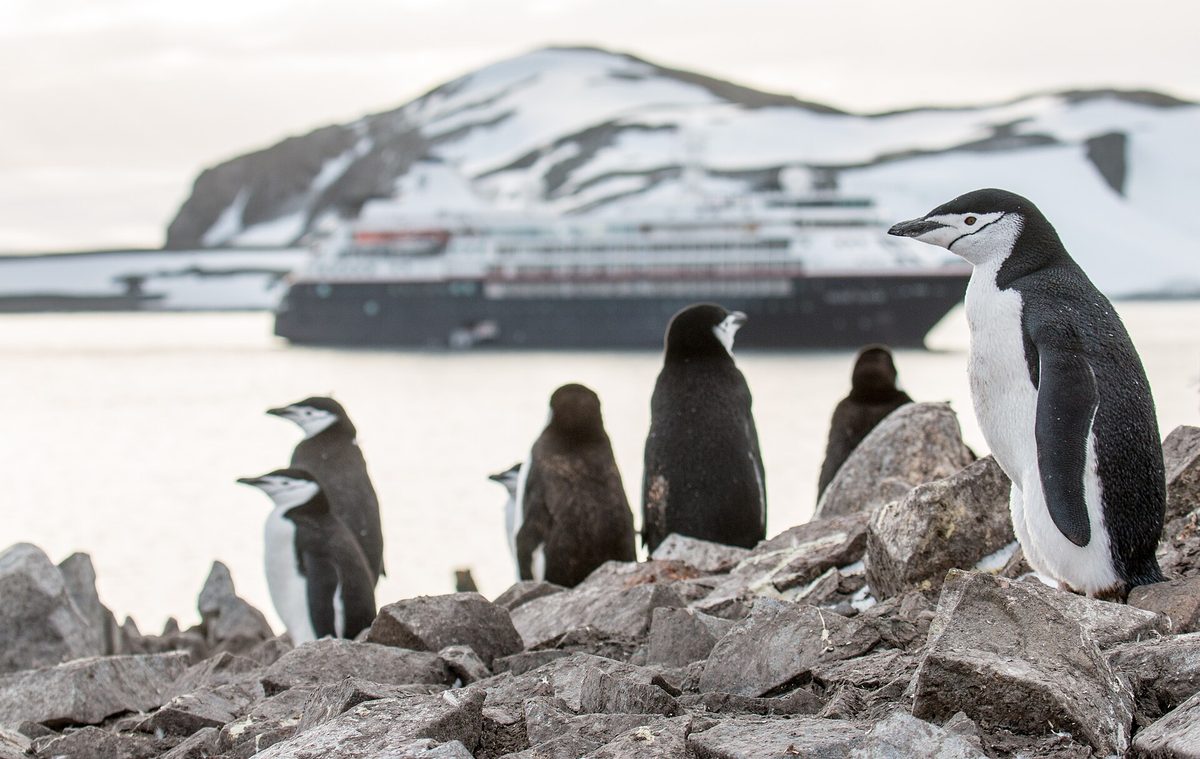
Penguins are the universal kid-magnet, full stop. Every landing near a colony is a guaranteed hit, and the comedy of penguin behaviour — the squabbles, the pebble-stealing, the belly-flops — never gets old. Build your child’s anticipation around them and you will rarely have a dull moment ashore. To stoke that excitement before you even sail, read up together on Antarctica’s penguins and the wider Antarctic wildlife they will meet.
Practical ways to keep children involved
- Junior expedition programmes. On family departures, naturalists run kid-pitched talks, quizzes, and hands-on sessions. Encourage your children to attend — the staff are brilliant at making science thrilling.
- Their own binoculars. A child with their own pair of binoculars feels like a real explorer and stays glued to the rails. It is the best small piece of kit you can pack.
- A trip journal. Give each child a notebook to log sightings, sketch icebergs, and stick in tickets and stamps. It deepens engagement and becomes a treasured keepsake.
- Citizen science. Many voyages let guests help count wildlife or log observations; teenagers in particular love contributing to something real.
- Active add-ons. Where age allows, kayaking or a guided shore walk burns off energy and turns a passive cruise into an adventure. Browse the full menu of things to do in Antarctica to see what might suit your kids.
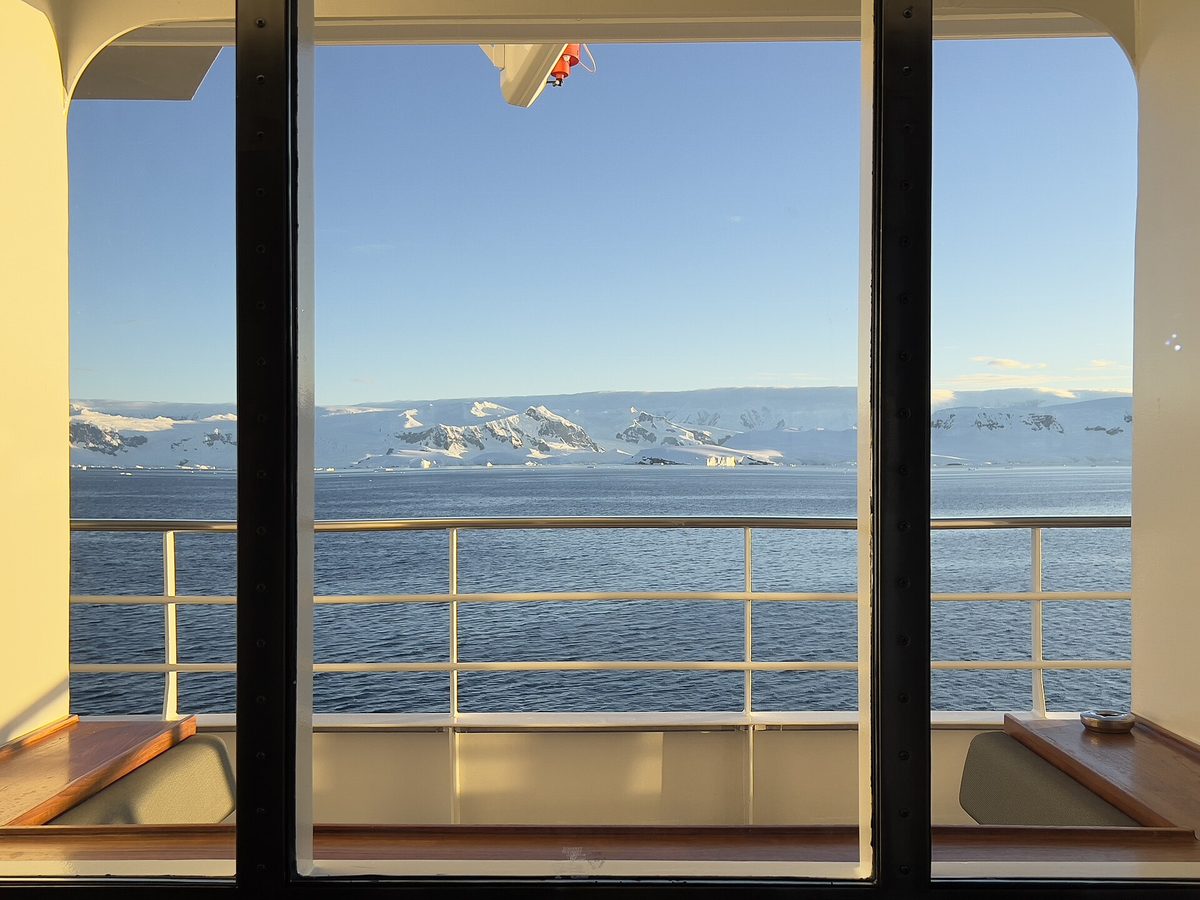
One more tip from hard-won experience: do not over-schedule. Children need downtime between landings, and a tired child is a cranky one. Let them nap, draw, or simply stare out of a window. The continent will still be spectacular after a quiet hour.
Safety: the things that matter most
Safety is where I become a stickler, because Antarctic ships and shores carry hazards that a busy parent can underestimate. Expedition vessels are emphatically not designed for young children. Railings are set at adult height, decks get slippery and wet, stairwells are steep, and the ship moves in a seaway. Zodiac landings are frequently wet, involving a swing of the leg over the side of an inflatable into shallow, freezing water, sometimes onto slick rock. The days are long and active, and the cold is relentless and sneaky. None of this is a reason to stay home with a sturdy older child — but with a very young one it is a serious consideration.
A few rules I would insist on with any family. Children must wear their life jackets correctly on every Zodiac transfer, no exceptions, which is exactly why height and weight minimums exist. On deck and ashore they should stay within arm’s reach of a parent near railings, water, and wildlife. Everyone follows the expedition team’s briefings to the letter — they are not box-ticking, they are keeping your family alive in a place with no quick rescue. And watch relentlessly for cold: kids lose heat faster than adults and often will not say they are freezing until they are genuinely cold, so check hands, feet, and faces often.
It is also worth being clear-eyed about fitness. You do not need to be an athlete, but everyone in the family should be able to manage uneven, slippery ground, steps in and out of Zodiacs, and several hours of cold-weather activity. If you are unsure how your crew measures up, our guide to Antarctica fitness requirements sets out what landings actually demand of a body.
What to pack for children
Packing for kids in Antarctica is the same layering puzzle as for adults, with two extra wrinkles: children feel the cold faster, and they grow, so borrowing or buying second-hand makes sense for gear they will wear once. The non-negotiable principle is layering — a moisture-wicking base layer, a warm insulating mid-layer, and a waterproof, windproof outer shell, topped with the accessories that protect the bits that freeze first.
- Warm, waterproof outer layers. Many operators lend an expedition parka, but you will usually need to bring or rent waterproof trousers and good waterproof boots for landings. Confirm what your operator provides for children specifically.
- Multiple thermal base and mid layers. Several thin layers beat one thick one and let you fine-tune as the day warms or cools.
- Hats, neck gaiters, and two pairs of waterproof gloves. Spares matter — wet gloves on a child are a fast route to a cut-short landing.
- Warm, waterproof socks. Cold feet end outings quickly; pack plenty and keep a dry pair in reserve.
- Strong sun protection. The polar sun is fierce off snow and water; bring high-factor sunscreen, lip balm, and sunglasses or goggles that actually fit a small face.
- Seasickness remedies. If you are sailing the Drake, talk to your doctor in advance about child-appropriate options.
- Entertainment for sea days. Books, sketch pads, card games, and a downloaded film or two make the crossings painless.
For the complete, adult-and-child layering system, lean on our detailed what to pack for Antarctica guide — the principles translate directly to kids, just sized down and with extra spares.
Who a family Antarctica trip really suits
After all the caveats, let me be encouraging, because the right families have the trip of their lives. This journey suits households with school-age or teenage children who genuinely love wildlife and the outdoors, who can cope with cold and quiet, and who will draw lasting meaning from standing among a penguin colony at the end of the world. It suits parents willing to do their homework — to choose a family departure, pick midsummer, and pack properly — rather than treating it as a turn-up-and-relax holiday.
It suits, too, families chasing a once-in-a-lifetime shared experience: a trip that bonds you over something genuinely rare, that pulls everyone off their screens, and that your children will be telling their own kids about decades later. For multi-generational groups, it can be magical — though grandparents should glance at our notes on Antarctica for seniors to plan their own comfort, and the wider piece on whether you can visit Antarctica at all is a reassuring primer for first-timers of every age.
Who should think twice? Families with toddlers or very young children, families where a child hates the cold or cannot self-entertain, and anyone hoping for a fast-paced, constantly-stimulating itinerary. There is no shame in deciding to wait a few years until the kids are older — the continent is not going anywhere, and a slightly older child will get vastly more from it.
Frequently asked questions about Antarctica with kids
What is the minimum age to visit Antarctica?
There is no universal minimum — it varies by operator. Many set their floor around six to eight years old, while a good number do not accept children under twelve at all. Air-cruise operators often add height and weight minimums (for example, eight years old, at least 1.20 m tall and 30 kg) so a child can wear a life jacket and manage Zodiac transfers safely. Always confirm the specific policy before booking.
What is the best age to take a child to Antarctica?
In my experience the sweet spot is roughly ten to twelve and up. At that age children can follow the naturalists’ talks, handle long active days and cold, remember the trip vividly for life, and draw real meaning from the wildlife. Younger children can certainly enjoy it if they are calm and outdoorsy, but you are paying a great deal for memories they may only partly retain.
When is the best time to take kids to Antarctica?
December and January are ideal for families. The colonies are full of fluffy penguin chicks, temperatures on the Peninsula are at their most forgiving, daylight is nearly endless, and wildlife is active. These months also tend to align with school holidays, which is convenient for term-time families.
Do children pay full price for Antarctica cruises?
Usually children pay a fare similar to adults, because the cost is driven by the ship and the strict passenger limits rather than by a person’s size. Families can soften the blow with triple or quad cabins, the occasional child reduction on family departures, and by sharing cabins to avoid single supplements. Ask each operator directly about child pricing.
Is the Drake Passage too rough for kids?
It can be. The crossing takes about two days each way and ranges from calm to genuinely rough, with no way to predict which you will get. For a seasickness-prone child it can be unpleasant. If that is a concern, consider a fly-cruise that skips the Drake by flying to the South Shetlands, and speak to your doctor about child-appropriate seasickness remedies before you travel.
Are Antarctica expedition ships safe for children?
They are safe for capable older children when families follow the rules, but the ships are designed for adults — high railings, wet slippery decks, and wet Zodiac landings. With a sturdy, sensible child of ten or more it is very manageable; with a toddler or very young child it is genuinely risky. Insist on correct life-jacket use, constant supervision near railings and water, and strict adherence to the expedition team’s briefings.
How do you keep children entertained on an Antarctica trip?
Penguins do most of the work, but pack your child their own binoculars and a trip journal, encourage them into the junior expedition and citizen-science programmes, and book a departure with active add-ons like kayaking or shore walks where age allows. For the inevitable sea days, bring books, sketch pads, card games, and a couple of downloaded films.
Should we choose a dedicated family departure?
If you can, yes. Family departures — Lindblad Expeditions with National Geographic is the best-known example — are staffed and paced for children, with junior programmes and kid-friendly activities built in. The atmosphere on an adult-focused sailing, by contrast, can leave children feeling out of place even where they are technically allowed.
Final thoughts
A trip to antarctica with kids is not the easy option, and I would never pretend it is. It asks for the right children, careful planning, a properly chosen voyage, and a clear head about cold, cost, and safety. But get those things right and there is no greater gift you can give a young traveller than the moment a penguin waddles up to say hello at the bottom of the world — a memory that outlasts every other holiday, and a spark of wonder that can last a lifetime. If your kids love the wild, are old enough to meet this place on its terms, and you are willing to do the homework, I would encourage you to go. You will all come home changed.