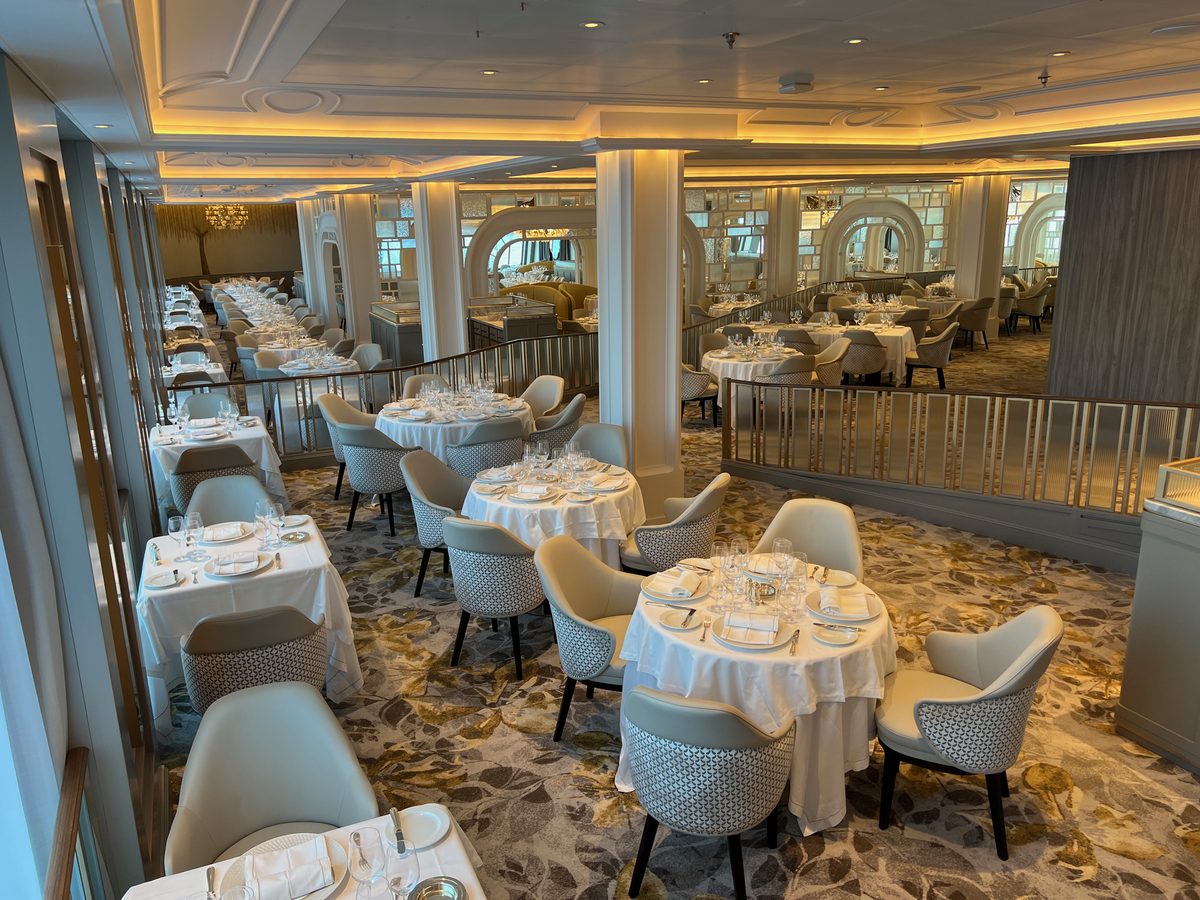
Once you have settled on a ship, one decision can swing the price of your voyage by thousands of dollars: which cabin to book. Choosing among the many antarctica cruise cabins on offer — from a snug porthole down on the lower deck to a sprawling balcony suite up top — is one of the most consequential and most misunderstood choices in the whole planning process. Get it right and you save a small fortune without sacrificing a thing that matters; get it wrong and you either overspend on luxury you barely use or scrimp on comfort you come to regret.
I have stayed in cabins at nearly every grade, from the cheapest shared berths to the grandest suites, and I have a clear and slightly contrarian view about what is actually worth paying for in the unique context of an Antarctic voyage. This guide walks through every cabin type, what each costs, and — crucially — whether the famous balcony is worth it when you are sailing the coldest continent on Earth. It sits within our guide to Antarctica expedition ships and pairs with my best expedition ships guide.
Why cabins matter less than you might expect
Here is the truth that should frame every cabin decision: on an Antarctic expedition, you spend remarkably little waking time in your cabin. Your days are filled with Zodiac landings, deck-side wildlife watching, lectures, meals and the simple, magnetic business of staring at the ice. The cabin is essentially where you sleep, shower and change between adventures. A lower-deck porthole cabin delivers exactly the same landings, the same wildlife and the same once-in-a-lifetime experience as the priciest suite on the ship.
That does not mean the cabin is irrelevant — comfort matters over ten days, and a space you enjoy returning to has real value. But it does mean you should weigh the cost of an upgrade against how little time you will actually spend enjoying it. Many travellers, told this honestly, happily redirect thousands of dollars from a balcony toward the trip itself or a future voyage. To see how cabin choice fits the bigger budget, read my guide to how much an Antarctica trip costs.
The main types of Antarctica cruise cabins
Cabins on expedition ships fall into a handful of broad categories, though names vary by operator. Here is the spectrum, from most affordable to most lavish, with the rough size and feel of each.
| Cabin type | Typical size | Best for |
|---|---|---|
| Triple / quad share | ~13–14 sqm | Budget travellers, solos sharing |
| Porthole / lower deck | ~11–22 sqm | Best value, light sleepers near the waterline |
| Window / ocean view | ~15–22 sqm | Natural light without balcony cost |
| Balcony stateroom | ~22–25 sqm | Private outdoor space, milder climates |
| Suite | ~25–40 sqm | Comfort, sitting area, big windows |
| Owner’s / premium suite | 40+ sqm | Luxury, space, panoramic views |
Almost every ship offers some version of this ladder, and the price climbs steeply as you ascend it. Understanding what each grade actually gives you is the key to spending wisely. For the budget end specifically, see my guide to the most affordable Antarctica ships.
Porthole and lower-deck cabins: the value champion
The porthole cabin, usually located on the lower decks near the waterline, is my pick for the best-value way to sail to Antarctica. Measuring anywhere from around 11 to 22 square metres depending on the ship, these cabins offer a comfortable bed or two, a private bathroom and a round porthole window letting in natural light and ocean views. They have everything you genuinely need and nothing you do not, at the lowest fare of any private cabin.
There are two small trade-offs to know. Lower decks sit closer to the engine and the waterline, so you may notice a little more motion and sound, though many travellers find the lower, central position actually steadier in a swell. And the porthole, while it brings in light, is smaller than a picture window. For the vast majority of travellers, neither matters much against the money saved. This is the cabin I recommend most often, and pairs perfectly with the shoulder-season savings in my best time to visit guide.
Window and ocean-view cabins
A step up from the porthole, window or ocean-view cabins sit higher in the ship and trade the round porthole for a larger fixed picture window, flooding the cabin with that extraordinary polar light and giving you sweeping views without the cost of a balcony. They are typically a little larger and better positioned than the lower-deck cabins, and for travellers who want to wake to the scenery without paying for an outdoor space they will rarely use, they hit a lovely middle ground.
This is the grade I point people toward when the porthole feels a touch too basic but a balcony feels like an extravagance. You get the light, the view and a comfortable position in the ship, at a fare well below the balcony staterooms. For many, it is the sweet spot of the whole cabin ladder. How much it is worth depends on the ship, a question I tackle in my cruise lines comparison.
Balcony staterooms: the great Antarctic debate
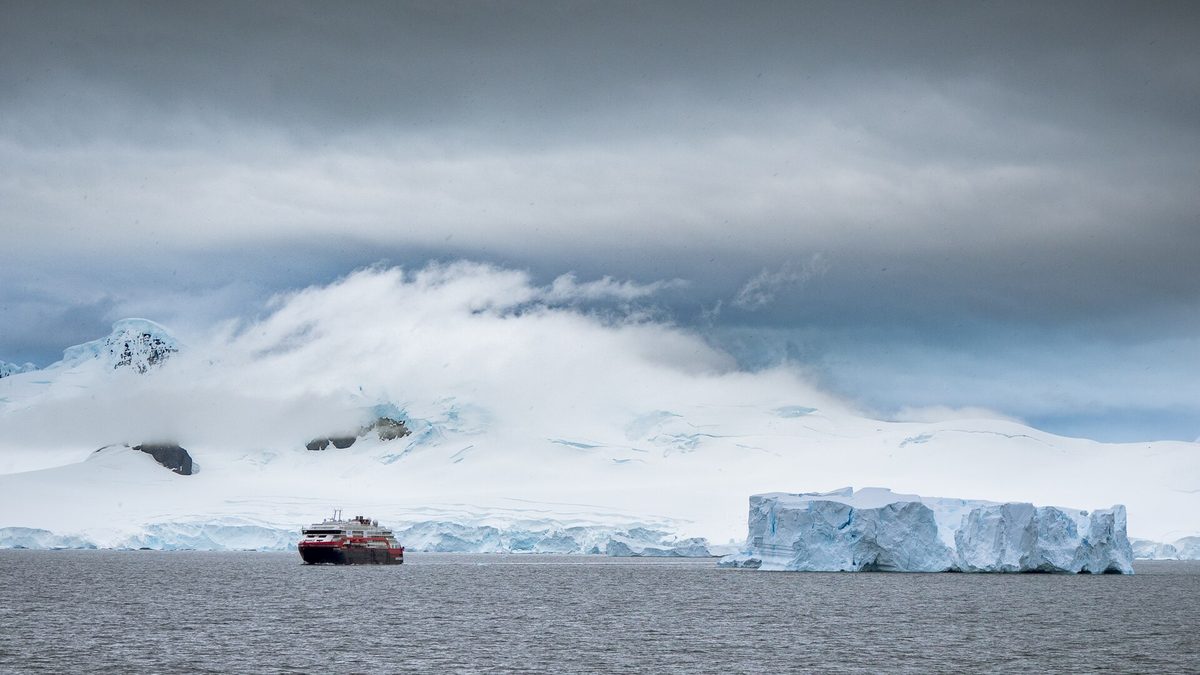
Now to the question I am asked more than any other: do you need a balcony in Antarctica? Balcony staterooms, measuring around 22 to 25 square metres with a private outdoor space, queen or twin beds and a full bathroom, are the aspirational middle-upper tier — and they can add 4,000 to 6,000 US dollars per person over a porthole cabin. That is a very large sum for a feature whose value, in the Antarctic context, is genuinely debatable.
Here is my honest take. A private balcony is wonderful in the Caribbean, where you lounge on it for hours. In Antarctica, it is often too cold, too windy or too wet to sit out for long, and when something spectacular appears you will be up on the open deck or ashore, not on your balcony. The summer’s near-endless daylight also means you do not need a balcony to catch the views. For some, the option to step outside in private at any hour is still worth it; for many, the money is better spent elsewhere. I weigh this against the whole trip in my operator-choosing guide.
Suites and owner’s suites: space and indulgence
At the top of the ladder sit the suites, ranging from comfortable junior suites of around 25 square metres to vast owner’s suites exceeding 40, complete with separate sitting areas, panoramic windows, sometimes a balcony, and the ship’s most generous bathrooms. On the luxury vessels these come with butler service, premium amenities and the best positions aboard. They are unquestionably lovely, and for travellers who treasure space and comfort, or who are celebrating something special, they deliver in style.
But the same logic applies, only more so: a suite can cost two or three times a porthole cabin, and you will spend the bulk of your waking hours outside it. If the budget is ample and luxury is part of why you are going, a suite is a genuine pleasure. If the trip is the priority and the cabin is incidental, the money buys an enormous amount of experience elsewhere. Only you can judge where comfort sits on your list. The luxury ships that excel at suites feature in my best expedition ships guide.
Triple and quad cabins: the budget hack
At the opposite end, triple and quad cabins are the secret weapon of the budget traveller. Offering around 13 to 14 square metres with two lower berths and one or two upper berths, plus a porthole, they slash the per-person fare by sharing the cabin’s cost across more bodies. For friends or family travelling together, or for solo travellers willing to share with strangers, they are the cheapest private route to the continent by a wide margin.
The trade is obvious — less space and less privacy, with bunk-style upper berths — but for ten days, many travellers find it a perfectly happy arrangement and a fair price for the savings. The camaraderie of a shared cabin is part of the expedition spirit, and lifelong friendships have been forged in them. I cover this and other savings in detail in my guide to the most affordable Antarctica ships.
Solo travellers and the single supplement
Travelling alone introduces one of the cabin world’s harshest realities: the single supplement. Because fares are calculated on two people sharing a cabin, a solo traveller occupying a cabin alone typically pays a supplement of 50 to 100 percent on top of the per-person rate. It can make solo travel punishingly expensive — unless you know the workarounds. Many operators offer a cabin-share programme that pairs you with a same-sex roommate of similar age and waives the supplement entirely.
A growing number of newer ships also offer dedicated single cabins, designed and priced for one without a heavy supplement, though they sell out fast. If you are travelling solo, always ask about both options before assuming a voyage is unaffordable; the difference can run to several thousand dollars. Do not let the single supplement keep you from the trip when a simple cabin-share so often solves it. My guide to choosing an operator covers solo-friendly lines.
Which deck should you choose?
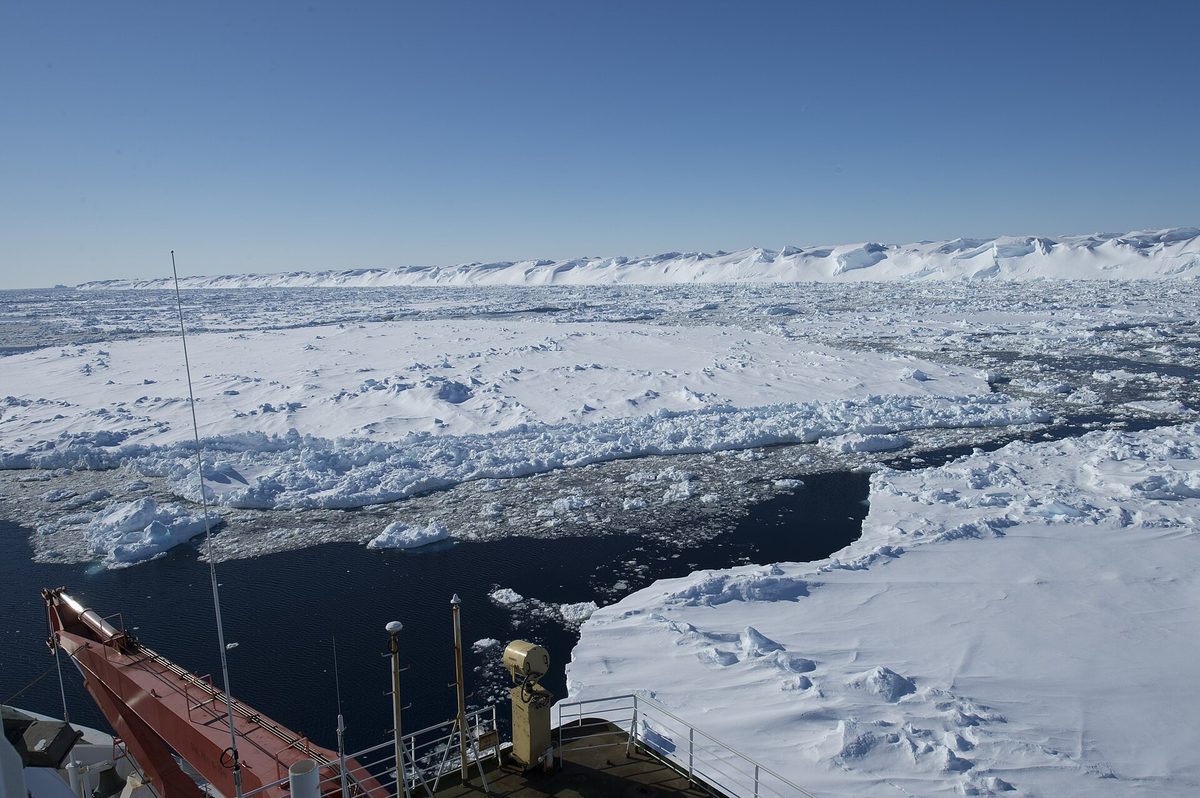
Cabin location within the ship matters almost as much as the grade. As a rule, cabins in the middle of the ship, both fore-to-aft and vertically, experience the least motion, which is worth seeking out if you are prone to seasickness — a real consideration on the Drake Passage crossing. Lower and central is steadiest; high and far forward or aft pitches and rolls the most. Counterintuitively, the cheapest lower-deck cabins can give the most comfortable ride.
Higher decks offer better views and quicker access to the open observation areas, but more motion and usually a higher price. Consider, too, proximity to the gangway and mudroom where you suit up for landings, as a central position saves you trekking through the ship in bulky gear several times a day. Weigh comfort, motion and convenience together. If the Drake worries you, my guide to the Drake Passage will help you plan.
How much do cabin upgrades really cost?
The price gaps between grades are steep and worth knowing before you fall in love with a balcony. Moving from a porthole to a balcony stateroom commonly adds 4,000 to 6,000 US dollars per person; a suite can double or triple the porthole fare; and a triple or quad share can save you thousands compared with a private twin. These differences dwarf almost every other choice you make about the voyage, which is why the cabin decision deserves real thought.
My advice is to decide your total budget first, then choose the cabin that leaves room for everything else — flights, insurance, gear, activities and the trip itself. For most travellers, a porthole or window cabin is the wise allocation, freeing thousands for the experiences that actually define the journey. Spend up only if comfort genuinely shapes your enjoyment. The full money breakdown lives in my Antarctica trip cost guide.
Cabin features worth looking for
Beyond size and view, a few practical features make a real difference on an expedition. Look for ample storage, because polar gear is bulky and you will be forever drying and stowing layers, boots and parkas. A good bathroom with reliable hot water is a daily comfort after cold landings. Check whether beds can be configured as a double or twins to suit your party, and whether there is a desk or seating for the inevitable sea days. Heating and good insulation matter on the coldest continent.
On expedition ships, thoughtful touches like drying space for wet gear, USB charging for camera batteries and decent reading light are quietly valuable over ten days. These details often matter more day to day than a balcony you cannot use. When you compare cabins, look past the glamour shots to the practicalities of living aboard, which I describe fully in my guide to life onboard an Antarctica expedition ship.
Cabins on budget ships versus luxury ships
The same cabin category can feel very different depending on the ship it sits in. On the older budget vessels, a porthole cabin is functional and snug — a comfortable bed, a compact bathroom, simple furnishings — and some of the very cheapest fares involve cabins with shared bathrooms down the corridor. On the newest purpose-built ships, even the entry-level cabins are spacious, beautifully finished and fitted with modern bathrooms, big windows and clever storage. You are paying for that baseline quality across every grade.
This is why it is worth comparing not just cabin types but the ships themselves. A premium cabin on a budget ship may cost the same as an entry cabin on a luxury one, and the experience differs enormously. Decide whether you value a higher baseline of comfort throughout the ship or simply the cheapest private space that gets you ashore. Both are valid; they are just different trips. My cruise lines comparison lays out where each operator sits.
Booking your cabin: timing and tips
Cabins do not sell evenly. The cheapest porthole and triple cabins, and the grandest suites, tend to go first — the former because budget travellers snap them up, the latter because they are so few. The mid-range window and balcony cabins usually linger longest. So if value or luxury is your aim, book early; if you are flexible, the middle grades give you more room to manoeuvre and occasionally to negotiate.
Watch, too, for the way operators sometimes offer free or discounted upgrades to fill a ship, and for last-minute deals that can land you a better cabin than you paid for. A good specialist agent knows which cabins on which ships represent true value and which are overpriced for what they deliver. As with everything in Antarctic travel, a little knowledge converts directly into money saved. The booking strategy ties into my guide to the most affordable ships.
How to choose the right cabin for you
Pulling it together, the cabin decision comes down to your priorities and budget. If value is paramount, choose a porthole or, sharing, a triple — you lose nothing of the experience. If you want light and views without overspending, a window cabin is the sweet spot. If comfort genuinely shapes your holiday and the budget allows, a balcony or suite rewards you. And if you are travelling solo, always chase the cabin-share or single-cabin options before paying the supplement.
Whatever you choose, remember that every cabin on the ship reaches the same Antarctica. The penguins, the icebergs and the silence are identical from every porthole and every suite. Match the cabin to your wallet and your tolerance for compromise, then stop agonising and start anticipating. The complete planning picture lives in my guide to Antarctica cruises.
Frequently asked questions
Which Antarctica cruise cabins offer the best value?
Porthole and lower-deck cabins consistently offer the best value, delivering a comfortable private cabin with a bathroom and natural light at the lowest fare. For even greater savings, triple and quad shares cut the per-person cost further. All of them reach exactly the same landings and wildlife as the priciest suites aboard.
Do you need a balcony cabin in Antarctica?
Usually not. Antarctica is often too cold, windy or wet to sit on a balcony for long, and when something spectacular appears you will be on the open deck or ashore. The summer’s near-constant daylight also means you do not need a balcony for the views. Most travellers are better off saving the 4,000 to 6,000 dollars a balcony adds.
How much do Antarctica cruise cabins cost to upgrade?
Upgrading from a porthole to a balcony stateroom commonly adds 4,000 to 6,000 US dollars per person, while suites can cost two or three times the porthole fare. Conversely, a triple or quad share saves thousands. Cabin choice is one of the biggest single levers on the total price of your voyage.
What is the most comfortable cabin location on the ship?
Cabins in the middle of the ship, both centrally and on lower decks, experience the least motion and offer the steadiest ride across the Drake Passage. Higher decks have better views and quicker deck access but more movement. If seasickness worries you, a lower, central cabin is your friend, and often cheaper too.
Are triple and quad cabins worth it for budget travellers?
Yes, for travellers comfortable sharing. Triple and quad cabins slash the per-person fare by spreading the cabin cost across more people, making them the cheapest private route to Antarctica. You trade space and privacy for substantial savings, and the camaraderie of a shared cabin is part of the expedition’s charm.
How can solo travellers avoid the single supplement?
Look for operators offering a cabin-share programme, which pairs you with a same-sex roommate and waives the supplement, or ships with dedicated single cabins priced without a heavy surcharge. Booking early helps, as solo options sell out fast. Always ask before assuming solo travel means paying a double fare.
Do Antarctica cabins have private bathrooms?
Most do. The great majority of cabins on modern expedition ships, including porthole and triple cabins, come with a private ensuite bathroom. Only some of the very cheapest cabins on older budget vessels use shared bathrooms down the corridor. Always check the cabin description if a private bathroom matters to you, as it usually does.
Final thoughts
Choosing among antarctica cruise cabins is really an exercise in self-knowledge: how much does onboard comfort matter to you, and where would the money be better spent? My contrarian but well-tested advice is that most travellers overpay for cabins, lured by balconies and suites they will scarcely use on a voyage spent largely outdoors and ashore. A porthole or window cabin frees thousands of dollars for the experience itself, with no loss to the magic.
That said, if comfort is part of your joy and the budget allows, a beautiful cabin is a fine thing to come home to each evening. There is no wrong answer, only the one that fits you. Decide honestly, book the cabin that matches your priorities, and rest easy knowing that the same extraordinary continent awaits outside every window on the ship.
Related reading
- Antarctica expedition ships and cruise operators
- Best small expedition ships for Antarctica
- The most affordable Antarctica ships
- Life onboard an Antarctica expedition ship
- Best Antarctica cruise lines compared
- How to choose an Antarctica cruise operator
- How much does it cost to go to Antarctica?
- The Drake Passage explained
- Antarctica cruises: the complete guide