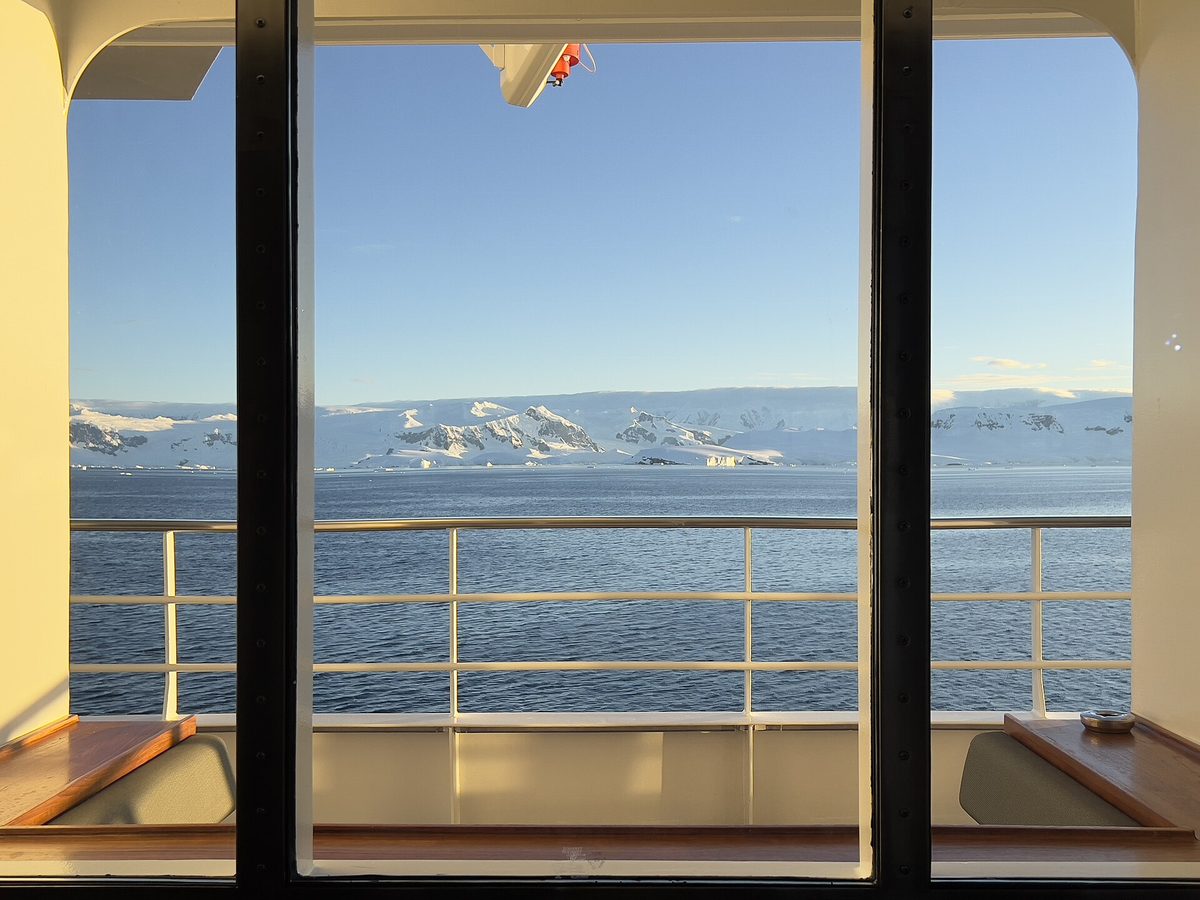
If you are weighing up antarctica solo travel, let me put your mind at ease right away: the white continent is one of the most rewarding places on Earth to visit on your own. I have sailed south many times, often alongside people who booked a single berth and arrived not knowing a soul, and almost without exception they leave with a phone full of new friends and a heart full of the kind of memories you cannot manufacture on a package holiday. Expedition travel is, by its very nature, communal — you eat together, you climb into Zodiacs together, you stand at the rail together gasping as a humpback breaches — and that shared sense of wonder dissolves the awkwardness of being a party of one faster than you would ever believe.
That said, going alone to the bottom of the world does come with a few practical wrinkles worth understanding before you book: the dreaded single supplement, the choice between a private solo cabin and sharing with a stranger, how the social rhythm of a small ship actually works, and which voyages suit independent travellers best. This guide walks through all of it, drawing on real expedition experience and current operator practice, so that by the end you will know exactly how to plan a trip that feels neither lonely nor ruinously expensive.
Is Antarctica a good place to travel solo?
In a word: yes. I would argue it is one of the very best destinations for a person travelling alone, and I say that having watched the dynamic play out across countless sailings. The reason is structural. Unlike a city break, where you might spend long stretches in your own company, an Antarctic expedition is a tightly choreographed shared experience. There is nowhere to disappear to and, frankly, no reason to want to. From the welcome briefing in Ushuaia to the final farewell dinner, you are folded into a community of typically 100 to 200 like-minded travellers who have all chosen to do something a little bit extraordinary.
What surprises first-timers most is how quickly the ice breaks — the social ice, that is. By the second day across the Drake Passage you will recognise faces at breakfast; by the first landing you will be helping someone clip into their life jacket; by the time you spot your first penguin colony you will have a little gang. Solo travellers consistently tell me that the camaraderie aboard an expedition ship is more genuine and more immediate than anything they have found on conventional cruises or tours.
The social life aboard: how solo travellers meet people
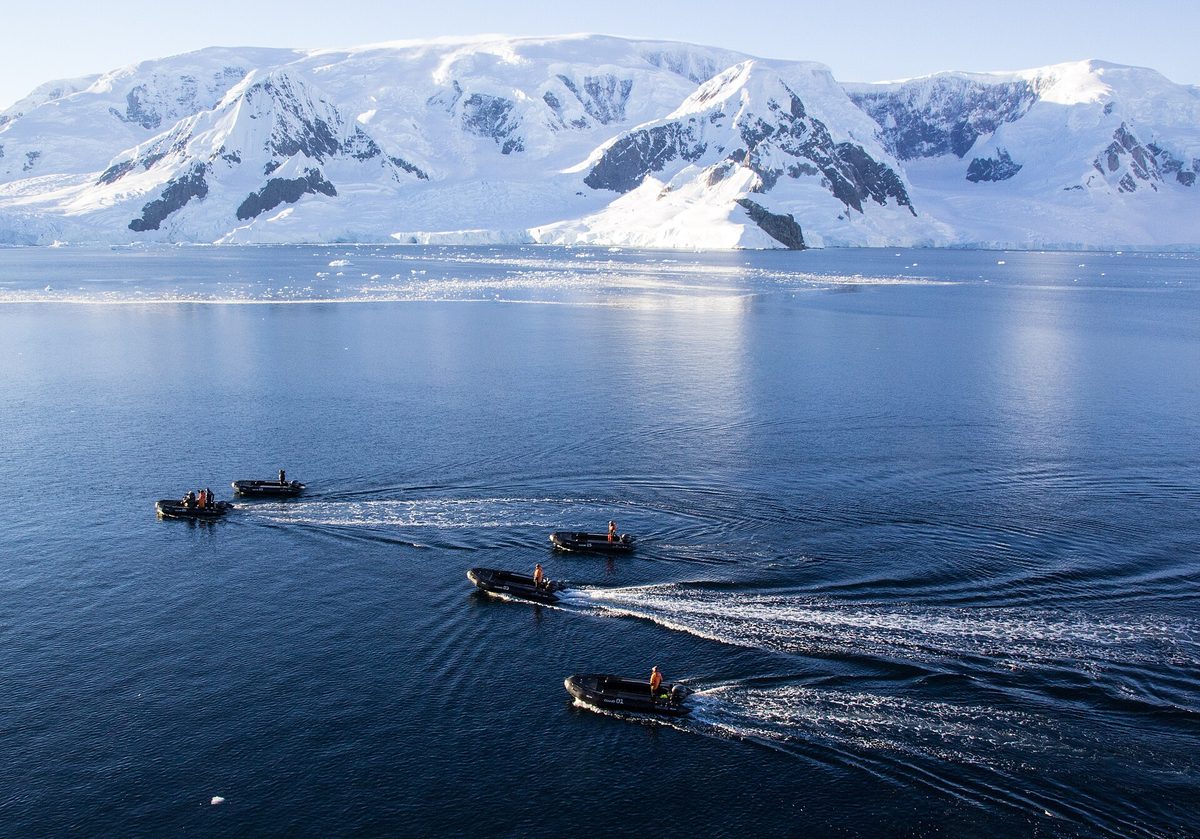
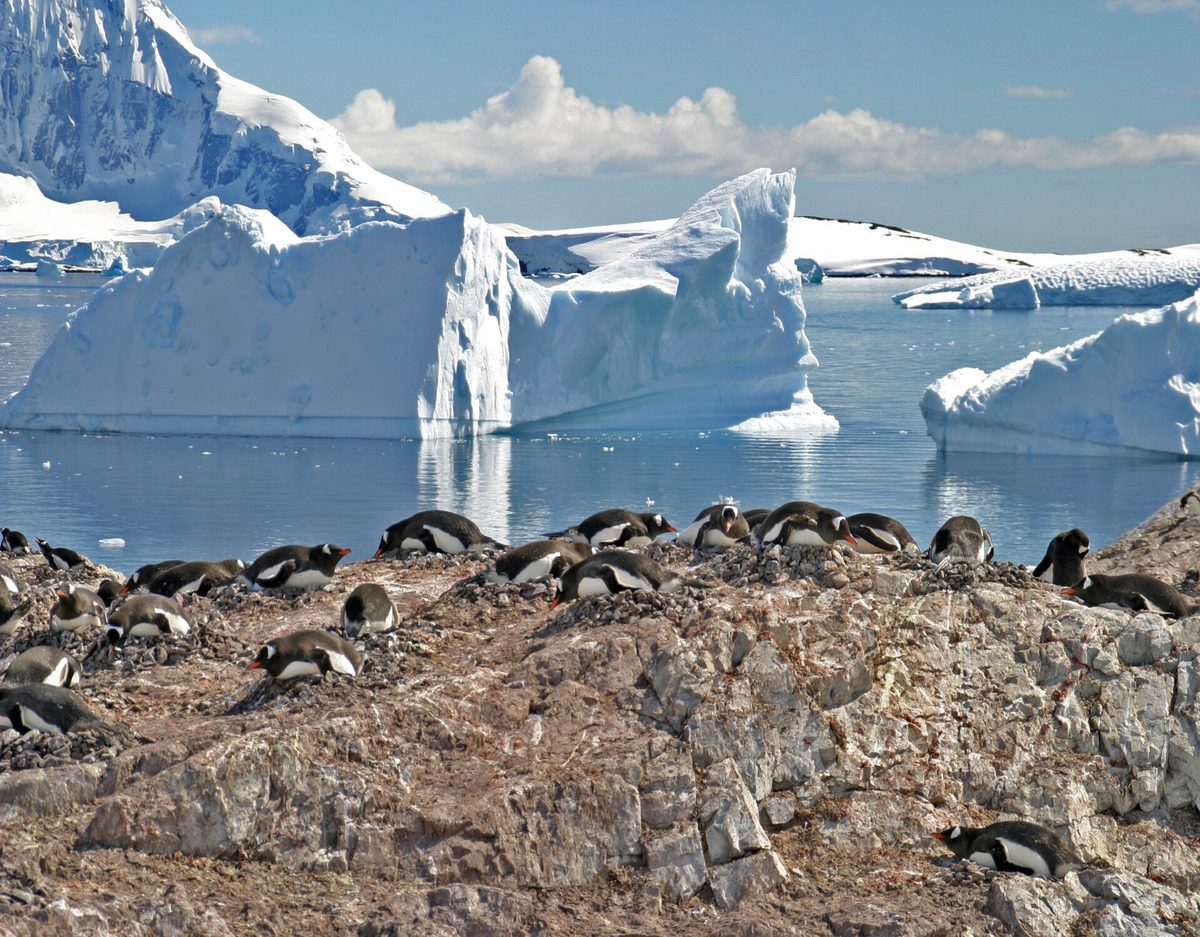
Let me describe a typical day, because understanding the rhythm explains why nobody stays a stranger for long. Mornings usually begin with a wake-up call over the public address system and a communal breakfast. Then comes the first activity of the day — a Zodiac cruise nosing among icebergs, or a landing at a penguin rookery. You go ashore in small groups, shoulder to shoulder with the same handful of people, and there is something about standing in the snow watching a gentoo waddle past that turns acquaintances into friends.
Back aboard, lunch is served, often buffet-style with open seating that mixes everyone up. Afternoons bring a second outing, then expedition-team lectures on glaciology, whales, history or photography. Evenings are the social heart of the ship: a recap and briefing in the lounge, dinner, and then drinks at the bar while the expedition staff — a wonderfully sociable bunch — swap stories. Here is the single most useful tip I can give a solo traveller about antarctica solo travel: at dinner, ask to join a larger table rather than requesting one for yourself. Almost every ship operates open or hosted seating precisely so that people mingle, and you will never be turned away.
Communal dining and open seating
Dining is the great social engine of expedition travel. The best operators deliberately avoid fixed two-person tables and instead seat guests at tables of six, eight or ten, often hosted by a member of the expedition team or a naturalist. As a solo traveller you simply turn up and slot in. Over a single voyage you will share meals with retired teachers, honeymooning couples, photographers, families and the occasional eccentric who has been to all seven continents twice. By day three you will have your favourites.
Shared activities and the expedition team
The expedition staff are the unsung heroes of solo-friendliness. Guides, naturalists and Zodiac drivers make a point of looking after lone travellers, pairing you up on outings and drawing you into conversation. If you have signed up for an optional activity such as sea kayaking or an overnight of camping on the ice, you will be grouped with other adventurous souls — a brilliant fast-track to friendship. And should you fancy the legendary polar plunge, nothing bonds strangers quite like jumping into the Southern Ocean together and shrieking your way back out.
The single supplement: the real cost of antarctica solo travel
Now to the elephant in the cabin. The single supplement is the surcharge cruise lines levy when one person occupies a cabin designed for two, and on an Antarctic voyage it can be eye-watering — commonly an extra 30 to 100 percent on top of the per-person fare, and on premium ships sometimes more. Because Antarctica is already an expensive trip, that supplement is the number one financial concern I hear from solo travellers, and it deserves a proper strategy. I have written a dedicated deep-dive on this, and if costs are your main worry I would read the Antarctica single supplement guide alongside this one.
The good news is that the single supplement is far from unavoidable. Competition has pushed many operators to court solo travellers actively, and there are now four reliable ways to bring the cost down to something reasonable — or remove it entirely. Let me walk through each.
Four ways to beat the single supplement
- Book a dedicated solo cabin. A growing number of expedition ships are purpose-built with single staterooms that carry no supplement at all. For the 2026–27 season, for example, some operators offer around ten dedicated solo cabins per sailing priced with no single supplement. These sell out first, so book early.
- Opt into a share or pairing scheme. Many operators run a “willing to share” programme: you agree to share a twin cabin with another same-gender solo traveller, and if they cannot find you a match, they waive the supplement and you keep the cabin to yourself. It is a genuine win-win — you either save money or you get a private room for free.
- Hunt reduced or waived-supplement offers. Outside peak weeks, and on under-booked departures, operators frequently slash or drop the supplement to fill berths. Some premium lines also offer reduced single supplements on selected expedition voyages. A good polar travel agent will know which sailings currently carry an offer.
- Travel in the shoulder season. Departures in November and March tend to be cheaper across the board, and supplements are more often discounted then too. You can read more about timing in our best time to visit Antarctica guide.
A quick reality check on the maths: even with a supplement, the all-in cost of an expedition runs into many thousands. For a full breakdown of what you are actually paying for, see our Antarctica trip cost article. The table below gives a rough sense of how the four strategies compare.
| Approach | Typical supplement | Privacy | Availability |
|---|---|---|---|
| Dedicated solo cabin | None | Full — your own room | Limited; book early |
| Willing-to-share pairing | None if no match found | Shared, unless unmatched | Widely offered |
| Reduced-supplement offer | Roughly 10–50% | Full | Varies by departure |
| Standard single in a twin | Roughly 30–100%+ | Full | Almost always available |
Budgeting realistically as a solo traveller
Let me be candid about money, because false expectations cause more grief than any iceberg. Antarctica is a genuine bucket-list expense, and as a solo traveller you should budget not only for the cruise fare and any supplement, but also for international flights to Argentina, a night or two of pre-cruise accommodation in Buenos Aires or Ushuaia, the mandatory expedition gear you do not already own, gratuities for the crew, and the comprehensive insurance every operator insists upon. When solo travellers feel stung by costs, it is usually one of these extras — not the supplement itself — that catches them off guard. My advice is to build a full line-by-line budget early, lean on the no-supplement strategies above to neutralise the biggest variable, and then treat the rest as the fixed price of a once-in-a-lifetime journey. The Antarctica trip cost breakdown is the best place to see every line item laid out.
Solo cabins vs. sharing a cabin
This is the decision most solo travellers agonise over, so let me lay out the honest trade-offs. A dedicated solo cabin gives you privacy, control of the thermostat and somewhere quiet to retreat after a stimulating day — and on a no-supplement solo cabin you get all of that without paying double. The catch is scarcity: ships carry only a handful, and they go quickly.
Sharing through a willing-to-share scheme is the budget-friendly route, and in practice it works far better than nervous first-timers expect. Cabinmates are matched by gender, and because everyone is out adventuring from breakfast to dusk, you are rarely both in the room at the same time. Plenty of solo travellers I have met formed lasting friendships with the cabinmate they were randomly assigned. The only real downside is the small chance of a personality mismatch — though even then, you spend almost no waking hours in the cabin.
Who should pay for a private cabin?
If you are a light sleeper, value your downtime, or simply want a sanctuary of your own, pay for the solo cabin — ideally a no-supplement one. If your priority is keeping costs down and you are easygoing about company, the share scheme is the smart play, with the bonus that you might land a private room for free. There is no wrong answer; it is purely a question of temperament and budget.
Safety for solo travellers in Antarctica
Safety is a natural concern when travelling alone to a remote place, and here Antarctica genuinely shines. An expedition ship is among the safest travel environments imaginable for a solo traveller. You are part of a small, supervised community where the crew quickly know every guest by name. Every shore landing is led and monitored by professional staff, head-counts are taken on and off the ship, and activities are tightly risk-managed. There is no nightlife district to navigate alone, no unfamiliar streets, no language barrier with locals — just a contained, friendly world that looks after its own.
The real hazards of Antarctica are environmental rather than social: cold, slippery rocks, the swell of the Drake Passage, and the unpredictable weather. The expedition team manages all of these for you, but you should arrive properly equipped — our what to pack for Antarctica guide covers the layering system in detail. I would also strongly urge any solo traveller to take out comprehensive travel insurance that includes emergency medical evacuation; it is a requirement with most operators and simply good sense when you are days from the nearest hospital.
Solo travel and seasickness
One worry unique to going alone is the thought of being seasick with nobody to fetch you a ginger biscuit. In reality the ship’s doctor and crew look after unwell guests attentively, and most people find the famous Drake crossing far more manageable than feared — especially with modern stabilised ships and a patch or tablet from your doctor. Many newer vessels also cross via the Drake in as little as two days, and a few fly-cruise itineraries skip the passage altogether.
Best voyages and itineraries for solo travellers
Not every Antarctic voyage is equally suited to going alone, so let me steer you. As a rule, the more social and activity-rich the sailing, the better it is for solo travellers, because there are more natural opportunities to connect. Smaller expedition ships (under roughly 200 guests) tend to be friendlier than large vessels, where it is easier to feel anonymous.
The classic 10-to-12-day Antarctic Peninsula voyage from Ushuaia is the obvious starting point and the one I recommend to most first-timers travelling solo. It packs in landings, Zodiac cruises and wildlife, with plenty of communal time. If you have more time and budget, the longer South Georgia and Falklands itineraries are extraordinarily social — you are aboard for the better part of three weeks, which all but guarantees deep friendships. To compare the options, browse our Antarctica cruise itineraries and the broader overview of Antarctica cruises.
One more consideration: think about the itinerary length in relation to your temperament. A short crossing-and-Peninsula trip is intense and fast-paced, ideal if you want a concentrated taste; a three-week South Georgia epic is a slow-burn that rewards patience with the kind of friendships that outlast the voyage. As a solo traveller you are perfectly placed to choose either, unconstrained by a companion’s preferences or budget. I have done both alone and would happily do either again.
Look for ships with dedicated solo cabins
If avoiding the supplement is your priority, let the ship choose the trip. Search specifically for vessels that advertise single staterooms with no supplement, and snap up a departure date that has them available. Because these cabins are limited — often around ten per sailing — the popular peak-season dates go first. Booking eight to fifteen months ahead is wise.
Consider activity-focused departures
Sailings built around an activity — photography, kayaking, mountaineering, birdwatching — are a gift to solo travellers, because they gather a self-selecting group of enthusiasts who already share a passion. If a particular interest draws you south, a themed departure gives you an instant tribe. Our things to do in Antarctica overview lays out the possibilities.
Who does antarctica solo travel suit?
The honest answer is: almost everyone, but let me be specific about who thrives. Sociable, curious people who enjoy meeting others have the time of their lives. Introverts do beautifully too — the structure means you are never forced to perform socially, yet company is always there when you want it, and a private cabin offers a guaranteed bolt-hole. Solo travel south suits people between jobs, recently retired, recently single, or simply unwilling to wait for a travel companion to share a bucket-list dream.
It particularly suits the independent-minded who want to set their own pace. You can throw yourself into every optional activity or quietly photograph icebergs from the deck; nobody is depending on you to do otherwise. The continent rewards that kind of self-directed curiosity.
Solo travel for older adventurers
A large share of solo expedition travellers are over sixty, and Antarctica is wonderfully welcoming to them. The pace is civilised, the staff attentive, and the social scene warm. If this is you, our Antarctica for seniors guide goes deeper into fitness, mobility and what to expect on landings.
First-timers going it alone
Never been on an expedition before and worried about doing it solo? Don’t be. The whole experience is designed to hold your hand from the moment you land in Ushuaia. Our first time in Antarctica guide is the perfect companion read, and you may also enjoy our general Antarctica travel tips for the nuts and bolts of preparation.
Practical tips for booking and enjoying your solo trip
A few hard-won pointers to make your solo voyage smoother:
- Book early for solo cabins and offers. The no-supplement cabins and the best willing-to-share departures fill fast. Ten to fifteen months ahead is not too soon.
- Use a specialist polar agent. They know which sailings currently waive the supplement and can match you to the right ship — usually at no extra cost to you.
- Say yes to the optional activities. Kayaking, camping and the polar plunge are friendship accelerants as much as adventures.
- Choose hosted or open dining. It is the easiest way to meet people; avoid ships that only offer fixed small tables.
- Arrive a day or two early in Ushuaia or Buenos Aires. It buffers against flight delays and lets you meet fellow travellers before you even board.
- Pack for warmth and self-sufficiency. Follow a proper layering system — our packing guide has the full list.
If you would rather not go it entirely alone, remember there is a middle path: many solo travellers join a small-group departure organised around a shared interest. Our Antarctica group travel guide explains how that works, and the whole topic of matching the right trip to the right traveller is covered in our hub, Antarctica for every traveller.
Frequently asked questions about antarctica solo travel
Is it safe to travel to Antarctica alone?
Yes, very. An expedition ship is one of the safest environments a solo traveller can be in. You are part of a small, supervised community, every landing is staff-led with head-counts, and there is no unfamiliar city to navigate. The chief risks are environmental — cold and weather — and the expedition team manages those for you. Comprehensive travel insurance with medical evacuation is essential and usually mandatory.
How do I avoid paying the single supplement?
You have four main options: book a dedicated solo cabin that carries no supplement, opt into a willing-to-share scheme (where the supplement is waived if no cabinmate is found), hunt for reduced-supplement offers on under-booked departures, or travel in the cheaper shoulder season. Our dedicated single supplement guide explains each in detail.
Will I feel lonely travelling to Antarctica by myself?
Almost certainly not. Expedition travel is intensely communal — shared meals, shared Zodiac outings and shared lectures throw everyone together. Solo travellers routinely make close friends within the first couple of days. If you ever want solitude, a private cabin and the ship’s quiet decks are always there, so you get the best of both worlds.
Are there cruises with no single supplement for Antarctica?
Yes. Several operators now offer dedicated solo cabins with no single supplement — some with around ten such cabins per sailing — and many run share schemes that waive the supplement if you cannot be matched. These options are limited in number and sell out early, so book well ahead.
Is Antarctica good for solo female travellers?
It is excellent. The structured, supervised nature of expedition travel makes it very comfortable and safe for women travelling alone, and willing-to-share schemes match cabinmates by gender. Many solo female travellers describe their Antarctic voyage as one of the easiest and most welcoming solo trips they have ever taken.
How far in advance should a solo traveller book?
For the no-supplement solo cabins and the most popular departures, aim to book ten to fifteen months ahead. These cabins are limited — often only around ten per ship — and disappear first. Last-minute deals do exist for the flexible, but they are a gamble if you have your heart set on a particular date or ship.
Can I share a cabin with a stranger to save money?
Yes, and it is a popular choice. Operators match you with a same-gender solo traveller of similar age where possible. Because everyone is ashore or on deck most of the day, you spend little waking time in the cabin, and many travellers end up firm friends with their cabinmate. If no match is found, the supplement is usually waived and you keep the room to yourself.
What is the best Antarctica cruise for solo travellers?
Smaller, sociable, activity-rich expedition ships are ideal. The classic 10-to-12-day Peninsula voyage suits most first-time solo travellers, while longer South Georgia itineraries forge deeper bonds. Above all, choose a ship with dedicated solo cabins or a strong share scheme, and prefer vessels under roughly 200 guests where the atmosphere stays intimate.
Final thoughts
If there is one message I want you to take from all this, it is that antarctica solo travel is not a compromise — it is, for many people, the very best way to experience the continent. You arrive on your own schedule, follow your own curiosity, and find yourself swept into a warm, temporary community of fellow adventurers bound by the shared astonishment of standing somewhere so wild and beautiful. Sort out the single supplement with one of the strategies above, choose a friendly ship, pack well, and go. The bottom of the world is waiting, and it is far more welcoming to lone travellers than you might ever imagine.