Browse any Antarctica brochure and you will sooner or later trip over a cryptic code: PC6, 1A Super, “ice-strengthened hull.” These are ice ratings, and they describe one of the most important and least understood features of any polar vessel. Knowing what an ice class ship actually is — and what its rating means for where it can go, how safely, and at what cost — turns that bewildering jargon into one of the most useful tools you have when choosing a voyage. It is the difference between a ship that gingerly skirts the ice and one that drives straight through it.
I have spent years explaining these ratings to travellers who nodded politely and then asked, quite reasonably, “but do I actually need an icebreaker?” This guide answers that and everything around it: the rating systems, the real difference between an ice-strengthened ship and a true icebreaker, what the tourist fleet is rated, and when a higher class genuinely matters. It sits within our guide to Antarctica expedition ships and pairs with my guide to the best small expedition ships.
What is an ice class ship?
An ice class ship is simply a vessel that has been specially designed and certified to operate safely in ice-covered waters. That certification — its “ice class” or “polar class” — is awarded by a classification society and reflects how much strengthening the hull has, how powerful and protected the propulsion is, and how the ship is built to withstand the crushing, grinding forces of sea ice. A higher rating means the ship can handle thicker ice, more aggressively, in more places, at more times of year.
Crucially, ice class is not a vague marketing term but a precise engineering standard. It governs the thickness of the steel, the shape and reinforcement of the bow and hull, the design of the rudder and propellers, and even the cooling systems that must keep working when the sea is choked with ice. When an operator tells you a ship is “ice-strengthened,” the rating tells you exactly how much. That distinction matters enormously, as I will explain. For how it shapes your overall choice, see my guide to choosing an Antarctica cruise operator.
The Polar Class system explained
The most important modern standard is the Polar Class system, developed by the International Association of Classification Societies, which runs from PC1 at the top to PC7 at the bottom. A PC1 vessel can operate safely anywhere in Arctic or Antarctic waters at any time of year, in the heaviest multi-year ice; at the other end, PC6 and PC7 ships are built for lighter, seasonal ice during the summer. In between, each step up the ladder buys more capability in thicker, older, more dangerous ice.
For Antarctic tourism, the numbers you will see most often are PC5, PC6 and PC7. These are more than adequate for the classic summer season on the Antarctic Peninsula, where the ice is seasonal first-year ice rather than the brutal multi-year pack of the high Arctic. Only a tiny handful of tourist ships carry a class high enough to tackle truly heavy ice. Here is how the system breaks down:
| Polar Class | Capability | Typical use |
|---|---|---|
| PC1 | Year-round, all ice, anywhere | Heavy icebreakers |
| PC2 | Year-round, moderate multi-year ice | Le Commandant Charcot |
| PC3–PC4 | Year-round / extended, thick first-year ice | Research icebreakers |
| PC5 | Extended seasons, medium first-year ice | Capable expedition ships |
| PC6 | Summer/autumn, medium first-year ice | Ultramarine, Viking ships |
| PC7 | Summer/autumn, thin first-year ice | Many expedition ships |
Finnish-Swedish ice classes: 1A and 1A Super
You will also encounter an older, parallel system: the Finnish-Swedish ice classes, designed for the Baltic Sea, with ratings like 1C, 1B, 1A and the top-tier 1A Super. Many older Antarctic expedition ships carry one of these classes, and they remain perfectly valid. As a rough guide, the two lowest polar classes, PC7 and PC6, were developed to align with the highest Baltic classes, 1A and 1A Super, so a 1A Super ship is broadly comparable to a PC6 vessel for practical purposes.
This is why you can see two ships described very differently — one “PC6,” one “1A Super” — that are in fact similarly capable. The Baltic classes were built for seasonal Baltic ice rather than true polar conditions, so they have limitations in the most extreme environments, but for a summer Peninsula voyage they are entirely sufficient. Do not be thrown by the different label; what matters is the underlying capability. My guide to the best Antarctica cruise lines notes the classes of the major ships.
Ice-strengthened ship versus true icebreaker
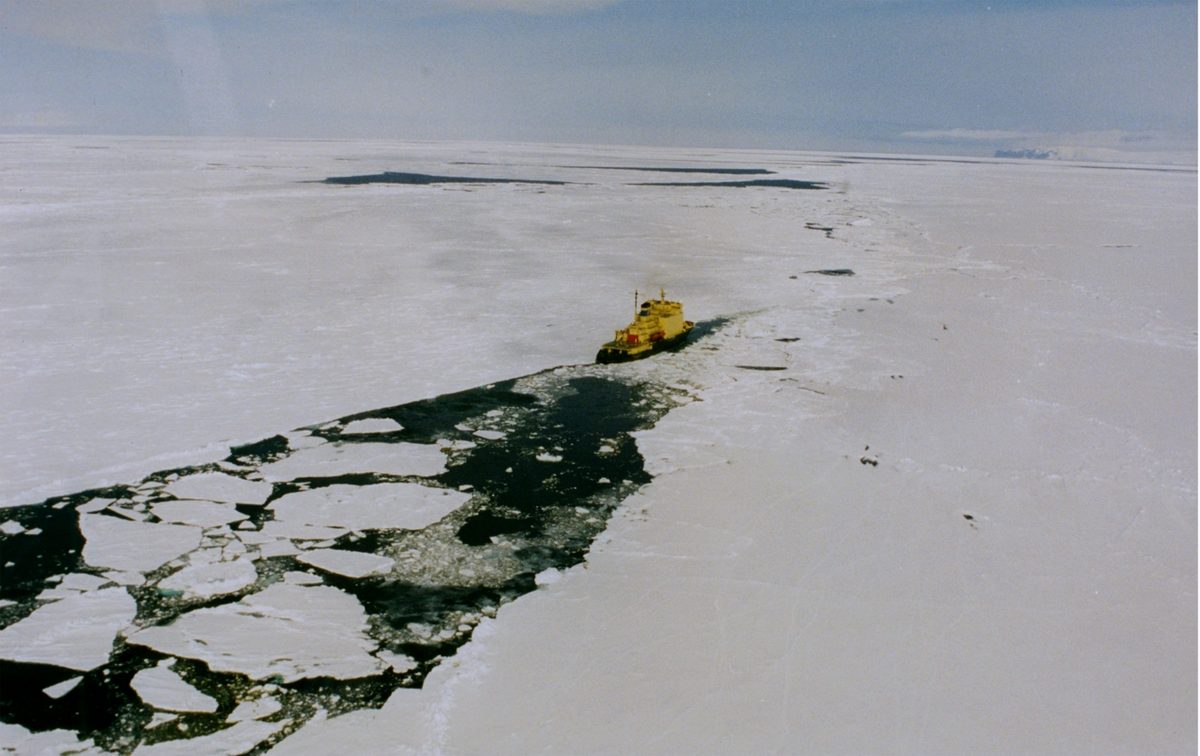
Here is the distinction that trips up most travellers. The vast majority of Antarctic tourist ships are ice-strengthened: built tough enough to push through and operate within seasonal pack ice, to nudge floes aside and work safely in icy waters. They are not, however, true icebreakers. A genuine icebreaker is a far more specialised machine, with enough power, hull shape and structural strength to deliberately and continuously break thick ice — to ram, crush and drive through pack that would stop an ordinary ship dead.
The difference lies in the icebreaker notation, awarded only to ships powerful and strong enough for aggressive operations in ice — breaking channels, escorting other vessels, managing ice. Most expedition ships will happily work the edges of the pack but will sensibly avoid the heavy stuff; a true icebreaker goes looking for it. For the classic Peninsula season, you simply do not need an icebreaker — but for the remote, ice-choked corners of the continent, only an icebreaker will do. I cover those destinations in my guide to Antarctica cruise itineraries.
Le Commandant Charcot: the PC2 super-icebreaker
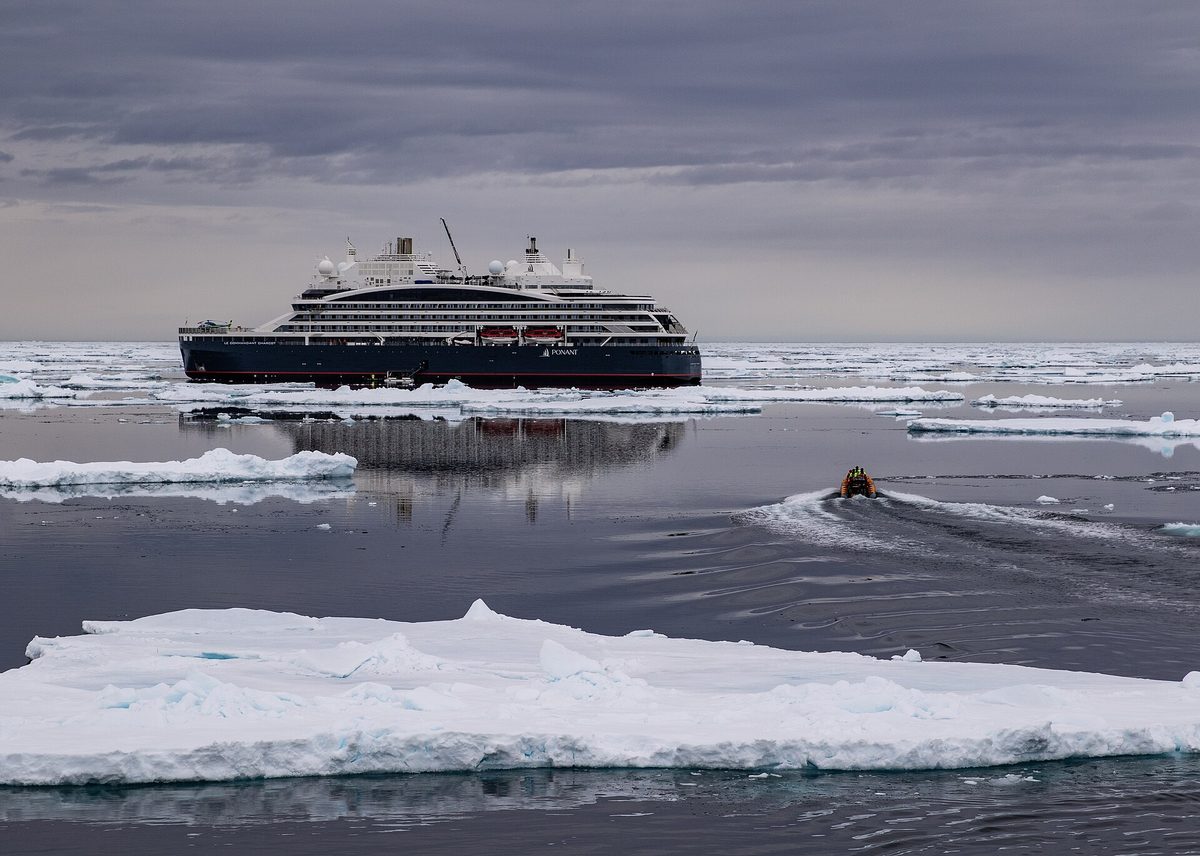
One ship deserves special attention because it stands alone. Ponant’s Le Commandant Charcot is the only cruise ship in the world with a PC2 rating, making it a true luxury icebreaker in a class entirely of its own. Its super-strengthened hull and two of the largest, most powerful azipods on Earth — each weighing some 300 tons — allow it to drive through as much as three metres of ice going forward, and an astonishing fifteen metres of ridged ice in reverse. No other passenger ship comes close.
That capability lets the Charcot reach places off-limits to every other tourist vessel: the deep, ice-locked Weddell Sea, remote emperor penguin colonies, and latitudes near the poles themselves. It does so wrapped in French luxury, which is why it occupies a unique and rarefied niche. For most travellers it is far more ship than the Peninsula requires, but for those chasing the truly remote, it is unmatched. I profile it further in my guide to helicopter and icebreaker voyages.
How icebreakers actually break ice
The mechanics are wonderfully counterintuitive. A true icebreaker does not simply smash through ice with brute force at the waterline. Its specially shaped bow is designed to ride up onto the ice, using the ship’s enormous weight to crush the floe downward and break it apart, while the reinforced hull pushes the broken pieces aside. In the heaviest ice, the ship may back up and charge repeatedly — a technique called ramming — to advance metre by metre through pack that would be impassable any other way.
Modern icebreakers like the Charcot use azipod propulsion, where the propellers sit in rotating pods beneath the hull that can spin a full 360 degrees, giving extraordinary manoeuvrability and the ability to break ice in reverse by directing wash against it. The hull is also shaped to resist being squeezed and lifted by the pressure of closing ice. It is a feat of engineering honed over a century of polar navigation, and watching it from the deck is mesmerising. From the bow, the sound of ice splitting beneath you is unforgettable, a highlight of life onboard an Antarctica expedition ship.
What ice class do Antarctica tourist ships have?
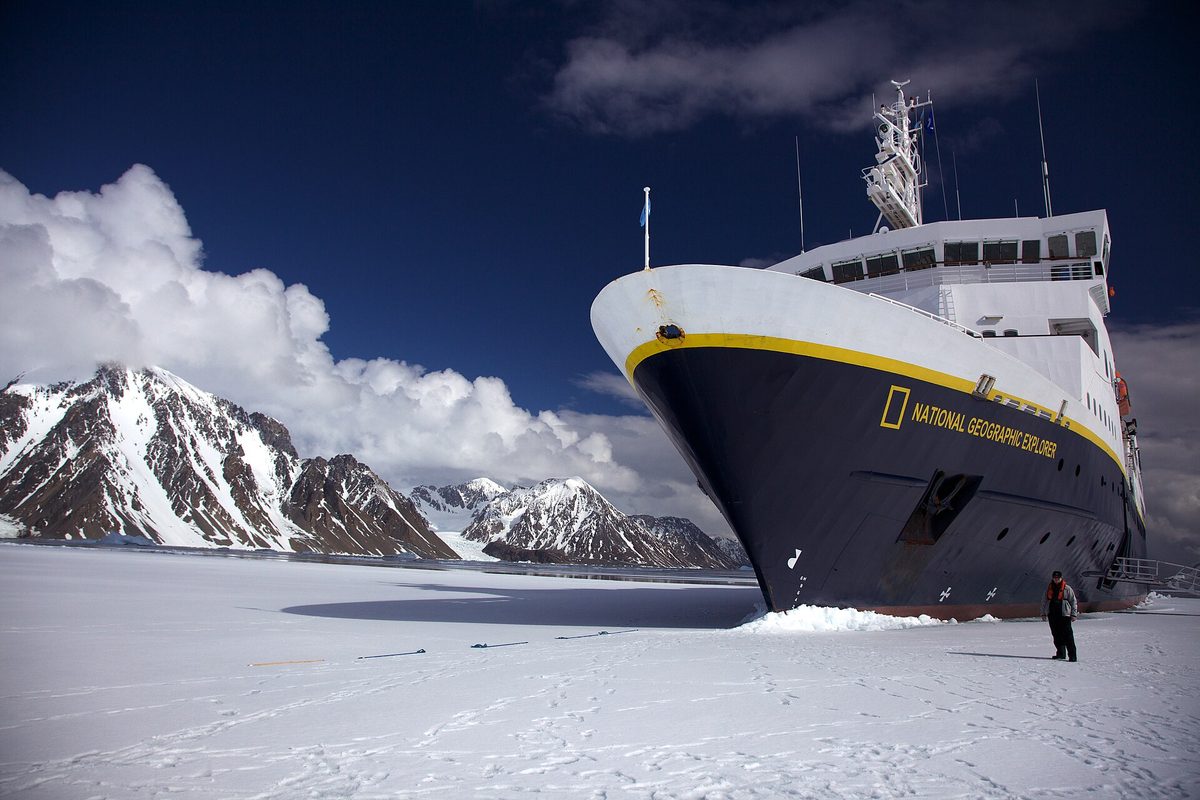
The reassuring reality is that the overwhelming majority of Antarctic tourist ships carry an ice class of PC5, PC6, PC7 or the equivalent Baltic 1A and 1A Super, and that is entirely appropriate for what they do. Quark’s Ultramarine and the Viking expedition ships are PC6; many capable modern vessels sit at PC5; and a great number of perfectly good expedition ships, old and new, carry PC7 or 1A Super. Every one of them is built to operate safely in the seasonal ice of the Antarctic summer.
What you almost never see in tourism is a PC1 to PC4 ship, with the singular exception of the PC2 Charcot. Those very high classes belong to research vessels and dedicated icebreakers built for the brutal multi-year ice of the high Arctic and the deep polar winter. For a summer voyage to the Peninsula, a PC6 or 1A Super ship is not a compromise — it is exactly the right tool. Do not let a lower number worry you. To see how the fleet stacks up, browse my best expedition ships guide.
Do you actually need a high ice class?
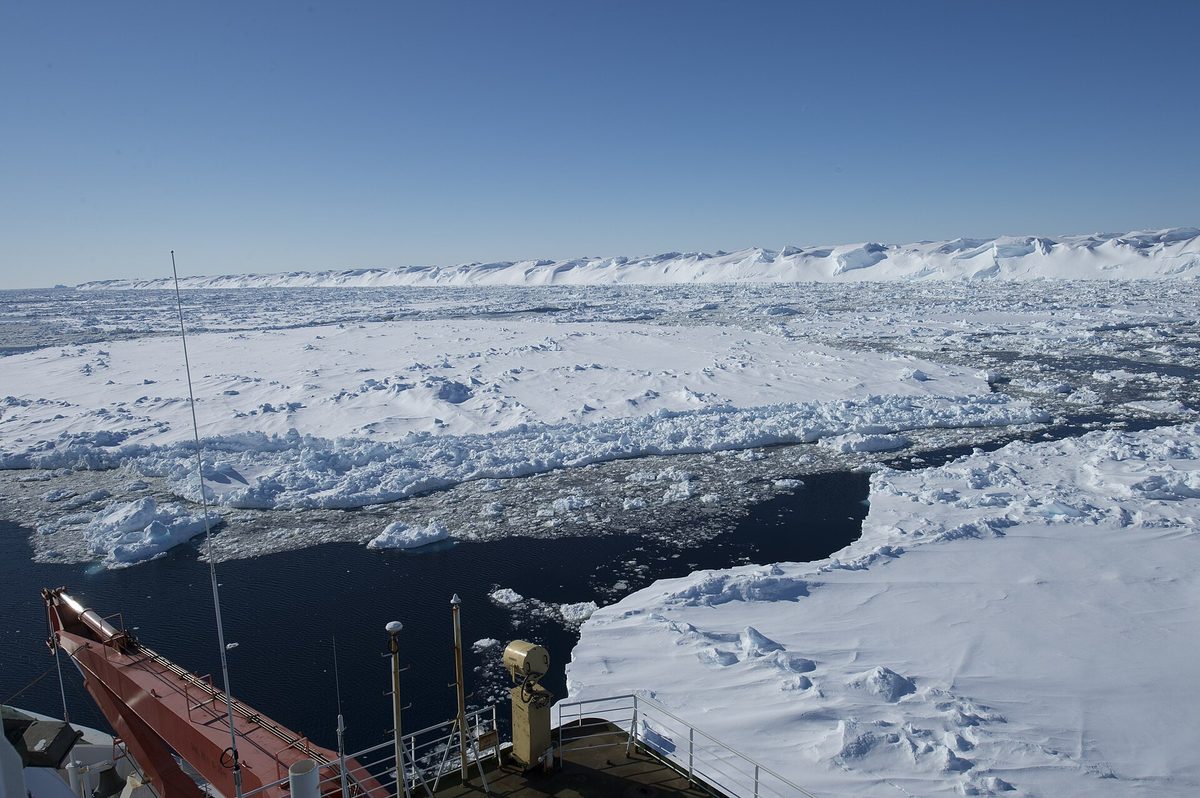
For the classic Antarctic Peninsula season — November through March, when the vast majority of travellers go — the honest answer is no. The Peninsula’s summer ice is seasonal first-year ice, navigable by any properly ice-strengthened PC6, PC7 or 1A Super ship, and the expedition leaders simply route around anything too heavy. You will see plenty of ice, cruise among magnificent bergs and nose into the pack, all without needing a true icebreaker. The standard expedition fleet is built precisely for this.
A higher ice class only becomes necessary when you want to go beyond the ordinary: deep into the Weddell Sea, down to the Ross Sea, to remote emperor penguin colonies on the fast ice, or very early and very late in the season when the ice is thicker. These are specialist, expensive expeditions for a small minority of travellers. For everyone else, chasing a high ice class is paying for capability you will never use. My guide to the best time to visit Antarctica explains how the season governs the ice.
The types of ice your ship will meet
To understand why ice class matters, it helps to know what “ice” actually means at sea, because not all ice is equal. First-year ice forms over a single winter and is relatively thin and navigable — this is the seasonal pack that summer Peninsula voyages encounter, and any properly ice-strengthened ship handles it comfortably. Multi-year ice, by contrast, has survived several summers, growing thick, hard and treacherous; it is the stuff of the high Arctic and the deep polar winter, and only the highest-class ships and true icebreakers dare tackle it.
Then there are the features expedition travellers love: brash ice, the loose rubble of broken floes; pancake ice, the curious rounded discs that form in choppy freezing seas; fast ice, the solid sheet attached to the shore where emperor penguins breed; and the towering icebergs that calve from glaciers and ice shelves. A capable ship lets you nose safely among all of them, and learning to read the difference from the deck becomes one of the quiet pleasures of a voyage. The ice itself is a headline attraction, as much as the Antarctica wildlife it shelters.
How ice class affects your experience and price
Ice class shapes your voyage in two ways: where you can go, and what you pay. A higher-class ship can push into heavier ice and reach more remote, more exclusive destinations, which is part of why icebreaker voyages on the Charcot command such premium fares. The engineering itself — thicker steel, more powerful propulsion, reinforced everything — is expensive to build and to run, and that cost is reflected in the ticket price.
But for the standard Peninsula traveller, a modest, appropriate ice class keeps the fare sensible without limiting the experience in any way that matters. You are not missing out by sailing on a PC6 ship; you are simply matching the tool to the job. Pay for a higher class only if your itinerary genuinely demands it. The full cost picture lives in my guide to how much an Antarctica trip costs, and the budget end in my most affordable ships guide.
Beyond the hull: the rest of an ice-capable ship
Ice class describes the hull and propulsion, but a polar ship is more than its steel. The best ice-capable vessels also carry advanced ice-detection radar, double hulls and watertight compartments for safety, heated and protected systems that keep working in the cold, and bridges designed for the constant, careful navigation that ice demands. Experienced ice captains and ice pilots read the pack like a map, choosing leads and avoiding pressure, a skill no rating can capture.
This is why two ships of the same ice class can perform differently in practice: the human expertise and the supporting systems matter as much as the certificate. When you choose a voyage, the operator’s polar experience and the calibre of its officers count for as much as the number on the hull. A well-run PC6 ship with a veteran ice captain is a safer, better experience than a higher-rated ship with a green crew. Reputable, experienced operators are IAATO members, which I explain in my guide to IAATO and operator membership.
A short history of ships in the ice
Ice navigation is older than any rating system. The heroic-age explorers — Shackleton, Scott, Amundsen — sailed wooden ships purpose-built with reinforced hulls to survive the pack, and Shackleton’s Endurance famously did not survive it, crushed and sunk by the closing Weddell Sea ice in 1915. Those early vessels relied on stout timber, clever hull shapes and sheer seamanship rather than steel and certificates, and their triumphs and disasters taught the world how ships must be built to work in ice.
The modern Polar Class system is the descendant of all that hard-won knowledge, codifying into precise engineering standards the lessons paid for in those early expeditions. Today’s travellers sail in extraordinary safety compared with the explorers, aboard ships whose every plate and pod is rated for the conditions, guided by radar and a century of accumulated expertise. When you watch the ice part beneath a modern bow, you are seeing the end point of a long and often perilous evolution. That history haunts many of the places you will visit, as I describe in my guide to Antarctica itineraries.
Frequently asked questions
What is an ice class ship?
An ice class ship is a vessel specially designed and certified to operate safely in ice-covered waters, with a strengthened hull, protected propulsion and a rating — such as Polar Class PC6 or Baltic 1A Super — that defines how thick an ice it can handle and where and when it can sail. The higher the rating, the more capable the ship.
What ice class do I need for an Antarctica cruise?
For the classic summer Peninsula season, a PC6, PC7 or 1A Super ice-strengthened ship is more than adequate, and that describes most of the tourist fleet. You only need a higher class for specialist voyages into heavy pack ice, such as the deep Weddell Sea, the Ross Sea or early and late-season expeditions.
What is the difference between an ice-strengthened ship and an icebreaker?
An ice-strengthened ship is built to operate safely within seasonal pack ice and push floes aside, while a true icebreaker has the power, hull shape and strength to deliberately and continuously break thick ice. Most Antarctic tourist ships are ice-strengthened; only Ponant’s PC2 Le Commandant Charcot is a genuine passenger icebreaker.
Which Antarctica cruise ship has the highest ice class?
Ponant’s Le Commandant Charcot, with a PC2 rating, has by far the highest ice class of any passenger ship and is the only true luxury icebreaker carrying tourists. It can push through about three metres of ice forward and reach remote, ice-locked regions no other tourist vessel can access.
Is a higher ice class safer?
A higher ice class means a ship can handle thicker, more dangerous ice, but safety also depends on the crew’s experience, the ship’s navigation systems and sensible routing. For the summer Peninsula season, a properly rated PC6 or 1A Super ship with an experienced ice captain is entirely safe; you do not need an icebreaker to be secure.
Does Polar Class PC6 mean a ship is weak?
Not at all. PC6 is a perfectly capable rating for Antarctic summer conditions and describes many excellent expedition ships, including Quark’s Ultramarine. The very high classes, PC1 to PC4, are built for the brutal multi-year ice of the high Arctic and the polar winter, which Antarctic tourists never encounter. PC6 matches the job precisely.
Can a normal expedition ship sail through pack ice?
Yes, within limits. A properly ice-strengthened expedition ship can push through and operate within seasonal first-year pack ice, nudging floes aside and working the edges of the pack. What it will not do is force its way through thick multi-year ice the way a true icebreaker can. Expedition leaders route around anything too heavy for the ship’s class.
Final thoughts
Understanding what an ice class ship is takes the mystery — and the anxiety — out of those cryptic brochure codes. The rating tells you how much ice a ship can handle and where it can take you, and for the great majority of travellers heading to the Antarctic Peninsula in summer, a standard ice-strengthened PC6, PC7 or 1A Super ship is exactly right. You do not need an icebreaker to have a magnificent, safe and ice-filled voyage; you need a well-built, well-run ship matched to your itinerary.
Save the awe for the rare PC2 Charcot and the specialist icebreaker expeditions if your dreams run to the remotest corners of the continent. For everyone else, choose a reputable operator with an appropriately rated ship and an experienced crew, and let the engineering fade into the background while you watch the ice slide past. The rating is just a means to an end, and the end is the most beautiful wilderness on Earth.
Related reading
- Antarctica expedition ships and cruise operators
- Best small expedition ships for Antarctica
- Antarctica cruises with helicopters and submarines
- Best Antarctica cruise lines compared
- How to choose an Antarctica cruise operator
- The most affordable Antarctica ships
- Antarctica cruise itineraries
- The best time to visit Antarctica
- Antarctica cruises: the complete guide