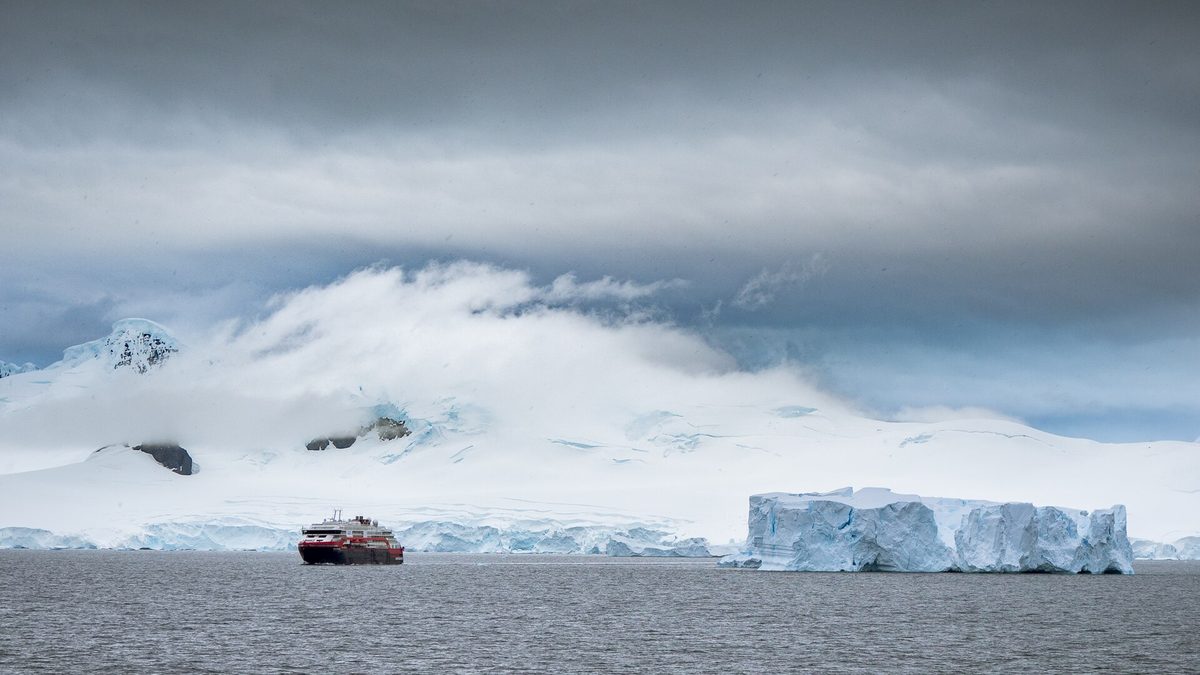
There is an uncomfortable truth at the heart of polar travel that the brochures rarely confront: visiting the most pristine wilderness on Earth requires burning fuel to get there, and tourism inevitably leaves a mark on a place defined by its untouched purity. And yet the industry has made remarkable strides, and choosing a genuinely sustainable antarctica cruise — on a hybrid-electric ship, with a serious environmental programme — is now both possible and, I would argue, the responsible way to go if you go at all. The question is no longer simply whether to visit, but how to do so with the lightest possible footprint.
I care deeply about this, and I have watched the expedition fleet transform over the past decade from diesel-belching converted research vessels into some of the cleanest, most thoughtfully engineered ships afloat. This guide explains what actually makes a cruise sustainable, which ships lead the way, what to ask before you book, and how to weigh the genuine tension between seeing Antarctica and protecting it. It sits within our guide to Antarctica expedition ships and builds on my guide to IAATO and operator responsibility.
The paradox of sustainable polar travel
Let us be honest before we go further. Reaching Antarctica means long-haul flights to the tip of South America and then a fuel-hungry voyage across one of the world’s roughest seas, and no amount of clever engineering makes that carbon-free. Tourism also concentrates thousands of people on a handful of fragile landing sites each summer, with all the attendant risks to wildlife and pristine ground. Anyone who tells you an Antarctic cruise is entirely “green” is selling you something. The honest goal is not perfection but harm reduction — going as cleanly and responsibly as possible, or reconsidering whether to go.
That said, the case for responsible tourism is real. Visitors return as passionate advocates for Antarctic protection, tourism funds significant citizen science, and a well-run, low-impact voyage does far less damage than the worst-case alternatives. The aim of this guide is to help you minimise your footprint and maximise the good, so that if you do make this once-in-a-lifetime journey, you do it in the way that best honours the place. That weighing is personal, and it threads through my whole guide to Antarctica cruises.
What makes a sustainable Antarctica cruise
Sustainability in this context is about far more than a vague green label. A genuinely sustainable Antarctica cruise combines several concrete elements: clean propulsion, such as hybrid-electric power that cuts fuel use and emissions; the elimination of single-use plastics; rigorous waste, water and sewage management; sustainable sourcing of food and supplies; full IAATO membership and strict adherence to its environmental rules; active support for Antarctic science; and often carbon-offsetting or reduction schemes. No single feature makes a ship sustainable; it is the whole package that counts.
When you assess an operator’s green credentials, look past the marketing language to these specifics. Does the ship actually use hybrid or cleaner fuel? Has it banned single-use plastics? Does it run a citizen-science programme, and support real research? Is it a full IAATO member? The leading operators answer all of these convincingly; the laggards hide behind soft words. Knowing what to look for lets you tell the difference, a skill I also stress in my guide to choosing an operator.
Hybrid-electric ships explained
The single biggest leap forward has been the arrival of hybrid-electric propulsion. These ships pair conventional engines with large banks of batteries, much like a hybrid car, allowing them to run on stored electrical power for periods, to operate more efficiently overall, and to switch to near-silent battery power when nosing among wildlife. The result is meaningfully lower fuel consumption, reduced emissions, and far less noise and vibration to disturb the very animals you have come to see.
The emissions savings are real if not revolutionary — typically cutting fuel use and carbon dioxide by up to around 20 percent compared with traditional vessels — and the quieter operation is a genuine boon for sensitive marine life. Combined with modern hull designs that slip more efficiently through the water, hybrid ships represent the current state of the art in cleaner polar travel. They are the vessels I steer environmentally minded travellers toward first, and several feature in my best expedition ships guide.
MS Roald Amundsen and Fridtjof Nansen: the hybrid pioneers
The ship that started the revolution is HX’s MS Roald Amundsen, launched in 2019 as the world’s first hybrid-powered expedition vessel. Its propulsion system combines battery power with efficient engines to reduce fuel consumption and carbon dioxide emissions by up to 20 percent, while enabling quieter, gentler exploration of delicate ecosystems. Its sister ship, the Fridtjof Nansen, followed, and together they proved that a cleaner, modern expedition ship could also be comfortable and commercially successful.
Both ships pair their green technology with Scandinavian-styled comfort, big panoramic windows and a high-tech science centre where guests take part in citizen-science projects and educational workshops. HX, formerly Hurtigruten Expeditions, has since committed to converting more of its fleet to hybrid propulsion, extending those roughly 20 percent emissions savings across more ships. For travellers who want credible sustainability without a luxury price tag, these vessels are a natural choice, as I note in my cruise lines comparison.
Aurora’s X-bow ships: low-impact by design
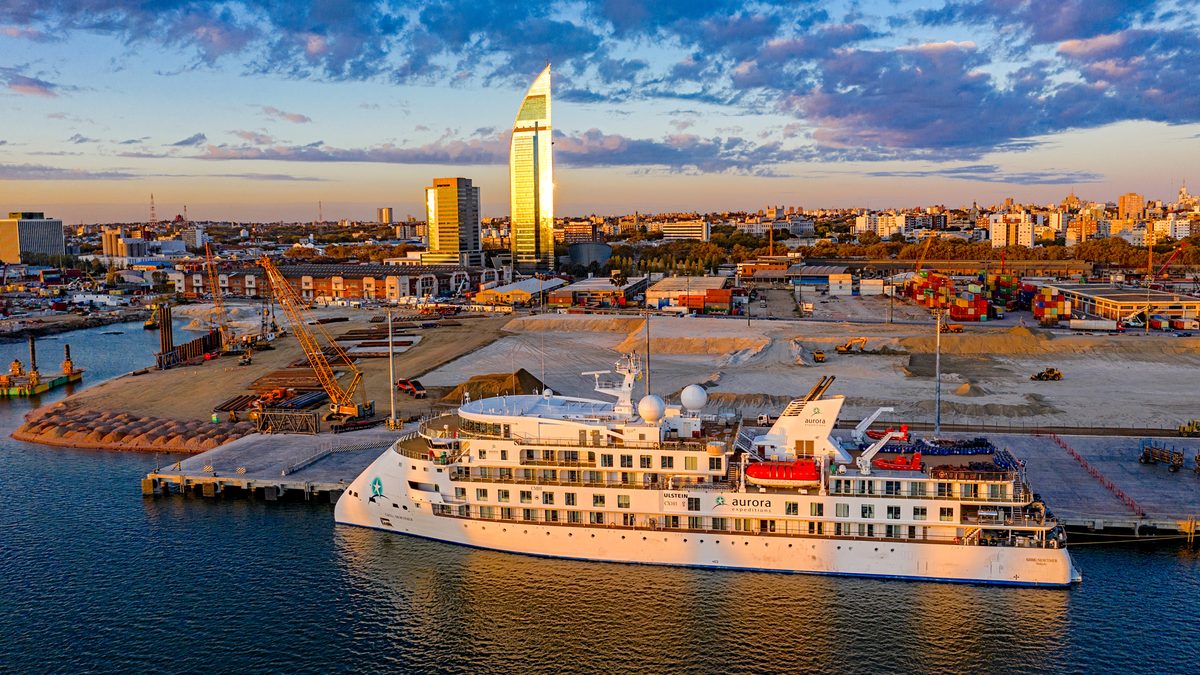
Aurora Expeditions has built sustainability into the very shape of its ships. Its modern vessels — the Greg Mortimer, Sylvia Earle and Douglas Mawson — use the Ulstein X-bow, an inverted hull that slices through swells more efficiently, reducing fuel use, emissions and noise while delivering a smoother ride. The Sylvia Earle in particular adds fuel-efficient features, virtual anchoring technology that holds the ship in position without dropping an anchor onto the fragile seabed, and reduced light pollution to lessen its impact on wildlife.
Carrying only around 132 guests each, these intimate ships also tread more lightly simply by being small, and Aurora pairs the engineering with a strong culture of conservation and citizen science. For active, eco-conscious travellers who want a modern, low-impact ship without an enormous price tag, Aurora’s trio is among my top recommendations. The smaller passenger count is itself a sustainability feature, as I explain in my best small expedition ships guide.
Le Commandant Charcot: clean power meets deep ice
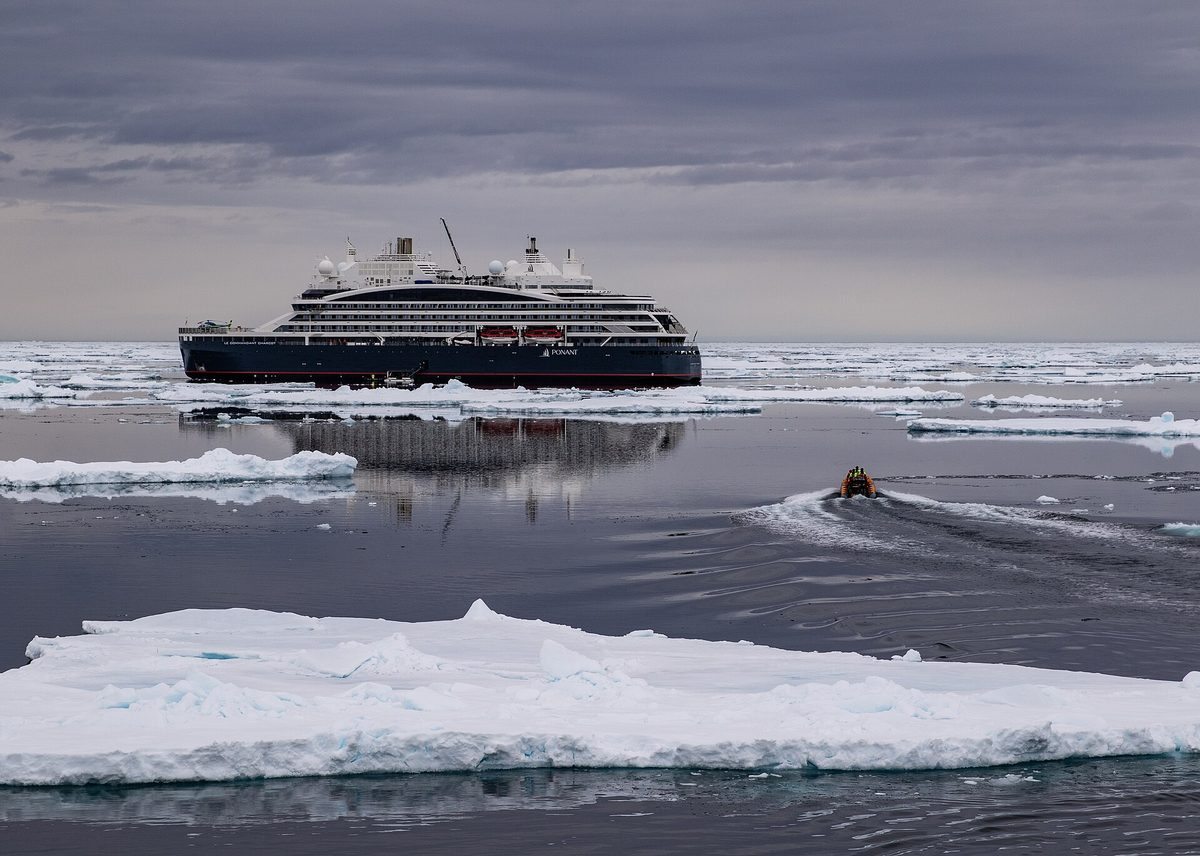
At the luxury end, Ponant’s Le Commandant Charcot shows that even the most capable icebreaker can embrace cleaner technology. The ship is powered by a combination of liquefied natural gas and battery hybrid propulsion, a significantly cleaner fuel than the heavy marine diesel of old, paired with an onboard laboratory that supports genuine scientific research in the remote regions only it can reach. It demonstrates that sustainability and serious polar capability need not be in conflict.
LNG is not a perfect solution — it is still a fossil fuel, and questions remain about methane emissions — but it burns far cleaner than traditional marine fuels, and combined with battery power it represents a meaningful step forward for a ship of this class. For travellers drawn to the remotest corners of the continent who also care about their footprint, the Charcot is a compelling, if expensive, option. I cover its capabilities in my guides to ice-class ships and icebreaker voyages.
Beyond propulsion: the other green features
Clean power grabs the headlines, but a truly sustainable ship pays attention to dozens of smaller things. The best operators have eliminated single-use plastics, replacing bottled water with refillable stations and banishing plastic straws, bags and packaging. They manage waste meticulously, carrying everything back out and treating sewage and grey water to high standards. They source food sustainably, reduce food waste, use energy-efficient systems throughout, and design itineraries to spread visits and avoid overburdening popular sites.
These measures matter enormously in aggregate, and they are also a reliable signal of an operator’s seriousness. A company that has thought hard about plastics, waste and water has usually thought hard about everything else too. When you compare operators, ask about these unglamorous details, because they often reveal more than any glossy sustainability brochure. This diligence sits alongside the IAATO rules I describe in my guide to operator membership.
Citizen science: travel that gives back
One of the most rewarding developments in sustainable Antarctic travel is citizen science, where guests actively contribute to real research during their voyage. Aboard ships with dedicated science centres, travellers help collect data on whales, seabirds, phytoplankton, cloud cover and microplastics, feeding genuine scientific programmes that benefit from the regular presence of tourist ships in waters scientists rarely reach. It transforms passengers from passive observers into participants, and the data gathered has real value.
This is sustainability in its most positive form: tourism not merely minimising harm but actively contributing to the understanding and protection of the continent. If giving something back appeals to you, look for operators with established citizen-science partnerships and onboard laboratories, and throw yourself into the projects when aboard. It deepens your own experience while serving the place, and it is one of the most hopeful threads in the whole story of polar tourism. The science also enriches the wildlife encounters I describe in my guide to Antarctica wildlife.
Green ships compared at a glance
| Ship | Operator | Green credentials |
|---|---|---|
| Roald Amundsen | HX | World’s first hybrid; ~20% lower emissions; science centre |
| Fridtjof Nansen | HX | Hybrid propulsion; citizen science |
| Sylvia Earle | Aurora | X-bow efficiency; virtual anchoring; low light pollution |
| Greg Mortimer | Aurora | X-bow efficiency; small footprint; citizen science |
| Le Commandant Charcot | Ponant | LNG-battery hybrid; onboard research lab |
Use this as a starting point rather than a verdict, and always confirm the latest specifications and programmes directly, as the fleet is evolving quickly. The greenest choice also depends on your budget and travel style, which I help you weigh in my guide to the most affordable ships and across the operator-choosing guide.
The fuel question and carbon offsetting
Two thorny issues deserve honesty. First, fuel: most expedition ships still run primarily on marine gas oil, a cleaner distillate than the heavy fuel oil banned in Antarctic waters, while the newest ships add batteries, LNG or biogas to cut emissions further. Hybrid and LNG technology helps, but no current ship is emissions-free, and the long voyage across the Drake is inherently fuel-intensive. Choosing the cleanest available ship genuinely reduces your impact, even if it cannot eliminate it.
Second, carbon offsetting: many operators offer to offset the emissions of your voyage, and some build it into the fare. Offsetting is better than nothing and worth doing, but treat it with clear eyes — it does not undo the emissions, and the quality of offset schemes varies enormously. The most credible operators reduce emissions first through technology and efficiency, and offset only the remainder through reputable, verified projects. Ask how an operator approaches both, and favour those that prioritise real reduction over offsetting alone. This kind of scrutiny is part of the broader cost-and-value picture in my trip cost guide.
How expedition ships got cleaner
It is worth appreciating how far the fleet has come, because the change has been dramatic. For decades, Antarctic tourism ran on converted research vessels and ice-strengthened ferries burning heavy marine fuel, ships designed for capability rather than cleanliness. They got travellers to the ice, but with a heavy environmental cost in emissions, noise and pollution risk. The turning point came as the Antarctic Treaty banned the use and carriage of heavy fuel oil in Antarctic waters, pushing the industry toward cleaner distillate fuels, and as operators began commissioning purpose-built ships from scratch.
The launch of the hybrid Roald Amundsen in 2019 was the watershed, proving that a new generation of cleaner, quieter, purpose-designed expedition ships was commercially viable. Since then the pace of change has accelerated, with operators competing not just on luxury and adventure but increasingly on green credentials. The grimy converted ships of the past are giving way to vessels engineered from the keel up to tread lightly, and the trajectory is firmly in the right direction. That modern fleet is exactly what I survey in my best expedition ships guide.
The future of sustainable polar travel
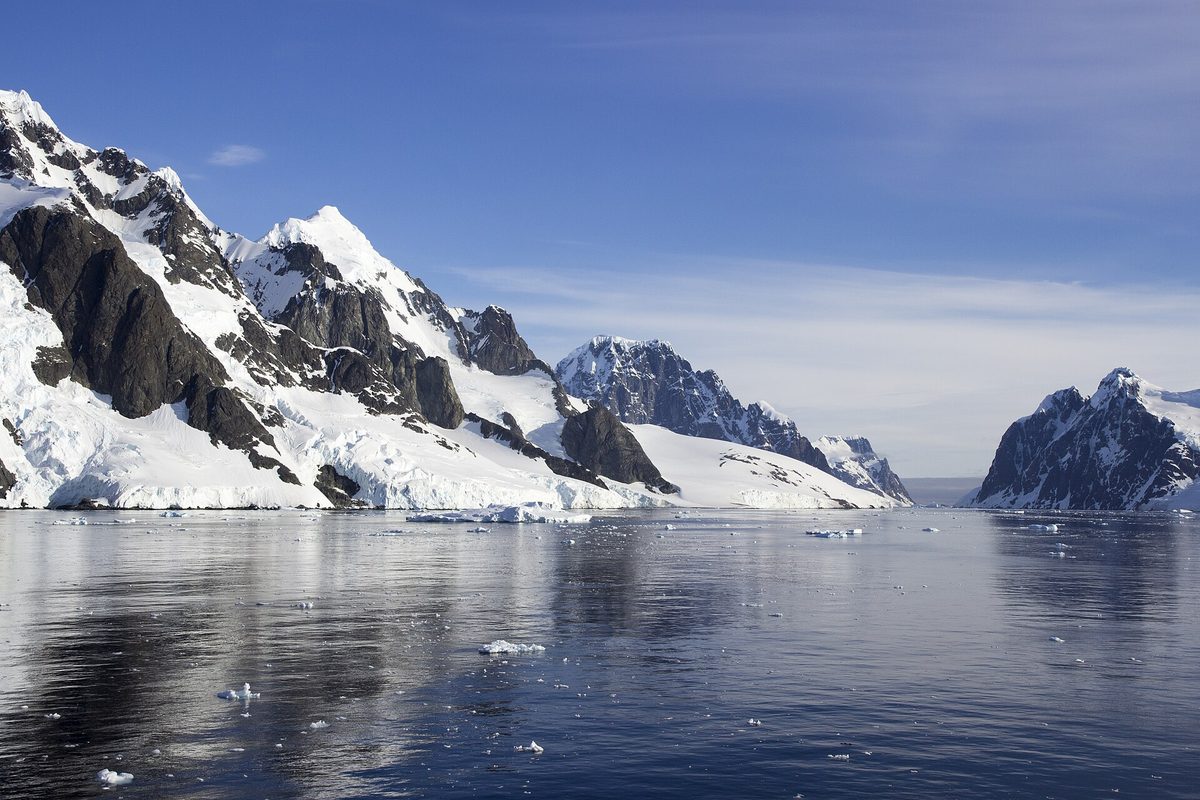
The innovation is far from finished. Operators and shipbuilders are exploring the next frontier of cleaner propulsion: larger battery capacity for longer fully electric running, shore-power connections in gateway ports so ships need not run engines at the dock, wind-assist technologies, and the eventual promise of hydrogen and other zero-emission fuels. Each season brings incremental improvements in efficiency, waste reduction and emissions, and the leading operators publish sustainability reports to hold themselves accountable to measurable targets.
None of this will make polar travel effortless to reconcile with conservation, and the fundamental tension will remain. But the direction of travel is genuinely encouraging, and choosing the operators pushing hardest on these frontiers rewards and accelerates the change. As a traveller, your booking is a vote, and casting it for the cleanest, most forward-looking ships helps drag the whole industry toward a more sustainable future. The same forward-thinking operators tend to lead on safety and science too, as I discuss in my guide to IAATO and responsibility.
How to choose a sustainable cruise
Pulling it together, choosing a sustainable Antarctica cruise comes down to asking the right questions and favouring substance over slogans. Look for a hybrid, LNG or otherwise efficient ship; full IAATO membership; a ban on single-use plastics; rigorous waste and water management; an active citizen-science programme; a smaller passenger count; and a credible approach to emissions reduction and offsetting. An operator that ticks most of these boxes is making a genuine effort; one that offers only vague green language probably is not.
Smaller ships, newer ships and the operators that talk specifically and proudly about their environmental work are generally your best bets. And remember that how you travel matters too: tread carefully ashore, follow every guideline, support the science, and consider offsetting your flights as well as your cruise. The cleanest voyage is a partnership between a responsible operator and a responsible traveller. My guide to choosing an operator walks through the full vetting process.
Is it even worth going? A balanced view
It is worth confronting the hardest question directly: given the impact, should you go to Antarctica at all? There is a sincere argument that the most sustainable choice is to stay away entirely and leave the continent untouched, and I respect travellers who reach that conclusion. The emissions are real, the sites are fragile, and not everyone needs to see the ice in person to value its protection.
But there is an equally sincere counter-argument that thoughtful tourism, done cleanly and in small numbers, creates lifelong advocates for Antarctic conservation, funds valuable science, and channels economic weight behind protecting the region — and that the people who have stood among the penguins are often its fiercest defenders. Both views have merit, and the choice is genuinely yours to make. If you do go, going on the cleanest possible ship, with a responsible operator, and returning as an advocate, is the way to tip the balance toward good. That spirit runs through everything in my complete guide to Antarctica cruises.
Frequently asked questions
What is the most sustainable Antarctica cruise ship?
HX’s hybrid-powered MS Roald Amundsen and Fridtjof Nansen, Aurora’s efficient X-bow ships like the Sylvia Earle, and Ponant’s LNG-battery Le Commandant Charcot are among the most sustainable. The best choice combines clean propulsion, a small passenger count, plastic-free operation, citizen science and full IAATO membership rather than any single feature.
How do hybrid expedition ships reduce emissions?
Hybrid ships pair conventional engines with large battery banks, allowing more efficient operation and periods of near-silent electric running. This typically cuts fuel use and carbon dioxide emissions by up to around 20 percent compared with traditional vessels, while also reducing the noise and vibration that disturb marine wildlife.
Can an Antarctica cruise ever be truly carbon-neutral?
Not entirely. Reaching Antarctica requires long flights and a fuel-intensive sea crossing, and no current ship is emissions-free. Hybrid technology, cleaner fuels and offsetting reduce the footprint substantially but cannot eliminate it. The honest goal is harm reduction — choosing the cleanest ship and operator — rather than genuine carbon neutrality.
What is citizen science on an Antarctica cruise?
Citizen science lets guests contribute to real research during their voyage, collecting data on whales, seabirds, phytoplankton, clouds and microplastics that feeds genuine scientific programmes. Ships with dedicated science centres, such as HX’s and Aurora’s, make this a core part of the experience, turning travellers into active participants in Antarctic research.
Does choosing a sustainable cruise cost more?
Not necessarily. HX’s hybrid ships and Aurora’s efficient vessels span the mid-range market, so sustainability does not require a luxury budget. The cleanest icebreaker, Ponant’s Charcot, is expensive, but plenty of green-minded options exist at more accessible prices. Sustainability is about the operator’s choices as much as the fare you pay.
What can I do to travel more responsibly in Antarctica?
Choose the cleanest available ship and a full IAATO member, follow every wildlife and biosecurity guideline meticulously, support onboard citizen science, minimise waste, and consider offsetting both your flights and your cruise. Travelling in small numbers on a responsible operator, and returning as an advocate for protection, makes your visit as constructive as possible.
Is liquefied natural gas a clean fuel for cruise ships?
LNG is significantly cleaner than the heavy fuel oil and marine gas oil traditionally used, producing fewer particulates and lower carbon dioxide emissions, which is why Ponant’s Charcot uses it with battery hybrid power. However, LNG is still a fossil fuel and raises concerns about methane emissions, so it is a meaningful improvement rather than a perfect solution on the road to cleaner polar travel.
Final thoughts
A sustainable antarctica cruise is no longer a contradiction in terms, even if it can never be entirely impact-free. The expedition fleet has transformed, led by hybrid pioneers like the Roald Amundsen, efficient X-bow ships like the Sylvia Earle, and cleaner-fuelled icebreakers like the Charcot, and the best operators now pair that technology with plastic-free operation, rigorous environmental management and genuine support for science. Choosing among them thoughtfully is the single most important thing you can do to lighten your footprint.
If you decide to make this extraordinary journey, make it count: sail on the cleanest ship you can, with a responsible operator, tread lightly, give back through citizen science, and come home a passionate advocate for the continent’s protection. Antarctica will change you, and in return you can help ensure it endures, as wild and pristine for those who follow as it was for you. That, in the end, is what sustainable travel to the bottom of the world really means.
Related reading
- Antarctica expedition ships and cruise operators
- IAATO and why operator membership matters
- Best small expedition ships for Antarctica
- Best Antarctica cruise lines compared
- How to choose an Antarctica cruise operator
- Ice-class ships and icebreakers explained
- Antarctica cruises with helicopters and submarines
- Antarctica wildlife
- Antarctica cruises: the complete guide