One of the most common questions I get from people planning their first trip south is whether they need an antarctica visa stamped into their passport before they go. It feels like the sort of bureaucratic hurdle a once-in-a-lifetime trip to the bottom of the world ought to involve. The reassuring answer is that there is no such thing as an Antarctica visa, because no country owns Antarctica and therefore no government is there to issue one. But that tidy headline hides a few important details — about the gateway countries you pass through, the permits your operator quietly arranges on your behalf, and the extra steps you must take if you are traveling independently. This guide untangles all of it.
I have sailed south from Argentina and from Chile, and I have helped friends from a dozen different countries get their paperwork in order. The pattern is always the same: people worry about the wrong document. They fret about an Antarctica visa that does not exist while overlooking the gateway-country entry rules and passport-validity requirements that genuinely can derail a trip. Let me walk you through what actually matters, in plain language.
Do You Need an Antarctica Visa? The Short Answer
No. There is no Antarctica visa and no immigration checkpoint anywhere on the continent. Antarctica is governed by the Antarctic Treaty System, not by any single nation, so there is no sovereign authority to grant or stamp a visa. When your ship reaches the Peninsula and you step onto the ice for the first time, nobody checks your documents, because there is nobody there to do the checking. In that narrow sense, Antarctica is the easiest place on Earth to “enter.”
That does not mean you travel paperwork-free. The visas that matter are the ones for the countries you pass through to reach the ice, and the permits that govern tourism are held by your operator under international law. Understanding the difference between those two things is the whole game.
Why Antarctica Has No Visa System
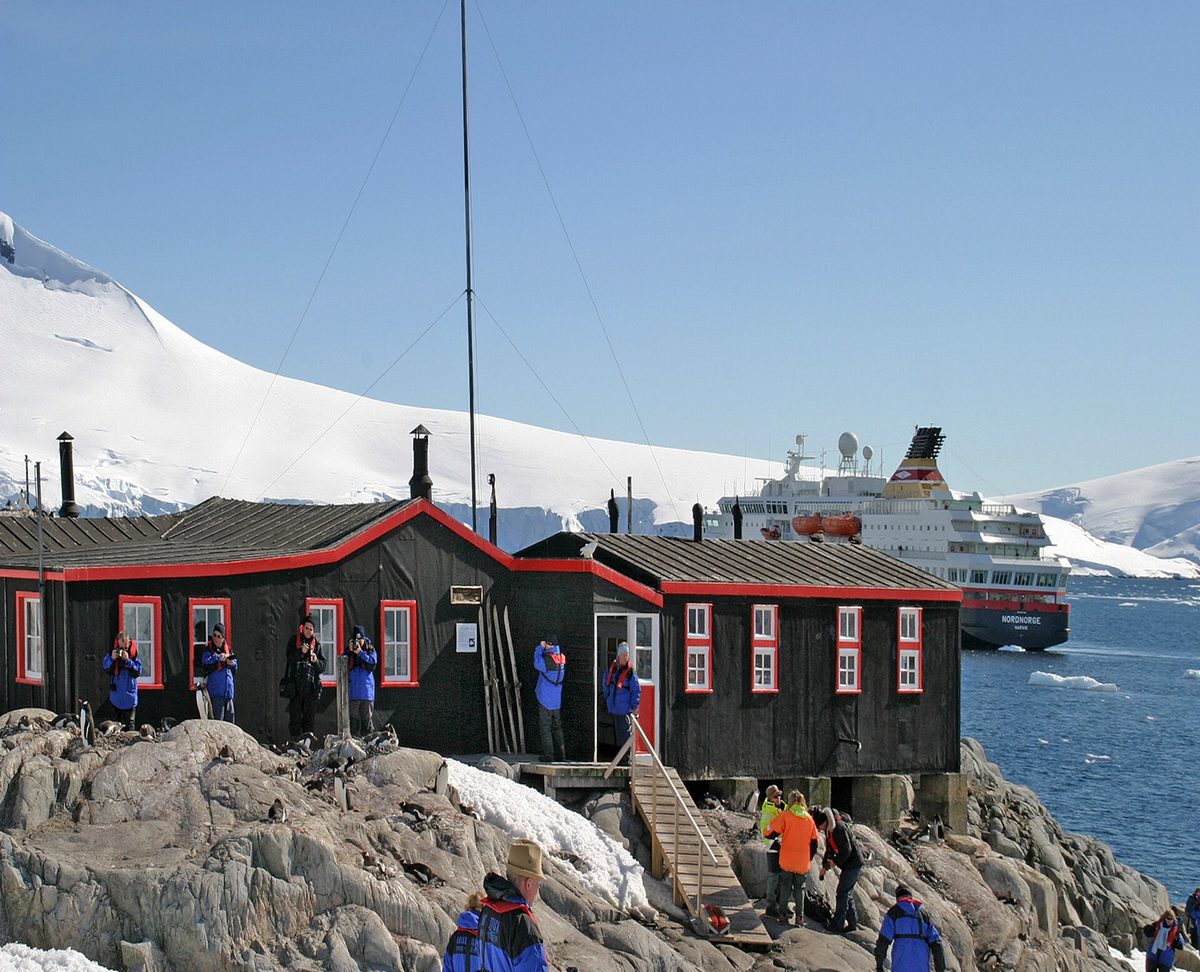
Antarctica’s unique legal status comes from the Antarctic Treaty, signed in 1959 and in force since 1961, which sets the entire continent aside for peace and science and freezes all territorial claims. Layered on top of it is the Protocol on Environmental Protection to the Antarctic Treaty — usually called the Madrid Protocol — which since 1998 has governed how humans, including tourists, may behave there. Because the Treaty parties agreed not to exercise normal sovereignty, there is no national border to cross and no visa regime. Instead, the system regulates activity through environmental permits issued by each traveler’s or operator’s home government. It is a genuinely unusual arrangement, and it is why your passport will never collect an Antarctic stamp at any official checkpoint, although the gift shop at Port Lockroy will happily give you a novelty one.
What You Actually Need: A Passport
Even though Antarctica asks for nothing, you cannot get there without first entering a gateway country, and that requires a passport. Make sure yours is valid for at least six months beyond your planned return date, the standard most countries enforce, and that it has a couple of blank pages for entry and exit stamps. If your passport is within a year of expiry when you book, renew it now rather than gambling on the timing. A lost or damaged passport in Ushuaia is a genuine emergency that can cost you the voyage, so treat the little blue book as the single most important object you pack. Our broader guide to Antarctica travel requirements and documents covers passport logistics in more depth.
The Gateway Country Is Where Visas Actually Matter
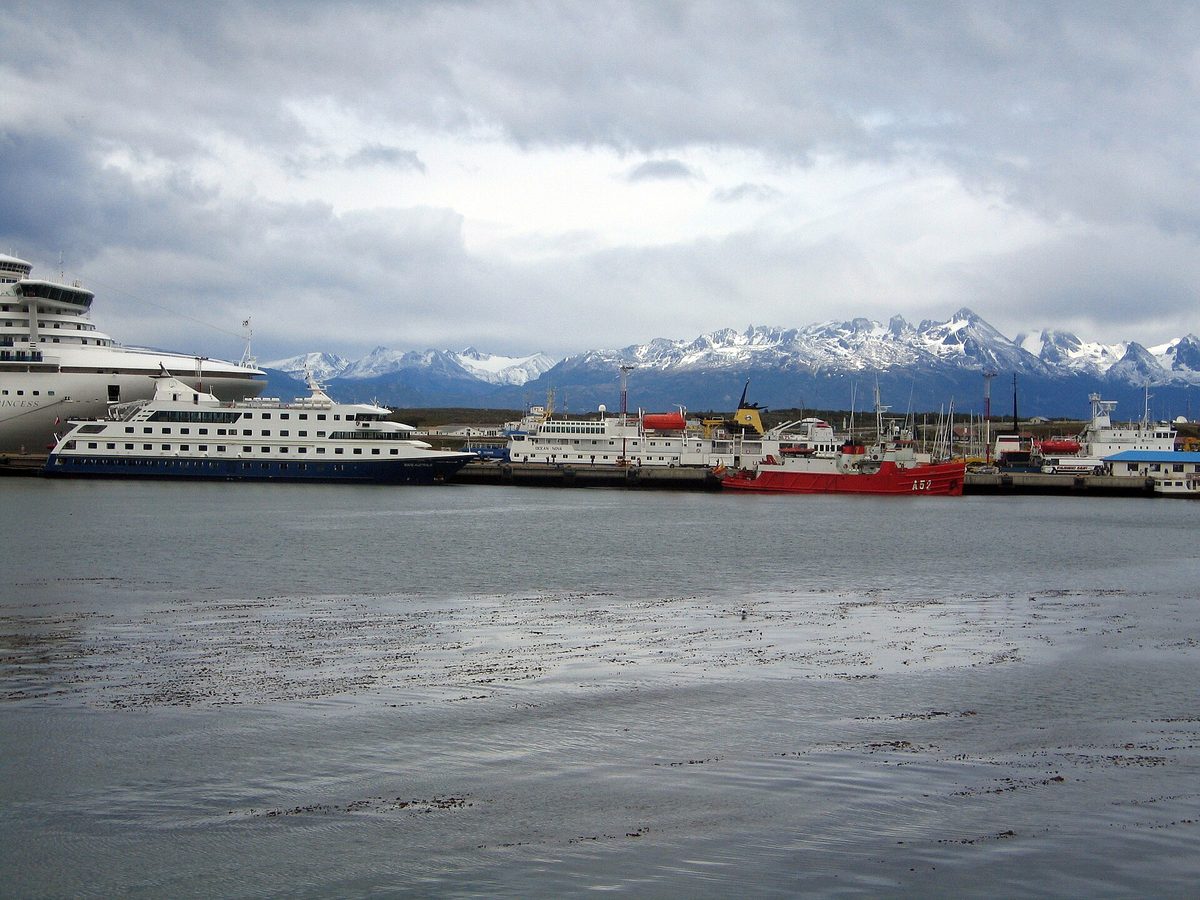
Almost every Antarctic voyage begins in one of a handful of gateway cities, and it is that country’s rules — not Antarctica’s — that determine whether you need a visa. The four classic gateways are Ushuaia in Argentina, Punta Arenas in Chile, Hobart in Australia, and Christchurch / Bluff in New Zealand. The overwhelming majority of Peninsula trips leave from Ushuaia or Punta Arenas, while the Ross Sea and East Antarctic voyages use the Australasian gateways. Here is how the entry picture generally looks for common nationalities, though you must always confirm against current government sources, since rules change:
| Gateway country | Main departure city | Typical tourist entry (US/UK/EU/AU/NZ) |
|---|---|---|
| Argentina | Ushuaia | Visa-free for tourism, usually up to 90 days |
| Chile | Punta Arenas | Visa-free for tourism, usually up to 90 days |
| Australia | Hobart | ETA / eVisitor electronic authorization required |
| New Zealand | Christchurch / Bluff | NZeTA electronic authorization required |
The takeaway: if you are flying through Buenos Aires to Ushuaia, your homework is Argentina’s entry rules, not Antarctica’s. Plan the journey itself with our guide to how to get to Antarctica.
Argentina and Ushuaia: The Most Common Gateway
Ushuaia, the southernmost city in the world, is the launch point for the large majority of Antarctic cruises because it sits closest to the Peninsula. For citizens of the United States, Canada, the United Kingdom, the European Union, Australia, and New Zealand, Argentina currently allows visa-free tourist entry for stays well beyond what any cruise requires. You will pass through normal Argentine immigration when you land, and again when you fly home. Build in buffer time: most experienced travelers arrive in Ushuaia a day or two early so a delayed flight cannot cost them the ship. If your nationality does require an Argentine visa, apply well ahead, because the appointment backlog can be long in peak season.
Chile and Punta Arenas
Punta Arenas is the other major Peninsula gateway, used heavily by fly-cruise itineraries that skip the Drake Passage by flying guests across to King George Island. Chile’s tourist-entry rules mirror Argentina’s for most Western nationalities: visa-free for tourism for generous periods. If you are taking a fly-cruise, the air segment makes punctual, document-correct gateway travel even more important, because a missed flight in a weather hold can cascade. Our overview of flights to Antarctica explains how those air-bridge trips work.
Australia and New Zealand Gateways
If your sights are set on the Ross Sea, the East Antarctic coast, or the remote and wildlife-rich sub-Antarctic islands, you will likely depart from Hobart in Tasmania or from Christchurch or Bluff in New Zealand. Both countries require an inexpensive electronic travel authorization before you arrive — an ETA or eVisitor for Australia, and the NZeTA for New Zealand — which you arrange online in advance rather than at the airport. These are quick to obtain but are easy to forget precisely because they are not a traditional visa. Put them on your checklist. These longer voyages also tend to be more expensive and time-intensive, which our Antarctica trip cost guide and best time to visit Antarctica guides can help you weigh.
Permits: The Paperwork That Actually Governs Antarctica
Here is where the real Antarctic “permission” lives. Although there is no visa, visiting Antarctica is regulated under the Madrid Protocol, which requires that tourist activities be authorized and assessed for their environmental impact. In practice this means a permit must exist for your expedition — covering the itinerary, the landing sites, waste management, wildlife-approach distances, and emergency and contingency planning. The crucial point for most travelers is that you do not apply for this yourself. Your tour operator holds the permit, and by booking with a reputable company you are traveling under its authorization.
This is one of the strongest reasons to book with an operator that belongs to the International Association of Antarctica Tour Operators (IAATO). IAATO members commit to the environmental and safety standards the permit system is built around, and they handle the regulatory machinery so you can focus on the experience. When you book a mainstream cruise, the permit question is effectively solved on your behalf before you have even paid your deposit.
National Permit Systems: Who Authorizes Whom
Because the Treaty parties enforce the Protocol through their own national laws, the specific permit that covers your trip depends on where your operator — and sometimes you — are based. You will rarely interact with these directly, but it helps to know the framework exists:
- United States: the Antarctic Conservation Act governs US citizens and operators, administered through the National Science Foundation and the Environmental Protection Agency.
- United Kingdom: the Antarctic Act requires a permit from the Polar Regions Department of the Foreign, Commonwealth & Development Office for British expeditions and operators.
- Australia: the Antarctic Treaty (Environment Protection) Act requires authorization for Australian-based activities.
- Other Treaty nations: most maintain an equivalent competent authority that issues permits to their nationals and companies.
If you are a citizen of one Treaty country traveling with an operator licensed in another, the operator’s permit generally covers the organized activity. The national systems matter most for independent and privately organized trips.
Independent and Private Travelers
If you are not booking through a commercial operator — say you are crewing a private yacht, mounting a small expedition, or organizing a non-commercial visit — the permit responsibility falls squarely on you. You must apply to the competent authority in your home country (or the country from which the expedition is organized) for authorization under that nation’s Antarctic legislation, submit an environmental impact assessment, and demonstrate adequate insurance, self-sufficiency, and contingency plans. This is a serious, months-long process, and authorities can and do refuse trips that are not properly prepared. For the vast majority of visitors, this is an excellent argument for simply booking a permitted voyage and letting the professionals carry the regulatory load.
Special Cases: Yachts, Marathons, Journalists and Flights
A few categories of traveler face extra steps. Private yacht visits require their own permits and proof of self-sufficiency. Organized events such as the Antarctic marathon operate under the organizer’s permit, but participants should confirm their own coverage. Journalists and filmmakers may need additional media authorization depending on their home country’s rules. And travelers on scenic overflights that never land — Antarctica sightseeing flights from Australia, for instance — generally face the lightest requirements, since not landing avoids much of the permit machinery. Whatever the format, the principle holds: the more independent and the closer to the ice you go, the more paperwork lands on you rather than on an operator.
Your Document Checklist
- A passport valid at least six months beyond your return, with blank pages.
- Any visa or electronic authorization required by your gateway country (Argentina, Chile, Australia or New Zealand).
- Proof of comprehensive travel and medical-evacuation insurance — see our Antarctica travel insurance guide.
- Your operator’s booking confirmation and any pre-departure forms they send.
- For independent trips only: your own Antarctic permit and environmental impact assessment.
- Printed and digital copies of everything, stored separately.
Common Myths About the Antarctica Visa
Let me bust a few persistent myths. First, no, you cannot buy an “Antarctica visa” online, and any website selling one is selling you nothing. Second, the souvenir passport stamps available at Port Lockroy and some research stations are charming novelties, not legal entry documents. Third, you do not need permission from any “Antarctic government,” because none exists. And fourth, being a citizen of a country that makes a territorial claim on Antarctica gives you no special entry rights, because those claims are frozen by the Treaty. The system is genuinely simpler than people fear — it just lives in a different place than they expect.
Sub-Antarctic Islands Have Their Own Rules
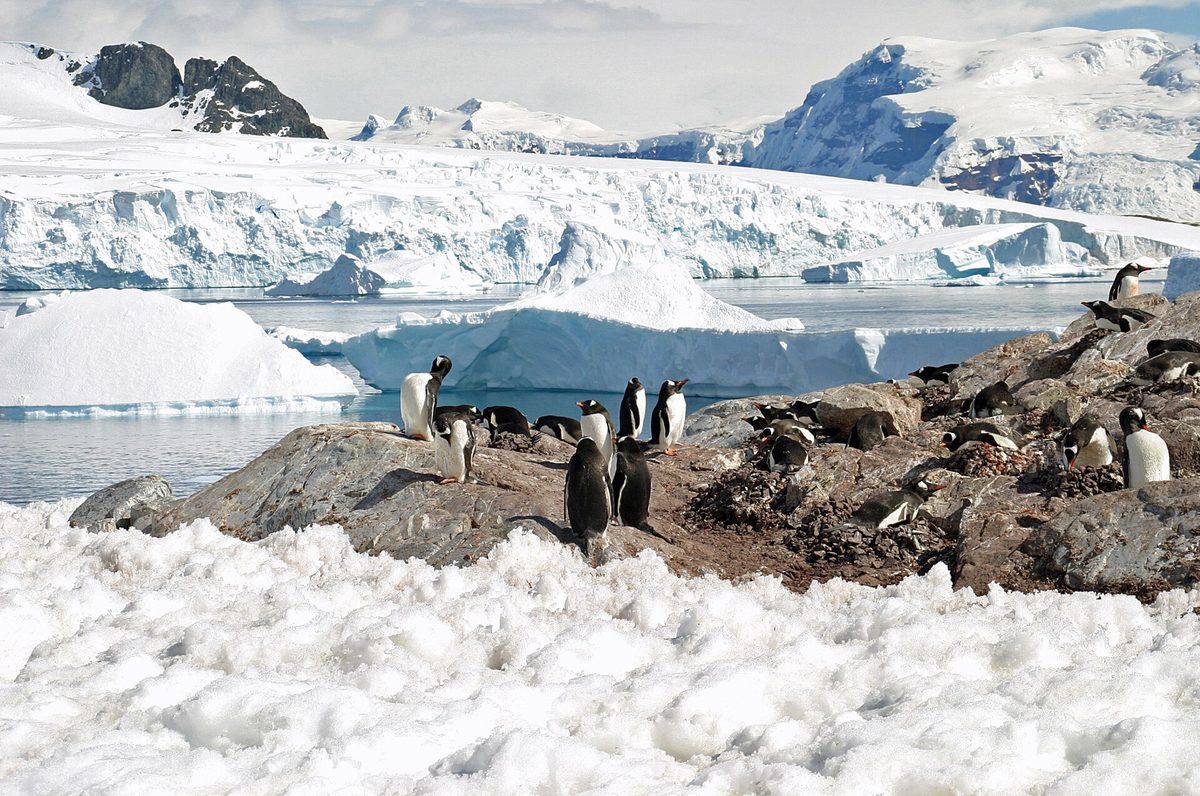
Many of the best longer voyages add the wildlife wonderlands of South Georgia and the Falkland Islands, and those stops introduce their own permits and landing fees that are entirely separate from Antarctica’s system. South Georgia, a British Overseas Territory, requires visitors to hold a permit and pay a per-passenger landing charge, and it enforces strict biosecurity to protect its recovering ecosystems. The Falklands likewise have their own immigration and conservation rules. As with the Antarctic permit, your operator arranges all of this for organized cruises, but it is worth understanding that a single itinerary can cross several legal regimes in one loop. If these islands tempt you — and the king penguin colonies of South Georgia genuinely are among the greatest wildlife spectacles on Earth — our guide to Antarctica’s regions and landing sites maps out what each one offers, and our Antarctica wildlife guide covers the animals you will meet.
What Actually Happens at Embarkation
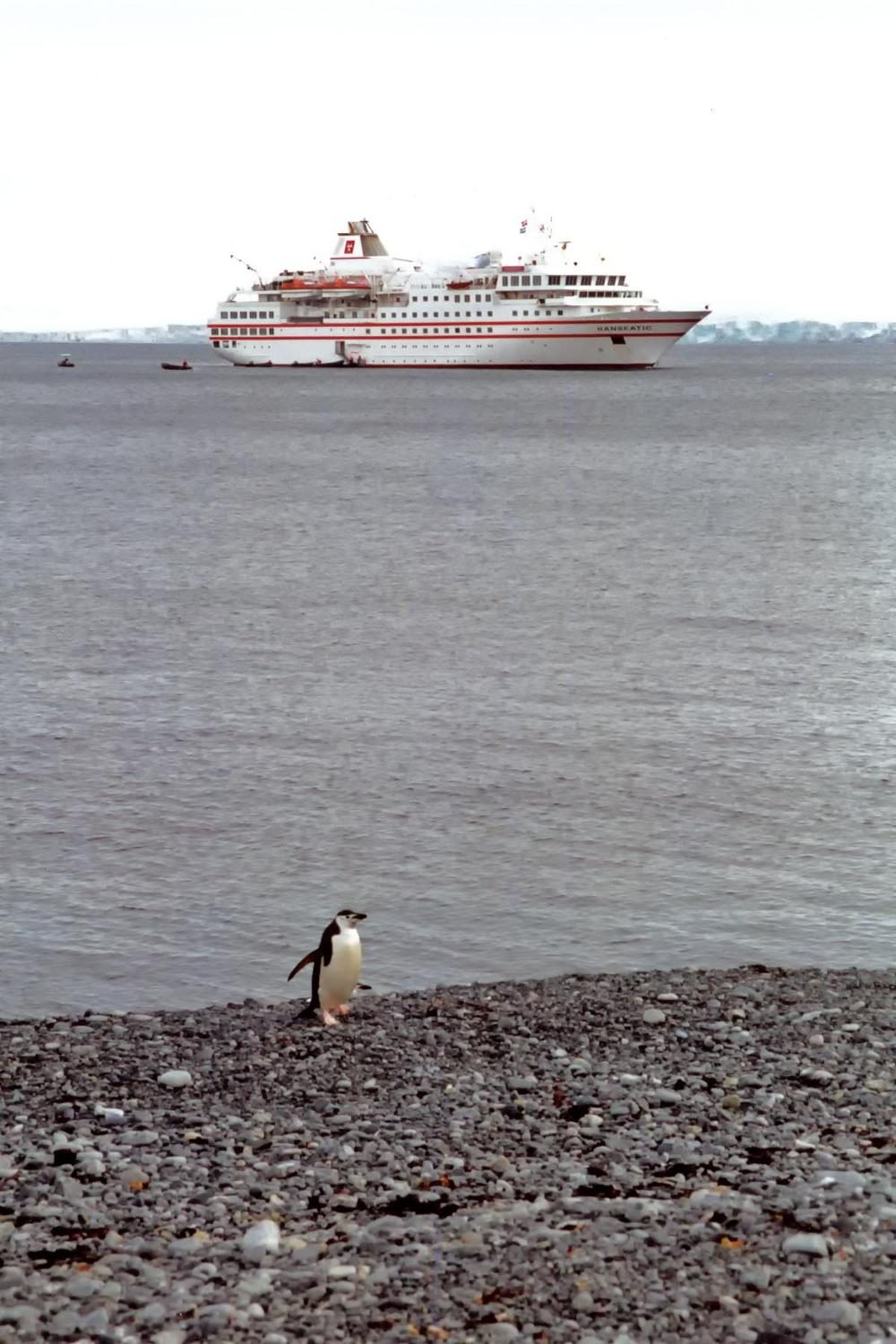
On the day you join your ship, the document check is quick but real. Expedition staff verify your passport, confirm your insurance details against your operator’s required minimums, and collect any health and liability forms you completed in advance. This is the moment the abstract paperwork becomes concrete, and it is also the moment a missing insurance certificate or an expired passport becomes a crisis. I always advise travelers to assemble a single folder — physical and digital — with passport, insurance certificate, booking confirmation, and gateway-entry proof, so the check takes two minutes rather than twenty. Because there is no Antarctica visa to produce, this gateway-and-insurance check is effectively the entirety of your “border control” for the whole expedition.
A Simple Pre-Trip Document Timeline
Spreading the paperwork over the months before departure keeps it stress-free:
- At booking (6–18 months out): check your passport’s expiry and renew if it is within a year of expiring.
- Soon after deposit: buy comprehensive insurance to lock in pre-existing and cancellation waivers.
- 3–6 months out: confirm gateway-country entry rules and apply for any visa or electronic authorization.
- 1–2 months out: complete your operator’s pre-departure health and liability forms.
- 2 weeks out: print and digitize every document; pack the originals in your carry-on.
Once those boxes are ticked, the only thing left is the fun part — figuring out what to pack for Antarctica and what to do once you are there.
Re-Entering the Gateway Country After Your Cruise
Here is a subtlety that catches a surprising number of travelers off guard. When your ship returns to Ushuaia or Punta Arenas, you re-enter that country a second time, because sailing to Antarctica and back is, from the gateway nation’s point of view, a round trip that begins and ends on its soil. For the visa-free nationalities this is a non-event — you simply pass through immigration again. But if your nationality requires a visa for the gateway country, make sure it permits the pattern your trip actually follows, and that it has not expired during your time at sea. Travelers who tack on extra exploring in Patagonia, a side trip across the Chile–Argentina border, or a stop in the Falklands should map their entries and exits carefully so a single-entry visa does not strand them. None of this involves Antarctica itself, which remains gloriously document-free, but it is exactly the sort of gateway-country detail that the phantom worry about an Antarctica visa distracts people from.
For most readers this is reassuringly simple: a valid passport, visa-free entry to Argentina or Chile, and insurance proof are the whole story. But if you are combining your expedition with wider South American travel, treat the gateway visa as a real planning item and confirm the number of entries it allows.
Frequently Asked Questions
Do I need a visa to visit Antarctica?
No. Antarctica has no government and no immigration, so there is no Antarctica visa. You only need to meet the entry requirements of the gateway country you travel through, such as Argentina or Chile.
Do I need a passport for Antarctica?
Yes, because you must enter a gateway country to reach the ice. Carry a passport valid for at least six months beyond your return date with blank pages for stamps.
Who arranges the permit to land in Antarctica?
Your tour operator does. Reputable IAATO operators hold the permits required under the Madrid Protocol and travel under that authorization, so organized cruise passengers do not apply themselves.
What visa do I need for Ushuaia, Argentina?
For most US, UK, EU, Australian and New Zealand citizens, Argentina allows visa-free tourist entry for up to 90 days, far longer than any cruise. Always confirm your nationality’s current rules before booking flights.
Do fly-cruises from Chile have different requirements?
The Antarctic side is the same, but you pass through Chile rather than Argentina, so you follow Chile’s entry rules. Punctual, document-correct travel matters even more on fly-cruises because of the air segment.
What if I want to visit Antarctica independently?
Then you must obtain your own permit from your home country’s competent authority under its Antarctic legislation, including an environmental impact assessment and proof of self-sufficiency. It is a demanding, months-long process.
Is the Port Lockroy passport stamp official?
No. It is a beloved souvenir, not an immigration stamp. It has no legal status, but it is a lovely memento of your visit to the historic British base.
Does my insurance need to be sorted before the permit?
They go hand in hand. Operators require proof of medical and evacuation insurance as a condition of travel, and it is effectively part of the same pre-departure paperwork. Read our guide to whether Antarctica is safe for the bigger risk picture.
Do children need the same documents as adults?
Yes. Every traveler, regardless of age, needs their own valid passport and must meet the gateway country’s entry rules. Families should double-check that children’s passports are not close to expiry, since they are often issued for shorter terms.
Can my nationality be refused entry to Antarctica?
Not by Antarctica itself, which has no immigration. Any refusal would come from a gateway country’s rules or from an operator’s permit conditions, not from an Antarctic authority. This is another reason your real focus should be the gateway, not the continent.
Why the Visa Myth Persists
If there is no Antarctica visa, why does the question come up so relentlessly? Part of it is that Antarctica feels like the ultimate foreign destination, and our instinct tells us that the harder a place is to reach, the more bureaucratic it must be to enter. Part of it is the existence of those charming souvenir stamps, which look official enough to seed confusion. And part of it is a small industry of misleading websites that advertise “Antarctica visa application” services, preying on exactly that instinct. I want to be emphatic: never pay anyone for an Antarctica visa, because the product does not exist and you will get nothing for your money. The only legitimate fees in this whole picture are your gateway country’s visa fee, if your nationality needs one, and the landing or conservation charges for places like South Georgia, which your operator collects and remits. Keep that distinction clear and you will sidestep both the worry and the scams. When the legal questions are settled, the planning becomes pure pleasure: choosing a voyage, picking the best time to visit Antarctica for the wildlife you most want to see, and counting down the days until Ushuaia.
Final Thoughts
The Antarctica visa is the trip’s great non-issue: it does not exist, and you should spend zero energy worrying about it. Channel that energy instead into the documents that genuinely matter — a healthy passport, the right gateway-country entry authorization, and proof of solid insurance — and let your operator carry the permit. Get those three things right and the legal side of your expedition is effectively done. For everything else on the practical checklist, our Antarctica travel tips hub pulls it all together, and our Antarctica cruises guide will help you choose the voyage itself.