Antarctica Gateway Cities Compared
There is no airport you can simply book a ticket to in Antarctica, no border post, no taxi rank waiting on the ice. Every traveler who reaches the white continent passes through one of a small handful of launch points scattered around the bottom of the Southern Hemisphere, and choosing among the antarctica gateway cities is genuinely the first big decision of your trip — bigger, in some ways, than which ship you sail or which week you go. The gateway you pick decides which slice of Antarctica you will actually see, how long you spend at sea, whether you fly or float across the most notorious stretch of water on earth, and how much the whole thing costs. I have flown into most of these towns, dragged a duffel down their docks at dawn, and waited out weather in their hotel bars, so this is the comparison I wish someone had handed me before I booked my first voyage.
Here is the short version before we go deep. The overwhelming majority of Antarctic travelers leave from Ushuaia in Argentina, which sits closest to the Antarctic Peninsula and handles something like 90 percent of all tourist departures. A meaningful minority fly-cruise out of Punta Arenas in Chile, skipping the Drake Passage entirely. A trickle use tiny Puerto Williams. And a small, hardy, usually well-heeled group head to the far side of the continent through Hobart in Australia, Bluff and Lyttelton in New Zealand, or Cape Town in South Africa — gateways that serve East Antarctica, the Ross Sea, and the deep interior rather than the Peninsula everyone else photographs. If you only ever remember one thing from this guide, remember that the gateway and the destination are joined at the hip. You cannot pick a town and then pick any old corner of Antarctica; geography has already done most of the choosing for you. For the full picture on routes and logistics, our guide on how to get to Antarctica is the place to start, and this article zooms in on the launch points themselves.
Antarctica Gateway Cities: The Five Main Departure Ports
Officially, geographers and the Antarctic research community recognize five “gateway cities” — Ushuaia, Punta Arenas, Hobart, Christchurch, and Cape Town — and that list has stuck because each one is the principal supply and logistics hub for a different sector of the continent. For tourists, though, the practical map is a little messier and a little richer than that tidy five. Puerto Williams, just across the Beagle Channel from Ushuaia, has begun handling expedition ships. The New Zealand Ross Sea voyages increasingly sail from the small southern port of Bluff near Invercargill rather than from Christchurch’s port at Lyttelton. And Cape Town has quietly become the jumping-off point not for ships at all but for wheels-down flights onto blue-ice runways deep in the interior. So when I talk about antarctica gateway cities in this piece, I mean the full working set a traveler might realistically use, not just the textbook five.
What unites every one of these towns is a peculiar geography of remoteness. They are all among the southernmost settlements of any size on their respective continents, all battered by Southern Ocean weather, and all built — historically — on sealing, whaling, fishing, sheep, or science long before tourism arrived. That heritage matters because it shaped the harbors, the airstrips, and the supply chains that expedition operators now lean on. None of these places exists for tourism; tourism simply borrowed the infrastructure that was already there for going south. Below I will walk through each gateway in turn, but it helps to see them side by side first, so here is the central comparison I keep coming back to.
| Gateway | Country | Antarctic sector served | How you continue south | Typical crossing / transit |
|---|---|---|---|---|
| Ushuaia | Argentina | Antarctic Peninsula, South Shetlands, sometimes South Georgia & Falklands | Expedition ship across the Drake Passage | ~2 days each way by sea (~1,000 km) |
| Punta Arenas | Chile | Antarctic Peninsula (via King George Island) | Charter flight to Frei Station, then board ship | ~2 hr flight, no Drake crossing |
| Puerto Williams | Chile | Antarctic Peninsula, South Shetlands | Expedition ship across the Drake Passage | ~2 days each way by sea |
| Hobart | Australia | East Antarctica (Commonwealth Bay, Mertz region) | Expedition ship across the Southern Ocean | ~5–7 days each way by sea |
| Bluff / Invercargill | New Zealand | Ross Sea & Subantarctic Islands | Expedition ship across the Southern Ocean | ~6 days each way by sea |
| Lyttelton / Christchurch | New Zealand | Ross Sea (and science resupply) | Expedition ship; also US/NZ program flights to McMurdo | ~6 days by sea; ~5 hr by air (programs) |
| Cape Town | South Africa | Queen Maud Land & deep interior (e.g. Wolf’s Fang) | Long-haul jet to a blue-ice runway | ~5 hr 15 min flight |
Keep that table handy as we go. Almost every recommendation that follows is really just a footnote to it. Notice how the South American gateways cluster around the two-day Drake crossing while the southern-continent gateways involve nearly a week at sea each way — that single difference, days versus a week, reshapes the length, price, and character of an entire expedition. For a deeper look at how those transit times add up door to door, see our breakdown of how long it takes to get to Antarctica.
Ushuaia, Argentina: The Undisputed Capital of Antarctic Travel
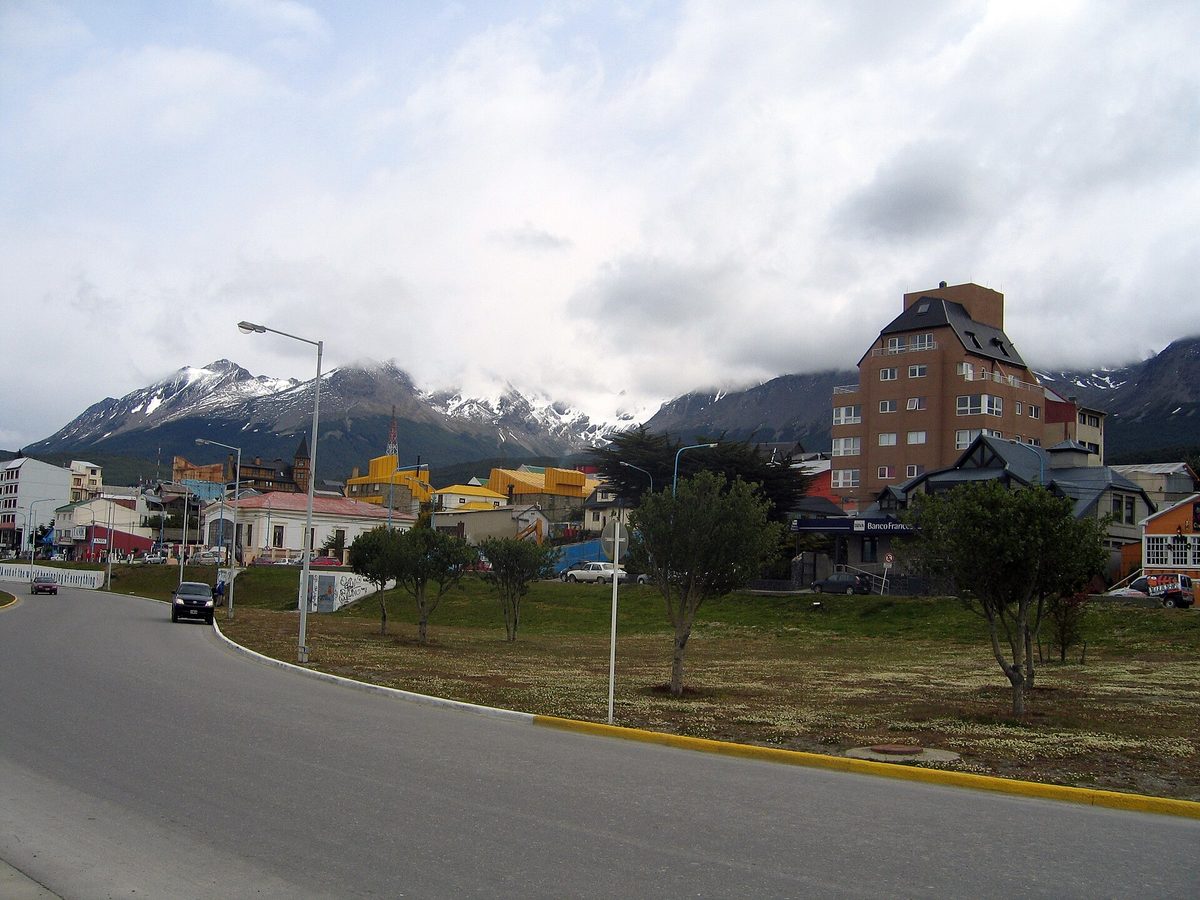
If Antarctica had a front door, it would be the dock at Ushuaia. This is the world’s southernmost city of any real size, wedged between the jagged Martial range and the dark water of the Beagle Channel in Argentine Tierra del Fuego, and it is from these piers that something close to nine out of every ten Antarctic tourists set sail. The reason is pure geometry: Ushuaia is the closest sizeable port to the Antarctic Peninsula, so the open-water crossing is as short as it gets and ships can run efficient ten-to-twelve-day round-trips through the prime November-to-March season. Walk the waterfront on a summer evening and you will see a row of expedition vessels rafted up under floodlights, zodiacs stacked on their decks, and a steady parade of jet-lagged travelers in brand-new parkas wheeling duffels toward the gangways. It is, frankly, a thrilling place to begin.
Getting to Ushuaia is its own small adventure, and worth planning carefully. Most people fly in from Buenos Aires on a roughly three-and-a-half-hour domestic hop — Aerolíneas Argentinas is the flag carrier on the route, with low-cost rivals Flybondi and JetSmart also flying it when schedules allow. The catch that trips up first-timers is that Buenos Aires has two airports: domestic Ushuaia flights almost always leave from Aeroparque (AEP), the in-town airport, while your international flight likely landed at distant Ezeiza (EZE). Budget a generous buffer to cross the city between them, or better yet build in an overnight. I lay out the options in detail in our pieces on how to get to Ushuaia and the deeper Ushuaia and Antarctica guide, but the headline is simple: never connect to a same-day Antarctic embarkation on the tightest possible flight. Weather and Argentine air-traffic delays are real, and the ship will not wait.
Why Ushuaia Wins for Most Travelers
The case for Ushuaia is almost overwhelming if your goal is the classic Peninsula experience. You get the widest possible choice of ships and operators — from rugged 100-passenger expedition vessels to a few larger and more comfortable ships — and that competition keeps prices and departure dates relatively flexible. You also get the full, proper Drake Passage crossing, which I genuinely think is part of the experience rather than a tax on it; the first albatross gliding off your stern as the ship pitches through the swell is a rite of passage. The town itself is a likeable, slightly scruffy frontier place with good steak, a buzzing main street, and the famous “End of the World” branding plastered on everything from the train station to the souvenir mugs. If you have a spare day, there are genuinely good things to do, which I cover in our things to do in Ushuaia guide.
The honest drawbacks are few. You must endure the Drake Passage both ways, which can mean two rough days each direction if the weather sours — though crossings are frequently calmer than legend suggests, and many operators now market a “Drake Lake” when conditions cooperate. The flights from Buenos Aires can be delayed or oversold in peak season, so padding your itinerary is non-negotiable. And because Ushuaia is so dominant, the most popular sailings book out a year or more ahead. But weighed against the sheer range of choice and the unbeatable proximity to the Peninsula, these are quibbles. For the majority of readers asking which of the antarctica gateway cities to use, the answer is Ushuaia, and the rest of this article is really about the interesting exceptions. If you want to understand what the ships do once they leave, our overview of Antarctica cruises picks up the story.
Punta Arenas, Chile: The Fly-Cruise Capital That Skips the Drake
Punta Arenas is the gateway for people who want Antarctica without the open-water crossing, and that single feature has made it the natural number-two among the antarctica gateway cities. Sitting on the Strait of Magellan in Chilean Patagonia, this windswept, handsome old wool-and-shipping town is the home base for the “fly-cruise” model pioneered by operators such as Antarctica21. Instead of sailing two days south, you board a charter aircraft — typically a BAE 146 or similar regional jet — and fly roughly two hours across the Drake Passage to a gravel airstrip on King George Island, in the South Shetlands. There you step off the plane, walk down to the shore near Chile’s Frei Station, and transfer by zodiac to your waiting expedition ship. The whole Drake Passage, the part that fills message boards with seasickness horror stories, vanishes beneath you in a couple of hours.
For some travelers this is transformational. If you are short on time, prone to debilitating seasickness, or simply unwilling to gamble four days of a precious trip on Southern Ocean swells, the Punta Arenas fly-cruise is the obvious answer, and I have recommended it to more than one nervous parent and time-pressed executive. The trade-offs are real, though. Charter flights are weather-dependent and can be delayed for a day or more in either direction, so you must build in slack. You miss the slow, atmospheric build-up of the sea crossing and the seabirds that come with it. And fly-cruises generally cost more per day than a comparable sailing from Ushuaia. I dig into the specifics, including who should choose it, in our dedicated Punta Arenas and Antarctica guide, and the broader case for flying is in our flights to Antarctica overview.
Punta Arenas as a Pure Sea Port, Too
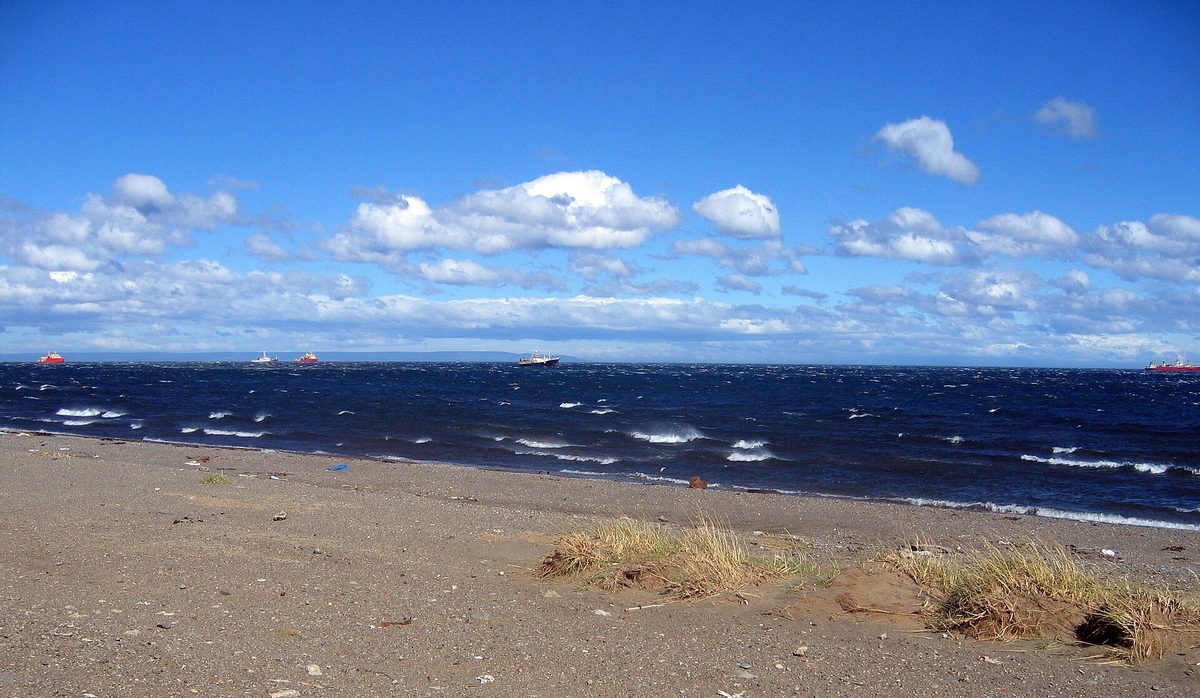
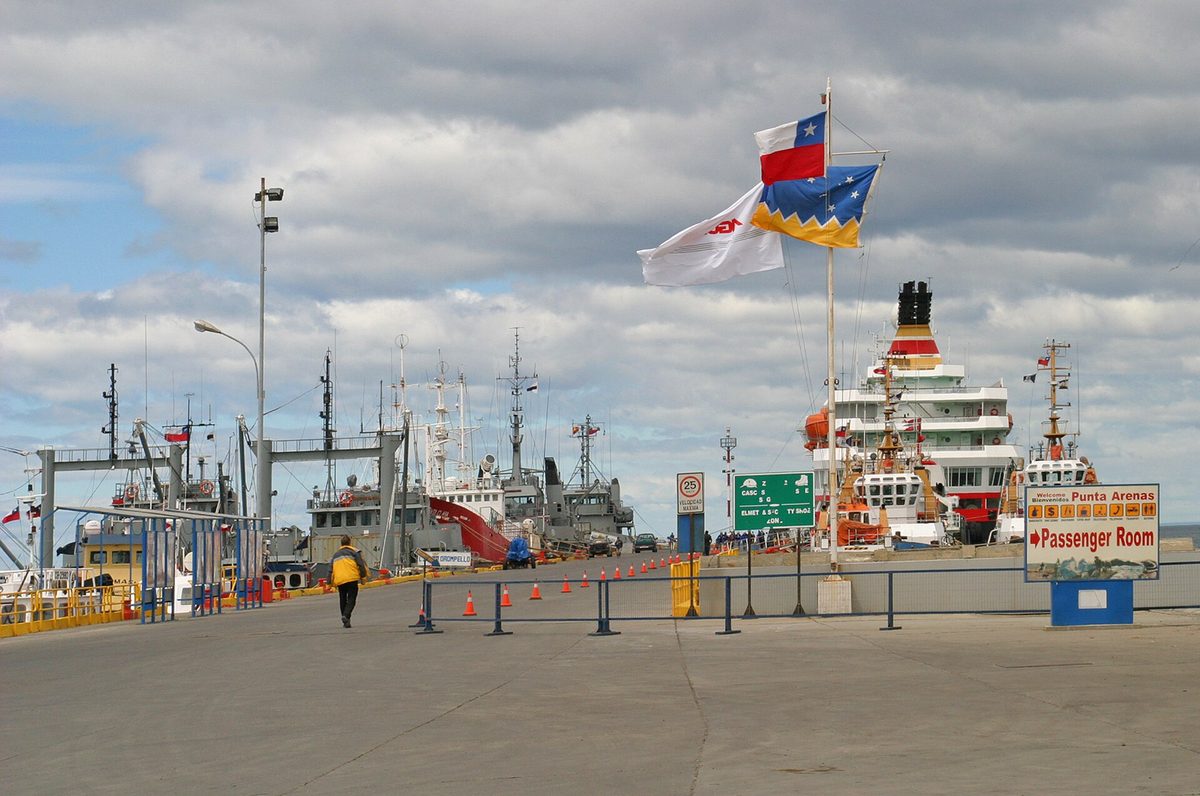
It is worth knowing that Punta Arenas is not only a fly-cruise hub. A number of conventional expedition ships also begin or end voyages here, sailing out through the Strait of Magellan and down toward the Peninsula by sea, and some longer itineraries that take in the Falklands and South Georgia use Punta Arenas or nearby Chilean waters as a logistical base. The town is better connected by air than Ushuaia in some respects, with frequent flights from Santiago, and it has a deeper history of Antarctic and sub-Antarctic logistics stretching back to the great age of exploration. Magellan himself gave the strait its name, and the cemeteries and mansions of Punta Arenas still whisper of the fortunes made when this was the only sea route between the Atlantic and Pacific before the Panama Canal.
The practical upshot is that Punta Arenas gives you two distinct ways south under one roof: the fast, expensive, Drake-skipping flight, or a more conventional sailing. If you are weighing it against Ushuaia, think about your tolerance for the crossing and your budget. The fly-cruise buys you time and a calmer stomach at a premium; the sea sailing from Punta Arenas is a slightly less common but perfectly valid alternative to the Ushuaia departure. Either way, you will want to understand exactly what the Drake involves before you decide, and our deep dive on the Drake Passage is the most candid account I can point you to.
Puerto Williams, Chile: The Smallest Gateway of All
Just across the Beagle Channel from Ushuaia, on Navarino Island, sits Puerto Williams — a tiny Chilean naval town that now claims the title of the world’s southernmost settlement and has quietly begun handling a small number of expedition departures. For most of its life this was a closed military outpost, and even today it feels like the edge of the inhabited world: a few hundred residents, a windblown main street, a naval base, and a growing trickle of yachts and small expedition vessels using its sheltered waters. A handful of operators have started embarking guests here, partly to relieve pressure on Ushuaia’s busy docks and partly because Chilean ports offer their own logistical advantages.
Honestly, for the average traveler Puerto Williams is more curiosity than recommendation right now. Reaching it is harder than reaching Ushuaia — you typically fly a small plane from Punta Arenas or take a ferry across from Ushuaia — and the visitor infrastructure is thin. But it serves exactly the same sector as Ushuaia, the Peninsula and South Shetlands, by the same Drake-crossing route, so if your operator happens to use it you lose nothing in terms of where you end up. I mention it mainly so you are not baffled if a brochure lists a departure from a town you have never heard of. As a working member of the antarctica gateway cities club, Puerto Williams is the smallest and newest, and likely to grow.
Hobart, Australia: The Door to East Antarctica
Cross to the far side of the continent and the whole logic of the journey changes. Hobart, the salt-scented capital of Tasmania, is the historic gateway to East Antarctica — the sector roughly south of Australia, taking in places like Commonwealth Bay and the Mertz Glacier region that Douglas Mawson’s expeditions made famous. This is a working Antarctic city in the deepest sense: Australia’s Antarctic Division is based here, the icebreaker that resupplies the Australian research stations sails from its harbor, and the waterfront pubs are full of people who have actually wintered on the ice. For tourists, Hobart matters because a small number of long expedition voyages to East Antarctica and the wild sub-Antarctic islands such as Macquarie depart from here.
Be clear-eyed about what a Hobart departure means, though. You are no longer talking about a two-day crossing; you are looking at something like five to seven days of open ocean each way across some of the roughest water on the planet, which is why these voyages stretch to three or four weeks and command serious prices. East Antarctica is also far less visited and far more weather-dependent than the Peninsula, so landings are never guaranteed and itineraries are loosely sketched rather than firmly fixed. The reward is genuine wilderness, historic huts, vast emperor and king penguin colonies, and the deep satisfaction of going where almost no other tourist goes. If the Peninsula feels too crowded for you, this is the antidote — but it is an expert-level trip, and you should read up on the regions of Antarctica before committing.
New Zealand: Bluff, Invercargill, Lyttelton and the Ross Sea
New Zealand anchors the gateway to the Ross Sea, the great bite out of Antarctica directly south of the country and arguably the most history-soaked corner of the entire continent. This is Scott and Shackleton country: their expedition huts still stand at Cape Evans and Cape Royds, preserved by the dry cold, with tins of biscuits and Mawson’s old gear sitting on the shelves exactly as they left them. Modern Ross Sea voyages generally sail from the small southern port of Bluff, near the city of Invercargill at the bottom of the South Island, though some itineraries and the official Antarctic programs also use Lyttelton, the port of Christchurch. Christchurch additionally serves as the air hub for the United States and New Zealand national programs flying to McMurdo Station, which is why you will sometimes see it listed even though those flights are not open to ordinary tourists.
A Ross Sea expedition is the ultimate Antarctic pilgrimage, and also one of the most demanding. It is roughly a six-day sail south from New Zealand to the ice, so round-trip voyages run around 26 to 30 days and take in a garland of subantarctic islands — Snares, Auckland, Campbell, Macquarie — that are wildlife spectacles in their own right. You will see the Ross Ice Shelf rising like a white cliff from the sea, vast Adélie penguin rookeries, and those untouched historic huts. The price and time commitment are steep, the weather is unforgiving, and only a couple of ice-strengthened ships run the route each season, so spaces are scarce. But for a certain kind of traveler — the history obsessive, the second- or third-time Antarctic visitor — nothing else compares. Our look at what you can actually do when you visit Antarctica puts these grand voyages in context.
Cape Town, South Africa: Flying to the Frozen Interior
Cape Town is the odd one out, and the most futuristic of the antarctica gateway cities. From here you do not board a ship at all — you board a long-haul private jet and fly south across the Southern Ocean to land, astonishingly, on a polished blue-ice runway in Queen Maud Land, the slab of East Antarctica that faces South Africa. The flight to Wolf’s Fang Runway, operated by the British company White Desert, takes a little over five hours, and from the runway guests transfer onward to eco-luxury camps deep in the interior, sleeping in heated pods amid a landscape of nunataks and ice that no ship could ever reach. This is Antarctica from the inside out: the high polar plateau, emperor penguin colonies far from the coast, and even, on the most ambitious itineraries, the geographic South Pole itself.
The catch, predictably, is cost. These are among the most expensive trips on earth — as of the 2026/27 season, published fares for the multi-day Wolf’s Fang camp programs have run roughly from the mid-US$70,000s up past US$110,000 per person, and that is before you add the flights to get to Cape Town in the first place. Day-trip flyovers from Cape Town exist at lower (though still eye-watering) prices, letting you set foot on the ice and return the same long day. Cape Town itself is a glorious city to spend the bookend days in, with Table Mountain, the winelands, and the penguins of Boulders Beach all within easy reach. If money is genuinely no object and you want the continent’s interior rather than its coastline, this is the gateway — and I cover the broader landscape of flying south in our flights to Antarctica guide.
How the Gateways Compare at a Glance
Tables are great for hard facts, but sometimes you just want the gist in plain language. Here is how I would summarize each gateway’s personality and ideal user, the way I would explain it to a friend over a beer rather than in a brochure.
- Ushuaia (Argentina) — the default and best choice for most first-timers. Maximum ship choice, shortest sea crossing to the Peninsula, full Drake experience, lively frontier town. Pick this unless you have a specific reason not to.
- Punta Arenas (Chile) — the Drake-skipper. Fly two hours to King George Island and board there, or sail conventionally. Best for the time-poor and the seasickness-prone, at a premium price.
- Puerto Williams (Chile) — the tiny up-and-comer across the channel from Ushuaia. Same Peninsula route, thinner infrastructure. Fine if your operator uses it; not worth seeking out yet.
- Hobart (Australia) — the East Antarctica specialist. Long, rough, expensive voyages to Mawson’s wild quarter of the continent. For experienced polar travelers chasing solitude.
- Bluff / Invercargill & Lyttelton / Christchurch (New Zealand) — the Ross Sea gateway. Epic month-long pilgrimages to Scott and Shackleton’s huts and the Ross Ice Shelf, via spectacular subantarctic islands.
- Cape Town (South Africa) — the fly-in luxury portal to the frozen interior. Jet to a blue-ice runway, sleep in heated pods, maybe reach the Pole. The priciest way south by far.
Read that list against the table near the top and you have, in effect, the whole decision in miniature. Nearly everyone lands on Ushuaia or Punta Arenas; the other four are for travelers with specific ambitions, deep pockets, or both. To go further on matching a gateway to your travel style and budget, our guide to getting to Antarctica ties the threads together, and the best time to visit Antarctica overview helps you slot the right gateway into the right month.
Sailing Distance and Crossing Time, Gateway by Gateway
The number that should drive your gateway choice more than any other is the distance to the ice. From Ushuaia or Puerto Williams, the Drake Passage to the South Shetlands is roughly 1,000 kilometers, or about 600 miles, which a modern expedition ship covers in around two days of steaming. Punta Arenas erases that crossing with a two-hour flight to the same South Shetlands. But push around to the southern continents and the scale jumps dramatically: Hobart to East Antarctica is several days of open water, and New Zealand to the Ross Sea is a solid six days each way. Cape Town to Queen Maud Land is, by air, only a little over five hours — proof that flying utterly rewrites the geometry of access.
Those transit times cascade into everything else. A two-day crossing supports a tidy ten-to-twelve-day round-trip, which is why Peninsula voyages dominate the market and keep prices comparatively sane. A six-day crossing forces a month-long expedition, which is why Ross Sea and East Antarctica trips are rare, long, and costly. Flying compresses all of it, which is why the fly-cruise and the Cape Town jet command their premiums. When you next compare two itineraries, look first at the gateway and the crossing in the table above; almost every difference in length and price flows from that. Our detailed timing guide on how long it takes to get to Antarctica works through the door-to-door math for each option.
Matching the Gateway to Your Antarctic Sector
Let me put it the other way around, because plenty of travelers start with a dream image rather than a town. If your mental picture of Antarctica is towering glaciers, gentoo and chinstrap penguins, humpback whales, and zodiac cruises among blue icebergs — the classic postcard — then you want the Peninsula, and that means Ushuaia, Punta Arenas, or Puerto Williams. If you are chasing the heroic-age history of Scott and Shackleton, the Ross Ice Shelf, and emperor penguins, you want the Ross Sea and a New Zealand departure. If you crave the loneliest possible East Antarctic coast and Mawson’s legacy, Hobart is your port. And if you dream of the high interior plateau, blue-ice runways, and perhaps the South Pole, only Cape Town’s flights will get you there.
This sector-first way of thinking saves people from a classic and costly mistake: falling in love with a gateway city for its own sake and then discovering it does not serve the part of Antarctica they actually wanted. You cannot reach the Ross Sea from Ushuaia, and you cannot easily reach the Peninsula from Cape Town. Decide what you want to see, let that point you to a sector, and let the sector point you to a gateway. Our overview of the continent’s distinct regions is the best companion to this section, and it pairs naturally with our look at whether and how you can visit Antarctica at all.
Getting to the Gateway Itself
One trap I see again and again is travelers obsessing over the Antarctic crossing while underestimating the journey just to reach the gateway. For most of these towns you are looking at a multi-leg trip with at least one big international flight and usually a domestic connection on top. Ushuaia means flying into Buenos Aires (often through Ezeiza) and then connecting domestically from Aeroparque — two airports, one city, and a buffer you should not skip. Punta Arenas is reached via Santiago. Hobart is a hop from an Australian mainland hub. Bluff and Lyttelton mean flying into New Zealand and then on to Invercargill or Christchurch. Cape Town is a long-haul flight from almost anywhere. None of these is a casual same-day affair.
My standing advice is to arrive in your gateway city a full day early, minimum, and treat that buffer as insurance rather than indulgence. Antarctic ships and charter flights do not wait for late passengers, and the consequences of missing embarkation are severe and expensive. An extra night also lets you shake off jet lag, do a final gear check, and actually enjoy the launch town. For the Ushuaia route specifically, our guides on how to get to Ushuaia and how to get to Antarctica overall map out the connections, and I would read both before booking a single flight.
Costs, Seasons and Practical Trade-Offs
Money and timing both bend around the gateway you choose. Peninsula voyages from Ushuaia span an enormous range, from value-focused crossings to deluxe ships, simply because the volume of departures creates real competition. Punta Arenas fly-cruises sit higher per day because you are paying for the charter aircraft. Ross Sea and East Antarctic voyages from New Zealand and Australia cost more in absolute terms because they last three to four weeks. And the Cape Town flights occupy a stratosphere of their own. The Antarctic season runs roughly November through March across all gateways, but the sweet spots differ — early season for pristine ice and courting penguins, midseason for chicks and whales, late season for the best whale watching and lowest snow.
Weigh the soft trade-offs too, not just the price tag. A fly-cruise trades the romance and seabirds of the Drake for speed and a settled stomach. A Ross Sea epic trades accessibility for history and solitude. A Cape Town jet trades cost — enormous cost — for the otherwise unreachable interior. There is no single right answer, only the right answer for your priorities, budget, and constitution. To stress-test your numbers, our breakdown of overall Antarctica cruises and the seasonal nuances in our best time to visit guide are the two resources I would lean on hardest before you commit a deposit.
Frequently Asked Questions
What are the main Antarctica gateway cities?
The five officially recognized gateways are Ushuaia in Argentina, Punta Arenas in Chile, Hobart in Australia, Christchurch in New Zealand, and Cape Town in South Africa. In practice, tourists also use Puerto Williams in Chile and the New Zealand ports of Bluff and Lyttelton. Each one serves a different sector of Antarctica, so the gateway you pick effectively decides which part of the continent you will see.
Which gateway city is closest to Antarctica?
Ushuaia and its tiny neighbor Puerto Williams are the closest sizeable ports to the Antarctic mainland, sitting roughly 1,000 kilometers from the South Shetland Islands across the Drake Passage. That proximity, about two days by ship, is exactly why Ushuaia handles around 90 percent of all Antarctic tourist departures and offers the widest choice of voyages and operators of any gateway.
Can I fly to Antarctica instead of sailing?
Yes, through two gateways. From Punta Arenas you can fly-cruise: a roughly two-hour charter flight to King George Island where you board a ship, skipping the Drake Passage. From Cape Town, White Desert operates jet flights of about five hours onto a blue-ice runway in the interior for camp stays or day trips. Both options cost more than a standard sailing but save days at sea.
Why do most Antarctica cruises leave from Ushuaia?
Geography decides it. Ushuaia is the closest large port to the Antarctic Peninsula, so the sea crossing is the shortest available and ships can run efficient ten-to-twelve-day round-trips. That convenience attracts the most operators and the most departures, which in turn gives travelers the broadest range of ships, dates, and price points found at any Antarctic gateway.
What is the difference between Ushuaia and Punta Arenas for Antarctica?
Ushuaia is a sea port: you sail the Drake Passage to the Peninsula, about two days each way. Punta Arenas is the fly-cruise hub: you fly roughly two hours to King George Island and board there, avoiding the crossing entirely, though some ships also sail conventionally from Punta Arenas. Choose Ushuaia for choice and value, Punta Arenas to skip rough seas.
Which gateway should I use for the Ross Sea?
Ross Sea voyages depart from New Zealand, typically the southern port of Bluff near Invercargill, and sometimes Lyttelton near Christchurch. It is around a six-day sail each way, so these expeditions run 26 to 30 days and visit historic huts, the Ross Ice Shelf, and subantarctic islands. Only a couple of ice-strengthened ships run the route each season, so book well ahead.
How do I get to Antarctica from Cape Town?
From Cape Town you fly rather than sail. White Desert operates long-haul jet flights of a little over five hours to Wolf’s Fang Runway in Queen Maud Land, then transfers guests to interior eco-luxury camps. Programs range from multi-day stays to single-day flyovers. These are among the most expensive trips on earth, with multi-day fares well into six figures per person.
Is Hobart a good gateway for Antarctica tourism?
Hobart is the gateway to East Antarctica, including the Mawson and Commonwealth Bay region, but it suits experienced polar travelers rather than first-timers. Voyages involve five to seven days of rough open water each way, last three to four weeks, and visit a remote, weather-dependent coast with few other tourists. The reward is genuine wilderness and historic huts far off the standard Peninsula trail.
Do I need to arrive in the gateway city before my departure?
Absolutely. I always advise arriving at least one full day before embarkation. Ships and charter flights do not wait for delayed passengers, and missing departure is costly. An early arrival buffers against flight delays, lets you recover from jet lag, allows a final gear check, and gives you time to enjoy the launch town itself before heading south.
Can ordinary tourists fly to McMurdo Station from Christchurch?
No. The flights from Christchurch to McMurdo Station are operated for the United States and New Zealand national Antarctic programs and are reserved for scientists and support staff, not tourists. Christchurch and its port at Lyttelton do, however, serve commercial Ross Sea expedition voyages, so travelers reach that sector by ship rather than by program aircraft.
Final Thoughts
If there is one idea I would tattoo on every prospective Antarctic traveler, it is that the gateway and the destination are inseparable. You are not really choosing a town when you compare the antarctica gateway cities; you are choosing a sector of the continent, a length of voyage, a budget band, and a relationship with the Southern Ocean. Ushuaia will serve the overwhelming majority of you superbly and I would book it without hesitation for a first Peninsula trip. Punta Arenas is the elegant answer for anyone who needs to skip the Drake. And the far-flung gateways — Hobart, the New Zealand ports, Cape Town — are there when your ambitions outgrow the standard route and reach toward East Antarctica, the Ross Sea, or the frozen heart of the interior.
Whichever launch point you settle on, do the boring logistics with the same care you give the dreaming. Arrive early, pad your connections, hedge against weather, and read up on the crossing or flight you have signed on for. Antarctica rewards travelers who respect its remoteness and quietly punishes those who treat it like an ordinary holiday. Pick your gateway with the table in this guide open beside you, match it honestly to the Antarctica you actually want to see, and the rest of the trip falls into place. The white continent is waiting at the far end of every one of these towns — choose your door wisely, and go.
