
Everyone who dreams about the white continent eventually asks the same blunt question: what is the cheapest way to get to antarctica without ending up on a miserable trip you regret? I have spent years watching prices, chasing deals, and comparing notes with budget-minded travellers who pulled it off, and the honest answer is encouraging. You will never make Antarctica cheap in the way a bus ticket is cheap, but you can absolutely shave many thousands of dollars off the typical fare and still stand on a beach surrounded by penguins. The floor for a real expedition currently sits around $6,400 to $8,000 per person on an older ship, and getting there is mostly about strategy, timing and a willingness to trade comfort for access.
This guide is the budget playbook I wish someone had handed me at the start. It pairs naturally with our Antarctica on a budget guide and the full cost of visiting Antarctica hub, so use all three together when you build your plan.
The cheapest way to get to antarctica, in one sentence
If I had to compress it: fly to Ushuaia, board an older expedition ship in the shoulder season on a last-minute or early-bird deal, share a triple cabin, sail the Drake instead of flying it, and bring your own gear. Do all of that and you are paying close to the structural minimum. Each element is a lever, and the beauty is that they stack. Skip one and you still save; combine four or five and the total drops dramatically. The rest of this guide unpacks each lever so you can decide which ones you are willing to pull.
Why Antarctica is never truly cheap
It helps to accept the baseline before you fight it. There are no commercial flights you can simply book to the Peninsula, no budget airlines, no hostels on the ice. Every visitor arrives on an ice-strengthened ship carrying only a hundred or two passengers, crewed by experts, burning cleaner fuel and following strict environmental rules. Those costs are spread across very few people. That structure sets a floor under the price that no amount of cleverness will break. What you are really hunting for is the bottom of that floor, not a way through it, and the bottom is a lot lower than the glossy brochures suggest.
Start in Ushuaia, the budget gateway
Almost every affordable voyage leaves from Ushuaia, the small Argentine city at the very tip of South America. It is the closest port to the Peninsula, which keeps the sailing short, and it has a competitive cluster of operators and agencies that creates real price pressure. Flying the Drake from Punta Arenas in Chile is faster but always pricier. So the first budget decision makes itself: route yourself to Ushuaia. Our how to get to Antarctica guide lays out the connections, but the headline is that you fly into Buenos Aires, then take a domestic flight south.
Choose an older, simpler ship
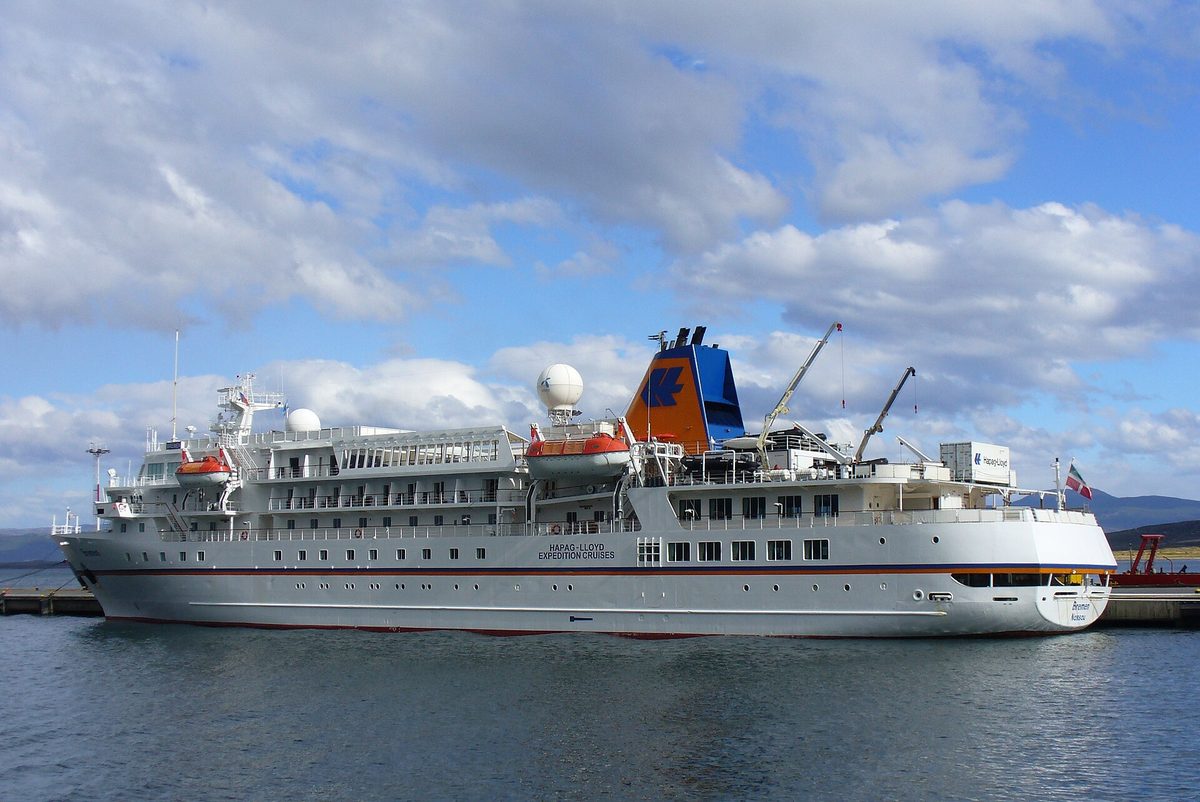
This is the biggest single saving available, and it costs you almost nothing that matters. Vessels such as the MV Ushuaia, Ocean Nova and other classic expedition ships routinely price thousands below the gleaming new flagships. They have smaller cabins, fewer lounges and no balconies, but they carry you to exactly the same landings, with the same calibre of expedition guides, and they often land passengers faster because there are fewer of them. The penguins do not know whether your ship has a sauna. Classic ships have surfaced from around $6,390 in recent seasons, with typical 2026 departures running roughly $7,190 to $8,690.
Travel in the shoulder season
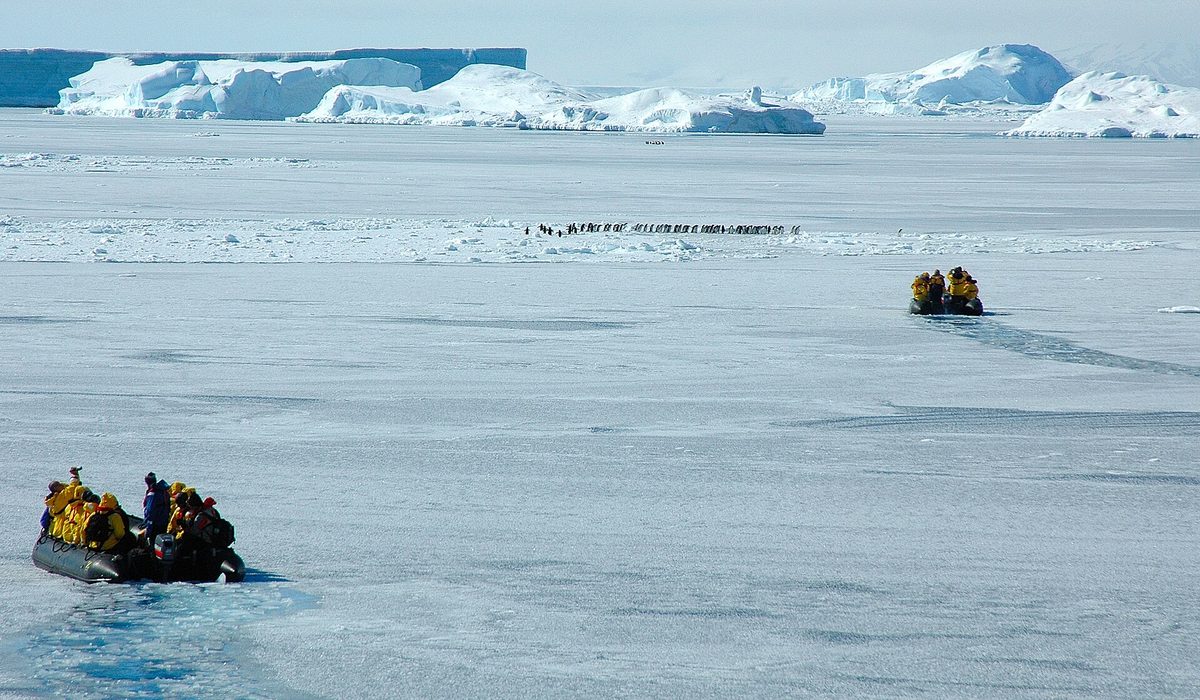
The Antarctic season runs November to March, and the calendar swings the price hard. The December–January peak, when daylight is longest and penguin chicks are hatching, is the most expensive and books out first. Early November and late February into March are the shoulders: noticeably cheaper, and far from inferior. November gives you pristine snow and dramatic courtship displays; late season delivers whales in extraordinary numbers and golden light. If your goal is value, the shoulders are where it lives. Our best time to visit Antarctica guide breaks down exactly what each month offers.
Hunt the last-minute berth
This is the boldest budget play and it is not for everyone. Operators discount unsold cabins steeply as departure nears, sometimes by 30% or more, because an empty berth earns nothing. If you are flexible on dates and can get yourself to South America at short notice, you can sometimes book on the spot in Ushuaia, visiting agencies daily during peak season ready to sail the next day. The savings can be enormous. The risk is real too: there may be nothing available, and you will pay for hotels while you wait. I would only attempt this with loose plans and steady nerves.
Book very early instead, if you prefer certainty
The flip side of last-minute is the early-bird deal. Operators reward people who commit far ahead with the lowest published fares and the best cabin choice, often 12 to 18 months out. If the idea of gambling on a last-minute berth gives you hives, lock an early-bird price on a shoulder-season departure instead. You sacrifice the chance of a fire-sale discount, but you secure a known, low number and you can budget around it with total confidence. For many people this is the smarter, calmer route to a genuinely cheap trip.
Share a cabin to kill the single supplement
Solo travellers get punished by the single supplement, which can mean paying 1.5 to 2 times the per-person fare to occupy a cabin alone. The fix is simple: agree to share. Most operators will pair you with a same-gender roommate and waive the supplement entirely, and a growing number now offer dedicated solo cabins with no surcharge at all. If you are travelling as a pair already, you dodge this completely. Either way, read our Antarctica single supplement guide, because handled well this single decision can save several thousand dollars.
Pick a triple or quad cabin
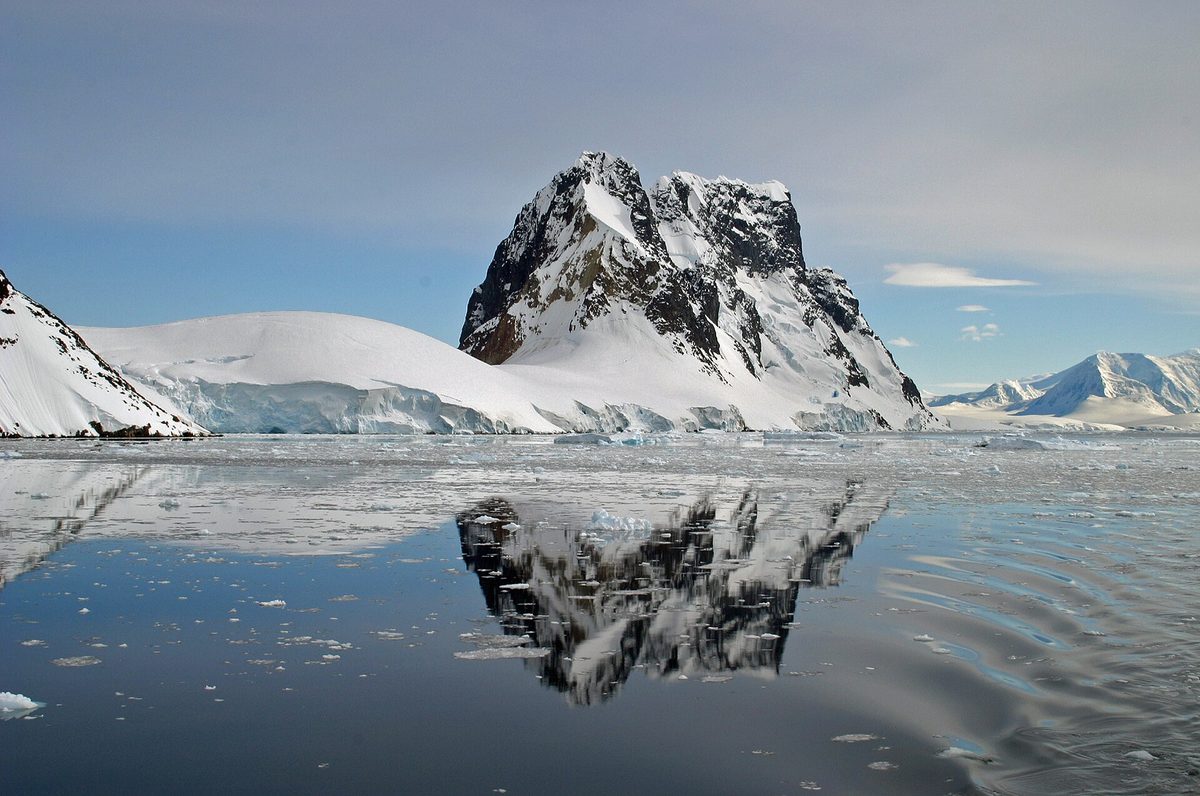
Even with a partner, you can go cheaper. Triple and quad cabins, with bunk-style berths and a shared porthole, are the lowest-priced accommodation on most ships and they can save $1,500 to $3,000 per person versus a standard twin or solo occupancy. You give up privacy and elbow room, but you spend almost all your waking hours in the lounges, on deck or ashore anyway. For young travellers, friends going together, or anyone who simply wants the experience at the lowest price, the triple is the value sweet spot.
Sail the Drake, do not fly it
The fly-cruise option that crosses the Drake Passage by plane is wonderful and convenient, but it carries a premium of several thousand dollars. The cheapest way to get to antarctica always involves sailing those famous two days each way. Yes, the Drake can be rough. It can also be glassy calm, and either way it is part of the adventure, lined with albatrosses and your first tabular icebergs. Choosing the ship over the plane is one of the clearest budget wins on the board. Compare the two properly in our flight cost guide.
Keep your flights lean
Your airfare to the gateway is the second-biggest controllable cost. Round trips to Ushuaia run roughly $850 to $1,500 from the United States, $1,000 to $2,900 from Europe and $1,900 to $3,000 from Asia. Book the domestic Argentine leg early, fly economy, use points where you can, and consider a cheaper routing through Buenos Aires with a self-connection if you are confident managing it. Every few hundred dollars saved on flights drops straight to your bottom line. Our flights to Antarctica guide goes deeper on routings.
Bring your own gear
Most ships lend you a parka and boots, but a layering system, waterproof trousers and gloves are on you. If you already hike or ski, you own most of this and spend nothing. If not, you can assemble a workable kit from outdoor sales and second-hand shops for far less than buying premium polar brands new. Do not over-buy; our what to pack for Antarctica list shows what you genuinely need versus what is marketing. Spending $150 cleverly here instead of $800 is a painless saving.
Skip the optional add-ons, at least most of them
Kayaking, camping and photography courses are glorious, but they are extra, often $200 to $1,200 each. On a strict budget, the disciplined move is to skip them and let the included landings carry the trip, which they easily do. If you cannot bear to skip everything, pick one. The included programme of two outings a day among wildlife and ice is already the core of the experience, and plenty of people come home thrilled without paying a cent beyond the fare.
Watch for genuine deals and repositioning voyages
Beyond last-minute discounts, keep an eye out for early-season and end-of-season specials, and for the rare repositioning or shorter four-to-six day “Antarctica in a week” voyages that trim cost by trimming days. Reputable agencies publish flash deals through the year. Sign up for a couple of operator and specialist mailing lists, and pounce when a shoulder-season cabin on an older ship drops. The cheapest trips almost always come from matching flexible travellers to cabins operators need to fill.
What the rock-bottom trip actually looks like
Let me paint it honestly. You fly economy to Ushuaia, spend one modest hotel night, board a 1990s expedition ship on a late-season deal in a triple cabin, sail the Drake both ways, wear your own layers, skip the paid activities, and tip modestly. Total, all-in from the Americas, lands somewhere around $10,000 to $12,000. From Europe or Asia, add the airfare difference. That is not pocket change, but it is roughly half what the premium version of the same continent costs, and the days ashore are indistinguishable.
Where not to cut corners
Budget travel has limits worth respecting. Never skip the mandatory travel and medical evacuation insurance; a polar rescue is ruinously expensive and operators require the cover anyway. Do not fly in on embarkation morning to save a hotel night, because missing the ship is the most expensive mistake possible. And do not book an unknown, unaccredited operator purely on price; stick to IAATO members. The full list of expenses that sneak up on people lives in our hidden costs of an Antarctica trip guide.
Is the cheap version still worth it?
This is the question behind the question, and my answer is an emphatic yes. The budget traveller and the suite passenger climb into the same Zodiacs, land on the same beaches, and watch the same whales. The expensive ship buys comfort between the adventures, not better adventures. If your budget is the constraint, take heart: the part that changes your life is included in even the cheapest real expedition. I make the full case in is Antarctica worth the money.
Cheap vs typical vs premium: the numbers side by side
Sometimes the clearest way to see where the savings live is to put the three versions of the same trip next to each other. These are per-person, all-in ranges for a classic Peninsula voyage in the 2026/27 season.
| Approach | Ship & cabin | Crossing | All-in per person |
|---|---|---|---|
| Cheapest way | Older ship, shared triple/porthole | Sail the Drake | $10,000 – $12,000 |
| Comfortable middle | Modern ship, twin with window | Sail the Drake | $15,000 – $18,000 |
| Premium | New luxury ship, balcony suite | Fly-cruise | $28,000+ |
The gap between the top and bottom rows is the prize. Notice that the destinations and the daily landings are identical across all three; what changes is the comfort of the ship and the speed of the crossing, not the Antarctica you actually see.
The real math on a shared cabin
It is worth seeing how quickly cabin choice compounds. Imagine two friends eyeing the same older ship. In twin cabins each pays the standard twin fare. Move them into a triple and invite a third, and each can save in the region of $1,500 to $3,000 against that twin rate. Add a fourth in a quad and the per-person number drops again. The cabin is the same distance from the Zodiacs; the lounge, the dining room and the deck are shared by everyone regardless of berth. For a group of friends, booking the cheapest multi-berth cabin together is the most painless large saving in the entire budget, and it is one operators are happy to arrange.
Repositioning and short voyages explained
Two lesser-known routes can cut the bill further. Short “Antarctica in a week” itineraries of roughly six days trim cost simply by trimming days at sea, though they give you fewer landings, so weigh the value carefully. Repositioning voyages, where a ship moves between regions at the start or end of a season, occasionally appear at sharp discounts because the operator needs to fill berths on a sailing that exists anyway. Neither is advertised heavily. You find them by following specialist agencies and being ready to move when a deal lands. They are not for travellers with rigid calendars, but for the flexible they are genuine bargains.
A bare-bones budget checklist
When I help someone build the cheapest realistic trip, this is the checklist I run through. Tick all of these and you are at or near the floor:
- Fly into Ushuaia, economy, booking the domestic Argentine leg early.
- Choose an older expedition ship rather than a new flagship.
- Target a shoulder-season departure in November or late February/March.
- Book a shared triple or quad cabin, or accept a paired roommate to waive any single supplement.
- Sail the Drake Passage rather than paying the fly-cruise premium.
- Bring your own layers and gloves; rely on the ship’s loaned parka and boots.
- Skip optional paid activities, or limit yourself to a single splurge.
- Keep the mandatory insurance and the pre-cruise buffer night; never cut these.
How far ahead to plan the budget route
Timing your decision is part of the strategy. If you are chasing an early-bird fare, commit 12 to 18 months out, when operators publish their lowest opening prices and the best cabins are still free. If you are chasing a last-minute discount, do the opposite: keep money ready, watch the deals through the season, and be prepared to fly south on short notice. What does not work is the middle ground of booking a peak-season cabin a few months before departure, which catches neither the early-bird low nor the last-minute clearance. Decide which game you are playing early, and play it deliberately.
Booking tactics that actually move the price
A few practical habits separate people who pay the floor from people who pay the brochure. Get on the mailing lists of two or three reputable specialist agencies and a couple of operators, because the sharpest deals are emailed, not advertised. Be ready to decide quickly when a shoulder-season cabin on an older ship drops, as those berths vanish within days. Ask agencies directly whether any unsold triples or solo-share spots remain on a sailing you like, since these are not always shown online. And price the whole journey, flights included, before you celebrate a cheap fare, because a bargain cabin paired with an expensive last-minute airfare is not actually a bargain. The travellers who win at this treat it like a small project, not a single click.
Common budget mistakes to avoid
The cheapest trips go wrong in predictable ways, so learn from others. Do not wait so long chasing a last-minute deal that flights to South America become unaffordable and erase your saving. Do not assume the cheapest headline fare includes everything; check what sits below the fare line on the inclusions page. Do not book a non-refundable budget berth without the insurance that protects it. And do not let the pursuit of the absolute lowest number push you toward an operator you cannot verify; sticking to established IAATO members costs a little more and protects everything. Budget travel to Antarctica rewards discipline and punishes corner-cutting in equal measure, so be frugal where it is safe and firm where it is not.
Frequently asked questions
What is genuinely the cheapest way to get to antarctica?
An older expedition ship out of Ushuaia, booked on a shoulder-season or last-minute deal, in a shared triple cabin, sailing the Drake rather than flying it. That combination reaches the practical price floor of roughly $6,400 to $8,000 for the fare.
Can I visit Antarctica for under $10,000?
The cruise fare alone, yes, on a budget ship and deal. A realistic all-in total including flights, insurance and hotels usually lands around $10,000 to $12,000 from the Americas, more from Europe or Asia.
Is last-minute booking really cheaper?
It can be, with discounts of 30% or more on unsold cabins, but it requires flexibility and nerve. You may pay for hotel nights in Ushuaia while you wait, and there is no guarantee a berth appears.
Should I fly or sail the Drake Passage to save money?
Sail it. Flying the Drake is faster and smoother but adds a premium of several thousand dollars. The crossing is included in the fare and is part of the experience.
Do cheaper ships visit worse places?
No. Older budget ships make the same Peninsula landings with the same expedition teams. You trade onboard comfort, not the destinations or the wildlife.
How do solo travellers keep it cheap?
Agree to share a cabin so the operator waives the single supplement, or book a ship offering dedicated no-supplement solo cabins. This avoids paying 1.5 to 2 times the fare to travel alone.
When is the cheapest time of year to go?
The shoulder months, early November and late February into March, are cheaper than the December–January peak and still deliver superb wildlife and scenery.
What should I never skimp on?
Insurance with medical evacuation cover, a buffer night before embarkation, and a reputable IAATO-member operator. Cutting these to save money risks far larger costs.
Final thoughts
The cheapest way to get to Antarctica is not a single trick; it is a stack of sensible choices that each nudge the number down. Route through Ushuaia, pick an older ship, travel the shoulders, share a cabin, sail the Drake, and bring your own layers. Pull those levers and the white continent moves from fantasy into a budget you can actually meet. When you are ready to compare voyages, our complete cruises guide and the full price breakdown will help you turn this strategy into a booking.