If you have started pricing a polar adventure, you already know the antarctica trip cost is the single biggest question hanging over the whole idea. I have planned and re-planned this trip more times than I can count, spread my own spreadsheets across two screens, and talked to dozens of people who have made the crossing. The short answer is that most travellers spend somewhere between USD $9,000 and $16,000 per person all-in for a classic ten-to-twelve day Peninsula voyage in the 2026/27 season. The long answer, which is the one that actually protects your wallet, is what this guide is for. I am going to walk you line by line through every dollar so there are no nasty surprises when the invoice lands.
I have tried to write the breakdown I wish I had read first: honest about the headline fare, honest about the extras the brochures bury, and clear about where you can genuinely save without ruining the experience. If you want the wider planning picture, our how much it costs to visit Antarctica hub ties all of this together, and the complete Antarctica cruises guide covers the voyages themselves.
What goes into the antarctica trip cost
The thing that trips most first-timers up is assuming the cruise fare is the trip. It is not. The fare is roughly two thirds to three quarters of the total, and the rest hides in flights, hotels, insurance, gear, tips and the optional add-ons you will absolutely want once you are down there. A useful rule of thumb that several operators quote, and one I have found accurate, is to budget about 130% of the cruise fare to land on your true all-in number. So a $11,000 cabin becomes roughly $14,300 once everything is counted. Hold that figure in your head as we go, because it is the reality check that keeps a budget honest.
The headline number: what people actually pay
Let me give you the ranges I keep seeing quoted for the 2026 and 2027 seasons, all per person and based on two people sharing a cabin. Entry-level berths on older, simpler expedition ships start around $8,000 to $9,000. The broad middle of the market, where most comfortable modern ships sit, runs $11,000 to $16,000. Premium suites with private balconies climb to $18,000 to $22,000, and the genuinely luxurious or longer voyages push past $26,000. The cheapest classic ships, such as the MV Ushuaia and Ocean Nova, occasionally surface below $8,000 on a last-minute berth, which I will come back to because it is one of the few real bargains in polar travel.
A line-by-line cost breakdown
Here is the skeleton I use when I quote a friend a realistic figure. Treat the cruise fare as your anchor and add the rest on top.
| Cost item | Typical 2026/27 range (per person) |
|---|---|
| Expedition cruise fare (10–12 days, twin share) | $8,000 – $22,000+ |
| International flights to the gateway city | $850 – $3,000 |
| Pre/post hotels & meals (2–4 nights) | $300 – $900 |
| Mandatory travel & evacuation insurance | $200 – $500 |
| Clothing & personal gear (if buying) | $300 – $1,000 |
| Crew & staff gratuities | $150 – $300 |
| Optional activities (kayak, camp, photo) | $0 – $1,500 |
| Incidentals, bar, Wi-Fi, souvenirs | $150 – $600 |
The cruise fare: your biggest line item
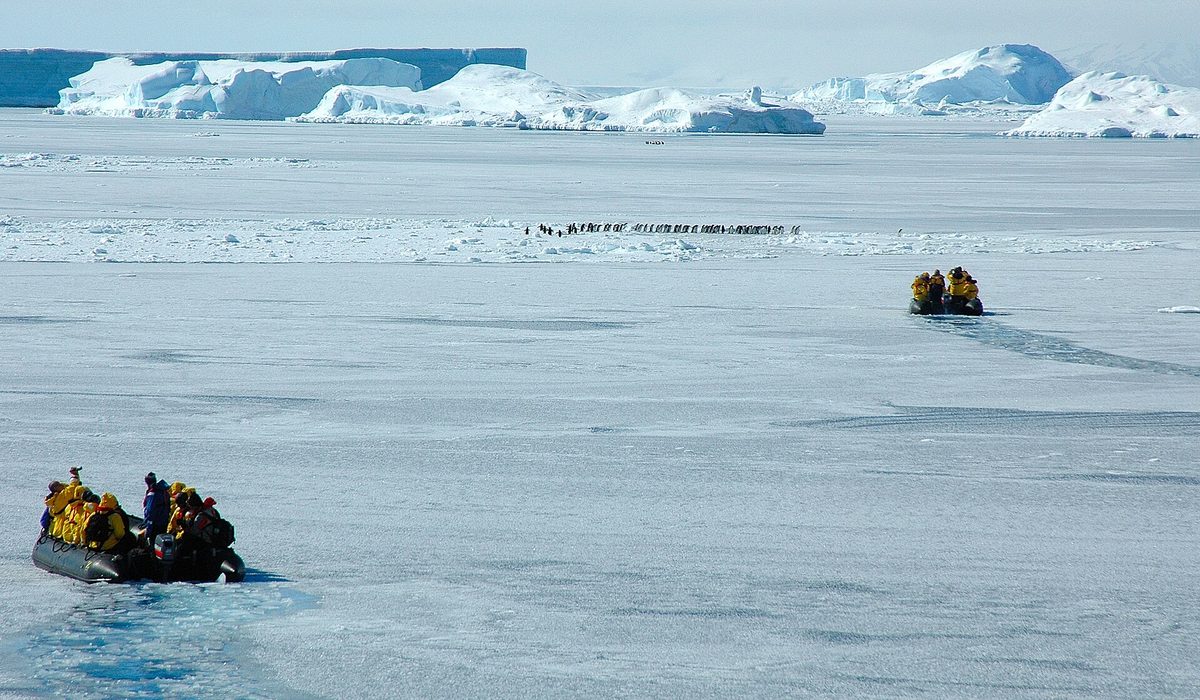
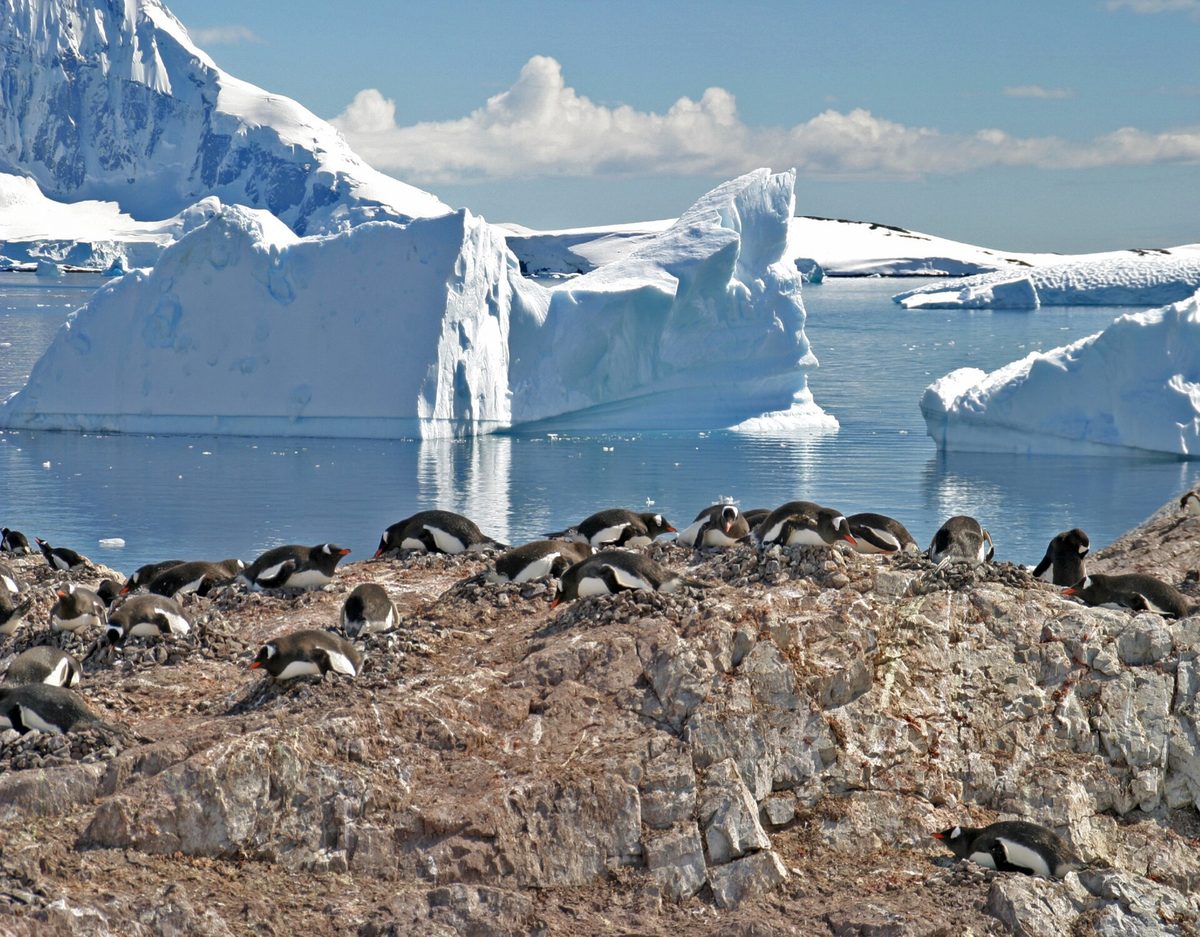
Everything starts here. The fare buys your cabin, all meals at sea, the Zodiac landings, the expedition team of biologists and historians, and the basic gear loan most ships now include. What moves it up or down is a short list: the age and comfort of the ship, the cabin grade, the length of the voyage, and the departure date within the season. A 1990s ice-strengthened vessel with porthole cabins is the budget play. A 2020s purpose-built ship with stabilisers, balconies and a fleet of kayaks is the premium one. The experience of standing on a beach surrounded by penguins is, I promise, almost identical from either. For the full picture of how cabins and seasons move the number, see our guide to the average Antarctica cruise price.
Getting there: international flights
Almost every Peninsula voyage leaves from Ushuaia, at the bottom of Argentina, so your flights are really two legs: your home country to Buenos Aires or Santiago, then a domestic hop south to Ushuaia. Round-trip airfare from major U.S. hubs typically runs $850 to $1,500, from Europe $1,000 to $2,900, and from Asia roughly $1,900 to $3,000. Book the Ushuaia leg early; seats sell out in the December–February peak and prices spike. Our how to get to Antarctica guide maps the routes in detail, and the flight cost guide covers the fly-cruise alternative.
Drake Passage vs the fly-cruise premium
There are two ways across to the Peninsula. The traditional route sails the Drake Passage in about two days each way, which is included in the fare. The faster option flies you from Punta Arenas in Chile to King George Island in roughly two hours, skipping the open ocean entirely. That convenience costs money: fly-cruise packages carry a premium of several thousand dollars over the comparable sailing, and the shortest fly-in trips start around $6,600. If seasickness terrifies you or your holiday days are tight, it can be worth every cent. If you have the time and the stomach, sailing the Drake saves a small fortune.
Hotels before and after the voyage
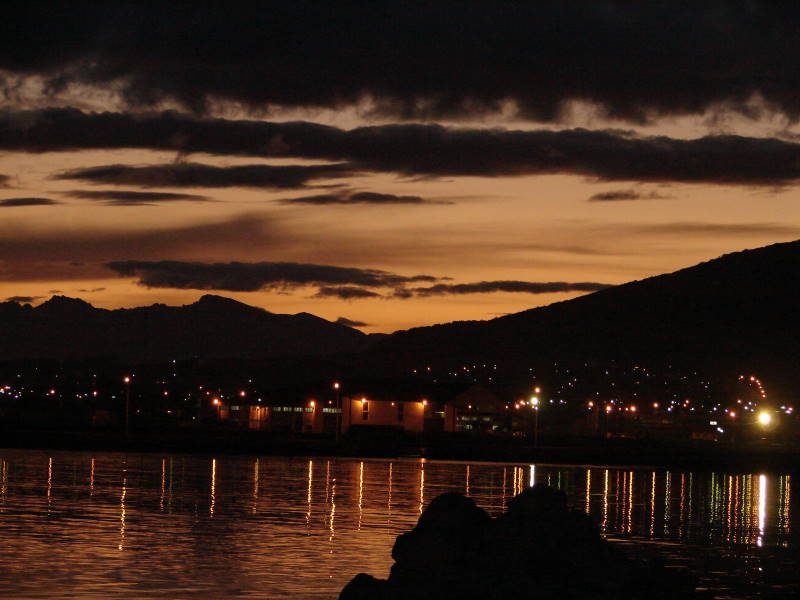
You should never fly into Ushuaia the same morning your ship sails; one delayed connection and you watch it leave without you. I always build in at least one night before, and ideally one after. Expect $120 to $250 a night for a solid mid-range hotel in Ushuaia, plus meals, taxis and the odd celebratory steak dinner. Two or three nights of buffer typically adds $300 to $900 to the trip. It is cheap insurance against missing the most expensive thing you will ever board.
Travel and medical evacuation insurance
This is non-negotiable, and not just for your peace of mind. Operators require comprehensive travel insurance with emergency medical evacuation coverage, commonly a minimum of $150,000 and sometimes up to $300,000, because a rescue from the ice is astronomically expensive and there is no hospital nearby. A suitable policy usually costs $200 to $500 depending on your age, trip length and cover level. Read the polar-specific exclusions carefully; ordinary credit-card travel cover almost never qualifies.
Clothing and personal gear
Good news first: most ships now lend you a proper expedition parka (often yours to keep) and waterproof muck boots for landings, which removes the two most expensive items from your list. What you still need is a layering system, waterproof trousers, gloves, hats, thermal base layers and good sunglasses. If your wardrobe is starting from scratch, budget $300 to $1,000; if you already hike or ski, you may spend almost nothing. Our what to pack for Antarctica list shows exactly what is worth buying versus borrowing.
Gratuities and onboard spending
Tipping is customary on expedition ships, and the crew work without days off for the whole season, so it matters. The going rate is $12 to $25 per person per day, sometimes added automatically to your account, sometimes left to your discretion. Over an eleven-day voyage that is roughly $150 to $300. On top of that, factor in the bar, the occasional satellite Wi-Fi package and the gift shop. Our dedicated Antarctica cruise gratuities guide breaks down who to tip and how much.
Optional activities worth the splurge
The big three add-ons are sea kayaking, overnight camping on the ice, and photography workshops. Kayaking typically runs $800 to $1,200 for the voyage, camping $200 to $400 for one unforgettable night, and photo programmes $500 to $1,000. None are essential, but paddling silently past a glacier is the memory people talk about for years. If money is tight, pick one. I have never met anyone who regretted the kayaking.
Visas, vaccines and the small stuff
For most Western passport holders, Argentina and Chile require no tourist visa, so that line is often zero. There are no mandatory vaccinations for Antarctica itself, though routine travel jabs are wise. Then come the easily forgotten incidentals: airport transfers, departure-day lunches, a SIM card, laundry, and the inevitable souvenir from the world’s southernmost post office at Port Lockroy. Set aside a few hundred dollars and you will not feel nickel-and-dimed.
Three realistic sample budgets
To make this concrete, here is roughly what three different travellers spend, all per person and all-in:
- The budget explorer: older ship, porthole or triple cabin, Drake crossing, own gear, no add-ons, economy flights. Around $10,500 to $12,500.
- The comfortable middle: modern ship, twin cabin with a window, one optional activity, insurance, two hotel nights, sensible flights. Around $15,000 to $18,000.
- The premium traveller: new luxury ship, balcony suite, fly-cruise to skip the Drake, kayaking and camping, business-class airfare. $28,000 and up.
If those numbers feel high, our Antarctica on a budget and cheapest way to get to Antarctica guides are written specifically to bring the bottom number down.
How the season changes the price
The Antarctic season runs roughly November to March, and the calendar moves the price as much as the cabin does. Early November is shoulder season: cheaper fares, pristine snow, courting penguins. The December–January peak, when wildlife is at its most active and days are longest, is the most expensive and books out first. By late February and March, prices soften again and whales dominate the water. If you can travel in the shoulders, you are effectively paying less for the same continent. See the best time to visit Antarctica for the month-by-month trade-offs.
How to lower your antarctica trip cost
You have more levers than you think. Book a triple or quad cabin and you can save $1,500 to $3,000 per person versus solo occupancy. Choose an older ship over a new flagship. Travel in the shoulder months. Watch for last-minute berths if your dates are flexible and you can position yourself in South America. Skip the fly-cruise and sail the Drake. Bring your own gear. Each one of these on its own is meaningful; stack three or four and you can shave several thousand dollars off the total without touching the core experience of landings and wildlife.
Where the money genuinely goes
It helps to know why this costs what it does, because it makes the number feel less arbitrary. You are paying for an ice-strengthened ship that is expensive to build and maintain, a highly qualified crew and expedition team, strict environmental compliance and cleaner fuels, and the simple logistics of operating at the end of the Earth. This is not a Caribbean megaship spreading costs over 4,000 passengers; it is a small vessel carrying a hundred or two, with guides who outnumber guests on the beach. Whether all of that is worth it is a fair question, and I tackle it head-on in is Antarctica worth the money.
Don’t forget the hidden extras
The line items that blow budgets are rarely the cruise fare itself; they are the dozen small things nobody warned you about. Single-occupancy supplements, last-minute gear, premium excursions, bar tabs and pricey ship Wi-Fi all add up quietly. I have pulled them all into one place in our hidden costs of an Antarctica trip guide, and solo travellers should read the Antarctica single supplement breakdown before booking.
What the cruise fare includes — and what it doesn’t
One reason the headline price looks steep is that it quietly bundles a lot. On almost every reputable expedition, the fare covers your cabin, every meal at sea, coffee and tea around the clock, the full programme of Zodiac cruises and shore landings, lectures from the expedition team, port taxes and the loan of boots and often a parka. That is a genuinely all-inclusive base, and it is worth remembering when you compare it to a cheaper holiday where every excursion is sold separately. What the fare does not cover is the predictable short list: international flights, hotels either side, insurance, tips, premium drinks, Wi-Fi, the spa, and the optional adventure activities. Once you internalise that split, the 130% rule stops feeling like a markup and starts feeling like simple, honest accounting. Read the inclusions page of any quote slowly; the difference between two ships that look similarly priced is often what sits below the fare line.
Ushuaia or Punta Arenas: how the gateway shapes the bill
Your departure city quietly influences the total. Ushuaia in Argentina is the classic launch point for ships sailing the Drake, and it tends to be the cheaper, more atmospheric base, with a lively waterfront and plenty of mid-range hotels. Punta Arenas in Chile is the hub for fly-cruise departures to King George Island, so if you have chosen to fly the Drake, your gateway and your hotel nights shift north to Chile. Neither is dramatically dearer than the other for lodging, but flight routings differ: connections through Buenos Aires feed Ushuaia, while Santiago feeds Punta Arenas. I price both routings before committing, because a few hundred dollars of airfare difference, multiplied across a family, is a real number. Whichever you choose, the same advice holds — arrive a day early and treat that buffer night as part of the cost of the ship, not an optional extra.
Deposits, payment schedules and cancellation
Expedition cruises are not pay-on-the-day purchases. Most operators take a deposit of around 20% to lock your cabin, with the balance due 90 to 120 days before departure. That timing matters for cash flow: you commit a meaningful sum a year or more out, then settle the rest a few months before you sail. Cancellation terms tighten as the date approaches, which is exactly why mandatory insurance with trip-cancellation cover earns its keep. If you are booking a last-minute discounted berth, expect to pay in full immediately. I always read the cancellation ladder before I sign, because knowing the dates where penalties step up lets me time the final, non-refundable commitment with eyes open.
Currency, cards and spending on board
Onboard accounts are almost always settled in US dollars, and most ships take major credit cards at the end of the voyage for your bar tab, shop purchases, Wi-Fi and any add-ons you bought once aboard. Gratuities can usually go on the card too, though some travellers prefer cash in envelopes. Carry a modest amount of US cash for tips, for the post office at Port Lockroy, and for taxis and small purchases in the gateway city, where cards are accepted but cash smooths the edges. Argentine and Chilean pesos are useful for meals and souvenirs ashore. None of this is expensive, but planning your currency mix means you are never caught out by a card machine that will not cooperate at the bottom of the world.
Where your money is working, day by day
It can help to picture the spend as a timeline rather than a lump. The first day or two is flights and a gateway hotel. Embarkation day, your fare takes over and the ship becomes a floating all-inclusive. The sea days across the Drake are, in cost terms, “free” — already paid for — even as the scenery delivers albatrosses and your first icebergs. The landing days on the Peninsula are where the value concentrates: two outings a day, guides outnumbering guests, penguins at your feet. The add-ons you pre-booked, the kayak or the camp night, slot into those days. Then the return crossing, disembarkation, and a final hotel night before the long flights home. Mapped this way, the expensive fare reveals itself as roughly a dozen days of genuinely remote, genuinely guided travel, which reframes the per-day number rather favourably.
Couples, families and group savings
Who you travel with changes the maths. Couples sharing a twin cabin pay the standard per-person twin rate and dodge any single supplement entirely, which is the most common and most economical way to go. Families can often book triple or quad cabins that bring the per-person fare down sharply, and some operators offer modest child or young-adult reductions on certain departures. Small groups travelling together occasionally unlock group rates or a free berth for the organiser. If you are flexible and willing to share, the structural discounts built into cabin occupancy are larger than any promo code you will ever find. It is the single most overlooked lever in the whole budget, and it rewards a little coordination among friends.
Frequently asked questions
What is the minimum realistic antarctica trip cost?
If you grab a last-minute berth on an older ship, sail the Drake, bring your own gear and fly economy, you can land near $10,000 all-in from the Americas. Below that is rare and usually involves repositioning yourself to Ushuaia and gambling on a heavily discounted cabin.
Why is going to Antarctica so expensive?
Small, ice-strengthened ships, expert crews, strict environmental rules and end-of-the-Earth logistics all cost money, and those costs are shared across only a hundred or two passengers rather than thousands. That is the core reason the fare sits where it does.
Does the cruise fare include flights?
Almost never. The fare covers the voyage from the gateway city; your international and domestic flights to Ushuaia or Punta Arenas are separate. Fly-cruise packages are the exception, as they bundle the Drake-crossing flight into the price.
How much should I budget for tips?
Plan on $12 to $25 per person per day, which works out to roughly $150 to $300 for a standard voyage. Some operators add it automatically; you can adjust it when you settle your account.
Is travel insurance really mandatory?
Yes. Operators require comprehensive cover including emergency medical evacuation, often a minimum of $150,000 to $300,000. Budget $200 to $500 for a policy that genuinely qualifies for polar travel.
Can I lower the cost by travelling solo and sharing?
Often, yes. Many ships will pair you with a same-gender roommate and waive the single supplement, which avoids paying 1.5 to 2 times the per-person fare. See our single supplement guide for the operators that do this.
How far ahead should I book?
For peak December–January dates and the best cabins, book 12 to 18 months ahead. For the best price, either book very early to lock low fares or stay flexible for last-minute discounts in the shoulder season.
What is the single biggest way to save?
Cabin choice. Moving from a balcony suite to a porthole or triple cabin on the very same ship can save several thousand dollars while delivering the identical days ashore.
Final thoughts
The antarctica trip cost is large, but it is also knowable, and a knowable number is one you can plan for. Anchor your budget to the cruise fare, add roughly 30% for everything else, decide which one or two splurges matter to you, and the rest is arithmetic. I have watched people agonise over the price for years and then describe the trip, without exception, as the best money they ever spent. Plan it carefully, protect the buffer, and go. The penguins are waiting, and so is our full cruises guide when you are ready to choose a voyage.