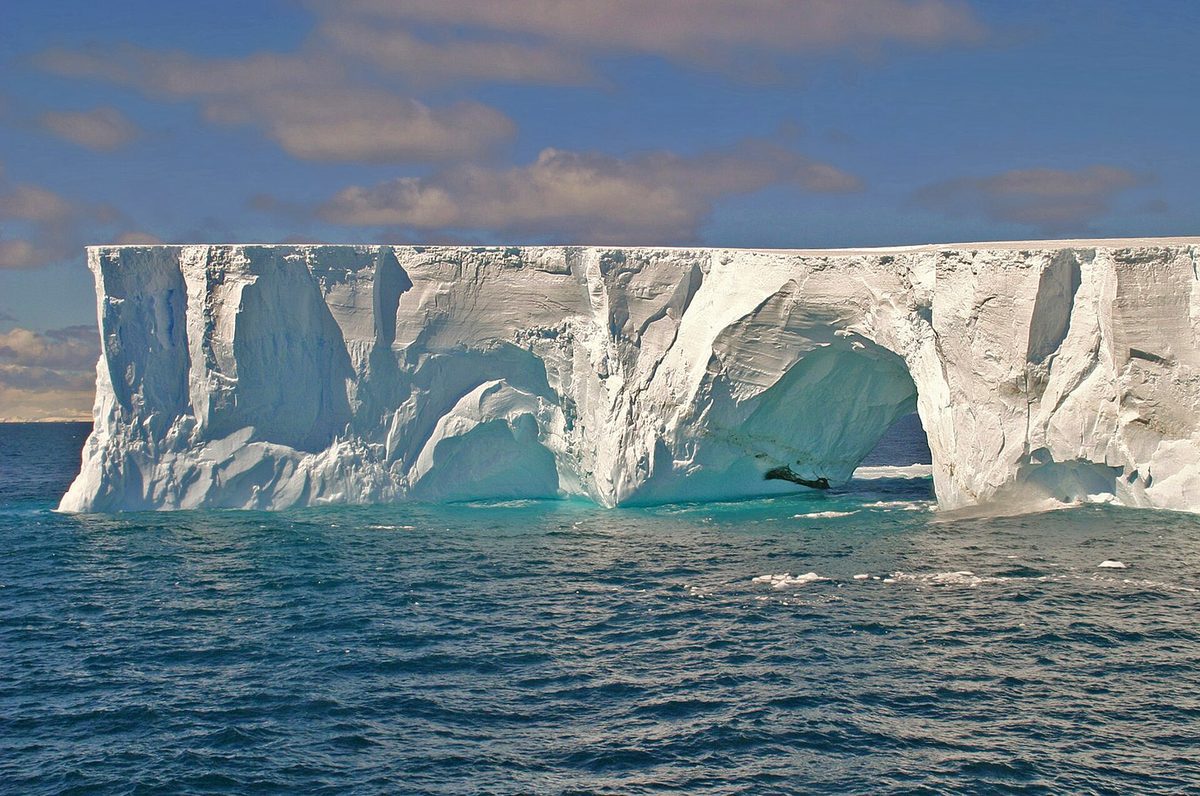
Antarctica is expensive, there’s no pretending otherwise — but the gap between the price a savvy traveler pays and what an unprepared one pays can run to many thousands of dollars for the very same voyage. Finding the best Antarctica cruise deals isn’t about luck; it’s about knowing where discounts hide, when they appear, and how to stack several savings together. Do it well and you can knock 25–35% or more off a fare without compromising a single penguin, iceberg, or landing.
This guide is your complete playbook for saving money on an Antarctic cruise: every type of deal, where to find them, how to combine them, and how to tell a genuine bargain from a false economy. I’ll be honest about what actually saves money versus what just looks like a discount. For the full cost breakdown behind these savings, pair this with our trip cost guide and budget cruises guide; here we focus on the deals themselves.
Where to find Antarctica cruise deals
Antarctica cruise deals come from a handful of predictable sources, and knowing them turns a daunting search into a targeted hunt. The richest seams are early-booking discounts (the single biggest and most reliable saving), shoulder-season pricing, cabin-share arrangements for solo travelers, last-minute unsold-cabin discounts, repositioning and special-departure fares, group bookings, and past-passenger loyalty offers. Layer in the access a good polar specialist agent provides — sometimes to held cabins or promotions you won’t see advertised — and you have the full toolkit.
The crucial mindset is that these aren’t mutually exclusive. The biggest savings come from stacking several at once — an early-booking discount on a shoulder-season departure in a shared cabin, say. We’ll walk through each source, then show how to combine them. Throughout, the golden rule holds: a deal is only a deal if it’s on a reputable IAATO operator, because a cheap berth on a dubious one is no bargain at all.
Early-booking discounts: the biggest reliable saving
If you take one thing from this guide, make it this: booking early is usually the largest and most dependable discount available. Operators offer early-booking incentives of around $1,000–$1,500 per person — frequently 25–35% off the standard fare — to travelers who reserve roughly ten or more months ahead. These discounts are deepest earliest and shrink as departure approaches, the opposite of how bargain-hunters often assume cruise pricing works.
Because the saving is reliable and substantial, early booking usually beats gambling on a last-minute deal. It also secures your choice of ship, cabin, and add-on activities before they sell out. For most travelers, this is the foundation of any good deal. Our when to book guide details the timing.
Shoulder-season pricing
When you sail is a powerful lever on price. The peak December–January departures command the highest fares because demand and conditions are at their best, while the shoulder months — November and March — are noticeably cheaper. Crucially, the shoulder season is excellent in its own right: November brings pristine ice and courting penguins, March the season’s best whale-watching. So choosing a shoulder departure saves real money without sacrificing the experience. Our best time to visit guide maps what each month offers.
Cabin-share and triple/quad savings
How you occupy a cabin dramatically affects the per-person price. Solo travelers can avoid the punishing single supplement (often 50–100%) by using an operator’s cabin-share program, which pairs them with a same-sex roommate at the standard rate — an instant, large saving. For everyone, choosing a shared triple or quad cabin with a porthole rather than a twin or balcony suite can save several thousand dollars per person. If you’re comfortable sharing, this is one of the easiest big savings available, as our budget cruises guide explains.
Last-minute and unsold-cabin deals
For the genuinely flexible, last-minute deals on unsold cabins can be steep, typically appearing one to three months before departure or via the Ushuaia standby approach. The catch is that they’re unpredictable, offer little choice, and never touch the peak dates that sell out. They suit spontaneous travelers chasing a bargain, not those with fixed plans. For most people, the reliable early-booking discount is the smarter play, but if you can drop everything, last-minute is a legitimate deal source. Our last-minute cruises guide covers it fully.
Repositioning and special-departure deals
Some of the best-value voyages are the ones operators most need to fill. Repositioning sailings — when a ship relocates between regions or at the very start or end of a season — are often priced keenly and can offer unusual routes at lower fares. Inaugural or one-off special departures sometimes carry introductory pricing too. These won’t suit travelers fixed on a classic itinerary or date, but for the flexible they can be hidden gems. Our cruise itineraries guide explains repositioning voyages.
Group, loyalty, and past-passenger discounts
A few relationship-based deals are worth knowing. Group bookings — typically eight or more travelers — often unlock per-person discounts and perks, so rallying friends or a club can pay off. Many operators reward repeat guests with past-passenger discounts and loyalty benefits, so if you’ve sailed with a line before (in Antarctica or the Arctic), ask. And some lines offer combinable benefits for booking a future cruise while still aboard a current one. None of these is huge alone, but each stacks with the bigger discounts. Our guide for every traveler covers group travel.
Booking through a specialist for access
A good polar travel specialist is itself a kind of deal. They typically cost you nothing extra (the operator pays their commission), and in return they can flag which departures are discounting, access held cabins or unadvertised promotions, and steer you to the best value for your priorities. They also know which “deals” are genuine and which are illusory. Booking direct keeps you closest to the operator, but a specialist’s market knowledge can surface savings you’d never find alone. Either way, the underlying discounts — early-booking, shoulder season — remain the foundation.
Types of Antarctica cruise deals at a glance
| Deal type | Typical saving | Best for |
|---|---|---|
| Early-booking discount | $1,000–$1,500 (25–35%) | Planners booking 10+ months ahead |
| Shoulder season | Hundreds to thousands | Flexible-date travelers |
| Cabin-share (solo) | Avoids 50–100% supplement | Solo travelers |
| Triple/quad cabin | Several thousand | Those happy to share |
| Last-minute | Variable, sometimes deep | Spontaneous, flexible travelers |
| Repositioning | Moderate to good | Flexible on route & date |
| Group (8+) | Per-person discount + perks | Clubs, families, friend groups |
Combo and extension deals
Sometimes the best value comes from bundling. Operators and agents occasionally offer combined deals — a cruise paired with a Patagonia or Buenos Aires extension, or a back-to-back of two voyages on the same ship — at better per-day value than booking separately. If you’re travelling a long way to reach Antarctica anyway, these extensions can make the whole trip cheaper per experience even as they raise the total. Just evaluate them on true total cost, not the headline. Our how to get to Antarctica guide covers the gateway extensions worth adding.
What a real “deal” actually means
Here’s where many bargain-hunters go wrong: they fixate on the cruise fare and ignore the total trip cost. A cheap fare that excludes flights, transfers, gratuities, drinks, and gear isn’t necessarily a better deal than a pricier all-inclusive fare once you add those extras. The real measure of a deal is the total you pay for the experience you want, not the headline number. Always compare like with like by adding the excluded costs to each fare, as our what’s included guide explains. A genuine deal lowers your true total; a fake one just hides costs you’ll pay later.
Red flags: when a deal isn’t a deal
Be skeptical of anything that seems too good to be true, because in Antarctica it usually is. The biggest red flag is a price far below the whole market — it often signals an operator outside the IAATO framework, which is a hard no regardless of the saving. Watch, too, for “deals” that simply strip out inclusions (so you pay the difference in extras), high-pressure “today only” tactics on a trip people plan a year ahead, and vague operators who won’t answer straight questions. A real deal comes from a reputable operator with transparent terms; a suspicious one is a risk not worth taking with a trip this special and remote. Our how to choose guide lists the operator red flags in full.
Timing your deal hunt
Deals follow the season’s rhythm. The best early-booking discounts appear when operators open a new season’s bookings, often 18 to 24 months out, and taper from there. Shoulder-season value is set when you choose your dates. Last-minute deals surface one to three months before departure. So the savvy approach is to start watching as soon as a season opens, lock in an early-booking discount on a shoulder date if you can plan ahead, and only wait for last-minute if you’re genuinely flexible. Signing up for operator and agency deal alerts months ahead ensures you spot promotions fast.
How to stack discounts for maximum savings
The real magic is combining deals. Here’s how to layer them:
- Book early to capture the 25–35% early-booking discount — the foundation.
- Choose a shoulder-season date (November or March) for lower base pricing.
- Take a shared triple/quad, or use cabin-share if solo, to slash the per-person cost.
- Pick the classic Peninsula route rather than a pricier extended itinerary.
- Add group or past-passenger discounts if they apply to you.
- Book gateway flights early so they don’t erode your cruise savings.
Stack these and a traveler can reach Antarctica for thousands less than the brochure price — without cutting any corner that affects the actual experience. That’s the difference between a smart deal and a false economy, a theme our budget cruises guide develops.

Is chasing deals worth the effort?
Given the sums involved, absolutely. A few hours spent understanding the discount landscape and timing your booking can save more than most people save on a year of everyday frugality. The key is to chase real deals — early-booking, shoulder season, cabin-share — rather than illusory ones, and never to let a price tempt you onto a non-IAATO operator. Saving money on an Antarctic cruise is entirely compatible with a world-class experience; the penguins don’t know what you paid. Our is it worth it? guide tackles the broader value question.
Deals by traveler type
The best deal depends on who you are. Solo travelers should prioritise cabin-share programs and no-single-supplement promotions, which save the most for them. Couples and flexible travelers win biggest from early-booking discounts on shoulder-season dates. Families and groups should chase group rates and book early to secure multiple cabins together. Repeat polar travelers should always ask about past-passenger loyalty discounts. And spontaneous, time-rich adventurers are the rare group for whom last-minute gambles can pay off. Matching the deal type to your situation is how you save the most, a theme our guide for every traveler develops.
How deals differ by operator tier
Discounting behaviour varies across the market. Budget and mid-range operators lean heavily on early-booking discounts and shoulder-season pricing to fill their many cabins, so that’s where percentage savings are largest. Luxury all-inclusive lines discount less aggressively but may bundle in extras — flights, drinks, gratuities — whose value functions as a deal once you compare total costs. The very smallest boutique ships rarely discount at all because they sell out, so don’t wait for a bargain on those. Knowing where each tier is willing to deal helps you aim your hunt, as our ships and operators guide shows.
What never to compromise for a deal
Saving money is smart; cutting the wrong corners is reckless. Never book a non-IAATO operator to chase a price, because the savings come at the expense of the safety and environmental standards that protect you and the continent. Never skimp on comprehensive travel insurance with medical evacuation — given Antarctica’s isolation it’s both mandatory and essential. And never skip the buffer night at the gateway to save a hotel cost, since missing a non-refundable departure is the most expensive saving imaginable. Spend freely on safety and compliance; economise only on comfort and frills. Our travel tips guide lists the non-negotiables.
A worked example of stacked savings
To see the power of stacking, picture two travelers on the same 11-day Peninsula ship. The first books a peak January balcony cabin at the last minute for the full $16,000 fare. The second books the same ship 14 months ahead for a March departure, in a shared triple, capturing a 30% early-booking discount — landing around $9,500. Same ship, same continent, same penguins, but a difference of roughly $6,500 per person, achieved purely by stacking early booking, shoulder season, and a shared cabin. Neither cut a single corner that affects the actual experience. That gap is the entire argument for understanding deals before you book.
Frequently asked questions
How do I find the best Antarctica cruise deals?
Start with early-booking discounts (the biggest reliable saving), then layer shoulder-season timing, a shared or cabin-share berth, and the classic Peninsula route. Watch operator and specialist deal pages, sign up for alerts, and always confirm IAATO membership. Stacking several discounts saves the most.
What is the biggest way to save on an Antarctica cruise?
Booking early — reserving ten or more months ahead typically unlocks $1,000–$1,500 per person off, often 25–35%. It’s the largest, most reliable discount and also secures your choice of ship, cabin, and activities before they sell out.
Are last-minute deals cheaper than early-booking?
Not reliably. Early-booking discounts are dependable and often match or beat uncertain last-minute deals, which never touch the peak dates that sell out. Last-minute suits only the genuinely flexible chasing unsold cabins. For most, early booking saves more with no risk.
Can solo travelers get a deal?
Yes — use the cabin-share program to be paired with a same-sex roommate at the standard rate, avoiding the single supplement that can otherwise double the cost. Watch for no-single-supplement promotions too, which some operators run on select departures.
How do I avoid a fake deal?
Compare total trip cost, not just the fare — a cheap fare that excludes flights, drinks, and gratuities may not be cheaper overall. Be wary of prices far below the market (often non-IAATO operators), stripped-out inclusions, and high-pressure tactics. A real deal comes from a reputable operator with transparent terms.
Do group bookings save money?
Often, yes — parties of eight or more frequently earn per-person discounts and perks, provided cabins are still available together, which favours early booking. Appoint one organiser to coordinate dates and lock the group rate quickly.
When do the best deals appear?
The best early-booking discounts appear when a new season opens, often 18–24 months out, and taper toward departure. Last-minute deals surface one to three months before sailing. Start watching as a season opens and book early for the most reliable saving.
Do Antarctica cruise deals ever appear in peak season?
Rarely as last-minute discounts — December and January sell out, so operators have little to discount. But early-booking discounts do apply to peak dates if you book far enough ahead. The deepest deals concentrate on shoulder-season and harder-to-fill departures.
Is it worth using a travel agent to find deals?
Often, yes — a good polar specialist usually costs nothing extra and can surface unadvertised promotions, held cabins, and the best value for your priorities, while steering you clear of fake deals. Booking direct also works; either way, the core early-booking and shoulder-season savings remain available.
Can I combine multiple discounts?
Often, yes — early-booking, shoulder-season, cabin-share, group, and past-passenger savings frequently stack, and combining them is how travelers save the most. Some promotions exclude others, so confirm with the operator, but the general strategy of layering discounts is sound.
How much can I realistically save with deals?
By stacking an early-booking discount (25–35%), shoulder-season timing, and a shared cabin, travelers commonly save several thousand dollars per person versus a peak-date, full-fare, premium-cabin booking on the same ship. The exact figure varies, but a $5,000–$7,000 per-person gap between savvy and unprepared bookers is entirely realistic.
Are repositioning cruises a good deal?
They can be excellent value for the flexible — repositioning and season-edge sailings are often priced keenly because operators need to fill them, and they sometimes offer unusual routes. They won’t suit travelers fixed on a classic itinerary or date. See our semi-circumnavigation and repositioning guide.
Should I wait for a deal or book now?
If you can plan ahead, book now to capture the early-booking discount — it’s the most reliable saving and shrinks as departure nears. Only wait if you’re genuinely flexible and willing to gamble on last-minute availability. For most travelers, booking early is both cheaper and lower-risk.
Do deals mean a worse ship or experience?
Not when they’re real deals — early-booking, shoulder-season, and cabin-share savings get you the same ship and the same IAATO-regulated landings for less. The savings come from timing and cabin choice, not from a lesser Antarctic experience. Only false “deals” that strip inclusions or use dubious operators compromise quality.
What’s the single most overlooked Antarctica cruise deal?
The cabin-share program for solo travelers. Many solos assume they must pay a punishing 50–100% single supplement, when in fact most operators will pair them with a same-sex roommate at the standard per-person rate — an instant saving of thousands. If no match is found, some operators even waive the supplement entirely. It’s the closest thing to free money in Antarctic booking, yet it’s frequently missed. Our budget cruises guide covers it in detail.
Final thoughts
The best Antarctica cruise deals reward knowledge and timing, not luck. Book early to capture the biggest reliable discount, sail in the shoulder season, share a cabin, choose the classic route, and stack every applicable saving — and you’ll reach the white continent for thousands less than the unprepared traveler beside you, on the very same ship. Just measure deals by total cost, never compromise on IAATO membership, and treat a suspiciously cheap fare as a warning rather than a win. Saving money and having an extraordinary trip are entirely compatible in Antarctica. When you’re ready, our best Antarctica cruises and budget cruises guides help you turn these deals into a booking.