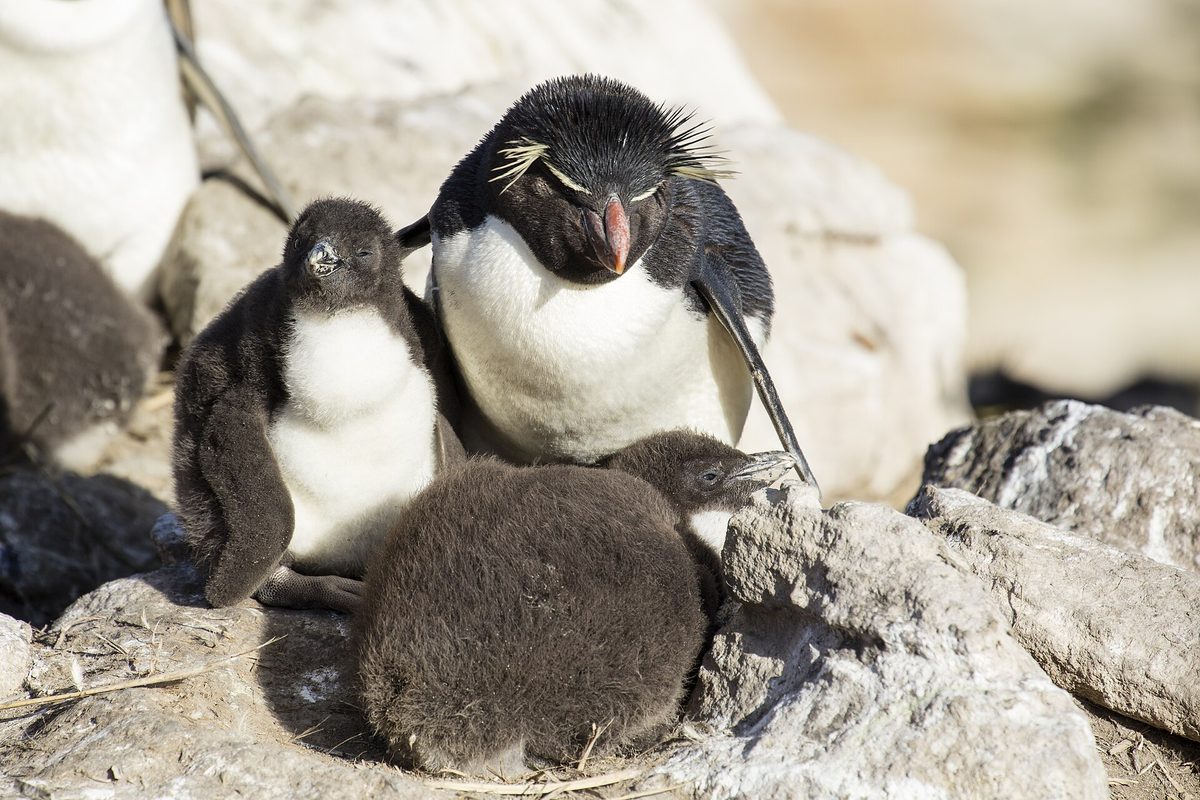
Most people sail to the falkland islands expecting a brief, slightly dutiful first stop on the way to the grander spectacles of South Georgia and Antarctica — and most people are astonished by how much they fall for the place. I certainly was. This windswept archipelago in the South Atlantic, all rolling moorland, white-sand beaches and improbably tame wildlife, turned out to be one of my favourite corners of the entire southern journey: a place of five penguin species, vast albatross colonies, a tiny British capital with red phone boxes, and a recent history that still echoes across the peat.
The Falklands occupy a peculiar and wonderful niche. They are not Antarctic but subantarctic, milder and greener than anything further south, yet they share the same extraordinary marine richness that makes this whole region a wildlife wonderland. In this guide I will take you from the pubs of Stanley to the king penguins of Volunteer Point and the screaming albatross cliffs of the outer islands, and explain why these islands deserve far more than the passing glance they often get.
The Falkland Islands: A Wildlife Archipelago
The falkland islands are, first and foremost, one of the great wildlife destinations of the Southern Hemisphere. Lying in productive, krill-rich seas but free of permanent ice, they offer a gentler, more varied landscape than Antarctica proper — and wildlife that is both abundant and, crucially, accustomed to a small human presence. You can walk among penguins on a white beach under a blue sky, then stand on a cliff edge as thousands of black-browed albatross wheel past at arm’s length.
That combination of accessibility, variety and sheer numbers makes the Falklands a natural opening act for the wildlife epics that continue at South Georgia and the Antarctic Peninsula. They are an essential part of the wider Antarctica regions and landing sites, and a perfect introduction to the creatures explored in my guide to Antarctica wildlife.
Where Are the Falkland Islands?
The Falklands lie in the South Atlantic, around 480 kilometres east of the southern tip of South America and roughly 1,400 kilometres northwest of South Georgia. The archipelago comprises two large islands — East Falkland and West Falkland — separated by the Falkland Sound, plus several hundred smaller islands scattered around them. The total land area is substantial, but the human population is tiny: around 3,600 people, most of them in the capital, Stanley.
This is a British Overseas Territory with its own government, currency and fierce sense of identity, set in a landscape of windswept moorland, low hills and a deeply indented, beach-fringed coastline. For travellers on an expedition cruise, the Falklands are usually the first land reached after leaving Ushuaia, the gentle prelude to the wilder voyage south. They feature on most of the grand combined Antarctica cruise itineraries.
Stanley: The Little Capital at the End of the World
Stanley is one of the most charming small capitals you will ever visit — a cluster of brightly painted, tin-roofed houses strung along a sheltered harbour on East Falkland, home to the great majority of the islands’ people. It has the cosy, slightly surreal feel of a British seaside village transplanted to the far South Atlantic: red telephone boxes, a pub or two, fish and chips, and Christ Church Cathedral with its famous arch made from the jawbones of two blue whales.
Wandering Stanley, you find the Historic Dockyard Museum, well worth an hour for its account of island life and the 1982 conflict, gift shops selling local wool, and locals happy to chat. After days at sea it is a delightfully ordinary, human place — and a reminder that people have made lives here, against the wind and the isolation, for nearly two centuries. It is a gentle counterpoint to the wilderness described in my Antarctic Peninsula guide.
Five Species of Penguin
For penguin lovers, the Falklands are paradise, because no fewer than five species breed across the archipelago — more than you will see in most of Antarctica itself. Learning to tell them apart is one of the great pleasures of a visit. Here is the Falklands penguin line-up:
| Penguin | How to spot it | Where you’ll find it |
|---|---|---|
| King | Tall, with orange ear and throat patches | Volunteer Point — the famous accessible colony |
| Gentoo | Orange bill, white eye-patch | Large colonies on many beaches |
| Magellanic | Black chest bands; nests in burrows | Grassy slopes islands-wide (“jackass” penguin) |
| Rockhopper | Spiky yellow eyebrows, red eyes | Steep cliff colonies, often with albatross |
| Macaroni | Orange head-plumes, larger than rockhoppers | Scattered, often among rockhoppers |
Seeing four or even all five species on a single trip is entirely possible, and a few special sites hold several together. The comical, burrowing Magellanic — which brays like a donkey, hence its nickname — is unique to South America and the Falklands, a species you will not meet further south at all.
Volunteer Point: The King Penguins
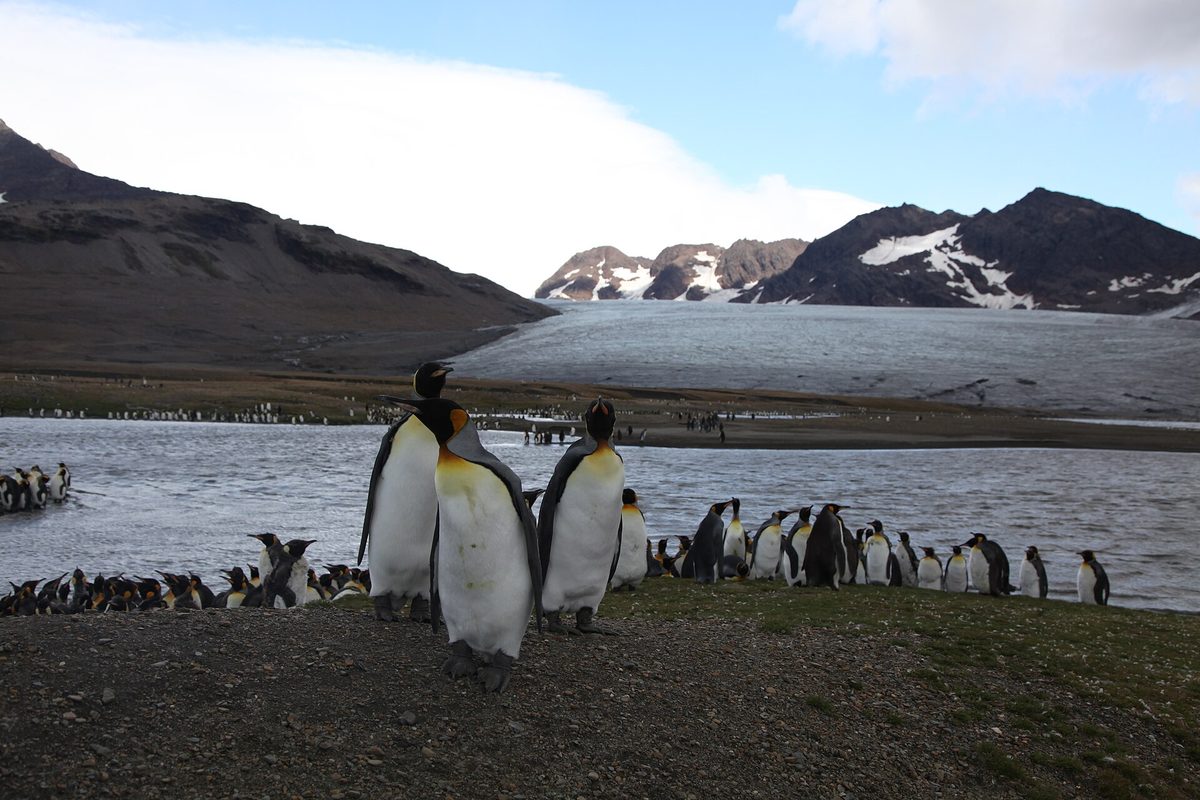
The jewel in the Falklands’ wildlife crown is Volunteer Point, a privately owned nature reserve on the northeast tip of East Falkland that holds the largest, most accessible king penguin colony in the islands. Unusually, it can be reached overland from Stanley by a long, bouncing four-wheel-drive journey across the camp — as the open country here is called — making it a popular shore excursion for cruise passengers when the track is dry.
To stand on that broad white beach among hundreds of stately king penguins, with gentoos and Magellanics nearby and the South Atlantic stretching beyond, is a magical taste of what awaits at South Georgia. The kings here are habituated and serene, often wandering close to seated visitors. It is one of the finest wildlife experiences anywhere in the South Georgia and Falklands wildlife region, and an unmissable highlight.
The Albatross Cities
The Falklands are home to around two-thirds of the world’s black-browed albatross, and visiting one of their great colonies is, for me, every bit as thrilling as the penguins. At sites like West Point Island, Saunders Island and the remote Steeple Jason, thousands of these magnificent birds nest on cliff ledges and tussock slopes, often cheek by jowl with rockhopper penguins, in a swirling, clamorous, unforgettable spectacle.
To sit quietly a few metres from a nesting albatross — a bird that may spend years at a time over the open ocean, returning to the same patch of cliff to breed — is a profound experience. The constant traffic of birds landing and taking off, the gentle clatter of their courtship, the smell and noise of the colony: this is wildlife immersion of the highest order. The Falklands hold some of the most important seabird colonies on Earth.
Seals, Sea Lions and Dolphins
The wildlife does not stop at birds. Southern sea lions haul out on rocky shores and breed at sites like Sea Lion Island, the southernmost inhabited island and one of the richest wildlife spots of all. Southern elephant seals breed here too, the great bulls battling on the beaches, and fur seals frequent some coasts. Offshore, the small and beautiful Commerson’s dolphin — boldly patterned in black and white — often rides the bow waves of ships and Zodiacs, delighting everyone aboard.
Sea Lion Island in particular packs an astonishing variety into a small area: elephant seals, sea lions, five species of penguin nearby, and even orca that patrol the shallows hunting seals in season. For the keen wildlife traveller, the Falklands reward every hour you can spend ashore, as my guide to things to do in the region makes clear.
The Outer Islands
While Stanley and Volunteer Point draw the day-trippers, the soul of the Falklands lies in the outer islands, many of them privately owned sheep farms that double as wildlife havens and welcome visiting ships. Each has its own character, and a good cruise will land at two or three. Among the most celebrated:
- Saunders Island — “The Neck,” a narrow isthmus where king, gentoo, Magellanic and rockhopper penguins and black-browed albatross gather together.
- West Point Island — a dramatic albatross and rockhopper colony, often paired with tea and cake at the farmhouse.
- Carcass Island — rat-free and bird-rich, famous for its small songbirds and warm hospitality.
- Sea Lion Island — the wildlife jackpot, with seals, sea lions, penguins and orca.
- Pebble Island — long beaches, lagoons with waterfowl, and a quieter pace.
The hospitality of the islanders is part of the charm; landing at a remote farm and being met with homemade cake and a cup of tea is a quintessential Falklands experience, and a world away from the austerity of Antarctica proper.
The Landscape: Moorland, Beaches and Stone Runs
The Falklands’ scenery is subtle but lovely: treeless rolling moorland of pale grass and heath, called “diddle-dee,” punctuated by white-quartz beaches that would not look out of place in the Caribbean were it not for the wind and the penguins. A curious geological feature, the “stone runs” — rivers of grey boulders flowing down the valleys, formed in the last ice age — adds an otherworldly touch.
It is a landscape shaped by relentless wind and by two centuries of sheep farming, open and elemental and strangely beautiful under the big South Atlantic sky. After the sheer white drama of Antarctica, the Falklands’ greens and golds feel almost lush. Pack for wind and sudden weather, as ever — my checklist of what to pack for Antarctica serves well here too, though conditions are milder than further south.
A Brief History and the 1982 War
The Falklands have a tangled history of French, British, Spanish and Argentine claims, with continuous British settlement from 1833 and a population descended largely from British settlers. That long-disputed sovereignty erupted in 1982, when Argentina invaded the islands and Britain responded with a military campaign to retake them — a brief but intense war that left a lasting mark on the islands and their people.
Today the conflict is part of the fabric of a visit. Memorials stand in Stanley and across the battlefields, minefields from the war have been painstakingly cleared in recent years, and islanders of a certain age remember the events vividly. Treated with sensitivity, this history adds a sober, human depth to a journey otherwise filled with wildlife and wild scenery. The islands’ identity as a British territory remains central to who they are.
How the Falklands Fit an Antarctic Voyage
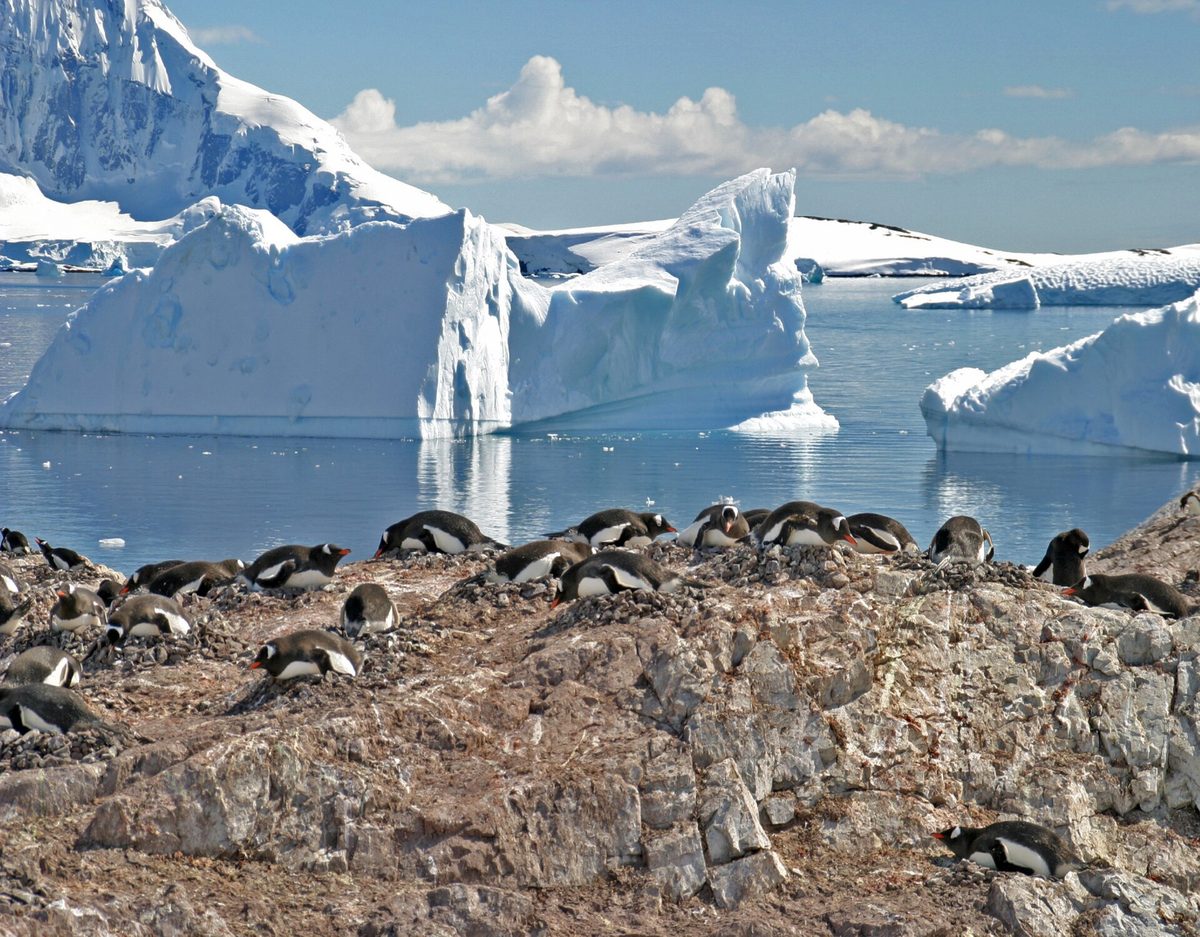
Very few people visit the Falklands in isolation; for most travellers they are the opening chapter of a grand combined voyage — Falklands, South Georgia and the Antarctic Peninsula — that ranks among the great expedition cruises on Earth. Sailing from Ushuaia, ships typically reach the Falklands first, spend two or three days exploring Stanley and the outer islands, then strike east for South Georgia and finally south to the Peninsula.
This sequence makes wonderful sense: the Falklands ease you in with milder weather and abundant, accessible wildlife before the intensity of South Georgia and the ice of Antarctica. Shorter itineraries pair the Falklands with the Peninsula alone, skipping South Georgia. Either way, they are a superb beginning. For the full range of options, see my overview of Antarctica cruises and my guide to how to get to Antarctica.
When to Visit the Falkland Islands
The Falklands’ visitor season runs from roughly October to April, overlapping the wider Antarctic season, and the wildlife calendar shifts through it. Spring, in October and November, brings courtship, nest-building and the return of the albatross; the high summer of December and January fills the colonies with chicks and offers the longest, mildest days; late season, in February and March, sees chicks growing and fledging and offers the calmest weather.
Because the Falklands are usually folded into a longer voyage, the timing tends to follow the wider trip rather than being chosen for its own sake. My guide to the best time to visit Antarctica sets out the seasonal trade-offs across the whole region so you can plan accordingly.
Life in the Falklands Today
It is worth understanding the living, working community you are visiting, because it shapes the whole texture of a Falklands stop. For nearly two centuries the islands’ economy rested on sheep — the rolling camp is grazed by hundreds of thousands of them, and Falklands wool remains a point of pride. In recent decades, however, the real money has come from the sea: licensing the rich squid and fin-fish stocks of the surrounding waters has made the islands quietly prosperous and largely self-sufficient.
Tourism is the third pillar, and the islanders have learned to balance it gracefully with farming and conservation, opening their remote properties to visiting ships while protecting the wildlife that draws them. The result is a community that feels both deeply traditional and surprisingly cosmopolitan, proud of its British heritage yet shaped by its singular South Atlantic home. Meeting these islanders, hearing their stories, and seeing how they thrive in such isolation is one of the genuine pleasures of a visit — a human dimension that the wilder stops further south simply cannot offer.
Photographing the Falkland Islands
The Falklands are a photographer’s delight, not least because the light is so much kinder than the flat glare of the deep south. White-quartz beaches, turquoise shallows, golden tussock and brightly painted Stanley rooftops give you colour and contrast you will not find on the ice. The wildlife, habituated and approachable within the required distances, allows for intimate portraits that are far harder to capture among the more skittish animals of Antarctica proper.
My advice is to work the juxtapositions that make the islands unique: king penguins on a tropical-looking beach, rockhoppers and albatross sharing a single cliff, a red phone box against the grey Atlantic. A longer lens helps with the cliff-nesting seabirds, while a wide angle captures the sweep of the colonies and the big island skies. And as everywhere in the region, keep your gear shielded from the ever-present wind-blown grit and salt spray.
Frequently Asked Questions
Are the Falkland Islands part of Antarctica?
No. The Falkland Islands are a subantarctic archipelago in the South Atlantic, around 480 kilometres east of South America and well north of the Antarctic continent. They are a British Overseas Territory with a permanent population. However, they are almost always visited as part of an Antarctic expedition cruise, and they share the cold, krill-rich seas that make the whole region so wildlife-rich.
How many penguin species live in the Falkland Islands?
Five: king, gentoo, Magellanic, rockhopper and macaroni penguins all breed across the archipelago. That is more penguin species than you will see in most of Antarctica itself. The burrowing Magellanic penguin, which brays like a donkey, is found in South America and the Falklands but not further south, making the islands a special place for penguin enthusiasts.
What is the best place to see king penguins in the Falklands?
Volunteer Point, a private nature reserve on East Falkland, holds the largest and most accessible king penguin colony in the islands. It can be reached overland from Stanley by four-wheel-drive when the track is dry, making it a popular cruise excursion. Saunders Island also has kings among its remarkable mix of four penguin species and albatross.
Can you fly to the Falkland Islands?
Yes. The Falklands have an international airport with flights from Chile (via Punta Arenas) and a UK military air link, and Stanley is also served by expedition cruises. Most wildlife travellers, however, arrive by ship as part of a combined Falklands, South Georgia and Antarctica voyage, which allows access to the remote outer islands.
What wildlife can you see in the Falkland Islands?
An astonishing variety: five penguin species, around two-thirds of the world’s black-browed albatross, southern sea lions, elephant seals, fur seals, Commerson’s dolphins, and a wealth of other seabirds and waterfowl. Sites like Sea Lion Island and Saunders Island pack much of this into a small area. The islands are one of the great seabird strongholds on Earth.
Is Stanley worth visiting?
Very much so. Stanley is a charming small capital with brightly painted houses, red phone boxes, pubs, a whalebone-arched cathedral and an excellent museum covering island life and the 1982 war. After days at sea it is a delightfully human, slightly surreal slice of Britain in the South Atlantic, and a chance to meet islanders and buy local wool and crafts.
How is the weather in the Falkland Islands?
Cool, changeable and famously windy, but milder than South Georgia or Antarctica. Summer temperatures are typically in the high single digits to low teens Celsius, with frequent wind and the chance of rain or sun within the same hour. It rarely gets bitterly cold, but the wind is constant, so layers and a good waterproof are essential.
Do most Antarctica cruises visit the Falklands?
Many do, especially the longer “Falklands, South Georgia and Antarctica” voyages, where the islands are the first stop after Ushuaia. Shorter classic Peninsula cruises often skip them to save time. If seeing the Falklands matters to you, choose an itinerary that explicitly includes Stanley and the outer islands, and allows two or three days there.
Final Thoughts
The Falkland Islands are the great underdog of the southern voyage — the stop people expect least of and remember most fondly. They have a charm all their own: the wind-scoured beauty of the moorland, the warmth of the islanders, the comedy of the burrowing penguins, the grandeur of the albatross cities, and a history that lends the whole place a quiet gravity. They are gentler than what comes after, and all the more endearing for it.
If your voyage includes the Falklands, give them your full attention rather than treating them as a warm-up. Walk the beach at Volunteer Point, take tea at a remote farm, sit among the albatross at West Point, and let the islands surprise you as they surprised me. They are not a footnote to an Antarctic trip; they are one of its quiet triumphs.
Related Reading
- Antarctica’s regions and landing sites
- South Georgia Island
- The Antarctic Peninsula: complete guide
- The South Shetland Islands
- Antarctica wildlife
- Antarctica cruises
- Antarctica cruise itineraries
- The best time to visit Antarctica
- How to get to Antarctica
- Things to do in Antarctica
- What to pack for Antarctica