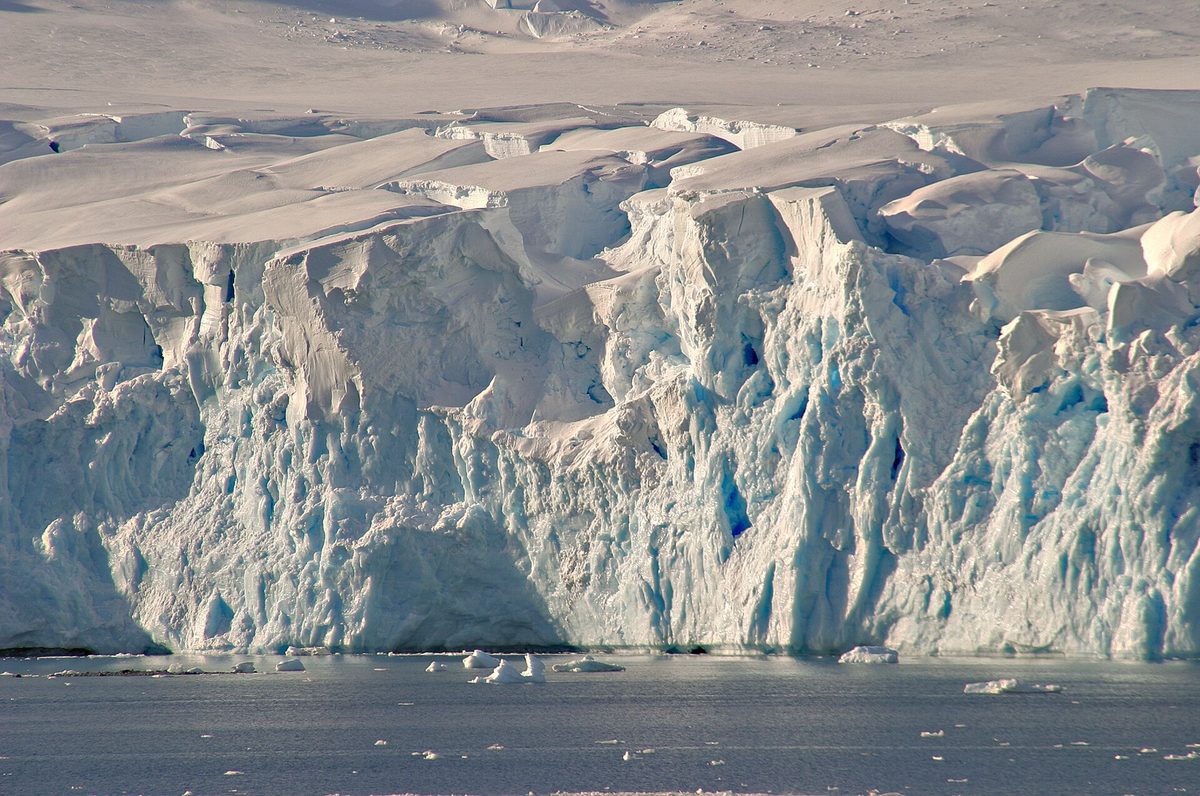
People agonize over which ship to book and which month to sail, and both matter — but the decision that actually shapes your trip is quieter and comes first: the route. Your Antarctica cruise itinerary determines how long you’re away, what you’ll see, how far south you go, and a great deal of what you’ll pay. Pick the right one and everything else falls into place.
Choosing your Antarctica cruise itinerary really comes down to one question — how many days do you have? Most travelers settle on a classic 10-to-13-day Antarctic Peninsula voyage, the sweet spot of wildlife, value, and time. But the options run all the way from 5-day fly-cruises that skip the Drake Passage to 30-day Ross Sea expeditions for hardened polar veterans, with South Georgia’s wildlife epics in between.
This guide maps every route — how long each takes, where it goes, what it costs you in time and money, and who it suits — then walks you through a real day-by-day Peninsula itinerary, explains why every plan is written in pencil, and helps you choose the one that fits you. Let’s find your route south.
Last updated: June 2026 · Written and fact-checked by the AntarcticaTourism.org editorial team. Durations are typical; exact days vary by operator and season.
Antarctica cruise itinerary options at a glance
Six route families cover essentially the entire market. Here they are side by side.
| Itinerary | Length | Departs | Best for |
|---|---|---|---|
| Fly-cruise / Express | 5–9 days | Punta Arenas | Limited time; skipping the Drake |
| Classic Antarctic Peninsula | 10–13 days | Ushuaia | First-timers; best all-round value |
| Peninsula + Antarctic Circle | 12–14 days | Ushuaia | Going deeper south, fewer ships |
| Weddell Sea | 13–16 days | Ushuaia | Emperor penguins & dramatic ice |
| Falklands, South Georgia & Peninsula | 18–23 days | Ushuaia | Wildlife maximalists |
| Ross Sea / semi-circumnavigation | 25–35 days | New Zealand / Australia | Veterans chasing the remote far side |
Most first-timers book one of the first two rows, and this guide is weighted accordingly. Pair it with our complete guide to Antarctica cruises and the deep dive on Antarctica cruise routes.
How many days do you need in Antarctica?
This is the question that sets your whole itinerary, so answer it honestly before you fall in love with a brochure. The short version: 10 to 13 days is the sweet spot for a first trip — long enough to cross the Drake, spend five to seven full days exploring the Antarctic Peninsula, and come home satisfied, without the cost and commitment of the longer voyages.
Go shorter — a 5-to-8-day fly-cruise — and you trade the sea crossing (and some cost) for speed, still getting real days on the ice. Go longer — 18 days and up — and you unlock South Georgia’s staggering wildlife or the remote Ross Sea, but you need the time and the budget to match. There’s no single right answer, only the right answer for your calendar and wallet; we weigh it fully in our guide to how many days you need in Antarctica.
Fly-cruise & express itineraries (5–9 days)
The shortest way to stand on the continent. On a fly-cruise (or “air-cruise”), you skip the open-ocean crossing entirely: a roughly two-hour charter flight from Punta Arenas, Chile drops you on King George Island in the South Shetlands, where your ship is waiting. Express versions run as short as five to eight days door to door while still delivering full days exploring the Peninsula. The appeal is obvious for the time-poor and the seasickness-prone — you bank one to two extra days on the ice and dodge the Drake Passage — though you pay more per day and the flights are weather-dependent. It’s the natural pick if your vacation time is tight; see our fly-cruise itinerary, short Antarctica trip, and flights to Antarctica guides.
Classic Antarctic Peninsula (10–13 days)
This is the one most people should book, and the one most do. A classic Peninsula itinerary sails from Ushuaia, crosses the Drake Passage (about two days), spends five to seven glorious days working down the Peninsula and the South Shetland Islands, then returns across the Drake. It’s the best balance of wildlife, scenery, cost, and time there is — and it’s no compromise, because the Peninsula holds the densest concentration of Antarctic wildlife and the most dramatic ice channels you can reach in a fortnight.
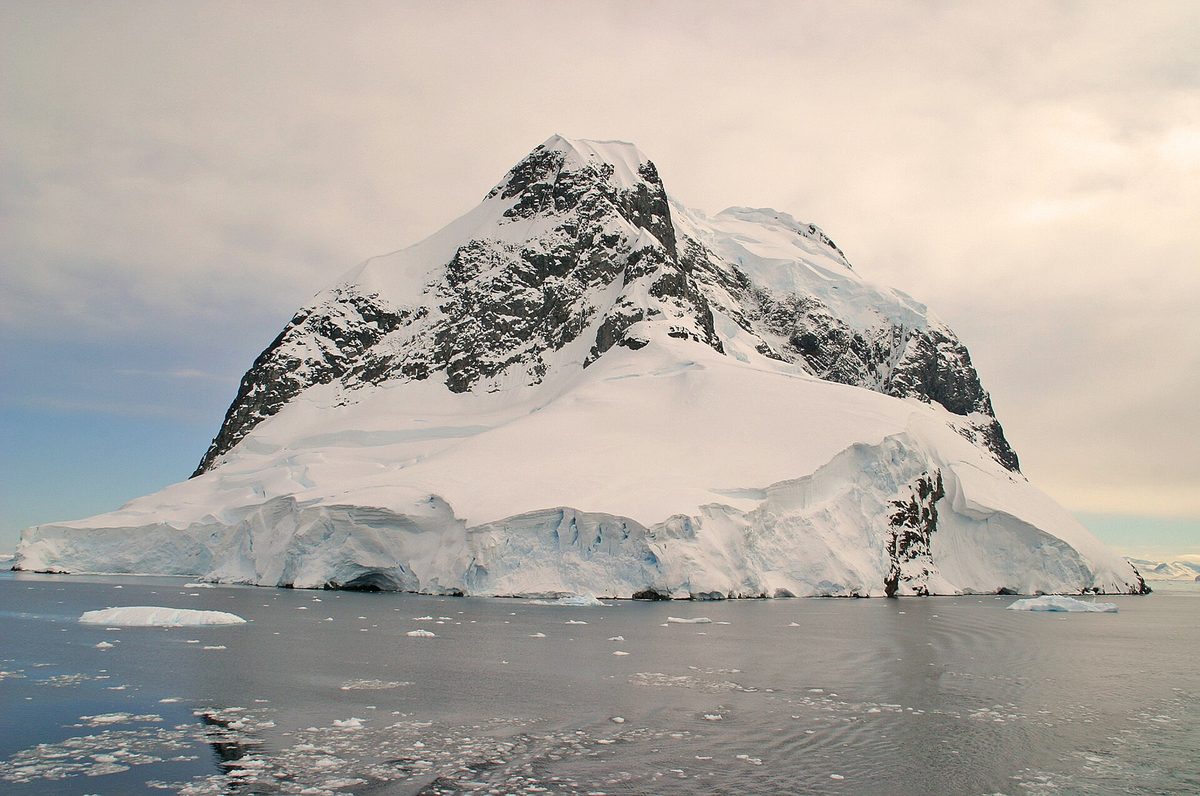
Typical highlights read like a greatest-hits of Antarctica: the cathedral-walled Lemaire Channel, the mirror-calm Paradise Bay, the gentoo colonies and old whaling relics of Neko Harbour and Cuverville Island, the volcanic caldera of Deception Island, and the British post office and museum at Port Lockroy. You won’t hit every one — routes flex daily — but you’ll land at a rich selection. For the full breakdown see our Antarctic Peninsula itinerary and the regions guide.
Peninsula + Antarctic Circle (12–14 days)
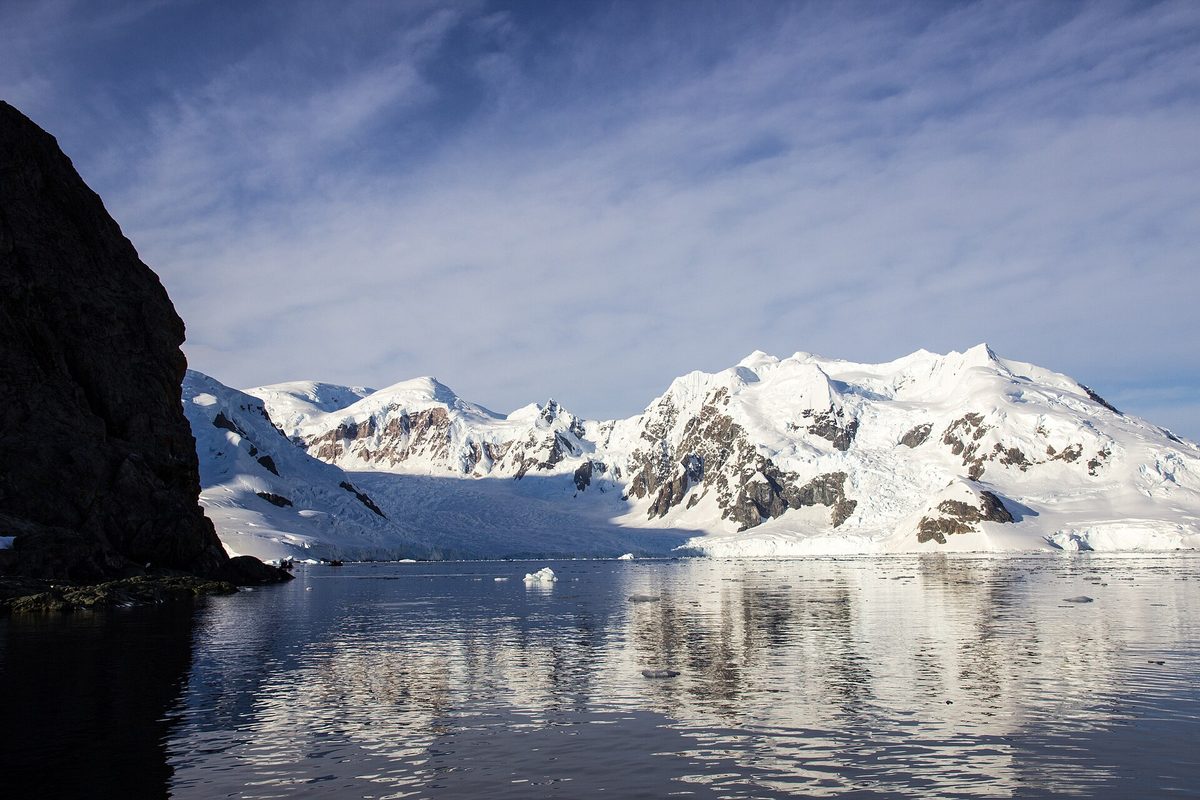
For a few days more than the classic trip, some voyages push south across the Antarctic Circle at 66°33′S — the latitude below which the sun never sets at midsummer. You won’t necessarily see dramatically different wildlife, but you’ll travel deeper into the ice, share landing sites with far fewer ships, and earn a line you’ll mention forever. Because it depends on the pack ice having retreated far enough south, the Circle is generally reachable only in the height of summer (January–February). Our Antarctic Circle cruise guide has the detail.
Weddell Sea (13–16 days)
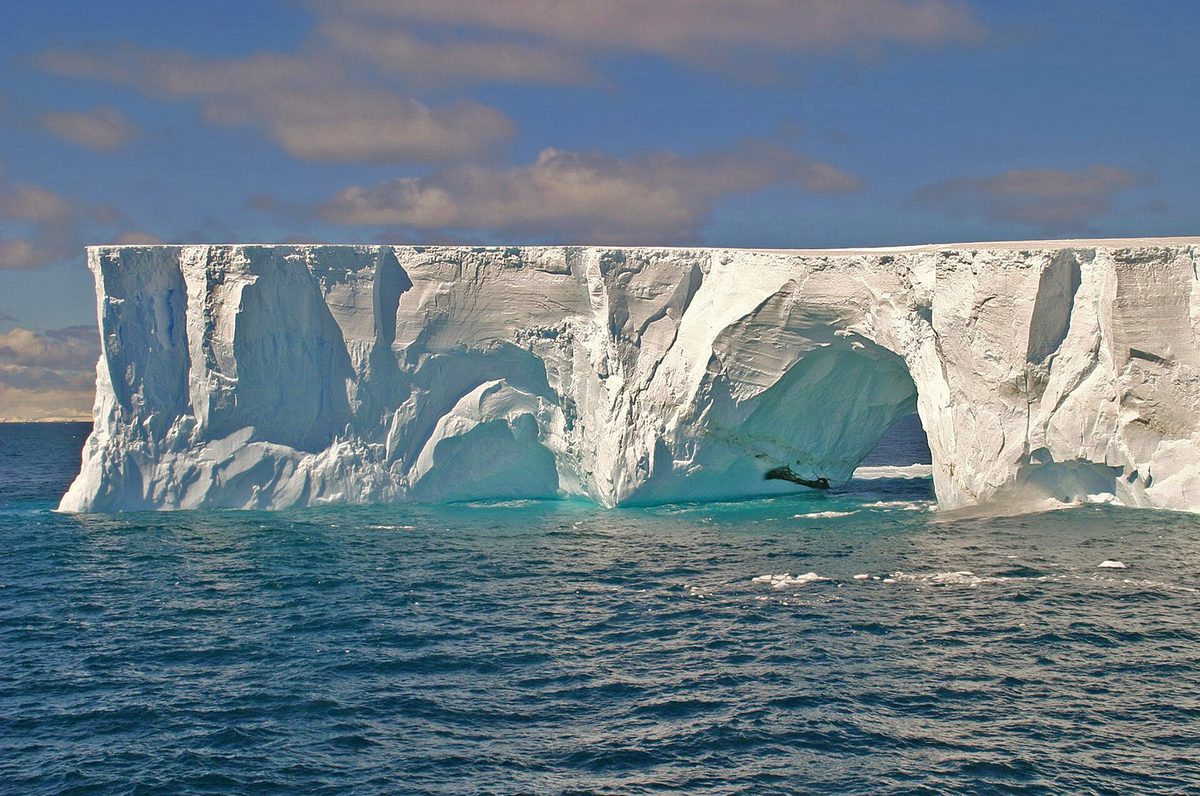
On the eastern side of the Peninsula lies the Weddell Sea, a realm of colossal tabular icebergs calved from the great ice shelves and the most accessible route to emperor penguins, whose colonies (such as the one near Snow Hill Island) sit on the fast ice here. These voyages often carry helicopters to reach the colonies and to scout the heavy, shifting ice that makes the Weddell so spectacular and so unpredictable. It’s a route for travelers who want the dramatic, less-visited side of Antarctica — explore it via our regions and wildlife guides.
Falklands, South Georgia & Antarctica (18–23 days)
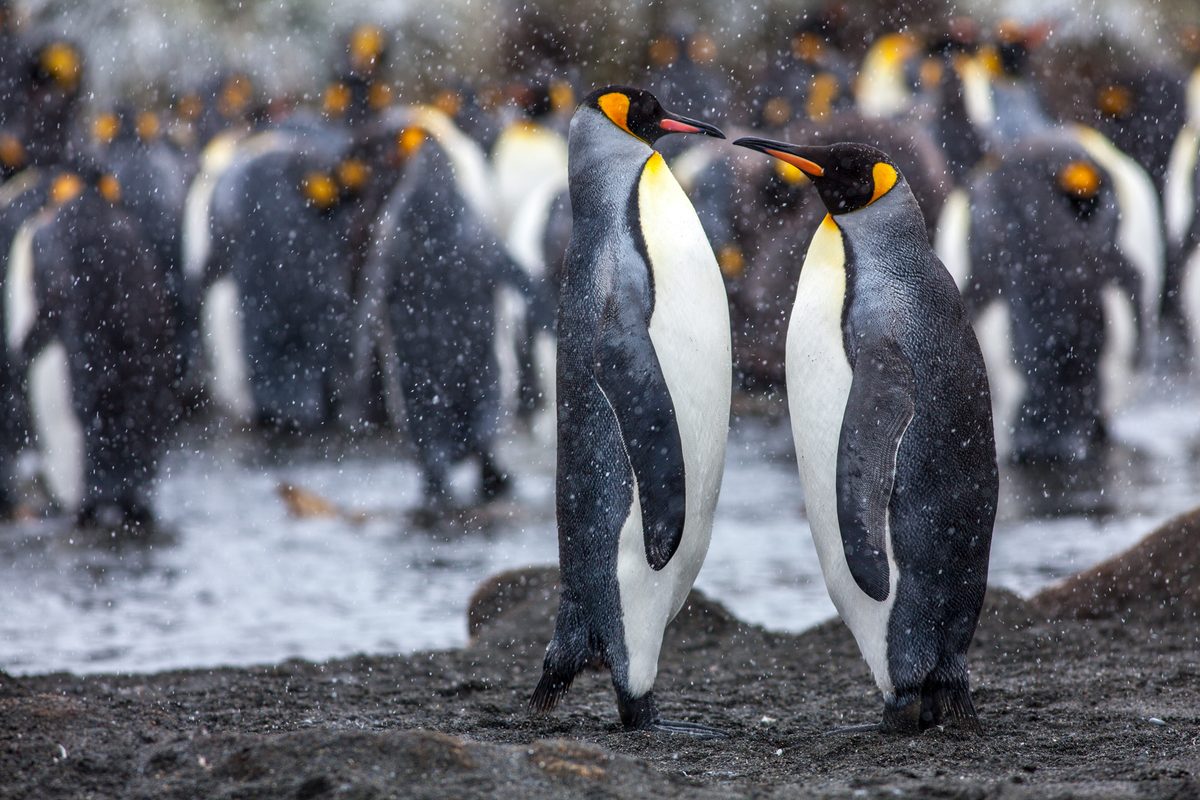
This is the one that makes seasoned travelers go quiet — the wildlife maximalist’s grand tour. Over roughly three weeks, you combine the Falkland Islands (rockhopper penguins, black-browed albatross colonies, a windswept island culture), South Georgia (king-penguin colonies in the hundreds of thousands, beaches buried under elephant and fur seals, and Shackleton’s grave at Grytviken), and the Antarctic Peninsula itself. The catch is time and sea miles: the distances are vast, so you spend more days sailing, and the fare climbs accordingly. But for sheer volume and variety of wildlife, nothing else comes close. Our South Georgia & Antarctica cruise guide covers it in full.
Ross Sea & semi-circumnavigation (25–35 days)
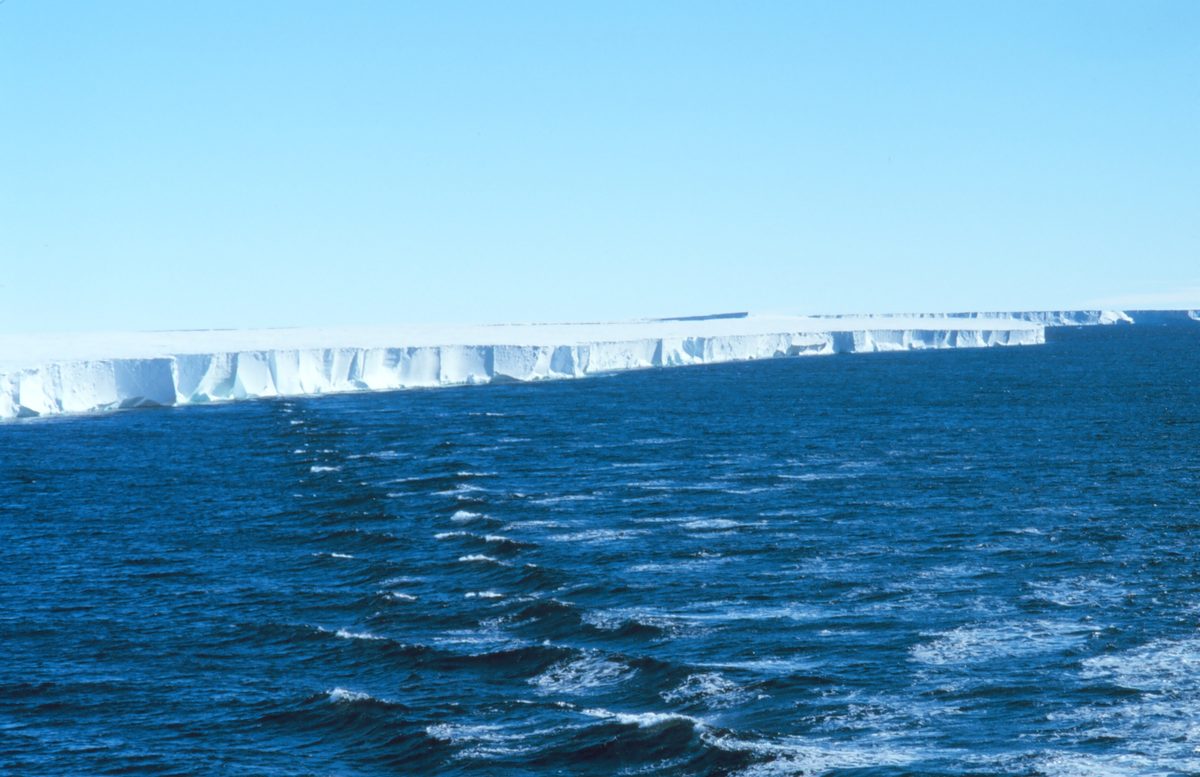
The longest, most expensive, and most remote itineraries head to the far side of the continent. Departing New Zealand or Australia (Hobart, Bluff, or Invercargill), Ross Sea voyages cross many days of open ocean to reach a region few humans ever see: the towering Ross Ice Shelf, the smoking volcano of Mount Erebus, vast Adélie rookeries, emperor penguins, and — most movingly — the perfectly preserved historic huts of Scott and Shackleton, frozen in time since the Heroic Age of exploration. Some operators run full semi-circumnavigations that trace a great arc of the coastline. These are voyages of around 30 days for polar veterans who’ve already done the Peninsula and want the road very much less travelled. Our Ross Sea cruise guide goes deeper.
A sample day-by-day Antarctic Peninsula itinerary
Routes flex daily, but it helps to see the typical shape of a classic 11-day Peninsula voyage. Here’s how one commonly unfolds — our day-by-day itinerary guide expands each stage.
- Day 1 — Ushuaia. Embark in the afternoon and sail down the Beagle Channel as the adventure begins.
- Days 2–3 — The Drake Passage. Two days at sea crossing to Antarctica, filled with lectures, gear fittings, and albatrosses off the stern.
- Day 4 — First ice. The South Shetland Islands appear, the first iceberg sends everyone to the decks, and you make your first Zodiac cruise or landing.
- Days 5–8 — The Antarctic Peninsula. The heart of the trip: two excursions a day among the classic sites — Neko Harbour, Cuverville Island, Paradise Bay, the Lemaire Channel, Port Lockroy — with optional kayaking, the polar plunge, and a possible night camping ashore.
- Days 9–10 — The Drake, homeward. Recross the passage, with recap lectures and a growing camaraderie among newly minted Antarctic travelers.
- Day 11 — Ushuaia. Disembark in the morning, changed.
The exact landings depend on weather, ice, and wildlife, but the rhythm — two days out, a week in paradise, two days back — is remarkably consistent across operators.
Why every itinerary is written in pencil
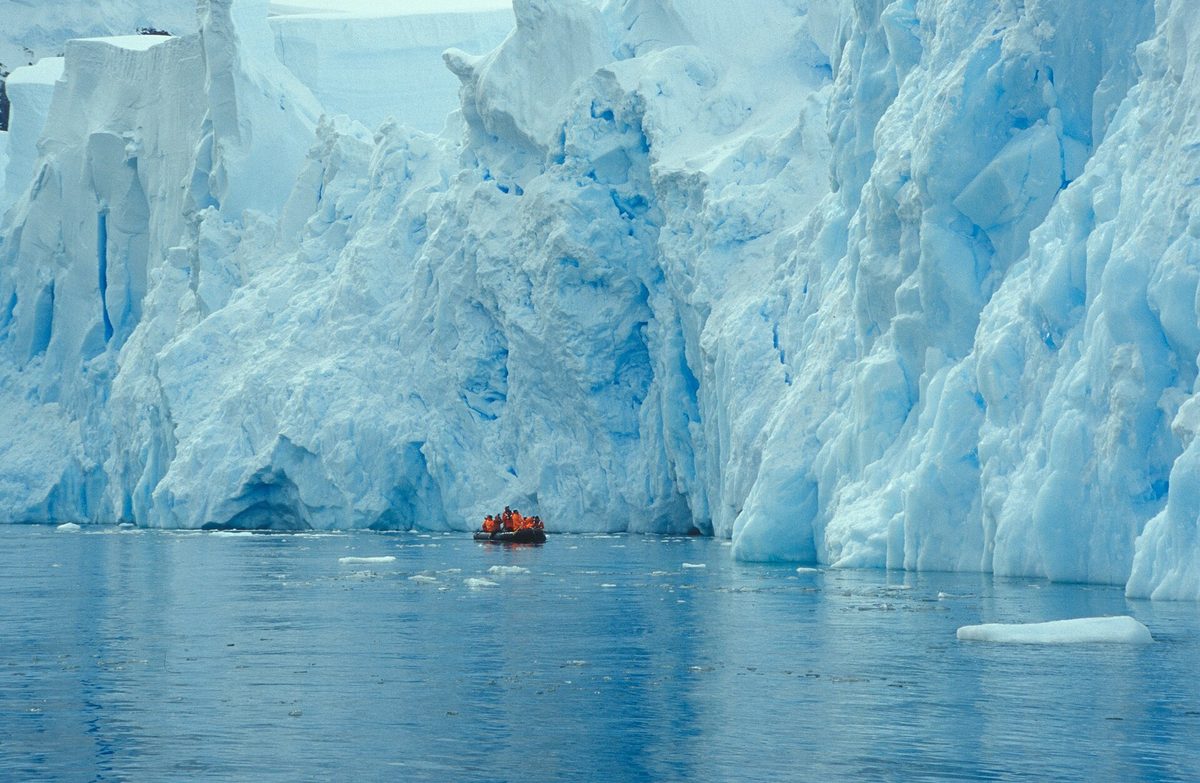
Here’s something every brochure tucks into the fine print and every traveler should embrace: an Antarctic itinerary is a plan of intent, not a guarantee. Look closely and you’ll see “subject to weather and ice conditions” on every route, and they mean it. The captain and expedition leader rewrite the day’s plan each morning around the wind, the swell, and the ever-shifting pack ice — swapping a fogged-in landing for a sunlit one, chasing a reported pod of orcas, or threading a channel that opened overnight.
This is a feature, not a flaw: that flexibility is exactly how expeditions deliver the best of whatever the day offers, and it’s why no two voyages on the same route are ever identical. The practical takeaway is to choose your itinerary for its region and length, not because it lists one specific bay you must see. Treat the named landing sites as aspirations, hold the daily schedule loosely, and you’ll never be disappointed — you’ll be delighted by what the ice decides to show you.
How to choose your Antarctica cruise itinerary
Pull it together and the choice comes down to a few questions, in order — the same framework we use in our cruise routes guide.
- How many days do you have? Under 8 points to a fly-cruise; 10–13 is the Peninsula sweet spot; 18+ unlocks South Georgia; 25+ means the Ross Sea. Time is the master filter.
- What wildlife is your priority? Emperor penguins mean a Weddell Sea voyage; king-penguin mega-colonies mean South Georgia; an all-round wildlife feast means the Peninsula. Cross-reference our wildlife guide.
- What’s your budget? The Peninsula is the best value; the longer, farther routes cost more in both time and money. See the trip cost breakdown.
- Sail or fly the Drake? If rough seas or a tight schedule worry you, a fly-cruise route is the answer.
- Which month? Some routes are season-locked — the Antarctic Circle needs mid-summer ice retreat, and South Georgia shines October–December. Line it up with our best time to visit guide.
Answer those five and your shortlist usually narrows to one or two itineraries — and you’ll choose with confidence rather than guesswork. Match the region to the dream and the length to your life, and the route picks itself. Browse the destinations in depth in our regions and landing sites guide.
How to read an itinerary like an expert
Operator brochures are written to sell, so learning to read between the lines saves disappointment. The first number to find isn’t the total days — it’s the days actually in Antarctica versus days spent getting there and back. A ‘10-day’ voyage from Ushuaia typically spends about four of those crossing the Drake round-trip, leaving five or six on the ice. Always mentally subtract the transit to see what you’re really buying.
Next, look for how many landings and Zodiac outings the operator targets per day — the best aim for two — and remember the IAATO rule that only 100 people can be ashore at once, which is why smaller ships fit in more landing time. Treat phrases like ‘subject to weather and ice conditions’ not as fine print but as the literal truth: every itinerary is an aspiration, not a guarantee. Finally, check whether quoted prices include the charter flight on a fly-cruise, and whether park or port fees are extra. Read this way, two superficially similar itineraries can reveal themselves as very different trips — a skill our guide to ships and operators helps you apply.
How itinerary length affects cost
Your route is also the biggest lever on your budget, because in Antarctica you’re essentially paying by the day. A short fly-cruise can start around $6,000, a classic 10-to-13-day Peninsula voyage typically runs $9,000–$16,000, and the long South Georgia and Ross Sea expeditions climb to $15,000–$30,000+ as the days and sea miles add up. The far-flung routes cost more not because they’re “better” but because they take longer and are harder to reach. If value is your priority, the Peninsula delivers the most Antarctica per dollar — the full numbers are in our Antarctica trip cost guide.
Combining Antarctica with Patagonia and South America
Because almost every itinerary begins at the bottom of South America, it’s the perfect launchpad for a bigger trip — and many travelers build one. The most popular pairing is Patagonia: the granite towers of Torres del Paine and the calving Perito Moreno Glacier are within easy reach of your gateway, making an Antarctica-plus-Patagonia journey the ultimate Southern Hemisphere adventure. Others add Buenos Aires, the Chilean wine country, or the Atacama Desert on the way through. Since you’ll want a buffer day at your gateway anyway, extending it into a proper add-on is easy — see our Patagonia add-on and getting to Antarctica guides.
Fly one way, sail the other
A clever hybrid sits between the classic and the fly-cruise: some operators let you fly the Drake one direction and sail it the other. You bank the full experience of the crossing — the albatrosses, the sense of voyage — in one direction, while halving your time at sea and your seasickness exposure in the other. It’s an excellent compromise for travelers who are curious about the Drake but wary of doing it twice, and it’s covered in our fly the Drake guide.
Matching the ship to your itinerary
Route and vessel go hand in hand. The remote, ice-choked itineraries — the Weddell Sea, the Antarctic Circle, the Ross Sea — demand a higher ice-class ship and an experienced operator, and some rely on helicopters or even a true icebreaker to reach their highlights. A classic Peninsula voyage, by contrast, runs beautifully on any well-found small expedition ship. So once you’ve chosen a route, let it guide your ship shortlist rather than the other way around — our guide to Antarctica expedition ships and operators matches vessels to voyages.
Antarctica itineraries by type of traveler
A quick steer to the right route for who you are, with more in our Antarctica for every traveler guide:
- First-timers: the classic 10–13 day Peninsula voyage. Highest confidence, best value, no compromise on wildlife.
- Time-poor travelers: a 5–8 day fly-cruise — maximum continent, minimum days away.
- Wildlife maximalists: the 18–23 day Falklands, South Georgia & Antarctica grand tour.
- Photographers: the Peninsula with an Antarctic Circle extension for deeper ice and fewer ships, or South Georgia for sheer spectacle.
- Budget travelers: the shortest Peninsula voyage in shoulder season — same continent, lowest fare.
- Returning veterans: the Weddell Sea for emperors, or the Ross Sea for the historic, remote far side.
Back-to-back voyages and creative combinations
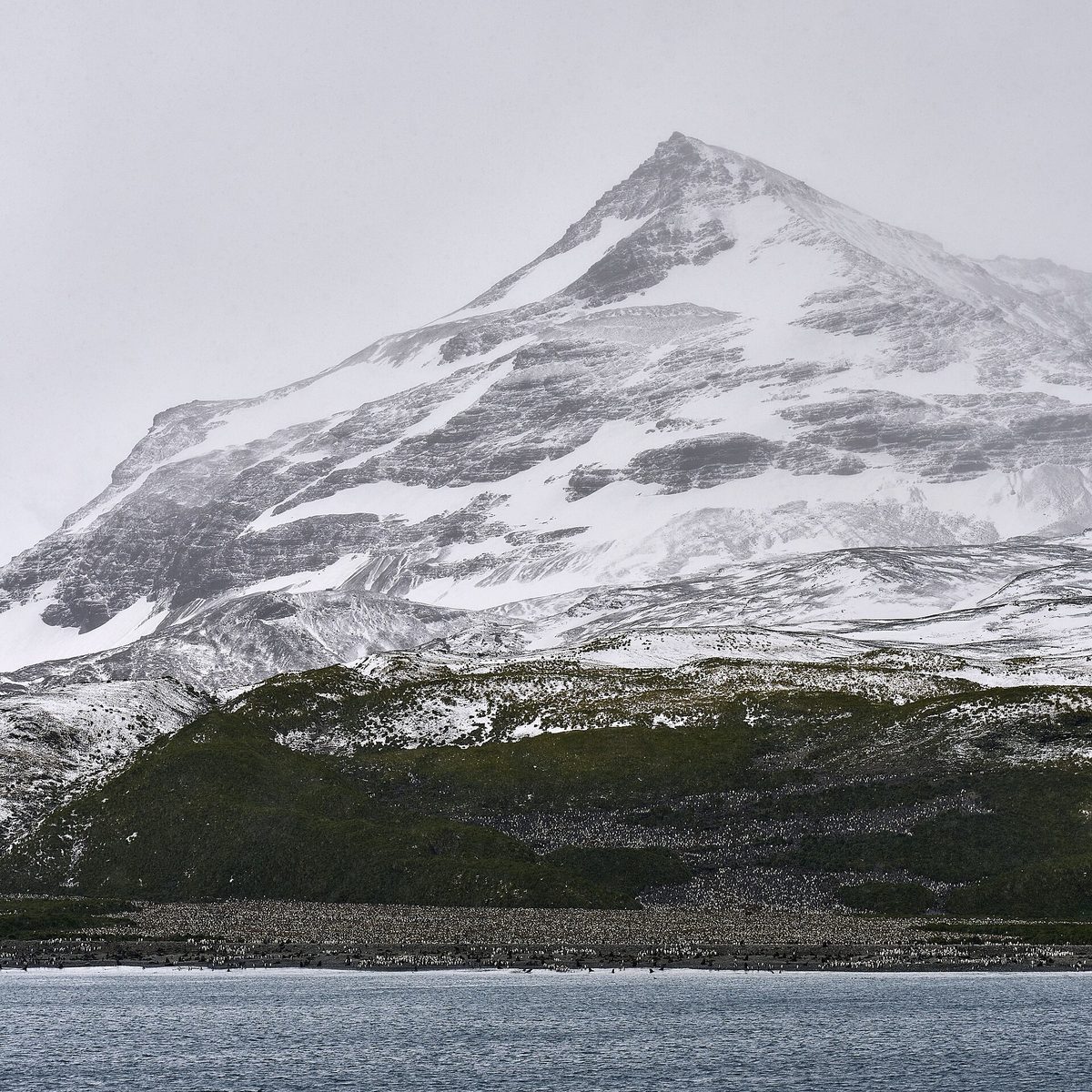
If you have the time and budget, some of the most rewarding ways to see Antarctica come from combining itineraries rather than choosing just one. The classic pairing stacks a Falklands and South Georgia voyage onto a Peninsula expedition — turning a penguin highlight reel into a full sub-Antarctic epic of king penguin megacolonies, breeding albatrosses, and Shackleton’s grave at Grytviken. It costs more and demands more time at sea, but for wildlife lovers it’s the trip of a lifetime.
There are subtler combinations too. Booking back-to-back departures on the same ship can let you experience both the early-season ice and later-season wildlife, and operators sometimes discount the second leg. Repositioning voyages — when a ship relocates between regions at the start or end of a season — can offer unusual routes at lower prices for the flexible. And many travelers bookend their expedition with a Patagonia or Buenos Aires extension, since you’ve already flown most of the way. The key is to think of your itinerary as something you can build rather than just pick off a shelf, exactly as our itinerary options are designed to show.
Common itinerary mistakes to avoid
A few avoidable errors trip up first-time planners:
- Cramming South Georgia into a first or short trip. It’s glorious but adds a week-plus of sailing; the Peninsula alone will overwhelm a first-timer in the best way.
- Booking a route for one specific landing. Itineraries flex with the ice — choose the region and length, not a single bay you’re fixated on.
- Underestimating the sea days. The long routes mean many days in transit; make sure you genuinely want the destination enough to earn them.
- Picking the Ross Sea as a first Antarctic trip. It’s a 30-day commitment for veterans — start with the Peninsula.
- Ignoring the season-lock. The Antarctic Circle needs mid-summer ice retreat, and South Georgia peaks October–December — match your route to your month.
- Choosing the ship before the route. Decide where you want to go first, then find the vessel that does it well.
A sample South Georgia & Antarctica itinerary (21 days)
To show how the grand wildlife route unfolds, here’s the typical shape of a 21-day Falklands, South Georgia, and Antarctic Peninsula voyage — the trip serious wildlife travelers dream about. Detail in our South Georgia & Antarctica cruise guide.
- Days 1–2 — Ushuaia & into the Scotia Sea. Embark and sail northeast, leaving South America behind.
- Days 3–4 — Falkland Islands. Stanley’s windswept charm, plus black-browed albatross and rockhopper colonies.
- Days 5–6 — At sea to South Georgia, with seabirds thickening behind the ship.
- Days 7–10 — South Georgia. The heart of the trip: the king-penguin metropolises of Salisbury Plain and St Andrews Bay, elephant-seal beaches, and Shackleton’s grave at Grytviken.
- Days 11–13 — At sea south, often via the South Orkney Islands, toward the continent.
- Days 14–18 — Antarctic Peninsula & South Shetlands. The classic landings and Zodiac cruises among the ice.
- Days 19–20 — The Drake Passage, homeward.
- Day 21 — Ushuaia. Disembark, wildlife-sated.
What a fly-cruise itinerary looks like
At the other end of the spectrum, an express fly-cruise compresses the whole adventure into under a week. A typical eight-day version runs like this: Day 1, arrive and overnight in Punta Arenas for the pre-departure briefing; Day 2, the roughly two-hour flight to King George Island, board the ship, and a first landing that same afternoon; Days 3–6, full days exploring the Peninsula by Zodiac and on foot, exactly as a longer cruise would; Day 7, fly back to Punta Arenas; Day 8, head home. You sacrifice the Drake’s sense of journey, but you spend nearly all your time on the ice rather than at sea — the trade at the core of the fly-cruise itinerary.
The landing sites your itinerary may include
Whatever route you choose, the magic happens at the landing sites — and itineraries draw from a shared menu of legendary spots (weather permitting). A few you might visit, with the full atlas in our regions and landing sites guide:
- Neko Harbour — a continental landing among gentoos beneath a calving glacier.
- Paradise Bay — mirror-still water and reflected peaks, aptly named.
- Cuverville Island — one of the largest gentoo colonies on the Peninsula.
- The Lemaire Channel — a narrow, cliff-walled passage nicknamed “Kodak Gap.”
- Port Lockroy — a historic British base with a museum and the famous post office.
- Deception Island — sailing into a flooded volcanic caldera.
- Half Moon Island — chinstrap penguins against jagged peaks.
- Pleneau Island — the “iceberg graveyard” of grounded, sculpted bergs.
Repositioning, charters & special-departure itineraries
Beyond the standard routes, a few specialized itineraries are worth knowing about. Repositioning voyages — when a ship moves between regions or hemispheres at the start or end of the season — occasionally open up unusual routings, sometimes at better value, for travelers with flexible dates. Themed departures add a focus to the standard route: photography voyages with pro instructors, family departures with younger-traveler programs, citizen-science sailings, and even rare solar-eclipse expeditions timed to a path of totality over the Southern Ocean. And at the top end, private and group charters let an organization or family take over a whole ship and shape the experience around themselves. None of these change the underlying geography, but they can be the perfect fit for a particular traveler — our Antarctica for every traveler guide explores who each suits.
The trade-off nobody mentions: landing time vs distance
Here’s a counterintuitive truth that trips up first-time bookers: a longer, more far-flung itinerary doesn’t always mean more time ashore. The epic routes — the Weddell Sea, the deep Antarctic Circle crossings, the Ross Sea — cover enormous distances, and all those extra miles are sailed, not walked. A 20-day Ross Sea voyage may actually deliver fewer landings than a well-run 11-day Peninsula trip, because so many of its days are spent in transit across open ocean to reach remote, ice-locked coasts.
That’s not a reason to avoid the big itineraries — their remoteness and history are exactly the point — but it is a reason to be honest with yourself about what you value. If your dream is maximum time among penguins, ice, and whales, the classic Peninsula route is hard to beat per day and per dollar. If your dream is to go where almost no one goes and follow the explorers’ wake, the long routes reward you in a different currency: rarity, solitude, and the deep south. Match the route to the feeling you’re chasing, which is the whole philosophy behind our regions guide.
Antarctica cruise itinerary FAQ
What is the most popular Antarctica cruise itinerary?
The classic Antarctic Peninsula voyage of 10 to 13 days, sailing round-trip from Ushuaia across the Drake Passage. It offers the best balance of wildlife, scenery, cost, and time, which is why the large majority of first-time visitors choose it. Everything else is a variation on more days, more distance, or skipping the crossing.
How many days do you need for an Antarctica cruise?
Ten to thirteen days is the sweet spot, giving you the Drake crossing plus five to seven full days exploring the Peninsula. Fly-cruises compress this to as little as five to eight days, while adding South Georgia stretches a trip to three weeks and the Ross Sea to a month.
What is the shortest Antarctica itinerary?
A fly-cruise — as short as five to eight days — which flies you over the Drake Passage from Punta Arenas to a ship waiting at King George Island, so you spend your days on the continent rather than at sea. It’s the fastest way to genuinely set foot in Antarctica.
What is the best Antarctica cruise route for first-timers?
The classic Peninsula route. It packs in the densest wildlife and the most dramatic ice reachable in a typical two-week trip, it’s the best value, and it requires no special experience. Save the longer South Georgia and Ross Sea routes for a second voyage once you’re hooked.
Do all itineraries cross the Drake Passage?
Most Peninsula voyages from Ushuaia do, both ways. Fly-cruises skip it by flying over, and the far-side Ross Sea itineraries depart Australia or New Zealand and cross different (equally rough) seas instead. You can also fly one way and sail the other on some routes.
Can you visit South Georgia and the Falklands on one trip?
Yes — on an 18-to-23-day voyage that combines them with the Antarctic Peninsula. It’s the ultimate wildlife itinerary, with king-penguin colonies, elephant seals, and albatrosses, but the distances mean more sea time and a higher fare. These combination routes also cluster in the earlier season.
What is the best month for each itinerary?
Peninsula voyages run the whole season (November–March), with December–January best for chicks and February–March for whales. Antarctic Circle crossings need mid-summer (January–February) ice retreat. South Georgia combinations are strongest October–December. Ross Sea voyages run in the height of summer. Match your route to the right window using our best time to visit guide.
Can you cross the Antarctic Circle on a cruise?
Yes, on dedicated 12-to-14-day Peninsula-plus-Circle itineraries that push south of 66°33′S. It’s possible mainly in mid-summer once the pack ice has retreated far enough. You’ll see fewer ships and deeper ice, and earn a latitude few travelers reach — details in our Antarctic Circle cruise guide.
Is a Weddell Sea itinerary worth it?
For travelers chasing emperor penguins and colossal tabular icebergs, yes — the Weddell, on the Peninsula’s eastern side, offers both, often with helicopter support. It’s a 13-to-16-day route with heavier, less predictable ice, best suited to those who’ve done a classic trip or specifically want the emperors.
How long is a Ross Sea cruise?
Around 25 to 35 days, departing New Zealand or Australia. The length reflects the long open-ocean crossings to reach the remote far side, where you’ll find historic explorer huts, the Ross Ice Shelf, and vast Adélie rookeries. It’s a major commitment for experienced polar travelers.
Are Antarctica itineraries guaranteed?
No — every itinerary is “subject to weather and ice,” and the captain reshapes the daily plan as conditions dictate. This flexibility is how expeditions deliver the best of each day. Choose a route for its region and length rather than a fixed list of landings, and you’ll never be let down.
Can I customize my own itinerary?
On a standard small-ship voyage, no — you join a set route, and the expedition team adapts it daily. True customization (private charters, bespoke routings) exists at the luxury end for those with the budget. For most travelers, the choice is selecting the published itinerary that best fits, not designing one from scratch.
What is a semi-circumnavigation?
A long voyage — often part of a Ross Sea expedition — that traces a large arc of the Antarctic coastline rather than focusing on one region, linking far-flung sites across many days at sea. They’re among the longest and most expensive itineraries, aimed at veterans who want to see more of the continent than a single area.
Do longer itineraries see more wildlife?
More variety, yes — adding South Georgia or the Weddell Sea brings species (king or emperor penguins) the Peninsula can’t. But the Peninsula alone delivers enormous wildlife abundance, so a shorter trip is in no way wildlife-poor. You’re paying the extra days for breadth, not for whether you’ll see animals.
Which Antarctica itinerary is the cheapest?
The shortest Peninsula voyages, especially in November or March shoulder season, are the lowest-cost way to properly visit. Fly-cruises can start low too but cost more per day. The long South Georgia and Ross Sea routes are the priciest. See our trip cost guide.
What’s the difference between a route and an itinerary?
Loosely, the “route” is the region and path (say, the Antarctic Peninsula round-trip from Ushuaia), while the “itinerary” is the day-by-day plan within it (Drake, then specific landing areas, then Drake). In practice the terms are used interchangeably — both come down to where you go and for how long.
How far ahead should I book a specific route?
For popular Peninsula dates, 6 to 12 months; for South Georgia or any peak-season departure, 12 to 18 months. The specialist routes and the best cabins sell out first, and the activity add-ons even earlier. Booking early also locks the lowest fares.
Can I combine an Antarctica itinerary with the Arctic?
Not on one voyage — the poles are at opposite ends of the planet with opposite seasons (the Arctic’s summer is May–September, Antarctica’s is November–March). Some travelers do both in the same year as separate trips, which is how you’d earn the “both poles” badge.
Which itinerary is best for seeing icebergs?
All Antarctic routes deliver spectacular ice, but the Weddell Sea is famous for colossal tabular icebergs calved from the ice shelves, and Peninsula spots like Pleneau Island’s “iceberg graveyard” and the Lemaire Channel are sculpted-ice showcases. Late-season voyages also encounter more freely drifting bergs as the pack ice breaks up.
Are there one-way Antarctica cruises?
Yes — chiefly the fly-cruise hybrids, where you fly in one direction and sail the other, and some repositioning voyages. A classic Peninsula cruise, though, is round-trip from Ushuaia by design, crossing the Drake both ways. One-way fly options are the route to fewer sea days.
How much time do you actually spend on the continent?
On a classic 11-day Peninsula trip, roughly five to seven days are spent in Antarctic waters (with two days’ Drake crossing each way). A fly-cruise maximizes this ratio by removing the sea days, while long South Georgia and Ross Sea routes spend proportionally more time sailing between regions.
Which itinerary has the least time at sea?
The fly-cruise, hands down — by flying over the Drake Passage in both directions you cut out roughly four days of open-ocean sailing, putting almost your entire trip on or beside the ice. It’s the route to choose if sea days (or seasickness) are your main concern.
Can you do a “both poles” or round-the-world itinerary?
Not in a single voyage — the Arctic and Antarctic have opposite seasons and sit at opposite ends of the planet. Dedicated travelers do both poles in the same calendar year as separate trips. A handful of ultra-long “grand voyages” string Antarctica together with other Southern Hemisphere destinations, but they remain distinct expeditions rather than one continuous itinerary.
Do itineraries include the gateway flights?
It varies. Many operators include the charter flight that’s integral to a fly-cruise, and some bundle the Buenos Aires–Ushuaia hop, but the international flights to South America are almost always separate. Always check exactly which flights your itinerary covers so you can budget the rest — see how to get to Antarctica.
What happens if ice blocks a planned part of the route?
The expedition leader simply re-routes — that’s the whole point of the daily flexibility. A blocked channel or an iced-in bay becomes an opportunity to visit somewhere clear, chase reported wildlife, or push to an alternative landing. You may not see a specific named site, but you’ll see something just as good that the conditions made possible.
Is a longer itinerary better value?
Not in pure per-day terms — the classic Peninsula trip is the most Antarctica per dollar. Longer routes cost more because they add days and distance to reach extra regions like South Georgia or the Ross Sea. They’re “worth it” only if you specifically want what those regions offer; otherwise the shorter route is the smarter spend.
What is the longest Antarctica cruise itinerary?
The Ross Sea and semi-circumnavigation voyages are the longest, running roughly 30 to 35 days from New Zealand or Australia. They cross many days of open ocean to reach the remote far side of the continent — historic huts, the Ross Ice Shelf, vast penguin rookeries — making them the ultimate commitment for experienced polar travelers.
How do I know which itinerary is right for me?
Work through five questions in order: how many days you have, what wildlife you most want, your budget, whether you’ll sail or fly the Drake, and which month you can travel. Each one narrows the field, and together they almost always point to a single best-fit route — usually the classic Peninsula for first-timers. Cross-check with our cruise and regions guides.
Final thoughts
For all the route names and day counts, choosing an Antarctica cruise itinerary really is as simple as answering two honest questions: how many days can you give it, and what do you most want to see? Answer those and the rest narrows fast — the classic Peninsula for most, a fly-cruise if time is tight, South Georgia if wildlife is everything, the Ross Sea if you’ve already been and want the wild far side.
Then pick your region and length, hold the daily plan loosely, and trust the ice to write you a better story than any brochure could. When you’re ready, line your route up with our guides to choosing a cruise, the best time to visit, and the regions waiting at the bottom of the world. Choose your route well, and the greatest journey on Earth stops being a someday daydream and becomes a real date on the calendar — the first concrete step toward standing on the ice yourself.
About the author
Photo credits
All images via Wikimedia Commons, used under their respective licenses: Lemaire Channel & tabular iceberg — W. Bulach (CC BY-SA 4.0); king penguins — Anne Dirkse (CC BY-SA 4.0); Paradise Bay — Gary Bembridge (CC BY 2.0); Ross Ice Shelf — Michael Van Woert / NOAA (public domain); Zodiac & glacier — NOAA Photo Library (public domain).
1 note
Notes are closed on this entry.