It’s the question that hangs over every Antarctica daydream: with fares running from $8,000 to well over $40,000, plus flights, insurance, and a serious chunk of vacation time, is an Antarctica cruise worth it? It’s a fair and important question, because this is one of the biggest discretionary purchases most travelers will ever consider, and nobody wants to spend that kind of money on a disappointment. I’ve taken these voyages and helped many others plan theirs, and I’m going to give you an honest answer rather than a brochure one — including the cases where it might not be worth it for you.
The short version: for the overwhelming majority of travelers who go, an Antarctica cruise ranks among the best things they’ve ever done, frequently exceeding sky-high expectations. But “worth it” is personal, and it depends on what you value, what you can afford, and what you expect. This guide weighs both sides fully — the powerful case for, the honest case against, and who falls on each side — so you can decide for yourself. For the hard numbers behind the question, pair this with our trip cost guide.
Is an Antarctica cruise worth it? The short answer
For most people, yes — emphatically. Survey after survey, and nearly every traveler I’ve spoken to, reports that an Antarctica cruise not only met but exceeded their expectations, which is remarkable given how high those expectations usually are. It consistently lands near the top of people’s lifetime travel experiences. The combination of staggering scenery, fearless wildlife, genuine adventure, and the sheer rarity of setting foot on the seventh continent produces something that, for the right traveler, is worth every dollar and every day.
But the honest caveat is that “worth it” isn’t universal. For a traveler on a tight budget who’d be financially stressed, someone severely prone to seasickness who can’t fly the Drake, or a person who expects a relaxing resort holiday, it may not be. The rest of this guide helps you work out which camp you’re in. Our guide for every traveler is a useful companion for that self-assessment.
Is it worth it for you? A quick guide
Value is personal, so here’s a shortcut to see where you likely land.
| If you are a… | Worth it? | Why |
|---|---|---|
| Wildlife or nature lover | Almost certainly | One of Earth’s greatest wildlife shows, up close |
| Adventurous traveler | Yes | Genuine adventure within a safe framework |
| Photographer | Yes | Unmatched scenery and fearless subjects |
| Milestone celebrant | Yes | A truly extraordinary once-in-a-lifetime trip |
| Budget-stretched traveler | Only if not a strain | Should be discretionary, not money you’ll miss |
| Resort-relaxation seeker | Probably not | Expedition travel is active and weather-ruled |
| Severe seasickness, won’t fly | Maybe not | The Drake could dominate the trip |
What you’re actually paying for
To judge value, you have to understand what the high price actually buys — because it’s not inflated profiteering. Antarctica has no tourism infrastructure: no hotels, no roads, no commercial flights you can simply buy. Every voyage is a self-contained expedition on an ice-capable ship, carrying its own expert team, Zodiacs, fuel, and provisions across one of the world’s roughest oceans to a continent governed by strict environmental rules. You’re funding an entire logistical operation in the most remote, hostile place humans regularly travel.
Framed that way, the cost starts to make sense, and the value question becomes clearer: you’re not overpaying for an ordinary trip, you’re paying the genuine price of an extraordinary one. The wildlife and scenery are the same whether you go budget or luxury, because the continent doesn’t change — so much of the “worth it” calculation comes down to whether the experience itself justifies the real cost of reaching it. Our trip cost guide breaks down exactly where the money goes.
The case for: why it’s worth it
Let me make the positive case plainly, because it’s strong. An Antarctica cruise delivers a concentration of wonder that few destinations on Earth can match: wildlife that has no fear of you, scenery on a scale that resets your sense of proportion, real adventure within a safe and supported framework, and the rare privilege of visiting a place almost no one in human history has seen. For many, it’s also genuinely transformative — people come back changed, with a deeper sense of the planet’s wildness and fragility. Below, the specific arguments that make the case.
The wildlife argument
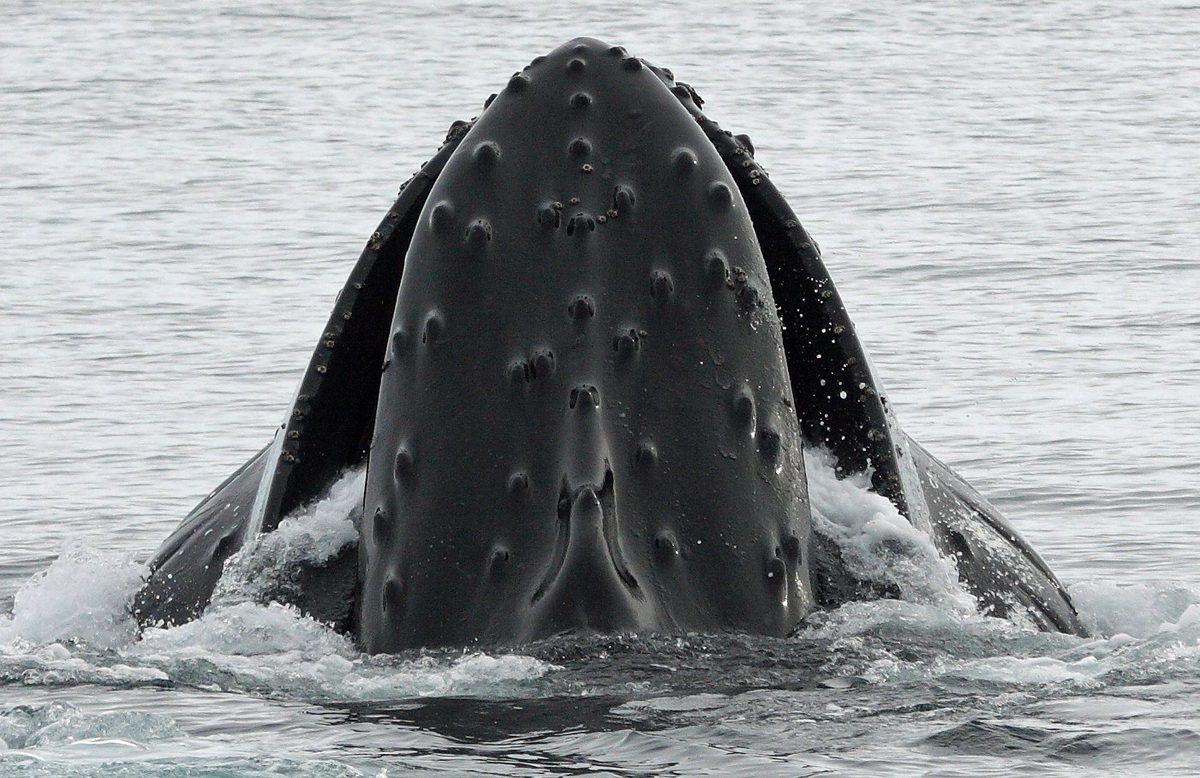
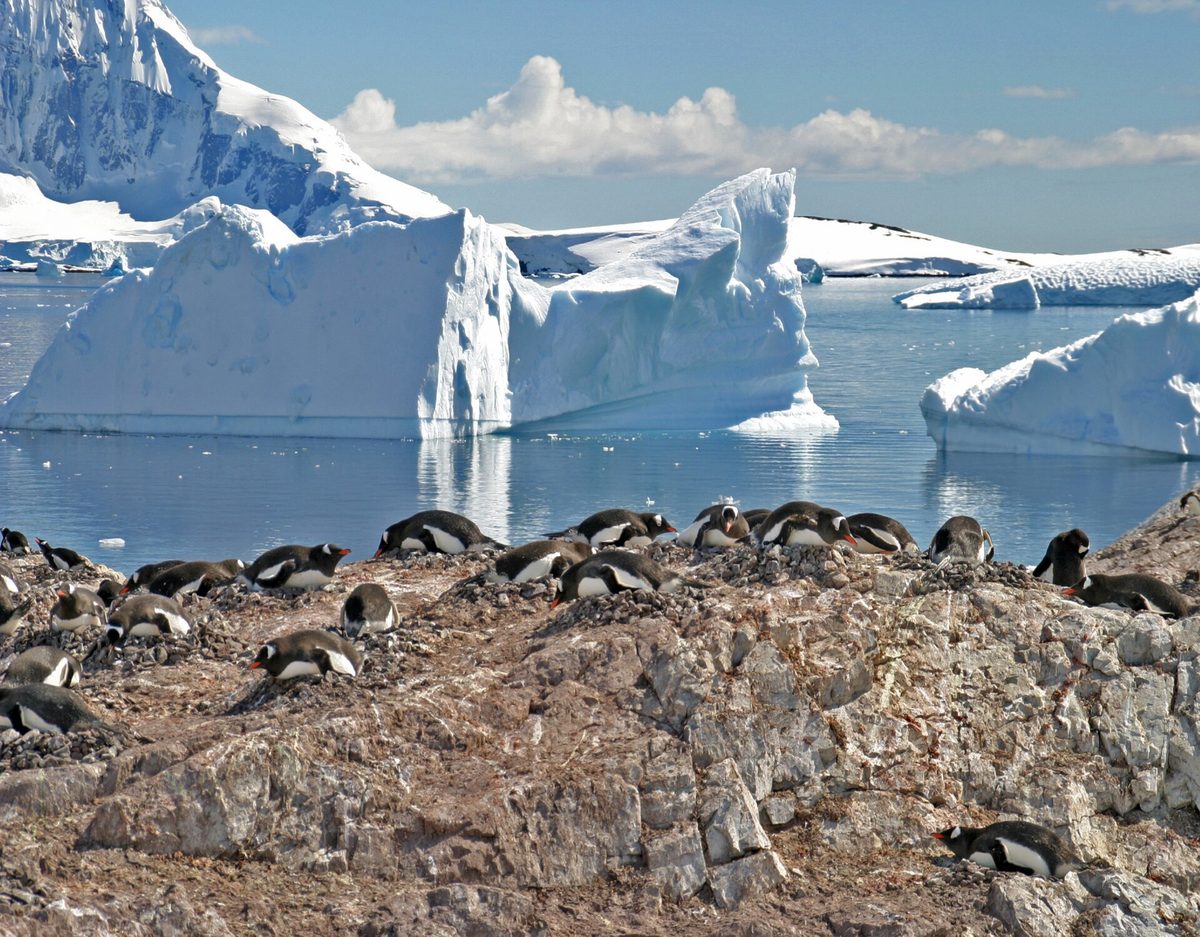
Antarctica offers one of the last great wildlife spectacles on Earth, and crucially, the animals don’t fear you. Penguins waddle up to inspect your boots; humpback whales surface beside your Zodiac and linger; leopard seals patrol the ice; albatrosses shadow the ship for hours. Because these creatures evolved without land predators, you experience them at a closeness that’s impossible in most of the world, where animals flee. For wildlife lovers, this alone can justify the trip — it’s a David Attenborough documentary you’re standing inside. Our wildlife guide details everything you’ll meet.
The scenery and scale argument
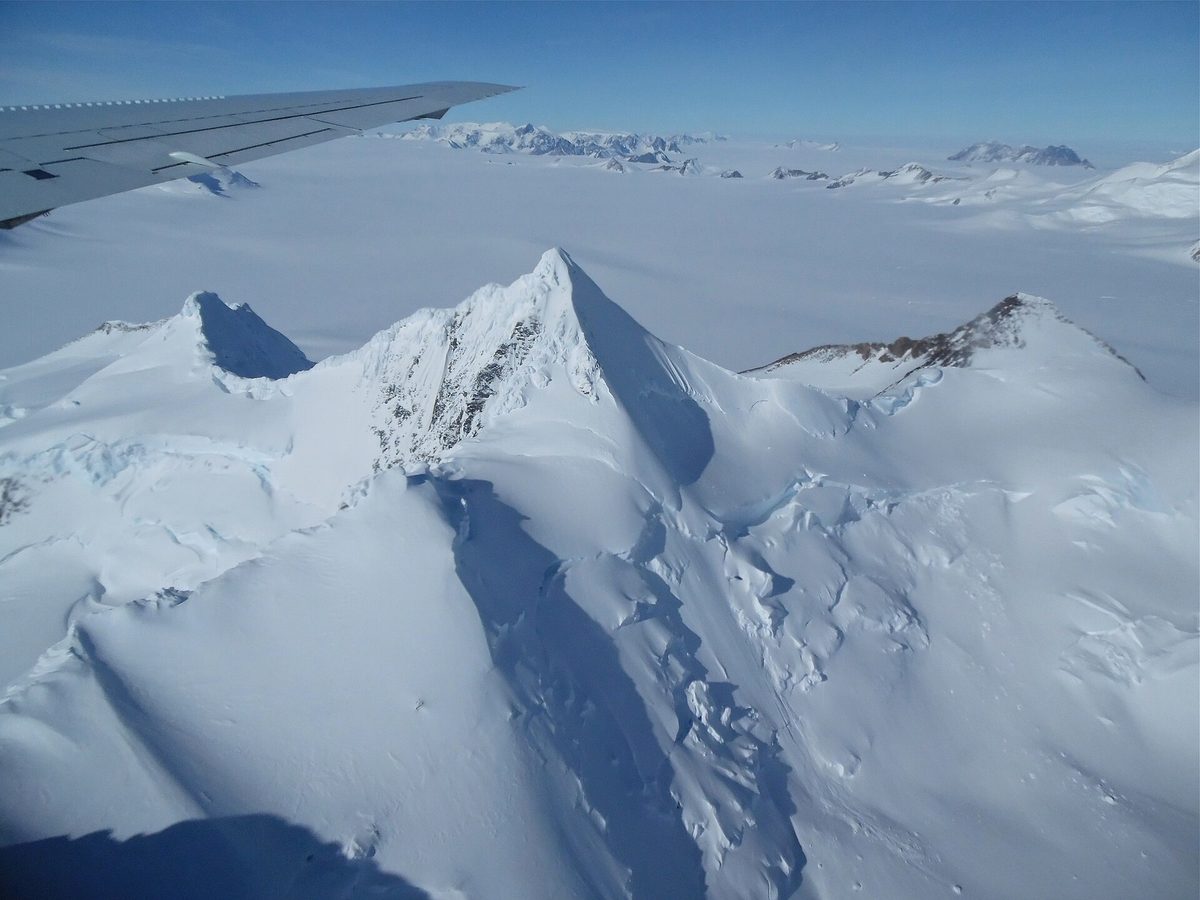
No photograph prepares you for the scale. Icebergs the size of cathedrals and city blocks, glaciers calving with a sound like thunder, mountains rising straight from a mirror-black sea, and a silence so complete it rings in your ears. Travelers consistently describe a feeling of awe that recalibrates their sense of the world — the sheer indifferent grandeur of a continent that dwarfs everything human. For many, this overwhelming beauty is the single most “worth it” element, the thing they can’t stop describing for years afterward.
The “nowhere else like it” argument
There is genuine, lasting value in rarity. Antarctica is the most remote, least visited continent — far fewer people set foot there each year than climb to Everest base camp or visit most national parks. It’s the only continent with no permanent population and no country, governed by an international treaty for peace and science. Standing on it places you in a tiny fraction of humanity, and that exclusivity isn’t mere bragging rights — it’s the felt experience of being somewhere truly apart from the ordinary world. You simply cannot replicate this trip anywhere else on the planet.
The transformation argument
Perhaps the most surprising return on investment is personal. A striking number of travelers describe their Antarctic voyage as genuinely life-changing — a reset of perspective, a renewed sense of wonder, a deeper care for the natural world. The combination of remoteness, disconnection from daily life (there’s little Wi-Fi to distract you), expert-led learning, and overwhelming natural beauty does something to people. Many return as advocates for the continent’s protection. If you measure worth partly by lasting impact rather than just days of pleasure, this is a trip that keeps paying back long after you’re home.
The case against: when it might not be worth it
Now the honest other side, because integrity demands it. An Antarctica cruise may not be worth it if the cost would cause real financial strain — this should be discretionary spending, not money you’ll miss. It may not suit you if you’re so severely prone to seasickness that even a fly-cruise and medication wouldn’t spare you misery, though that’s rare. It’s a poor fit if you want a relaxing, predictable resort holiday, because expedition travel is active, weather-ruled, and sometimes uncomfortable. And some travelers feel genuine unease about the carbon footprint and environmental impact of visiting such a fragile place, which is a valid personal consideration.
None of these are reasons nobody should go — they’re reasons some people, in some circumstances, might reasonably decide it’s not for them. Being honest about them is part of making a good decision. Our Drake Passage guide addresses seasickness, and the flights guide covers the environmental question.
Who it’s most worth it for
An Antarctica cruise is most worth it for: wildlife and nature lovers, who get one of Earth’s greatest shows up close; adventurous travelers who relish genuine, slightly wild experiences; people drawn to remote and rare places; photographers; lifelong learners who’ll lap up the expert lectures; and anyone marking a milestone who wants something truly extraordinary. If you recognise yourself here, the odds are overwhelming that you’ll find it worth every penny. It’s also worth it across budgets — a budget cabin sees the same continent as a suite.
Who should think twice
Conversely, think carefully if: the cost would genuinely strain your finances; you primarily want relaxation, nightlife, or resort comforts; you have severe, unmanageable seasickness and rule out flying; you struggle with flexibility and would be upset by weather-driven changes; or you have mobility limitations that the Zodiac transfers would make difficult (though many such travelers still go — see our guide for every traveler). For these travelers, the considerable investment might be better spent elsewhere, or the trip might need careful structuring to work.
Worth it compared to other bucket-list trips?
A useful way to judge value is comparison. Antarctica is expensive, but so are an African safari, a luxury Galápagos cruise, an Everest trek, or a round-the-world trip — and Antarctica offers something none of them can: an entire continent almost untouched by humans, with wildlife that doesn’t flee. Travelers who’ve done many bucket-list trips frequently rank Antarctica at or near the top, citing its uniqueness and the impossibility of replicating it. If you’re weighing it against another once-in-a-lifetime journey, its sheer singularity is a strong argument for its worth. Our main cruises guide sets out the full experience.
Is it worth it on a budget?
Yes — arguably even more so, because the value-per-dollar is high when you minimise the cost. A budget cruise sees the same wildlife, ice, and landings as a luxury one; you simply sleep in a simpler cabin. By travelling in shoulder season, sharing a cabin, and booking early, a budget-conscious traveler can reach Antarctica for a total around $8,000–$12,000 and have the identical core experience. For someone who has always dreamed of it, that’s worth it many times over — the alternative to a budget trip isn’t a luxury trip, it’s not going at all. Our budget cruises guide shows how.
Is the luxury upgrade worth it?
That depends on what you value. The wildlife and landings are identical from any ship, so the luxury premium buys comfort, service, cuisine, suites, and sometimes submarines and helicopters — not a better Antarctica. For comfort-first travelers, honeymooners, and those marking a milestone, that premium is genuinely worth it. For travelers who came purely for the continent and don’t much care about onboard luxury, it isn’t — the money is better spent on a longer itinerary or simply saved. Decide what you’re really buying, as our luxury cruises guide explains.
How to make sure it IS worth it
Much of whether a trip feels “worth it” is within your control. Choose the right ship and operator for your priorities (an IAATO member with a strong expedition team). Match the season to what you want to see. Manage your expectations about weather and flexibility — the travelers who embrace the unpredictability have the best time, while the rigid set themselves up for disappointment. Budget honestly so cost-stress doesn’t sour the experience. And prepare properly with the right gear and seasickness plan. Get these right and you stack the odds heavily toward a trip you’ll treasure forever. Our how to choose guide walks through it.
The verdict
So, is an Antarctica cruise worth it? For the wildlife lover, the adventurer, the lover of rare and remote places, and the milestone celebrant — which is to say, most people who feel the pull in the first place — the answer is a resounding yes, and they almost never regret it. It’s worth it on a budget and worth it in luxury, because the continent itself is the same staggering reward at every price. The only travelers who should hesitate are those for whom the cost would bite hard, who can’t tolerate the sea or the unpredictability, or who simply want a different kind of holiday. If you’ve read this far still dreaming of penguins and icebergs, that’s your answer — it will be worth it.
What past travelers say
The most persuasive evidence comes from people who’ve gone. The common refrain is that no photograph or documentary prepared them for the reality — the scale, the silence, the closeness of the wildlife — and that it exceeded expectations they’d deliberately tried to keep in check. Many describe specific moments that became core memories: a whale surfacing beside the Zodiac, a curious penguin chick, the first cathedral-sized iceberg. Regret is strikingly rare; the far more common reaction is already planning a return. That consistency, across travelers of every budget and background, is itself a strong answer to the worth-it question.
Common regrets and how to avoid them
The few regrets that do surface are almost always avoidable and rarely about the continent itself. They cluster around preventable mistakes: booking the wrong ship for one’s goals (too big for a wildlife lover, too basic for a comfort-seeker), under-budgeting and being stressed by the cost, poor seasickness preparation, or rigid expectations dashed by weather. Notice that none of these are “Antarctica wasn’t worth it” — they’re “I’d have chosen differently.” Avoid them by matching the ship to your priorities, budgeting honestly, preparing for the Drake, and embracing flexibility, all covered in our how to choose guide.
The value of the memories
There’s a particular kind of value that doesn’t show up on a price tag: the longevity of the memories. Many trips blur together within a year; an Antarctic voyage tends not to. Travelers report recalling specific moments vividly for decades, returning to their photographs often, and finding that the experience reshaped how they see the natural world. If you divide the cost not by the days of the trip but by the years you’ll carry it, the value calculation shifts dramatically. For a once-in-a-lifetime memory of genuine intensity, the price buys something that keeps giving long after you’re home.
Frequently asked questions
Is an Antarctica cruise really worth the money?
For most travelers, yes — it consistently exceeds even high expectations and ranks among people’s best lifetime experiences. You’re paying the genuine cost of an expedition to the most remote continent, and the wildlife, scenery, and rarity reward it. It’s worth it on a budget and in luxury alike, since the continent is the same from any cabin.
Who is an Antarctica cruise not worth it for?
Travelers for whom the cost would cause real financial strain, those wanting a relaxing resort holiday, anyone with severe unmanageable seasickness who rules out flying the Drake, and those who can’t tolerate weather-driven unpredictability. For these travelers, the investment may be better spent elsewhere.
Is Antarctica worth it on a budget?
Yes — a budget cruise sees the same wildlife, ice, and landings as a luxury one, just from a simpler cabin. By stacking shoulder-season timing, a shared cabin, and early booking, you can reach Antarctica for roughly $8,000–$12,000 total and have the full core experience. See our budget cruises guide.
Is a luxury Antarctica cruise worth the extra cost?
It depends on what you value. The wildlife and landings are identical from any ship, so the premium buys comfort, service, and toys like submarines — worth it for comfort-first or milestone travelers, less so for those who came purely for the continent. See our luxury cruises guide.
Will I regret spending so much on Antarctica?
The overwhelming majority of travelers don’t — regret is rare, and most describe it as money exceptionally well spent. The keys to avoiding regret are choosing a reputable operator, managing expectations about weather, and budgeting so the cost doesn’t cause stress. Prepared well, it’s a trip people treasure for life.
How does Antarctica compare to other bucket-list trips?
It’s frequently ranked at or near the top by travelers who’ve done many, thanks to its uniqueness — an almost untouched continent with fearless wildlife that can’t be replicated anywhere. It’s expensive, but so are safaris, the Galápagos, or Everest treks, and Antarctica offers something none of them can.
Does seasickness make it not worth it?
Rarely — for most, effective remedies and modern stabilisers make the Drake manageable, and a fly-cruise skips the crossing entirely. Only those with severe, unmanageable seasickness who also rule out flying should weigh this heavily. Our Drake Passage guide covers beating seasickness.
Do most people think Antarctica was worth it afterward?
Overwhelmingly, yes — post-trip regret is rare, and the common reaction is wanting to return. Travelers consistently rank it among their best lifetime experiences, often saying it exceeded even high expectations. The rare disappointments usually trace to a mismatched ship or poor preparation, not the continent.
Is Antarctica worth it for a once-in-a-lifetime trip?
It’s one of the strongest candidates there is, precisely because it can’t be replicated — an almost untouched continent with fearless wildlife and overwhelming scenery. For travelers choosing a single grand journey, its sheer uniqueness and the longevity of the memories make a powerful case for its worth.
Final thoughts
Is an Antarctica cruise worth it? Strip away the brochure gloss and the honest answer is that for the kind of traveler drawn to it in the first place — curious, adventurous, moved by wildlife and wild places — it is worth it about as reliably as any major trip can be, and people rarely regret the spend. The price is real, but so is the reward: a continent of fearless animals and cathedral-sized ice that almost no one gets to see, an experience many call the best of their lives. Be honest about your budget, your stomach, and your expectations; if they line up, stop wondering and start planning. When you’re ready, our best Antarctica cruises and main cruises guides take it from here. The only thing more expensive than going to Antarctica, most returning travelers agree, would have been talking yourself out of it.
