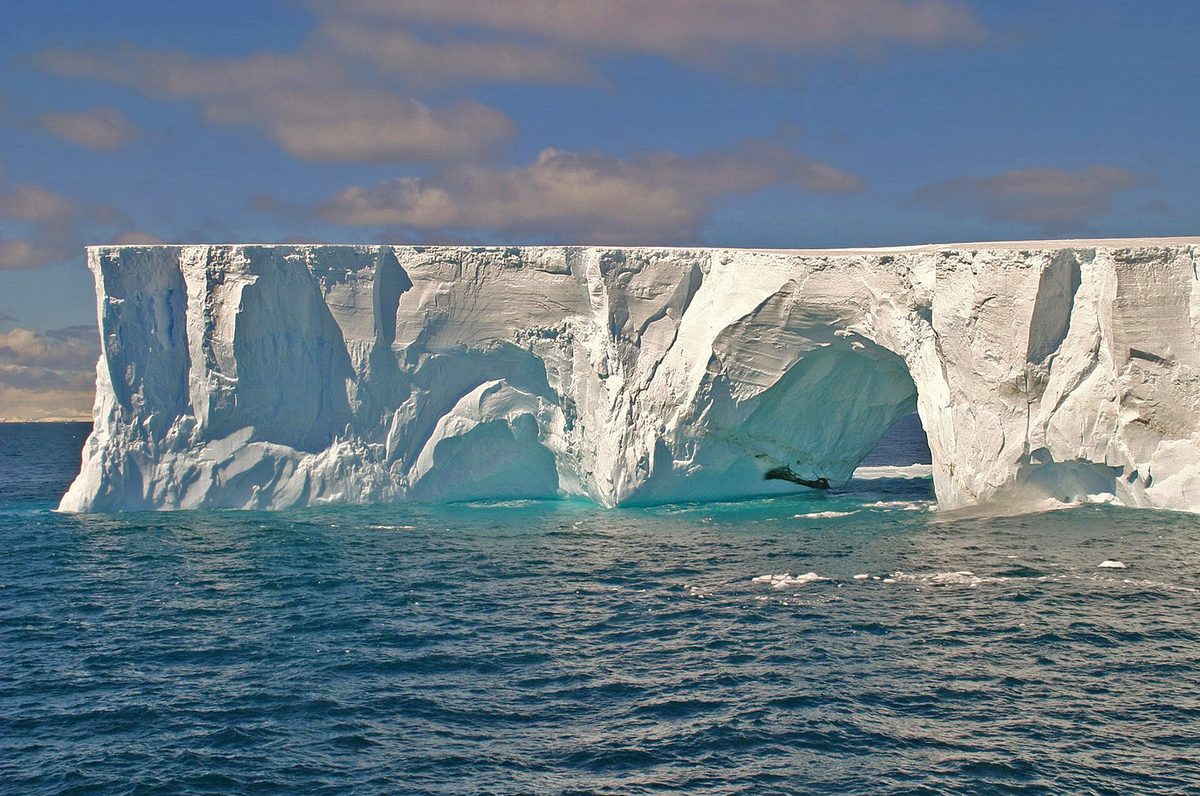
Let me say something that surprises a lot of people: you do not need to be wealthy to stand among the penguins of Antarctica. A cheap Antarctica cruise is genuinely achievable — not common, not effortless, but real — and the gap between a budget berth and a luxury suite buys you comfort, not different wildlife. The icebergs, the whales, the penguin colonies, and the IAATO-regulated landings are exactly the same whether you paid $8,000 or $40,000. If the price has been the only thing keeping you from booking, this guide is for you.
Reaching Antarctica affordably comes down to strategy: when you book, when you sail, what cabin you accept, and which operator you choose. I’ll walk through every lever you can pull to bring the cost down, name the operators and ships that make it possible, and be honest about what you trade away — and, just as importantly, what you don’t. For the full cost picture, pair this with our Antarctica trip cost guide; here we focus purely on doing it cheaply.
Is a cheap Antarctica cruise even possible?
Yes — with caveats. The cheapest legitimate Antarctic expedition cruises start at roughly $6,000–$8,000 per person for the cruise fare, on simpler ships sailing the classic Peninsula route. For the 2026/27 season, vessels like the MV St Helena have advertised budget Antarctica voyages from under US$8,000, sometimes even bundling in activities like kayaking and snowshoeing, while newer X-bow ships such as the Ocean Albatros have offered surprisingly good value from just over $8,000 on late-season departures.
That said, “cheap” in Antarctica is relative — this is still a major trip, and there’s a floor below which prices simply can’t go without cutting corners that affect safety or environmental compliance. Be deeply skeptical of any offer far below this range; a too-good-to-be-true price usually means an operator outside the IAATO framework, which is a hard no. Affordable is achievable; suspiciously cheap is a warning. Our best Antarctica cruises guide flags reputable budget-tier operators.
What “cheap” really means: cruise-only vs total cost
Here’s the single most important thing to understand before you celebrate a low fare: the advertised “from” price is almost always cruise-only, not your total trip cost. Once you add international flights to the gateway (roughly $850–$1,500 from the US), pre- and post-cruise hotel nights, mandatory travel insurance, gratuities, and any paid extras, a sub-$10,000 cruise fare typically becomes a $10,000–$12,000 total journey.
This isn’t a reason to despair — it’s a reason to budget honestly so there are no nasty surprises. When you compare “cheap” cruises, always mentally add that $3,000–$5,000 of surrounding costs to compare like with like. A slightly pricier all-inclusive fare can sometimes work out cheaper overall than a bare-bones one once the extras pile up. Our what’s included guide explains exactly which costs hide where.
A realistic budget breakdown
| Item | Budget range (pp) |
|---|---|
| Cruise fare (budget tier) | $6,000–$9,000 |
| Flights to gateway | $850–$1,500 |
| Gateway hotels (2–3 nights) | $300–$600 |
| Travel insurance | $300–$800 |
| Gratuities | $150–$300 |
| Incidentals & gear | $200–$500 |
| Realistic total | ~$8,000–$12,500 |
The cheapest operators and ships
A handful of operators consistently anchor the budget end of the market. Hurtigruten/HX Expeditions often has the most accessible entry pricing on larger ships; Oceanwide Expeditions and Albatros Expeditions run characterful, value-focused small ships; and newer X-bow vessels like the Ocean Albatros and budget-friendly ships like the MV St Helena have brought genuine value to the 2026/27 season. The trade-off is usually an older or simpler vessel, smaller cabins, and fewer included frills — but the same continent and the same expedition essentials.
When choosing a budget operator, the non-negotiables don’t change: IAATO membership, a competent expedition team, and a sensible passenger count. A cheap cruise on a reputable IAATO ship is a bargain; a cheap cruise on a dubious operator is a gamble not worth taking with a trip this special. Compare the value-tier ships in our ships and operators guide.
Seven proven ways to cut the cost
Here are the levers that actually move the price, roughly in order of impact. Pull several at once and the savings compound dramatically.
- Book early. Reserving ten or more months ahead unlocks the biggest early-booking discounts — often $1,000–$1,500 per person, roughly 25–35% off — and secures the cheapest cabins before they sell out.
- Sail in the shoulder season. November and March departures are noticeably cheaper than the December–January peak, and they’re still spectacular — November for pristine ice and courting penguins, March for whales.
- Take a triple or quad cabin. Sharing a porthole cabin with others costs far less than a twin or a balcony suite — often several thousand dollars less per person.
- Choose the classic Peninsula route. A 10–11-day Peninsula voyage costs much less than extended trips that add the Antarctic Circle, Weddell Sea, or South Georgia.
- Use the cabin-share program (solos). Solo travelers can avoid the punishing single supplement by letting the operator pair them with a same-sex roommate at the standard rate.
- Consider a last-minute deal. If you’re flexible and can travel on short notice, unsold cabins are sometimes discounted heavily, especially from Ushuaia in shoulder season.
- Pick a budget-tier operator. Reputable value lines deliver the same continent for thousands less than the premium names.
We go deeper on timing and promotions in the cruise deals and how to save guide, on the standby approach in the last-minute cruises guide, and on the booking window in when to book your Antarctica cruise.
The shoulder-season secret
If I had to name the single best value move, it’s travelling in November or March. Peak-season fares (December–January) command a premium because demand is highest and the conditions are gentlest, but the shoulder months are far from second-rate. Early November delivers untouched snow, dramatic ice, and the drama of penguins courting and nest-building, which photographers adore. Late February and March bring the season’s best whale-watching as humpbacks gorge on krill, plus softer light and the lowest prices of the year. You trade a little — perhaps cooler weather early, or fewer fluffy chicks late — for substantial savings and a quieter continent. Our best time to visit guide maps exactly what each month offers.
Hidden costs to still budget for
Even on the tightest budget, certain costs are unavoidable, and forgetting them is how a “cheap” trip blows its budget. Plan for: round-trip flights to Ushuaia or Punta Arenas; a night or two in the gateway city before embarkation (non-negotiable insurance against flight delays); comprehensive travel insurance with medical evacuation, which reputable operators require; crew gratuities of roughly $15–25 per person per day; and incidentals like drinks at the bar and any gear you need to buy rather than borrow. Build these into your number from the start. Our what’s included guide clarifies which of these your fare may already cover.
What you give up on a budget cruise
Honesty matters, so here’s what a cheaper fare typically costs you in comfort. Expect an older or simpler ship, smaller cabins (often shared, often with a porthole rather than a window or balcony), fewer dining choices, and fewer included extras — you’ll likely pay separately for drinks, gratuities, and any add-on activities. The onboard experience is more functional than indulgent. You may also face more group rotation for landings on a larger budget ship.
None of this affects the core of the trip, but it’s real, and you should choose with open eyes. If onboard comfort matters a great deal to you, it may be worth saving longer for a mid-range berth rather than gritting your teeth on a bare-bones one. The luxury cruises guide shows the other end of the spectrum for comparison.
What you absolutely don’t give up
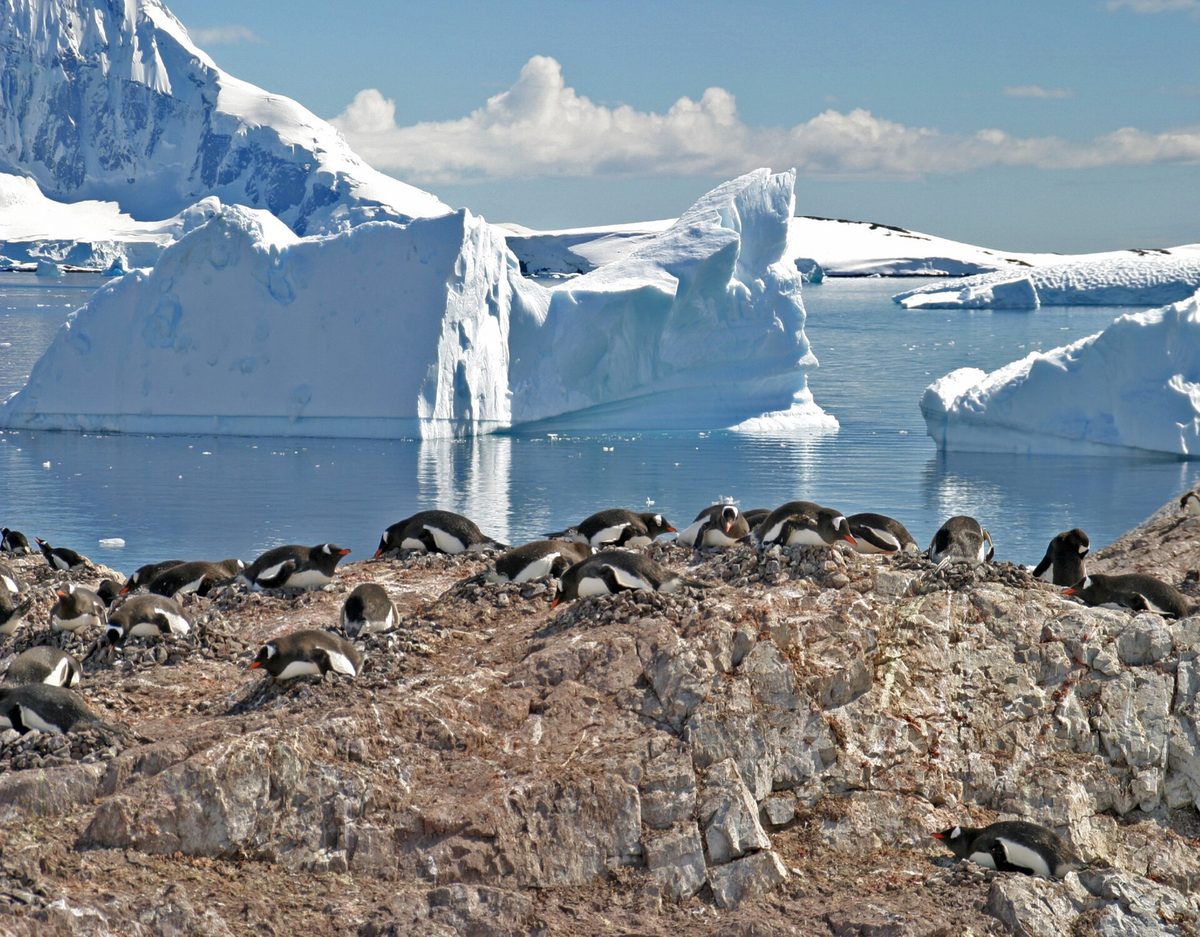
Now the good news, and it’s the most important point in this guide: a budget cruise gives up nothing that actually matters about Antarctica. The wildlife is identical — the same penguin colonies, the same whales, the same leopard seals on the same ice floes. The landings are governed by the same IAATO rules, led by the same calibre of expedition naturalists. The icebergs are no less vast, the silence no less profound, the first sight of the continent no less overwhelming from a budget cabin than a suite.
This is the great equaliser of Antarctic travel: the continent doesn’t know what you paid. The traveler in the porthole triple and the one in the owner’s suite stand at the same rail watching the same humpback surface. If your budget is tight, take real comfort in that — you are not getting a lesser Antarctica, just a simpler ship to sleep on. Our wildlife guide covers everything you’ll see regardless of fare.
Is a cheap Antarctica cruise worth it?
For the budget-conscious traveler who has always dreamed of Antarctica, emphatically yes. The alternative to a budget cruise isn’t a luxury cruise — it’s not going at all, and that would be the real loss. A well-chosen budget voyage on a reputable IAATO operator delivers the full, life-changing experience for the lowest possible outlay. The only people I’d steer away from the budget end are those for whom onboard comfort is genuinely central to enjoying a trip; for everyone else, the savings are found in the cabin and the cutlery, not the continent. Our is it worth it? guide tackles the value question in full.
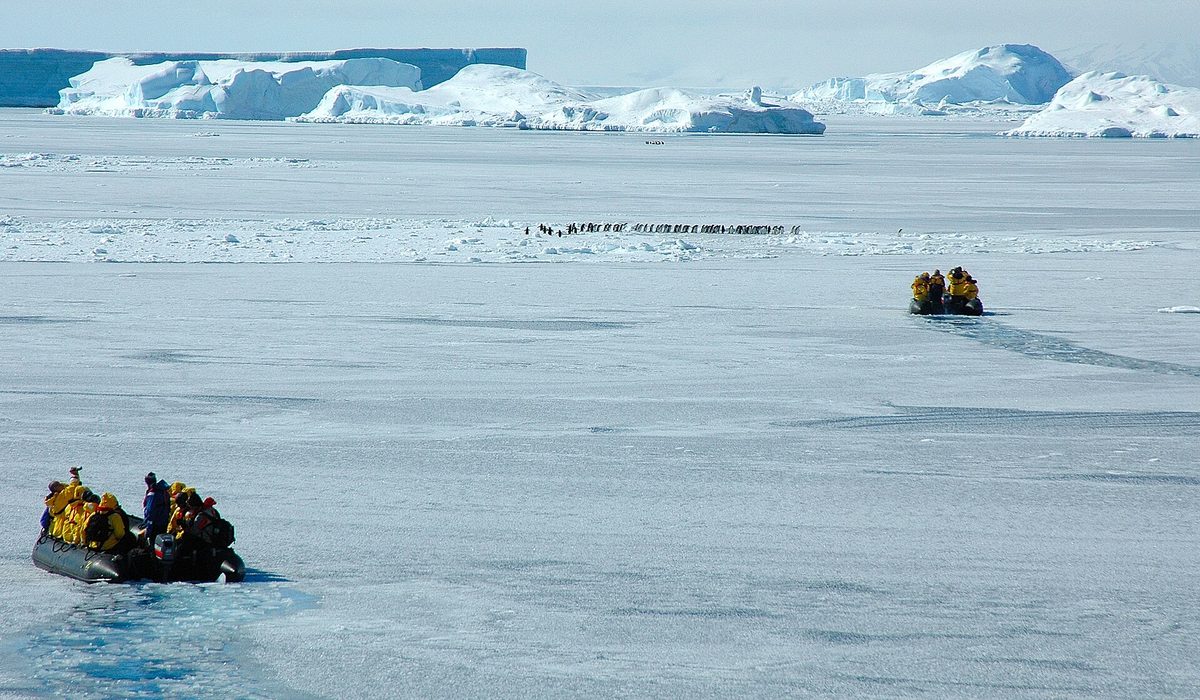
How to book a budget Antarctica cruise
Put it all together and the playbook is clear: decide your true total budget (fare plus the $3,000–$5,000 of surrounding costs), target a shoulder-season departure on a reputable IAATO budget operator, accept a shared triple or quad cabin, and book ten or more months ahead to capture the early-booking discount — unless you’re flexible enough to gamble on a last-minute deal. Confirm exactly what’s included so the extras don’t surprise you, and buy insurance as soon as you book. Follow that sequence and you’ll join the small club of travelers who reached the bottom of the world without breaking the bank. Our how to choose guide walks through the remaining decisions.
Getting to the gateway without overspending
Your flights to Ushuaia or Punta Arenas are a real chunk of the total, so it pays to be strategic. Round-trip airfares from the US typically run $850–$1,500 depending on season and city, and they climb steeply close to departure — so book them as soon as your cruise is confirmed, not at the last minute. Routing through Buenos Aires or Santiago and taking a separate domestic flight south is often cheaper than a single through-ticket, though you trade some convenience and protection. Frequent-flyer points and flexible-date searches can shave hundreds more.
Build in a buffer night at the gateway regardless of cost — missing a non-refundable departure because of a delayed flight is the most expensive “saving” imaginable. Our how to get to Antarctica guide covers the cheapest routings and timing in detail.
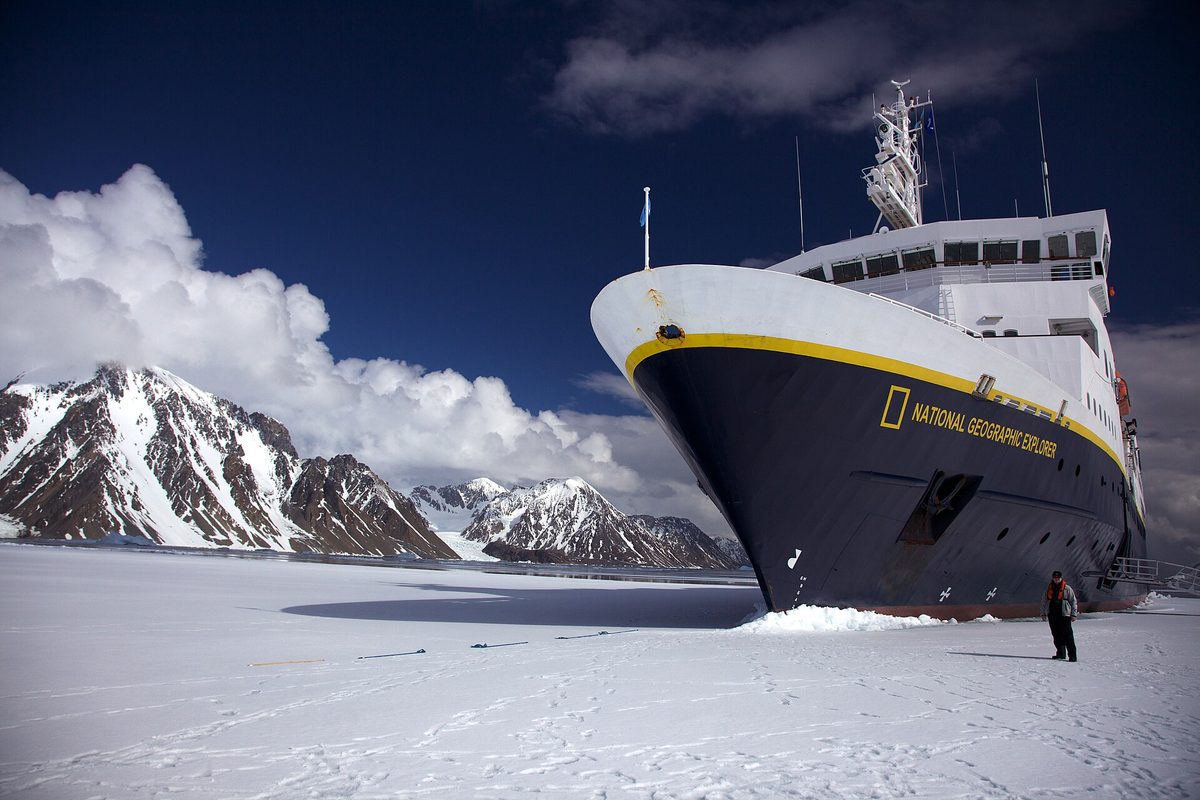
Rent your gear instead of buying it
Polar clothing is expensive, and you may never wear it again, so renting is a savvy budget move. Most operators lend you the essential outer parka (sometimes to keep) and waterproof muck boots, which are the two priciest items. For the rest — waterproof trousers, thermal base layers, gloves — you can often rent a full kit in the gateway city or borrow from friends rather than buying new. Buying only what you’ll genuinely re-use, and renting or borrowing the specialist polar items, can save several hundred dollars. Our packing guide flags exactly what’s usually provided versus what you must bring.
Budget fly-cruise vs budget sailing
For budget travelers, sailing the Drake is almost always the cheaper choice — fly-cruises carry roughly a 20% premium for the charter flights. If money is the priority, sail. That said, a sail-fly itinerary (cruising one way, flying the other) sometimes splits the difference and can be more affordable than flying both ways while still saving a sea day. The cheapest option overall remains a classic round-trip sailing on a budget ship; reserve the fly-cruise premium for when time or seasickness genuinely justifies it. Our Drake Passage guide and flights guide compare the costs.
False economies: what never to skimp on
Saving money is smart; cutting the wrong corners is dangerous. Never economise on travel insurance with high-limit medical evacuation cover — given Antarctica’s isolation, it’s both mandatory with reputable operators and genuinely essential. Never book a non-IAATO operator to save money, because the savings come at the expense of the safety and environmental standards that protect you and the continent. And don’t skip the buffer night at the gateway. These are the places where a false economy can cost you far more than it saves — or cost you the trip entirely.
Spend freely on safety and compliance; economise on comfort and frills. Get that balance right and a budget trip is a wise trip, not a risky one. Our travel tips guide details the non-negotiables.
A sample budget trip, costed out
To make it concrete, picture a savvy budget traveler: they book an 11-day shoulder-season Peninsula sailing on a reputable IAATO budget ship at $7,500 in a shared triple, ten months ahead to catch a $1,200 early-booking discount. They add a $1,100 flight to Ushuaia routed via Buenos Aires, two gateway nights at $400, $500 insurance, $200 gratuities, and rent the odd gear item for $150. Their all-in total lands around $9,850 — a genuine, full Antarctic expedition for under $10,000, all by stacking sensible choices rather than cutting any corner that matters.
Frequently asked questions
What is the cheapest way to cruise Antarctica?
Book a budget-tier IAATO operator on the classic Peninsula route, in shoulder season (November or March), in a shared triple or quad cabin, and reserve ten or more months ahead for the biggest early-booking discount. Stacking these can bring the cruise fare to roughly $6,000–$8,000.
How cheap can an Antarctica cruise get?
The lowest legitimate cruise fares start around $6,000–$8,000 per person on simpler ships, with some 2026/27 budget voyages advertised under $8,000. Remember that’s cruise-only — the realistic total with flights, hotels, and insurance is usually $8,000–$12,000.
Are cheap Antarctica cruises safe and legitimate?
Reputable budget cruises on IAATO-member operators are entirely safe and legitimate — you’re simply on a simpler ship. Be wary, though, of prices far below the market or operators not in IAATO, which is a serious red flag worth walking away from.
Is it cheaper to book last-minute in Ushuaia?
Sometimes, for the truly flexible. Travelers occasionally save by waiting in Ushuaia during shoulder season and grabbing an unsold cabin, but it’s a gamble — you might wait days or leave empty-handed. For most people, early booking is the more reliable saving. See our last-minute cruises guide.
When is the cheapest time to sail to Antarctica?
November and March, the shoulder months either side of the December–January peak. Fares drop noticeably, and the experience remains superb — pristine ice early, prime whale-watching late. The best time to visit guide details the trade-offs.
Does a cheaper cruise mean worse wildlife?
Not at all. Wildlife and landings are governed by the same IAATO rules on every ship, so a budget cabin sees the same penguins, whales, and icebergs as a luxury suite. The savings come from onboard comfort, not the Antarctic experience itself.
Can solo travelers cruise Antarctica cheaply?
Yes — use the operator’s cabin-share program to be paired with a same-sex roommate and pay the standard per-person rate, avoiding the single supplement that can otherwise double the cost. Watch for no-single-supplement promotions too.
Do budget cruises include flights to Antarctica?
Usually not — budget fares are typically cruise-only, excluding international flights, transfers, hotels, and often gratuities and gear. Always check, and budget an extra $3,000–$5,000 for these surrounding costs. See our what’s included guide.
Are there student or group discounts for Antarctica?
Some operators offer modest group discounts for parties of eight or more, and occasional promotions for younger travelers, but Antarctica rarely has true student fares. Your most reliable savings come from shoulder-season timing, shared cabins, and early booking rather than special-category discounts.
How much should I really budget all-in?
For a genuine budget trip, plan for roughly $8,000–$12,500 all-in: a $6,000–$9,000 cruise fare plus flights, hotels, insurance, gratuities, and incidentals. Stacking shoulder-season timing, a shared cabin, and early booking can push the total toward the lower end.
Is November or March cheaper for an Antarctica cruise?
Both shoulder months are cheaper than the December–January peak, and they’re often similarly priced to each other. November tends to win on pristine ice and dramatic scenery, March on whale-watching and the softest light. Pick whichever wildlife and conditions appeal most; the savings are comparable. See our best time to visit guide.
Can I trust a heavily discounted Antarctica cruise?
A genuine early-booking or shoulder-season discount from an IAATO operator is trustworthy — that’s normal pricing strategy. Be cautious only when a price sits far below the whole market or comes from an operator you can’t verify as an IAATO member. Reputable discounts save you money; suspicious ones signal cut corners.
What’s the biggest money-saving mistake people make?
Booking late. Waiting until a few months before departure usually means the cheapest cabins are gone and early-booking discounts have expired, so you pay more for less choice. The second-biggest mistake is forgetting the surrounding costs — flights, insurance, gratuities — and blowing the budget on extras the fare never covered. Plan early and budget the whole trip, not just the fare, and you’ll save the most. Our when to book guide explains the timing.
Final thoughts
A cheap Antarctica cruise isn’t a compromise on the things that matter — it’s a smart way to reach one of Earth’s last great wildernesses without the luxury price tag. Travel in the shoulder season, share a simple cabin, book early on a reputable IAATO operator, and budget honestly for the surrounding costs, and the continent opens up for thousands less than you might have feared. The penguins won’t know what you paid, and neither will your memories. If price has been your only barrier, let it be one no longer — and let our cruise deals and trip cost guides help you build the most affordable trip that’s right for you.