Figuring out how to choose an Antarctica cruise is genuinely the hardest part of planning a trip to the white continent — harder, honestly, than the Drake Passage itself. Dozens of operators, ships of wildly different sizes, itineraries from one to four weeks, and prices spanning $6,000 to $50,000 all compete for your attention, and every brochure insists it offers the trip of a lifetime. The good news? Once you understand the handful of decisions that actually matter, the fog clears fast and the right ship almost picks itself.
I’ve helped a lot of travelers make this exact choice, and it always comes down to the same seven questions. Answer them honestly about yourself — your budget, your nerve, your time, the kind of traveler you are — and you’ll cut a confusing market down to two or three perfect options. This guide walks through each decision in order. For the wider context of what these voyages involve, keep our main Antarctica cruises guide open alongside it.
The seven decisions that shape your choice
Before the detail, here’s the whole framework on one page. Work through these in roughly this order, because the early answers narrow the later ones. Get them right and you’ve chosen well.
| # | Decision | The core question |
|---|---|---|
| 1 | Ship size | Wildlife and landings, or amenities and stability? |
| 2 | Budget tier | What can you comfortably spend per person? |
| 3 | Itinerary & length | Peninsula classic, or the longer epics? |
| 4 | Timing | Which month matches what you want to see? |
| 5 | Drake: sail or fly | Embrace the crossing or skip it by air? |
| 6 | Activities | Watch from the Zodiac, or kayak and camp? |
| 7 | Operator quality | Is it a strong IAATO member with a great team? |
Decision 1: ship size
This is the master decision, the one that shapes your days more than any other. Because IAATO rules cap landings at 100 people ashore at once, a ship carrying 100 or fewer passengers can land everyone every time it stops, while a vessel over 500 can’t land passengers at all — it only cruises past. Smaller ships (roughly 50–170 guests) also slip into narrow channels and remote bays the big ships can’t reach, and they deliver more hours on the ice. The trade-off is more motion in the Drake and fewer onboard amenities.
So decide what you came for. If it’s wildlife, landings, and intimacy, go small. If it’s comfort, stability, and a wider choice of restaurants and cabins, a larger ship suits you — just accept less time ashore. This single choice eliminates half the market instantly. We dedicate a whole guide to it: small ship vs large ship Antarctica cruises.
Decision 2: your budget tier
Money shapes everything downstream, so be honest early. Antarctic voyages fall into rough tiers: budget ($6,000–$10,000 on simpler ships), mid-range ($10,000–$20,000 on modern expedition vessels — where most travelers land), and luxury ($20,000–$35,000+ with suites and fine dining). Remember to budget another $3,000–$6,000 on top for flights, gateway hotels, insurance, gear, and gratuities.
Crucially, a higher price doesn’t buy you different wildlife — the penguins and icebergs are the same from a budget cabin as a balcony suite, because IAATO governs every operator equally. It buys comfort, space, and service. Decide what those are worth to you. Our trip cost guide breaks down every expense, while the budget cruises and luxury cruises guides cover the two ends of the spectrum.
Decision 3: itinerary and length
How long do you really need? The classic Antarctic Peninsula voyage of 10–12 days is the right answer for most people: it delivers the Drake, icebergs, multiple penguin species, seals, and whales without excessive sea time. Shorter fly-cruises (around 8 days) compress the trip by flying over the Drake. Longer expeditions add the Antarctic Circle (12–14 days), the Weddell Sea, or the wildlife epic of Falklands and South Georgia (18–23 days).
The key insight is that a longer itinerary doesn’t always mean more time ashore — the far-flung routes spend many extra days simply sailing to reach remote coasts. Match the ambition to your time, budget, and tolerance for open water. Our cruise itineraries guide compares every route length in detail.
Decision 4: when to go
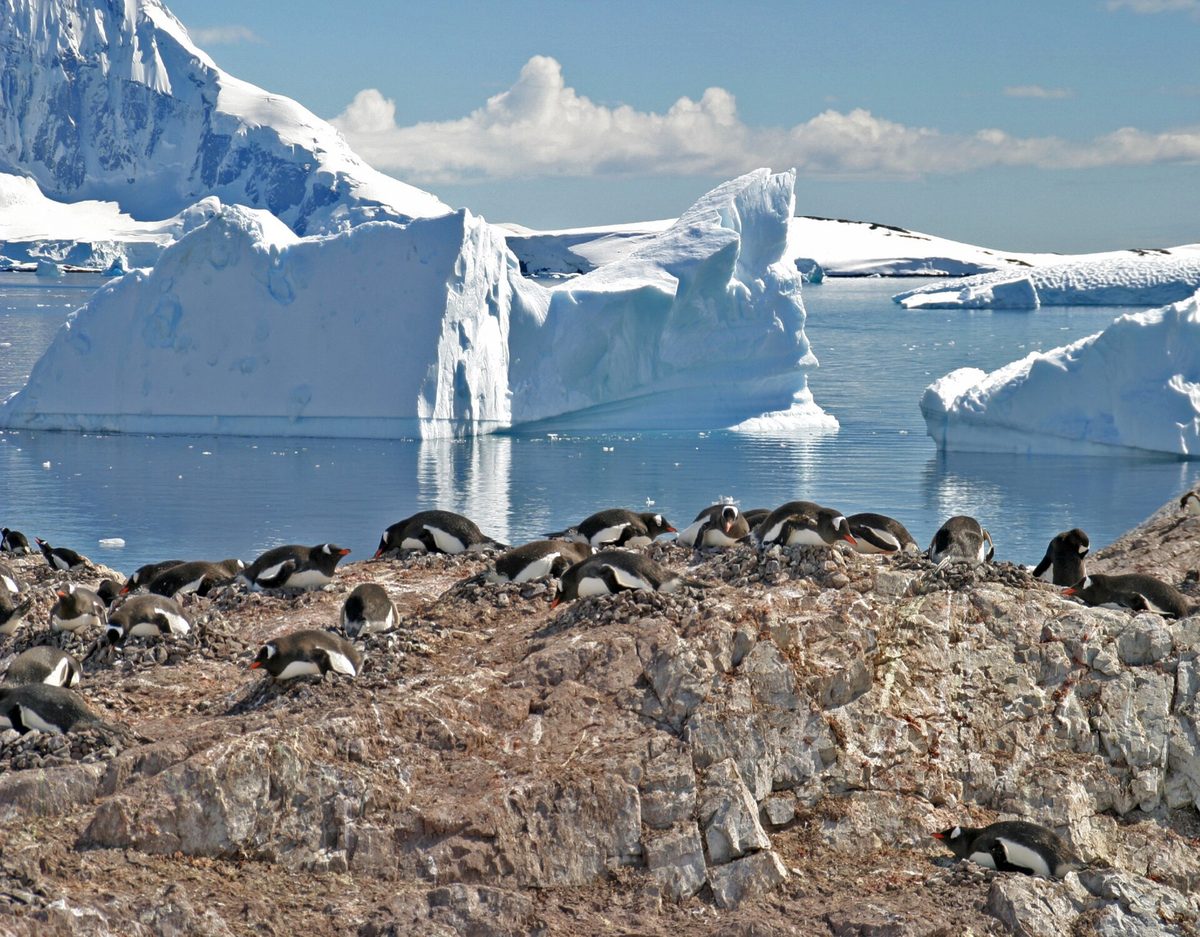
The Antarctic season runs from late October to March, and the month you choose changes what you’ll see. Early season (November) brings pristine snow, dramatic ice, and courting penguins — a photographer’s favourite. Midsummer (December–January) offers the warmest weather, longest days, and fluffy penguin chicks, ideal for first-timers and families. Late season (February–March) is prime time for whales and carries the lowest fares.
There’s no universally best month — only the one that matches your priority. Whales or budget? Go late. Pristine ice? Go early. Easy weather and chicks? Go mid. Decide your single biggest want and let it pick your dates. Our best time to visit Antarctica guide maps every month to what you’ll actually encounter.
Decision 5: sail the Drake, or fly over it
Every Peninsula trip must cross the Drake Passage — the question is how. Sailing it takes about two days each way and can be calm (“Drake Lake”) or rough (“Drake Shake”); many travelers consider it a rite of passage, and it’s prime time for albatrosses and whales. Flying it on a fly-cruise replaces up to four days of open ocean with a roughly two-hour charter flight, saving time and seasickness for a premium of around 20%.
Choose based on your time, your stomach, and your budget. Short on days or prone to seasickness? Fly. Love the sea or watching the pennies? Sail. Our Drake Passage guide and flights to Antarctica guide weigh both paths fully.
Decision 6: how active do you want to be?
Some travelers are content with the daily landings and Zodiac cruises included on every voyage — and those alone are spectacular. Others want to bolt on adventure: sea kayaking, camping on the ice, snowshoeing, paddleboarding, or even polar diving. If that’s you, you must choose an operator known for its off-ship program (Aurora and Quark lead here) and book the activities at the same time as your cabin, because spots are limited and sell out.
If you’re unsure, know that the standard included experience already exceeds most people’s wildest expectations — the add-ons are icing, not the cake. Our things to do in Antarctica guide lays out every option and its cost.
Decision 7: operator quality and IAATO
Finally, vet the operator — because the company behind the ship determines the quality of everything. The first box is non-negotiable: membership of IAATO, the body whose members follow strict rules on landings, wildlife distances, and biosecurity. Never book a non-member. Beyond that, look at the guide-to-guest ratio (the best field one expedition staffer per eight to twelve guests), the expedition leader’s experience, the depth of the lecture team, and how transparent the operator is about inclusions.
Read recent reviews skeptically, and treat a suspiciously low price as a warning rather than a win. A reputable operator answers hard questions happily. Our expedition ships and operators guide compares the major lines, and the best Antarctica cruises guide names the standouts by category.
Don’t forget the cabin
Once you’ve chosen a ship, the cabin matters more than first-timers expect — and not just for luxury. Location affects comfort: the ship moves most at the bow and on higher decks, so a lower, mid-ship cabin is steadiest for the seasickness-prone. Weigh a porthole or window (the value sweet spot) against a balcony (a joy in calm, scenic waters but pricey and underused in rough cold). Solo travelers should ask about cabin-share programs to avoid the single supplement, which can otherwise double the fare.
How to choose an Antarctica cruise: a simple framework
Feeling overwhelmed? Here’s the shortcut I give friends. Start with budget — it sets your tier. Within that tier, choose the smallest ship you can afford if wildlife is your priority, or a larger one if comfort is. Default to the classic Peninsula route and a midsummer date unless a specific goal (whales, photography, South Georgia) pulls you elsewhere. Fly the Drake if time or seasickness is a concern; sail it otherwise. Confirm IAATO membership and a strong guide ratio, then book early. That sequence resolves 90% of the decision for almost everyone.
Common mistakes when choosing
A few avoidable errors trip people up. Choosing on price alone and landing on the wrong ship for your goals is the classic one — the cheapest berth that doesn’t fit you is poor value. Over-reaching on the itinerary (booking a 23-day epic when the Peninsula would have stunned you) is another. So is booking too late and taking whatever’s left. And forgetting the hidden costs — flights, insurance, gratuities — that turn a $14,000 fare into an $18,000 trip. Sidestep these and you’re ahead of most first-time bookers. The is it worth it? guide helps you sanity-check the whole decision.
Matching the cruise to the traveler you are
The seven decisions get sharper once you picture yourself on the ship. Honeymooners and comfort-seekers should weight cabin quality and consider a luxury small ship or a fly-cruise that trades sea days for romance. Families need an operator that welcomes their children’s ages, triple or quad cabins, and a calmer midsummer itinerary. Solo travelers should hunt for cabin-share programs to dodge the single supplement. Photographers want low passenger counts and a dedicated photo team. Adventure-seekers should chase the operators with the deepest activity menus.
Seniors and travelers with limited mobility can absolutely go, but should choose a ship with a lift, consider flying the Drake, and have a frank conversation with the operator about the Zodiac transfer. The point is that “the right cruise” is genuinely personal — our guide for every traveler matches the trip to who you are, segment by segment.
Questions to ask before you pay a deposit
Before you commit thousands of dollars, put the operator through a short interrogation — the answers separate the great from the merely glossy. Ask: Are you an IAATO member? How many passengers does the ship carry, and how many can land at once? What’s the guide-to-guest ratio? Exactly what’s included — flights, transfers, parka, boots, gratuities, activities? What’s the cancellation and refund policy, and what insurance do you require? What ice class is the ship, and what happens if weather disrupts the itinerary?
A confident, reputable operator answers every one of these precisely and proudly. Vagueness, deflection, or pressure to book this instant are themselves the answer. Cross-check the quoted price against our trip cost guide so you recognise a fair deal — and a too-good-to-be-true one — when you see it.
Red flags that should make you walk away
A handful of warning signs should end your interest in an operator immediately. The biggest is no IAATO membership — it signals a company outside the framework that protects both you and the continent. Be wary, too, of prices dramatically below the market (something is being cut), ships carrying more than 500 passengers if landings matter to you (they legally can’t land guests), evasiveness about what’s included, and pressure tactics or “today only” deadlines on a trip people plan a year ahead.
Thin or vague information about the expedition team is another quiet red flag, because the team is the heart of the experience. When you spot these signs, move on — there are plenty of excellent IAATO operators competing for your booking, as our ships and operators guide shows.
Antarctica cruise styles compared at a glance
It helps to see the main styles side by side, because each suits a different traveler. This table distils the trade-offs you’ve been weighing through the seven decisions.
| Style | Ship size | Best for | Watch-out |
|---|---|---|---|
| Classic expedition | 100–200 | All-round first trip, great value | Some Drake motion |
| Boutique small-ship | Under 100 | Wildlife, maximum landings | Fewer onboard frills |
| Luxury | 100–250 | Comfort, honeymoons, milestones | High cost |
| Fly-cruise | Varies | Time-poor, seasickness-prone | ~20% premium, flight weather risk |
| Large ship cruise-by | 500+ | Scenery on a budget, no Drake landings | No passenger landings allowed |
Notice that the “cruise-by” large ships, while cheap and stable, can’t land you in Antarctica at all under IAATO rules — a crucial distinction many first-time bookers miss. If actually setting foot on the continent matters to you, stick to expedition ships of 500 passengers or fewer. The expedition cruises explained guide unpacks why this style exists and how it works.
Choosing for your first trip vs a return visit
If this is your first Antarctic voyage, choose for breadth and safety: a well-reviewed mid-size expedition ship on the classic Peninsula route in midsummer will exceed every expectation, and you needn’t agonise over missing South Georgia or the Weddell Sea. Get the fundamentals right — good operator, sensible ship, gentle timing — and your first trip will be flawless.
Return travelers can choose differently, chasing the deep cuts their first trip skipped: South Georgia’s wildlife, a dedicated photography or kayaking departure, the remote Ross Sea, or even the emperors and South Pole by air. Knowing whether you’re optimising for a perfect introduction or a specialised encore clarifies the whole decision — and our best Antarctica cruises guide flags strong picks for both.
Frequently asked questions
What if I genuinely can’t decide between two ships?
When two options both pass the IAATO and ship-size tests, let a single tie-breaker decide: pick the one whose itinerary or departure date better matches your top priority, whether that’s whales, photography, or simply the dates you can travel. Failing that, the smaller ship usually wins on wildlife and the larger on comfort.
How do I choose the right Antarctica cruise for me?
Work through seven decisions in order: ship size, budget, itinerary and length, timing, whether to sail or fly the Drake, how active you want to be, and operator quality. Your honest answers narrow dozens of options to two or three ideal ones. Budget and ship size do most of the filtering.
What size ship is best for an Antarctica cruise?
For wildlife and landings, smaller is better — ships of 100 or fewer passengers land everyone at once and reach remote sites. For amenities and stability, larger ships appeal, but those over 500 passengers can’t land guests at all. Most travelers are happiest on a 100–200-passenger expedition ship.
How much should I budget for an Antarctica cruise?
Plan for $6,000–$10,000 (budget), $10,000–$20,000 (mid-range), or $20,000+ (luxury) per person, plus roughly $3,000–$6,000 for flights, hotels, insurance, gear, and gratuities. See our trip cost guide.
Should I sail or fly across the Drake Passage?
Fly if you’re short on time or prone to seasickness; sail if budget matters or you relish the crossing. Fly-cruises cost about 20% more but save up to four days at sea. The fly-sail option does one leg each way as a compromise.
Does the operator really matter that much?
Yes — more than the ship. The operator determines your guide ratio, expedition-team quality, safety, environmental standards, and time ashore. Always choose an IAATO member, and weigh experience and transparency heavily.
When should I book to get the cruise I want?
Twelve to eighteen months ahead for the best ships, cabins, and single berths, which sell out early; this also unlocks early-booking discounts. See when to book your Antarctica cruise.
Is it better to book early or wait for a last-minute deal?
Booking 12–18 months early secures the best ships, cabins, single berths, and early-booking discounts. Last-minute deals exist for the truly flexible who can drop everything and accept whatever ship and cabin remain, often from the gateway ports. For most travelers with fixed dates or specific needs, early wins. See last-minute cruises and cruise deals.
How many landings should a good cruise offer?
The best operators aim for around two off-ship outings per day — a mix of shore landings and Zodiac cruises — weather and ice permitting. Smaller ships fit in more landing time because everyone can go ashore at once under the 100-person rule.
What’s the single most important factor?
Choosing a reputable IAATO-member operator with the right ship size for your goals. Get those two right and everything else — cabin, activities, even the exact itinerary — falls into place around a fundamentally good trip.
Can I change my mind about activities after booking?
Sometimes, but don’t count on it. Popular add-ons like kayaking and camping have limited spots and frequently sell out, so book them with your cabin if you know you want them. You can usually add the free included activities (Zodiac cruises, landings, the polar plunge) on board, but the premium ones are best secured early.
Do I need to be fit to choose an expedition cruise?
You need reasonable mobility rather than athleticism — the ability to board the ship unassisted, step into a moving Zodiac with a steadying hand, and walk a few hundred metres over uneven ground. Most exertion ashore is optional. If mobility is a concern, factor it into your ship choice and read our travel tips guide.
Is a travel agent worth using to choose?
Often, yes. A good polar specialist usually costs you nothing extra and can match the right ship to you, flag fine print, and access held cabins or deals. Booking direct keeps you closest to the operator. Either way, verify IAATO membership and read the cancellation terms yourself.
Final thoughts
Choosing an Antarctica cruise feels daunting only until you realise it’s not one impossible decision but seven manageable ones. Be honest about your budget, your nerve, and the traveler you are; let ship size and price do the early filtering; and lean on IAATO membership and a strong expedition team to separate the great operators from the merely glossy. Do that, and the perfect ship for you emerges from the noise — and a few months later you’re standing on a Zodiac watching a humpback surface beside you, certain you chose right. When you’re ready for the next step, our best Antarctica cruises guide names the ships worth your shortlist. Take it one decision at a time, trust your honest answers, and the impossible-seeming choice resolves into the obvious one.