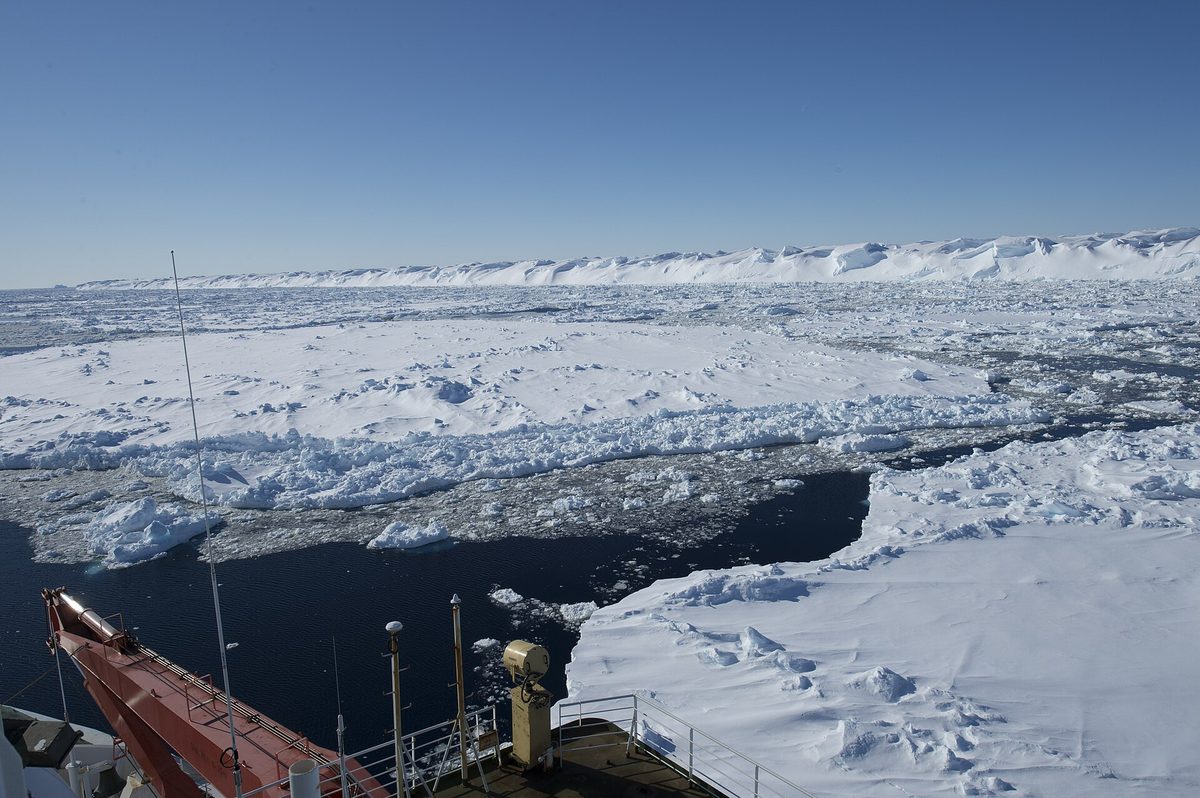
If the Antarctic Peninsula is the continent’s welcoming front room, the weddell sea is the wild, ice-choked chamber behind it — a vast, treacherous body of water on the eastern flank of the Peninsula that has terrified and tempted explorers for two centuries. This is the realm of the giant tabular iceberg, of pack ice thick enough to crush a ship, of emperor penguins on the frozen sea and of the most famous shipwreck in polar history. It is harder to reach and more unpredictable than the sheltered west, and for exactly that reason it is one of the most thrilling destinations in all of Antarctica.
I have a particular love for the Weddell, because it feels like the Antarctica of the imagination — heavier, colder, more dangerous, more dramatic than the gentler scenery to the west. It is where Shackleton’s Endurance was crushed and where, more than a century later, her wreck was found in astonishing condition on the seabed. In this guide I will take you across this formidable sea: its colossal icebergs, its emperor penguins, its heroic history, and how a fortunate few manage to visit it at all.
The Weddell Sea: Antarctica’s Realm of Giant Icebergs
The weddell sea is a deep embayment of the Southern Ocean on the Atlantic side of Antarctica, lying east of the Antarctic Peninsula and bounded to the south by the immense Filchner-Ronne Ice Shelf. It is named after the British sealer James Weddell, who in 1823 pushed astonishingly far south through unusually open ice, reaching a latitude no one would match for decades. Most years the sea is nothing like so forgiving, and that unpredictability defines it.
What sets the Weddell apart is ice — more of it, and bigger, than almost anywhere else on the continent. A powerful clockwise current called the Weddell Gyre traps and circulates pack ice and icebergs, making the sea notoriously difficult to navigate and giving it a reputation among sailors as one of the most dangerous stretches of water in the world. It is among the most formidable and rewarding of all the Antarctica regions and landing sites.
Where Is the Weddell Sea?
The Weddell Sea lies on the opposite side of the Antarctic Peninsula from the popular cruising grounds of the west. While classic Peninsula voyages explore the sheltered western coast and the South Shetlands, the Weddell opens to the east, reached most often through the Antarctic Sound at the Peninsula’s northern tip. Beyond that gateway it stretches south and east toward the great ice shelves, much of it permanently locked in ice and beyond the reach of any ship.
This geography makes the Weddell a place of degrees of access. Its northwestern corner, around the Antarctic Sound and James Ross Island, is reachable by expedition ships on certain itineraries; its deep south and east are the domain of icebreakers and science. For travellers, “visiting the Weddell Sea” usually means exploring that accessible northwestern fringe, the dramatic doorway to a far larger and wilder world. It pairs naturally with the western coast covered in my Antarctic Peninsula guide.
The Tabular Icebergs
If the Weddell Sea has a signature, it is the tabular iceberg — the flat-topped, sheer-sided slabs of ice that calve from the great ice shelves and drift north into the sea. These are not the sculpted, fantastical bergs of the western Peninsula but something far more monumental: vast white tables, some many kilometres long, their cliffs rising sheer from the water like floating plateaus. Sailing beneath one is an experience of pure scale that no photograph conveys.
The Weddell is one of the world’s greatest iceberg nurseries, and in recent years it has launched some of the largest icebergs ever recorded, including the colossal A23a. Drifting among these giants, with the ship dwarfed beside walls of ancient ice, is the defining Weddell experience. On some specialist voyages, conditions permitting, travellers even make helicopter landings on the flat tops of these tabular bergs — an unforgettable, slightly surreal privilege.
Antarctic Sound: Iceberg Alley
The gateway to the Weddell Sea for most travellers is the Antarctic Sound, a channel at the northern tip of the Peninsula so thick with drifting tabular icebergs that it has earned the nickname “Iceberg Alley.” Sailing through it is a heart-stopping introduction to the eastern side of the continent: enormous flat-topped bergs crowd the water on every side, grounded or drifting on the Weddell Gyre, glowing white and blue in the polar light.
The Sound is also rich in wildlife and history, ringed by Adélie penguin colonies and dotted with sites from the Heroic Age. For many itineraries it represents the deepest the ship will venture toward the Weddell proper, the threshold beyond which the ice grows too thick. Passing through Iceberg Alley is one of the most spectacular of all the things to do in Antarctica, and a fitting overture to this most dramatic of seas.
The Emperor Penguins of Snow Hill Island
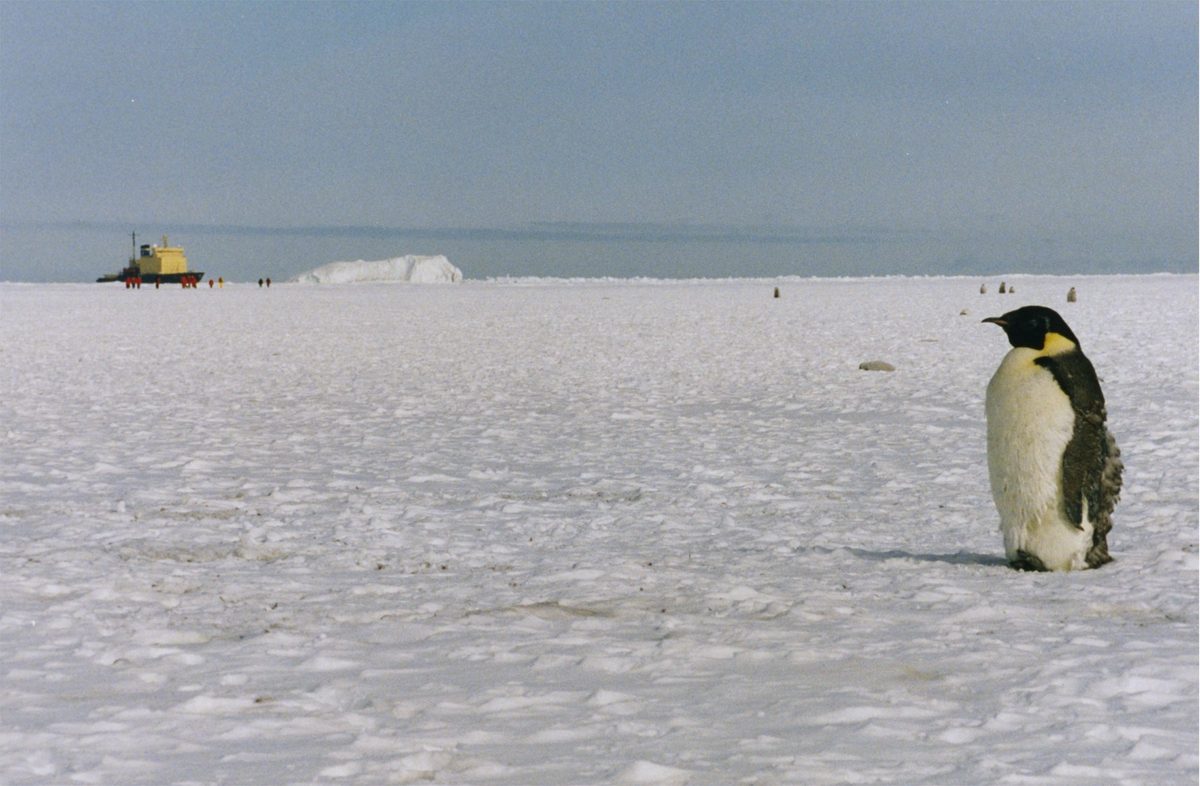
For a certain kind of traveller, there is only one reason to brave the Weddell Sea: the emperor penguins of Snow Hill Island. Deep in the northwestern Weddell, Snow Hill hosts a breeding colony of some four thousand pairs of emperor penguins, and it is one of the very few emperor colonies on the planet that visitors can realistically reach. The emperor — the largest, most majestic of all penguins, the one that breeds through the savage polar winter on the sea ice itself — is the holy grail of Antarctic wildlife.
Reaching Snow Hill is never guaranteed. It demands an ice-strengthened ship, usually an icebreaker carrying helicopters, and even then the fast ice and weather frequently defeat the attempt; some seasons the colony cannot be reached at all. When it works, travellers are flown by helicopter to the ice and walk to within sight of the colony — emperors and their grey, downy chicks gathered on the frozen sea. It is among the rarest and most coveted wildlife experiences in the world, the crown jewel of the creatures described in my guide to Antarctica wildlife.
Shackleton’s Endurance and the 2022 Discovery
No story is more bound up with the Weddell Sea than that of Sir Ernest Shackleton and his ship Endurance. In 1915, attempting the first crossing of the continent, Endurance was caught and slowly crushed by the Weddell’s pack ice, finally sinking and stranding Shackleton’s twenty-eight men on the drifting floes. What followed — the open-boat voyage to Elephant Island, the crossing to South Georgia, the rescue of every single man — is the greatest survival story in the history of exploration.
For over a century the wreck lay lost beneath the ice. Then, in 2022, an expedition located Endurance on the seabed nearly three thousand metres down, astonishingly well preserved by the cold, dark, oxygen-poor water — her name still legible across the stern. The discovery electrified the world and bound the Weddell Sea ever more tightly to its heroic past. The saga, which ends at South Georgia, is the soul of the wider story told in my overview of Antarctica cruises.
The Pack Ice and Why It’s So Treacherous
The Weddell’s defining hazard is its pack ice. The Weddell Gyre drives sea ice and bergs in a great clockwise circulation, piling and compressing the ice against the Peninsula’s eastern coast and making the sea unpredictable from day to day and year to year. A route open one week may be sealed shut the next, and ships must read the ice constantly, ready to retreat. It was this ice that doomed Endurance, and it still dictates where any vessel can go.
This is why even modern, ice-strengthened ships treat the Weddell with respect, and why so many planned Weddell excursions end in a turn back toward open water. For travellers, this unpredictability is part of the romance — the sense of venturing somewhere genuinely on the edge of what is possible — but it also means flexibility and managed expectations are essential. The Weddell, like nowhere else, runs on the ice’s terms, not yours.
Paulet Island, Brown Bluff and Seymour Island
The accessible fringe of the Weddell holds some remarkable landing sites. Paulet Island, near the Antarctic Sound, hosts a huge Adélie penguin colony of around a hundred thousand pairs, alongside the poignant stone ruins of a hut built by shipwrecked members of a Swedish expedition in 1903. Brown Bluff, a dramatic rust-red volcanic cliff on the Peninsula’s tip, offers Adélie and gentoo penguins beneath its towering face and is one of the easier spots to set foot on the eastern mainland.
Seymour Island, meanwhile, is a paradise for fossil hunters — though collecting is forbidden — having yielded some of the richest finds in Antarctica, including ancient penguins and marine reptiles from a time when the continent was far warmer. Together these sites give the northwestern Weddell a wonderful variety of wildlife, history and geology, making it far more than just a backdrop of ice.
The Larsen Ice Shelf and a Changing Sea
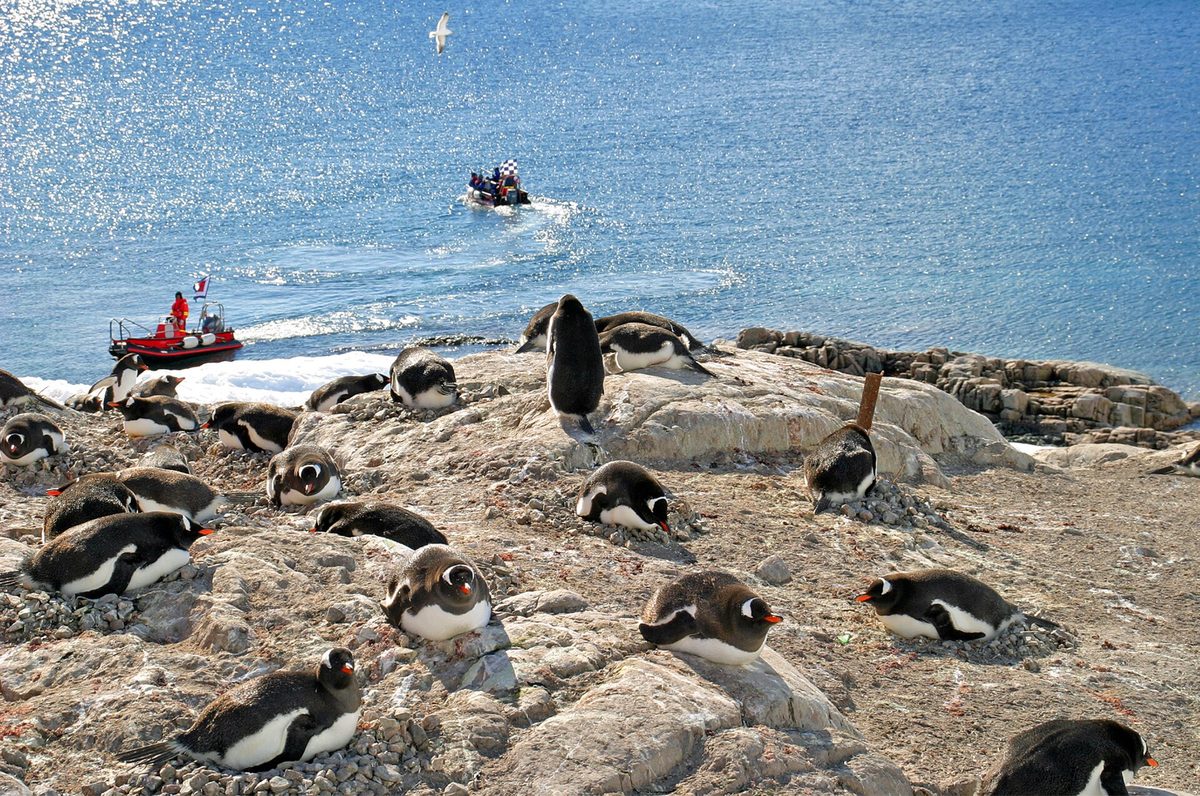
The Weddell Sea has become one of the front lines of our changing climate, chiefly through the fate of the Larsen Ice Shelf along the Peninsula’s eastern coast. In recent decades sections of this shelf have dramatically collapsed — Larsen A in 1995, the spectacular disintegration of Larsen B in 2002, and major calving from Larsen C since — sending vast icebergs into the sea and offering scientists a stark window onto how a warming world reshapes the polar regions.
For the traveller, this lends a Weddell voyage an added poignancy. The icebergs you sail among may be fragments of shelves that stood for thousands of years, and the region is a living laboratory for understanding the future of the planet’s ice. It is a sobering counterpoint to the sheer beauty of the place, and a reminder of why these remote seas matter far beyond their spectacular scenery.
How to Visit and When to Go
Visiting the Weddell Sea takes one of two forms. Many standard Peninsula itineraries make a foray into its accessible northwestern corner, sailing the Antarctic Sound and landing at sites like Brown Bluff and Paulet Island as part of a broader voyage. Reaching the emperor colony at Snow Hill, however, requires a dedicated, specialist expedition on an icebreaker with helicopters, run by only a few operators and timed for the narrow window when the colony can be reached.
That emperor window falls in the early season, roughly late October into November, before the fast ice breaks up and while the chicks are still on the ice — quite different from the high-summer timing of most Antarctic travel. General Weddell forays happen throughout the season as conditions allow. My guides to the best time to visit Antarctica and Antarctica cruise itineraries will help you choose a voyage that matches your hopes.
Weddell, Ross and the Peninsula Compared
Travellers often ask how the Weddell compares with the continent’s other great seas. The western Peninsula is the accessible, wildlife-rich, scenic heartland of Antarctic tourism; the Ross Sea on the far side is the ultimate remote expedition, weeks from anywhere. The Weddell sits dramatically between them: reachable in its northern fringe on a standard trip, yet holding, in Snow Hill and the deep ice, some of the most demanding and coveted experiences in all of polar travel.
My advice mirrors what I say of the Ross Sea: begin with the classic Peninsula, and let the Weddell tempt you back. A taste of Iceberg Alley on a first voyage may well plant the seed; the emperor expedition can be the grand obsession of a later one. Few travellers regret venturing east into this most formidable of seas.
James Weddell and the Naming of the Sea
The sea takes its name from James Weddell, a British sealer and navigator who in February 1823, hunting for new sealing grounds, pushed his small ships further south through this ice than anyone had ever managed — reaching a latitude of around 74 degrees south in water that, by extraordinary fortune, was unusually free of ice that season. He named it the George IV Sea after the reigning king; later it was renamed in his honour, a rare tribute to a working sealer rather than a naval officer or aristocrat.
Weddell’s feat was so remarkable, and the sea so rarely so open, that for decades afterwards ships attempting to follow him found their way blocked by impenetrable pack ice, and some doubted his account entirely. He was vindicated, but the lesson stuck: the Weddell Sea is fickle, and a clear passage one year guarantees nothing the next. That hard truth has shaped every expedition since, from the sealers to Shackleton to today’s ice-strengthened cruise ships. The Weddell seal, which Weddell’s expedition first described, also carries his name to this day.
The Filchner-Ronne Ice Shelf
At the far southern end of the Weddell Sea lies one of the largest ice shelves on Earth: the Filchner-Ronne, a floating expanse of ice second in size only to the Ross Ice Shelf on the continent’s opposite flank. It is from this colossal shelf, and from the Larsen shelves along the Peninsula’s eastern coast, that the Weddell’s famous tabular icebergs are born, breaking away to drift north on the gyre as floating islands of ancient ice.
No tourist ship reaches the Filchner-Ronne — it lies far beyond the navigable ice, in the deep, frozen south of the sea — but its influence is everywhere a traveller looks. Every tabular berg in the Antarctic Sound, every wall of ice you sail beneath, began as part of one of these great shelves. Understanding that connection adds depth to the spectacle: the icebergs of the Weddell are not random curiosities but the calved edges of features so vast they help regulate the climate of the entire planet. It is humbling to sail among their offspring.
Frequently Asked Questions
Where is the Weddell Sea?
The Weddell Sea is a large embayment of the Southern Ocean on the Atlantic side of Antarctica, lying east of the Antarctic Peninsula and bounded to the south by the Filchner-Ronne Ice Shelf. Most travellers reach its accessible northwestern corner through the Antarctic Sound at the Peninsula’s northern tip; its deeper reaches are locked in ice and rarely accessible.
Why is the Weddell Sea famous?
For three things above all: its colossal tabular icebergs, calved from the great ice shelves; its emperor penguin colony at Snow Hill Island, one of the few visitors can reach; and its history as the sea that crushed Shackleton’s ship Endurance in 1915. The 2022 discovery of the Endurance wreck, remarkably preserved on the seabed, renewed its legendary status.
Can you see emperor penguins in the Weddell Sea?
Yes, at Snow Hill Island, which hosts a colony of around 4,000 pairs and is one of the few emperor colonies accessible to visitors. Reaching it requires a specialist icebreaker expedition with helicopters, timed for the early season, and success is never guaranteed — fast ice and weather often defeat the attempt. When it works, it is among the world’s rarest wildlife experiences.
Was Shackleton’s Endurance found in the Weddell Sea?
Yes. The Endurance, crushed by Weddell Sea pack ice in 1915, was rediscovered in 2022 on the seabed nearly three thousand metres deep, astonishingly well preserved by the cold, dark water, with her name still legible. The find was one of the great moments in maritime archaeology and bound the Weddell Sea ever more tightly to its heroic history.
What are tabular icebergs?
Tabular icebergs are flat-topped, steep-sided slabs of ice that break off from ice shelves, as opposed to the sculpted bergs that calve from glaciers. The Weddell Sea is one of the world’s great sources of them, producing some of the largest icebergs ever recorded. Sailing among these vast white “tables,” some many kilometres long, is the signature Weddell experience.
Is the Weddell Sea dangerous to sail?
It can be. The Weddell Gyre drives a powerful clockwise circulation of pack ice that piles against the Peninsula’s eastern coast, making the sea notoriously unpredictable and difficult to navigate — it was this ice that crushed the Endurance. Modern ice-strengthened ships treat it with great respect, and planned Weddell excursions are often forced to turn back by the ice.
How do you visit the Weddell Sea?
Many Peninsula cruises make a foray into its accessible northwestern corner via the Antarctic Sound, landing at sites like Brown Bluff and Paulet Island. Reaching the Snow Hill emperor colony deeper in requires a dedicated icebreaker expedition with helicopters, run by only a few operators in the early season. The eastern and southern Weddell remain largely beyond reach.
When is the best time to visit the Weddell Sea?
It depends on your goal. To see the Snow Hill emperor colony, you must travel early — roughly late October into November — before the fast ice breaks up. For general Weddell forays through the Antarctic Sound and its landing sites, the wider season from November to March applies, with conditions, as always in this ice-choked sea, having the final say.
Final Thoughts
The Weddell Sea is Antarctica with the volume turned up — bigger ice, heavier weather, deeper history, higher stakes. It is the sea that broke the Endurance and held her secret for a century; the sea where emperor penguins raise their chicks on the frozen ocean; the sea where tabular icebergs the size of cities drift on a relentless gyre. To venture east into it is to feel the raw, untamed power of the continent in a way the gentler west rarely matches.
Whether you glimpse it through Iceberg Alley on a classic voyage or commit to the great quest for the emperors of Snow Hill, the Weddell rewards the effort with experiences found nowhere else on Earth. It is demanding, unpredictable and occasionally heartbreaking when the ice turns you back — and utterly unforgettable when it lets you in. For me, it remains the most thrilling sea in all of Antarctica.
Related Reading
- Antarctica’s regions and landing sites
- The Antarctic Peninsula: complete guide
- The Ross Sea
- South Georgia Island
- The South Shetland Islands
- Antarctic research stations you can visit
- Antarctica wildlife
- Antarctica cruises
- Antarctica cruise itineraries
- The best time to visit Antarctica
- Things to do in Antarctica