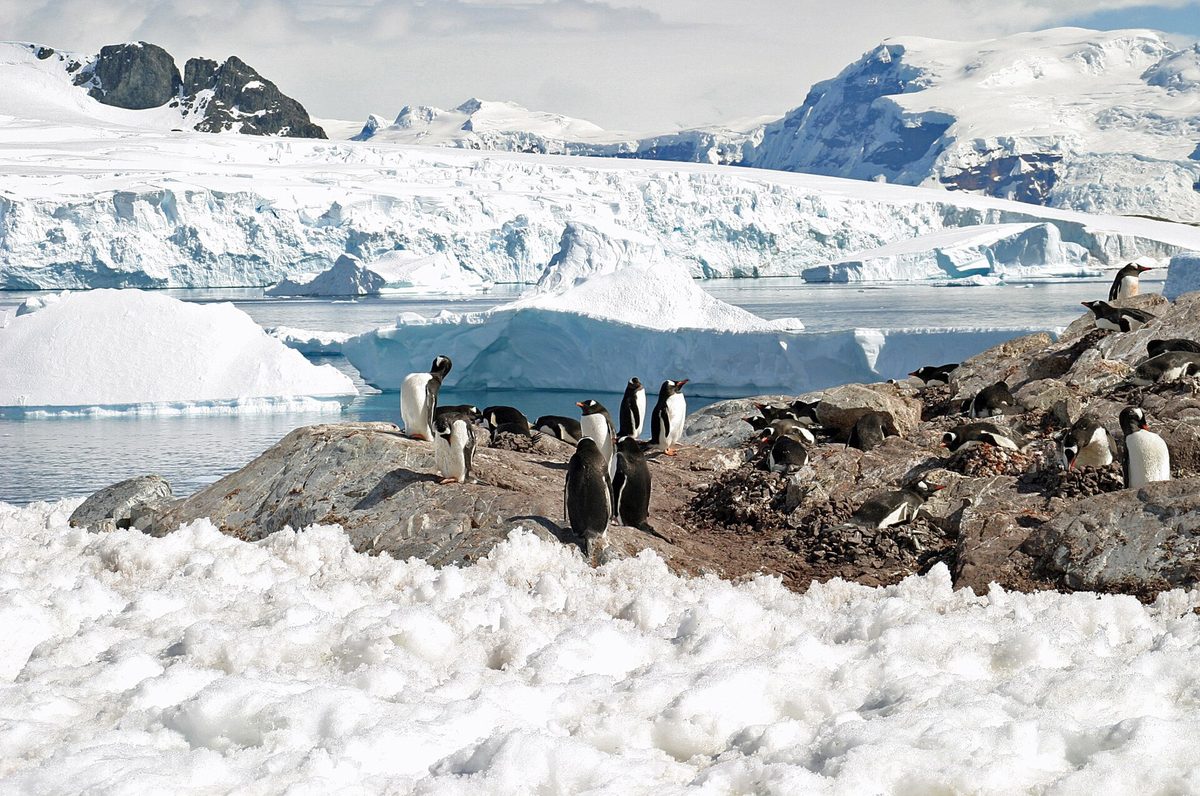
The first time you prepare to step onto Antarctic soil, you will not simply walk down the gangway and ashore. You will line up at a boot-wash station, scrub the soles of your wellingtons in disinfectant, and step through a tray of cleaning solution under the watchful eye of an expedition guide. This small ritual, repeated before and after every single landing, is the visible face of antarctica biosecurity — the strict system of cleaning, inspection, and distance rules that protects the most pristine wilderness on Earth from the things we might unknowingly carry in. It can feel fussy on day one. By the end of the trip, most travelers come to see it as one of the most important things they do.
Antarctica has no natural defenses against invasive seeds, foreign soil, insects, or disease, and a single careless introduction can ripple through an ecosystem that evolved in isolation over millions of years. The recent arrival of avian influenza in the region has raised the stakes further and tightened the protocols. This guide explains exactly what the biosecurity rules are, why they exist, what you will be asked to do at every stage from home to the ice, and how you can be a responsible visitor to a place that depends on our care. None of it is difficult; all of it matters.
What Antarctica Biosecurity Actually Means
At its heart, antarctica biosecurity is about preventing two things: the introduction of non-native organisms, and the spread of disease between sites and wildlife colonies. The continent and its surrounding islands host life found nowhere else, much of it exquisitely adapted and dangerously vulnerable to outside competition or infection. Because there is no border control or quarantine facility, the responsibility falls on every operator and every visitor to act as a living quarantine system — cleaning gear obsessively, keeping a respectful distance from animals, and ensuring that nothing organic travels from the outside world onto the ice, or from one colony to the next. The framework is coordinated by the International Association of Antarctica Tour Operators (IAATO) and underpinned by the international Madrid Protocol that governs environmental protection across the continent.
In practice, you experience biosecurity as a series of cleaning routines and behavioral rules that bracket every landing. They are simple, they are non-negotiable, and they are the price of admission to one of the last truly wild places on the planet.
Why Biosecurity Matters So Much Here
It is worth understanding the stakes, because they make the rituals feel meaningful rather than bureaucratic. Antarctica’s ecosystems are simple, specialized, and isolated, which makes them both unique and fragile. A few seeds caught in a Velcro strap could establish a non-native plant that outcompetes native mosses. Soil clinging to a boot could carry spores or invertebrates that have no business on the continent. And a pathogen carried between colonies could devastate wildlife that has never encountered it. Unlike a temperate environment with deep reserves of biodiversity, Antarctica has little redundancy to absorb such shocks. The precautions that seem excessive are calibrated to a place where the margin for error is essentially zero. Our guide to Antarctica wildlife describes just how special — and vulnerable — the animals you will meet really are.
The Avian Influenza Situation and Current Protocols
The most significant recent development in Antarctic biosecurity is the arrival of highly pathogenic avian influenza in the region. After spreading through the sub-Antarctic islands, the virus reached Antarctic wildlife, and the industry responded by sharply tightening its protocols to slow transmission and protect colonies. The current IAATO avian influenza measures require visitors to keep a minimum distance of at least five metres — about fifteen feet — from all wildlife at all times, and crucially to avoid sitting, kneeling, crouching, or lying down in wildlife areas, or placing any equipment on the ground there. Operators now survey landing sites thoroughly before allowing anyone ashore, and IAATO closes sites to its members where the virus has been detected. These rules can mean a planned landing is changed or cancelled at short notice, and the right response as a visitor is to support that caution completely. The wildlife’s safety comes before any single shore visit, a principle that also runs through our guide on whether Antarctica is safe to visit.
Biosecurity Begins Before You Leave Home
Here is the part many travelers do not realize: your biosecurity responsibilities start in your own home, before you have even packed. Everything that might touch the Antarctic environment — boots, outer layers, trousers, gloves, hats, camera bags, tripods, walking poles, daypacks — must be thoroughly cleaned of all dirt, soil, seeds, and organic matter before you travel. Pay special attention to the notorious traps: the soles and welts of boots, Velcro fastenings, pockets, seams, the bottoms of bags, and the cuffs of trousers, where seeds and grit love to hide. Buying new gear is not a free pass; even new items can carry packaging debris or warehouse dust. Doing this carefully at home means you sail south already clean, and it makes the onboard inspection painless. Our what to pack for Antarctica guide flags the items that most often need attention.
At Embarkation: The Biosecurity Briefing and Gear Inspection
Once aboard, and before your first landing, the expedition team runs a mandatory biosecurity session that is part briefing, part hands-on inspection. You will be asked to bring all the gear you intend to take ashore to a designated area, where staff and guests work through it together. Out come the vacuum cleaners for daypacks and pockets, the brushes and picks for boot treads and Velcro, and a careful check of every seam and fastening for stray seeds, soil, and plant material. It is oddly companionable — a roomful of travelers turning their bags inside out together — and it is remarkably effective at catching the things that slip past a home clean. Take it seriously, declare anything you are unsure about, and let the staff help. This single session sets the tone for the whole voyage.
The Boot Wash: Disinfection Between Every Landing
The most frequent biosecurity ritual is the boot wash, and you will do it constantly. Before stepping into a Zodiac to go ashore, and again when you return to the ship, you scrub your boots in a disinfectant solution — typically Virkon S or an equivalent — and step through wash trays to remove and kill anything clinging to the soles. This happens at every landing without exception, because the goal is not only to keep Antarctica clean from the outside world but to prevent carrying material, and especially pathogens, from one site or colony to the next. The routine becomes second nature within a day: scrub, dip, step through, and you are cleared. Guides supervise to make sure nobody skips it, and nobody should. Between regions, the decontamination is even more thorough, with all gear cleaned and disinfected to prevent cross-contamination.
The Five-Metre Rule and Wildlife Distancing
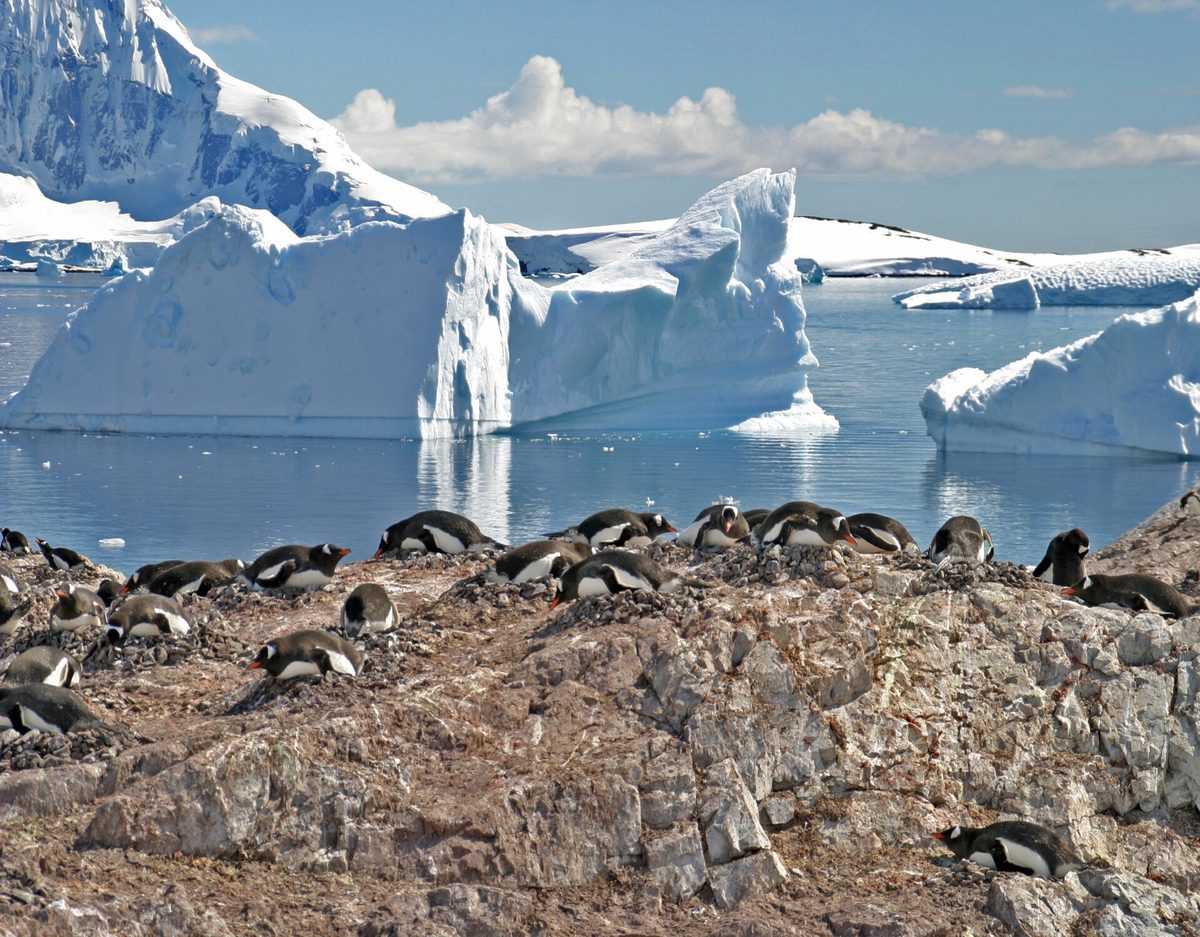
Biosecurity is not only about cleaning; it is about behavior around wildlife, and the rules here have tightened under the avian influenza protocols. You must keep at least five metres from all wildlife, more for certain species, and you must never approach, surround, or block the path of an animal. The newer guidance goes further: do not sit, kneel, crouch, or lie down in wildlife areas, and do not set bags, cameras, or tripods on the ground there, because contact with contaminated ground risks spreading disease. If a curious penguin chooses to waddle up to you, you stand still and let it — the rule governs your approach, not theirs. These distances protect the animals from disturbance and disease and protect you too. Our wildlife guide explains the etiquette for each species you are likely to encounter.
Nothing In, Nothing Out
A cornerstone of Antarctic biosecurity and environmental protection is the absolute rule that nothing organic goes ashore and nothing whatsoever comes back. You do not take food, drink other than water, or anything that could drop crumbs or seeds onto a landing site. And you take nothing away — not a pebble, not a feather, not a bone, not a fragment of anything. Leave only footprints, and not even those where you can avoid it. This extends to leaving no waste of any kind behind: everything you bring ashore returns to the ship with you. The discipline protects sites from contamination and preserves them exactly as they are for the wildlife and for the travelers who follow. It is the clearest expression of the leave-no-trace ethic that defines responsible Antarctic travel.
South Georgia and the Sub-Antarctic: Even Stricter Rules
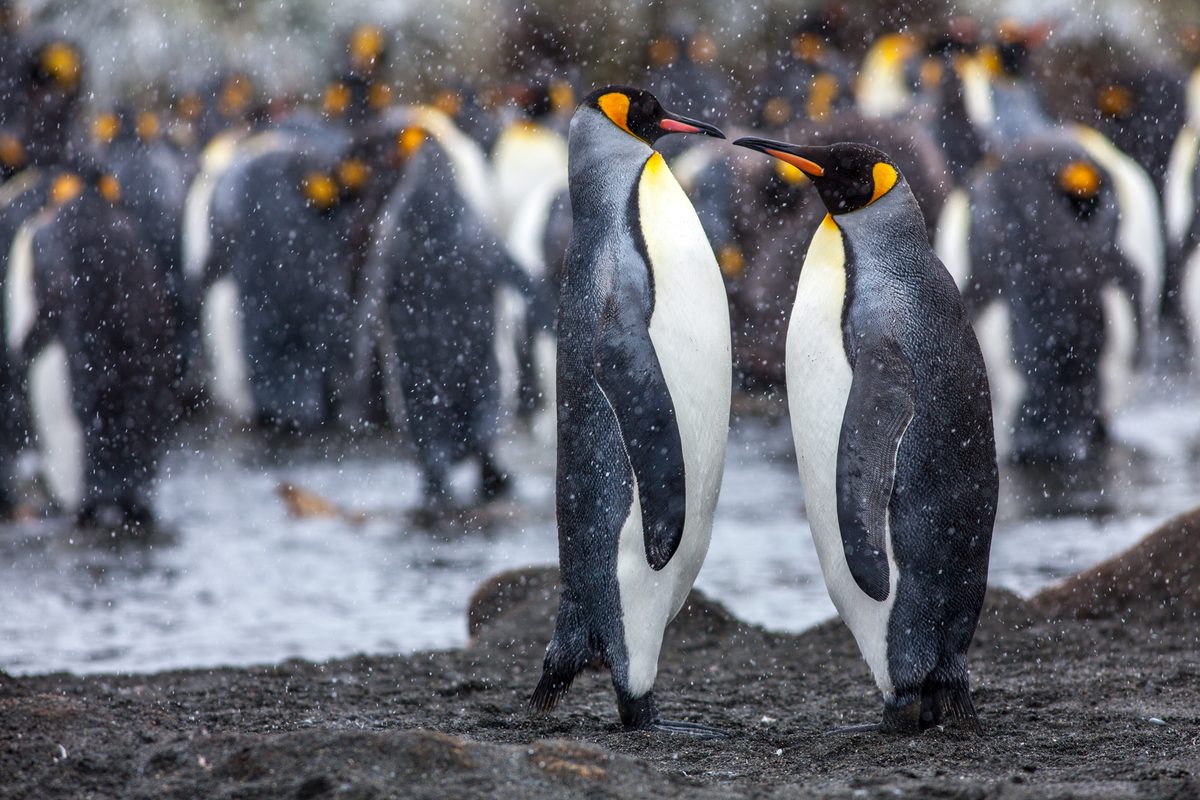
If your voyage includes South Georgia or other sub-Antarctic islands, prepare for biosecurity that is stricter still. South Georgia, after a hard-won campaign to eradicate invasive rodents and restore its seabird populations, enforces especially rigorous inspections, and you will be expected to present scrupulously clean gear, sometimes with formal checks of every item before you may land. The reason is the same as everywhere else, magnified: these islands host globally important wildlife and have fought expensive battles against past introductions that they cannot afford to lose. Notably, the industry is extending its decontamination protocols to sub-Antarctic and Patagonian itineraries north of the traditional boundary for the first time, reflecting how seriously the threat of disease and invasive species is now taken across the whole region. Our guide to Antarctica’s regions and landing sites describes what makes these places so precious.
Common Items That Fail Inspection
Certain things trip people up again and again, so check them with extra care:
- Boot treads and welts — the deep grooves trap soil and seeds.
- Velcro fastenings — a magnet for plant material and fibres.
- Pockets and seams — old crumbs, grit, and seeds lurk for years.
- Daypack and camera-bag bottoms — accumulated debris from past trips.
- Trouser cuffs and gaiters — pick up material from every previous walk.
- Tripod feet and walking-pole tips — soil packs into the joints.
- Hook-and-loop straps and zips — fine seeds wedge into the teeth.
Cleaning these thoroughly at home, then re-checking them at the onboard session, catches almost everything.
How You Can Help Protect Antarctica
Being a good biosecurity citizen is straightforward and genuinely meaningful:
- Clean and disinfect all gear thoroughly before you travel.
- Attend the onboard biosecurity briefing and inspection in full.
- Do the boot wash before and after every landing, every time.
- Keep at least five metres from wildlife and never sit or kneel in wildlife areas.
- Take nothing ashore but yourself and water; bring nothing back.
- Follow site closures and itinerary changes without complaint.
- Declare anything you are unsure about to the expedition staff.
Why These Rules Are Non-Negotiable
It is natural to wonder whether the protocols are overkill, and the honest answer is that they are deliberately conservative because the consequences of failure are irreversible. You cannot recall an invasive species once it establishes, and you cannot un-spread a disease through a colony. In a place with no quarantine, no eradication infrastructure on most sites, and ecosystems with little resilience, prevention is the only tool that works, and it only works if everyone follows it every time. The operators that enforce these rules most rigorously are the ones doing right by Antarctica, and choosing such an operator is itself an act of conservation, as our guides to Antarctica cruises and responsible operators explain. When a guide asks you to scrub your boots one more time, they are not being officious; they are defending something irreplaceable.
The Science Behind the Threat
To appreciate why the rules are so exacting, it helps to know what they are guarding against. Invasive species are not a hypothetical worry in the polar world: non-native grasses, insects, and invertebrates have already established footholds on some sub-Antarctic islands, carried in on gear, cargo, and clothing, and warming conditions make it easier for newcomers to survive. A single viable seed in a boot tread is all it takes. Disease is the newer and starker threat, with avian influenza demonstrating how quickly a pathogen can move through dense, naive wildlife colonies. The animals of Antarctica evolved without exposure to many of the organisms the rest of the world takes for granted, so they carry little immunity and the ecosystems have little capacity to recover. Biosecurity is, in essence, applied ecology: a set of precautions matched precisely to the specific vulnerabilities of polar life. Understanding that turns the boot wash from a chore into a small act of stewardship.
Biosecurity, Timing and Your Itinerary
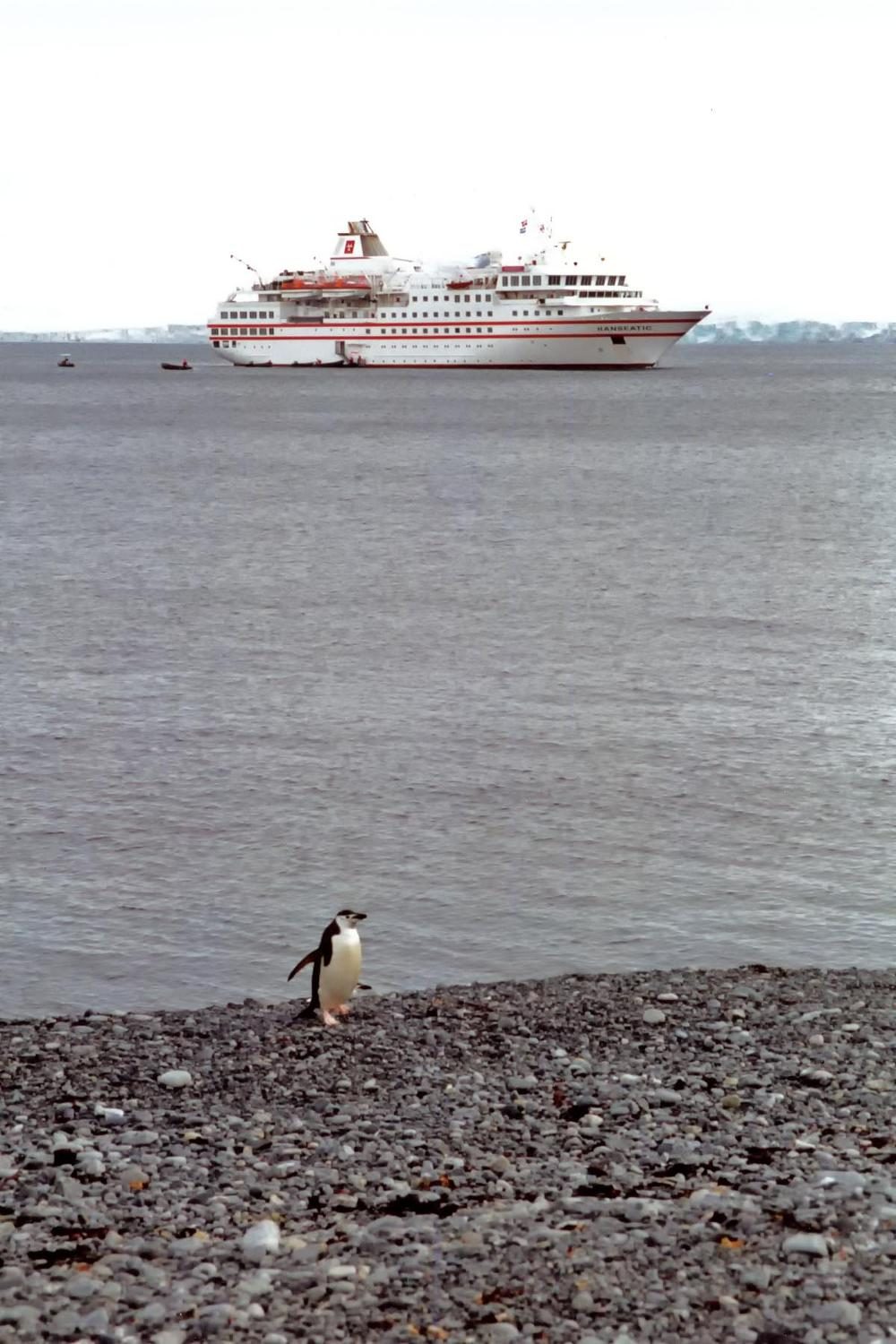
Biosecurity considerations can shape your trip in subtle ways, and it pays to go in flexible. Because operators close affected sites and survey landing beaches before disembarking, your day-to-day schedule is provisional, adjusting to conditions and wildlife health rather than a fixed plan. This is most noticeable in seasons or regions where avian influenza is active. None of it diminishes the experience — guides are superb at finding wonderful alternatives — but it does mean you should hold your expectations loosely and trust the team’s judgment. The time of year you travel can influence wildlife density and activity at sites, which our guide to the best time to visit Antarctica explores, though biosecurity caution applies across the whole season. Whatever your itinerary, the principle is constant: the wildlife’s wellbeing sets the agenda.
Biosecurity and Your Own Health
Biosecurity mostly protects Antarctica from us, but the hygiene culture it fosters protects travelers too. The same attention to cleanliness that guards the wildlife — hand sanitizing, careful gear handling, isolation of anything suspect — also limits the ordinary shipboard illnesses that can circulate in any close community. Avian influenza is primarily a wildlife concern rather than a tourist one, and the distance rules that protect the birds also keep you well clear of any risk. Maintaining good personal hygiene, staying current on routine vaccinations, and following the staff’s guidance all dovetail neatly with the biosecurity routines, as our guide to staying healthy and vaccinations explains. Good biosecurity and good personal health practice are, in the end, the same habits pointed in two directions.
Biosecurity for Travelers With Mobility Needs
The boot-wash and decontamination routines apply to everyone, and travelers with mobility considerations sometimes wonder how they will manage the wash trays and gear inspections. The reassuring answer is that expedition staff routinely assist, adapting the process so that everyone can take part without compromising the cleaning. If you have specific needs, raise them with your operator in advance so the team can plan to help at the boot-wash station and during transfers. The goal is universal compliance, achieved with whatever support a traveler requires, and our guide to accessible travel and mobility in Antarctica covers how operators accommodate a range of needs across the whole expedition.
Frequently Asked Questions
What is Antarctica biosecurity?
It is the system of cleaning, inspection, and wildlife-distance rules that prevents visitors from introducing non-native organisms or spreading disease in Antarctica. It includes pre-trip gear cleaning, onboard inspections, boot washing between landings, and strict distance rules around wildlife.
What is the boot wash for?
Scrubbing and disinfecting your boots before and after every landing removes and kills organic matter and pathogens, preventing contamination of sites and the spread of disease between colonies. You do it at every single landing, supervised by the expedition staff.
How close can I get to wildlife in Antarctica?
You must stay at least five metres from wildlife, and farther for some species, under current avian influenza protocols. You also must not sit, kneel, crouch, or lie down in wildlife areas, or place equipment on the ground there. If an animal approaches you, stay still.
How do I prepare my gear for biosecurity before the trip?
Thoroughly clean all clothing and equipment that might touch the Antarctic environment, removing every trace of soil, seeds, and organic matter. Focus on boot treads, Velcro, pockets, seams, and bag bottoms. Even new gear should be checked for debris.
Can I take a souvenir like a pebble or feather?
No. Taking anything from Antarctica is prohibited — no rocks, feathers, bones, or fragments of any kind. The rule is nothing in and nothing out, leaving sites exactly as you found them. Your photographs are your souvenirs.
Why are there bird flu rules now?
Highly pathogenic avian influenza has reached the Antarctic region, threatening wildlife with no prior exposure. The enhanced distance and decontamination rules slow its spread between colonies, and sites where it is detected are closed to visitors.
Is biosecurity stricter at South Georgia?
Yes. South Georgia and the sub-Antarctic islands enforce especially rigorous inspections, often checking every item of gear before you may land, because of their globally important wildlife and history of fighting invasive species.
What happens if a landing site is closed?
Your operator changes the itinerary, sometimes at short notice, substituting another site or activity. Support these changes fully — they protect vulnerable wildlife, and flexibility is part of responsible expedition travel.
How long does the onboard biosecurity inspection take?
Usually an hour or two on the first day, done as a group with the expedition staff vacuuming bags and checking gear. It is thorough but companionable, and getting it right once means quick, simple boot washes for the rest of the voyage.
Do I need to buy special cleaning products?
No. The ship supplies the disinfectant, brushes, and vacuums for the onboard process and the boot washes. Your job at home is simply to clean gear thoroughly with ordinary methods, removing all soil, seeds, and organic matter before you travel.
Final Thoughts
Antarctic biosecurity asks a little of you and protects a great deal in return. The cleaning, the boot washes, the distances, the discipline of taking nothing and leaving nothing — together they form a quiet contract between every visitor and a continent that cannot defend itself. Embrace the rituals, prepare your gear properly before you leave home, follow the staff’s guidance to the letter, and you become part of the solution rather than a risk. In an era when Antarctica faces mounting pressures, from rising visitor numbers to new diseases, the care of individual travelers matters more than ever. For the rest of your preparation, our Antarctica travel tips hub and our guide to Antarctica travel requirements bring the whole picture together.