One of the most heartening shifts I have seen in Antarctic tourism is how the conversation around accessible antarctica travel has changed. Not long ago, the assumption was that a polar expedition was simply off-limits to anyone with a mobility limitation, a wheelchair, or a chronic health condition. That assumption is increasingly outdated. While Antarctica remains a genuinely challenging destination, a combination of better-designed ships, thoughtful operators, and creative itinerary choices now puts some form of the experience within reach of far more travelers than most people realize. The key is honesty about the obstacles, knowledge of the options, and choosing the right ship and trip for your specific needs.
I want to be both encouraging and straight with you, because false optimism helps no one when the nearest hospital is two days away across the Drake. Antarctica is not a barrier-free destination, and certain physical realities — above all the wet Zodiac landings — are difficult or impossible to remove entirely. But “harder” is not “impossible,” wheelchair users have stood on the ice, and even travelers who cannot land at all can have a profound Antarctic experience from a well-chosen ship. This guide walks through the real challenges, the ships and operators leading on access, and exactly how to plan a trip that works for you.
Is Accessible Antarctica Travel Possible?
The honest answer on accessible antarctica travel is a qualified but genuine yes. It depends heavily on two things: your individual mobility and health, and the specific ship and operator you choose. For some travelers — those who can transfer with assistance and tolerate a Zodiac ride — much of the standard expedition experience is achievable with support. For others, the right approach is a ship that delivers the wonder of Antarctica from its decks, lounges, and balconies without requiring difficult landings. And for a growing middle group, new purpose-built vessels with accessible features are expanding what is possible every season. The mistake is to assume a single yes-or-no answer; the reality is a spectrum, and your job is to find where on it your trip sits.
What has changed most is the willingness of the industry to engage with the question seriously. Operators increasingly publish accessibility policies, accessible cabins are more common, and at least some lines have rethought the hardest part — getting from ship to shore — with new equipment. That progress is real, even as the fundamental challenges remain.
The Honest Challenge: Wet Landings and Zodiacs
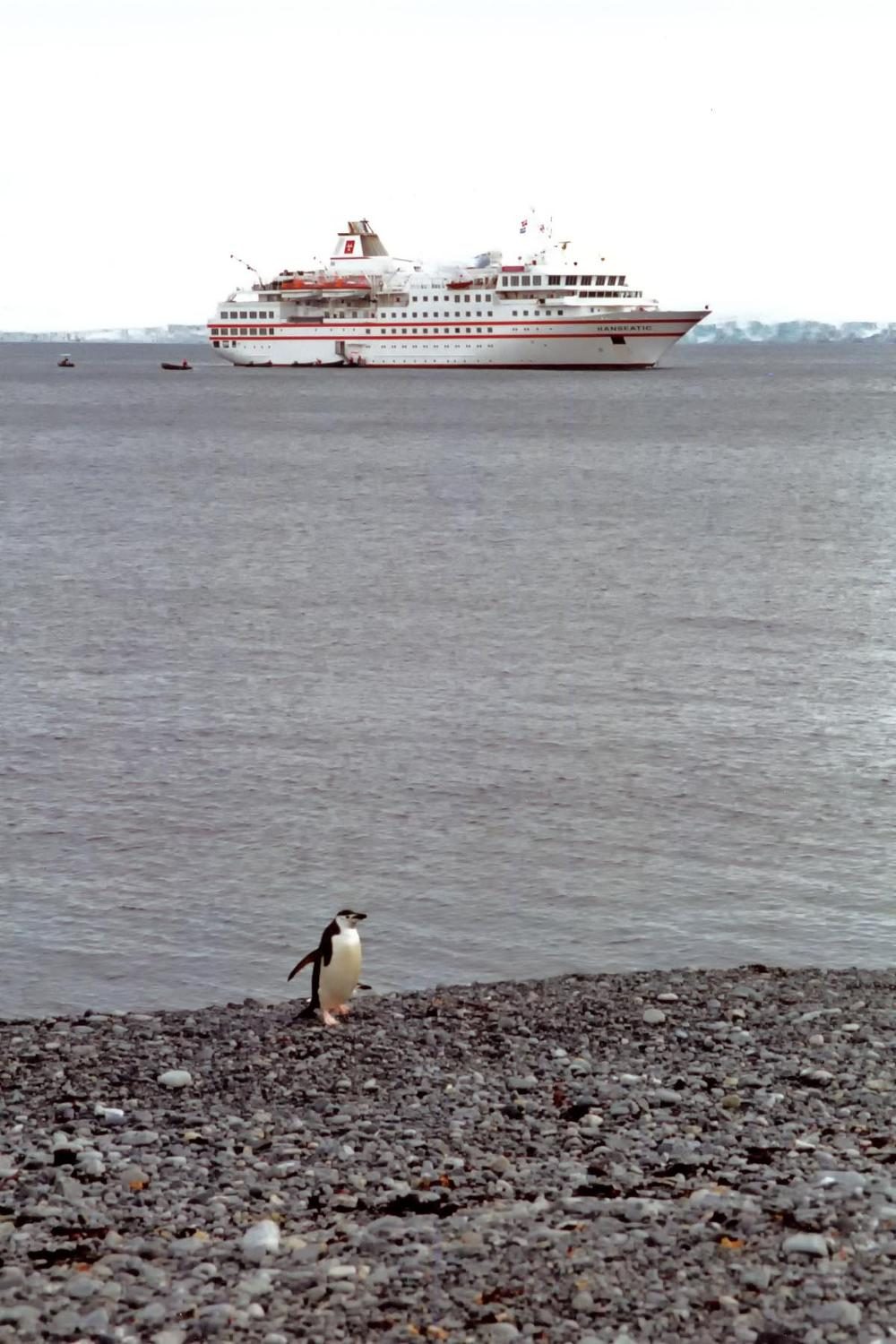
Let me be direct about the single biggest barrier, because everything else flows from it. Almost every landing in Antarctica is a “wet landing.” There are essentially no docks or piers; instead, you descend an external gangway from the ship into an inflatable Zodiac boat, ride across open water, and then step out into shallow, frigid surf to wade ashore onto rock or pebble beaches. This sequence — the unstable gangway, the transfer into a bobbing boat, the wet step-out, the uneven terrain — is demanding for anyone and is the crux of the accessibility question. Operators are often explicit that they cannot guarantee guests with certain mobility limitations will be able to take part in Zodiac operations, and that honesty deserves respect rather than frustration. Understanding this barrier is the starting point for planning around it, whether by choosing a ship with better transfer systems or by building a trip that does not depend on landings at all.
Ships Leading on Accessibility
The encouraging news is that some operators have invested specifically in access. A standout development is the arrival of purpose-built expedition ships with larger, more stable special-operations boats that can be launched from a ramp at the base of the vessel, making boarding far easier for passengers with disabilities than a traditional Zodiac transfer from a side gangway. Some of these ships also feature accessible cabins, elevators serving all decks, paved and step-free routes through public areas, and crews trained to assist. Other premium lines offer accessible staterooms and will work to support wheelchair users on transfers where conditions allow. When access is a priority, the ship you choose is the single most important decision you will make, so research it carefully and compare specific vessels rather than operators in the abstract. Our guide to expedition ships and operators is the place to start that comparison.
Accessible Cabins and Onboard Facilities
Life aboard is where accessibility has advanced most. A growing number of expedition ships offer dedicated accessible cabins with step-free bathrooms, grab rails, and wider doorways, along with elevators connecting all passenger decks, accessible dining and lounge areas, and stabilizers that make the whole vessel steadier and easier to move around. For travelers whose challenge is primarily mobility rather than the landings, a well-equipped modern ship can make the onboard portion of the trip genuinely comfortable. Because so much of an Antarctic voyage is spent on the ship — scenic cruising, wildlife watching from the rails, lectures, meals, and simply gazing at the passing ice — strong onboard accessibility goes a long way toward a rewarding trip even before any question of landing arises.
Experiencing Antarctica From the Ship
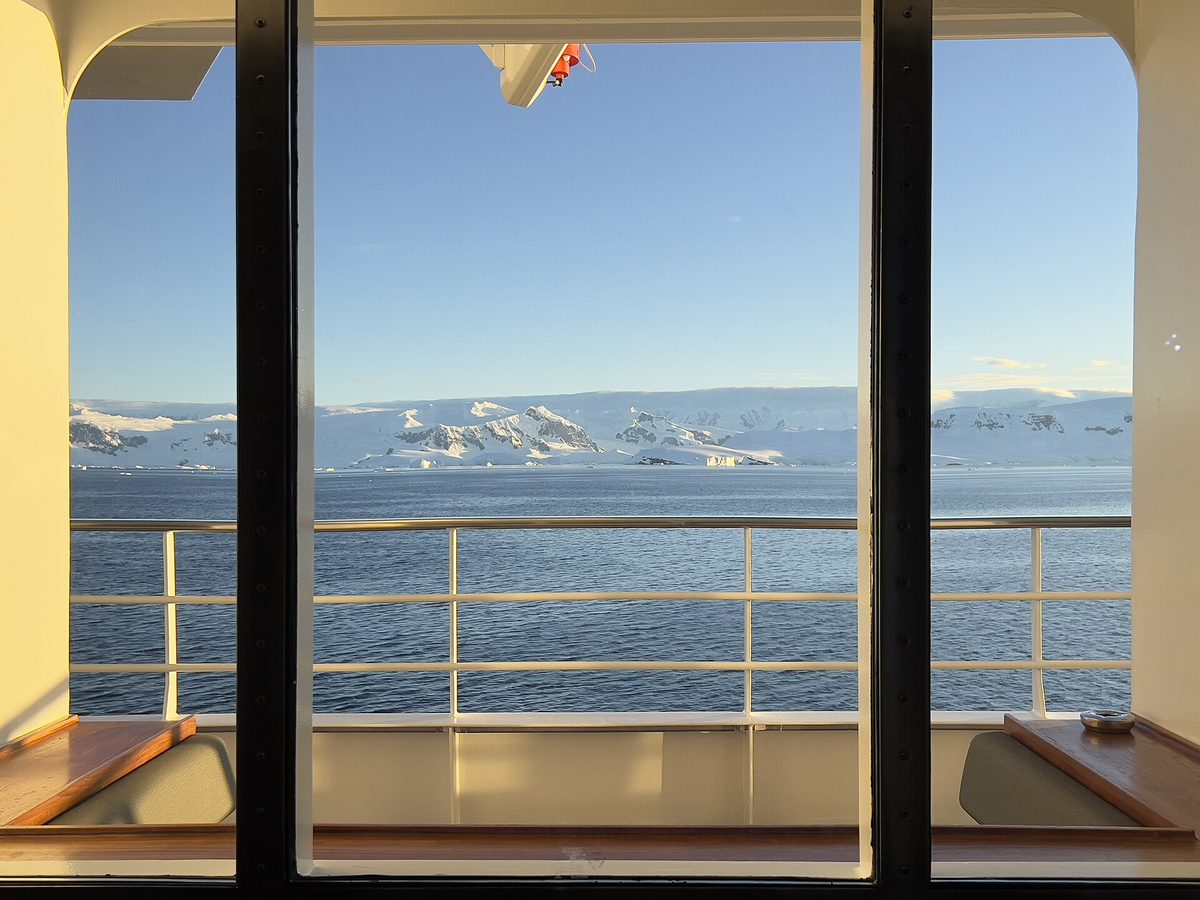
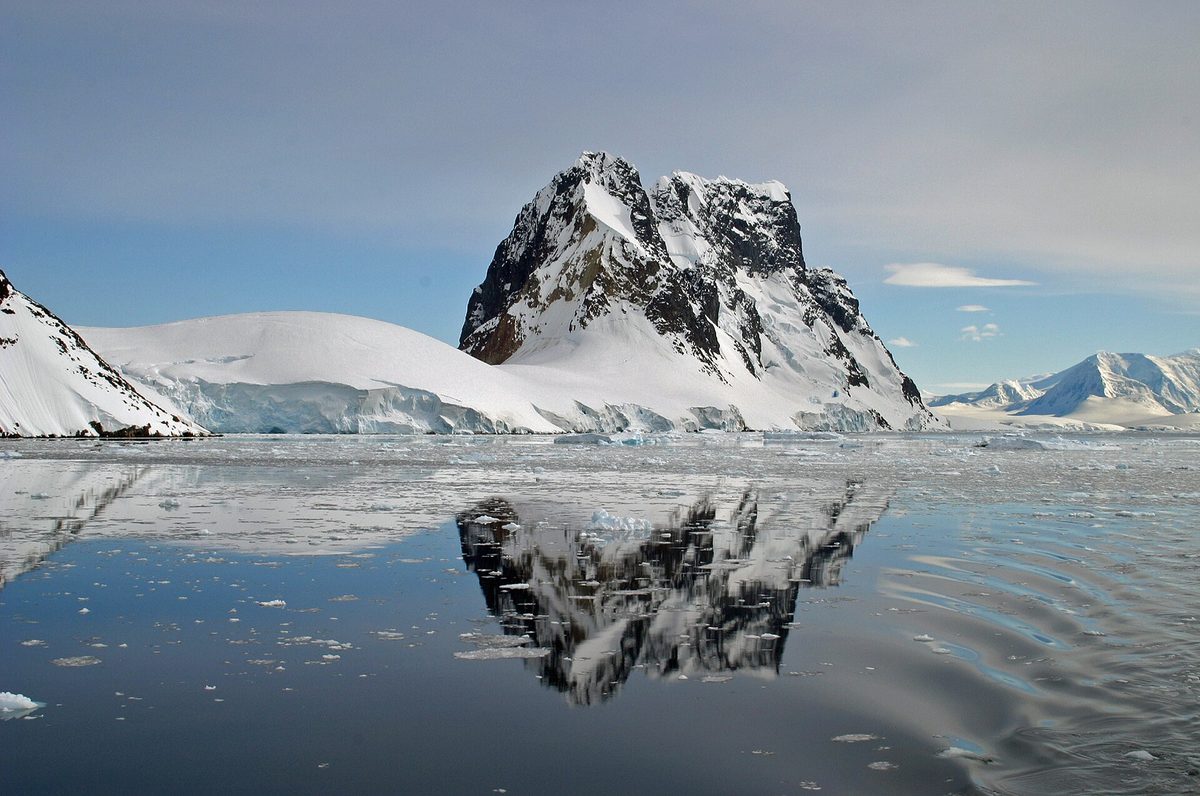
Here is the insight that transforms the possibilities for many travelers: you do not have to set foot on land to experience Antarctica profoundly. An enormous share of the magic happens from the ship itself. Cruising through the mirror-still Lemaire Channel between towering peaks, watching humpback whales surface alongside the hull, drifting past tabular icebergs the size of city blocks, observing penguin colonies on the shore through binoculars, and witnessing the surreal polar light — all of this unfolds from the decks and balconies, no landing required. Travelers who cannot or choose not to do Zodiac excursions consistently report that the ship-based experience alone exceeded their expectations. If landings are not feasible for you, reframe the trip around the voyage itself, and consider a cabin with a balcony so the continent is always just outside your door, as our guide to Antarctica cruises describes.
Fly-Cruises and Reducing the Drake
For travelers for whom two days of potentially rough open ocean is a serious obstacle — whether because of mobility, seasickness, or a health condition — fly-cruises are worth close consideration. These itineraries fly guests across the Drake Passage from Punta Arenas to an airstrip on King George Island, where they join the ship, cutting out the roughest sailing entirely. This can make the difference between a feasible trip and an unfeasible one, though the flight has its own requirements and weather dependencies. The trade-off is a shorter sea component and a different logistical profile, explained in our guide to flights to Antarctica. For anyone anxious about the crossing itself, our guide to preventing seasickness and our overview of the Drake Passage are essential companion reading.
Matching the Trip to Your Mobility Level
Because accessibility is a spectrum, the smartest planning starts with an honest assessment of your own situation. A traveler who walks with a stick on level ground but tires easily has very different options from a full-time wheelchair user or someone managing a serious cardiac condition. Consider how you manage uneven terrain, steps, and transfers; how you tolerate cold and exertion; and what assistance you have or can bring. Then match those realities to the trip: a highly accessible ship with strong onboard facilities, a fly-cruise to limit the sea, an itinerary weighted toward scenic cruising, or a standard expedition with selective participation in the easier landings. There is rarely a single right answer, but there is usually a workable one, and a good operator will help you find it.
Wheelchair and Scooter Users
Wheelchair users have indeed traveled to Antarctica, and their accounts are both inspiring and instructive. Success generally hinges on choosing a ship with accessible cabins and elevators, traveling with a capable companion, and going in with realistic expectations about landings. On vessels with the newer ramp-launched stable boats, some Zodiac-style excursions may be possible with crew assistance; on others, the wheelchair user enjoys the voyage from the ship while a companion does the wet landings, reuniting to share the experience. Bring your own well-maintained equipment, discuss charging and storage in advance, and confirm exactly what the ship can and cannot support. It takes more planning than an able-bodied trip, but it is being done, and the operators who have hosted such travelers are usually glad to advise.
Travelers With Visual or Hearing Impairments
Sensory impairments present different and often more surmountable challenges. For travelers with visual impairment, Antarctica is a famously multisensory place — the boom of calving ice, the cacophony and smell of a penguin colony, the bite of polar air, the texture of the wind — and a sighted companion plus a willing expedition team can make for a rich experience, including many landings. For travelers who are deaf or hard of hearing, the main considerations are ensuring safety briefings and guide communications are accessible, which operators can often accommodate with written materials or other support if asked in advance. In both cases, early, specific conversation with your operator is the key to a smooth trip.
Chronic Illness, Oxygen and Complex Medical Needs
Travelers managing chronic illness, supplemental oxygen, dialysis, or other complex medical needs face the most serious version of the remoteness question, because Antarctica’s distance from definitive care is unforgiving. This does not automatically rule out a trip, but it demands the most careful planning of all: a frank discussion with your own doctor, full disclosure to the operator and your insurer, confirmation of what equipment and support the ship can provide, and absolute clarity about the limits of onboard medical care. Some needs can be accommodated with advance arrangement; others may make the risk too high, and an honest operator will tell you so. Our guides to staying healthy and medical preparation and travel insurance are essential reading, and the broader risk picture is covered in our guide on whether Antarctica is safe to visit.
Traveling With a Companion or Carer
For many travelers with access needs, a capable travel companion or professional carer is the single factor that makes the trip work. A companion can assist with transfers, manage equipment, do the wet landings and share them back, and provide the day-to-day support that turns a daunting logistical puzzle into a manageable one. Operators generally welcome carers and can advise on cabin arrangements, and some have experience coordinating the additional support. If you rely on assistance at home, plan to bring it with you rather than assuming the ship’s staff can fill the role; the expedition team is helpful but is not a personal-care service. Building the right support around you is often what unlocks the whole adventure.
Questions to Ask Your Operator
- Does this specific ship have accessible cabins, and what exactly do they include?
- Are there elevators serving all passenger decks?
- What system is used to transfer guests from ship to Zodiac, and can you assist someone with my mobility?
- Can wheelchair or scooter users be accommodated, and how is equipment stored and charged?
- What can the onboard medical facility support for my condition?
- Is a fly-cruise option available to reduce the sea crossing?
- How much of the experience is feasible from the ship if I cannot land?
- What support do you provide for visual or hearing impairments?
Plan and Book Early
Accessible trips reward early, detailed planning more than any other kind. Accessible cabins are limited and book out first, accommodations need advance arrangement, and the back-and-forth with an operator to confirm what is feasible takes time. Start the conversation as soon as you are considering a trip, be specific and honest about your needs, and get commitments in writing. This is also the moment to sort comprehensive insurance and medical clearance, which for travelers with health conditions can require lead time, as our travel requirements guide explains. The earlier you begin, the more options remain open and the better the operator can tailor the trip to you.
Older Travelers With Reduced Mobility
It is worth speaking directly to the largest group with access considerations: older travelers whose mobility has simply slowed with age. Seniors make up a substantial share of every Antarctic passenger list, and many manage beautifully with small adaptations. The unhurried pace of expedition travel suits them, the ships are comfortable and well-staffed, and guides are practiced at helping people in and out of Zodiacs with a steady hand and the reassuring “sailor’s grip.” If you walk with a stick, tire on long days, or are simply less sure-footed than you once were, you are far from alone, and you do not need to be an athlete to enjoy the trip. Choose a modern ship with elevators and stabilizers, pace yourself, accept help at transfers, and pick the landings you feel good about while enjoying the rest from the deck. Our guide to Antarctica vacations for every traveler looks at how trips suit different ages and stages.
Activities You Can Still Enjoy
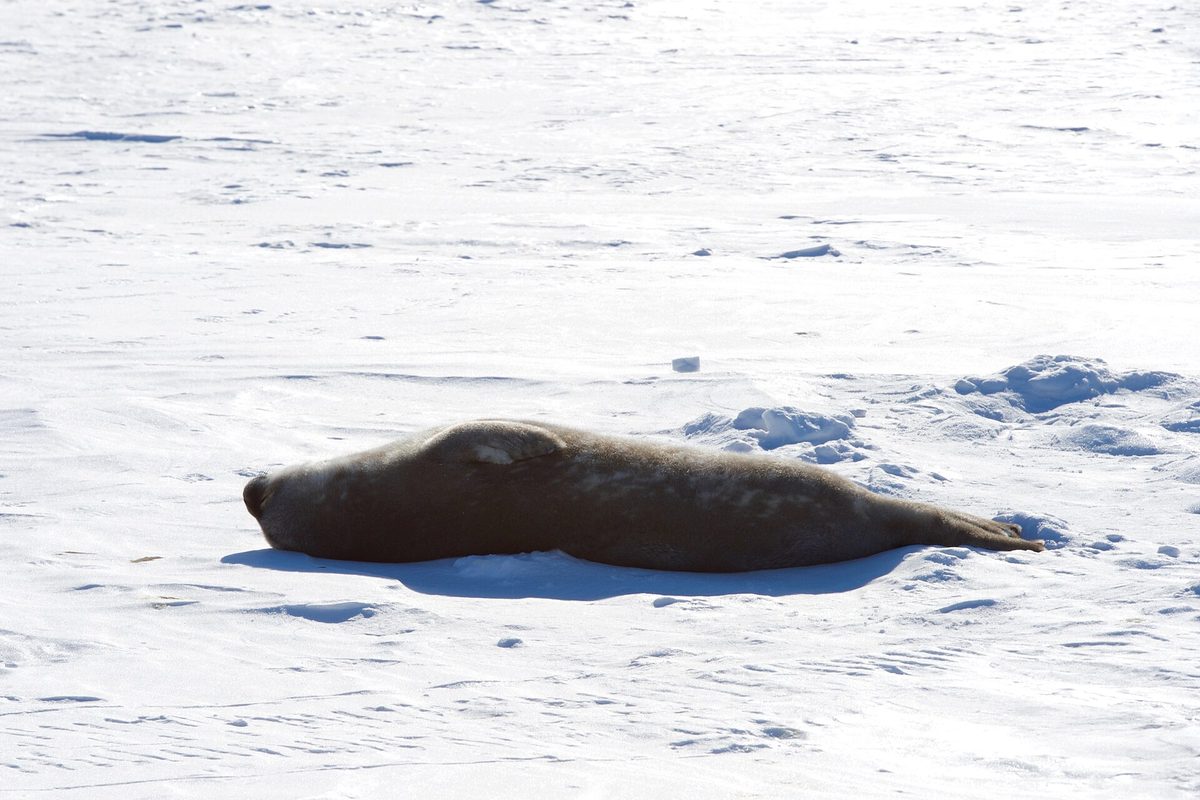
Accessibility does not mean missing out on the wonder. Beyond scenic cruising, many of Antarctica’s most memorable experiences are available with varying levels of mobility. Wildlife watching from the ship’s rails and balconies is unbeatable and entirely step-free. Photography from the deck captures scenes most people only dream of. Onboard, expert lectures, briefings, and the camaraderie of fellow travelers fill the days richly. Where landings or Zodiac cruises are feasible with assistance, gentle shore visits and water-level cruising among the ice and wildlife may be within reach. The point is to focus on what you can do rather than what you cannot, and the menu of accessible wonder is longer than newcomers expect. Our guide to things to do in Antarctica can help you identify which experiences match your situation.
The Cost and Value of an Accessible Trip
An accessible Antarctic trip can carry some additional costs — an accessible cabin, a fly-cruise upgrade, a travel companion’s fare, or extra medical preparation — so it is worth folding these into your budget from the outset. Set against the once-in-a-lifetime nature of the journey, most travelers find the investment more than worthwhile, but planning for it avoids unwelcome surprises. Our Antarctica trip cost guide breaks down the major expenses, and factoring access-related items in early lets you choose the ship and itinerary that deliver the best experience for your needs without compromise. Value, in this context, is less about the lowest price than about the trip that actually works for you.
Frequently Asked Questions
Can wheelchair users travel to Antarctica?
Yes, wheelchair users have visited Antarctica. Success depends on choosing a ship with accessible cabins and elevators, traveling with a companion, and realistic expectations about landings. Some newer ships with stable ramp-launched boats may allow assisted excursions; otherwise the voyage is enjoyed from the ship.
What is the biggest accessibility barrier in Antarctica?
Wet landings. Almost all Antarctic landings require descending an external gangway into a Zodiac and wading ashore through frigid surf onto uneven terrain, with virtually no dock landings. This transfer is the central accessibility challenge.
Can I experience Antarctica without doing landings?
Absolutely. A huge share of the experience — scenic cruising, whales, icebergs, penguin colonies viewed from the rails, polar light — happens from the ship. Many travelers who cannot land report the ship-based experience alone exceeded their expectations.
Are there accessible cabins on Antarctic ships?
Increasingly, yes. A growing number of expedition ships offer accessible cabins with step-free bathrooms and grab rails, plus elevators, accessible public areas, and stabilizers. Availability is limited, so book early and confirm the specifics for your chosen ship.
Do fly-cruises help travelers with mobility or health concerns?
They can. Fly-cruises cross the Drake Passage by air from Punta Arenas, removing the roughest sailing. For travelers for whom two days of open ocean is a serious obstacle, this can make a trip feasible, though the flight has its own requirements.
Should I bring a carer or companion?
For many travelers with access needs, yes. A companion can assist with transfers and equipment, do the wet landings, and provide daily support. The expedition team is helpful but is not a personal-care service, so bring the assistance you rely on at home.
Can travelers with oxygen or dialysis needs go?
Sometimes, with careful planning, but this requires frank discussion with your doctor, full disclosure to the operator and insurer, and clarity about onboard medical limits. The remoteness is unforgiving, and an honest operator will tell you if the risk is too high.
How far ahead should I plan an accessible trip?
As early as possible. Accessible cabins are scarce and book first, accommodations take time to arrange, and confirming feasibility involves detailed back-and-forth. Early planning keeps the most options open and lets the operator tailor the trip to you.
Are any Antarctic landings dry or step-free?
Very few. The overwhelming majority are wet landings onto beaches with no docks, so step-free shore access is rare. This is why ship-based experiences and vessels with improved transfer systems matter so much for travelers with mobility needs.
Will the expedition staff help me in and out of the Zodiac?
Yes, within reason. Guides routinely assist all passengers with transfers using a firm grip and steady support, and they are experienced and patient. However, they cannot guarantee participation for every mobility level, and they are not personal carers, so bring your own assistance if you rely on it.
Which ships are best for accessible Antarctica travel?
Look for purpose-built expedition ships with accessible cabins, elevators serving all decks, stabilizers, and improved ship-to-shore transfer systems such as larger ramp-launched boats. Compare specific vessels rather than operators in general, and confirm the details directly before booking.
Final Thoughts
Accessible Antarctica travel is a story of expanding possibility tempered by honest limits. The wet landings remain a real barrier, and some health situations carry risks that careful travelers must weigh seriously. But the direction of travel is unmistakably positive: better ships, accessible cabins, stable new transfer boats, fly-cruise options, and operators increasingly willing to engage with access as a serious priority. Whether your trip means doing assisted landings, choosing a fly-cruise, or experiencing the continent in all its grandeur from a comfortable ship, there is very likely a version of Antarctica that can work for you. Start early, ask hard questions, build your support, and do not let outdated assumptions decide for you. For the rest of your planning, our Antarctica travel tips hub and our guide to Antarctica vacations for every traveler will help you shape the right trip.