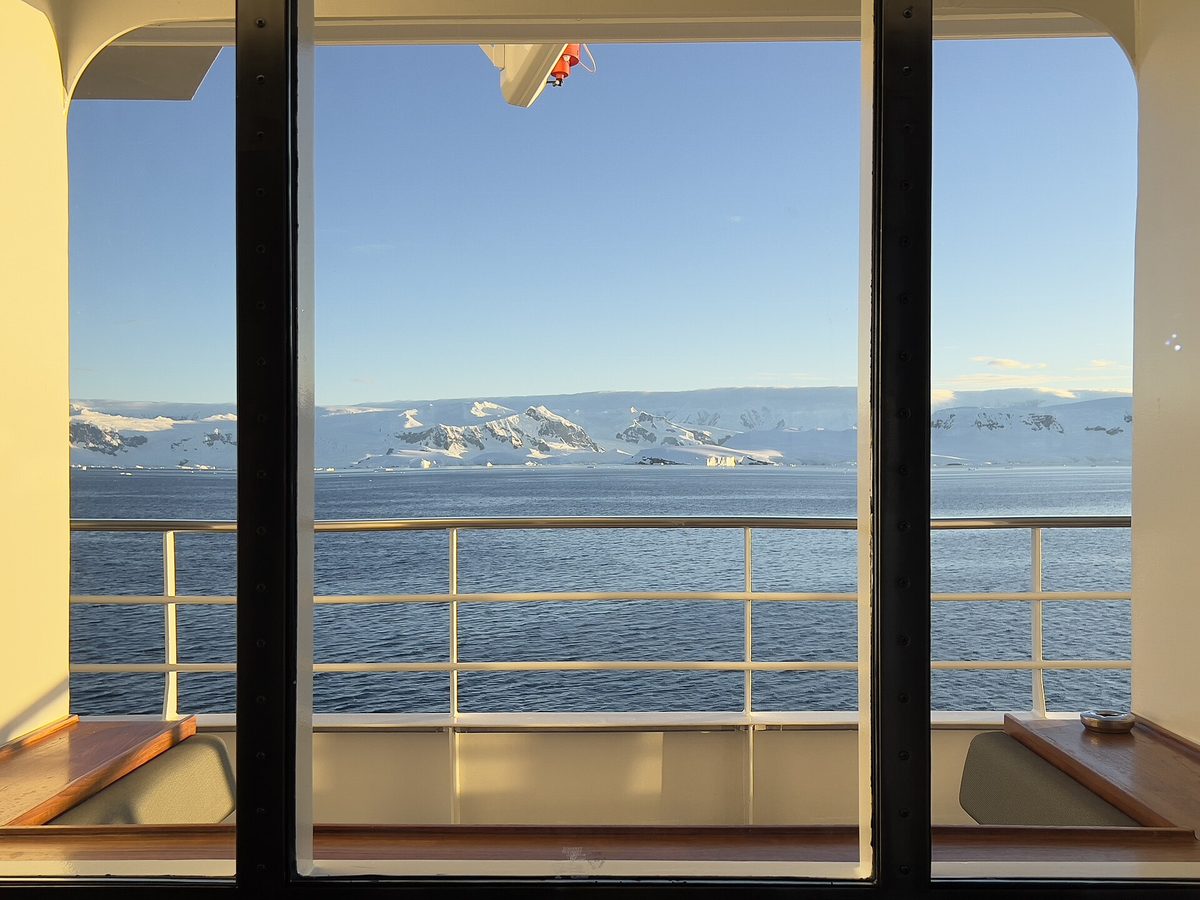
Ask anyone who has been to the white continent what they were most nervous about beforehand, and a striking number will say the same thing: not the cold, not the remoteness, but the crossing. The fear of antarctica seasickness — of spending two days green-faced and bedridden on the notorious Drake Passage — keeps more people from booking than almost any other worry. I understand it, because I felt it too before my first voyage. So let me reassure you at the outset: seasickness is real, but it is also one of the most preventable and manageable challenges of the entire trip. With the right preparation, the overwhelming majority of travelers cross the Drake in comfort, and even those who feel rough recover quickly and go on to have the experience of their lives.
This is the guide I wish I had read before my first crossing. It covers why the Drake behaves the way it does, every prevention method from prescription patches to ginger and wristbands, the behavioral tricks that genuinely work, what to do if seasickness catches you anyway, and the options for skipping the rough water altogether. A quick note before we dive in: this is general information, not medical advice, and you should always discuss seasickness medication with your own doctor, especially if you take other medicines or have health conditions.
Understanding Antarctica Seasickness and the Drake Passage
To beat antarctica seasickness, it helps to understand where it comes from. Nearly every voyage to the Antarctic Peninsula crosses the Drake Passage, the roughly 1,000-kilometre stretch of open ocean between the tip of South America and Antarctica. It is where the Atlantic, Pacific, and Southern Oceans collide with nothing to slow them down, no land to break the swell as it circles the globe. The result can be anything from glassy calm — affectionately called the “Drake Lake” — to towering seas that earn the nickname the “Drake Shake.” You do not know which you will get until you are in it, and many crossings deliver a bit of both. Seasickness arises when your inner ear senses this motion while your eyes, fixed on a stationary cabin, disagree, and your brain responds to the mismatch with nausea.
The crossing typically takes around two days each way, so the rough-water exposure is finite and predictable. Knowing that it is temporary, and that the prize on the far side is Antarctica itself, makes the whole thing far easier to endure. Our dedicated guide to the Drake Passage goes deeper into the crossing itself.
Who Actually Gets Seasick?
Here is something worth internalizing: seasickness is not a measure of toughness, and almost anyone can be affected given big enough seas. Seasoned sailors get it; people who have never been queasy in their lives get it; people braced for the worst sometimes feel nothing at all. Susceptibility varies enormously between individuals and is not something to feel embarrassed about. Equally, plenty of travelers who are certain they will suffer end up perfectly fine, especially once they prepare properly. The sensible posture is neither panic nor bravado but preparation: assume you might be affected, take steps to prevent it, and have a plan if it strikes. That mindset alone removes most of the anxiety.
Seasickness Medications: An Overview
Medication is the backbone of prevention for most travelers, and there are several proven options. The big distinction is between prescription transdermal patches and over-the-counter antihistamine tablets, each with trade-offs in duration, drowsiness, and side effects. Here is a comparison to discuss with your doctor or pharmacist:
| Option | How it works | Notes |
|---|---|---|
| Scopolamine patch | Behind the ear ~4 hours before; releases over ~3 days | Long-lasting, often less sedating; can cause dry mouth, blurred vision, vivid dreams; discuss suitability, especially for older travelers or certain conditions |
| Meclizine (Bonine/Antivert) | Antihistamine tablet, roughly once daily | Generally less drowsy than older antihistamines; take before symptoms start |
| Dimenhydrinate (Dramamine) | Antihistamine tablet, every several hours | Effective but more sedating; shorter acting |
| Promethazine | Stronger antihistamine, often prescription | Effective for severe cases; can be quite sedating |
| Ginger / acupressure bands | Natural and drug-free | Mild but genuinely helpful, especially combined with medication |
The single most important rule with any of these is timing, which we will come to: they prevent far better than they cure.
Scopolamine Patches in Depth
The transdermal scopolamine patch is many veteran travelers’ first choice, and for good reason. You stick the small patch on the skin behind your ear about four hours before you expect to need it — typically the evening before, or the morning you sail into the Drake — and it releases medication steadily for around three days, comfortably covering the crossing. Its big advantages are the long duration and that it tends to cause less drowsiness than the older tablets, so you can still enjoy the lectures and the wildlife on deck. The trade-offs are a slightly higher side-effect profile: dry mouth is common, some people get blurred vision or unusually vivid dreams, and it is not suitable for everyone. This is precisely why it is prescription-only in most places and why you should talk it through with your doctor in advance, particularly if you are older or have conditions like glaucoma. Wash your hands after applying it, and never rub your eyes with patch residue on your fingers.
Antihistamine Tablets in Depth
Over-the-counter antihistamines are the workhorses of seasickness prevention and are perfectly effective for most people. Meclizine, sold as Bonine or Antivert, is popular because it is taken roughly once a day and tends to be less sedating than the alternatives. Dimenhydrinate, the classic Dramamine, works well but is more likely to make you sleepy and needs redosing every few hours. Stronger options like promethazine exist for severe cases, usually by prescription, and can be quite sedating. The drowsiness is worth planning around: a little sleep through the roughest stretch is no bad thing, but you do not want to miss your first icebergs in a fog. Many travelers test their chosen tablet at home first to see how it affects them, which I strongly recommend so there are no surprises at sea.
Natural and Drug-Free Remedies
Not everyone wants to rely on medication, and several non-drug approaches genuinely help, especially in combination. Ginger — as capsules, chews, tea, or crystallized pieces — has a real settling effect on the stomach for many people and is worth packing regardless of what else you use. Acupressure wristbands, which press on a point on the inner wrist, work well for some travelers and have no side effects at all, so they are an easy thing to try. Simple foods like dry crackers, plain bread, and green apples can settle a queasy stomach, and ships often leave green apples and crackers out during the crossing for exactly this reason. None of these is as powerful as medication for severe seasickness, but layered on top of it — or used alone by those only mildly affected — they make a real difference.
The Golden Rule: Start Before You Feel Sick
If you remember one thing from this entire guide, make it this: prevention beats cure, and timing is everything. Every seasickness remedy works dramatically better taken before symptoms begin than after nausea has set in. Once you are actively seasick, your stomach may not even absorb an oral tablet properly, and you are playing catch-up against a body already in revolt. So take your medication on schedule — the patch the evening before, the tablets before you reach open water — rather than waiting to “see how it goes.” The travelers who suffer most are almost always the ones who gambled on not needing anything and left it too late. Pre-emptive action is the difference between a comfortable crossing and a miserable one.
Behavioral Tactics That Genuinely Work
Medication aside, how you behave during the crossing matters enormously. The classic advice is classic because it works: get out on deck or to a window and fix your eyes on the horizon, the one stable reference that resolves the sensory conflict causing your nausea. Fresh air helps; stuffy interior spaces make it worse. If you feel rough, lying down flat on your back, eyes closed, in a midship cabin reduces the sensation of motion and lets many people sleep through the worst of it. Avoid reading, screens, and fine close-up work, which intensify the eye-versus-ear mismatch. Keep your blood sugar steady with small, plain snacks rather than letting your stomach go empty. These simple tactics, combined with the right medication, keep the large majority of travelers comfortable.
Choosing the Right Cabin
Where you sleep affects how much motion you feel. The most stable part of any ship is low and in the middle, near the waterline and midway between bow and stern, where the pitching and rolling are least pronounced. Cabins high up and toward the bow feel the most movement. If you are particularly prone to seasickness, factor this into your cabin choice when booking, even if it means forgoing a higher deck with a grander view, because comfort during the crossing may matter more to you than a balcony. That said, modern expedition ships are stable enough that any cabin is manageable for most people, so weigh this against your other preferences rather than treating it as decisive. Our guide to Antarctica cruises explains how cabins and decks are laid out.

Food, Drink and Alcohol
What you eat and drink shapes how you feel. The counterintuitive truth is that an empty stomach often makes nausea worse, so keep eating small, light, plain meals even when your appetite fades — crackers, bread, rice, broth, and the famous green apples. Stay well hydrated, because dehydration worsens both seasickness and fatigue, but sip steadily rather than gulping. The big thing to moderate is alcohol: a heavy night before or during the crossing is a reliable route to misery, since alcohol dehydrates you and disrupts your balance system. Save the celebratory drinks for calm waters and the wildlife-filled days on the far side. A little dietary discipline during the Drake pays off enormously, and dovetails with the broader health advice in our guide to staying healthy in Antarctica.
What to Do If Seasickness Strikes Anyway
Sometimes, despite your best efforts, the sea wins a round. Do not panic, and do not suffer in silence. The ship’s doctor is experienced with seasickness and can provide stronger remedies, including injections for severe cases that stop the cycle of vomiting and let you keep medication and fluids down. Lie flat in your cabin, keep your eyes closed, get fresh air when you can, and switch tactics — if your first medication is not working, ask about trying a different one rather than stubbornly persevering. Many travelers find that flexibility, not a single magic fix, is what gets them through: having options and adjusting quickly. And take heart from the timeline — the crossing is finite, your body often adapts after a day or so, and the moment you reach the sheltered waters of the Peninsula, the motion calms and the seasickness lifts as if it never happened.
Modern Ships and Stabilizers
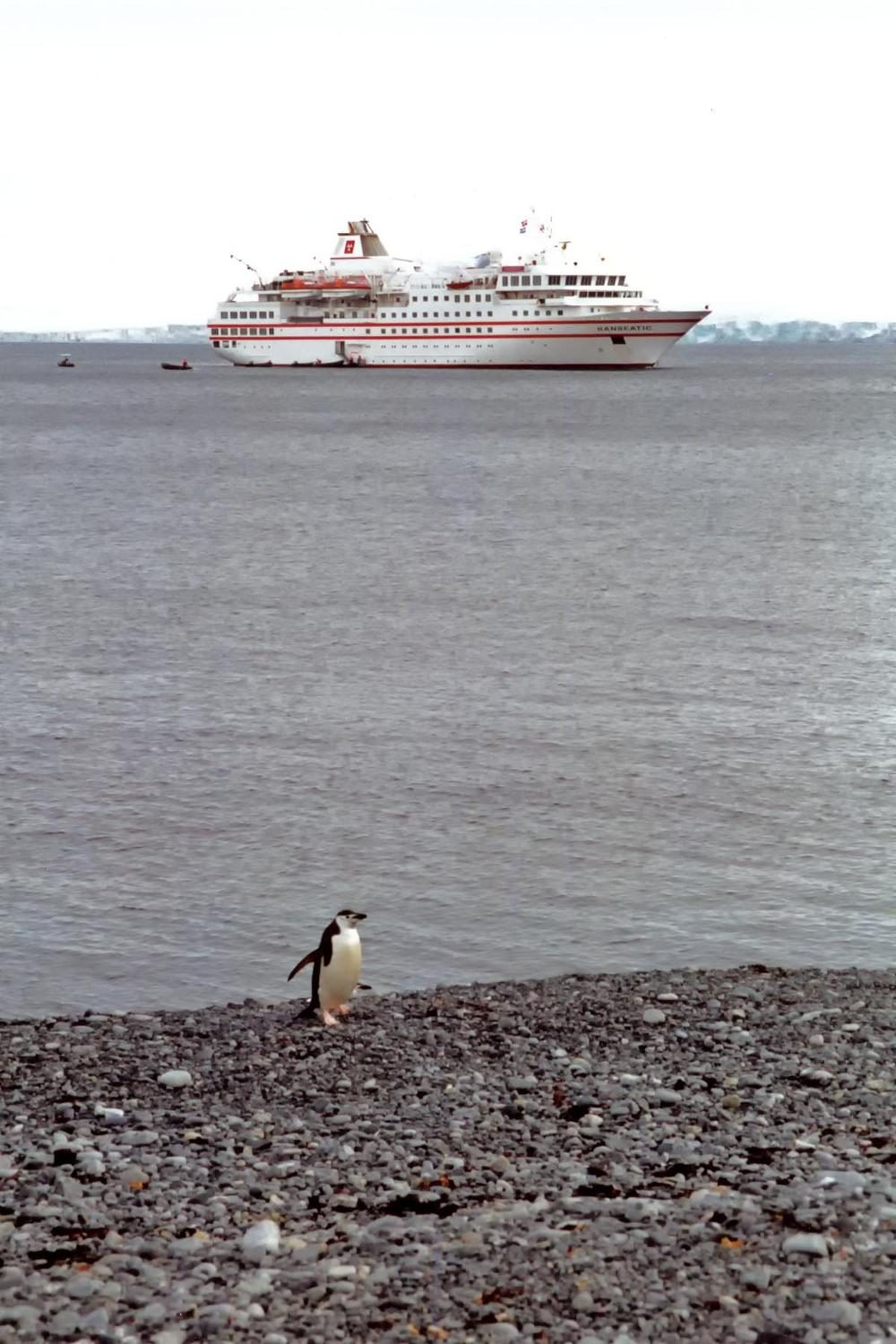
It is worth remembering that the ships themselves are firmly on your side. Modern expedition vessels are purpose-built for these waters, with advanced stabilizers that dampen rolling, ice-strengthened hulls, and crews who cross the Drake dozens of times a season and treat it as routine. The dramatic crossing footage you see online is real, but it is also filmed on vessels engineered to handle exactly those conditions safely. Larger ships generally feel steadier than the smallest ones, which is one trade-off to weigh against the more intimate experience and easier landings of a small ship, as our guide to expedition ships and operators discusses. Whatever the size, the vessel is built to keep you safe, a point our guide on whether Antarctica is safe to visit explores in full.
The Fly-Cruise Option: Skip the Drake Entirely
For travelers whose fear of seasickness is severe enough to threaten the trip itself, there is a definitive solution: do not sail the Drake at all. Fly-cruise itineraries fly guests from Punta Arenas in Chile across the passage to an airstrip on King George Island, where they board the ship, bypassing the open-ocean crossing in both directions. You trade two days of potential roughness for a short flight, gaining time and certainty at a higher cost. For the seasickness-prone, the anxious, or those short on time, it can be transformative, turning an unthinkable trip into a comfortable one. The details and trade-offs are covered in our guide to flights to Antarctica, and the option features in our guidance on accessible Antarctica travel too.
Your Seasickness Kit Checklist
- Your chosen medication, discussed with your doctor and tested at home first.
- A backup remedy of a different type, in case the first does not suit you.
- Ginger chews, capsules, or tea for a natural settling effect.
- Acupressure wristbands as a side-effect-free extra.
- Plain snacks like crackers for keeping your stomach settled.
- A refillable water bottle to stay hydrated.
- An eye mask and earplugs to help you rest through rough patches.
- The number of the ship’s medical service, just in case.
Will You Get Your Sea Legs?
One of the most reassuring features of seasickness is that the body often adapts. Many travelers who feel rough during the first hours of a crossing find that by the second day their system has adjusted — the famous “sea legs” — and the nausea fades even as the swell continues. This adaptation is real and common, which is another reason not to despair if the early hours are hard. It also means the return crossing is frequently easier than the outbound one, because your body remembers. Pair this natural adjustment with your medication and tactics, and the trend is almost always toward feeling better as the trip goes on. By the time you reach the calm, sheltered, wildlife-rich waters of the Peninsula, seasickness is usually a memory, and the reward is total: glassy bays, breaching whales, and silence so deep you can hear the ice. That contrast — a little discomfort followed by overwhelming wonder — is the rhythm of nearly every Antarctic voyage.

Timing, Season and the Crossing
People often ask whether the Drake is calmer at a particular time of year, hoping to book around the seasickness. The honest answer is that the passage is unpredictable across the whole season and no month guarantees calm water, so you should prepare for roughness regardless of when you sail. That said, the time of year affects wildlife, ice, and daylight far more meaningfully than it affects your odds on the crossing, so choose your dates around what you want to see rather than around a forlorn hope of a flat Drake. Our guide to the best time to visit Antarctica walks through the seasonal highlights, and our guide to how to get to Antarctica covers the logistics of reaching your departure port in good time and good shape, which itself helps you start the crossing rested rather than frazzled.
Seasickness, Insurance and Peace of Mind
Severe seasickness occasionally needs medical attention, and the good news is that the ship’s doctor handles it routinely and your travel insurance covers genuine medical treatment. While ordinary queasiness is not a claimable event, a case severe enough to require the infirmary falls under the medical care your policy provides, which is one more reason the comprehensive, high-limit insurance every operator requires is worth having. You can read exactly what to look for in our Antarctica travel insurance guide. Knowing that help is a short walk down the corridor, and that it is covered, takes the last of the anxiety out of the crossing. Prepare well, insure properly, and you can face the Drake with curiosity rather than dread.
Frequently Asked Questions
How bad is seasickness on the Drake Passage?
It varies hugely. The Drake can be calm (“Drake Lake”) or rough (“Drake Shake”), and you only find out in the moment. With proper preparation, most travelers cross comfortably, and even those who feel unwell recover quickly once they reach the sheltered Peninsula waters.
What is the best medication for Antarctica seasickness?
There is no single best; it depends on you. Scopolamine patches are long-lasting and often less sedating, while antihistamine tablets like meclizine are effective and accessible. Discuss the options with your doctor, and ideally test your choice at home before the trip.
When should I take seasickness medication?
Before symptoms start. Apply a scopolamine patch about four hours ahead — usually the evening before the crossing — and take tablets before you reach open water. Every remedy works far better as prevention than as a cure once nausea has set in.
Do natural remedies like ginger and wristbands work?
For many people, yes, especially combined with medication or for mild susceptibility. Ginger settles the stomach and acupressure wristbands help some travelers with no side effects. They are a useful layer rather than a complete substitute for medication in rough seas.
Can I avoid the Drake Passage altogether?
Yes. Fly-cruises fly you across the Drake from Punta Arenas to King George Island, skipping the open-ocean crossing entirely. They cost more but remove the seasickness risk of the passage, which can be ideal for very susceptible or time-pressed travelers.
Which cabin is best to avoid seasickness?
Low and midship, near the waterline and centered between bow and stern, where motion is least. Higher, forward cabins feel the most movement. If you are very prone to seasickness, weigh cabin stability against view when booking.
What should I eat during the crossing?
Small, light, plain foods — crackers, bread, rice, broth, and green apples — even if your appetite fades, because an empty stomach worsens nausea. Stay hydrated with steady sips of water, and go easy on or skip alcohol during the crossing.
What if I get seasick despite taking precautions?
See the ship’s doctor, who can provide stronger remedies including injections for severe cases. Lie flat, get fresh air, and switch to a different medication rather than persevering with one that is not working. The crossing is finite and the symptoms lift in calm water.
Final Thoughts
Seasickness is the great deterrent that rarely deserves its power. Yes, the Drake Passage can be rough, but it is also brief, predictable, and more manageable than almost anyone expects once they prepare properly. Choose a remedy with your doctor and start it early, layer in ginger and the behavioral tricks, pick a steady cabin, eat light, go easy on the alcohol, and know that the ship and its doctor have you covered — or sidestep the crossing entirely with a fly-cruise. Do that, and the two days of open ocean become a small toll on the way to one of the most extraordinary places on Earth, a toll most travelers barely remember once the icebergs appear. Do not let the fear of feeling queasy rob you of Antarctica. For the rest of your planning, our Antarctica travel tips hub and our guide to what to pack for Antarctica bring everything together. This article is general information and not a substitute for personalized medical advice; please consult your doctor about seasickness medication.