
The first time I crossed the Antarctic Circle, the ship’s horn sounded at 2:17 in the morning and I was standing on the bow in long johns and a borrowed parka, holding a plastic cup of something the bartender swore was warming. An antarctic circle cruise is not, I want to be honest with you, a thing most people who go to Antarctica ever do — the great majority of visitors turn around well before that invisible line at 66°33′ South and never know what they missed. I have now sailed south of it more times than I can count on one hand, and I still think the moment we slip past that latitude is one of the strangest, quietest thrills in all of polar travel. The horn felt almost silly. And then I looked up at a sky that had no idea it was the middle of the night, and it didn’t feel silly at all.
This guide is the conversation I wish someone had had with me before I booked my first deep-south voyage. I want to tell you what the Circle actually is, why so few trips bother to reach it, how many more days it eats out of your life, what the ice does down there, what the light does to your sense of time, and which landing sites you only get to see once you’ve gone past the line. I’ll cover the certificate and the daft little ceremony, when to go, which ships can manage it, what the cost premium feels like in practice, and — the question I get asked most — whether the whole thing is genuinely worth it over a perfectly lovely standard peninsula trip. I’ll give you my honest opinion. You may not like all of it.
What an Antarctic Circle Cruise Actually Involves
Let’s define the thing precisely, because the marketing language around it can be slippery. The Antarctic Circle is a line of latitude at 66 degrees and 33 minutes South — roughly 66.5 degrees, though it drifts a tiny amount each year as the Earth’s axial tilt wobbles. It is not a wall of ice. It is not a customs post. There is nothing physically there. What makes it meaningful is astronomy: south of this line, there is at least one full day per year when the sun never sets, and at least one when it never rises. Cross it in the height of the austral summer and you are in the land of the midnight sun, where the distinction between today and tomorrow stops being a thing your body can feel.
A cruise that crosses the Circle, then, is one that deliberately pushes south past that latitude — usually down the west coast of the Antarctic Peninsula, threading through sounds and channels until the ship’s GPS ticks over to 66°33′ and a little further. Most of these voyages reach somewhere between 66°33′ and roughly 67° South before turning around, with the deepest-running itineraries nudging toward 68° in a good ice year on the longest sailings. That may not sound like much on a map. In practice, those final degrees are the hardest-won miles in tourist Antarctica, and they take you into a landscape that feels markedly more remote, more frozen, and more silent than the busy bays further north. If you want the full menu of how these trips are structured, our overview of Antarctica cruise itineraries guide lays out the families of routes side by side.
Here is the thing to internalise from the start: crossing the Circle is not a different destination so much as a deeper commitment to the same one. You are still on the Antarctic Peninsula. You will still see the penguins and the glaciers and the gobsmacking icebergs that everyone comes for. You are simply going further down the same long, jagged coast than the standard trip does — and that “further” costs you days, money, and a willingness to let the ice decide your fate. Whether that trade is a good one depends entirely on what kind of traveller you are, which is why I’ve left my verdict for the end rather than the brochure.
Why Most Antarctica Trips Never Cross the Line
It surprises people to learn that the overwhelming majority of Antarctic voyages — I’d estimate well over four in five — never go anywhere near the Circle. The classic trip, the one most first-timers take and the one I’d happily recommend to most of them, is a peninsula voyage of around ten to twelve days that sails the Drake Passage, spends four or five glorious days around the South Shetlands and the northern peninsula, and turns north again. It barely dips below 65° South. And honestly, it is magnificent. You do not need the Circle to have the trip of a lifetime. Our breakdown of the classic Antarctic Peninsula itinerary shows exactly how much wildlife and scenery that shorter trip packs in.
So why does the standard trip stop short? Several reasons, and they all come back to the same hard arithmetic of polar travel:
- Time. The peninsula’s most famous landing sites — Paradise Bay, the Lemaire Channel, Cuverville, Neko Harbour, Port Lockroy — are clustered in the northern third of the coast. A ship that wants to show you all of them, plus survive two Drake crossings, simply runs out of days before it can also sprint south to 66°33′ and back.
- Ice. The further south you go, the more committed the pack ice becomes. Northern bays open up reliably by November; the deep-south channels can stay locked solid until January and sometimes never fully clear at all. Operators don’t want to promise a crossing they can’t deliver.
- Risk and cost. Pushing into heavier ice demands a more capable ship, a more experienced ice captain, more fuel, and more contingency days. All of that costs money, and it narrows the pool of departures dramatically.
- Demand. Frankly, most travellers don’t ask for it. The Circle is a connoisseur’s add-on. The penguins are just as charming at 64° as at 67°, and plenty of people, told this honestly, decide the line isn’t worth the extra week.
None of that is a knock on the deep-south trips — it’s just the reason they’re rarer and pricier. If you’d like to see how the various paths down the continent compare, from the busy north to the far south, our guide to Antarctica cruise routes explained maps them out clearly, and the wider library of Antarctica cruises covers everything from short fly-cruises to the long expeditions.
The Extra Days: Why Circle Voyages Run 13 to 16 Nights
This is the single most practical thing to understand before you book, because it determines your annual leave, your flights, and your budget. A standard peninsula cruise is typically ten to twelve days. An Antarctic Circle cruise is almost always thirteen to sixteen — and occasionally longer when Marguerite Bay is on the menu. That’s roughly two to four extra days, and every one of them is spent buying latitude.
Where do those days go? Picture the geography. From Ushuaia you lose the better part of two days each way just crossing the Drake Passage — that doesn’t change whether you cross the Circle or not. What changes is what happens once you reach Antarctica. On a standard trip you arrive at the northern peninsula and immediately start landing. On a Circle trip, you have to keep steaming south, often for the better part of two full days, through the Gerlache Strait, past the Lemaire, down through Crystal Sound, before you even reach the line. Then you cross it, explore a little in the far south, and steam all the way back north to do the famous northern sites on the way home. You are essentially driving the length of the coast twice.
The honest consequence is that a Circle voyage is not simply “a standard trip plus the Circle.” It’s a reshuffling. You trade some of the leisurely, multi-landing days in the popular north for transit time heading south. Good operators design the itinerary so you still get plenty of landings — but you will spend more hours on the ship, watching the coast slide past, than you would on a shorter trip. For some travellers (me included, on a good day) those long scenic steaming hours through ice-choked channels are the best part. For others they’re a frustration. Know which you are. Our piece on how many days you need in Antarctica is worth reading alongside this if you’re weighing the length question seriously.
| Feature | Standard Peninsula Voyage | Antarctic Circle Voyage |
|---|---|---|
| Typical length | 10–12 days | 13–16 days (occasionally more) |
| Drake Passage sea days | ~4 (two each way) | ~4 (two each way) |
| Extra southbound transit | Minimal | 2–4 additional steaming days |
| Furthest latitude reached | ~63°–65° South | 66°33′ to ~68° South |
| Landing sites | Northern peninsula classics | Northern classics plus deep-south sites |
| Pack ice encountered | Scattered, manageable | Heavier, route-defining |
| Crossing certificate | No | Yes |
| Cost feel | Baseline | Noticeably higher |
The Pack Ice: The Thing That Actually Runs the Show
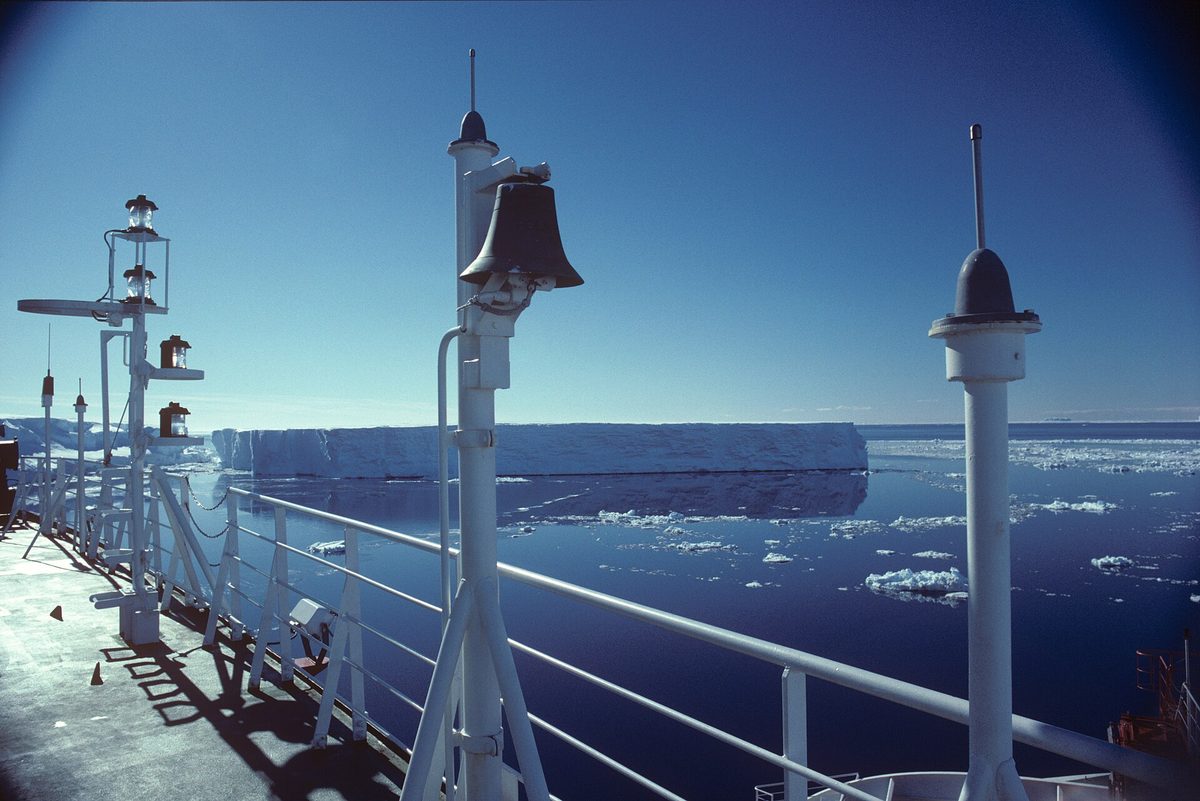
If you remember one truth from this entire guide, make it this: on a Circle voyage, the ice is the captain, and your captain is merely its very experienced negotiator. North of the Circle, ice is scenery — beautiful, occasionally inconvenient, rarely an obstacle. South of it, ice becomes the single factor that decides where you go, when, and whether you reach the line at all. I have been on voyages that crossed the Circle three days early and bobbed in open water at 67°, and I have been on voyages that spent a whole afternoon nudging a single mile through a band of fast ice that simply would not let us through, until the captain shrugged, smiled, and turned the ship around twenty miles short. Both were extraordinary. Only one of them got the certificate.
The reason is the way sea ice behaves at that latitude. Through the winter the sea freezes solid for hundreds of miles. As the austral summer warms, that ice breaks up and drifts — but it doesn’t melt on a tidy schedule, and it doesn’t stay put. Wind and current can pack it against the coast overnight, sealing a channel that was wide open the day before. A sound that’s navigable in the morning can be a white wall by evening. This is why no honest operator will ever guarantee a Circle crossing; the good ones write it into the contract that the itinerary is “ice and weather dependent,” and they mean it absolutely. Anyone who promises you the line in writing is either inexperienced or not telling you the truth.
What does this mean for you, on board? A few things worth bracing for:
- The route is improvised, daily. The expedition leader and captain study satellite ice charts every morning and pick a path. Your printed itinerary is a hopeful sketch, nothing more. Embrace this. The flexibility is the adventure.
- Heavier ice means a stronger ship. You want a vessel with a genuine ice-strengthened hull and a captain who has done this exact coast many times. More on ships below — it matters more here than on any other Antarctic trip.
- Crossings get cancelled, and that’s normal. A meaningful share of Circle voyages don’t actually reach 66°33′ in a heavy ice year. Reputable operators will tell you their recent success rate if you ask. Ask.
- The ice itself is the reward. Even when it blocks you, the deep-south pack ice is staggering — vast white floes with Weddell and crabeater seals hauled out, the ship crunching and grinding, the sound of it carrying for miles in the still air. This is the rawest Antarctica there is.
I want to stress how genuinely different this feels from the north. Up around Paradise Bay the water is often glassy and open; you glide. Down in Crystal Sound the ship works for its passage, shouldering floes aside, backing and filling, occasionally stopping dead while the captain reads the ice. It is slower, tenser, and far more atmospheric. If the prospect of an itinerary that bends to the weather unnerves you, that’s worth sitting with — but it’s also, to my mind, the entire point of going. You can read more about how conditions shift through the season in our guide to the best time to visit Antarctica.
The Midnight Sun: Time Stops Working Down There
Here is the part of a Circle crossing that nobody quite prepares you for, and the part I love most. The reason the Circle matters astronomically is that, in the heart of the summer, the sun does not set south of it. On my deep-south voyages I have stood on deck at one in the morning in light bright enough to read by, watching a humpback fluke against a sky the colour of apricots and pewter. The whole concept of “night” simply dissolves.
Now, to be precise and not oversell it: true, the sun-never-touches-the-horizon midnight sun is strongest right at the December solstice, and many Circle voyages run later in the season, in February, when there is a brief, low, golden dusk around the middle of the night rather than full daylight. But even then, the darkness is shallow and the light is astonishing. That low, raking, hours-long golden hour around midnight is, for a photographer, almost criminally good. The ice glows. The mountains turn pink and then violet. And because the sun never gets properly low for long, you get this strange, suspended, timeless quality to the days that I’ve never experienced anywhere else on Earth.
Practically, the near-endless light reshapes the rhythm of the trip in ways worth knowing:
- Landings can happen at odd hours. Because there’s light around the clock (or close to it), expedition teams can run a Zodiac cruise at 10pm if the ice and wildlife cooperate. Some of my best outings have been “after dinner.”
- Your body clock will rebel. Bring a good eye mask. Many cabins have blackout curtains, but the light leaks, and your circadian rhythm has no idea what’s happening. Some people barely sleep the first few nights from sheer overstimulation.
- Photography becomes obsessive. The golden hour that lasts for hours is a gift. It also means you will be on deck at 1am when you meant to be in bed. Accept this fate gracefully.
- It heightens the remoteness. There is something about standing in broad daylight at the bottom of the world at an hour when the rest of your life is fast asleep that makes the isolation feel total, and wonderful.
The Southern Landing Sites You Only Reach Past the Circle
This, for me, is the real argument for going. Crossing the Circle isn’t just about a line on a chart — it unlocks a handful of landing sites and channels that the standard trip simply cannot reach. They are quieter, wilder, and far less visited, because so few ships come this far. Let me walk you through the ones that have stayed with me.
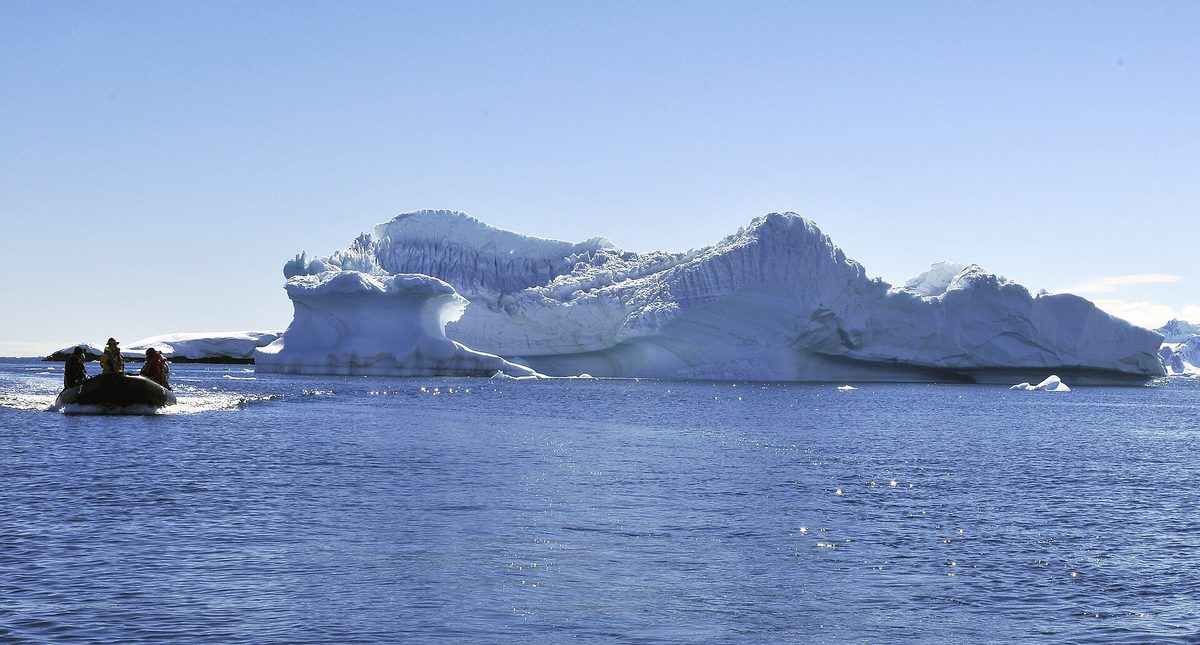
Crystal Sound. This is the broad, iceberg-strewn body of water through which most ships actually cross the line. The name is no exaggeration — on a still day the water is a mirror, the icebergs are sculpted into impossible shapes, and the silence is the kind that rings in your ears. Crossing the Circle here, surrounded by ice and mountains with not another vessel for a hundred miles, is a moment I’d put against anything in Antarctica.
Detaille Island and Base W. South of the line in Crystal Sound sits Detaille Island, and on it the abandoned British research station known as Base W. The scientists left it in a hurry in 1959 when the ice trapped their relief ship and they had to evacuate by sledge — and the hut has been preserved more or less exactly as they left it. Tins still on the shelves, a half-finished logbook, beds made, magazines from the 1950s curling on a table. Stepping inside is like walking into a held breath. It is one of the most haunting and human places on the entire continent, and reaching it depends entirely on the ice letting you in. Many voyages aim for it and don’t make it. When you do, it is unforgettable.
The Fish Islands. A scattering of small islands and skerries just inside the Circle, dotted with Adélie penguin colonies and grounded icebergs that the wind has driven up onto the shallows. It’s a Zodiac-cruising paradise — intricate, intimate, and almost never crowded. The light bouncing off the ice here, late in the day, is some of the loveliest I’ve seen.
Marguerite Bay. This is the deep-south prize, and only the longest voyages reach it — it sits well below the Circle, ringed by mountains and glaciers, its calm waters littered with icebergs of every size. If your itinerary includes Marguerite Bay, you are looking at one of the more ambitious tourist trips possible on the peninsula, and a real shot at the most remote landings on offer. It’s also the most ice-dependent of all, so treat it as a glorious maybe rather than a promise.
Beyond these, you’ll often get extra time in the spectacular channels of the central peninsula on the way south — the kind of scenic cruising that, even without a landing, justifies the binoculars. For the full geography of where these sites sit and what else the continent holds, our guide to Antarctica’s regions and landing sites is the map I’d keep open. And if you ever find yourself wanting to go even further — past the peninsula entirely, into the historic deep south of Scott and Shackleton — that’s the territory of a Ross Sea cruise, a different beast altogether and a far longer expedition.
Crossing the Line: The Certificate and the Ceremony
Sailors have marked the crossing of significant latitudes for centuries, and the Antarctic Circle has its own cheerful little tradition. When your ship slips past 66°33′ South, the bridge will usually sound the horn, and the expedition team will gather everyone — on deck if the weather allows, in the lounge if it doesn’t — for a “crossing the Circle” ceremony. The exact form varies by operator and by how mischievous the staff are feeling, but it tends to involve a toast (often something far too strong for the hour), a few words about where you are and how few people ever stand here, and frequently a dare: a tot of whisky over a chunk of glacial ice fished out of the sea, or for the truly committed, a polar plunge into water hovering around freezing.
And then there’s the certificate. Most operators hand out a printed, often rather handsome certificate confirming that you crossed the Antarctic Circle on such-and-such a date at such-and-such a latitude, frequently signed by the captain and expedition leader. It is a small thing and an entirely sentimental one, and I will confess that mine are framed. There is no official registry of Circle-crossers, no club, no badge that means anything to anyone but you. But standing on a frozen deck at two in the morning, raising a glass with thirty strangers who’ve become friends, knowing you’ve reached a line that the overwhelming majority of people who ever visit Antarctica never see — that’s a genuine, earned moment. The certificate just lets you prove it to people back home who’ll never quite understand.
A few honest notes on the ceremony:
- It only happens if you actually cross. Obvious, but worth saying — no crossing, no certificate, no ceremony. This is why the success rate question matters.
- The timing is the ice’s to decide. You might cross at a civilised noon or at four in the morning. The horn waits for no one’s sleep schedule. Get up. You’ll regret missing it.
- The polar plunge is optional and not for everyone. Some ships offer it at the crossing, some elsewhere on the trip, some not at all. If you have heart issues, skip it without a second thought.
- It is gloriously low-key. Don’t expect Neptune in costume and a brass band. It’s a toast and a cheer in the cold. The understatement is part of the charm.
When to Go: Timing Your Circle Crossing
Timing matters more for a Circle voyage than for almost any other Antarctic trip, and it comes down to a single tension: the ice. Early in the austral summer — November and early December — the deep-south channels are often still locked solid. You’ll find the northern peninsula gorgeously snowy and the penguins courting, but the route to the Circle may simply be impassable. This is why you’ll notice that very few Circle departures are scheduled for the start of the season.
The sweet spot for actually reaching the line is later: from January through early March, with February and into March being, in my experience, the most reliable window. By then the summer melt has loosened the pack, channels that were sealed have opened, and a ship’s odds of pushing past 66°33′ are at their best. The trade-off is that the deep-midnight-sun of the solstice has faded into that low golden dusk I described — but as I said, the light is still extraordinary, and frankly I’d take a higher chance of actually crossing over a marginally brighter midnight any day.
Here’s how I’d think about the season for a Circle trip specifically:
- November–early December: Beautiful, pristine snow, peak midnight sun if you do cross — but the lowest odds of the ice letting you reach the line. Circle departures are scarce now for good reason.
- Late December–January: Penguin chicks hatching, long bright days, improving ice. A reasonable window, with the crossing becoming more achievable as the month goes on.
- February–early March: The prime Circle window. Loosest ice, best crossing odds, chicks growing fat, more whales than any other time, and that long golden midnight dusk. My personal pick for this trip.
If you want to go deeper on how wildlife and weather change month by month — which matters hugely for what you’ll actually see — read it alongside our full guide to the best time to visit Antarctica and, if you like seeing how a trip unfolds, our a day-by-day Antarctica itinerary walkthrough.
The Ships That Can Actually Make the Crossing
Not every Antarctic ship is built to push south of the Circle, and the choice of vessel matters more here than on any standard trip. Down in the heavy pack ice you want two things above all: a hull with a genuine ice-strengthening rating, and a captain and expedition team who have done this specific coast, in this specific ice, many times before. Experience reading the ice charts and knowing when to push and when to turn back is worth more than any amount of brochure gloss.
There’s also a quiet tension between ship size and the Circle experience. Smaller expedition ships — say, those carrying somewhere between 100 and 200 passengers — tend to be the sweet spot for this trip. They’re nimble enough to thread the narrow southern channels, small enough to get everyone ashore efficiently at the rare deep-south landing sites, and bound by the rule that no more than 100 people may be ashore at once. Very large cruise ships, by contrast, often can’t (or won’t) push into the committed ice at all, and even where they can sail, their sheer passenger numbers make landings at the small southern sites impractical. For a Circle crossing, smaller is genuinely better.
When you’re comparing vessels for a deep-south voyage, here’s what I’d weigh:
- Ice class. Look for a real ice-strengthened or polar-class rating, not just “expedition styling.” This is the trip where it counts.
- Passenger count. Under 200 is ideal; the closer to 100, the more landing time per person and the more flexible the ship.
- Expedition team depth. A big, experienced team means more Zodiacs in the water and better odds of seizing a fleeting weather window in the south.
- Captain’s track record. Ask, genuinely, how many seasons the operator has been running Circle crossings and what their recent success rate has been.
- Stabilisers and comfort. You’ll spend more time at sea than on a short trip. A comfortable ship in the Drake is not a luxury here; it’s sanity.
For a proper comparison of the vessels working these waters, from rugged smaller ships to the newer purpose-built expedition fleet, our guide to Antarctica expedition ships breaks down the options. And since almost every Circle voyage from Ushuaia begins and ends with the infamous two-day open-water passage, it’s worth knowing what you’re in for — our guide to crossing the Drake Passage tells you the truth about it.
The Cost Premium: What You’re Really Paying For
Let’s talk money, because the Circle is not cheap and I’d rather you knew that going in. I’m not going to quote you specific figures — prices shift by season, ship, cabin, and how far ahead you book, and anyone who throws a precise number at you in a guide like this is making it up. But I can tell you, in plain terms, how the cost feels relative to a standard trip, and why.
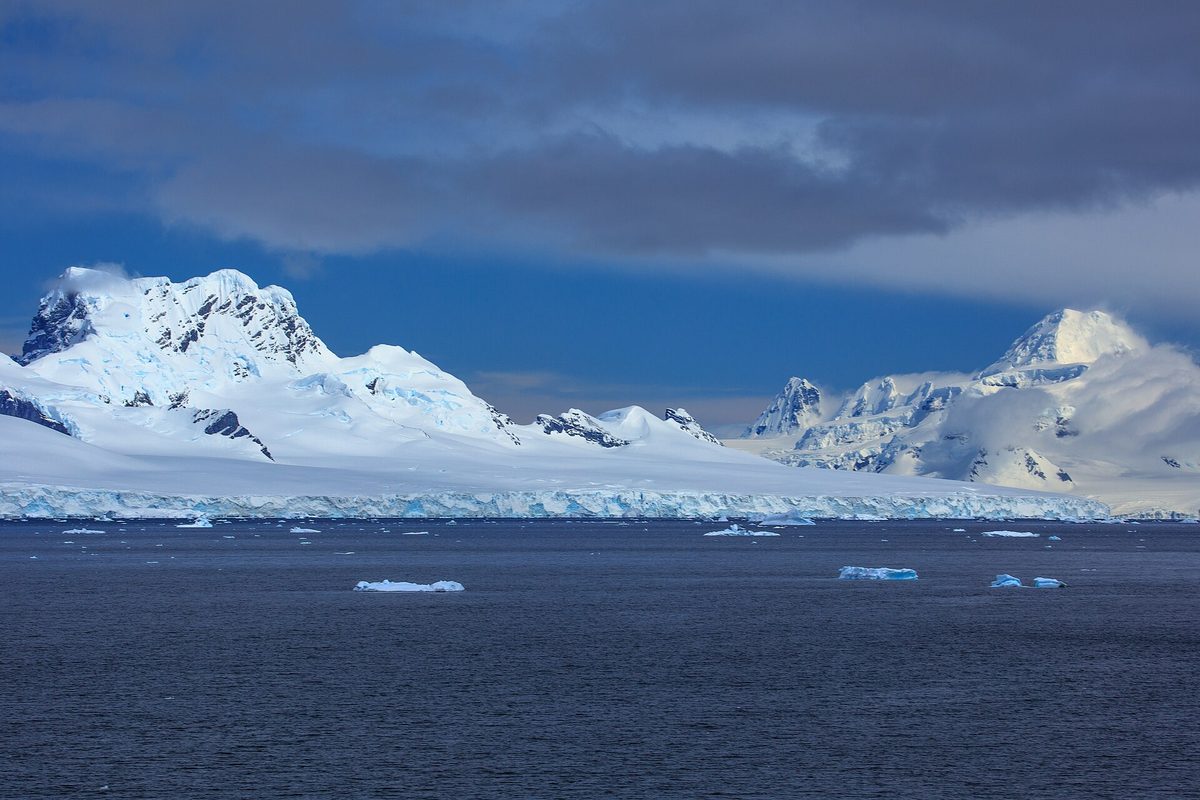
An Antarctic Circle voyage costs noticeably more than a standard peninsula cruise of the same operator and ship class — meaningfully more, not a rounding error. The premium comes from real things: the extra days at sea (more fuel, more crew time, more food, more of everything), the smaller and more capable ships that can manage the ice, the lower passenger counts that spread fixed costs over fewer paying guests, and the simple scarcity of departures. Fewer trips chasing the same demand keeps prices firm. You are paying for time, capability, and rarity all at once.
What I’d want you to weigh against that premium:
- You’re buying days, not just a line. Much of the extra cost is simply the extra length of the voyage. Per day, a Circle trip isn’t always wildly more expensive than a standard one — there’s just more of it.
- The crossing isn’t guaranteed. This is the uncomfortable bit. You may pay the premium and not reach the line if the ice refuses. You’ll still have a tremendous trip, but the certificate isn’t in the price — only the attempt is.
- Smaller ships cost more per berth. The intimate vessels best suited to this trip are inherently pricier than the big ships. That’s part of the premium and part of the appeal.
- Later-season value. February and March departures, prime for the Circle, can occasionally be a touch better value than peak holiday dates — worth watching if your timing is flexible.
My blunt advice: only pay the Circle premium if the crossing genuinely matters to you, not because it sounds impressive in the brochure. If what you really want is penguins, glaciers, and the overwhelming first sight of Antarctica, the standard trip delivers all of that for less, and you’ll never feel short-changed. Browse the full spread of options across our library of Antarctica cruises before you commit either way.
The Wildlife Down South: What Changes Past the Circle
People sometimes assume that going further south means seeing more, or rarer, wildlife. The honest truth is more nuanced. The peninsula’s headline acts — gentoo, chinstrap, and Adélie penguins, humpback and minke whales, fur and Weddell and crabeater seals — are present across the whole coast, and you’ll often see more of some species in the busy north than in the icy south, simply because the northern bays are richer feeding grounds earlier in the season.
What the deep south offers is a shift in character rather than a longer species list. Adélie penguins, the most ice-loving of the brush-tailed penguins, become more dominant the further south you go — the Fish Islands and Detaille have lovely Adélie colonies. Weddell and crabeater seals haul out on the pack ice in numbers, and there’s something special about watching a leopard seal patrol the floe edge in that vast white silence. Late in the season, February and March, the whales gather to feed before the long migration, and the deep-south channels can offer extraordinary humpback encounters. It’s not that you see different animals; it’s that you see them in a setting so much more remote and ice-bound that the experience itself is transformed.
If wildlife is your primary motivation, I’d gently steer you to think hard about whether the Circle is the right lever to pull. You might see just as much, or more, on a well-timed standard trip — or you might be better served adding South Georgia, which is the genuine wildlife superlative of the region. Our full guide to Antarctica wildlife lays out what lives where and when, and it’s the resource I’d consult before deciding whether the far south is worth it for the animals specifically.
Is It Worth It? My Honest Verdict
Here’s where I stop being even-handed and tell you what I actually think, because you came for an opinion and I have a strong one. Crossing the Antarctic Circle is worth it — for a specific kind of traveller, in specific circumstances, and not for everyone.
Go for the Circle if: you’ve perhaps been to Antarctica before and want to go deeper; you are drawn to remoteness, ice, and solitude more than to ticking off the maximum number of penguin colonies; you have the time for a 13-to-16-day trip and the budget for the premium; and — this is crucial — you can make genuine peace with the possibility that the ice might turn you back. If that’s you, the deep south is some of the most profound travel on the planet. Crystal Sound at midnight, the abandoned hut at Detaille, the ship grinding through floes at 67° South with not another soul for a hundred miles — these are experiences that have marked me more deeply than almost anything else I’ve done. I will keep going back.
Don’t pay for the Circle if: this is your first trip to Antarctica and you simply want the overwhelming, life-changing first encounter; your time or budget is tight; wildlife quantity is your top priority; or the idea of a “maybe” after spending all that money would genuinely sour the trip for you. In those cases, the standard peninsula voyage is not a consolation prize — it is, for most people most of the time, the better trip. You’ll see the penguins, the glaciers, the icebergs, and the whales; you’ll cry on the bow at least once; and you’ll come home transformed, with money and days to spare.
The deciding question I’d put to you is this: do you want to reach a line, or do you want to see Antarctica? If reaching the line is the dream — the symbolism of it, the certificate, the bragging rights you’ll secretly treasure — then nothing else will scratch that itch, and you should go. But if you simply want Antarctica, in all its staggering glory, the Circle is an optional flourish, not a requirement. Most people, told this honestly, are perfectly happy north of the line. And the ones who aren’t already know who they are.
Frequently Asked Questions
What exactly is the Antarctic Circle?
The Antarctic Circle is a line of latitude at 66 degrees and 33 minutes South, roughly 66.5 degrees. South of it, there is at least one full day each year when the sun never sets (around the December solstice) and at least one when it never rises (around the June solstice). It’s an astronomical boundary, not a physical one — there’s nothing actually there but open water and ice. Its significance for travellers is symbolic and sensory: crossing it means entering the land of the midnight sun, and it’s a milestone that the great majority of Antarctic visitors never reach.
How far south do these cruises actually go?
Most Antarctic Circle voyages cross the line at 66°33′ and push a little further, reaching somewhere between roughly 66°33′ and 67° South, often crossing in the area of Crystal Sound. The deepest-running itineraries, particularly those that include Marguerite Bay in a good ice year, can reach toward 68° South. Detaille Island, a common deep-south landing aim, sits at around 66°52′ South. Exactly how far any given trip gets depends entirely on the ice conditions that season and that week.
Is crossing the Circle guaranteed?
No, and you should be deeply sceptical of anyone who tells you it is. The pack ice south of the peninsula is unpredictable and can seal a channel overnight regardless of the season. Reputable operators write their itineraries as “ice and weather dependent” and mean it. A meaningful share of Circle voyages don’t reach the line in a heavy ice year. If a crossing matters to you, choose a later-season departure for better odds and ask the operator directly about their recent success rate — but go in accepting that the ice has the final say.
How many extra days does a Circle cruise take?
A standard peninsula cruise runs about 10 to 12 days; an Antarctic Circle cruise typically runs 13 to 16, and occasionally longer when Marguerite Bay is included. So you’re looking at roughly two to four extra days. Those days are spent steaming further south down the coast to reach the line and then back north again, so you’ll spend more hours at sea and scenic-cruising than on a shorter trip, even though the Drake Passage crossing time stays the same.
When is the best time to cross the Antarctic Circle?
Later in the austral summer, from January through early March, with February and into March being the most reliable window. By then the summer melt has loosened the pack ice, giving ships the best chance of pushing past 66°33′. Early-season trips (November to early December) offer the most pristine snow and the strongest midnight sun if you do cross, but the lowest odds of the ice letting you through — which is why so few Circle departures are scheduled early.
Will I experience the midnight sun?
If you cross close to the December solstice, yes — the sun genuinely won’t set, and you’ll have round-the-clock daylight. Most Circle voyages, however, run later in the season (when the ice is more cooperative), so you’ll more often get a low, golden dusk around midnight rather than full daylight. Either way the light is extraordinary: long, raking golden hours that make for unforgettable photography. Bring a good eye mask, because the brightness plays havoc with sleep.
What special places can you see south of the Circle?
The deep south unlocks sites the standard trip can’t reach: Crystal Sound, the mirror-still body of water where most ships cross the line; Detaille Island with its hauntingly preserved abandoned British research station, Base W, left in a hurry in 1959; the Fish Islands, a Zodiac-cruising paradise dotted with Adélie penguins and grounded icebergs; and, on the longest voyages, Marguerite Bay, a spectacular mountain-ringed bay deep below the line. All of these are ice-dependent, so treat them as glorious possibilities rather than promises.
Do you get a certificate for crossing the Circle?
Yes — most operators mark the crossing with a small ceremony (a toast, often a dare involving glacial ice or a polar plunge) and hand out a printed certificate confirming you crossed the Antarctic Circle, frequently signed by the captain and expedition leader. There’s no official registry and the certificate carries no formal status, but it’s a genuinely earned souvenir of reaching a line most Antarctic visitors never see. It only happens if the ship actually crosses, so no crossing means no certificate.
Is an Antarctic Circle cruise worth the extra cost over a standard trip?
It depends on what you want. If you crave remoteness, ice, and solitude, have the time and budget, and can accept that the crossing might not happen, the deep south is some of the most profound travel anywhere. If this is your first trip, your time or budget is tight, or wildlife quantity is your priority, the standard peninsula voyage delivers the penguins, glaciers, and icebergs for less and never feels like a compromise. Ask yourself whether you want to reach a line or simply see Antarctica — the answer tells you which trip is yours.
Related Reading
- Antarctica cruise itineraries guide
- the classic Antarctic Peninsula itinerary
- Antarctica cruise routes explained
- a Ross Sea cruise
- how many days you need in Antarctica
- a day-by-day Antarctica itinerary
- Antarctica cruises
- the best time to visit Antarctica
- Antarctica’s regions and landing sites
- Antarctica expedition ships
- crossing the Drake Passage
- Antarctica wildlife
Final Thoughts
I’ve now crossed the Antarctic Circle enough times that the novelty might, you’d think, have worn off — and it simply hasn’t. There is something about that invisible line, and the world it opens onto, that gets under your skin and stays there. The ship grinding through the floes, the hut at Detaille frozen in its 1950s moment, the apricot light at two in the morning, the horn sounding across the ice as thirty strangers raise a glass to a latitude almost nobody reaches — these are the things I think about on grey days back home, and the reason I keep buying the ticket south.
But I’ll leave you with the same honesty I’d give a friend over a drink: the Circle is a magnificent indulgence, not a necessity. Antarctica is overwhelming whether or not you cross 66°33′. If the deep south calls to you — the remoteness, the ice, the symbolism of the line — then go, with my whole heart, and make your peace with the ice deciding whether you arrive. And if it doesn’t call to you, if you simply want to stand on the bottom of the world among the penguins and weep at the beauty of it, then save your days and your money and take the standard trip, and know that you’ve lost nothing at all. Either way, the white continent will rearrange something in you. It always does. I just hope I see you on the bow.