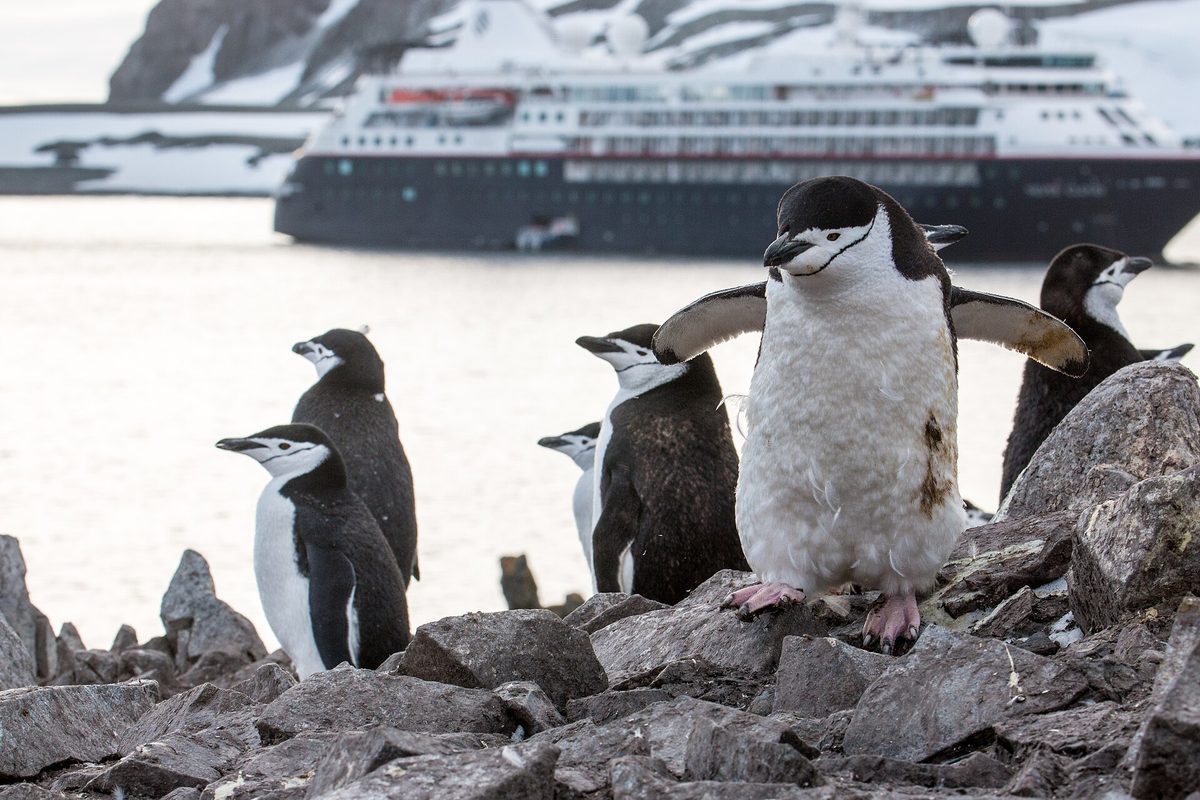
Some of the best places in Antarctica are also the smallest, and few prove it better than Half Moon Island. Search Half Moon Island Antarctica and you will find a crescent of dark rock barely two kilometres across, tucked against the flank of mighty Livingston Island — and yet this little sliver of land delivers one of the most reliably joyful landings in the entire south: thousands of chinstrap penguins braying on the rocks, seals dozing on the beaches, and a backdrop of glaciated peaks that takes the breath away. It is the South Shetlands in miniature, and a perfect first taste of the continent.
I have landed here many times, often on the opening day of a voyage, and Half Moon never fails to send people back to the ship grinning. It is easy, it is gorgeous, and it is alive with wildlife that pays you no mind whatsoever. In this guide I will tell you where it sits, what you will see, the curious Argentine base that shares the island with the penguins, and why this modest crescent of rock punches so far above its weight.
Half Moon Island Antarctica’s Crescent of Chinstraps
The reputation of Half Moon Island Antarctica’s favourite little landing rests above all on its chinstrap penguins. The island is shaped, as the name suggests, like a crescent moon, a rocky arc roughly two kilometres long with a surface of dark volcanic stone, lichen and scattered snow. It is small enough to take in at a glance, yet packed with life, and its compact size makes it an easy, rewarding place to explore on foot within the careful limits expedition teams set.
What makes it special is the combination of accessibility and spectacle. Here, in one short, gentle outing, you get a thriving penguin colony, hauled-out seals, a wealth of seabirds and a jaw-dropping mountain backdrop — the full Antarctic experience compressed into a single small island. It is one of the most beloved stops in the South Shetland Islands and a jewel of the wider Antarctica regions and landing sites.
Where Is Half Moon Island?
Half Moon Island lies on the east side of Livingston Island in the South Shetlands, in the McFarlane Strait, sheltered within the larger sweep of Moon Bay. The South Shetlands are the archipelago that forms most travellers’ first landfall in Antarctica, lying just north of the Antarctic Peninsula across the Bransfield Strait, and Half Moon’s position makes it a frequent early stop on a southbound voyage.
Its sheltered location and easy landing beach mean it is often used as an introductory site, where new travellers find their Zodiac legs and learn the rhythms of an Antarctic landing in relatively forgiving conditions. From its shores the view is dominated by the glaciated peaks of Livingston Island, one of the grandest backdrops of any landing in the South Shetlands. It features on many classic Antarctica cruise itineraries.
The Chinstrap Penguin Colony
The undisputed stars of Half Moon Island are its chinstrap penguins, which breed here in their thousands — roughly 3,300 pairs at last count — scattered across the rocky outcrops and ridges of the island. Chinstraps favour steep, rocky nest sites, and watching them clamber improbably up and down the rocks, squabbling and braying, is endlessly entertaining. The colony’s noise and smell hit you long before you land, a wall of sound and life that announces the island from offshore.
Unlike the gentle gentoos of the lowland beaches, chinstraps are feisty, vocal and full of character, and Half Moon is one of the best places in the South Shetlands to enjoy them at close (but respectful) quarters. The marked walking track leads you among and around the colonies, offering wonderful views of the birds going about their business against the mountainous backdrop. To understand their behaviour and breeding, my guide to Antarctica wildlife is the ideal companion.
Meet the Chinstrap Penguin
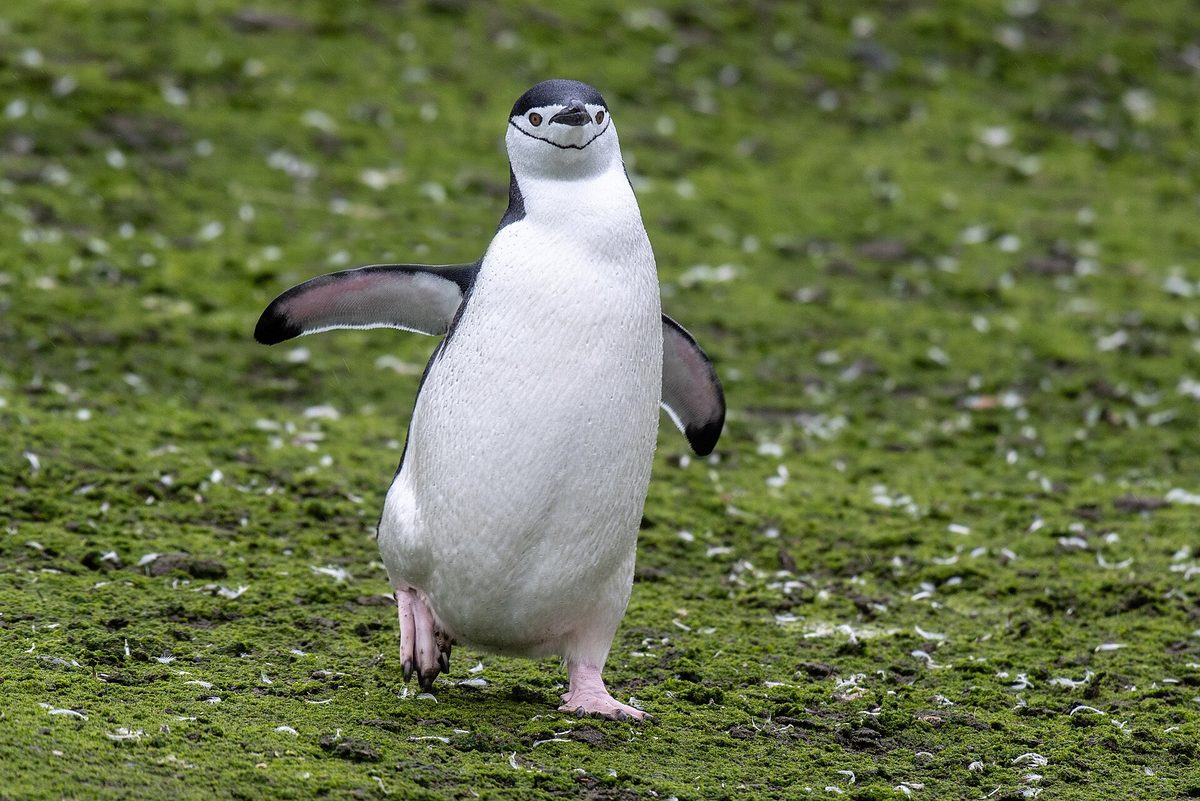
The chinstrap takes its name from the thin black line that runs under its chin, like the strap of a helmet, giving it a permanently determined, slightly comical expression. They are medium-sized penguins, bold and noisy, and famous for choosing the most vertiginous, hard-to-reach nest sites — the higher and rockier the better. The “penguin highways” they wear into the rock and snow, trudging endlessly between nest and sea, are a feature of any chinstrap colony.
At Half Moon you can watch the full drama of colony life: birds incubating eggs or guarding fluffy chicks, partners greeting each other with raucous “ecstatic displays,” skuas patrolling overhead for an unguarded meal, and the constant, comical commute to and from the water. It is wildlife theatre of the highest order, and all the more enjoyable for the chinstraps’ sheer personality. Few animals are as entertaining to simply sit and watch.
The Macaroni Cameo
Among the thousands of chinstraps, sharp-eyed visitors to Half Moon sometimes spot a rare celebrity: a macaroni penguin or two, distinguished by their flamboyant golden-orange head plumes. Macaronis breed mainly much further north, on subantarctic islands like South Georgia, so finding the occasional individual living among the chinstraps here is a special treat that delights returning travellers and guides alike.
These vagrant macaronis seem to have adopted the chinstrap colony as their own, and spotting one — standing out among its plainer cousins with its punkish yellow eyebrows — is a small thrill that adds to the fun of a Half Moon landing. It is a reminder that even at a familiar site, Antarctica always holds the possibility of a surprise. Keep your eyes peeled and ask the guides where the macaronis have been seen.
Cámara Base: The Argentine Outpost
Half Moon Island shares its small space with a human presence: the Argentine naval station Teniente Cámara, a summer-only base accessible by sea and helicopter. Its cluster of buildings, often unmanned during tourist visits, adds a human touch to the wild scene, and the contrast of the neat base against the teeming penguin colony and the looming glaciers is striking. The station has operated, on and off, since the mid-twentieth century.
Like so many bases in this part of Antarctica, Cámara reflects the long-standing interest of the southern nations — Argentina and Chile especially — in maintaining a presence across the South Shetlands and the Peninsula. It is one of the more modest of the many research stations you can encounter on a voyage, but its setting, sharing an island with thousands of penguins, is among the most charming.
The Livingston Island Backdrop
If the penguins are the foreground, the backdrop is half the magic of Half Moon Island. Across the strait rise the spectacular glaciated peaks of Livingston Island, including the Friesland Range, their summits often wreathed in cloud and their flanks draped in ice that glows in the low light. On a clear day the view from Half Moon’s ridges, with chinstraps in the foreground and Livingston’s mountains beyond, is one of the most photographed scenes in the South Shetlands.
This combination of intimate wildlife and grand mountain scenery is what lifts Half Moon above a simple penguin stop. You are not just watching birds; you are standing in a complete Antarctic landscape, the kind of panorama that makes people fall silent and reach instinctively for their cameras. The contrast of life and ice, small and vast, is the essence of the place.
Seals, Seabirds and Other Wildlife
The chinstraps may headline, but Half Moon Island supports a rich supporting cast. As you walk the marked track and scan the beaches, cliffs and water, look out for:
- Weddell seals — hauled out and dozing on the beaches, placid and approachable from a distance.
- Antarctic fur seals — increasingly common as the season wears on, fast and territorial ashore.
- Antarctic terns and kelp gulls — nesting on the island and wheeling overhead.
- Wilson’s and black-bellied storm petrels — fluttering low over the water.
- Cape petrels and brown skuas — the skuas ever alert for an unguarded penguin chick or egg.
- Snowy sheathbills and imperial shags — scavenging the colony and nesting nearby.
This diversity, packed onto one small island, is part of what makes Half Moon such a satisfying landing. There is always something happening — a skua raiding a nest, a fur seal bluff-charging, a tern dive-bombing an intruder — and the sense of a complete, busy ecosystem is vivid. It is a wonderful introduction to the wildlife you will meet across the rest of your voyage.
The Walking Track and the Old Boat
A marked walking route of around two kilometres leads visitors across the southern part of the island, threading among the chinstrap colonies and offering close (but carefully managed) views of the wildlife and sweeping vistas of the surrounding mountains. The terrain is rocky and uneven, with some gentle ups and downs, but it is well within the capabilities of most reasonably mobile travellers and makes for a thoroughly rewarding walk.
On the beach, keep an eye out for the weathered remains of an old wooden boat, a relic of earlier human activity in these waters that adds a touch of history to the scene. Such traces — a boat here, a base there — are reminders that humans have been coming to these islands, for sealing, whaling, science and now tourism, for two centuries. For the broader sweep of that history, see my overview of Antarctica cruises.
Why Half Moon Is a Perfect First Landing
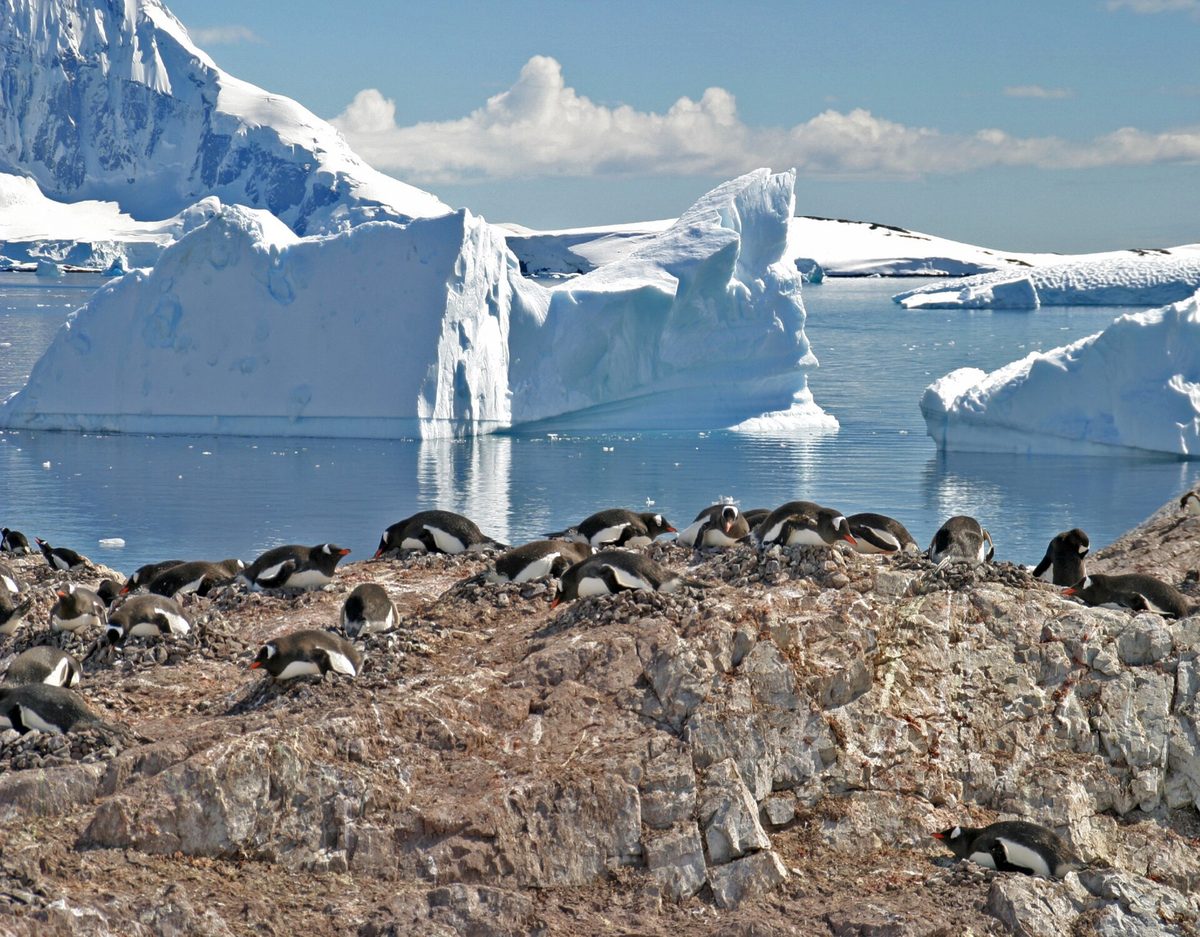
Expedition teams often choose Half Moon Island for an early landing, and with good reason. It offers a near-ideal introduction to Antarctica: a sheltered, relatively easy landing beach; a manageable walking track; guaranteed, abundant and entertaining wildlife; and a spectacular setting, all in a compact area that does not overwhelm first-timers still finding their feet. It is where many travellers take their very first steps on Antarctic soil.
That introductory role does not make it any less wonderful for seasoned travellers — I never tire of it — but it does make it especially precious for newcomers. The thrill of that first chinstrap colony, the first seal, the first view of glaciated peaks across the strait, is something people remember for the rest of their lives. Half Moon eases you into wonder, exactly as a great first landing should. It is one of the most rewarding of all the things to do in Antarctica.
Photographing Half Moon Island and When to Visit
Half Moon is a photographer’s delight, thanks to the combination of characterful wildlife and dramatic scenery. Use a longer lens for portraits of the chinstraps and the macaronis, and a wide lens to set the colonies against the Livingston backdrop. Early or late in the “day” — concepts that blur under the long daylight of high summer — the low light on the mountains is especially beautiful. Keep your gear shielded from wind-blown grit and the inevitable penguin mess underfoot.
The island is visited throughout the season from November to March. Early visits offer deep snow and courting penguins; midsummer brings chicks and the liveliest colonies; late season sees chicks fledging and more fur seals ashore. As ever, weather has the final say. My guides to the best time to visit Antarctica and what to pack for Antarctica will help you prepare for whatever the day brings.
Half Moon Versus Other South Shetland Landings
Travellers often ask how Half Moon Island compares with the other classic South Shetlands stops, and the honest answer is that each has its own flavour. Where Deception Island overwhelms you with volcanic drama and industrial ruins, and the Aitcho Islands offer an easy two-species penguin stroll, Half Moon is the one that marries a thriving chinstrap colony to a truly spectacular mountain backdrop. It is the most scenic of the introductory landings, and the chinstrap is its signature bird in a way it is not elsewhere.
If your itinerary includes several South Shetlands landings — as many do — you will quickly appreciate how they complement one another, each adding a different colour to your sense of the archipelago. Half Moon’s particular gift is its completeness: in one short walk you experience wildlife, history, a research base and grand scenery together. That is why it so often becomes a favourite, even among travellers who go on to far more remote and dramatic places further south.
The Geology and Quiet Corners
Half Moon Island is largely composed of dark volcanic and metamorphic rock, its surface a mosaic of bare stone, snow patches and surprisingly varied lichens that cling to the rocks in oranges, greys and greens. These lichens, some of them slow-growing and ancient, are among the few organisms tough enough to colonise exposed Antarctic rock, and they repay a closer look while you pause between penguin colonies. The island’s rugged, broken terrain is what gives the chinstraps the steep nest sites they favour.
For all the bustle of the colony, Half Moon has its quiet corners too — stretches of the track where the braying fades a little and you can take in the silence, the wind, the distant boom of ice calving off Livingston. These are the moments that stay with me: not just the spectacle of the colony, but the pauses in between, when the sheer scale and stillness of Antarctica settle over you. Even on a small, busy island, the great quiet of the continent is never far away.
Tips for Your Half Moon Island Landing
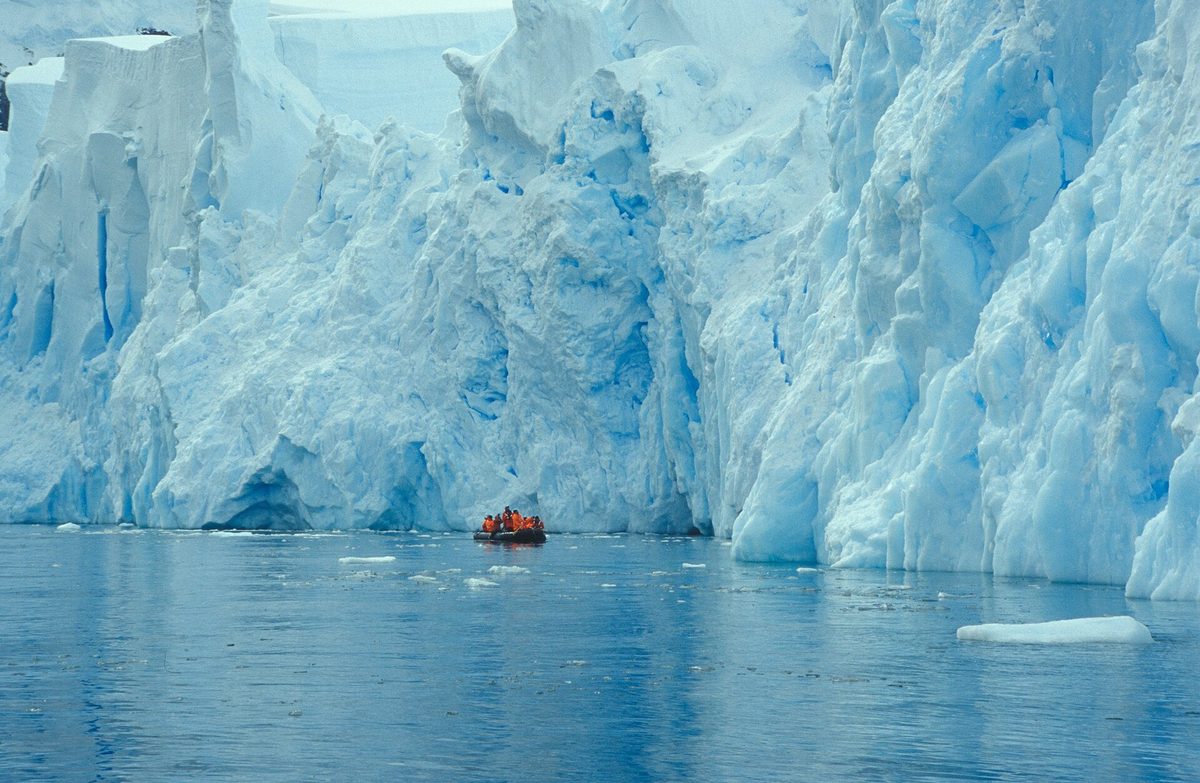
A few small things will make a Half Moon landing even better. Wear sturdy, waterproof boots and trousers, because the landing is wet and the ground underfoot is rocky, uneven and, around the colonies, distinctly messy. Follow the marked track and your guides’ instructions on distances carefully; the chinstraps are confiding and curious, but the rules exist to protect both them and the fragile lichens that take decades to grow.
Give yourself time simply to sit and watch rather than rushing the whole track — some of the best wildlife moments come to those who stay still and let the colony carry on around them. Watch overhead for skuas hunting, keep a wide berth from any fur seals, which can move startlingly fast, and remember to look up from the penguins now and then to take in Livingston’s peaks across the strait. And, as everywhere in Antarctica, keep your camera shielded from spray on the Zodiac ride and be ready for the unexpected: a leopard seal cruising the shallows, a calving on the far shore, a shaft of sun lighting the whole bay.
Frequently Asked Questions
Where is Half Moon Island?
Half Moon Island is a small, crescent-shaped island on the east side of Livingston Island in the South Shetland Islands, lying in the McFarlane Strait within Moon Bay. The South Shetlands sit just north of the Antarctic Peninsula, and Half Moon is often one of the first stops on a southbound expedition cruise.
Why is Half Moon Island famous?
It is famous for its large and lively chinstrap penguin colony — around 3,300 breeding pairs — set against the spectacular glaciated peaks of Livingston Island. The combination of abundant, characterful wildlife, an easy landing and a stunning mountain backdrop, all on a tiny island, makes it one of the most beloved and reliable landings in the South Shetlands.
What penguins live on Half Moon Island?
The island is home to thousands of chinstrap penguins, the headline species, which nest on its rocky outcrops. Sharp-eyed visitors sometimes also spot one or two rare macaroni penguins, with their flamboyant golden head plumes, living among the chinstraps — a special treat, since macaronis usually breed much further north.
Is there a research station on Half Moon Island?
Yes. The Argentine naval station Teniente Cámara operates on the island during the southern summer, accessible only by sea and helicopter. It is often unmanned during tourist visits. The neat base sharing the island with thousands of penguins and a backdrop of glaciers makes for a charming and distinctive scene.
What other wildlife can you see on Half Moon Island?
Besides the chinstraps, look for Weddell and Antarctic fur seals on the beaches, and a wealth of seabirds including Antarctic terns, kelp gulls, Wilson’s and black-bellied storm petrels, cape petrels, brown skuas, snowy sheathbills and imperial shags. The island packs a remarkable diversity of life into a very small area.
Is Half Moon Island easy to visit?
Yes, by Antarctic standards. It has a sheltered landing beach and a marked walking track of around two kilometres over rocky but manageable terrain, making it a popular early landing where first-time travellers find their feet. It suits most reasonably mobile visitors, though the ground is uneven and good waterproof boots are essential.
What is the mountain backdrop at Half Moon Island?
The dramatic peaks across the strait belong to Livingston Island, including the glaciated Friesland Range. Their ice-draped summits, often wreathed in cloud, form one of the grandest backdrops of any South Shetlands landing, and the view of chinstrap penguins in the foreground against Livingston’s mountains is among the most photographed scenes in the region.
Will my cruise visit Half Moon Island?
Many South Shetlands itineraries include Half Moon Island, often as an early landing, but no stop in Antarctica is ever guaranteed — weather and ice always decide. If Half Moon’s chinstraps and scenery appeal to you, choose an itinerary that explores the South Shetlands, and treat a successful landing as the delight it is.
Final Thoughts
Half Moon Island proves that you do not need a vast landscape to deliver a vast experience. This little crescent of rock — barely two kilometres across, shared between thousands of chinstraps and a small Argentine base — offers one of the most complete and joyful landings in all of Antarctica: wildlife, history, mountains and the thrill of the ice, all in one easy, beautiful outing. It is no wonder expedition teams return to it again and again.
If your voyage brings you to Half Moon, take your time on that walking track, sit a while among the chinstraps, watch for the elusive macaroni, and drink in the view of Livingston’s peaks across the water. For many travellers it is the first landing of their Antarctic dream, and for all of us it is a reminder that the smallest places can leave the deepest impressions. Half Moon is small, but it is mighty.
Related Reading
- Antarctica’s regions and landing sites
- The South Shetland Islands
- Deception Island
- King George Island
- The Antarctic Peninsula: complete guide
- Antarctic research stations you can visit
- Antarctica wildlife
- Antarctica cruises
- Antarctica cruise itineraries
- The best time to visit Antarctica
- Things to do in Antarctica
- What to pack for Antarctica