When travellers ask me to cut through the marketing and tell them the real number, I give them this: the average antarctica cruise price for a classic ten-to-twelve day Peninsula voyage in the 2026/27 season lands between about $9,000 and $14,000 per person, with the broad market sitting around $11,000 to $16,000 once you account for better ships. Below that, entry-level porthole and triple cabins start near $8,000; above it, balcony suites climb to $18,000 to $22,000, and ultra-luxury voyages push past $26,000. The two biggest levers behind those figures are the cabin you book and the time of season you sail, and this guide breaks down both in detail.
Knowing the average is only useful if you also know what moves you above or below it. Read this with our cost of visiting Antarctica hub and the full price breakdown for the complete budget picture.
What is the average antarctica cruise price?
The honest headline is that a standard Antarctic Peninsula expedition averages roughly $9,000 to $14,000 per person for the fare alone, based on two people sharing a cabin. That figure assumes a comfortable, modern expedition ship and a mid-range cabin. Pull the levers toward budget, an older ship, a shared triple, a shoulder departure, and you slide toward $8,000. Push them toward luxury, a new flagship, a balcony suite, a peak sailing, and you climb past $20,000. The “average” is therefore less a fixed price than a centre of gravity, and your job as a smart buyer is to decide which side of it you want to be on.
The big-picture range
Step back and the whole market spans a wide arc. Most Antarctica cruises fall between $8,000 and $20,000 per person, with the dense middle of 10-to-11 day Peninsula trips clustering at $9,000 to $14,000. The cheapest classic ships occasionally dip below $8,000 on a deal; the priciest luxury and longer voyages soar well beyond $26,000. That spread of more than threefold for trips that visit broadly the same coastline is exactly why averages can mislead. Two travellers can return from “an Antarctica cruise” having paid wildly different sums, not because they saw different continents, but because they made different choices about comfort, timing and length.
Price by cabin grade
Cabin choice is the single biggest controllable factor on any given ship, often swinging the fare by ten thousand dollars or more. Here is how the grades typically stack up on a modern expedition vessel.
| Cabin grade | What you get | Typical per-person fare |
|---|---|---|
| Triple / quad (shared, porthole) | Bunk berths, shared porthole, ensuite | $8,000–$10,000 |
| Porthole twin | Lower deck, fixed window | $9,000–$12,000 |
| Window / oceanview twin | Mid-deck, larger window | $12,000–$16,000 |
| Balcony / veranda | Private outdoor space | $16,000–$20,000 |
| Suite | Top deck, premium space, extras | $20,000–$28,000+ |
Notice that the cheapest and most expensive cabins on the very same ship can differ by a factor of three, while every passenger steps into the identical Zodiacs and lands on the identical beaches.
The budget cabins: triple, quad and porthole
The lowest-priced berths are the shared triples and quads and the lower-deck portholes, and they are where value lives. A triple can save $1,500 to $3,000 per person against a window twin or solo occupancy, while delivering exactly the same expedition. Yes, the cabin is smaller, the window is a porthole or there is no balcony, and you may share with strangers. But you spend almost no waking time there. For travellers who care about the continent rather than the cabin, these grades drag your personal average well below the headline figure without touching the experience ashore.
The mid-range cabins: window and oceanview twins
The comfortable middle, a twin with a proper window or oceanview on a mid-deck, is where most travellers land, and it defines the average. You get privacy, a decent amount of space, natural light and a calmer position on the ship. The premium over a porthole is real but modest, and many people feel it is money well spent for a more restful voyage. If you want a single recommendation for the typical traveller balancing cost and comfort, this is it: a window twin on a solid modern ship, booked in the shoulder season, sits right around the sensible average.
The premium cabins: balconies and suites
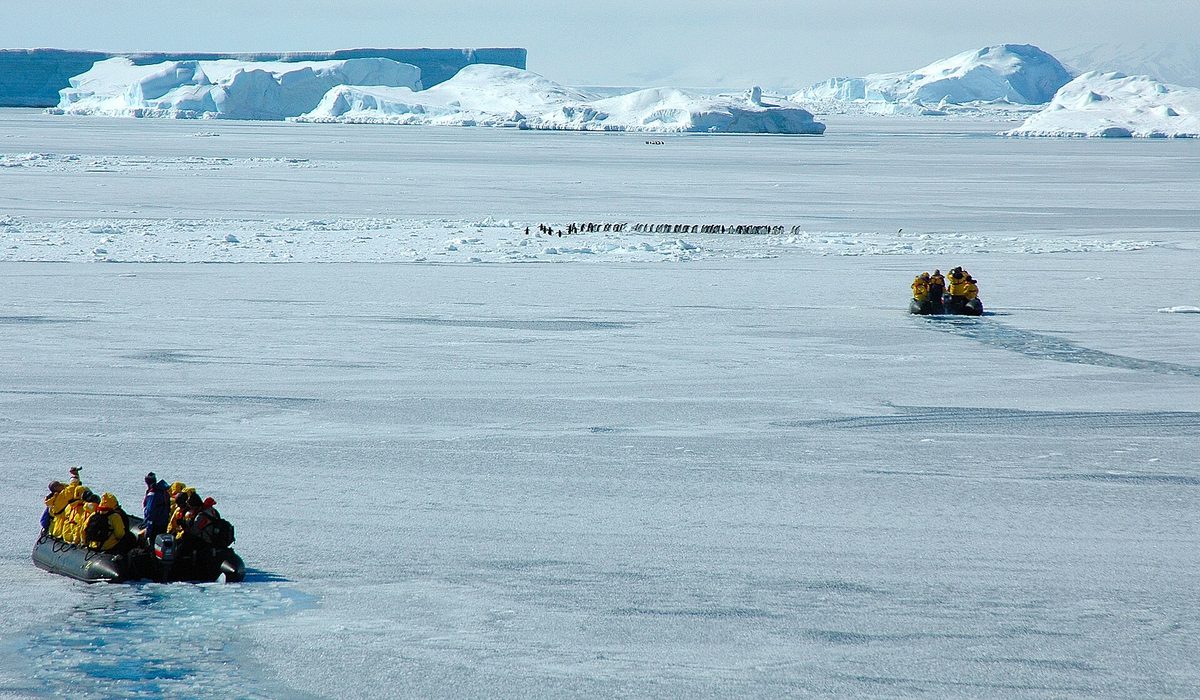
At the top, balcony cabins and suites buy space, light, a private outdoor perch and often extras like priority disembarkation, butler service or included drinks. A balcony on the Peninsula is a genuine luxury, watching ice slide past from your own veranda is unforgettable, but it commands $16,000 to $22,000 and up, and the Antarctic air is cold enough that you may use it less than you imagine. Suites climb higher still. These grades are wonderful if comfort is a priority and budget is not the constraint, but they are firmly above the average, and they do not change what you see ashore.
How much cabins differ on one ship
It bears repeating because it is the most actionable fact in this guide: on a single sailing, moving from a suite to a shared triple can halve your fare or better. The expedition team, the landings, the lectures, the wildlife and the scenery are shared by everyone aboard regardless of berth. The only thing your cabin grade changes is the comfort of the hours you spend sleeping and changing. If you want to beat the average, the fastest, cleanest way is simply to book a lower cabin grade on a ship you like, rather than a higher grade on a cheaper, lesser ship.
Price by season
Season is the second great lever, and the Antarctic calendar swings the fare as surely as the cabin does. Here is the rough pattern across the November-to-March window.
| Season window | Character | Relative price |
|---|---|---|
| Early (Nov) | Pristine snow, penguin courtship | Lower (shoulder) |
| Peak (Dec–Jan) | Long days, chicks hatching, warmest | Highest |
| Late (Feb–Mar) | Whales, fur seals, golden light | Lower (shoulder) |
The same cabin on the same ship can cost meaningfully less in November or March than in the December–January crush, which is why flexible travellers who chase value aim for the shoulders.
Peak season: December and January
Midsummer is the most expensive and most in-demand time to sail, and for good reason. Days are at their longest, temperatures at their mildest, penguin chicks are hatching and the wildlife is frantic with activity. Demand is highest, so fares are highest and the best cabins sell out first, often 12 to 18 months ahead. If your heart is set on peak conditions or your schedule only allows the holidays, expect to pay top of the range and to book very early. You are buying the prime weeks of the season, and the price reflects exactly that scarcity.
Shoulder season: November and March
The shoulders are the value-hunter’s secret, and they are far from a compromise. Early November brings crisp, untouched snow and dramatic courtship displays as penguins pair up. Late February into March delivers the whales in extraordinary numbers, lounging fur seals and soft, low golden light that photographers adore. Fares ease, supplements soften and deals appear. If your goal is the best ratio of experience to cost, a shoulder-season departure sits comfortably below the average while still serving up the full Antarctic spectacle. Our best time to visit Antarctica guide details each window.
How ship class moves the price
Beyond cabin and season, the ship itself sets a baseline. Older, simpler expedition vessels price thousands below the gleaming new flagships, and luxury ships sit higher again. The good news is that the landings are governed by the same regulations and the same kind of expedition teams regardless of ship, so a budget ship delivers the same beaches as a premium one. What you pay more for is onboard comfort: stabilisers, lounges, cuisine, space and amenities. Choosing your ship class is really choosing how comfortable you want to be between the adventures, and it is one of the clearest dials on your final fare. Our expedition ships guide compares them.
How voyage length and route move the price
Not every Antarctic cruise is the same length or route, and that reshapes the average. The classic Peninsula voyage of 10 to 12 days is the most common and the basis for the figures here. Shorter “Antarctica in a week” trips trim cost by trimming days. Longer expeditions that add the Falklands and South Georgia are glorious but considerably pricier, often $15,000 to $25,000 and beyond, because they run many extra days at sea. When you compare quotes, always check the length and itinerary, because a higher fare may simply reflect a longer, richer voyage rather than a more expensive day.
Drake crossing versus fly-cruise
How you cross also nudges the price. Sailing the Drake Passage is included in the fare, while flying it on a fly-cruise adds several thousand dollars for the time saved and the comfort gained. So two otherwise identical Peninsula voyages can differ purely on the crossing. If you are comparing an unusually high quote, check whether it is a fly-cruise, because that premium alone can explain the gap. Our flight cost guide weighs the two crossings against each other in detail.
What the fare includes and excludes
To compare prices fairly you must compare like with like. A typical fare includes your cabin, all meals, the landings and Zodiac cruises, the expedition lectures, port taxes and usually loaned boots and a parka. It excludes flights, hotels either side, insurance, gratuities, premium drinks, Wi-Fi and optional activities. Two fares that look similar can hide different inclusions, so read the small print. Our gratuities and hidden costs guides cover the extras that sit on top of whatever average you pay.
How booking timing changes the average
When you book matters almost as much as what you book. Early-bird fares, locked 12 to 18 months out, secure the lowest published prices and the best cabin choice. Last-minute deals, snapped up weeks before departure on unsold cabins, can undercut the average sharply but demand flexibility and nerve. The expensive middle ground is booking a peak sailing a few months out, when you catch neither the early-bird low nor the last-minute clearance. Decide which timing strategy you are playing and commit to it; both can land you below average, while drifting lands you above it.
How to get below the average
Pulling the levers together, here is how travellers beat the average price:
- Book a shared triple or porthole cabin instead of a window or balcony.
- Sail in the shoulder season, November or late February into March.
- Choose an older expedition ship over a new luxury flagship.
- Sail the Drake rather than paying the fly-cruise premium.
- Book very early for the lowest published fare, or very late for a clearance deal.
- Travel with friends and split a triple or quad to crush the per-person rate.
From fare to all-in cost
One last reframe: the average cruise price is the fare, not the trip. Add flights, hotels, insurance, tips and incidentals and a sensible rule is to budget about 130% of the fare for your true all-in number. So an average $12,000 fare becomes roughly $15,600 once everything is counted. Keep that multiplier in mind so the headline average does not lull you into underbudgeting. For the complete arithmetic, our budget guide and cheapest way to get to Antarctica guide show how to bring both the fare and the extras down.
A worked example: one ship across its cabins
To make the cabin lever tangible, picture a single modern expedition ship on one December sailing and walk down its price list. A shared triple on a lower deck might be advertised at $9,500 per person. The same voyage in a porthole twin runs about $11,500. Step up to a mid-deck window twin and you are near $14,500. A balcony cabin pushes to $18,500, and a top-deck suite tops out around $26,000. That is a $16,500 spread on one ship, one departure, one set of landings. Everyone aboard rides the same Zodiacs to the same beaches and watches the same whales. The only difference between the cheapest and dearest passenger is the comfort of the room they sleep in, which is precisely why I tell people to choose the ship first and then take the lowest cabin grade they can live with.
What locks in your price
Antarctic fares are not fixed forever; they move with demand and availability until you commit. A deposit, usually around 20%, holds your cabin and your quoted price, with the balance due 90 to 120 days before departure. Until that deposit is paid, a fare you have been quoted can change, and popular cabins can sell out from under you. This is why decisiveness pays: once you find an average-beating cabin on a sailing you want, securing it with a deposit protects both the price and the room. Dithering for a better deal that may never come is how travellers end up paying more for a worse cabin closer to departure.
How operators set their prices
It helps to understand the machinery behind the numbers. Operators price each sailing by cabin grade and adjust across the season for demand, releasing early-bird fares to lock in revenue and later trimming unsold cabins through deals. Newer ships and premium brands command higher baselines for their comfort and amenities, while veteran expedition ships compete on value. Promotions, included-air offers and waived single supplements all shift the effective price without changing the sticker. Once you see that the fare is a managed, moving number rather than a fixed cost, you can play the timing and the promotions to your advantage instead of simply accepting the first figure you are quoted.
How to read and compare quotes
Comparing Antarctic cruises fairly takes a little discipline, because two quotes are rarely like-for-like. Check the voyage length first, since a 14-day trip should cost more than an 11-day one. Check the crossing, because a fly-cruise carries a premium a sailing does not. Check the cabin grade, the season and, crucially, the inclusions, as some fares bundle drinks, Wi-Fi or even gratuities that others charge separately. Only once those are aligned can you tell which voyage is genuinely cheaper. A quote that looks high may simply be longer, more inclusive or flying the Drake, while a bargain headline may hide a porthole on an older ship in the shoulder season.
Regional and currency differences
Where you book from can also nudge the number. Operators publish fares in different currencies, and exchange-rate swings between the dollar, euro, pound and Australian dollar can make the same cabin cheaper or dearer depending on the booking currency. Some operators run region-specific promotions, and specialist agencies occasionally hold allocation at preferential rates. None of this transforms the average, but it can shave a few percent, which on a five-figure fare is real money. If you hold accounts or cards in more than one currency, it is worth a quick check of which booking route gives you the best effective price for the identical voyage.
Putting the average to work
The point of knowing the average is to use it as a yardstick when a quote lands in your inbox. If you are offered a window twin on a good ship in the shoulder season near $13,000, you know that is squarely fair. If a balcony suite in peak January comes in at $24,000, you know you are paying for comfort and timing, not being overcharged. And if a shared triple on an older ship in November is quoted at $8,500, you know you have found genuine value. The average is not the price you must pay; it is the reference point that tells you, at a glance, whether the deal in front of you is a bargain, a fair offer or a splurge.
One number to remember
If the tables and ranges blur together, hold on to a single anchor: for a classic Peninsula voyage, think of around $12,000 per person as the centre of the market, then adjust up or down from there. A shared cabin and a shoulder departure pull you several thousand below it; a balcony in peak season pushes you several thousand above. Everything else, ship class, voyage length, crossing and inclusions, simply fine-tunes the figure. With that one number in your head and the levers in this guide at your fingertips, you can look at any quote and instantly sense whether it is value, fair or a deliberate splurge.
Frequently asked questions
What is the average antarctica cruise price in 2026?
For a classic 10-to-12 day Peninsula voyage, roughly $9,000 to $14,000 per person for the fare, with the broader market around $11,000 to $16,000 once better ships are included. Budget cabins start near $8,000 and luxury exceeds $26,000.
Which cabin gives the best value?
A shared triple or a porthole twin. These grades can save $1,500 to $3,000 per person against a window or balcony while delivering the identical landings and wildlife encounters.
When is the cheapest time to sail?
The shoulder season, early November and late February into March, prices below the December–January peak while still offering superb wildlife, from courting penguins early to whales late.
Why do prices vary so much?
Cabin grade, season, ship class, voyage length and whether you fly or sail the Drake all move the fare. Together they create a threefold spread for trips along broadly the same coast.
Does a higher price mean a better Antarctica experience?
Not ashore. Higher fares buy onboard comfort, space and amenities, not better landings. Every passenger shares the same expedition team, Zodiacs, beaches and wildlife regardless of cabin.
How much should I add for the all-in cost?
Budget about 130% of the cruise fare to cover flights, hotels, insurance, tips and incidentals. An average $12,000 fare becomes roughly $15,600 all-in.
Are longer voyages more expensive?
Yes. Trips that add the Falklands and South Georgia run many extra days at sea and often cost $15,000 to $25,000 or more, well above the Peninsula-only average.
Should I book early or last-minute for the best price?
Either beats the average if you commit. Early-bird fares 12 to 18 months out secure low prices and good cabins; last-minute deals can be cheaper but require flexibility.
Final thoughts
The average antarctica cruise price is a useful anchor, but your personal price is yours to set. Cabin grade and season do most of the work, with ship class, voyage length and crossing filling in the rest. Aim a shared cabin and a shoulder departure below the average, or a balcony suite in peak season above it, and either way the landings are identical. Decide what comfort is worth to you, then book deliberately. For the rest of the budget, lean on our price breakdown and decide whether it all stacks up in is Antarctica worth the money.