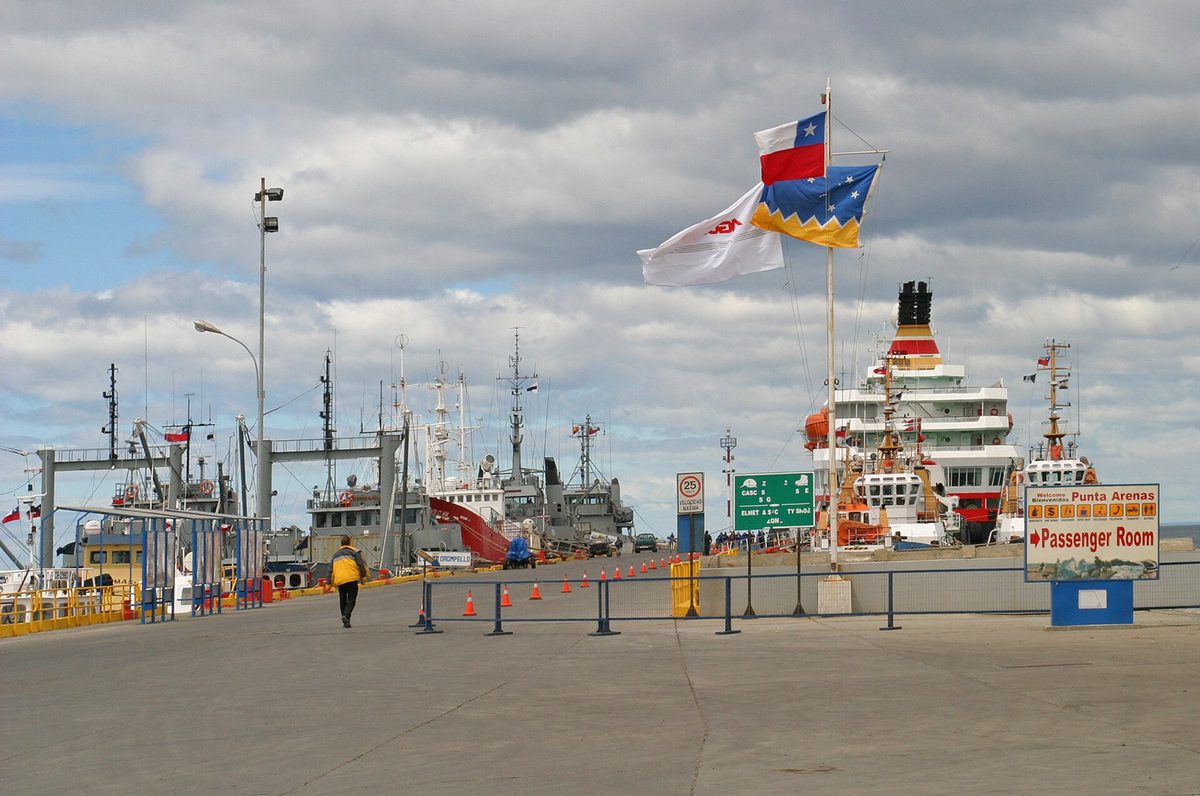
Punta Arenas Antarctica: Chile’s Gateway Port
The first time I flew into Punta Arenas, the wind hit me on the jet bridge hard enough that I grabbed the railing and laughed out loud. That gust is the city’s calling card, and it’s also, in a roundabout way, the reason this windswept Chilean port matters so much to anyone heading south. When people talk about Punta Arenas Antarctica travel, they’re usually talking about one specific, slightly magical thing: the ability to fly over the Drake Passage instead of sailing through it. This is the city where you can board a small charter aircraft, sip a coffee for two hours, and step out onto King George Island without spending a single night being thrown around by the Southern Ocean. For some travelers, that’s worth every peso.
But Punta Arenas is more than an airstrip with a view. It’s a real city of around 130,000 people, perched on the Strait of Magellan, with a wool-and-shipping history that built grand mansions you can still walk past today. It has penguin colonies a short boat ride away, Torres del Paine a few hours up the road, and a frontier atmosphere that I genuinely love. In this guide I’ll walk you through why Punta Arenas is Chile’s second gateway to the white continent, how the fly-cruise model actually works, how it stacks up against Ushuaia, how to get here, what to do with your spare days, and the practical logistics — weight limits, weather, embarkation — that nobody warns you about until you’re standing at the check-in desk. If you’re weighing your options for how to get to Antarctica, this is the alternative route worth understanding.
Why Punta Arenas Is Chile’s #2 Gateway
Let me be honest about the pecking order. The overwhelming majority of Antarctic expedition cruises — somewhere north of 90% — leave from Ushuaia, Argentina, the world’s southernmost city. Punta Arenas is the clear number two, and it earns that ranking not by volume but by offering something Ushuaia structurally cannot: a runway long enough and close enough to make flying to Antarctica practical. Ushuaia is hemmed in by mountains and the Beagle Channel; Punta Arenas sits on flatter ground beside the Strait of Magellan, with an airport (Carlos Ibáñez del Campo, code PUQ) that handles the BAe 146 and similar charter jets used for the Antarctic air bridge. Geography made the choice for the operators.
There’s history baked in, too. Punta Arenas was a critical coaling and supply station back when ships rounded Cape Horn, and that maritime DNA never left. Chile maintains a strong Antarctic presence — the country administers a slice of the continent and runs Frei Station on King George Island — and Punta Arenas is the logistical heart of that operation. When you fly south from here, you’re following a path that Chilean air force and research flights have used for decades. For tourists, the city has leaned into its role: hotels are used to expedition guests, outfitters stock last-minute gear, and the whole place has a rhythm tuned to the November-to-March season. If you want the wider picture of how the southern hubs compare, my overview of Antarctica gateway cities lays them all side by side.
Punta Arenas Antarctica Fly-Cruises Explained
Here’s the headline act, and the reason most people end up booking from here. A Punta Arenas Antarctica fly-cruise — operators also call it an air-cruise or the “Antarctic air bridge” — replaces the two-day sea crossing with a roughly two-hour flight. You spend a night in Punta Arenas, gather at the airport early, and board a chartered aircraft bound for the gravel runway at Frei Station on King George Island, in the South Shetlands. From there you walk a short distance (about two kilometers, past Chile’s Frei base and Russia’s Bellingshausen station), climb into a Zodiac, and transfer to your expedition ship already waiting offshore. The ship has effectively pre-positioned itself in Antarctic waters, so you start exploring the Peninsula almost immediately rather than burning four days at sea round-trip.
The pioneer and biggest name in this space is Antarctica21, which essentially invented the commercial air-cruise from Punta Arenas and runs purpose-built boutique ships like the Magellan Explorer (and the new Magellan Discoverer launching for the 2026-27 season), carrying around 70-something guests. A handful of other operators sell flights on the same air bridge or charter their own. The model is brilliant for one simple reason: it buys you time and spares you the Drake. If you’ve read my piece on the Drake Passage, you know it can be glassy (“the Drake Lake”) or brutal (“the Drake Shake”), and you don’t find out which until you’re committed. Flying takes that roulette wheel off the table — though, as I’ll explain, it introduces a different gamble of its own.
A typical “express” fly-cruise runs about six days door to door and keeps you in Antarctica for roughly four of them; a “classic” version that flies one way and sails the other, or flies both ways with a longer ship portion, runs eight days or so. Because the ships are small, landings feel intimate, and because you skipped two days of seasickness, you arrive fresh and ready. For a fuller breakdown of vessels and onboard life, see my guide to Antarctica cruises.
How the Air Bridge Actually Flies
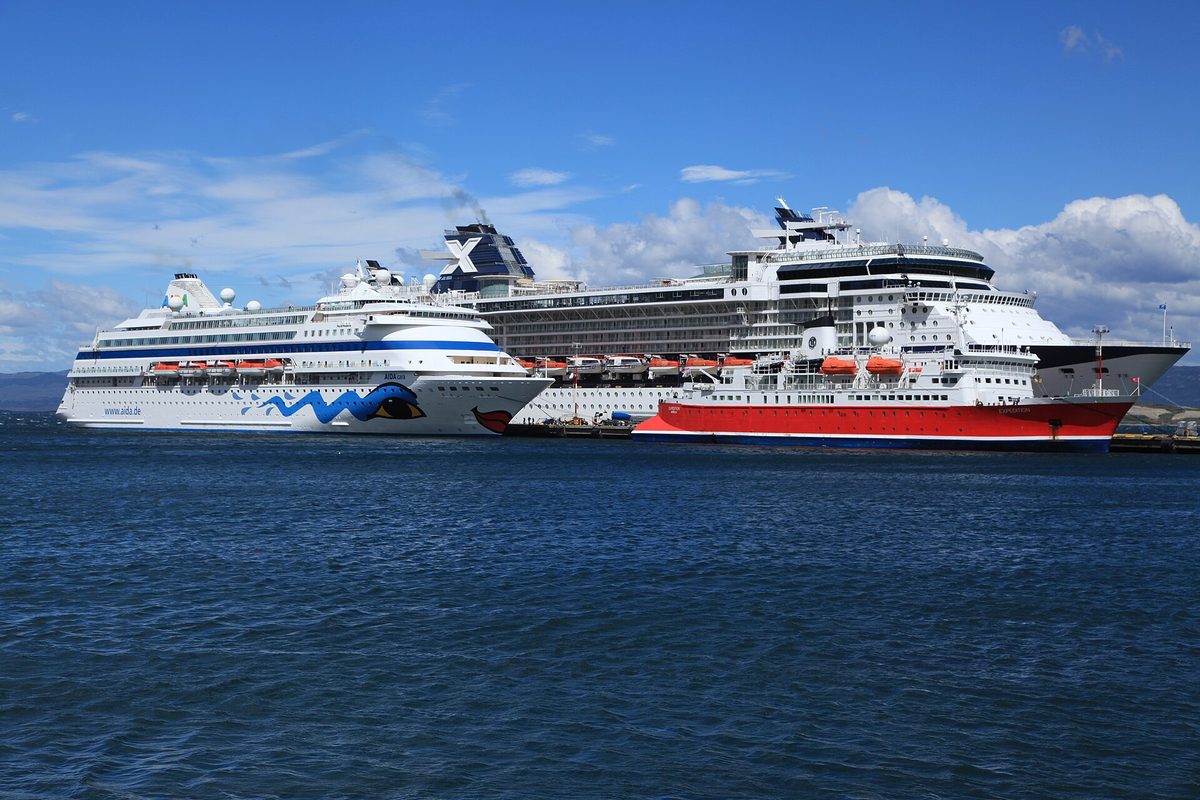
I want to demystify the flight itself, because it’s not a commercial airliner experience and that surprises people. You’re typically on a chartered regional jet — the British Aerospace 146 is the workhorse — configured for the polar run. The cabin crew brief you, the flight tracks south over the Drake, and on a clear approach you get glimpses of the South Shetlands rising out of the sea that I’d happily pay the fare just to see. Landing is on a compacted gravel-and-ice strip; it’s short, the aircraft is built for it, and it’s all routine for the pilots who do this run constantly through the season.
The catch — and it’s the big one — is weather. The flight only goes when conditions at King George Island allow, and Antarctic weather changes by the hour. Operators build buffer days into their itineraries precisely because flights get delayed, sometimes by a day or more. I’ve heard from travelers who sat in Punta Arenas an extra 24 hours waiting for a window, and from others whose return flight slipped, shortening their cruise. Good operators handle this gracefully with hotel nights and contingency plans, but you need to go in mentally flexible. The lesson: never book a tight onward connection out of Punta Arenas, and pad your trip with a spare day on each end. More on timing in my how long it takes to get to Antarctica guide.
Embarkation Logistics: Your Day of Departure
On embarkation day the routine is tighter and earlier than a sail-away cruise. You’ll usually have an evening briefing the night before at your hotel — they hand out boarding passes, run through the weight rules, and tell you the morning’s call time, which is genuinely early (think a pre-dawn transfer to the airport). Because the charter is weight-critical, your main luggage is weighed and tagged, you keep a small carry-on, and the operator provides or coordinates your parka and sometimes boots so you’re not hauling bulky gear. Customs and emigration are handled at the airport before you fly, since you’re technically leaving Chile.
Once you land at King George Island, there’s a short guided walk to the shore, a Zodiac shuttle out to the ship, and then the familiar cruise rhythm begins: cabin assignment, safety drill, the first welcome dinner as the ship repositions overnight to the Peninsula. The whole transfer is choreographed and the staff have done it hundreds of times, so it runs smoothly when the weather cooperates. My honest advice: wear your warmest layers and waterproof footwear on the flight itself, because the moment you step off that aircraft you’re in Antarctica, wind and all, and there’s no time to dig through a bag. For a full kit list, see what to pack for Antarctica.
Weight Limits on the Charter Flight
This is the single most underappreciated detail of flying to Antarctica, and it catches first-timers off guard. Charter aircraft on the air bridge are strictly weight-limited, so operators impose a baggage allowance far tighter than your international flight gave you. The exact figure varies by operator and aircraft, but expect a checked allowance in the region of 20 kilograms (around 44 pounds) plus a small carry-on of a few kilos — sometimes less. That is not a lot when you’re packing for sub-zero excursions. The good news is that the heaviest, bulkiest item — your expedition parka — is typically supplied by the operator and waiting for you, and many provide loaner muck boots as well, so you don’t burn your allowance on them.
My practical strategy: pack in a soft duffel rather than a hard case (it weighs less and packs into the aircraft hold better), wear your heaviest layers and boots on the flight, and leave a stash of non-Antarctic clothing at your Punta Arenas hotel, which they’ll happily store until you return. Don’t bring a giant suitcase of “just in case” gear. Read the operator’s allowance the moment you book and weigh your bag at home on a luggage scale — discovering you’re 6 kilos over at a pre-dawn check-in, with nowhere to offload, is a miserable way to start. If you’d rather not deal with weight limits at all, the sea route from Ushuaia has no such restriction, which is part of its appeal.
Punta Arenas vs Ushuaia: The Honest Comparison
This is the decision most southbound travelers actually agonize over, so let me lay it out plainly. The two cities sell fundamentally different experiences. Ushuaia is the high-volume, sail-from-the-dock hub with the widest choice of ships, itineraries, and price points; you cross the Drake by sea, which costs you four days round-trip but throws in the rite of passage (and the seabirds following the wake, which I adore). Punta Arenas is the fly-cruise hub: you trade money for time and certainty, skip the Drake’s mood swings, but accept weight limits and weather-dependent flights. Neither is “better” — it depends entirely on your stomach, your schedule, and your budget.
Broadly: if you’re prone to seasickness, short on vacation days, or simply dread the crossing, Punta Arenas and the air bridge are made for you. If you want the maximum choice of operators and the lowest entry price, or you actively want to experience the Southern Ocean, Ushuaia wins. Cost-wise, fly-cruises generally carry a premium over comparable sea voyages because that charter flight is expensive to run — though the gap has narrowed and the time savings can make it a wash if your vacation time is precious. Here’s how the two gateways compare across the factors that matter:
| Factor | Punta Arenas (Chile) | Ushuaia (Argentina) |
|---|---|---|
| Role | #2 gateway; fly-cruise / air-bridge hub | #1 gateway; ~90%+ of all departures |
| How you reach Antarctica | ~2 hr charter flight to King George Island | ~2-day sail across the Drake Passage each way |
| Drake Passage | Flown over (skipped) — or one-way on some itineraries | Sailed both ways (Lake or Shake, you find out en route) |
| Typical trip length | ~6 days (express) to ~8 days (classic) | ~10-12 days for a classic Peninsula voyage |
| Time on the continent | More days exploring per day of trip | Fewer, after ~4 days lost to crossings |
| Cost | Generally a premium (charter flight cost) | Widest range, including lower-cost options |
| Luggage | Strict weight limit (~20 kg) on the charter | Standard cruise luggage; no special limit |
| Main risk | Flight delays from Antarctic weather | Rough seas / seasickness on the Drake |
| Best for | Seasick-prone, time-poor, comfort-seekers | Choice-seekers, budget-minded, sea lovers |
| Getting to the gateway | ~3 hr flight from Santiago | ~3.5 hr flight from Buenos Aires |
If you want to dig deeper into the Argentine side, I’ve written a full companion piece on Ushuaia Antarctica departures that goes into its ships, docks, and quirks. And for the money side of either route, my breakdown of Antarctica trip cost will help you sanity-check quotes before you commit a deposit.
Who Each Gateway Suits Best
Let me get specific about the human factors, because the spec sheet only tells half the story. Choose Punta Arenas if any of these is true: you’ve been seasick before and the memory still haunts you; you can only spare a week or so for the whole adventure; you’re traveling with someone (a partner, a parent) who’d find two days of pitching seas genuinely unpleasant; or you simply value comfort and a higher guest-to-crew ratio over rock-bottom pricing. The air bridge is also a strong pick for older travelers and anyone for whom “the journey is the destination” does not apply to vomiting over a railing.
Choose Ushuaia if you want the broadest menu of operators and cabins, you’re price-sensitive and want access to the occasional last-minute deal, you’re fascinated by the Southern Ocean and its wildlife, or you’re building a longer South American trip where a 10-to-12-day voyage fits fine. Plenty of people also pick Ushuaia simply because they want to stand at the “End of the World” and sail from the literal southernmost city. Both are wonderful starting lines; the right one is the one that matches your constraints. If you’re still deciding whether the whole trip is feasible for you at all, start with can you visit Antarctica, which covers the basics of access and eligibility.
The City Itself: Strait of Magellan and Plaza de Armas
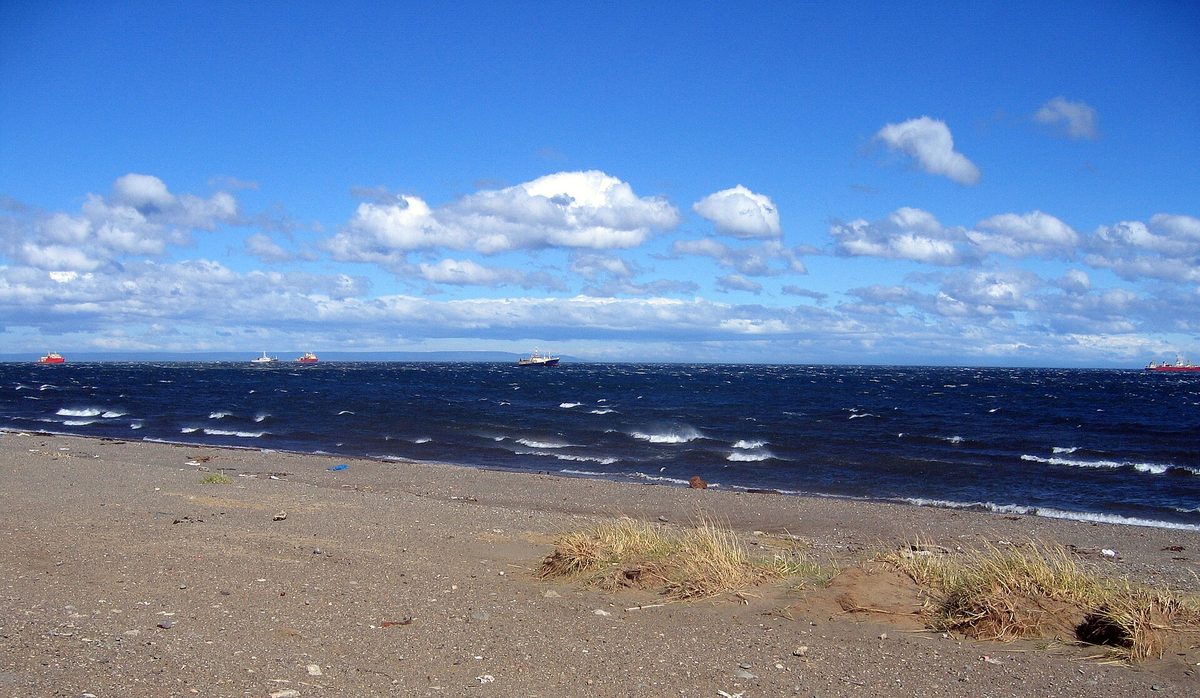
Don’t treat Punta Arenas as a mere transit lounge — give it a day or two and it rewards you. The city wraps around the Strait of Magellan, the historic sea passage Ferdinand Magellan threaded in 1520, and standing at the waterfront watching container ships and the occasional naval vessel cut through that grey-blue channel, with Tierra del Fuego hazy on the far shore, is a genuinely moving way to grasp where you are. There’s a monument and a costanera (seafront walk) where locals stroll despite the wind, and the light down here, when the clouds break, is extraordinary.
The heart of town is the Plaza de Armas (Plaza Muñoz Gamero), a leafy square ringed by the mansions that wool and shipping fortunes built in the late 1800s. The centerpiece is a statue of Magellan; rub the toe of the Fuegian figure at its base and, local legend says, you’ll return to Patagonia. Around the square you’ll find the cathedral, the opulent Sara Braun mansion (now partly a hotel and club you can tour), and the Nao Victoria Museum a little out of town, with its full-size replica of Magellan’s ship. It’s a compact, walkable core, easy to cover on foot between expedition errands.
A Little History Worth Knowing
Punta Arenas exists because of geography and grit. Chile founded a penal colony here in the 1840s to assert sovereignty over the strait, and the settlement clung on through brutal winters until the wool boom of the late 19th century turned it rich. Enormous sheep estancias spread across Patagonia, immigrants poured in from Croatia, Spain, Britain and beyond, and the port thrived as the last major resupply before Cape Horn. Then the Panama Canal opened in 1914, ships stopped rounding the Horn, and the city’s commercial heyday faded almost overnight — which is why those grand mansions feel like artifacts of a vanished golden age.
That layered past is everywhere if you look: the British-influenced architecture, the Croatian surnames on shopfronts, the municipal cemetery (genuinely one of the most beautiful and atmospheric I’ve visited, with its manicured cypresses and elaborate mausoleums) that reads like a who’s-who of pioneer families. Understanding this history changes how you see the place — it’s not a frontier outpost that happens to have an airport, it’s a once-mighty port that reinvented itself, first around oil and sheep, now around science and Antarctic tourism. That reinvention is exactly why it makes such a capable gateway today.
Magellanic Penguins at Isla Magdalena
If you have a spare day and the timing is right, do not miss the penguins — you can meet thousands of them before you even reach Antarctica. Isla Magdalena, a small island in the Strait of Magellan, hosts a Magellanic penguin colony that swells to well over 100,000 birds in the breeding season (roughly October to March, with the colony busiest in the southern summer). A monument boat trip takes you out across the strait; you walk a marked path up to the lighthouse while burrow-nesting penguins waddle, bray, and ignore you completely. It’s noisy, smelly, and utterly delightful, and it’s a wonderful primer for the wildlife you’ll see further south.
There’s also a mainland alternative at Seno Otway, a penguin colony reachable by road, which works if boat schedules don’t line up with your dates. Either way, seeing Magellanic penguins here scratches an itch and sets expectations — these are different species from the Adélie, gentoo and chinstrap penguins you’ll meet on the Peninsula, so you actually come away with a richer sense of Antarctic and sub-Antarctic wildlife. If penguins are a big motivator for your trip (and honestly, for most people they are), my guide to Antarctica wildlife covers who’s who across the whole region.
Nearby Torres del Paine and the Patagonia Add-On
Here’s where Punta Arenas pulls ahead as a base for a bigger trip. You are roughly a four-to-five-hour drive from the entrance to Torres del Paine National Park, one of the most spectacular landscapes on Earth — granite towers, turquoise lakes, glaciers calving into milky water, guanacos and the occasional puma. Many travelers fly into Punta Arenas (or nearby Puerto Natales), spend several days hiking the W or O circuits or simply photographing the towers at dawn, and then return to Punta Arenas to fly south to Antarctica. Bookending your polar voyage with Patagonia is, in my opinion, one of the great trip designs available anywhere.
You don’t need to be a hardcore trekker to enjoy it, either — there are comfortable lodges, day hikes, catamaran rides and scenic drives that deliver the headline views without a multi-day backpack. The logistics knit together neatly because the regional transport hub is the same city you’re flying to Antarctica from. I’ve mapped out how to structure this in my dedicated Patagonia Antarctica add-on guide, which covers timing, the Torres del Paine season, and how many days to budget so you’re not rushing either half. If you’ve come this far south, it would be a shame to fly home without seeing the towers.
How to Get to Punta Arenas: Flights from Santiago
Reaching the gateway is refreshingly straightforward. The standard route is a domestic flight from Santiago (SCL) to Punta Arenas (PUQ), which runs around three to three-and-a-half hours nonstop and is operated by LATAM, Sky Airline and JetSmart, among others. There are multiple departures most days in season, so you have flexibility, and fares are reasonable if you book ahead. Santiago itself is an easy international hub with connections from across the Americas, Europe and Oceania, so most travelers route: home country to Santiago, overnight, then the morning flight to Punta Arenas.
A few practical notes I always pass on. First, build in a buffer night in Santiago or Punta Arenas before your expedition’s official start — Patagonian weather occasionally delays the domestic leg, and you do not want to miss your charter to Antarctica because a connection slipped. Second, some itineraries route via Puerto Natales (PNT) instead if you’re combining with Torres del Paine, so check which airport your package uses. Third, internal Chilean flights have their own baggage rules, separate from the Antarctic charter, so confirm both. For the broader picture of air access to the continent itself, see flights to Antarctica, and for the overarching route planning, my pillar guide on how to get to Antarctica ties it all together.
Weather in Punta Arenas: What to Expect
The wind. I keep coming back to it because it defines the place. Punta Arenas sits in the path of the Roaring Forties and Furious Fifties, the relentless westerly winds that circle the Southern Ocean unobstructed, and even on a sunny summer day you can get gusts strong enough to make walking a comedy. The city famously strings ropes along some sidewalks for pedestrians to grab. Summers (December to February, the heart of the Antarctic season) are cool — daytime highs often in the low teens Celsius (mid-50s Fahrenheit) — with long daylight hours and notoriously changeable conditions: sun, cloud, a spit of rain, and back to sun within an hour.
The upshot for packing and planning is simple: bring a genuinely windproof, waterproof outer layer and dress in flexible layers, even in midsummer. Don’t judge the day by the morning sky — it will change. The same volatile weather that makes Punta Arenas bracing is exactly what makes the Antarctic flights weather-dependent, so a mindset of cheerful flexibility serves you well here. If you’re choosing your travel window, my guide to the best time to visit Antarctica explains how the months differ for wildlife, ice and weather, which directly shapes your Punta Arenas experience too.
Where to Stay and Eat Before You Sail
You’ll likely spend at least one or two nights in town before your flight, so it’s worth choosing well. Expedition operators often block rooms at established hotels like the Cabo de Hornos on the main plaza or the historic José Nogueira (inside the Sara Braun mansion), both central and used to handling polar guests with early departures. There’s a full spread of options, though, from comfortable mid-range hotels to guesthouses, most within walking distance of the Plaza de Armas. Staying central means you can drop your bags, stroll to dinner, and be a short transfer from the airport in the dark of an early morning.
On the food front, Punta Arenas punches above its weight. This is king crab country — centolla, the giant Patagonian king crab, is the local delicacy, and a plate of it at a waterfront restaurant is a rite of passage. You’ll also find excellent Patagonian lamb (cordero), fresh fish, hearty stews, and a surprisingly good café scene for caffeinating before that pre-dawn flight. A few things to slot into a spare day or evening before you head to the ice:
- Plaza de Armas — rub Magellan’s statue for the promise of return, and admire the pioneer mansions ringing the square.
- Nao Victoria Museum — climb aboard a full-scale replica of Magellan’s ship and other historic vessels.
- Municipal Cemetery — strangely beautiful, with sculpted cypresses and grand family mausoleums telling the city’s immigrant story.
- Isla Magdalena penguin colony — a boat trip to meet 100,000-plus Magellanic penguins (seasonal).
- Strait of Magellan waterfront — walk the costanera and watch ships thread the historic passage.
- King crab dinner — order the centolla; you’ve earned it before the cold.
- Museo Regional de Magallanes — a window into the wool-boom era inside a former mansion.
None of this requires much planning — the city is compact and the must-dos cluster near the center. Even half a day is enough to feel like you’ve met Punta Arenas rather than merely passed through it, and it makes the whole expedition feel less like a transaction and more like a journey with a proper beginning.
What a Fly-Cruise Costs, Roughly
Let me hedge heavily here because prices move and operators set their own fares, but I’ll give you the shape of it as of the 2026/27 season. Fly-cruises from Punta Arenas generally start higher than the cheapest sail-from-Ushuaia options, often landing somewhere in the mid-to-high five figures (US dollars) per person for a classic air-cruise, with express programs sometimes a bit less and premium cabins or suites well more. That premium pays for the expensive charter flight, the small-ship boutique experience, and the days of crossing time you’re saving. Always confirm exactly what’s included — usually the Punta Arenas hotel nights, the round-trip charter, the cruise, excursions, and parka, but read the fine print.
Whether the premium is “worth it” comes down to your personal math. If your vacation time is scarce, the four days you save by flying can justify the cost outright. If you’re prone to seasickness, skipping the Drake is priceless. If you’re on a tighter budget and the sea doesn’t scare you, Ushuaia’s range will serve you better. Either way, get current quotes from multiple operators, check what’s bundled, and budget separately for flights to the gateway, travel insurance (essential for Antarctica — and often mandatory), tips, and any pre-trip Patagonia days. My detailed Antarctica trip cost guide walks through every line item so nothing blindsides you.
Frequently Asked Questions
Is Punta Arenas or Ushuaia the better gateway to Antarctica?
Neither is universally better — they suit different travelers. Punta Arenas is the fly-cruise hub: you skip the Drake Passage with a two-hour flight, save days, and arrive fresh, but pay a premium and face weight limits and possible weather delays. Ushuaia offers more ships, more itineraries and lower entry prices, but you sail two days each way. Pick based on your budget, schedule and tolerance for rough seas.
How long is the flight from Punta Arenas to Antarctica?
The charter flight from Punta Arenas to the gravel runway at Frei Station on King George Island takes roughly two hours, compared with about two days to sail the Drake Passage from Ushuaia. After landing you walk a short distance to the shore and transfer by Zodiac to your waiting expedition ship. Flights are weather-dependent, so operators build buffer days into the itinerary in case of delays.
How do I get to Punta Arenas?
Almost everyone flies. The standard route is a domestic flight from Santiago (SCL) to Punta Arenas (PUQ), about three to three-and-a-half hours nonstop, operated by LATAM, Sky Airline and JetSmart among others, with several departures most days in season. Santiago connects internationally to the Americas, Europe and Oceania. Build in a buffer night before your expedition starts in case Patagonian weather delays the domestic leg.
What is the luggage weight limit on the Antarctic charter flight?
It is much stricter than a normal flight because the aircraft is weight-critical — typically around 20 kilograms (about 44 pounds) checked plus a small carry-on, though it varies by operator. The bulky parka is usually supplied, and boots are often loaned, so you save your allowance for clothing. Pack in a soft duffel, wear your heaviest layers on the flight, and leave spare luggage at your Punta Arenas hotel.
Can you skip the Drake Passage from Punta Arenas?
Yes — that’s the whole point of the fly-cruise model. By flying from Punta Arenas to King George Island, you fly over the Drake Passage in about two hours instead of sailing it for roughly two days each way. Some “classic” itineraries fly one direction and sail the other, letting you sample the crossing once. If avoiding the open-sea crossing is your priority, the Punta Arenas air bridge is the route designed for you.
What is there to do in Punta Arenas besides catching the flight?
Plenty. Walk the Plaza de Armas and its pioneer mansions, visit the Nao Victoria ship-replica museum, explore the atmospheric municipal cemetery, and stroll the Strait of Magellan waterfront. With a spare day, take a boat to the Isla Magdalena penguin colony or drive to Torres del Paine. And eat the centolla — Patagonian king crab is the local delicacy and a fine send-off before the ice.
How far is Torres del Paine from Punta Arenas?
The park entrance is roughly a four-to-five-hour drive from Punta Arenas, with Puerto Natales serving as the closer base town. Many travelers combine the two, spending several days hiking or sightseeing in Torres del Paine before returning to Punta Arenas to fly south to Antarctica. It’s one of the best trip designs available — pairing the granite towers of Patagonia with the white continent in a single journey.
When is the season for flying to Antarctica from Punta Arenas?
The Antarctic tourism season runs roughly November to March, the southern summer, when daylight is long and conditions allow ship operations and flights. Fly-cruise departures from Punta Arenas follow that window. Early season brings pristine snow and courting penguins; midseason offers chicks and warmer days; late season is best for whales. Your choice of month shapes the wildlife and ice you’ll encounter, so plan around what you most want to see.
Is the fly-cruise more expensive than sailing from Ushuaia?
Generally yes. Fly-cruises carry a premium because the charter flight is costly to operate, often landing in the mid-to-high five figures (US dollars) per person for a classic program as of the 2026/27 season. The trade-off is days saved and the Drake skipped. If your vacation time is limited or seasickness is a real concern, that premium can be well worth it; if you’re budget-focused, Ushuaia offers a wider, lower range.
Do I need a visa or special permit for Antarctica via Punta Arenas?
Antarctica itself has no tourist visa and no native population — access is through licensed expedition operators, who handle the permits and IAATO compliance. You will, however, need to meet Chile’s entry requirements as your gateway country, so check whether your nationality requires a visa for Chile and ensure your passport is valid. Your operator manages the Antarctic side; you just handle getting yourself legally into Chile.
Final Thoughts
Punta Arenas surprised me, and I suspect it’ll surprise you too. I arrived thinking of it as the practical, slightly less glamorous alternative to Ushuaia — the place you fly from if you can’t stomach the Drake — and I left genuinely fond of the windblown port, its king crab, its penguins, and its faded wool-baron grandeur. As a gateway, it offers something real and distinct: the ability to step onto Antarctic ice within hours of breakfast, fresh and unbattered by the sea, with more of your precious days spent actually exploring the Peninsula. For the seasick-prone, the time-pressed, and the comfort-minded, that’s not a consolation prize — it’s the smarter route.
So weigh it honestly against Ushuaia using the comparison above, factor in the weight limits and the weather-dependent flights, and budget for the premium with eyes open. Then, whichever you choose, give the gateway city the day or two it deserves rather than treating it as a turnstile. Whether you sail south from Argentina or fly over the Drake from Chile, you’re about to do one of the great journeys left on this planet — and Punta Arenas, with its ropes strung along the sidewalks against the wind, is a fittingly wild place to begin it. Buen viaje, and rub Magellan’s toe on the way out.