Can You Visit Antarctica? Who Can Go
The first time someone asked me this over a beer in a Ushuaia hostel, I realised the question almost always comes loaded with a quiet assumption: that Antarctica is off-limits to normal people. So let me answer it straight up. Can you visit Antarctica? Yes — you genuinely can, and you don’t need to be a scientist, a billionaire, or a member of any expedition club. Ordinary travellers sail and fly to the white continent every single summer, in the thousands, and many of them are retirees, honeymooners, gap-year backpackers who saved hard, and families with teenagers in tow. If you can get yourself to the bottom of South America and book a berth on a properly licensed ship, the seventh continent is open to you.
That said, “you can go” is not the same as “you can wander down there on a whim.” Antarctica is the only continent with no permanent human population, no immigration desk, no hotels, and no scheduled public transport. Practically everyone who visits does so as a passenger on a commercial expedition run by a member of the industry’s self-regulating body. There is no realistic do-it-yourself route for the average person. In this guide I’ll walk you through exactly who can go, the two real ways in, what it costs, who it suits (and who it doesn’t), and the handful of rules — visas, age limits, fitness, booking lead times — that trip people up. I’ve made these crossings, walked these docks, and watched first-timers’ faces when the first iceberg slides past the bow. Here’s the honest version.
Can You Visit Antarctica? The Honest Answer
Yes. The honest answer to can you visit Antarctica is an unambiguous yes for the vast majority of reasonably mobile adults, and for plenty of older travellers and families too. Around 100,000-plus tourists now reach the continent or its waters in a typical recent season, and that number has climbed steadily for two decades. The catch is the word “how.” You cannot buy a plane ticket to an Antarctic city the way you’d fly to Reykjavik, because there is no Antarctic city. There are research stations, a few gravel and ice runways used by national programs and a couple of tour operators, and otherwise a coastline of rock, glacier and pack ice. So visiting means joining an organised trip — almost always an expedition cruise — that handles the ship, the permits, the landings, and your safety.
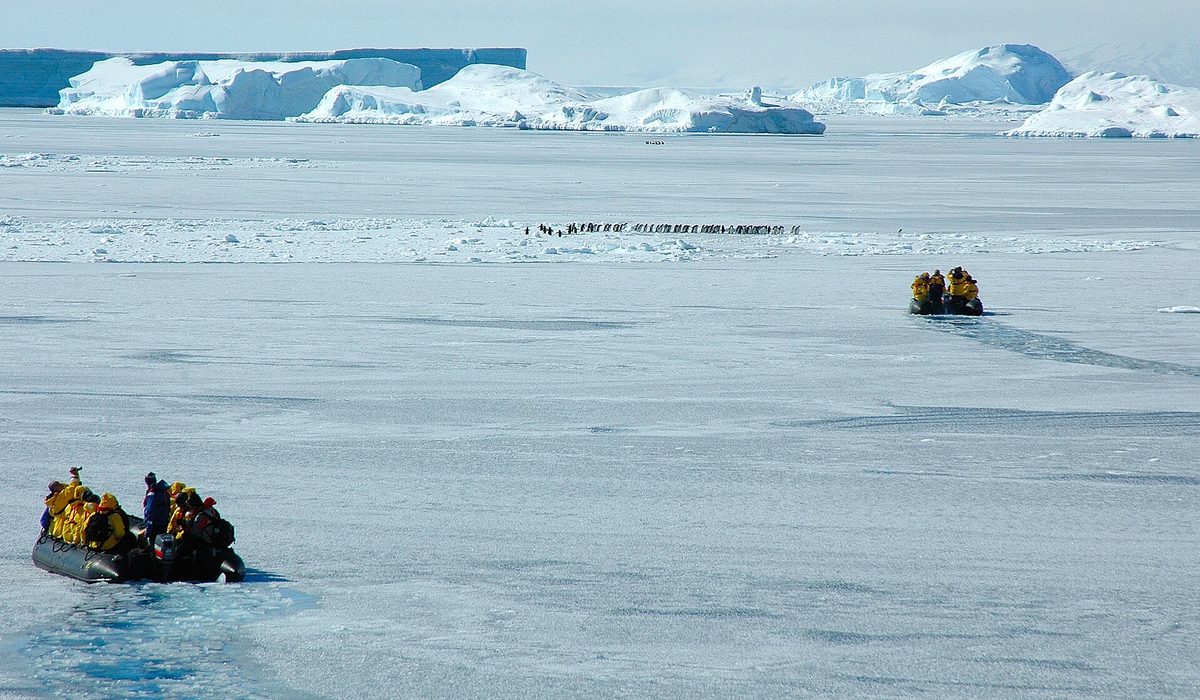
What surprises people most is how civilised the experience has become at the comfortable end. Modern expedition ships have ensuite cabins, hot showers, real chefs, doctors on board, and naturalists who lecture on penguins and ice. You’re not gnawing pemmican in a canvas tent like Shackleton’s men. But it is still an expedition in the meaningful sense: the weather runs the schedule, landings can be cancelled at an hour’s notice, and you’ll climb in and out of small inflatable boats in cold spray. If you go in clear-eyed about that, you’ll have the trip of your life. If you’re researching the practical mechanics of getting down there, my broader walkthrough on how to get to Antarctica is the companion piece to this one, and I’ll link back to it a few times below.
Do You Need a Visa or Passport to Enter Antarctica?
Here’s a fact that delights everyone who hears it: there is no Antarctic tourist visa, and there is no Antarctic passport stamp. Antarctica isn’t a country. It’s governed by the Antarctic Treaty System, a multinational agreement that sets the continent aside for peace and science, so there’s no government to issue you an entry visa and no border post to stamp your book when you step onto the ice. You will not get a souvenir stamp at your landing site, however much you might want one. Some ships and a few gateway tourist offices offer novelty “passport” stamps you can collect for fun, but those are keepsakes with no legal standing whatsoever.
What you absolutely do need are the visas and documents for the countries you pass through to get there — and that trips people up far more often than Antarctica itself. Almost every traveller routes through Argentina (via Ushuaia) or Chile (via Punta Arenas), so you’ll need a valid passport with comfortable validity remaining and whatever entry requirements those two nations apply to your nationality. Many Western passport holders enter both Argentina and Chile visa-free for tourism, but rules change, so check your own situation before booking flights. Your expedition operator will also require you to complete medical forms and sign liability paperwork; that’s contractual, not governmental. In short: no visa for the continent, full documentation for the gateway country.
The Two Real Ways In: Expedition Cruise vs Fly-Cruise
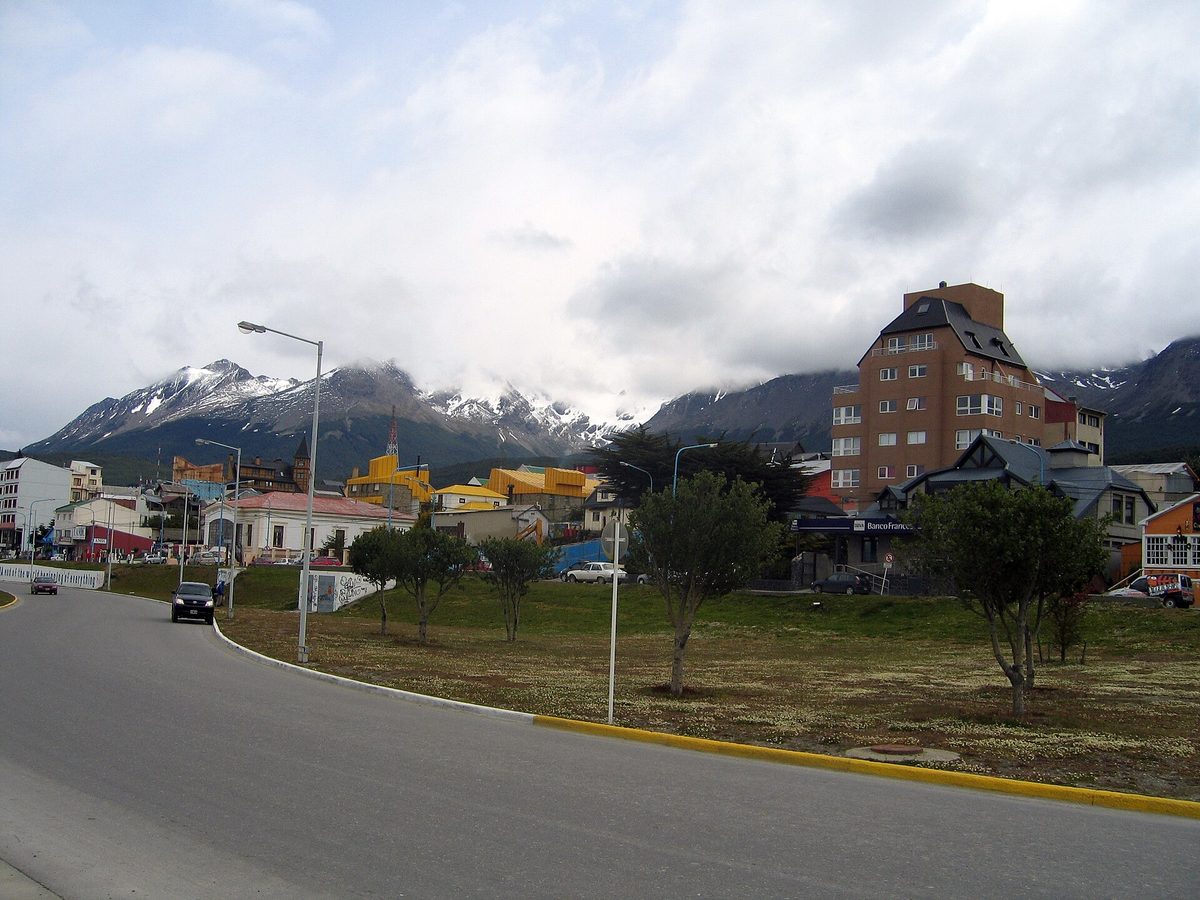
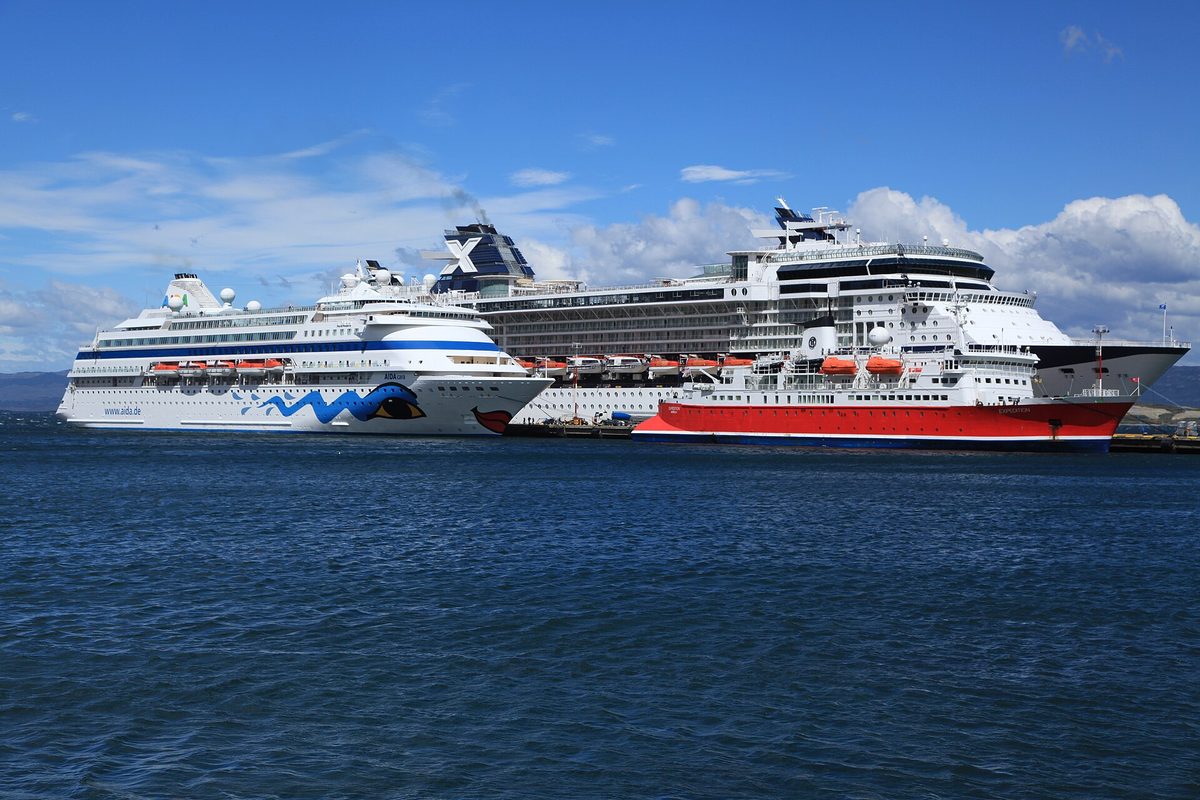
For practical purposes there are exactly two routes an ordinary traveller uses to reach the Antarctic Peninsula, and choosing between them is the single biggest decision you’ll make. The first is the classic expedition cruise: you fly to Ushuaia, Argentina — the world’s southernmost city, perched on the Beagle Channel in Tierra del Fuego — board a ship at the pier, and sail south across the Drake Passage. This is how more than nine in ten Antarctic tourists travel, and it’s the cheaper, more flexible, more atmospheric option. The trade-off is the Drake: roughly two days of open ocean each way, which can be glassy calm (“Drake Lake”) or genuinely rough (“Drake Shake”). I’ve had both on the same trip.
The second route is the fly-cruise (sometimes called an air-cruise): you fly to Punta Arenas in Chilean Patagonia, then take a roughly two-hour charter flight across the Drake to an airstrip on King George Island in the South Shetlands, where you board your ship and start cruising the peninsula immediately. You skip the ocean crossing entirely — no seasickness, two to four days saved, and you’re among the icebergs the same day you leave the mainland. It costs noticeably more, the small charter planes are weather-dependent (delays happen), and you trade the slow, building anticipation of the Drake for speed and comfort. For nervous sailors and time-poor travellers it’s a brilliant option. I break down the gateways themselves in detail in my guides to Ushuaia as the Antarctic gateway and Punta Arenas and the fly-cruise hub.
Expedition Cruise vs Fly-Cruise: A Side-by-Side Comparison
Because this choice matters so much, here’s the comparison I wish someone had handed me before my first booking. The numbers below are seasonal ballparks — always confirm current pricing and schedules with the operator, as both shift year to year. Use this as a decision framework rather than a quote.
| Factor | Expedition Cruise (from Ushuaia) | Fly-Cruise / Air-Cruise (from Punta Arenas) |
|---|---|---|
| Gateway city | Ushuaia, Argentina | Punta Arenas, Chile |
| How you reach the ice | Sail ~2 days each way across the Drake Passage | Fly ~2 hours to King George Island, board ship there |
| Drake Passage crossing | Yes — both ways, open ocean | No — flown over entirely |
| Typical trip length | 10–12 days (some 18–23 day deep itineraries) | 6–9 days |
| Seasickness risk | Moderate to high (medication helps a lot) | Very low |
| Rough cost band (per person) | From ~US$8,000–$9,000; commonly $12,000–$28,000+ | From ~US$11,000; commonly $14,000–$27,000+ |
| Weather-related risk | Sea state delays/diversions | Charter-flight delays at either end |
| Best for | Budget, atmosphere, time to acclimatise, the full voyage | Seasickness-prone, time-poor, fly-in-fly-out efficiency |
| Wildlife/landing time on peninsula | Similar once you arrive; more total days | Similar once you arrive; more efficient use of days |
My personal take: if money is the deciding factor or you actively want the romance of crossing the Southern Ocean under your own bow wave, sail from Ushuaia. If you get seasick just reading the word “swell,” or you can only spare a week of leave, pay the premium and fly from Punta Arenas. Neither is wrong — I’ve recommended both to friends depending on their stomach and their calendar. For a fuller treatment of timing the whole journey, see how long it takes to get to Antarctica, which adds up the door-to-door days for each route.
When Is the Antarctic Tourist Season?
You can only sensibly visit Antarctica during the austral summer, which for tourism runs from roughly November through March. Outside that window the sea ice closes in, daylight collapses, temperatures plunge, and ships simply can’t operate — the continent goes dark and shuts to visitors. Within the season, each month has its own character, and the “best” time genuinely depends on what you want to see. Early season (November) gives you pristine snow, dramatic pack ice, and penguins building nests and courting. The light is crisp and the landscapes look untouched.
Midseason (December–January) brings the longest days, the warmest temperatures of the year (still mostly hovering around freezing), and the chaos of penguin chicks hatching. It’s peak everything, including peak prices and demand. Late season (February–March) is prime time for whales — humpbacks and minkes feed in numbers — and the receding ice opens routes further south. The penguin colonies are messier and noisier by then, with fat, moulting chicks. I dig into the month-by-month trade-offs in detail in my guide to the best time to visit Antarctica, because picking your month is almost as important as picking your route.
Who Can Go? Fitness, Mobility, and the Realities
Here’s the reassuring truth: you do not need to be an athlete. The single most useful ability is being able to get yourself in and out of a Zodiac — the rigid inflatable boats that ferry you from ship to shore — which means stepping down into a moving boat with a crew member steadying your forearm, and sometimes clambering over slippery rocks on landing. If you can manage a flight of stairs without distress, stand unaided for a stretch, and tolerate cold, wet, uneven ground, you can do a standard expedition cruise. Landings are optional; you can always stay aboard and watch from the deck or a window, and many people skip a landing or two without regret.
That said, be honest with yourself about mobility. Antarctica has no paved paths, no handrails ashore, and no quick evacuation if something goes wrong — the nearest hospital is often days away by sea. Operators require a medical questionnaire, and for travellers with significant conditions, a doctor’s sign-off. Reduced-mobility travellers absolutely do go, but it pays to choose a larger, more stable ship, possibly a fly-cruise to skip the Drake, and to discuss your needs frankly with the operator before booking. If you want the wider picture of how different traveller types fare down there, I wrote a guide to Antarctica for every traveller covering solos, seniors, families, and more.
Age Limits and Family Policies
Antarctica is more family-friendly than its reputation suggests, but there are real rules to know. Most expedition operators set a minimum age, and it varies by company and itinerary — commonly somewhere in the range of 6 to 12 years old for the standard peninsula trips, with some operators running dedicated family departures that welcome younger children and lay on extra programming. A few luxury and deep-sea itineraries set higher minimums (sometimes 16 or 18) because of the conditions or the Drake crossing. There’s no upper age limit at all — I’ve shared Zodiacs with travellers well into their eighties who outpaced people half their age.
If you’re planning a family trip, ask the operator three things up front: the minimum age on your specific departure, whether they offer a young-explorer or family program, and what their cabin policy is for children sharing with adults. Teenagers, in my experience, are the ideal Antarctic age — old enough to handle the Zodiacs and the long days, young enough to be genuinely awestruck. The continent has no schools, playgrounds, or childcare, so this is very much an adult-led adventure that older kids can join, not a resort holiday. Always confirm the current age policy directly, because operators adjust them.
Is Antarctica Accessible for Travellers With Disabilities?
This deserves an honest, nuanced answer rather than a brochure platitude. Antarctica is not an accessible destination in the way a modern cruise port is — there are no ramps ashore, no accessible toilets at landing sites, no smooth ground, and getting into a Zodiac requires some lower-body function and balance. But “not easy” is not the same as “impossible,” and travellers with a wide range of conditions do make it down. The key variables are the ship and the operator. Larger expedition vessels have lifts between decks, stabilisers that tame the motion, and crews experienced at assisting passengers; some have accessible cabins.
If you use a wheelchair or have limited mobility, you can still have a profound trip even if you make few or no landings — the wildlife and scenery from the ship and the deck are extraordinary, and ship-cruising in Zodiacs (staying in the boat rather than landing) is often more manageable than a shore landing. The honest move is to call the operator’s expedition team early, describe your situation in plain detail, and let them advise on which ship and itinerary fit. A fly-cruise that skips the Drake can also remove a major physical hurdle. Don’t let the lack of paved paths talk you out of it — talk to the experts first and decide with real information.
How Much Does It Cost to Visit Antarctica?
Let’s talk money, because this is where the dream meets the spreadsheet. Antarctica is expensive — there’s no getting around it — but it spans a wider price range than most people assume. As a rough guide for the 2026/27 season, entry-level expedition cruises from Ushuaia start somewhere around US$8,000–$9,000 per person for a triple or quad shared cabin on a smaller ship, while mainstream comfortable voyages commonly land in the US$12,000–$28,000 range. Fly-cruises from Punta Arenas typically begin around US$11,000 and rise from there, reflecting the charter flights. At the top, luxury vessels, suites, and long deep-Antarctica itineraries can run well past US$40,000 per person. Treat every figure here as indicative and check current pricing — operators adjust fares each season and run promotions.
And remember the cruise fare is not the whole bill. Budget for international flights to Buenos Aires or Santiago, the domestic hop to your gateway city, at least one pre-cruise hotel night (you should always arrive a day or two early in case of delays), travel insurance with mandatory emergency medical evacuation cover, gear you may need to buy or rent, gratuities, and any drinks or extras not in your package. It adds up. For a proper line-by-line breakdown of the full cost of the trip, not just the headline fare, read my dedicated guide to the Antarctica trip cost — it’s the piece I point friends to when they start budgeting seriously.
Ways to Bring the Cost Down
If the price band made you wince, don’t give up yet — there are legitimate ways to shave thousands off. The biggest lever is the cabin: opting for a triple or quad share, or a “twin share for solo travellers” program (where the operator pairs you with a same-sex roommate to dodge the single supplement), can cut the fare dramatically versus a private cabin. Travelling in the shoulder months of November or March, rather than peak December–January, usually means lower fares too. Choosing a shorter classic peninsula itinerary over a long deep-south voyage keeps the number down.
Then there are last-minute deals. If you can be flexible and you’re already in South America, gateway agencies in Ushuaia sometimes sell heavily discounted unsold berths a few days before departure — I’ve seen people snag remarkable prices this way. It’s a gamble (you might not get the cabin or date you want, and it’s stressful), but for budget-minded adventurers with time on their hands it can work. Booking early, conversely, often secures the best cabins and early-bird discounts, so the cheapest approaches sit at opposite ends of the timeline. Whichever route you take, build in a buffer for the hidden extras above so the “deal” stays a deal.
Why You Can’t Just Travel to Antarctica on Your Own
People often ask whether they can skip the cruise and somehow get there independently — hitch a ride on a supply ship, sail their own boat, or fly in solo. For practical purposes, the answer for an ordinary traveller is no. Antarctica has no commercial flights you can simply book a seat on, no ferries, no ports that sell passage to walk-up travellers, and no infrastructure to support an independent arrival. Research stations are not hotels and cannot host tourists. The continent is governed by the Antarctic Treaty, and any non-governmental activity — which includes tourism — requires advance permitting and environmental authorisation through a national authority. That machinery is built for organised operators, not individuals turning up with a backpack.
This is why essentially everyone goes with a commercial expedition company, and why those companies matter so much. Reputable operators are members of IAATO — the International Association of Antarctica Tour Operators — a self-regulating body that sets strict standards for safety, group sizes, wildlife distance, and environmental protection. Booking with an IAATO member isn’t a legal requirement, but it’s the practical mark of a properly run, permitted trip, and I’d never sail with anyone outside it. Private yachts do occasionally make the crossing, but that’s the domain of experienced expedition sailors with their own permits and serious self-sufficiency, not a route for the rest of us. For the full mechanics of access, my how to get to Antarctica guide lays out every option and why the commercial route dominates.
Tourists vs Scientists: Who Else Is Down There?
It’s worth understanding that you’ll be sharing the continent with a very different population: the scientists and support staff of national research programs. Dozens of countries operate research stations across Antarctica, staffed by researchers, engineers, cooks, doctors, and logisticians who live there for months at a time — some overwintering through the dark, frozen season when no tourists can come. These people are there on government programs, not as visitors; they go through national selection, training, and deployment, which is an entirely separate path from tourism. You can’t become one by buying a ticket.
As a tourist, your worlds occasionally overlap in interesting ways. Some expedition itineraries include a visit to a working research station — places like Argentina’s, Chile’s, Ukraine’s Vernadsky (famous for its tiny bar), or the US Palmer Station — where staff may show you around if operations allow. Those visits are a genuine highlight and a reminder that Antarctica’s primary purpose under the Treaty is peace and science, with tourism a carefully managed guest. You’ll leave with a deep respect for the people who call it home for a season. But to be clear: tourists visit; scientists work; and the two arrive by completely different doors.
Is It Safe to Visit Antarctica?
For a place this remote and wild, organised Antarctic tourism has a strong safety record, and that’s no accident. The ships are purpose-built or strengthened for ice, carry a doctor and a small medical facility, and operate under IAATO protocols that govern everything from how close you stand to a penguin to how many people can be ashore at once. The expedition crews are seasoned polar professionals who read the weather and ice obsessively and cancel landings without hesitation when conditions turn. The real risks aren’t dramatic — they’re the mundane ones: a slip on wet rock, a twisted ankle on a landing, seasickness in the Drake, or cold-related issues if you under-dress.
The biggest genuine concern is remoteness. If you have a serious medical emergency mid-voyage, you are a long way from a hospital — sometimes days. That’s precisely why every operator mandates comprehensive travel insurance that includes emergency medical evacuation cover, often to a high coverage minimum, and you should never sail without it. Pack any personal medications in your carry-on with spares, bring motion-sickness remedies, and follow the crew’s safety briefings to the letter. Do those things and you’ll be about as safe as you can be at the bottom of the world. For more on preparing properly, including the cold-weather kit that keeps you comfortable and safe ashore, see my guide on what to pack for Antarctica.
How Far Ahead Should You Book?
Further ahead than you think. The single most common regret I hear is “I should have booked sooner.” Berths on the best ships and the most popular departures — peak December–January dates, specific cabins, premium operators — sell out 12 to 18 months in advance, and some of the most sought-after voyages go even earlier. If you have your heart set on a particular ship, date, or itinerary, plan on booking roughly a year ahead, sometimes more. Early bookers also tend to get the best cabin selection and early-bird discounts, so there’s a financial incentive to commit early rather than dither.
The exception is the last-minute strategy I mentioned earlier: if you’re flexible and willing to gamble, you can sometimes pick up a discounted unsold berth a week or two out, especially by being physically in Ushuaia ready to jump. But that’s a high-variance play — you might wait days and still not get a spot, and the savings come with real stress. For most people, especially anyone coordinating flights, leave from work, and a specific date, booking well ahead is the sane approach. Whatever you do, sort your travel insurance the moment you put down a deposit, because trip-cancellation cover only protects what’s already booked.
Getting to Your Gateway City
Before you can sail south, you have to reach the bottom of the Americas, and this leg deserves its own planning. For the classic cruise you’re aiming for Ushuaia, which most travellers reach by flying into Buenos Aires and connecting on a roughly three-and-a-half-hour domestic flight. Note that Buenos Aires has two airports — the city-centre Aeroparque (AEP), from which most Ushuaia flights depart, and the international Ezeiza (EZE) — and you may need to transfer between them, which can eat hours, so build in time. Aerolíneas Argentinas and budget carriers like Flybondi and JetSmart fly the route. I cover the specifics in how to get to Ushuaia.
For a fly-cruise you’re headed to Punta Arenas in Chile, usually via Santiago. Whichever gateway you use, the golden rule is the same: arrive at least one full day before your ship sails — ideally two. South American domestic flights get delayed and cancelled, baggage goes astray, and a missed connection on the day of embarkation can mean missing the ship entirely, with no refund. An extra hotel night is cheap insurance against losing a US$15,000 voyage. If you want a strategic overview of all the launch points and how they compare, my guide to Antarctica’s gateway cities maps them out, from the big two down to the minor sectors served from Australia, New Zealand, and South Africa.
What the Trip Is Actually Like
Let me set expectations for the experience itself, because it’s unlike any other holiday. A typical day on the peninsula revolves around landings and Zodiac cruises, usually two outings a day, weather permitting. You’ll wake to an announcement, layer up, file down to the gangway, and motor ashore among icebergs to walk near penguin colonies, watch seals haul out, and stand in a silence so complete it rings in your ears. Back on board there are hot meals, hot showers, expert lectures on glaciology and wildlife, and the slow social rhythm of a small ship where you quickly know everyone. The scenery is relentlessly spectacular in a way photos undersell.
It’s also genuinely unpredictable, and that’s part of the magic. The captain might divert for a pod of orcas, scrap the afternoon plan for a sudden storm, or surprise you with a polar plunge — leaping into water near freezing, which I did once and regret nothing. You’ll be cold and wet sometimes, the Drake might rattle your crockery, and a landing or two may be cancelled. None of that diminishes it. The people who come back disappointed are the ones who expected a predictable resort; the people who come back transformed are the ones who embraced the wildness. If you want a sense of the headline experiences, my rundown of things to do in Antarctica covers the landings, the wildlife, and the bucket-list moments.
Frequently Asked Questions
Can ordinary tourists really visit Antarctica without special permission?
Yes. You don’t need any personal permit, scientific credentials, or special status to visit Antarctica as a tourist. You book a place on a commercial expedition cruise — the operator holds the necessary permits and authorisations. As long as you can reach the gateway city and meet the operator’s medical and fitness requirements, the continent is open to ordinary travellers every summer season.
Do you need a visa to go to Antarctica?
No — there is no Antarctic tourist visa and no passport stamp for the continent itself, because Antarctica is not a country and has no government to issue one. You do, however, need a valid passport and whatever entry documents apply to the gateway country you transit, usually Argentina or Chile. Always check the current visa rules for your nationality before booking flights.
What is the cheapest way to visit Antarctica?
The cheapest route is generally a classic expedition cruise from Ushuaia in a shared triple or quad cabin, travelling in the shoulder months of November or March rather than peak season. Last-minute unsold-berth deals bought in Ushuaia can also be dramatically cheaper if you’re flexible. Expect entry-level fares from roughly US$8,000–$9,000 per person, but always confirm current pricing.
How long does a trip to Antarctica take?
A standard expedition cruise from Ushuaia runs about 10–12 days, including two days crossing the Drake each way. Fly-cruises from Punta Arenas are shorter, around 6–9 days, because they skip the ocean crossing. Adding international and domestic flights plus a buffer night, plan for roughly two weeks door to door for most itineraries.
Is there an age limit for visiting Antarctica?
Most operators set a minimum age, commonly in the 6–12 range depending on the company and itinerary, with some luxury or deep-sea trips requiring 16 or 18. There is no maximum age — many travellers in their seventies and eighties go every season. If you’re travelling with children, confirm the minimum age and any family programs on your specific departure.
Can you visit Antarctica if you have limited mobility?
Often, yes, though it depends on your situation and the ship. Larger vessels with lifts and stabilisers, and fly-cruises that skip the Drake, are more manageable. You can enjoy a remarkable trip even with few or no shore landings, watching wildlife from the deck or from Zodiacs. Speak frankly with the operator’s expedition team before booking so they can recommend the right itinerary.
When is the best time of year to go to Antarctica?
The season runs November to March. November offers pristine snow and courting penguins; December–January brings the longest days, warmest weather, and hatching chicks; February–March is best for whales and reaching further south as the ice recedes. There’s no single best month — it depends on whether you prioritise ice, penguin chicks, or whale watching.
Is it safe to travel to Antarctica?
Organised Antarctic tourism has a strong safety record. Ships are ice-strengthened, carry a doctor, and follow strict IAATO protocols, while expedition crews are experienced polar professionals. The main risks are minor slips, seasickness, and the continent’s remoteness from hospitals — which is why comprehensive travel insurance with emergency medical evacuation cover is mandatory. Follow the crew’s briefings and you’ll be well protected.
How far in advance should I book an Antarctica cruise?
Book early — popular ships, peak dates, and specific cabins often sell out 12 to 18 months ahead, and early bookers get the best cabins and discounts. If you want a particular voyage, plan on roughly a year in advance. The only exception is the high-risk last-minute strategy of grabbing discounted unsold berths in Ushuaia a week or two before departure.
Can you fly to Antarctica instead of taking a cruise?
Sort of — but you still join a ship. The fly-cruise option from Punta Arenas flies you about two hours to King George Island, where you board an expedition vessel and cruise the peninsula, skipping the Drake Passage. There are also separate fly-in trips to the deep interior for activities like visiting the South Pole, but those are far more specialised and expensive. There’s no ordinary commercial flight you can simply book to the continent.
Final Thoughts
So, can you visit Antarctica? Absolutely — and I hope this guide has stripped away the myth that it’s reserved for explorers and scientists. If you’re a reasonably mobile person who can get to Ushuaia or Punta Arenas, book a berth with a reputable IAATO operator, and budget honestly for the trip, the seventh continent is genuinely within your reach. The two real routes — sailing across the Drake from Ushuaia, or flying over it from Punta Arenas — each have their merits, and the right one comes down to your stomach, your schedule, and your wallet. Everything else is detail you can plan your way through.
My advice after multiple seasons down there: decide your route and month, sort your insurance, book earlier than feels comfortable, arrive at your gateway a day or two ahead, and then let the expedition crew handle the rest. The Drake might shake you, a landing might get cancelled, and you’ll be cold and wet at some point — and none of it will matter when you’re standing in that vast white silence watching penguins porpoise past an iceberg. It is, hands down, the most extraordinary trip I’ve ever taken, and it can be yours too. When you’re ready to plan the journey in earnest, start with my master guide to how to get to Antarctica and work outward from there. Then go — you won’t regret it.