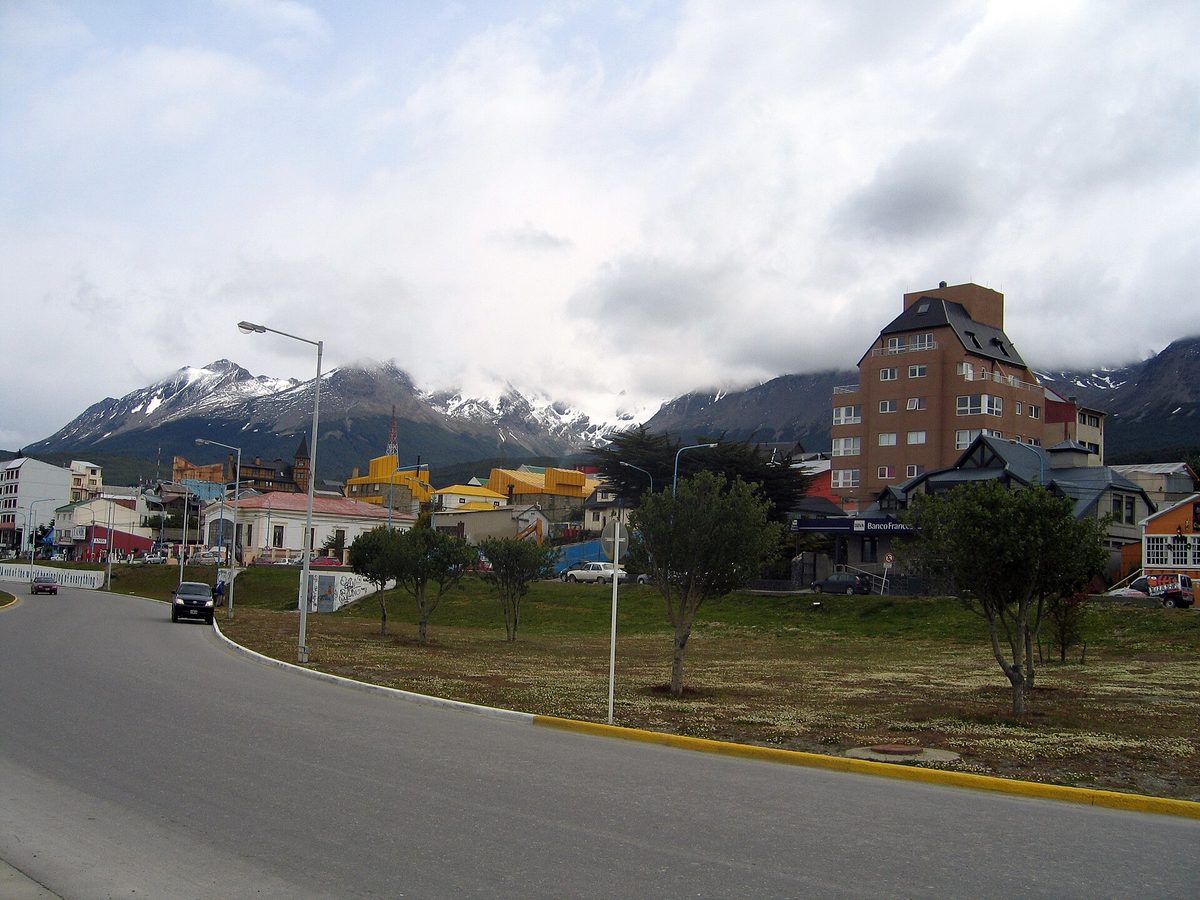
Flights to Ushuaia from Buenos Aires
If you are sailing to the white continent, almost everything hinges on one short hop at the bottom of the map. Flights to Ushuaia from Buenos Aires are the connection that turns a far-off dream into a real boarding pass, and they are also the leg that trips up more travelers than any other part of the journey. I have flown this route more times than I can count, in fog and in dazzling sun, in the cheap seats and in the not-so-cheap ones, and I want to walk you through it the way I would for a friend who just booked a cabin and suddenly realized they have to actually get there.
Here is the short version before we go deep. Buenos Aires has two airports that look almost the same on a booking site and are anything but. Your domestic flight south almost always leaves from the in-city one, Aeroparque, while your big international flight from home lands at Ezeiza, an hour away by road. Three airlines fly the roughly three-and-a-half-hour route to the world’s southernmost city. Fares are reasonable most of the year and then go a little wild in December and January when every cruise passenger on earth wants the same seats. Get the airport right, build a buffer day, and the rest is honestly easy. Get the airport wrong, and you can miss your ship. Let’s make sure that is not you.
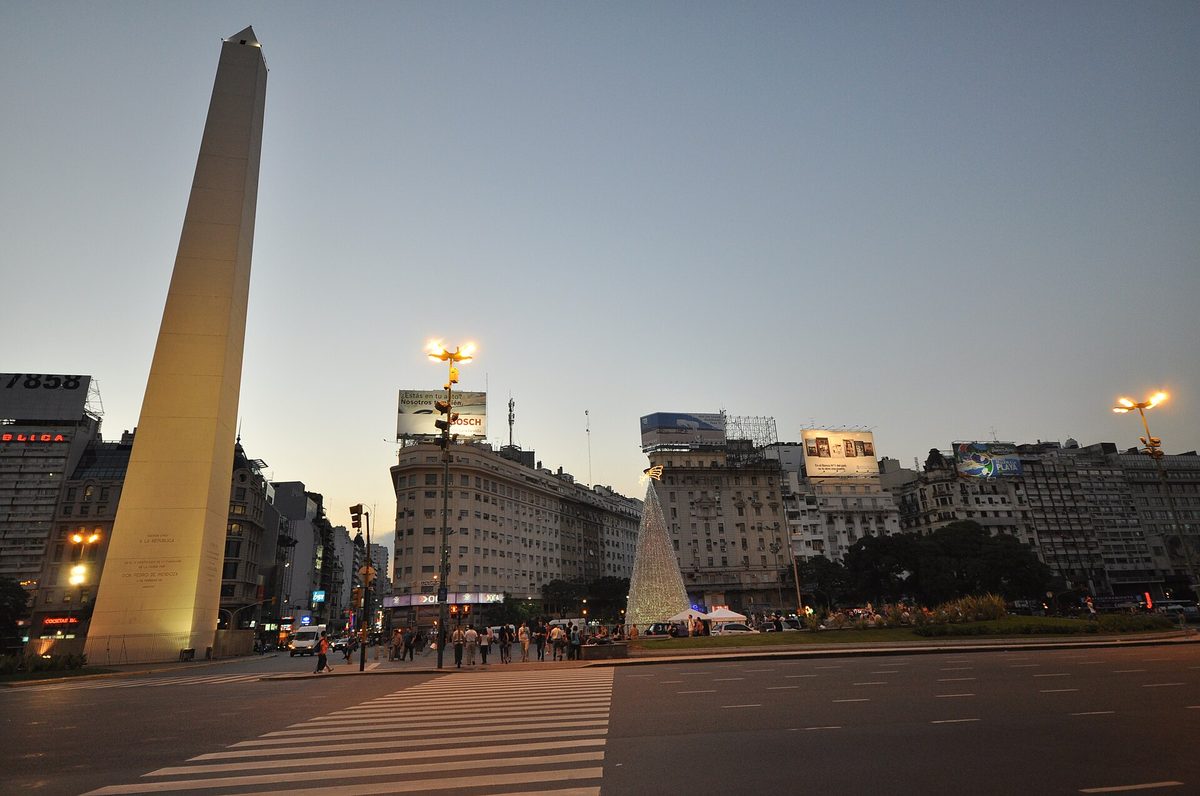
Why Ushuaia Is the Gateway You Are Flying To
Ushuaia is not just a pretty name on a ticket. It is the launch pad for somewhere between ninety and ninety-five percent of all Antarctic expedition cruises, which means that if you booked a classic Drake Passage voyage, this little Argentine port at the very tip of Tierra del Fuego is where your ship is waiting. It sits on the Beagle Channel, hemmed in by snow-streaked mountains, and it bills itself with some justification as the end of the world. For our purposes, it is the beginning of the world’s greatest sea voyage. Understanding why you are going there helps you understand why this flight matters so much.
Because the town is so remote, road access from the rest of Argentina is genuinely epic and genuinely slow, threading through Chilean Patagonia and across the Magellan Strait. That is a wonderful overland adventure if you have a week to spare, and I touch on it in our guide to how to get to Ushuaia, but it is not how ninety-nine percent of cruise passengers arrive. They fly. The flight is the practical, sane, time-saving choice, and it is the spine of the whole how to get to Antarctica puzzle. Once you grasp that this one short flight is the thing standing between you and embarkation day, you start treating it with the seriousness it deserves.
Flights to Ushuaia: Airlines, Times and Prices
Let’s get concrete. Three carriers fly the Buenos Aires to Ushuaia route, and they split neatly into one full-service legacy airline and two budget upstarts. Aerolineas Argentinas is the flag carrier and the one most cruise lines and travel agents default to. It flies the most daily frequencies, uses modern Boeing 737s, and includes a checked bag on most fare types, which matters more than you would think when you are hauling parkas and boots south. Flybondi and JetSMART are the low-cost players. They can be dramatically cheaper if you book early and travel light, but they strip everything out of the base fare and charge for it back, bag by bag.
The flight itself runs about three and a half hours nonstop, covering a little over twenty-three hundred kilometers down the spine of Argentina. On a clear day the descent into Ushuaia is one of the most beautiful approaches in commercial aviation, banking over the Beagle Channel with the Martial mountains right outside the window, so try for a window seat on the left side coming in. As for fares, treat every number you see as a moving target and always check current schedules, but as of the 2026 season one-way direct fares have been starting around US$76 and round-trips around US$113 in the quieter months, climbing steeply in peak summer. Here is how the carriers compare.
| Airline | Type | Departure airport (Buenos Aires) | Typical flight time | Checked bag | Notes |
|---|---|---|---|---|---|
| Aerolineas Argentinas | Full-service flag carrier | Aeroparque (AEP), occasionally Ezeiza (EZE) | ~3 hr 30 min | Usually included | Most frequencies; cruise-line default; modern 737s |
| Flybondi | Low-cost | Aeroparque (AEP) | ~3 hr 30 min | Paid add-on | Cheap base fares; charges for bags, seats, changes |
| JetSMART | Low-cost | Aeroparque (AEP) | ~3 hr 30 min | Paid add-on | Cheap base fares; strict carry-on rules; book bags upfront |
A quick word on reading that table. The departure-airport column is the single most important thing on this page, and we are about to spend a lot of words on it, because the difference between AEP and EZE is the difference between a relaxed morning and a frantic taxi dash. If you only remember one thing from this whole guide, make it that domestic flights to Ushuaia overwhelmingly leave from Aeroparque, the airport inside the city, not from Ezeiza, the international one out by the highway.
Aeroparque (AEP) vs Ezeiza (EZE): The Distinction That Can Save Your Trip
Buenos Aires is served by two completely separate airports, and confusing them is the classic, ship-missing rookie mistake. Aeroparque Jorge Newbery, code AEP, sits right on the river in the Palermo neighborhood, a ten-to-twenty-minute taxi from downtown hotels. It handles the vast majority of domestic flights, including nearly all departures to Ushuaia. Ezeiza, officially Ministro Pistarini, code EZE, is the big international hub roughly thirty to forty kilometers southwest of the center, out past the suburbs. When you fly in from North America, Europe, or anywhere overseas, you almost certainly land at Ezeiza. When you fly onward to Ushuaia, you almost certainly leave from Aeroparque. They are not the same building, not the same neighborhood, and not a quick walk apart.
This matters because booking engines list both simply as Buenos Aires, sometimes under the city code BUE, and a careless click can leave you holding a domestic boarding pass for the wrong airport. I have watched travelers realize at Ezeiza, bags in hand, that their Ushuaia flight is leaving across the entire metropolitan area in ninety minutes, and there is no version of that story that ends calmly. So when you book, read the three-letter code on every segment. You want AEP for the leg to Ushuaia unless your itinerary explicitly says otherwise, and a small number of Aerolineas flights do route through EZE, so verify rather than assume.
Getting Between Ezeiza and Aeroparque: Time and Cost
So you land at Ezeiza from home and your Ushuaia flight leaves from Aeroparque. How do you bridge the gap? The two airports are about forty-five to fifty kilometers apart by road, and the honest answer on travel time is that it depends entirely on traffic. On a quiet Sunday morning you might do it in forty-five minutes. On a weekday at rush hour, with the Buenos Aires traffic in full operatic chaos, it can stretch past ninety minutes or even two hours. That variability is exactly why you cannot treat a same-day connection between the two airports as a safe bet, no matter how generous the layover looks on paper.
Your options for the transfer, roughly cheapest to priciest, are the official airport bus services, a remise or radio taxi, a private transfer arranged through your hotel or cruise line, and ride-hailing apps where available. As of the 2026 season, a private car or taxi between EZE and AEP typically runs somewhere around US$30 to US$60 depending on the operator and the exchange rate, which swings a lot in Argentina, so check current rates. A shared shuttle bus is cheaper but slower with stops. My strong advice, and I will repeat it below, is to not attempt this transfer in a panic on the same day as your flight south. Spend a night in the city, breathe, and start the Ushuaia day fresh from Aeroparque. A relaxed Buenos Aires stopover is one of the great unsung pleasures of an Antarctic trip anyway.
How Long Is the Flight to Ushuaia?
Nonstop, the Buenos Aires to Ushuaia flight is scheduled at roughly three hours and thirty minutes, give or take depending on winds, which down at the bottom of the continent can be ferocious. That is wheels-up to wheels-down. It is a proper flight, not a quick hop, so settle in, but it is also short enough that low-cost carriers offer no real meal service and even the legacy carrier keeps it simple. Bring water and a snack, especially on the budget airlines, because you will pay onboard prices otherwise. The flight crosses an astonishing amount of Argentina, from the humid pampas around the capital down through Patagonia’s steppe and finally over the forests and channels of Tierra del Fuego.
The flight time is only one slice of the real door-to-door math, of course. From a major Northern Hemisphere city you are looking at a long-haul flight of ten to fourteen hours into Buenos Aires, then ideally an overnight, then this three-and-a-half-hour leg, then embarkation. All told, getting from home to standing on the deck of your ship usually eats up the better part of two to three days before you even reach the Drake Passage. If you want the full breakdown of the journey end to end, including the sea days, we lay it out in our guide to how long it takes to get to Antarctica. Knowing those cumulative hours helps you plan rest stops and jet-lag recovery instead of arriving frazzled.
What Fares Actually Look Like, and When They Spike
Let me set expectations honestly, because Antarctic travelers are often braced for sticker shock on every leg and this one can be a pleasant surprise. Outside peak season, the Buenos Aires to Ushuaia route is genuinely affordable by world standards. In the shoulder and off months, one-way fares have been turning up around US$76 and round-trips around US$113, and the cheapest month historically tends to be October, with averages drifting up only to roughly US$150 round trip. Those are budget-airline numbers, and Aerolineas in its included-bag fares will sit somewhat higher. Treat all of this as a guide, hedge it as around US$X, and check current schedules and prices before you book, because Argentine pricing and the peso move constantly.
Now the warning. The Antarctic cruise season peaks in the southern summer, and December and January are when fares climb hard. Every expedition departing Ushuaia is funneling its passengers through the same handful of daily flights, and demand is brutal. In peak weeks I have seen those same routes that cost under a hundred dollars in spring run several times higher, especially if you book late. The lesson is simple: in peak Dec–Jan, book your flight the moment your cruise dates are confirmed, not after you have leisurely planned everything else. For more on how all your costs stack up across the whole trip, our breakdown of Antarctica trip cost puts the flight in perspective against the cruise fare, which dwarfs it.
Baggage: What You Can Bring and What It Costs
Baggage is where the budget airlines claw back the money they saved you on the fare, so go in with your eyes open. On Aerolineas Argentinas, most standard fares to Ushuaia include a checked bag, which is a real perk when your luggage is stuffed with the bulky layers you need for the white continent. On Flybondi and JetSMART, the headline fare typically covers only a small carry-on or even just a personal item, and everything beyond that, including any checked luggage, is a paid add-on. The trap is buying at the counter or the gate, where the fees are far steeper than if you add the bag online at booking. Always prepay your bags.
There is an Antarctic wrinkle here, too. Polar gear is heavy and bulky, and many cruise lines lend you a parka and sometimes boots, which cuts your packing but not to zero. You still carry mid-layers, waterproofs, camera gear, and personal kit, and it adds up fast against a low-cost carrier’s tight weight limits. Weigh your bag at home. If you are flirting with the limit, paying for the next weight tier online is almost always cheaper than the overweight penalty at the airport. For a full rundown of the gear that fills those bags, our guide on what to pack for Antarctica will keep you from overpacking, which is the real enemy of a smooth budget-airline check-in.
The Big Decision: Cruise-Line Charter Flight or Book It Yourself?
Here is one of the most consequential choices you will make, and it genuinely splits experienced travelers. Many Antarctic operators offer, or sometimes require, an included or charter flight package between Buenos Aires and Ushuaia, sometimes timed to the ship and occasionally on a dedicated charter aircraft. The pitch is peace of mind: the cruise line owns the logistics, so if a flight is delayed they hold the ship or rebook you, and your bags and timing are their problem, not yours. For a once-in-a-lifetime trip where missing the boat is catastrophic, that safety net is worth real money to a lot of people, and honestly, for nervous first-timers it is the option I most often recommend.
The counter-argument is flexibility and, sometimes, cost. Booking independently lets you choose your own airline, your own times, your own seat, and crucially lets you arrive in Ushuaia a day or two early to lock in that buffer, which a tightly timed charter may not. It can be cheaper, especially if you catch a budget fare. The risk is that if you book your own flight and it cancels or delays badly, the ship will not wait for you, and that is entirely on you. So weigh it like this: if your operator’s included flight is reasonably priced and you value the safety net, take it; if you are a confident traveler who wants control and is willing to self-insure with a buffer day and travel insurance, book your own. Our overview of Antarctica cruises explains how different operators structure these flight packages.
The Risk of Cancelled or Delayed Flights
Let’s talk honestly about the thing that keeps me recommending caution: this route gets disrupted. Ushuaia sits in a notoriously weather-prone corner of the planet, and the same wind and fog that make the approach so dramatic also cause delays and the occasional cancellation, particularly in shoulder seasons. Add the everyday turbulence of Argentine aviation, the odd strike, schedule changes, and aircraft swaps, and you have a leg where things go sideways more often than on a routine domestic hop elsewhere. None of this is a reason to panic. It is a reason to plan as if disruption is possible, because sometimes it is.
The charter flights some operators run are not immune either; a charter can be delayed or, in rare cases, cancelled too, though the cruise line then owns the fix. The practical takeaway is the same whether you fly charter or independent: never, ever build your plan so that an on-time arrival is the only way you make the ship. Leave slack in the system. The cost of a buffer night in Ushuaia is trivial next to the cost of watching your expedition sail without you. If you want to see where this flight sits within every possible route to the ice, our pillar guide on how to get to Antarctica frames the whole journey. Speaking of which, that buffer is so important it gets its own section.
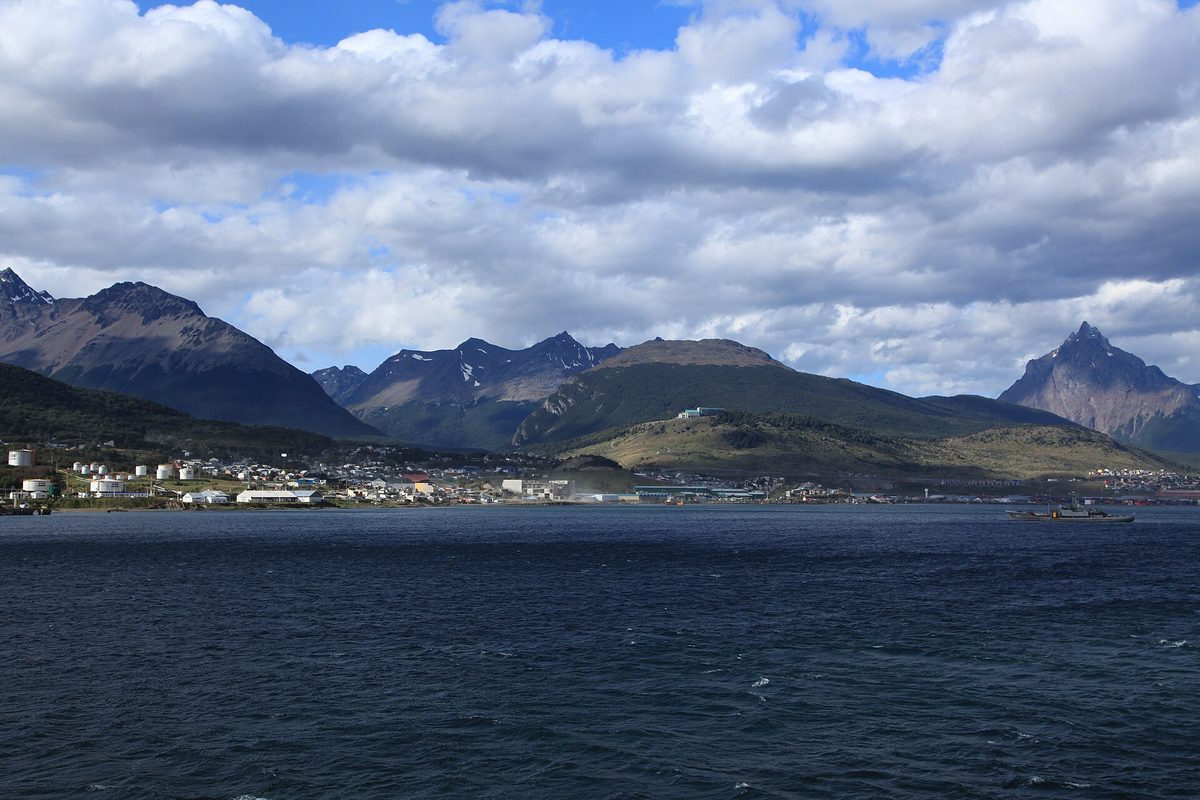
Why You Must Build In a Buffer Day
If I could tattoo one rule onto every Antarctic traveler’s forearm, it would be this: arrive in Ushuaia at least one full day before your ship sails, ideally two. A buffer day is your insurance policy against everything that can go wrong with this flight, and the math is brutally one-sided. A missed connection, a cancelled flight, a weather delay, a transfer that ran long because Buenos Aires traffic seized up, any one of these can mean missing the ship entirely if you cut it close. And the ship does not wait. It sails on the tide and on its permits, with or without you, and your only recourse is trying to catch it at the first landing, which is logistically nightmarish and expensive.
A buffer day costs you a night in a Ushuaia hotel and a relaxed afternoon, which is hardly a punishment. The town has a wild, frontier charm, a working port, decent restaurants, and trailheads right at the edge of the streets, and there is genuinely plenty to fill the time, as our guide to things to do in Ushuaia lays out. You can ride the End of the World train, cruise the Beagle Channel to a lighthouse, or just watch your ship arrive at the pier, which is a quietly thrilling moment. Use the buffer. I have never once met a traveler who regretted arriving early, and I have met several who deeply regretted not doing so.
When to Book Your Flights
Timing your booking is part art, part discipline. The single biggest factor is whether you are traveling in the peak December–January window. If you are, book the flight as soon as your cruise embarkation date is locked, because peak seats sell out and fares only climb as the date nears. Waiting to bundle it neatly with hotels and excursions is exactly how people end up paying triple or flying at inconvenient times that wreck their buffer. For shoulder-season departures in November or March, you have more breathing room and can watch for fare dips, but I still would not leave it to the last few weeks.
If your cruise line offers the included or charter flight, you typically commit to it when you book the voyage, so that decision comes early by default. For independent bookings, a useful rhythm is to secure the Ushuaia flight first, building in your buffer, then book the long-haul flight from home to match, then fill in the city hotel and any stopover. That order protects the leg that is hardest to fix if it goes wrong. Whatever you do, set price alerts and check current schedules, because Argentine carriers adjust frequencies seasonally and a route that runs four times daily in January may run far less often in the quieter months.
Flying to Ushuaia from Other Cities
Buenos Aires is the main artery, but it is not the only way into Ushuaia. Depending on the season, Aerolineas Argentinas and the budget carriers operate flights from other Argentine cities, which can be handy if you are tacking Antarctica onto a wider South American trip. Cordoba, the country’s big central city, sometimes has direct or one-stop service south, and it can spare you the Buenos Aires airport shuffle entirely if you are routing through the interior. Frequencies are thinner than from the capital and skewed toward peak season, so check current schedules carefully and have a backup.
The most useful alternative for many travelers is El Calafate, the gateway to the Perito Moreno glacier in Argentine Patagonia. Seasonal flights link El Calafate and Ushuaia, which makes a glacier-and-Antarctica combination delightfully easy to stitch together without backtracking to Buenos Aires. If a Patagonian add-on appeals, and it should, our guide to the Patagonia Antarctica add-on maps out the routes and timing. Just remember that these regional flights are less frequent and more weather-exposed than the Buenos Aires trunk route, so the buffer-day rule applies with even more force when you are hopping between Patagonian towns.
Booking Tips for Flights to Ushuaia
After many seasons of doing this, I have boiled my hard-won lessons down to a checklist. None of these are exotic; they are just the things that separate a smooth arrival from a stressful one. Run down this list before you click buy.
- Confirm the airport code on every segment. You want AEP (Aeroparque) for the Ushuaia leg in almost all cases; a stray EZE (Ezeiza) booking is the classic trap.
- Never connect same-day between EZE and AEP. Overnight in the city and start the Ushuaia day fresh from Aeroparque.
- Build in a buffer day, ideally two. Arrive in Ushuaia before your ship sails so a delay cannot cost you the cruise.
- Book peak Dec–Jan flights early. The moment your cruise date is confirmed, lock the seat; fares only rise from there.
- Prepay your baggage online. On Flybondi and JetSMART, gate fees for bags are punishing; add them at booking instead.
- Weigh the charter-vs-independent choice deliberately. Take the cruise line’s flight for the safety net, or self-book for control plus insurance.
- Buy travel insurance that covers missed connections. If you book your own flights, this is non-negotiable.
- Aim for a left-side window seat inbound. The Beagle Channel approach is one of the great views in flying.
- Check current schedules and prices right before booking. Argentine frequencies and fares shift seasonally and the peso moves a lot.
Pairing Your Flight With the Rest of the Journey
The flight to Ushuaia does not exist in a vacuum; it is one link in a chain that starts at your front door and ends at an Antarctic landing site. Thinking of it that way changes how you book. The long-haul flight from home, the Buenos Aires overnight, this domestic hop, the buffer night, embarkation, and then the legendary crossing of the Drake Passage are all pieces of one itinerary, and a weak link anywhere can ripple through the rest. The Ushuaia flight is the narrowest, most time-sensitive link, which is exactly why we have spent so long on it.
It also helps to understand what Ushuaia represents in the bigger gateway picture. It is the busiest of the Antarctic launch points, but it has a rival in Punta Arenas, Chile, the hub for fly-cruise programs that skip the Drake by flying to King George Island. If you are still weighing where to sail from, our comparison of Antarctica gateway cities and our deeper dive into the Ushuaia to Antarctica route will help you see why your flight is landing where it is. Choosing the gateway effectively chooses your flight, so the two decisions belong together.
A Few Practical Notes for Arrival Day
When you finally land in Ushuaia, the airport, Malvinas Argentinas International, is small, modern, and refreshingly easy after the scale of Buenos Aires. It sits on a little peninsula just a few minutes from town, so transfers are quick and cheap, whether by taxi or a cruise-line shuttle. Baggage claim is straightforward, and you will often spot fellow expeditioners by the telltale duffel bags and brand-new boots. If your cruise line is handling your transfer, look for the rep with a sign; if not, the taxi line outside is short and the ride to most hotels is a matter of minutes and a few dollars.
Give yourself a little time to enjoy the strangeness of where you are. You have flown to the southernmost city on the planet, and the air smells of sea and woodsmoke, and somewhere out on the Beagle Channel your ship is either already at the pier or steaming in. Grab a coffee, walk the main street, look at the mountains, and let it sink in. The hardest logistical part of your entire Antarctic journey, the bit that trips people up, is now behind you. From here, the only direction is south, and our broader collection of Antarctica travel tips will carry you the rest of the way to the ice.
Frequently Asked Questions
Which airlines fly from Buenos Aires to Ushuaia?
Three carriers operate the route. Aerolineas Argentinas is the full-service flag carrier with the most daily frequencies and a checked bag usually included. Flybondi and JetSMART are low-cost airlines with cheaper base fares but paid add-ons for bags and seats. All three fly the roughly three-and-a-half-hour route, mostly from Aeroparque. Always check current schedules, as frequencies shift by season.
What is the difference between Aeroparque and Ezeiza?
They are Buenos Aires’s two separate airports. Aeroparque (AEP) sits inside the city, ten to twenty minutes from downtown, and handles almost all domestic flights to Ushuaia. Ezeiza (EZE) is the international hub, thirty to forty kilometers out, where overseas flights land. Confusing them is the classic mistake, so check the three-letter code on every segment of your ticket before you fly.
How long is the flight from Buenos Aires to Ushuaia?
The nonstop flight is scheduled at roughly three hours and thirty minutes, covering a little over twenty-three hundred kilometers down the length of Argentina. Patagonian winds can nudge that slightly either way. It is a full flight rather than a quick hop, with minimal onboard service on the budget carriers, so bring water and a snack and aim for a left-side window seat for the Beagle Channel approach.
How much do flights to Ushuaia cost?
It varies widely with season and the volatile Argentine peso, so treat figures as a guide and check current prices. Outside peak season, one-way fares have been turning up around US$76 and round-trips around US$113, with October often cheapest. In peak December and January, when every cruise passenger competes for seats, fares can run several times higher, so book early.
Should I book the cruise line’s flight or my own?
Both work. The cruise line’s included or charter flight gives you a safety net: if it delays, they hold the ship or rebook you. Booking independently gives you control over airline, times, and seats, often at lower cost, and lets you build in a buffer day. Choose the charter for peace of mind, or self-book if you are a confident traveler with insurance and slack in your schedule.
Do I need a buffer day before my cruise?
Absolutely, and ideally two. Arrive in Ushuaia at least one full day before your ship sails. Weather delays, cancellations, and missed connections all happen on this route, and the ship will not wait. A buffer night costs you little, while missing the ship is catastrophic and nearly impossible to fix. It is the single most important piece of planning advice for any Antarctic traveler.
What is the baggage allowance on these flights?
It depends on the airline and fare. Aerolineas Argentinas usually includes a checked bag on standard fares. Flybondi and JetSMART include only a small carry-on or personal item in the base fare and charge for everything else. Polar gear is bulky, so weigh your bag at home and prepay any extra luggage online, where it is far cheaper than paying at the gate or check-in counter.
Can I fly to Ushuaia from cities other than Buenos Aires?
Yes, seasonally. Aerolineas and the budget carriers sometimes serve Ushuaia from cities like Cordoba, which can save you the Buenos Aires airport shuffle, and from El Calafate, the Perito Moreno glacier gateway, which pairs beautifully with a Patagonia add-on. These regional flights are less frequent and more weather-exposed than the Buenos Aires trunk route, so check current schedules and keep your buffer day generous.
How early should I book my flight to Ushuaia?
For peak December and January departures, book the moment your cruise date is confirmed, because seats sell out and fares climb steadily. For shoulder-season trips in November or March you have more room and can watch for fare dips, but do not leave it to the final weeks. A good rhythm is to secure the Ushuaia flight first, build in your buffer, then book the long-haul leg from home to match.
Is the Ushuaia airport far from town?
Not at all. Malvinas Argentinas International Airport sits on a small peninsula just a few minutes from the center of Ushuaia. Transfers are quick and inexpensive, whether by taxi or a cruise-line shuttle. The airport is small and modern, baggage claim is simple, and you will likely spot fellow expedition passengers by their duffel bags and brand-new boots. It is an easy, low-stress arrival after Buenos Aires.
Final Thoughts
For all the words I have spent on it, the flight to Ushuaia is not hard. It is a comfortable three-and-a-half-hour hop on competent airlines, with reasonable fares most of the year and a finale view that will have you reaching for your camera before the wheels touch down. The whole reason it deserves this much attention is not difficulty but consequence. It is the narrow link in your chain to Antarctica, the one leg where a careless airport mix-up or a too-tight connection can cost you the trip of a lifetime. Respect that, and it becomes the easy, even joyful, part of the journey it should be.
So do the simple things well. Get the airport code right, refuse the same-day Ezeiza-to-Aeroparque scramble, build in your buffer day, prepay your bags, and book peak-season seats the instant your cruise dates are set. Decide deliberately between the cruise line’s flight and your own, and back yourself with insurance either way. Do all that, and you will step off the plane at the end of the world relaxed and ready, with the hardest logistics behind you and only the white continent ahead. For the bigger picture of reaching the ice, circle back to our hub on how to get to Antarctica, a and pair it with our walkthrough of how to get to Ushuaia so you have the whole route, from your first international flight to your first Zodiac landing, mapped out before you ever leave home.