
I have a soft spot for the question I get asked more than almost any other: “Can I do a short antarctica trip and still feel like I really went?” Usually the person asking has a finite amount of holiday, a partner who turns green on a calm ferry, or simply a horror of spending a fortnight at sea when they could be back home in eight days with a memory card full of penguins. My answer, after more crossings than I can comfortably count, is the same every time: yes, you absolutely can. The seventh continent is not the exclusive preserve of people with three weeks of leave and cast-iron stomachs. There is a whole category of express voyages and fly-cruises built precisely for the time-poor traveller, and some of them are quietly brilliant. But — and there is always a but down here — speed costs money, it shrinks your margin for the weather, and it asks you to make some honest trade-offs about what you see. This article is my attempt to talk you through all of it the way I would over a drink in the Punta Arenas departure lounge: warmly, candidly, and with no rose-tinted nonsense.
I have done the long voyages, the South Georgia epics that swallow three weeks and leave you a slightly different person. I have also done the quick dashes, flying over the Drake in two hours while friends were still being thrown around their cabins somewhere south of Cape Horn. Both have their place. If your constraint is time rather than money, the good news is that the polar travel industry has reorganised itself dramatically over the last decade to serve you. The trick is knowing which short option actually delivers a real Antarctic experience and which ones leave you feeling like you grazed the edge of the continent rather than stepped onto it. Let me walk you through the whole landscape.
Who Actually Needs a Short Antarctica Trip?
Before we talk logistics, let me describe the people I meet on these express voyages, because if you recognise yourself in one of them, you will know this article is for you. The first group is the leave-constrained: lawyers, surgeons, teachers, business owners — people who genuinely cannot vanish for three weeks no matter how much they would like to. For them, a trip that turns around in six to nine days door-to-door is not a compromise, it is the only version of Antarctica that exists. I would far rather they went south for a week than not at all, and I tell them so.
The second group is the seasickness-fearful, and I have enormous sympathy for them. The Drake Passage has a reputation that precedes it across oceans, and for a certain kind of traveller the thought of two days of open-water swell is enough to cancel the dream entirely. These are the people for whom flying over the Drake is not a luxury but a deal-breaker that suddenly becomes a deal-maker. The third group is what I think of as the time-rich-in-money, poor-in-days traveller: someone whose budget is healthy but whose calendar is brutal. They will happily pay the premium that flying commands if it buys back four or five days of their life. And the fourth, smaller group is the nervous first-timer who wants to test the waters — sometimes literally — before committing to a longer expedition later. A short trip is a perfectly sensible way to find out whether polar travel is for you.
If you are still deciding whether any of this is right for you, it is worth reading honestly about how many days you need in Antarctica to feel the place properly. The number is smaller than most people fear, but it is not zero, and the express options sit right at the threshold of “enough.”
The Two Routes South: Sailing Versus Flying
Everything about a short trip comes down to one decision, and it is the most consequential choice you will make: do you sail across the Drake Passage, or do you fly over it? This single fork in the road shapes your duration, your budget, your seasickness exposure and even what you are likely to see. Understanding it properly is the foundation of planning any quick journey south, so let me lay it out plainly.
The classic route is by sea. You fly commercially to Ushuaia, the little Argentine town at the bottom of the world, board your expedition ship, and sail south. The catch is the geography. The Antarctic Peninsula is not next door to South America; the Drake Passage that separates them is roughly 1,000 kilometres of the most exposed open water on the planet, where the Atlantic, Pacific and Southern Oceans collide with nothing to slow them down. Crossing it takes the better part of two days each way. That is four days of your trip — sometimes more — spent simply getting to and from the ice. On a long voyage those days barely register. On a short one, they are everything.
The express route flies. Instead of sailing the Drake, you board a small aircraft in Punta Arenas, Chile, and fly roughly two hours to a gravel airstrip on King George Island in the South Shetlands, where your ship is waiting. You step off the plane essentially already in Antarctica. The four days the Drake would have eaten are simply handed back to you. This is the entire engine of the express trip, and I cannot overstate how transformative it is for someone short on time. If you want the full picture of the aerial option, I have written separately about flights to Antarctica and exactly how they work, but the short version is: flying is what makes a genuinely short trip possible.
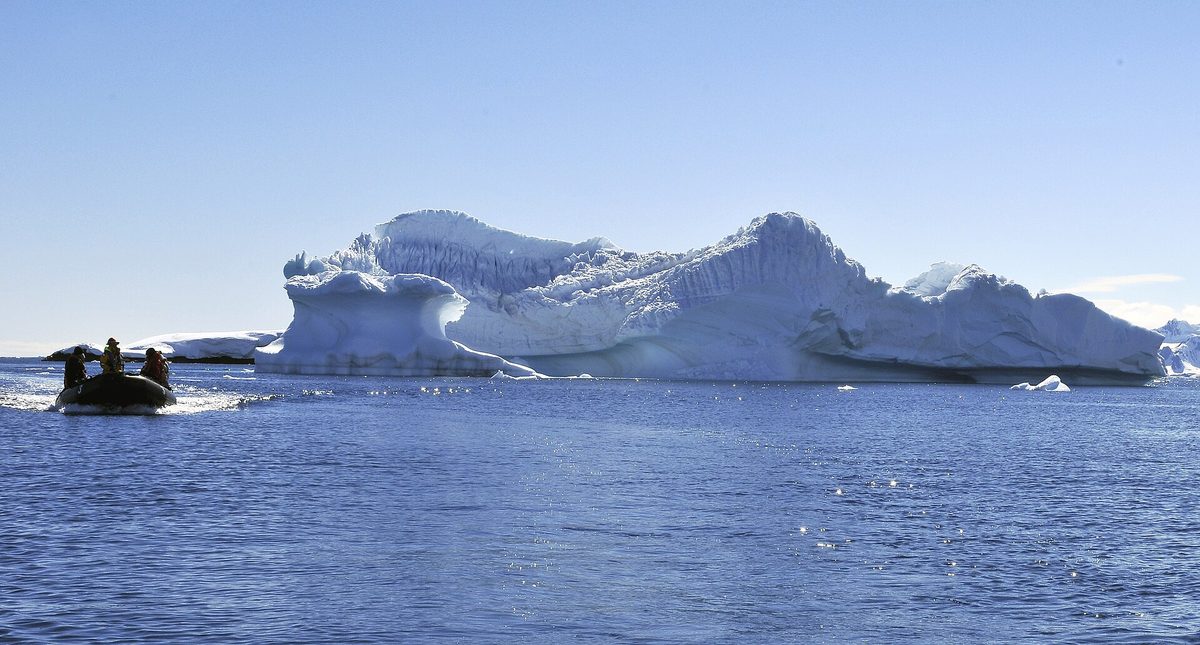
The Maths: How the Drake Eats Days and Flying Claws Them Back
Let me put some honest numbers on this, because the arithmetic is the whole story. A traditional Peninsula voyage by sea runs somewhere between 10 and 12 days. Of those, roughly two days are spent crossing the Drake southbound and another two crossing back. That leaves about five or six days actually in Antarctic waters, doing the landings and Zodiac cruises that are the entire point of going. So on a “10-day cruise,” you are realistically looking at five or six genuine days in the ice, with the rest absorbed by transit.
Now run the same calculation on a fly-cruise. If you fly both ways, you eliminate four days of sailing at a stroke and replace them with four hours of flying total. A six-to-eight-day fly-cruise can therefore deliver almost as many days actually on the Peninsula as a ten-day sea voyage, because none of your time is being burned on the crossing. That is the magic trick, and it is not marketing — it is geometry. You are not getting a worse trip in less time; you are getting a comparable amount of Antarctica with the dead transit time surgically removed.
There is a middle path too, and it is one I often recommend to people who want a compromise. You can fly one way and sail the other. Typically you fly south to skip the outbound Drake and start landings immediately, then sail home, experiencing the famous passage once — ideally with the wind behind you — without committing to it twice. This hybrid keeps the trip to roughly eight or nine days, gives you a taste of the open-water experience that purists insist is part of the journey, and still saves you a couple of days versus a full sea voyage. For many travellers it is the sweet spot.
To see how these durations translate into actual day-by-day plans, it helps to compare a few real structures. I would point you toward our broader Antarctica cruise itineraries guide, which lays the options side by side, and toward an Antarctica fly-cruise itinerary if you want to see precisely how the express days are choreographed once you land on King George Island.
The Express Fly-Cruise: Antarctica in Six to Eight Days
This is the headline act for the time-poor, so let me describe it in detail. The express fly-cruise — operators brand it variously as the “Antarctic Express,” “Fly the Drake,” or simply the “air-cruise” — is the fastest credible way to reach the seventh continent and actually do something there. The structure is elegant. You arrive in Punta Arenas, attend a briefing, and stay overnight. The next morning, weather permitting, a small charter aircraft carries you and your fellow passengers across the Drake Passage in about two hours, landing on the gravel runway at King George Island. Your expedition ship is anchored offshore. You transfer aboard by Zodiac, and within an hour or two of leaving the plane you are sailing among icebergs.
From there, the rhythm is identical to a longer cruise, just compressed. You spend your full days making landings, cruising in Zodiacs among the ice, watching penguins and seals and whales, and soaking in the silence that everyone tries and fails to describe. On the shortest six-day version you might get three or four full days of activity; on a seven or eight-day version you stretch that to four or five. At the end, rather than turning the bow north into the Drake, you sail back to King George Island, board the aircraft, and are back in Punta Arenas by evening. The whole thing, door to door from the gateway city, can be done in under a week.
I want to be honest about the texture of these days, because the compression is real. On an express trip there is very little slack. A longer voyage has built-in buffer — if a day is blown out by weather, there is another to make it up. On a six-day fly-cruise, every landing counts, and a single bad-weather day takes a larger bite out of your total. That is the central tension of the express format: maximum efficiency, minimum redundancy. When it goes well, it is astonishing value for your time. When the weather turns, you feel the lack of cushion more sharply than you would on a leisurely sailing.
How to Plan a Short Antarctica Trip
Planning a short antarctica trip is genuinely different from planning a long one, and the mistakes people make are different too. The single most important thing is to be clear-eyed about your true constraint. If your constraint is time, fly — do not let anyone talk you into a sea voyage to save a few thousand dollars if it costs you four days you do not have. If your constraint is budget, the calculus flips entirely, and a short sea voyage may serve you far better than an expensive flight. Knowing which of those two things is really driving you is the whole game.
The second principle is to build for delay even though you are travelling fast. This sounds contradictory, but it is the most important advice I can give. Express trips are weather-exposed at the flight stage, and I will explain why shortly. The practical upshot is that you should never, ever book a tight onward connection out of Punta Arenas the day your trip is scheduled to end. Give yourself a buffer day on the back end. The travellers who get burned by fly-cruises are almost always the ones who booked a flight home for the same evening they were due to land.
Third, decide early whether you want to fly both ways, fly one way, or sail a short voyage, because the price and the experience diverge enormously. Here is how the main short options stack up against one another.
| Option | Typical Total Days | Real Days in Antarctica | How You Cross the Drake | Cost Feel | Who It Suits |
|---|---|---|---|---|---|
| Express fly-cruise, fly both ways | 6–8 days | 3–5 days | Fly over it both directions (~2 hrs each) | Highest per-day cost | Time-poor, seasickness-fearful, budget healthy |
| Hybrid: fly one way, sail one way | 8–9 days | 4–5 days | Fly one direction, sail the other | High, but less than fly-both | Those wanting one Drake crossing and some time savings |
| Shortest classic sea voyage | 9–10 days | 4–6 days | Sail both ways (~2 days each) | Most affordable short option | Budget-conscious, fine with open water, a little more time |
| Standard Peninsula sea voyage | 10–12 days | 5–6 days | Sail both ways | Mid-range, best value per day | Travellers with two full weeks free |
The table makes the trade-off visible at a glance: flying buys you days but costs you money, while sailing saves money but spends days. There is no universally “right” row — only the one that matches your particular shortage. If you want to dig deeper into the geography behind each of these, our explainer on Antarctica cruise routes explained is the natural next stop.
The Shortest Classic Sea Voyages
Not everyone wants to fly, and not everyone needs to. If your time pressure is real but not extreme — if you can find nine or ten days rather than six — the shortest classic Drake voyages deserve a serious look, and they are usually the most affordable way to reach the continent. These are the express end of the traditional sailing fleet: typically a nine or ten-day round trip from Ushuaia, with two days down across the Drake, five or six days working the Peninsula, and two days back. They are the shortest trips that still include the full sea experience.
I have a genuine fondness for these voyages, because they preserve something the fly-cruises sacrifice: the journey itself. There is a slow, ceremonial quality to sailing south, watching the seabirds change, feeling the temperature drop, sensing the continent approach over the horizon rather than landing on top of it. Some travellers find the Drake crossing the most memorable part of the whole trip — the albatrosses wheeling behind the ship, the sheer raw scale of the Southern Ocean. You do not get any of that from an aeroplane window.
The shortest sea voyages do compress the Peninsula time compared with a twelve-day cruise, but not as severely as you might fear. The structure of the classic Antarctic Peninsula itinerary still applies; you simply do fewer landings and have less weather buffer. If you want to picture exactly how those days unfold hour by hour, our a day-by-day Antarctica itinerary walks through a representative voyage in detail. For a short sea trip, my honest counsel is to accept that you will not see everything, pick a reputable operator with a small ship and a high landing ratio, and lean into the journey rather than mourning the landings you miss.
What You Genuinely Trade Away on a Short Trip
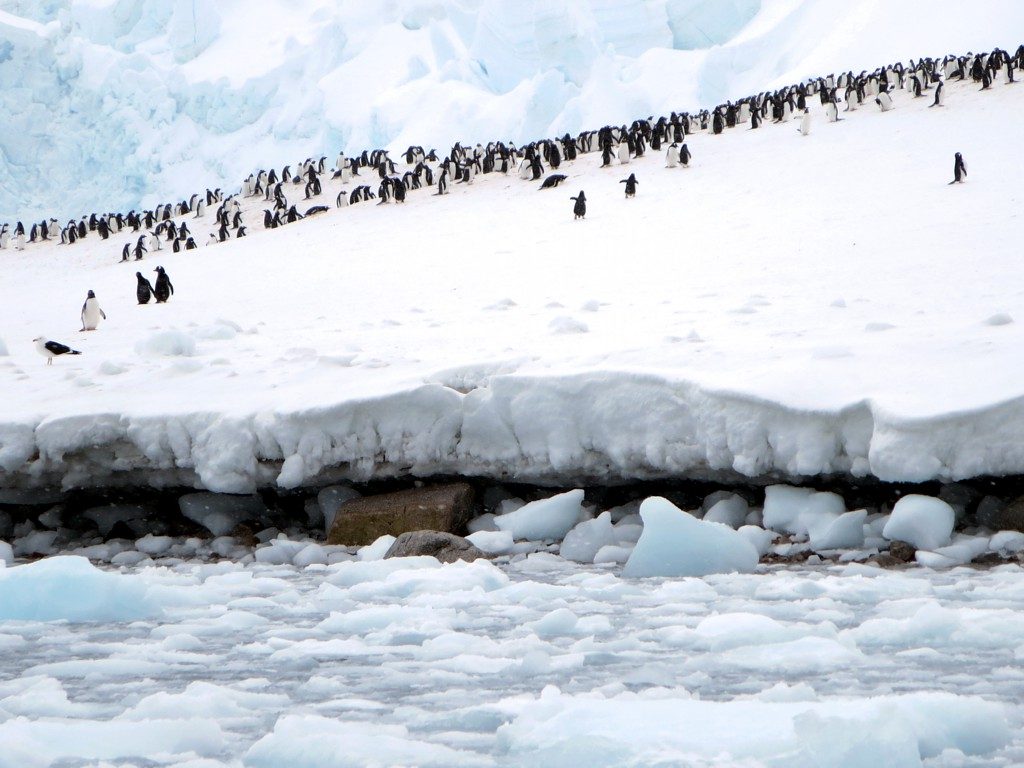
I promised candour, so here it is. A short trip is a real Antarctic experience, but it is not the same as a long one, and pretending otherwise does no one any favours. The first and most obvious sacrifice is sheer quantity of landings. A two or three-week voyage might give you a dozen or more landings and Zodiac excursions; a six-day fly-cruise might give you six or seven. Each one is wonderful, but there are simply fewer of them, and you have less chance to revisit a favourite spot or wait out the weather for a better light.
The second sacrifice is geographic reach. Short trips, almost without exception, stick to the Antarctic Peninsula and the South Shetland Islands. You will not cross the Antarctic Circle on a short trip — that requires pushing further south and costs extra days. You certainly will not visit South Georgia, the wildlife superlative of the entire region, which demands a voyage of around three weeks all on its own. Nor will you reach the Weddell Sea’s tabular icebergs in any depth, or the more remote landing sites that longer expeditions can attempt. A short trip shows you the greatest hits of the most accessible region. That is a lot — the Peninsula is breathtaking — but it is not the whole symphony.
The third sacrifice, and the one travellers underestimate most, is weather buffer. Antarctica runs on the weather’s schedule, never yours. Landings get cancelled, channels get fogged in, the famously photogenic Lemaire Channel sometimes refuses to open at all. On a long voyage, these disappointments are absorbed by the days you have in reserve. On a short trip there is no reserve, so a run of bad luck hits proportionally harder. I have seen six-day fly-cruises deliver flawless weather and five glorious days, and I have seen them lose a precious day to a storm with no way to claw it back. You are, to a degree, gambling on the sky.
The fourth trade is a financial one I will treat properly in its own section, but the headline is this: you pay a meaningful premium per day for the privilege of speed. Short does not mean cheap. Quite the opposite.
The Real Cost Premium of Flying
Let me talk money frankly, without quoting numbers I cannot stand behind, because prices shift season to season and operator to operator. The structural truth is simple: chartering aircraft to fly small groups across the Drake Passage is expensive, and that expense is passed on to you. A fly-cruise costs noticeably more than a comparable sea voyage, and the premium is not trivial — it is one of the larger line items in the whole decision. When you fly both ways, you pay for two charter flights plus the ship; when you fly one way, you pay for one. The cost climbs with the amount of flying.
What you are really buying with that premium is time, and it is worth framing the purchase that way. If flying both ways saves you four days versus a sea voyage, and those four days are worth more to you than the extra cost — because of work, family, or simply how you value your own time — then the premium is rational. If you have the days to spare, paying it is harder to justify, and a sea voyage will give you more Antarctica per dollar. I always encourage people to do this calculation explicitly rather than emotionally. Put a value on a day of your life, multiply by the days saved, and compare it to the price gap. The answer is often clarifying.
It is also worth understanding where the rest of your money goes regardless of route, because the flight premium sits on top of an already substantial base cost. Antarctic expedition travel is expensive by nature — the ships are specialised, the regulations are strict, the season is short, and the logistics are formidable. Our detailed breakdown of how much an Antarctica trip costs unpacks the full picture, and reading it before you commit will spare you any nasty surprises. The headline for the short-trip planner is this: a short trip is not a budget trip. It is a time-saving trip that you pay handsomely for.
Flight-Weather Delay Risk: The Achilles Heel of the Fly-Cruise
If there is one thing I want you to take away from this entire article, it is this section, because it is the single most common source of disappointment and stress on express trips. The aircraft that fly the Drake land on a gravel runway on King George Island, and that runway is at the mercy of Antarctic weather. Fog, wind and low cloud can ground the flights, sometimes for a day, occasionally for longer. When that happens at the start of your trip, your departure from Punta Arenas is delayed and your precious days in Antarctica shrink. When it happens at the end, you can be stuck on the ship or on the island waiting for a window to fly home.
This is not a hypothetical risk dreamed up by worriers. It is a real and regular feature of fly-cruise operations, and any honest operator will tell you so. The Drake may be the thing you flew to avoid, but the weather over King George Island is the thing that can now disrupt you. The irony is not lost on seasoned travellers: you swapped two days of seasickness for the possibility of a weather-grounded flight. Most of the time the flights go more or less to plan. But “most of the time” is doing real work in that sentence, and you must build your trip to survive the times it does not.
The practical defences are straightforward and non-negotiable. Always leave at least one buffer day between your scheduled return and any onward international flight — two is better. Buy comprehensive travel insurance that covers trip delay and disruption specifically. Go in with the mental flexibility to accept that your itinerary may flex by a day in either direction. And understand that operators will sometimes substitute a sea crossing for a grounded flight, or vice versa, to keep the trip moving — so even on a “fly both ways” booking, you might end up sailing one leg. None of this should put you off; it should simply prepare you. The travellers who handle delays well are the ones who expected the possibility. For the full context on the crossing you are flying over, our guide to crossing the Drake Passage is worth reading even if you never intend to sail it, because it explains exactly why the weather here is so formidable.

Seasickness: The Reason Many People Choose Speed
For a large share of the people who ask me about short trips, seasickness is the real driver, not time at all. The Drake Passage’s reputation does a lot of pre-emptive damage; I have met travellers who genuinely believed they could not go to Antarctica because they get queasy on ferries. So let me address this directly, because the express fly-cruise is the single most effective seasickness solution in polar travel: if you fly over the Drake, you simply do not experience the crossing. Two hours in a plane, and you are there. For the truly motion-sensitive, this is transformational, and it is the honest reason the fly-cruise exists in the first place.
That said, I want to manage expectations even here, because flying does not eliminate motion entirely. Antarctic waters are generally far calmer than the open Drake — you are sailing in protected channels much of the time — but the ship still moves, and a rough day in the Bransfield Strait can catch out a delicate stomach. Flying removes the worst of it, the famously brutal open-ocean crossing, but it does not promise a millpond for your entire voyage. If you are someone for whom any motion is a problem, you will still want to come prepared.
For everyone, whether flying or sailing, the same sensible precautions apply, and they work better than people expect. Here is what I tell every nervous traveller:
- Talk to your doctor before you go about prescription options such as scopolamine patches, which many find more effective than over-the-counter tablets for serious motion sensitivity.
- Start your medication before you feel ill, not after — prevention is dramatically more effective than cure once nausea has set in.
- Choose a cabin low and central in the ship if you have the option, where the motion is least pronounced.
- Stay on deck and watch the horizon when you feel unsettled; fresh air and a fixed visual reference help enormously.
- Keep eating lightly and drinking water — an empty stomach and dehydration both make seasickness worse, counter-intuitive as that feels.
- Remember that modern expedition ships have stabilisers and that crews are deeply experienced at routing around the worst weather.
The bottom line on seasickness: if it is your only fear, the fly-cruise solves it more completely than any pill ever will, and that alone justifies the premium for a great many travellers. If it is one fear among several, a short sea voyage with good preparation is still entirely manageable for the vast majority of people.
Is the Shortest Trip Still “Worth It”? My Honest Take
This is the question beneath all the others, and I will not duck it. Is a six-day fly-cruise — with maybe three or four full days actually in Antarctica — worth the time, money and effort? My answer, sincerely, is yes, with one important caveat. Three full days among the icebergs, penguins and glaciers of the Antarctic Peninsula is more than enough to be genuinely, permanently moved. Antarctica is not a place you need a week to “get.” It overwhelms you in the first hour. The silence, the scale, the colour of the ice, the indifference of the wildlife to your presence — it lands immediately and it lands hard. By the end of even a short trip, most people are quietly changed.
The caveat is this: the shortest trips have the least margin, so your experience is more exposed to luck. A flawless-weather six-day fly-cruise can be one of the great experiences of a life. A storm-hit one can leave you feeling you barely arrived before you left. If you are going to do a very short trip, my advice is to make peace with that variance in advance, choose a season with the best odds, and go in with gratitude rather than a checklist. The travellers who are disappointed by short trips are usually the ones who expected to tick off everything; the ones who are thrilled are the ones who came simply to stand on the ice and breathe.
Where I draw a personal line is below the threshold of actually landing and doing Zodiac work. There are even shorter “experiences” marketed — sightseeing overflights, for instance, that never touch down. Those have their place and I do not sneer at them, but they are a different category from a trip where you set foot on the continent, and you should not confuse the two. If you are going to invest in getting to Antarctica at all, my strong view is that the shortest trip genuinely worth doing is the one that still gets you onto the ice and into a Zodiac, even if only for a few days. Below that, you are sightseeing rather than travelling, and the gap in how it feels is enormous.
Timing Your Short Trip for the Best Odds
When you have only a few days in Antarctica, the weather matters more than it does on a long voyage, so choosing your dates well is one of the highest-leverage decisions you can make. The Antarctic travel season runs roughly from November to March, and each part of it has a different character. Early season brings pristine snow and dramatic ice, peak season in December and January offers the longest days and the most active wildlife, and late season is prime time for whales. There is no single “best” window for everyone, but for a short trip I lean toward the heart of the season, when conditions are most reliably workable and your limited days are least likely to be wasted.
Flight operations on the fly-cruises tend to be a little more dependable when the weather is settled, which is another argument for the central months. I would not overthink this — every part of the season delivers spectacular trips — but if your trip is short and you have any flexibility, nudging toward the more stable middle of the season improves your odds of using all your precious days. Our full guide to the best time to visit Antarctica breaks down each month in detail and is the right place to fine-tune your dates once you have chosen your route.
Packing and Logistics for a Fast Trip
A short trip rewards efficient logistics, and there are a few specifics worth knowing that differ from a long voyage. The first is luggage. Fly-cruises operate small charter aircraft with strict weight limits, often considerably tighter than commercial airlines. You will be given an allowance and you must respect it — overpacking is not merely inconvenient, it can genuinely be a problem at the airstrip. Pack ruthlessly, lean on the layering system, and remember that most operators provide the bulky expedition parka and loan boots, so you do not need to bring those yourself.
The second is the gateway city. For fly-cruises that city is Punta Arenas in Chile; for sea voyages it is Ushuaia in Argentina. Either way, build in time on the front end. I never advise arriving at the gateway the same day your trip departs; flights to the bottom of South America are themselves prone to delay, and missing your charter or your ship because a connection slipped is the most avoidable disaster in polar travel. Arrive a day early, sleep, and start your expedition rested rather than frazzled.
Here is my condensed checklist for a fast trip specifically:
- Arrive at your gateway city at least one full day early — non-negotiable, given how tight a short trip’s schedule is.
- Build a buffer day on the back end too, especially for fly-cruises, in case the return flight is weather-delayed.
- Respect the charter weight limit if flying; weigh your bag at home and pack to the gram if you have to.
- Bring layers, not bulk — thermal base layers, mid layers and a good hat and gloves do more than a single heavy coat.
- Carry your essential medications, camera gear and one change of clothes in your hand luggage, in case checked bags are delayed.
- Pack motion-sickness remedies even if flying, since the ship still moves once you are aboard.
- Buy travel insurance that explicitly covers delay and disruption, not just medical evacuation.
If you are still assembling the big picture of how all the pieces fit together — gateways, ships, flights and timing — our overview of how to get to Antarctica ties the logistics together end to end, and it is a sensible final read before you book.
So Which Short Option Should You Choose?
Let me bring it all together into a simple piece of decision-making, because I have thrown a lot at you. If seasickness is your overriding fear, or if your time is genuinely scarce and your budget is healthy, fly both ways — the express fly-cruise is purpose-built for you and it works. If you want to save some time but still taste the legendary Drake crossing once, fly one way and sail the other; it is the most balanced choice on offer. If your constraint is money rather than days, and you can spare nine or ten of them, take the shortest classic sea voyage and enjoy the journey south as part of the adventure. And if you find yourself agonising at the very shortest end, ask whether one more day or two would buy you meaningfully more peace of mind — sometimes the difference between a six-day and an eight-day trip is the difference between anxiety and ease.
Whatever you choose, choose a reputable operator with small ships and a strong landing record, read the fine print on weather and delays, and go in with realistic expectations and an open heart. A short trip is not a lesser trip. It is a focused one. And focused, in Antarctica, is more than enough.
Frequently Asked Questions
What is the shortest possible trip to Antarctica?
The shortest credible trip that still lands you on the continent is an express fly-cruise of around six days door to door from Punta Arenas, flying both ways over the Drake Passage. That typically gives you three to four full days actually in Antarctic waters. There are even shorter sightseeing overflights that never land, but those are a fundamentally different experience and, in my view, not a substitute for a trip where you set foot on the ice and ride a Zodiac among the icebergs.
How many days do you actually spend in Antarctica on a short trip?
On a six-day fly-cruise you can expect roughly three to four full days of landings and Zodiac excursions, because none of your time is lost to crossing the Drake. On a seven or eight-day version that stretches to four or five days. A nine or ten-day classic sea voyage gives four to six days on the Peninsula but spends about four of its total days sailing the Drake there and back. The fly-cruise’s whole advantage is that it converts transit time into experience time.
Is a fly-cruise to Antarctica worth the extra cost?
If your real constraint is time or seasickness, then yes — you are buying back four days of your life and skipping the roughest ocean crossing on the planet, and for many travellers that is money very well spent. If you have two weeks free and a tighter budget, the premium is harder to justify, and a classic sea voyage will give you more Antarctica per dollar. The honest test is to put a value on the days you would save and compare it directly with the price difference.
Can I fly over the Drake Passage in only one direction?
Yes, and it is one of my favourite options for travellers who want a compromise. You typically fly south to skip the outbound crossing and begin landings immediately, then sail home, experiencing the famous Drake once rather than twice. This hybrid keeps the trip to around eight or nine days, saves you a couple of days versus a full sea voyage, and lets you sample the open-water passage that many travellers consider part of the journey.
What happens if my Antarctica flight is delayed by weather?
Weather delays on fly-cruises are a real and fairly regular occurrence, because the flights land on a gravel runway on King George Island that is exposed to fog, wind and low cloud. A delay at the start eats into your days in Antarctica; a delay at the end can leave you waiting for a window to fly home. This is exactly why you must leave a buffer day before any onward connection and buy insurance that covers trip delay. Operators sometimes substitute a sea crossing for a grounded flight to keep things moving.
Will I avoid seasickness entirely on an express fly-cruise?
You will avoid the worst of it — the brutal open-ocean Drake crossing — by flying over it in about two hours, and for severely motion-sensitive travellers that is genuinely transformational. However, the ship still moves once you are aboard, and a rough day in the protected channels can still unsettle a delicate stomach. Flying removes the famously rough part, not all motion. Come prepared with remedies regardless, and the vast majority of people are completely comfortable.
Do short Antarctica trips visit South Georgia or cross the Antarctic Circle?
No. Short trips concentrate entirely on the Antarctic Peninsula and the South Shetland Islands, which is where the most accessible and reliable wildlife and scenery are. Crossing the Antarctic Circle requires pushing further south and adds days, and visiting South Georgia is a major undertaking that needs a voyage of around three weeks on its own. If those destinations are on your wish list, a short trip is not the right tool — but for the classic Antarctic experience of ice, penguins and glaciers, the Peninsula delivers superbly.
Which is better for a short trip — flying or sailing the Drake?
It depends entirely on what you are short of. If you are short of days or terrified of seasickness, flying is clearly better and worth its premium. If you are short of money but have a little more time, the shortest classic sea voyage is better value and includes the journey south as part of the adventure. Neither is universally superior; they solve different problems. Be honest about whether your true constraint is time or budget, and the answer becomes obvious.
How far in advance should I book a short Antarctica trip?
As far ahead as you reasonably can. The expedition fleet is small, fly-cruise capacity is limited by aircraft seats as well as cabins, and the best departures sell out months — sometimes more than a year — in advance. Booking early also gives you the pick of dates within the season, which matters more on a short trip where weather odds count for so much. If you are flexible and lucky, last-minute deals do occasionally surface, but I would not build a once-in-a-lifetime short trip around the hope of one.
Final Thoughts
Antarctica is the most extraordinary place I have ever been, and the single best piece of advice I can give the time-poor traveller is this: do not let the fear of “not doing it properly” stop you from doing it at all. A short trip is a real trip. Three or four days on the ice will rearrange something inside you just as surely as three weeks would, even if you see fewer landings along the way. The express fly-cruise has quietly democratised the seventh continent for people who could never have spent a fortnight at sea, and the shortest sea voyages keep the door open for those whose budget matters more than their calendar. Choose the option that fits your real constraint, build in a buffer for the weather, pack light, and go. The ice does not care how many days you spend with it. It will move you in the first hour and stay with you for the rest of your life.
Related Reading
