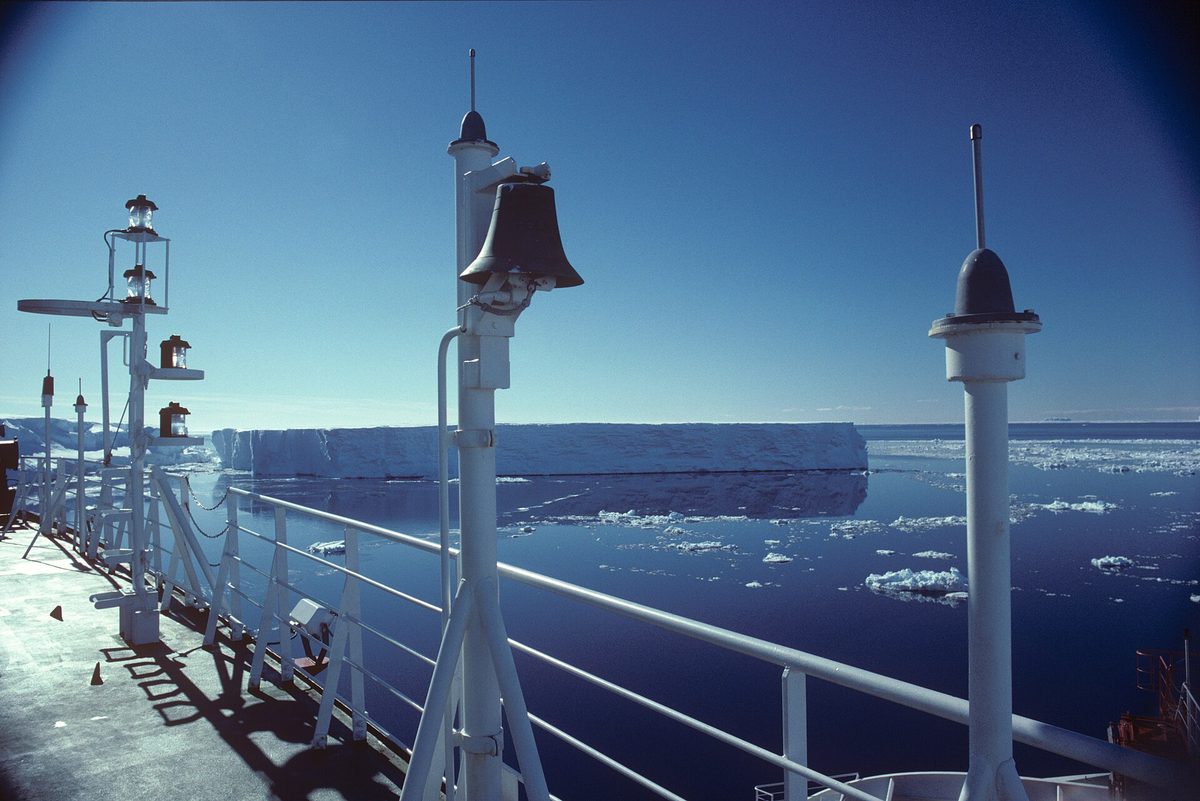
If you have already done the Drake Passage and stood on the Antarctic Peninsula among a thousand gentoo penguins, and you wonder what lies beyond the brochures and the seven-day sampler, then a ross sea cruise is the answer waiting on the far side of the continent. I have sailed south many times, and this is the expedition veterans whisper about: the long one, the expensive one, the one that turns its back on South America and slips off the bottom of New Zealand into the loneliest stretch of ocean on the planet. It is not a holiday but a pilgrimage — the closest most of us will come to feeling what the old explorers felt when they pointed their wooden ships at the ice and simply went.
Let me be honest, because this voyage deserves it. The Ross Sea is remote in a way the Peninsula is not. You will spend the better part of two weeks at sea, crossing a Southern Ocean that has earned every fearsome word written about it, and pay dearly for the privilege. In return, if the ice cooperates, you walk on a frozen sea beside emperor penguins, peer into a hut where Scott ate his last proper meals before the pole, and stand beneath a wall of ice the eye cannot make sense of. I made the trade gladly, and below I will tell you exactly what you are trading for.
Why the Ross Sea Is the “Other” Antarctica
Most people who travel to Antarctica never see the Ross Sea, and most never will. The reason is geography, plain and stubborn. The Antarctic Peninsula sits roughly a thousand kilometres from Ushuaia, and that short hop across the Drake makes it accessible, affordable by polar standards, and the backbone of the whole industry. The Ross Sea lies at the opposite end of the continent, and to reach it you must sail from New Zealand or Tasmania across thousands of kilometres of empty water. There is no shortcut, no Drake-sized hop — only the long haul.
This is why I think of the Ross Sea as the “other” Antarctica — the one that does not appear on the standard Antarctica cruise itineraries guide most first-timers pore over. It is the historic heart of exploration, where Scott, Shackleton, Amundsen and the Heroic Age launched their assaults on the Pole; the realm of the Ross Ice Shelf, the largest floating slab of ice on Earth. For anyone who has read their polar history it is the closest thing to a holy site this continent possesses. The Peninsula is magnificent; the Ross Sea is mythic, and once you have felt the difference you cannot unfeel it.
There is also a wildness here the Peninsula has begun to lose. The Peninsula sees hundreds of ships and tens of thousands of visitors a season; the Ross Sea sees a handful of vessels and perhaps a few hundred travellers in total. On a good day you may be the only human beings within hundreds of kilometres, and that solitude — heavy, total, slightly frightening — is part of what you are paying for. To see how the far side fits the wider picture of where ships go, Antarctica cruise routes explained is the clearest map I know of the frozen coastline.
Where a Ross Sea Voyage Departs From
Forget Ushuaia, the long flight to the bottom of Argentina, the queue of ships in the Beagle Channel. A Ross Sea expedition begins on the underside of the other hemisphere, and that fact reshapes the trip. The most common departure point is Bluff, the small port near Invercargill at the southern tip of New Zealand’s South Island; some voyages work out of Hobart in Tasmania. Either way you fly to the far side of the planet first, so for travellers from Europe or North America the journey to the start line is already an expedition in itself.
Because the launch point is so different, the planning is too. Our guide to how many days you need in Antarctica is a useful sanity check before you commit a month of your life and a large sum of money. Most who fly all the way to New Zealand also build in time for the South Island and the fiords; it would be a shame to fly home the moment the gangway lifts.
What a Ross Sea Cruise Is Like
I will not pretend those sea days are easy; for some they are the hardest part of any polar trip. But I have come to treasure them. A rhythm sets in: lectures on glaciology and the huts, long meals, longer conversations, hours on the bridge, and the first tabular icebergs signalling the shelf. When the pack finally closes around the ship and the ocean falls silent, the relief is physical. To see how this compares with shorter options, our overview of Antarctica cruises lays out the full spectrum from quick samplers to expeditions like this.
The Ross Ice Shelf: A Wall of Ice the Size of France
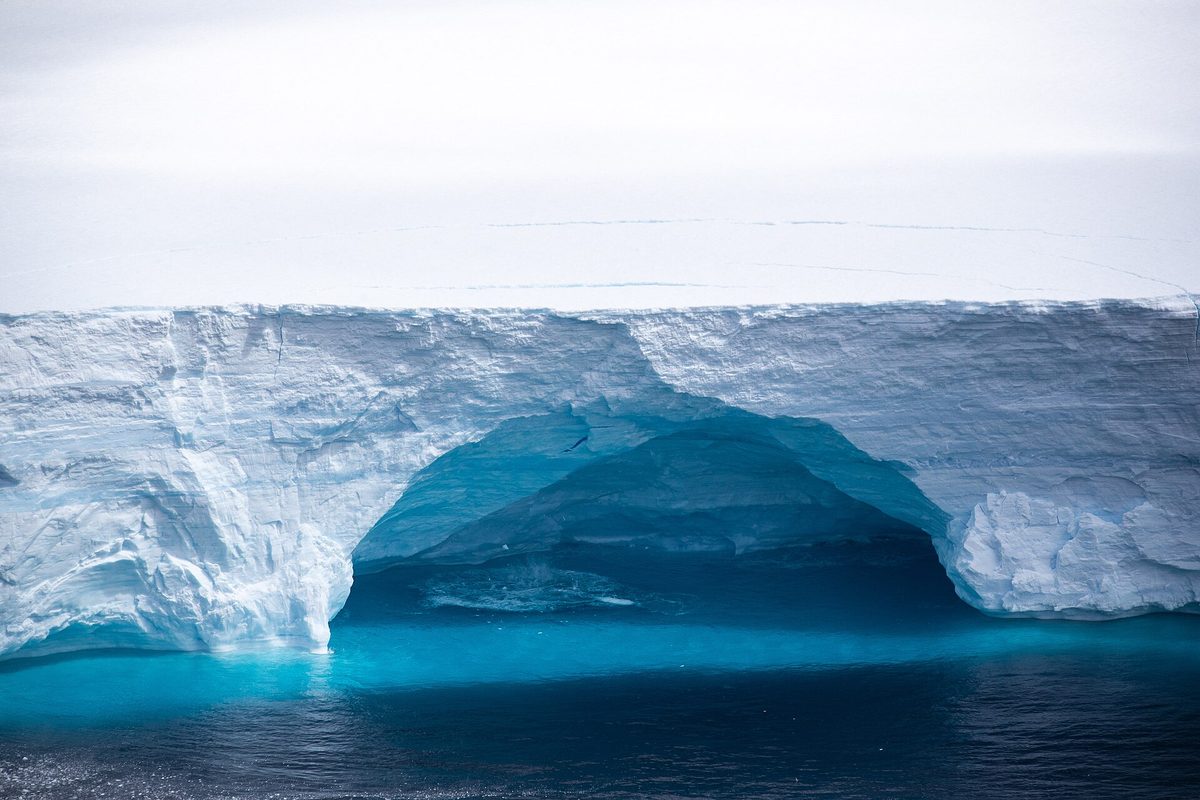
Nothing in my years of polar travel prepared me for the Ross Ice Shelf, and no description can either. Imagine a single sheet of floating ice roughly the area of France — half a million square kilometres — fed by the glaciers off the highest, coldest plateau on the planet. Where it meets the sea it ends in a cliff. The explorers called this “the Barrier,” and the name is perfect: a sheer white wall rising from the water, in places thirty, forty, fifty metres high, running unbroken to the horizon in both directions, mile after mile.
This was the launching ramp for the race to the Pole. Amundsen set his base, Framheim, on the shelf and drove his dogs across it to win in 1911; Scott’s party hauled across it on foot. To know that men walked from here toward the centre of the continent, and that some never came back, is to feel history press down with real weight. Many travellers chase crossing the Antarctic Circle as its own achievement — but here you punch through the Circle and keep going, far deeper south than the Peninsula ships ever venture, to latitudes where the explorers themselves turned around.
The Historic Huts of Scott and Shackleton
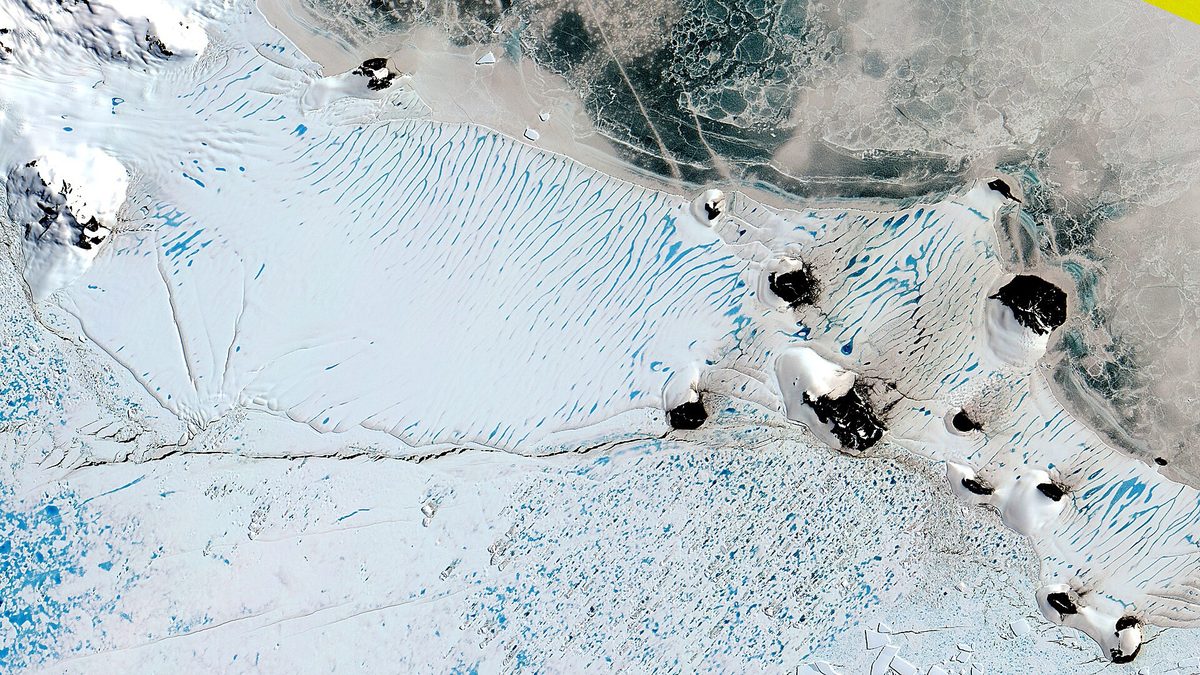
For me, and for many who make this journey, the huts are the heart of it. Scattered around Ross Island are the actual wooden buildings the Heroic Age explorers built, lived in and abandoned more than a century ago — preserved by the cold with a completeness that feels almost supernatural. These are not reconstructions but the real thing, frozen in time, and walking into one is the most moving experience this continent has given me.
The Antarctic Heritage Trust, a New Zealand charity, has spent decades conserving these structures, and visiting is governed by strict rules — small numbers inside, no touching, careful management of the fragile interiors. You earn admission by getting there, and getting there is hard. The principal huts a voyage may reach, ice permitting, are:
- Scott’s Discovery Hut at Hut Point, built on the 1901–04 expedition and later a staging post for both Scott’s and Shackleton’s parties.
- Scott’s Terra Nova hut at Cape Evans, the large, famous building from the doomed 1910–13 expedition — the one most people picture, its shelves still stocked with century-old tins and bottles.
- Shackleton’s hut at Cape Royds, base for the 1907–09 Nimrod expedition, smaller and more intimate, sitting beside the southernmost Adélie penguin colony in the world.
- Borchgrevink’s huts at Cape Adare, the oldest buildings on the entire continent, raised in 1899 by the first expedition ever to overwinter on Antarctica.
Inside Scott’s hut at Cape Evans the air smells of seal blubber, old wood and time itself: socks hung to dry that no one will ever wear, a half-finished bottle, the bunk where a man slept before walking south to his death. I had to take a moment in that doorway. If names like Oates, Wilson and Bowers mean anything to you, these huts are the reason you make this trip; everything else is the magnificent setting around them.
Ross Island and Mount Erebus
The anchor of the region is Ross Island, a chunk of volcanic land against the edge of the shelf, and looming over it is Mount Erebus — the southernmost active volcano on Earth, a smoking 3,794-metre cone with a permanent lava lake in its crater. Steam rising against glaciers and frozen sea is one of the great surreal sights of the far south. Erebus presides over everything: Scott named it, the explorers lived in its shadow, and it has never stopped seething.
McMurdo Station and Scott Base
Ross Island is also where you meet the strange fact of human habitation at the bottom of the world. McMurdo Station, the large American base at Hut Point, is the logistics hub for the entire United States Antarctic Program, housing more than a thousand people in high summer; nearby sits New Zealand’s far smaller Scott Base, painted its distinctive Antarctic green. Whether your ship makes contact depends on season, ice and the programmes’ priorities, so do not count on a visit — but seeing them, knowing people live and work here year-round, adds a human dimension to a landscape that otherwise feels beyond us. The Ross Sea is one of the most distinct of all Antarctica’s regions and landing sites.
Emperor Penguins and the Wildlife of the Far South
People assume that because the Ross Sea is so far south and locked in ice, it must be barren. The opposite is true: it is one of the most productive, least disturbed marine ecosystems on the planet, and in the brief summer window it teems with life. This is, above all, emperor penguin country. The emperor breeds in the depths of winter on the sea ice itself, and the Ross Sea is one of the few places a traveller has a realistic hope of meeting them on the ice rather than only at sea.
The Ross Sea also holds the largest Adélie colonies on Earth, including the immense rookery at Cape Adare — hundreds of thousands of birds that assault the senses with noise and smell from far offshore. Beyond the penguins, the wildlife you may meet on a far-side voyage includes:
- Emperor penguins on the fast ice, the headline act and the rarest prize of the trip.
- Adélie penguins in colossal colonies, especially at Cape Adare and around Ross Island.
- Minke and orca, including the Ross Sea’s distinctive killer-whale ecotypes that hunt along the ice edge.
- Weddell, crabeater, leopard and Ross seals hauled out on the floes, the elusive Ross seal being a true rarity that few travellers ever see.
- Snow and Antarctic petrels, ghost-white seabirds that swirl around the ship in the high latitudes.
- South polar skuas patrolling the penguin colonies for the unwary chick.
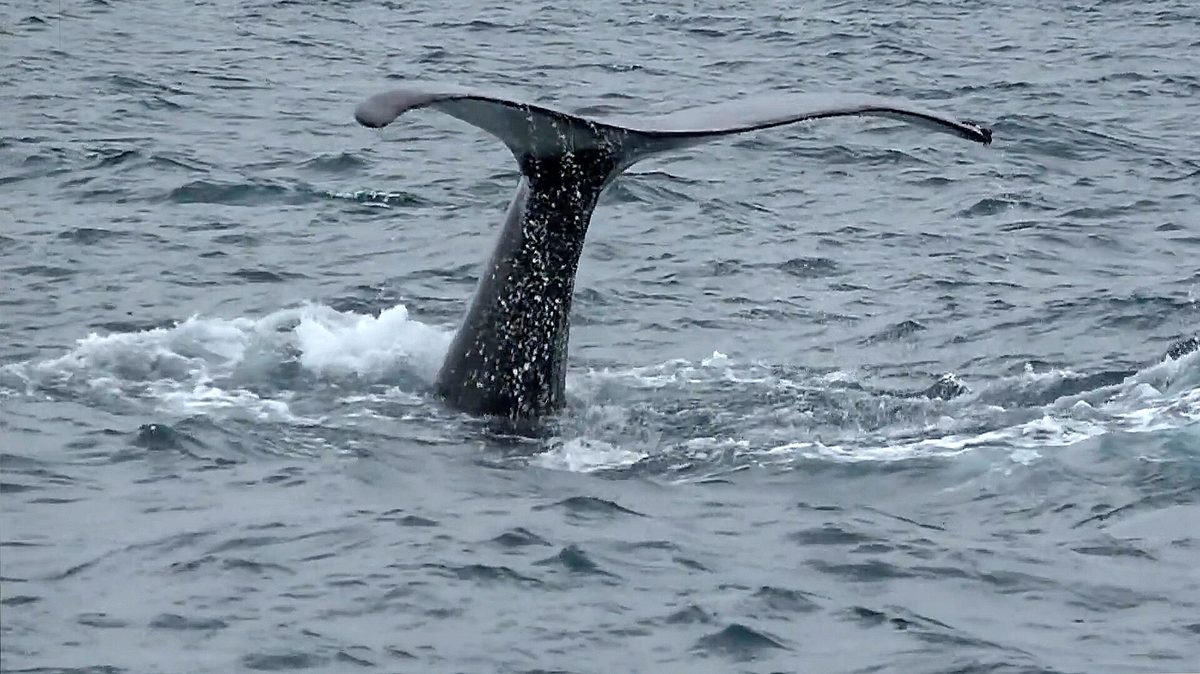
And then the whales, wherever the ice edge meets open water and the krill rise — minkes nosing through the brash, and one unforgettable afternoon a pod of orca cutting along a lead in the pack. For animal-driven travellers it is worth studying the wider picture of Antarctica wildlife, because the Ross Sea offers a roster you cannot assemble anywhere else on one voyage.
The Subantarctic Islands You Visit on the Way
Heading south you may call at the Snares, the Auckland Islands, Campbell Island, and Australia’s wild Macquarie Island, landing at jewels like Enderby Island. These are clothed in megaherbs — giant-leaved, vividly flowering plants found almost nowhere else — and they are seabird metropolises. The Auckland and Campbell Islands are great breeding grounds of the southern royal and wandering albatross, and to sit on a tussock hillside while these vast birds perform their courtship dances a few feet away is a privilege even hardened travellers speak of in hushed tones. Macquarie, halfway to Antarctica, hosts royal and king penguins by the hundreds of thousands.
Why the Islands Steal the Show
Returning passengers often say the islands were the unexpected highlight, and I understand why: they give the voyage a richness the single-minded Peninsula trips lack. It is a little like the way the South Georgia and Antarctica voyage pairs a legendary wildlife island with the continent itself, only with New Zealand’s southern islands standing in for South Georgia.
The Ships and Icebreakers Required
You cannot do this trip on just any vessel, and that alone explains much about the cost and rarity of a Ross Sea cruise. To push into pack ice at these latitudes you need a genuinely ice-strengthened ship — an ice-class expedition vessel or a true icebreaker — crewed by a team with deep Ross Sea experience, a far smaller and more specialised group than run the Peninsula.
On the Peninsula, if something goes wrong you are a couple of days from Ushuaia and dozens of ships. In the Ross Sea you are, for long stretches, beyond the realistic reach of help, so the ship must carry everything it needs — which keeps the standard high and the operator list short. Our guide to Antarctica expedition ships explains what ice-strengthening means and why it matters so much more here.
Ross Sea Versus the Classic Peninsula: An Honest Comparison
People deciding where to spend a once-in-a-lifetime polar budget often ask how the Ross Sea stacks up against the Peninsula. The honest answer is that they are almost different holidays that share a continent. The table below lays out the core differences as I see them, having sailed both.
| Factor | Ross Sea / Far-Side Voyage | Classic Antarctic Peninsula |
|---|---|---|
| Departure port | Bluff / Invercargill (NZ) or Hobart (Tasmania) | Ushuaia, Argentina (occasionally Punta Arenas) |
| Voyage length | Roughly 24 to 32 days | Roughly 10 to 14 days |
| Days at sea | Many — the majority of the trip is open ocean | Few — two days across the Drake each way |
| Cost feel | Premium; among the most expensive of all polar voyages | The most affordable way to reach Antarctica |
| Signature sights | Ross Ice Shelf, explorer huts, emperor penguins, Mt Erebus | Icebergs, gentoo and chinstrap colonies, dramatic channels |
| Wildlife | Emperors, vast Adélie colonies, orca, subantarctic albatross | Gentoos, chinstraps, seals, abundant humpback whales |
| Difficulty | High — rough ocean, long crossings, real remoteness | Moderate — accessible to most reasonably fit travellers |
| Departures per season | A mere handful across the whole world | Hundreds of sailings |
| Best suited to | Seasoned travellers, history buffs, returning Antarcticans | First-time visitors and those short on time |
Choosing your first trip? Start with the Peninsula. Walk through the classic Antarctic Peninsula itinerary, get the Drake under your belt, see whether the ice gets into your blood. The Ross Sea will still be there. But if you have already been south and the standard trip left you hungry, the far side is the natural next chapter, and there is nothing quite like it.
The Cost and the Rarity of It All
Let me address the money honestly, because it shapes everything. A Ross Sea expedition is, dollar for dollar, among the most expensive ways to travel anywhere. The voyage is long, so you pay for three or four weeks of full operation rather than ten days; the ships are specialised and few, the crews elite, the fuel bill for crossing thousands of kilometres enormous. And only a handful of voyages run each season, sometimes two or three departures across the entire world, so there is no volume to spread the cost across. I will not quote a figure — prices shift — but understand that this sits firmly at the top of the polar market.
Booking and Planning Ahead
The rarity is not only about price but access. Even with the money in hand you cannot simply turn up: berths are few, voyages book far ahead, and ice can wreck the best plans. The Ross Sea does not run on a schedule that suits tourists; it opens a narrow door for a few weeks and closes it again. That scarcity is part of the appeal, but it means you must plan early and accept that the ice has the final say.
When to Go: The Brief Ross Sea Season
The Ross Sea has the shortest, most rigid season of any Antarctic destination. For most of the year the region is sealed behind impenetrable pack ice and ships cannot get in; the door opens only at the height of the austral summer, January and February, when the pack relaxes enough to let an ice-strengthened vessel push through to the shelf and the huts. Outside that window the voyage is not difficult but impossible, which is why every operator clusters departures in those two months.
That short window is also when the wildlife peaks: colonies in full clamorous swing, chicks growing, seals hauled out, whales feeding along the ice edge. The light is extraordinary too — near-perpetual day, the ice glowing pink and gold through what passes for night. Our guide to the best time to visit Antarctica sets this window against the longer Peninsula season of November through March. For the far side the answer is simple: January or February, or not at all.
Who Should Attempt the Ross Sea
This is the question that matters most, and I will answer it without flattery. The Ross Sea is not for everyone, and there is no shame in deciding it is not for you. It demands tolerance for long days at sea in heavy weather, money spent on experiences that are never guaranteed, and a temperament that finds meaning in remoteness and history rather than constant activity. If the Drake made you miserable, the crossing here will be far harder.
So who is it for? In my experience, the people who come home from the Ross Sea most fulfilled tend to fall into a few groups:
- Seasoned polar travellers who have done the Peninsula, perhaps South Georgia, and want the one great voyage beyond the standard map.
- History buffs and devotees of the Heroic Age for whom the huts of Scott and Shackleton are a pilgrimage, not a curiosity.
- Serious wildlife travellers chasing emperor penguins on the ice and subantarctic albatross, hard or impossible to reach any other way.
- Travellers who treasure solitude and want to stand where almost no one else on Earth ever will.
- Those with the time and the means to give a month of their life to the greatest expedition the tourism world offers.
If you recognise yourself in that list, the far side is calling, and you should answer. If not — short on time, new to the ice, unsure about a month at sea — the Peninsula remains a magnificent first chapter. Travellers pressed for time sometimes ask about reaching the continent without a long crossing, which is where options like flights to Antarctica come in; just know that no fly-in option reaches the Ross Sea, which by its nature can only be earned by sea.
Frequently Asked Questions
How long is a typical Ross Sea cruise?
Most run between 24 and 32 days door to door, the long version pushing past a month, and the bulk of that is at sea — south from New Zealand or Tasmania, the subantarctic islands, the open Southern Ocean, then the ice. Against a 10-to-14-day Peninsula trip it is a major commitment of time.
How is the Ross Sea different from the Antarctic Peninsula?
Almost opposite experiences. The Peninsula is two days from South America, packed with daily landings, the affordable popular face of Antarctic travel. The Ross Sea comes only after many days at sea from New Zealand, dominated by long crossings, and offers the ice shelf, the historic huts and emperor penguins in return. One is a first trip; the other a returning traveller’s grand finale.
Will I definitely see emperor penguins?
No — and any honest operator will say the same. The Ross Sea offers one of the best realistic chances in tourism to meet emperor penguins on the fast ice, but nothing in the far south is guaranteed; ice, weather and the birds all play a part. Book for the whole experience rather than any single species, and treat an emperor encounter as a glorious possibility, not a promise.
Can I actually go inside Scott’s and Shackleton’s huts?
Often, yes, ice and weather permitting, but under strict rules from the Antarctic Heritage Trust: small numbers inside at once, no touching, access cancellable at short notice. When it happens, stepping into Scott’s hut at Cape Evans — bunks, tins and personal effects preserved for over a century — is for many the most moving moment of the voyage.
Why is a Ross Sea cruise so expensive?
Several factors stack up: the voyage is three to four times longer than a Peninsula trip; the ships must be specialised, ice-capable and self-sufficient far from rescue; the crews are highly experienced; and the fuel for crossing thousands of kilometres is costly. With only a handful of departures worldwide each season, there is no volume to spread the cost across — which puts it firmly at the premium end of the market.
Do I sail from South America like other Antarctic trips?
No — a defining feature of the trip. Ross Sea voyages depart the far side of the world: most often Bluff near Invercargill at the bottom of New Zealand’s South Island, sometimes Hobart in Tasmania. There is no Drake and no Ushuaia. For travellers from Europe or North America, reaching the port is a long journey in itself.
How rough is the sea on the way to the Ross Sea?
It can be very rough. The Southern Ocean between New Zealand and Antarctica is one of the stormiest stretches of water on the planet, and you should expect serious swell over a crossing of nearly a week each way. Modern ships have stabilisers and crews route carefully, but if you are prone to seasickness this will test you far more than the Drake. Anyone badly bothered by motion should think hard before committing to a month largely at sea.
What subantarctic islands does the route visit?
Depending on operator and conditions, a voyage from New Zealand may call at the Snares, the Auckland Islands (including Enderby Island), Campbell Island, and Australia’s Macquarie Island — extraordinary sanctuaries famous for megaherbs, royal and wandering albatross, and, on Macquarie, vast gatherings of king and royal penguins. Many travellers count these island days among the unexpected highlights of the trip.
Is the Ross Sea a good choice for a first trip to Antarctica?
Generally no. For a first visit I steer people to the Antarctic Peninsula: shorter, far more affordable, gentler on the stomach, packed with activity. The Ross Sea is best appreciated by those who have already tasted the ice and want to go deeper. If the Peninsula left you longing for more, that is exactly when the far side becomes the natural next step.
Final Thoughts
The Ross Sea changed how I think about Antarctica, and about travel itself. It is not the easy continent of the brochures, sampled in a long weekend and ticked off a list. It is the deep, slow, demanding south — where the explorers went, where the ice still rules, where you give weeks of your life and a great deal of your savings and even then make peace with the fact that nature, not your itinerary, decides what you see. And yet I would do it again tomorrow. Standing at the foot of the Barrier, watching steam rise from Erebus, stepping into a frozen hut where heroes once slept — these experiences do not fade; they reorganise something inside you. If you have the time, the means, the stomach for the sea and the right kind of soul, the far side of Antarctica is waiting, and it is everything the legends promise.
Related Reading
- Antarctica cruise itineraries guide
- Antarctica cruise routes explained
- crossing the Antarctic Circle
- the South Georgia and Antarctica voyage
- how many days you need in Antarctica
- the classic Antarctic Peninsula itinerary
- Antarctica cruises
- Antarctica’s regions and landing sites
- Antarctica wildlife
- Antarctica expedition ships
- the best time to visit Antarctica
- flights to Antarctica