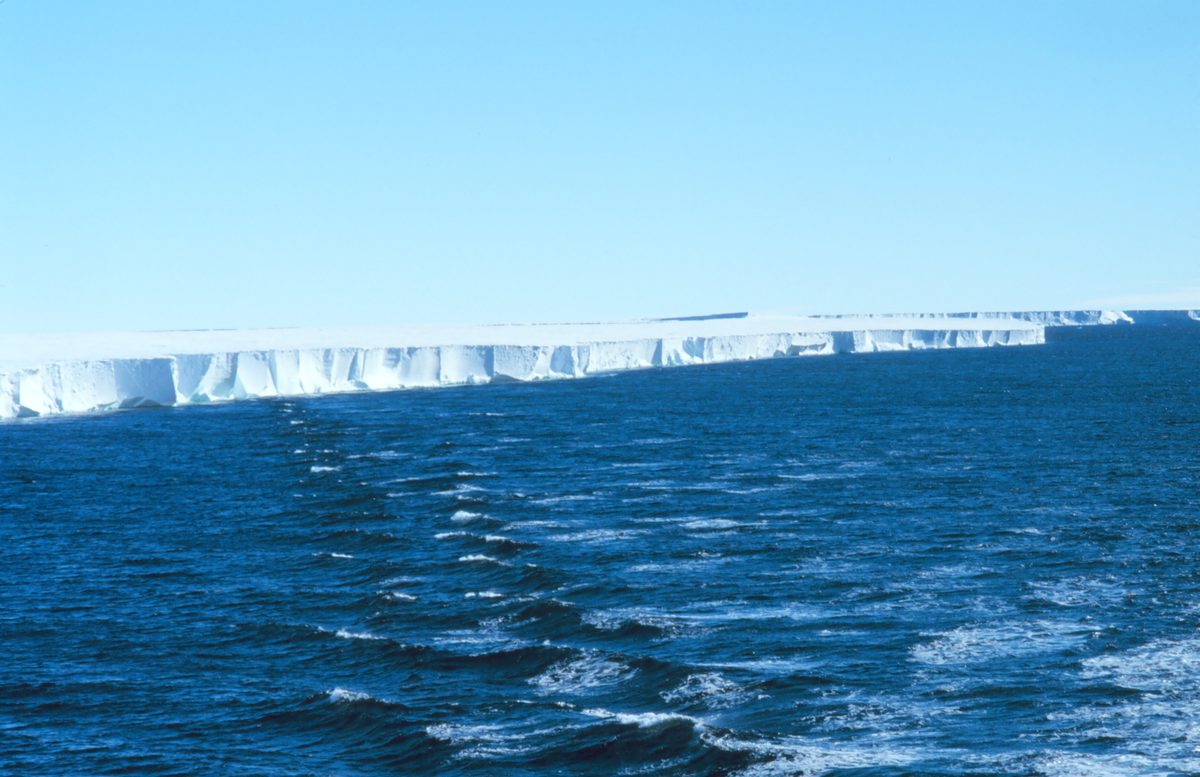
Search for the Ross Sea Antarctica and you enter the wildest, most historic and least visited corner of the entire continent. On the far side of the world from the well-trodden Peninsula, beyond the reach of almost every traveller, this is the deep south of legend. This is the deep south of legend: a vast bay of ice and dark water hard against the great Ross Ice Shelf, presided over by a smoking volcano, scattered with the frozen huts of Scott and Shackleton, and teeming with emperor penguins, Adélies and orca in numbers found almost nowhere else. To reach it is a pilgrimage; to stand on its ice is to touch the very heart of polar exploration.
The Ross Sea is not part of the standard Antarctic holiday, and it never will be. It lies thousands of kilometres from South America, accessible only on long, expensive expeditions from New Zealand or Australia, and only for a few weeks each year. But for those who make the journey, it offers something the Peninsula cannot: true remoteness, untouched wilderness, and a direct connection to the Heroic Age of exploration. In this guide I will take you across this extraordinary region — its ice, its volcano, its huts, its wildlife and its history.
The Ross Sea Antarctica’s Wildest Frontier
To understand the Ross Sea Antarctica’s most remote frontier, picture a deep bay biting into the continent on the Pacific side, directly south of New Zealand and roughly opposite the Antarctic Peninsula. It stretches from Cape Adare in the west to the Edward VII Peninsula in the east, and at its southern end it meets the colossal Ross Ice Shelf. It is one of the most productive, least disturbed marine ecosystems on the planet — and one of the hardest places on Earth for a traveller to reach.
This is the “other” Antarctica, the realm of scientists and a tiny handful of specialist expeditions rather than the cruise industry that fills the Peninsula. Where the Peninsula sees tens of thousands of visitors a season, the Ross Sea sees a few hundred at most. That isolation is precisely its appeal, and it makes the region one of the most coveted of all the Antarctica regions and landing sites for those who have already explored the more accessible north.
The Ross Ice Shelf: A Wall of Ice the Size of France
The defining feature of the region is the Ross Ice Shelf, the largest body of floating ice on Earth — a single sheet roughly the area of France, fed by the glaciers spilling off the high polar plateau. Where it meets the sea it ends in a sheer cliff, in places fifty metres high, running unbroken to the horizon. The early explorers called this “the Barrier,” and the name is perfect: an impassable white wall marking the edge of the known world.
Sailing along the face of the Barrier is one of the great experiences of polar travel, a humbling encounter with a feature so vast the eye cannot quite make sense of it. This was the launching ramp for the race to the South Pole: Amundsen set his base on the shelf and drove his dogs across it to victory in 1911, while Scott’s party hauled across it on foot toward their doom. To see it is to feel the weight of that history pressing down. It dwarfs even the great ice of the Weddell Sea on the continent’s opposite flank.
Mount Erebus: The Southernmost Volcano
Rising above Ross Island at the western edge of the shelf is one of the most surreal sights in Antarctica: Mount Erebus, the southernmost active volcano on Earth, a smoking cone of 3,794 metres crowned by one of the world’s very few permanent lava lakes. To see steam and the glow of molten rock against a landscape of glaciers and frozen sea is one of the great contradictions of the far south — fire and ice in a single view.
Erebus presides over the whole region like a brooding god. Named by its discoverer after his ship, it has loomed over every expedition that has based itself on Ross Island, from the Heroic Age to the modern scientists of McMurdo and Scott Base. Its neighbour, the inactive Mount Terror, completes the volcanic skyline. The mountain remains active and closely monitored, a reminder that even here, at the bottom of the world, the planet is restless and alive.
Ross Island and the Historic Huts
For many who make the journey, the emotional heart of the Ross Sea is Ross Island and its astonishing collection of historic huts — the actual wooden buildings raised by the Heroic Age explorers, preserved by the cold with a completeness that borders on the supernatural. These are not reconstructions but the real thing, frozen in time, their shelves still stocked with century-old tins, their bunks still made, the very air thick with the smell of seal blubber and old wood.
The principal huts a voyage may reach, ice permitting, include Scott’s Discovery Hut at Hut Point, his famous Terra Nova hut at Cape Evans from the doomed final expedition, and Shackleton’s hut at Cape Royds from the Nimrod expedition, beside the world’s southernmost Adélie colony. Walking into one of these is the most moving experience the continent has given me. They rank among the most extraordinary of all the historic bases and stations you can visit.
McMurdo Station and Scott Base
Ross Island is also the site of the largest human settlement in Antarctica. McMurdo Station, the sprawling American base at Hut Point, is the logistics hub of the entire United States Antarctic Program, housing more than a thousand people at the height of summer — a small, utilitarian town of dormitories, workshops, laboratories and an airfield on the ice. Nearby sits New Zealand’s far smaller Scott Base, painted its distinctive Antarctic green, the two linked by a short road.
Whether a visiting ship makes contact with these bases depends entirely on the season, the ice and the programmes’ priorities, so no expedition can promise it. But even seeing them from offshore, and knowing that people live and work here year-round through the four-month polar night, adds a powerful human dimension to a landscape that otherwise feels utterly beyond us. They are the modern counterpoint to the frozen huts of the Heroic Age just along the coast.
The Heroic Age History
No part of Antarctica is more saturated in human history than the Ross Sea. It was discovered in 1841 by the British naval officer James Clark Ross, whose ships Erebus and Terror gave their names to the volcanoes, and it became the springboard for the greatest dramas of polar exploration. From its shores Scott and Shackleton launched their assaults on the Pole, and across its ice shelf Amundsen raced to victory in 1911.
This is the landscape of the stories that defined the Heroic Age: Scott’s death on the return from the Pole, Shackleton’s turn-back within striking distance of it, the Ross Sea Party’s own little-known ordeal. For anyone who has read that history, the region is hallowed ground, and standing where those men stood is the reason many make the long voyage south. It is the deepest root of the whole story told in my overview of Antarctica cruises.
The World’s Largest Marine Protected Area
In 2016, after years of international negotiation, the Ross Sea became home to the largest marine protected area on the planet — a reserve covering well over two million square kilometres, more than three times the size of California, safeguarded from commercial fishing. It was a landmark moment for ocean conservation, protecting one of the last large, intact marine ecosystems on Earth.
The protection matters because the Ross Sea is extraordinarily rich and remarkably pristine, having escaped much of the damage inflicted elsewhere by fishing and pollution. Scientists regard it as a vital natural laboratory, a baseline against which to measure the changes affecting the rest of the world’s oceans. To visit is to travel through a place humanity has, for once, chosen to leave largely alone — a hopeful thought in a troubled age.
The Wildlife of the Ross Sea
The Ross Sea’s pristine, krill-rich waters support wildlife in globally significant numbers. This is one of the great strongholds of polar life, and a voyage here can deliver a roster you cannot assemble anywhere else. Among the animals you may encounter:
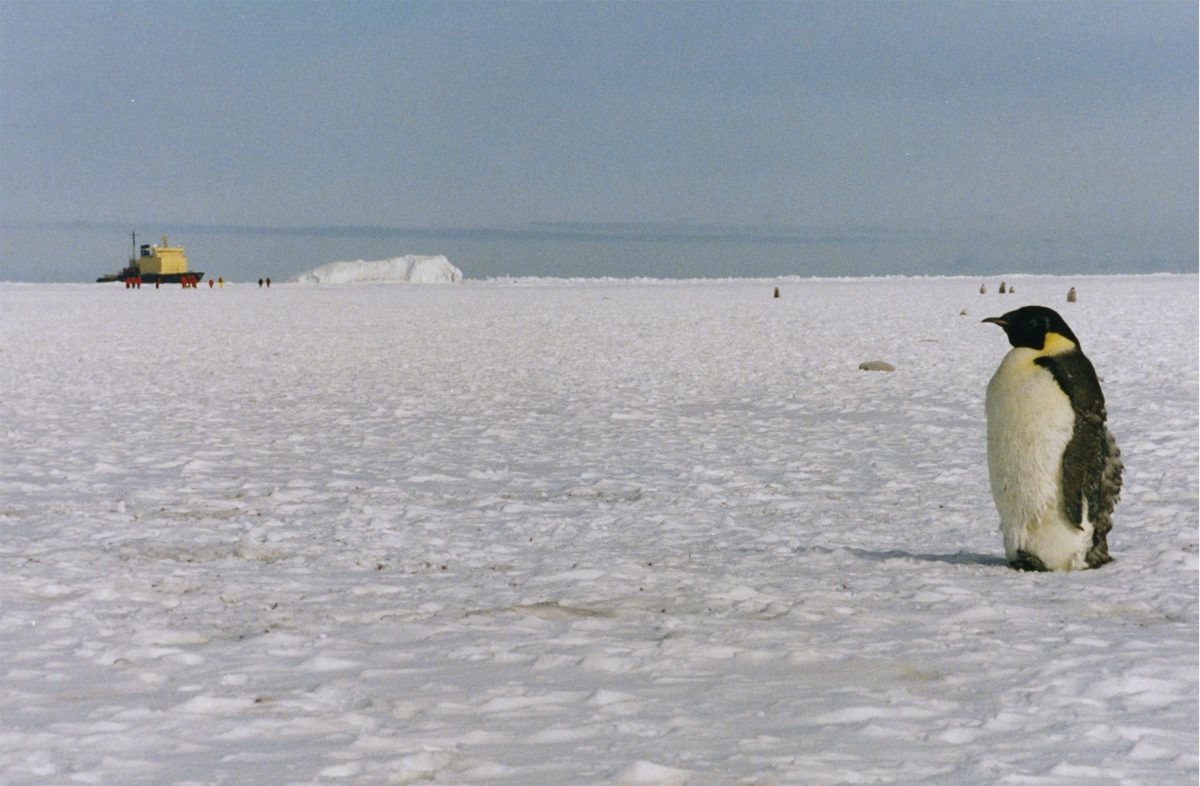
- Emperor penguins — the Ross Sea holds around a quarter of the world’s emperors, and offers a rare chance to meet them on the fast ice.
- Adélie penguins — more than 30 percent of the global population breeds here, in colossal colonies like Cape Adare.
- Orca — about half the world’s Ross Sea killer whales patrol the ice edge, including distinctive local ecotypes.
- Weddell seals — hauled out on the fast ice, breeding further south than any other mammal.
- Ross seals — the rarest and least-seen of the Antarctic seals, a true prize for wildlife travellers.
- Antarctic petrels and snow petrels — ghost-white seabirds wheeling over the pack ice in great numbers.
The chance of meeting emperor penguins on the ice, and of seeing the elusive Ross seal, draws serious wildlife travellers from around the world. To understand the creatures of the far south, my guide to Antarctica wildlife is the essential companion to a Ross Sea voyage.
Cape Adare and the Great Adélie Colonies
At the northwestern entrance to the Ross Sea lies Cape Adare, home to one of the largest Adélie penguin colonies on Earth — hundreds of thousands of birds whose noise and smell reach far out to sea. It was here, in 1899, that Carsten Borchgrevink’s expedition built the first structures ever erected on the Antarctic continent and became the first to overwinter on it; those huts, the oldest buildings in Antarctica, still stand among the penguins.
Landing at Cape Adare, when surf and ice allow, combines a staggering wildlife spectacle with a profound sense of history — the place where humanity first set up home on the continent, surrounded by a colony that has thronged this shore for millennia. It is one of the defining experiences of a Ross Sea expedition, and a fitting introduction to the region’s blend of nature and history.
The McMurdo Dry Valleys
Among the strangest places in the Ross Sea region are the McMurdo Dry Valleys, the largest ice-free area on the entire continent — a stark, wind-scoured desert of bare rock and gravel where it has scarcely rained for millions of years. Fierce katabatic winds keep the valleys free of snow and ice, creating a landscape so otherworldly that scientists study it as an analogue for Mars.
Few travellers ever set foot in the Dry Valleys, as access is tightly controlled to protect their fragile, ancient ecosystems, but even glimpsing them drives home the sheer range of the Antarctic landscape — from the wettest ice shelf to the driest desert, all within one region. They are a reminder that Antarctica is far stranger and more varied than the white wilderness of the popular imagination.
How to Visit the Ross Sea
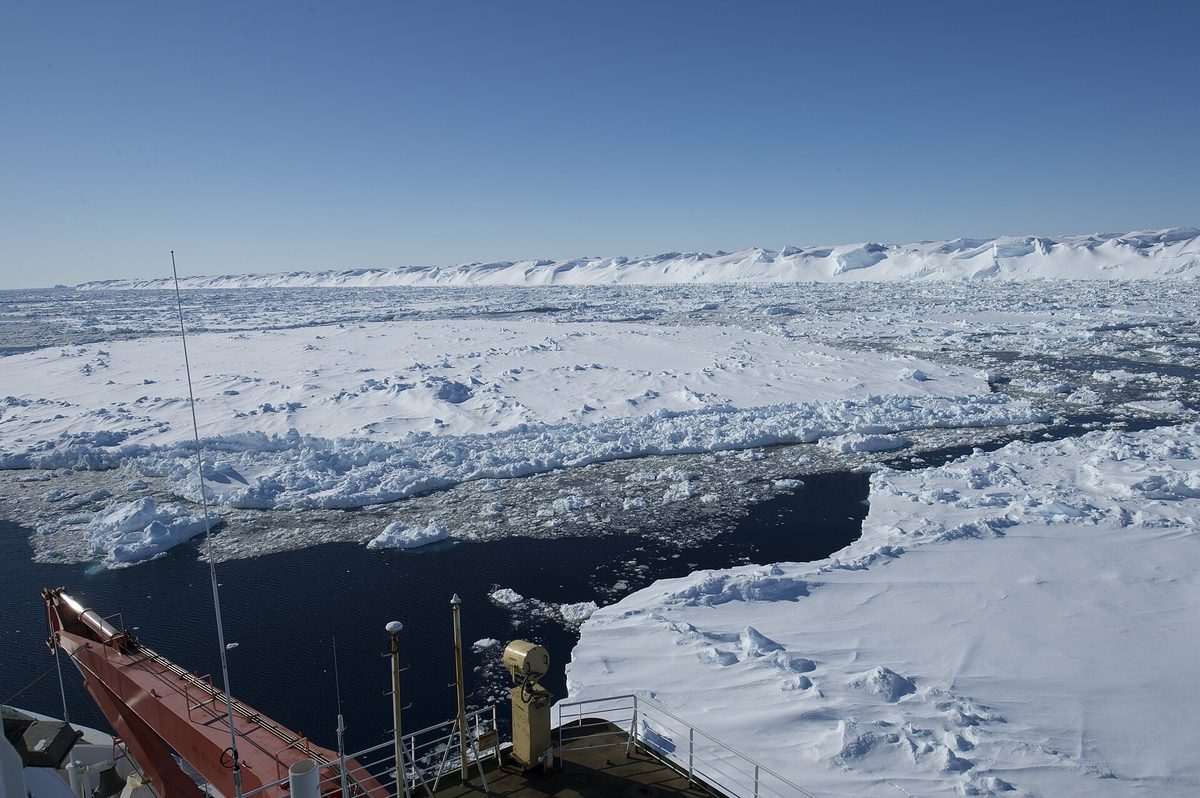
Reaching the Ross Sea is a serious undertaking. There is no easy way in: voyages depart from New Zealand (usually Bluff, near Invercargill) or Hobart in Tasmania, and involve many days crossing the open Southern Ocean, calling at subantarctic islands along the way, before reaching the ice. These are long expeditions, typically three to four weeks, on ice-strengthened ships or icebreakers, and they rank among the most expensive voyages in all of polar travel.
Only a handful of departures run each season, and they book far ahead. For the full detail of what such a voyage involves — the days at sea, the ships required, the cost and the rewards — see my dedicated guide to the Ross Sea cruise. It is the natural next step for travellers who have already explored the Peninsula and hunger for the deepest, wildest south.
When to Go and How It Compares
The Ross Sea has the shortest, most rigid season of any Antarctic destination. For most of the year it is sealed behind impenetrable pack ice; the door opens only at the height of the austral summer, in January and February, when the pack relaxes enough to let an ice-strengthened ship push through to the shelf and the huts. Outside that brief window, a voyage is simply impossible. My guide to the best time to visit Antarctica sets this against the longer Peninsula season.
Compared with the Peninsula, the Ross Sea is a different proposition entirely — far longer, far costlier, far more remote, and far more demanding of time and tolerance for open ocean. It is not a first trip but a grand finale, best appreciated by those who have already tasted the ice. For first-timers, my Antarctic Peninsula guide remains the place to start. The Ross Sea will wait for your second or third voyage.
The Subantarctic Islands Along the Way
A Ross Sea expedition is not only about the ice at journey’s end; the long voyage south from New Zealand is studded with some of the most extraordinary islands on the planet. Depending on the route and the weather, a ship may call at the Snares, the Auckland Islands, Campbell Island and Australia’s wild Macquarie Island, landing at jewels like Enderby Island along the way. These remote sanctuaries are clothed in giant-leaved megaherbs found almost nowhere else and thronged with seabirds in numbers that beggar belief.
The Auckland and Campbell Islands are great breeding grounds of the southern royal and wandering albatross, and to sit on a tussock hillside while these vast birds perform their courtship displays a few feet away is a privilege even hardened travellers speak of in hushed tones. Macquarie, roughly halfway to the continent, hosts royal and king penguins by the hundreds of thousands. Returning passengers often say these island days were the unexpected highlight of the whole trip, giving a Ross Sea voyage a richness the single-minded Peninsula trips simply cannot match.
Frequently Asked Questions
Where is the Ross Sea?
The Ross Sea is a deep bay on the Pacific side of Antarctica, directly south of New Zealand and roughly opposite the Antarctic Peninsula. It stretches from Cape Adare in the west to the Edward VII Peninsula in the east, and meets the vast Ross Ice Shelf at its southern end. It is one of the most remote and least-visited parts of the entire continent.
How do you visit the Ross Sea?
Only by long expedition cruise. Voyages depart from New Zealand or Tasmania and cross many days of open Southern Ocean, calling at subantarctic islands, before reaching the ice. These trips run three to four weeks on ice-strengthened ships or icebreakers, are among the most expensive in polar travel, and run only a handful of times each season in January and February.
What is the Ross Ice Shelf?
The Ross Ice Shelf is the largest body of floating ice on Earth, roughly the area of France, fed by glaciers flowing off the Antarctic plateau. Where it meets the sea it ends in a sheer cliff up to fifty metres high, which the early explorers called “the Barrier.” It served as the launching point for the Heroic Age races to the South Pole.
Can you see Mount Erebus in the Ross Sea?
Yes. Mount Erebus, the southernmost active volcano on Earth at 3,794 metres, rises above Ross Island and is visible across the region. It is one of very few volcanoes worldwide with a permanent lava lake in its crater. The sight of steam and glowing rock against a landscape of glaciers and frozen sea is one of the great spectacles of the far south.
What wildlife lives in the Ross Sea?
The Ross Sea is one of the richest, most pristine marine ecosystems on Earth, holding around a quarter of the world’s emperor penguins, over 30 percent of its Adélie penguins, about half the Ross Sea orcas, and large numbers of Weddell seals, Antarctic petrels and the rare Ross seal. It offers a wildlife roster found nowhere else on a single voyage.
Why is the Ross Sea a marine protected area?
In 2016 the Ross Sea became the world’s largest marine protected area, covering more than two million square kilometres, to safeguard one of the last large, intact marine ecosystems on the planet from commercial fishing. Its pristine waters are a vital scientific baseline, and the reserve was a landmark achievement in international ocean conservation.
Can you visit Scott’s and Shackleton’s huts in the Ross Sea?
Often, yes, ice and weather permitting, under strict conservation rules. Ross Island holds the actual wooden huts built by Scott and Shackleton during the Heroic Age, preserved by the cold with their contents largely intact. Stepping inside one of these frozen-in-time buildings is, for many travellers, the single most moving experience of a Ross Sea voyage.
Is the Ross Sea better than the Antarctic Peninsula?
It is different rather than better. The Ross Sea offers unmatched remoteness, history and certain wildlife, but demands far more time, money and tolerance for open ocean. The Peninsula is more accessible, affordable and wildlife-rich for the effort. Most experts advise starting with the Peninsula and saving the Ross Sea for a later voyage, once the ice is in your blood.
Final Thoughts
The Ross Sea is Antarctica at its most uncompromising and most profound. It is the deep, slow, demanding south — where the explorers went, where the ice still rules, where you give weeks of your life and a great deal of your savings and even then make peace with the fact that nature, not your itinerary, decides what you see. It is not the easy continent of the brochures, and it never pretends to be.
And yet, for those who answer its call, the rewards are beyond measure: the wall of the Barrier, the glow of Erebus, a frozen hut where heroes once slept, emperor penguins on the fast ice at the bottom of the world. The Ross Sea changed how I think about Antarctica and about travel itself. If you have the time, the means and the right kind of soul, the far south is waiting — and it is everything the legends promise.
Related Reading
- Antarctica’s regions and landing sites
- The Weddell Sea
- Antarctic research stations you can visit
- The Ross Sea cruise
- The Antarctic Peninsula: complete guide
- South Georgia Island
- Antarctica wildlife
- Antarctica cruises
- Antarctica cruise itineraries
- The best time to visit Antarctica
- Things to do in Antarctica