After more than a decade of sailing south, the question I get asked more than any other is simple: who are the best Antarctica cruise lines, and which one is right for me? It is a fair question and a surprisingly hard one, because there is no single winner. The operator that delights a hardcore kayaker chasing leopard seals is not the one I would send my retired parents on, and the line that offers the most refined cuisine afloat is rarely the cheapest way across the Drake Passage. The “best” line is the one whose strengths line up with what you actually want from the white continent.
So in this guide I am going to do something the glossy brochures never will: compare the major operators honestly, side by side, with their real personalities, price brackets and trade-offs laid bare. I have travelled with several of these companies, inspected the ships of others in port, and spent years comparing notes with fellow guides and guests. By the end you will know exactly which brand fits your budget, your appetite for adventure and your tolerance for a rolling sea. For the bigger picture on vessels and operators, this article sits inside our full guide to Antarctica expedition ships and cruise operators.
What separates the best Antarctica cruise lines from the rest
Before naming names, it helps to know what you are actually comparing. Every reputable Antarctica operator is a member of IAATO, the self-regulating body that keeps tourism in the region safe and low-impact, so on the fundamentals — landing rules, the hundred-passengers-ashore limit, wildlife distances — they are broadly similar. Where they genuinely differ is in ship size, expedition philosophy, the depth of the expedition team, the range of adventure activities, the standard of food and cabins, and of course price. Those are the levers I weigh whenever someone asks me to recommend a line.
Ship size is the single biggest divider. Vessels carrying under 200 guests can land everyone ashore at once and waste no time on rotations; ships in the 200 to 500 range are more comfortable and often cheaper per night but shuffle passengers in groups; anything over 500 passengers cannot land guests in Antarctica at all under IAATO rules and only cruises past the scenery. If actually setting foot on the continent matters to you — and it should — the size of the ship is the first number to check. My deep dive into the best small expedition ships for Antarctica unpacks this in detail.
The major operators at a glance
Here is the shortlist I work from, with the niche each line owns and a rough starting price for a standard Peninsula voyage in the 2026/27 season. Prices are per person, twin share, and move constantly with promotions, so treat them as ballpark guidance rather than quotes. As a rule of thumb, entry-level voyages with the larger operators begin around 8,000 to 10,000 US dollars, mid-range expeditions run 12,000 to 25,000, and the luxury and ultra-remote end climbs well beyond that.
| Cruise line | Best known for | Typical ship size | From (per person) |
|---|---|---|---|
| Quark Expeditions | Adventure activities, polar focus | 130–200 guests | ~$12,000 |
| Hurtigruten / HX | Norwegian heritage, value, sustainability | ~250–500 guests | ~$8,500 |
| Lindblad–National Geographic | Education, science, photography | 100–150 guests | ~$15,000 |
| Aurora Expeditions | Intimacy, activities, eco-credentials | ~130–150 guests | ~$11,000 |
| Ponant | French luxury, the Charcot icebreaker | 180–250 guests | ~$13,000 |
| Silversea / Seabourn | Six-star luxury at sea | ~200–600 guests | ~$17,000 |
| Oceanwide / G Adventures | Classic, budget-friendly expeditions | ~100–130 guests | ~$9,000 |
| Antarctica21 | Fly-cruise, skipping the Drake | ~70–200 guests | ~$16,000 |
Use that table as a map, not a verdict. The right choice depends on the kind of traveller you are, which is exactly what the rest of this guide is built to help you work out. For the full money picture across the whole trip, pair this with our breakdown of how much an Antarctica trip really costs.
Quark Expeditions: the adventurers’ choice
If your idea of Antarctica involves doing rather than merely watching, Quark Expeditions is usually the first name I mention. A pure-play polar operator with no tropical cruises to dilute its focus, Quark has built its identity around the widest menu of off-ship adventure in the business: sea kayaking, stand-up paddleboarding, camping out on the ice, cross-country skiing, mountaineering and even a heart-stopping polar plunge are all on the table depending on the voyage. Its flagship, Ultramarine, carries two twin-engine helicopters that open up flightseeing and heli-landings beyond the reach of any Zodiac.
The flip side is that Quark is not the cheapest, and its style leans rugged and outdoorsy rather than refined. You come here for the experience, not for caviar and chandeliers, though the modern ships are perfectly comfortable. For travellers who want to wring every drop of adventure from their days ashore, it is hard to beat. If helicopters in particular appeal, read my guide to Antarctica cruises with helicopters and submarines before you book.
Hurtigruten and HX: heritage and value
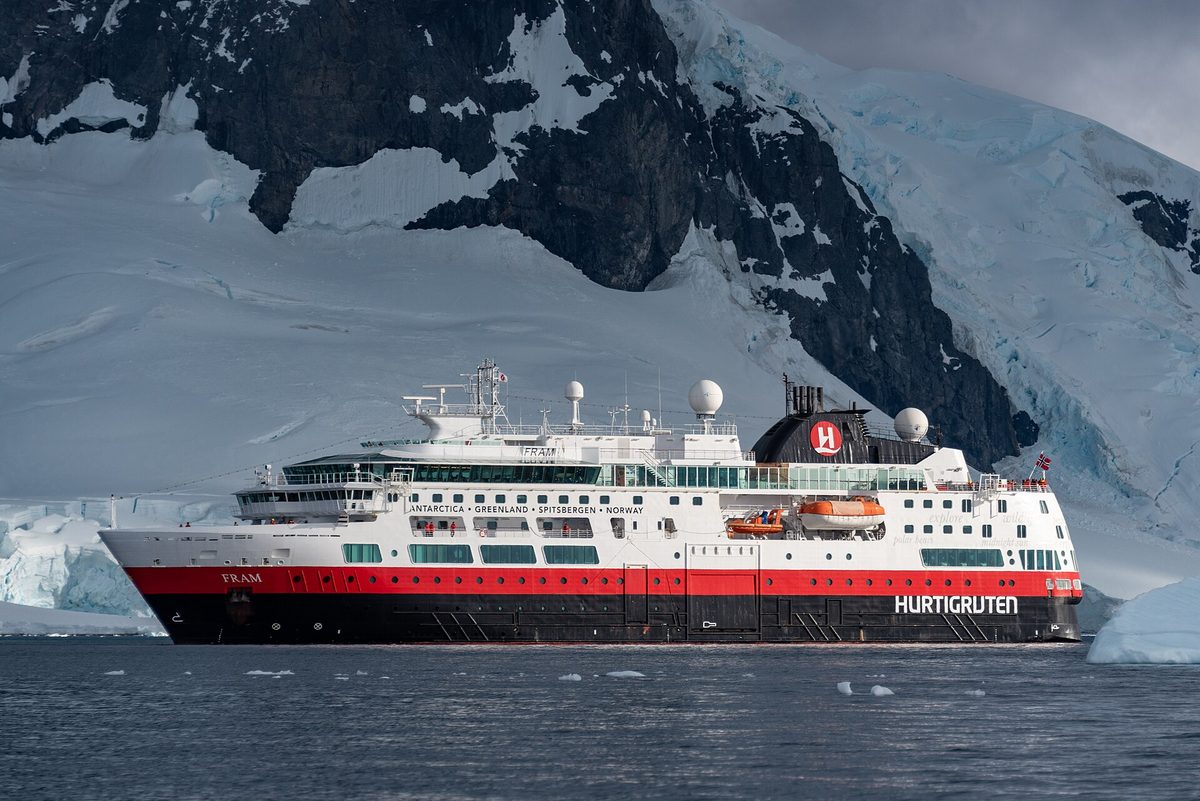
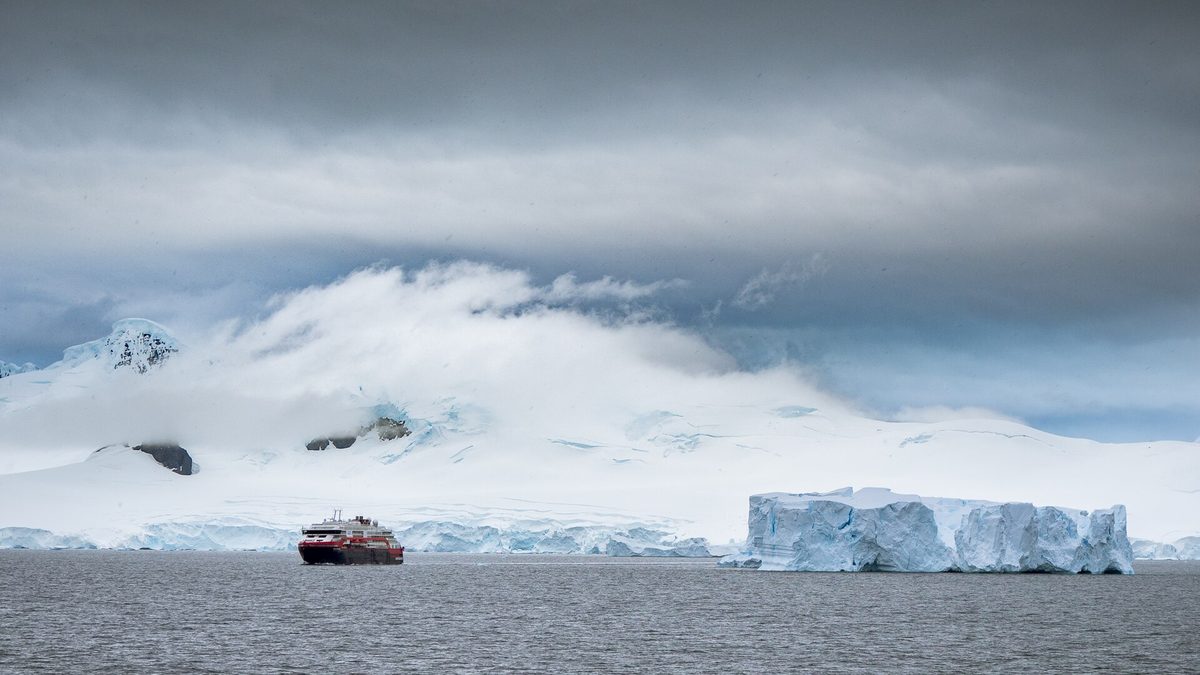
The Norwegian company Hurtigruten, whose expedition arm now trades as HX, has been sailing south since 2002 and today carries more guests to Antarctica than anyone else. That scale is precisely its strength: deep operational experience, genuine polar pedigree, and some of the most competitive entry prices in the market. Its veteran ship MS Fram is purpose-built for ice, while the newer hybrid-powered vessels Roald Amundsen and Fridtjof Nansen pair lower emissions with big panoramic windows and a relaxed Scandinavian aesthetic.
Because HX ships are larger — often carrying 250 or more guests — landings are organised in rotations rather than all at once, which is the trade you make for the lower fare and the steadier ride. For budget-conscious travellers who still want a credible, well-run expedition rather than a mere drive-by cruise, HX is the value benchmark every other line is measured against. It also leads loudly on sustainability, a theme I explore in hybrid and sustainable Antarctica ships.
Lindblad Expeditions–National Geographic: the thinking traveller’s line
For depth of knowledge, nobody touches Lindblad Expeditions and its long partnership with National Geographic. Lindblad practically invented expedition cruising to Antarctica, and it still sets the standard for onboard intellectual firepower: certified photo instructors, National Geographic photographers, undersea specialists who dive beneath the ice and beam the footage back to the lounge, and an expedition staff stacked with naturalists and historians. If you want to come home understanding what you saw, this is the line.
That expertise commands a premium, and Lindblad’s purpose-built National Geographic Endurance and Resolution are polar-class ships with prices to match. But for naturalists, photographers, families with curious teenagers and anyone who treats a trip as a chance to learn, the value is real. Pair a Lindblad voyage with my overview of Antarctica wildlife and you will be reading the landscape like a local.
Aurora Expeditions: intimate and adventurous
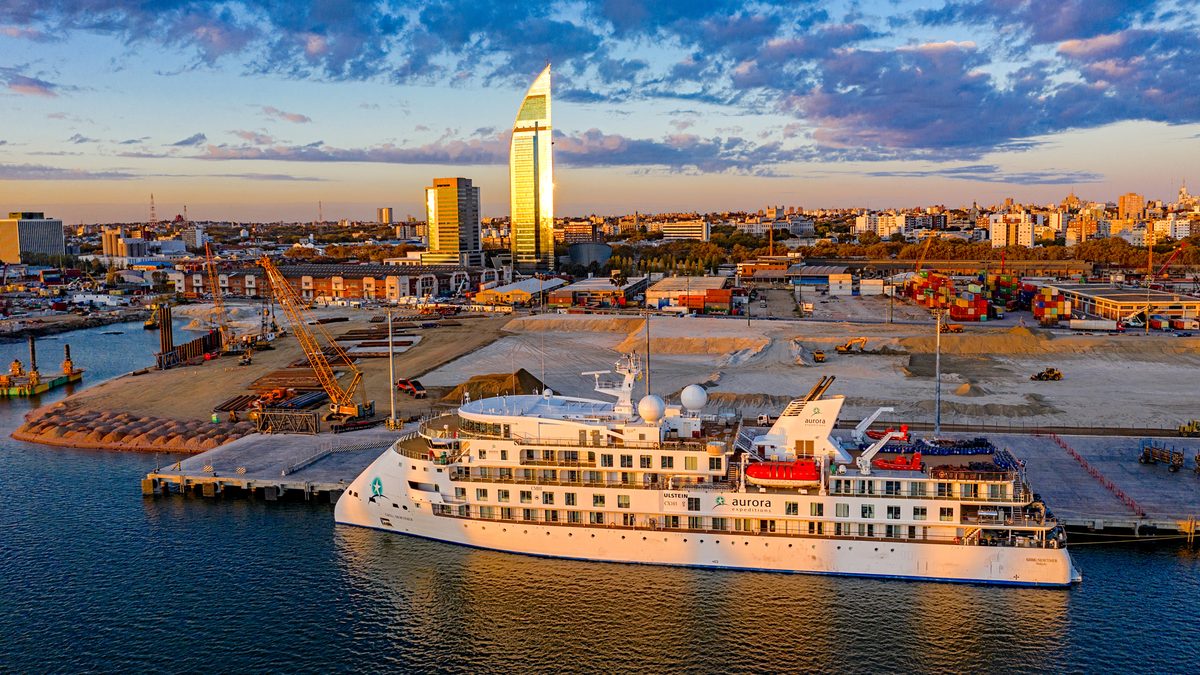
Founded by the Australian mountaineer and polar legend Greg Mortimer, Aurora Expeditions occupies a sweet spot that many travellers fall in love with: small ships of around 130 to 150 guests, a genuinely adventurous activity programme, and a warm, informal culture that feels more like a club than a cruise. Its modern vessels, the Greg Mortimer and Sylvia Earle, use the distinctive Ulstein X-bow, which slices into Drake Passage swells for a notably smoother, drier ride.
Aurora pushes hard on both adventure and sustainability, offering sea kayaking, snorkelling, diving, camping and Zodiac cruising while carrying a fraction of the guests of the big operators. For 2026/27 it has even launched a generous anniversary promotion of up to 35 percent off select voyages, which can make its intimate experience surprisingly attainable. It is the line I most often recommend to active couples who want small-ship feel without an ultra-luxury price tag.
Ponant: French luxury and the polar icebreaker
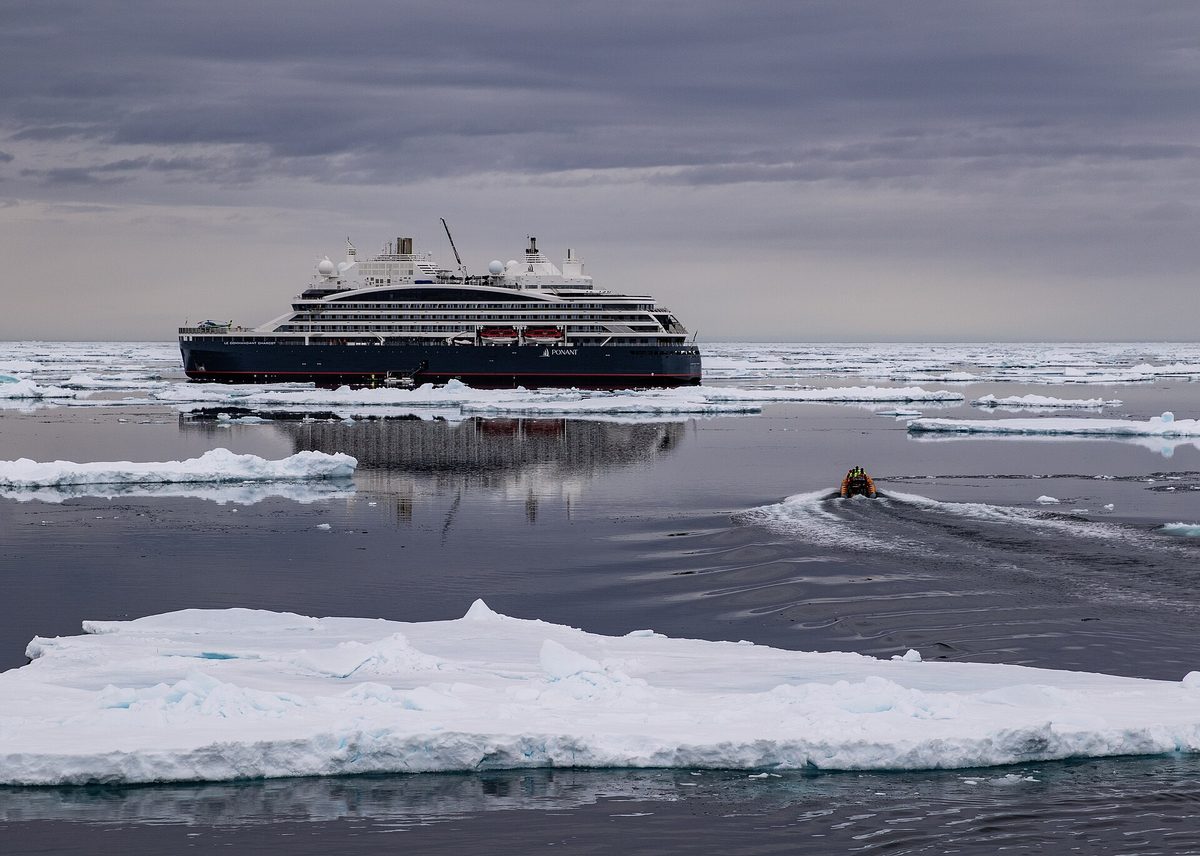
If your tastes run to fine dining, designer interiors and a glass of something cold from a region you can pronounce, the French operator Ponant is built for you. Its fleet of sleek Explorer-class ships pairs understated luxury with serious expedition capability, and its crown jewel, Le Commandant Charcot, is the only true luxury polar icebreaker carrying tourists — a vessel that can push deep into the Weddell Sea pack ice and reach places ordinary expedition ships cannot.
Ponant is not cheap, and the Charcot in particular sits at the very top of the market, but for travellers who refuse to choose between genuine exploration and genuine comfort, it is in a class of its own. If the idea of breaking through ice that stops everyone else excites you, my guide to ice-class ships and icebreakers explains exactly what that capability means.
Silversea and Seabourn: six-star expedition
For travellers who want the white continent without surrendering a single creature comfort, the ultra-luxury lines Silversea and Seabourn deliver expedition cruising wrapped in butler service, all-suite accommodation and Michelin-calibre dining. Silversea’s purpose-built Silver Endeavour is one of the most sophisticated expedition ships afloat, while Seabourn Venture and Pursuit bring the brand’s famous service standards to the ice, complete with submarines aboard for a privileged look beneath the surface.
These voyages cost considerably more than a standard expedition, and the larger guest numbers on some sailings mean landings run in rotations. But the experience is seamless, the food extraordinary and the cabins palatial. For honeymooners, milestone celebrations and anyone for whom comfort is non-negotiable, this tier earns its keep. Just confirm the ship carries fewer than 500 guests if you want to actually land — a point I return to often.
Oceanwide Expeditions and G Adventures: the classic budget route
At the more affordable end sit operators like Oceanwide Expeditions and G Adventures, who run smaller, older, no-frills ships that keep the focus squarely on the wildlife and the landings rather than the onboard luxury. Oceanwide in particular is beloved by serious naturalists and photographers for its longer, more flexible itineraries and its willingness to chase wildlife rather than tick boxes. Cabins are simple, the vibe is unpretentious, and the prices are among the lowest you will find for a true landing expedition.
This is the route I point budget travellers toward when they ask how to do Antarctica without remortgaging the house. You give up balconies and gourmet menus, but you keep the thing that actually matters: boots on the ice, surrounded by penguins. For more ways to save, see my full guide to the most affordable Antarctica ships.
Antarctica21 and the fly-cruise specialists
One category deserves its own mention because it solves the single biggest objection to an Antarctica trip: the Drake Passage. Antarctica21 pioneered the fly-cruise, flying guests across the Drake from Punta Arenas to King George Island in around two hours and meeting the ship there. You trade two days of potential seasickness each way for a short flight, which also shortens the whole trip to as little as a week — a gift for time-poor travellers.
Fly-cruises cost more per day and depend on notoriously fickle Antarctic weather for the flights, but for many people they make the difference between going and not going. Several operators now offer the format. I have written a dedicated comparison of operators and styles in my guide to how to choose an Antarctica cruise operator, which is the natural next read after this one.
How to match a cruise line to your travel style
Strip away the brochures and almost every decision comes down to four questions. First, do you want to actively do things ashore — kayak, climb, camp, dive — or are you content to walk among the penguins and soak it in? Adventure-hungry travellers gravitate to Quark and Aurora; gentler souls are perfectly happy with HX or a luxury line. Second, how much does onboard comfort matter relative to price? That single trade-off sorts the field faster than anything else.
Third, how important is learning? If you want lectures that genuinely deepen the experience, Lindblad and Oceanwide reward you richly. And fourth, how is your stomach? If the thought of the Drake Passage fills you with dread, a fly-cruise specialist or a smooth X-bow ship should rise to the top of your list. Answer those four honestly and the right two or three operators usually pick themselves. It is worth reading my notes on the Drake Passage before you decide how much that crossing matters to you.
Understanding the price tiers
Antarctica is never cheap, but the spread between operators is enormous, and understanding the tiers stops sticker shock from clouding your judgement. The value tier — HX, Oceanwide, G Adventures and similar — starts somewhere around 8,000 to 11,000 US dollars for a standard ten-to-eleven-day Peninsula voyage in a basic cabin. This is the entry point to the continent, and there is no shame in it; the wildlife does not care what you paid.
The mid tier — Quark, Aurora, Lindblad, Ponant’s standard ships — generally runs from about 12,000 to 25,000 dollars and buys you smaller ships, richer activity programmes and better food. The top tier — Silversea, Seabourn, Ponant’s Charcot and the longer Weddell Sea or fly-cruise voyages — climbs from the mid-twenties into the forties of thousands and beyond. A useful sanity check: a typical ten-night voyage averages around 10,000 dollars per person, while a fifteen-night flagship expedition can reach 29,000 or more.
Activities, expedition teams and the things that really differ
Two ships can look identical on paper and deliver completely different holidays, and the difference usually lies in the expedition team and the activity programme. The best lines field a guide-to-guest ratio of roughly one to ten or better, staffed by ornithologists, marine biologists, geologists, historians and professional photographers who turn every landing into a masterclass. Cheaper, larger operations spread a thinner team across more guests, and you feel it ashore.
Activities are the other great differentiator. Sea kayaking is now widely offered but books out fast and costs extra; camping on the ice, mountaineering, snorkelling, scuba diving, paddleboarding and helicopter or submarine excursions are far more selective. If a particular activity is the reason you are going, choose the line and even the specific voyage around it, because availability is limited and demand is fierce. My guide to life onboard an Antarctica expedition ship walks through a typical day so you know what to expect between the highlights.
Ship comfort, cabins and the ride south
Where you sleep matters more than first-timers expect, because you will spend two days each way crossing the Drake and several more at sea. Newer ships from Aurora, Ponant, Silversea, Seabourn and HX offer balconies, floor-to-ceiling windows, stabilisers and that smoother modern hull design; older budget ships offer simple cabins, shared facilities on the cheapest decks and a livelier motion. Neither is wrong, but be honest about how much the difference is worth to you over a week and a half at sea.
The X-bow hulls used by Aurora and a smother of newer vessels genuinely do tame the swell, and the modern stabilised ships ride far more gently than the converted research vessels of old. If seasickness is a real worry, weight your choice toward a new ship or a fly-cruise. To get the cabin question right, read my dedicated guide to Antarctica cruise ship cabins, which explains exactly what each grade buys you.
Why IAATO membership is non-negotiable
Whichever line you choose, one box must be ticked: it should be a full member of the International Association of Antarctica Tour Operators. IAATO membership is your guarantee that the operator follows the strict environmental and safety protocols that keep both you and the continent safe — the landing limits, the biosecurity, the wildlife distances, the emergency contingency planning. Every reputable line on this list qualifies, but the bargain-basement charters that occasionally appear may not.
I will not sail with a non-member and I would urge you not to either. The rules exist because Antarctica is fragile and unforgiving, and the operators who wrote them are the ones who take your safety seriously. For the full story on why this matters so much, see my guide to IAATO and why operator membership matters.
When to book and how to find a deal
The best cabins on the best voyages sell out twelve to eighteen months ahead, so if you have your heart set on a specific ship, activity or departure date, book early. That said, the patient and flexible can sometimes snare dramatic last-minute discounts when operators discount unsold cabins close to departure, especially if you are already in South America and ready to fill a gap. It is a gamble, but a thrilling one if it pays off.
Either way, shop the shoulders of the season — November and March — for lower fares, watch for promotions like Aurora’s anniversary sale, and consider a good expedition-focused travel agent who can match you to the right voyage and often access fares you cannot find yourself. For the timing side of the decision, my guide to the best time to visit Antarctica explains what each month actually delivers.
Frequently asked questions
Which is the best Antarctica cruise line overall?
There is no single best line, because the right choice depends on you. For all-round adventure I lean toward Quark and Aurora; for education, Lindblad; for value, HX; for luxury, Ponant, Silversea and Seabourn. Decide what matters most — activities, learning, comfort or price — and the best line for you will follow.
What is the cheapest reputable Antarctica cruise line?
HX, Oceanwide Expeditions and G Adventures consistently offer the lowest fares for genuine landing expeditions, often starting around 8,000 to 9,000 US dollars per person. You sacrifice some comfort and onboard polish, but the wildlife experience is every bit as real as on the pricier lines.
Do all cruise lines let you land in Antarctica?
No. Under IAATO rules, only ships carrying 500 or fewer passengers may land guests ashore, and never more than 100 people at a single site at a time. Larger cruise ships simply sail past the scenery. Always confirm your ship’s guest capacity if setting foot on the continent matters to you.
How much does an Antarctica cruise cost in 2026?
Expect roughly 8,000 to 11,000 US dollars per person at the value end, 12,000 to 25,000 in the mid tier, and 25,000 upward for luxury, icebreaker or fly-cruise voyages. Prices move with promotions and cabin grade, so the same ship can span a wide range.
Which line is best for first-timers?
HX, Aurora and Lindblad are all excellent first voyages, balancing comfort, strong expedition teams and reliable Peninsula itineraries. If the Drake Passage worries you, consider a fly-cruise operator instead. First-timers rarely regret choosing a smaller ship that lands everyone ashore together.
Are luxury Antarctica cruises worth the money?
If comfort, cuisine and service genuinely matter to you, yes — lines like Ponant, Silversea and Seabourn deliver a flawless experience. But the penguins look identical from a budget ship, so if your priority is the wildlife rather than the wine list, you can have an extraordinary trip for far less.
Can I kayak or camp with any cruise line?
Adventure activities vary enormously by operator and even by voyage. Quark and Aurora offer the widest menus — kayaking, camping, mountaineering, snorkelling and more — but places are limited and book out early. If a specific activity is your reason for going, choose the line and the departure around it.
Should I book directly or through an agent?
Both work. A specialist expedition travel agent costs you nothing extra in most cases, knows the ships intimately and can sometimes access fares and last-minute deals you cannot find alone. Booking direct gives you a closer line to the operator. For a complex, costly trip like this, good advice usually pays for itself.
Final thoughts
Choosing among the best Antarctica cruise lines is less about finding the objectively finest operator and more about finding your operator — the one whose strengths match the trip living in your imagination. The kayaker, the photographer, the luxury seeker and the budget adventurer should each end up on a different ship, and all four can have the journey of a lifetime. Be honest about what you want, check the guest capacity, confirm IAATO membership, and the decision becomes far less daunting than it first appears.
My last piece of advice is the one I give everyone: do not let the agonising over operators delay the trip itself. Antarctica rearranges your sense of the world no matter whose flag flies on the stern. Pick the line that fits, book the cabin, and go. You will spend the rest of your life grateful that you did.
Related reading
- Antarctica expedition ships and cruise operators
- How to choose an Antarctica cruise operator
- Best small expedition ships for Antarctica
- The most affordable Antarctica ships
- Antarctica cruises with helicopters and submarines
- Antarctica cruise ship cabins guide
- Antarctica cruises: the complete guide
- How much does it cost to go to Antarctica?
- The best time to visit Antarctica