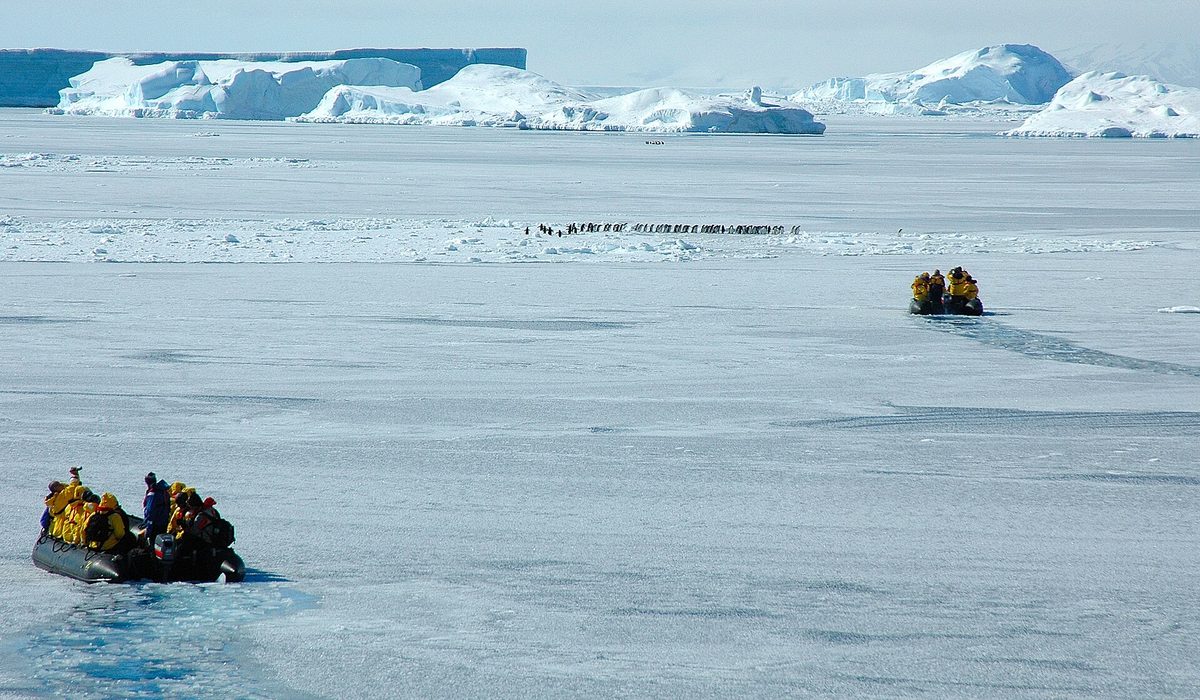
Few line items confuse first-time polar travellers more than tipping, so let me clear it up early: antarctica cruise gratuities typically run $15 to $25 per person per day, which adds up to roughly $150 to $300 over a standard ten-to-twelve day voyage. That money is not a trivial add-on for the people who earn it. Expedition crews work the entire season without days off, and gratuities form a meaningful part of their pay. In this guide I will walk you through exactly how much to tip, who actually receives it, how it is collected, and the other onboard extras, from the bar to the boutique, that quietly stretch your final account beyond the cruise fare.
Understanding these costs up front means you board relaxed rather than ambushed. This guide sits alongside our hidden costs of an Antarctica trip guide and the full cost of visiting Antarctica hub, which together cover every dollar beyond the headline fare.
How antarctica cruise gratuities work
On most expedition ships, gratuities are pooled. Rather than tipping individual stewards or guides directly, you contribute to a shared fund that the operator distributes across the crew at the end of the voyage. This is deliberately fair: the chef who never meets you, the engineer below decks and the steward who makes your bed all share in the recognition. The suggested amount is usually expressed as a per-person, per-day figure, and on many ships it is added automatically to your shipboard account, which you settle by card on the final evening. You retain the right to adjust it, but the default exists because tipping is a genuine expectation in this industry, not an optional flourish.
How much to tip: the headline numbers
Let me give you concrete figures rather than vague reassurance. The industry norm for Antarctic expeditions falls in this range, and here is how it breaks down by role and by day.
| Recipient | Suggested amount | Over an 11-day voyage |
|---|---|---|
| General crew pool (auto-added) | $15 per person/day | ~$165 |
| Combined crew + staff (higher end) | $25 per person/day | ~$275 |
| Expedition team (if tipped separately) | $8–$10 per person/day | ~$90–$110 |
| Service staff pool (bar, dining, housekeeping) | $15–$20 per person/day | ~$165–$220 |
If you simply want a number to budget, set aside about $20 per person per day and you will comfortably cover both the crew and the expedition staff on almost any ship.
Who you are actually tipping
There are really two groups aboard, and it helps to picture them. The hotel and service crew run the ship as a floating hotel: the stewards, dining staff, bartenders, galley team, engineers and deckhands. The expedition team are the specialists who make Antarctica come alive: the biologists, glaciologists, historians, kayak guides and Zodiac drivers. On many ships a single pooled gratuity covers everyone. On others, the automatically added tip goes to the hotel crew while the expedition team is recognised separately, often through a discreet envelope or a contribution box at the end. Always ask at reception how your particular ship handles it, because the structure varies between operators.
Is tipping mandatory or discretionary?
Strictly speaking, tipping on expedition cruises is discretionary, not mandatory. You can adjust or remove an automatically added gratuity when you settle your account, and no one will chase you. That said, I would gently encourage you to honour the suggested amount unless service genuinely fell short. The crew’s compensation is structured around these tips, and they are working long, physical days at the end of the Earth to give you the trip of a lifetime. Treating the suggested gratuity as a default you keep, rather than a charge you fight, is both the kind and the customary approach.
How tips are collected
Two systems dominate. The first, common on modern ships, adds the gratuity automatically to your onboard account at a set daily rate, and you pay it with everything else by credit card on the final night. The second, more common on older and smaller vessels, asks you to contribute cash at the end of the voyage, sometimes into a shared box at reception, sometimes in envelopes you hand over personally. A few ships blend the two, auto-charging the hotel crew while leaving the expedition team to cash. Knowing which system your ship uses tells you how much physical cash to bring, which matters because there are no ATMs in Antarctica.
Cash, currency and practicalities
Tips are almost always reckoned in US dollars, so if your ship uses the cash-envelope method, bring enough US currency for the whole voyage before you leave the gateway city. Withdraw it in Ushuaia or at home; you will not find a cash machine once you sail. Even on ships that auto-charge gratuities, I carry some small US bills for the expedition team, for the post office at Port Lockroy, and for tipping drivers and hotel staff ashore. A few hundred dollars in mixed small notes covers a standard voyage comfortably and saves you the awkwardness of having nothing to give when the moment comes.
Recognising the expedition team
The expedition staff deserve a special mention because they are the soul of the trip. These are the people who spot the leopard seal, who explain the geology of the channel you are sailing, who haul Zodiacs through surf so you can land dry. Some travellers like to recognise them separately from the general crew, often around $8 to $10 per person per day into a dedicated pool, or a personal envelope to a guide who made the trip unforgettable. None of this is obligatory on top of a pooled tip, but if a particular naturalist transformed your understanding of the place, a direct word of thanks and a contribution are warmly received.
What your fare already includes
Before you fret about extras, take comfort in how much is already paid for. The fare covers your cabin, all meals, the full programme of landings and Zodiac cruises, the expedition lectures, port taxes and usually the loan of a parka and boots. Coffee, tea and water flow freely. In other words, the entire core experience, the part you actually came for, is included. The extras we are about to discuss are genuinely optional comforts and indulgences layered on top, not hidden necessities, which is a reassuring thing to keep in mind as the onboard account starts to tick along.
The bar bill and drinks
Alcohol and premium drinks are the most common onboard extra. Some ships include wine and beer with dinner; many do not, and almost none include spirits or cocktails as standard. A celebratory toast as you cross the Antarctic Circle, a beer after a cold landing, a glass of wine at dinner each night, these add up. Budget according to your habits, but $10 to $15 per drink is typical, and a daily glass or two across a voyage can quietly add $150 to $300. A few ships offer drinks packages that can pay off for steady drinkers; ask before you sail.
Wi-Fi and staying connected
Connectivity at the bottom of the world is expensive and slow, delivered by satellite. Some operators now include a basic Wi-Fi allowance; others sell it in packages that can run $50 to $200 or more for the voyage, often metered by data or device. My honest advice is to embrace the disconnection. The trip is short, the scenery is once-in-a-lifetime, and a few days off the grid is part of the gift. If you must stay reachable, buy the smallest package that covers essential messages and let the rest of the world wait until Ushuaia.
Optional activities as extra costs
The marquee add-ons, sea kayaking, overnight camping on the ice and photography workshops, sit outside the fare and are charged separately, typically $200 to $1,200 each. They are worth knowing about before you board because spots are limited and they sometimes sell out. If paddling past a glacier or sleeping a night on the continent calls to you, budget for it deliberately rather than deciding on impulse the first evening. Our things to do in Antarctica guide covers these experiences in detail so you can choose before the trip rather than in the heat of the moment.
The gift shop and Port Lockroy
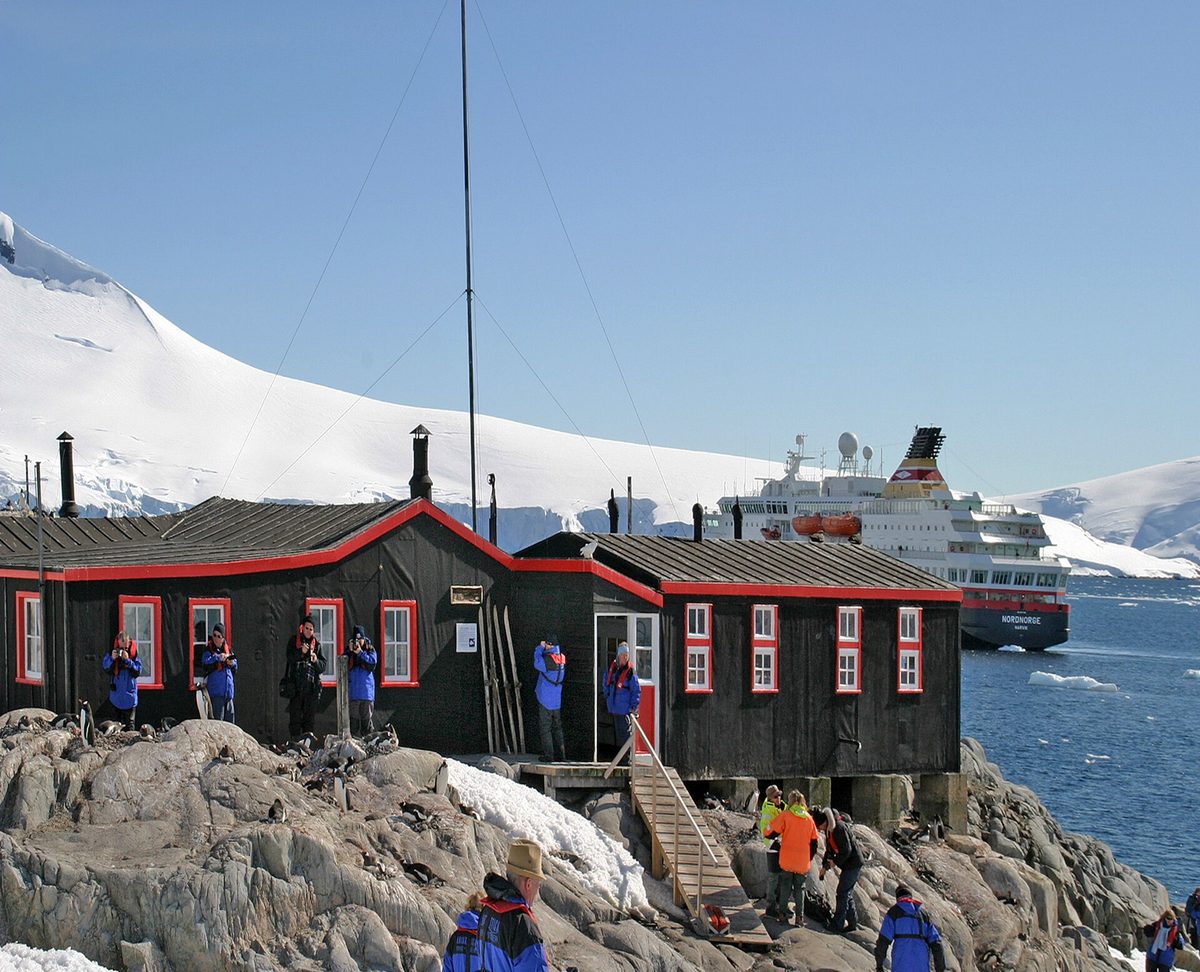
Most ships run a small boutique selling branded jackets, books, postcards and souvenirs, and the famous British base at Port Lockroy operates the world’s southernmost post office and gift shop. Sending a postcard with an Antarctic postmark is a genuine delight and costs only a few dollars, but the boutique can tempt you into a pricey fleece you did not plan to buy. There is nothing wrong with a memento; just fold a modest souvenir allowance into your budget so it is a choice rather than a surprise on the final bill.
Spa, laundry and other services
Larger and more luxurious ships may offer a spa, massages, a hairdresser or paid laundry, all charged to your account. These are pure indulgences and entirely skippable, but after a few cold landings a massage can feel heavenly, and laundry is welcome on longer voyages. Prices mirror what you would expect on any premium ship. None of this exists on the most basic expedition vessels, so the presence of these services is itself a clue to where your ship sits on the comfort spectrum, which ties back to what you paid for the fare in the first place.
Tipping ashore in the gateway city
Your tipping does not begin and end on the ship. In Ushuaia or Punta Arenas, restaurant tips of around 10% are customary, and a small gratuity for hotel porters and airport transfer drivers is appreciated. These are minor amounts, but they are part of the true cost of the journey and another reason to arrive with a stock of small bills. Factor a modest allowance for ashore tipping into the same cash you set aside for the ship, and you will move through the whole trip without ever being caught short.
What to budget overall for tips and extras
Pulling it together, here is a realistic allowance for the costs beyond your fare on a standard voyage:
- Crew and staff gratuities: $165–$300 per person, depending on the ship’s suggested rate.
- Drinks and bar: $0–$300, entirely dependent on your habits.
- Wi-Fi: $0–$200, or nothing if you embrace the disconnect.
- Optional activities: $0–$1,200, only if you choose to add one.
- Shop, postcards and souvenirs: $20–$200.
- Ashore tipping and incidentals: $50–$150.
A traveller who tips properly, enjoys a daily drink and skips the big add-ons should plan for roughly $400 to $700 in total extras on top of the fare.
Luxury ships and all-inclusive policies
At the top of the market, some luxury operators fold gratuities, drinks and even Wi-Fi into an all-inclusive fare, advertising a no-tipping policy. This can be genuinely convenient, removing the end-of-voyage maths entirely, but remember that the cost has simply been built into a higher headline price rather than waived. If you value predictability and dislike calculating tips, all-inclusive can be worth the premium. If you would rather pay less up front and manage the extras yourself, a standard ship with separate gratuities is usually the cheaper route overall.
Etiquette: adjusting an auto-gratuity
Occasionally a traveller wants to reduce or remove an automatically added tip, and it is worth knowing the etiquette. You are within your rights to visit reception and adjust the amount, and a polite request will be honoured without drama. Genuine reasons, like service that truly disappointed, are understood. What I would discourage is reflexively stripping the gratuity to save money on a trip you have already invested thousands in; the crew feel that keenly. If budget is the concern, it is far better to trim elsewhere and keep the people who made your trip whole.
Keeping your extras under control
The simplest way to avoid a shock on the final night is to set an onboard spending limit before you board and keep a loose running tally. Decide in advance whether you are buying a drinks package, whether you want Wi-Fi, and which single activity, if any, is worth the splurge. The crew gratuity is the one extra I would never trim; everything else is genuinely yours to control. Travellers who plan their extras spend with intention and enjoy the trip more, while those who wing it tend to be startled by the bill and a little resentful, which is no way to end a dream voyage.
How gratuities fit your overall budget
It is worth zooming out to see where tipping sits in the whole picture, because in isolation a daily figure can feel larger than it is. On a trip that totals $12,000 to $16,000 all-in, a few hundred dollars of gratuities is a small slice, perhaps two percent of the journey, yet it is the slice with the biggest human impact. I always slot it into the budget early, right next to insurance, as a fixed cost rather than a variable one. If you are mapping your full spend, our full price breakdown shows exactly where tips land among the larger items, and our hidden costs guide catches the smaller extras that travel alongside them. Budget travellers will also want the wider strategy in our Antarctica on a budget guide.
Tipping when you are travelling solo
Solo travellers sometimes wonder whether the per-person gratuity stings extra, and the honest answer is that it is the same per-person rate as everyone else; you simply are not splitting it with a cabin-mate. The larger solo cost to plan for is the single supplement on the fare itself, which dwarfs the tipping question. If you are travelling alone, read our Antarctica single supplement guide first, because handling that well frees up far more money than anything you might save by trimming a tip. Tip at the normal rate; it is a modest, shared courtesy that keeps the crew whole regardless of how many people share your cabin.
Tipping across different ship classes
The suggested gratuity is broadly similar whether you sail a budget vessel or a premium one, because it tracks crew compensation rather than ticket price. Where ships differ is in what else lands on your account: a basic expedition ship has little beyond tips and a small bar tab, while a comfortable mid-range vessel adds drinks, Wi-Fi and a boutique, and a luxury ship may bundle everything into the fare. Understanding your ship’s model helps you predict the final bill. Our average Antarctica cruise price guide and our overview of Antarctica expedition ships explain how the vessel you pick shapes both the fare and the extras that follow.
Are the tips and extras worth it?
Some travellers bristle at extras on top of an already large fare, which is fair, but I would frame it differently. The gratuity rewards people who genuinely transform your trip, and the optional extras are exactly that, optional. You can sail a wonderful voyage paying nothing beyond your fare and your tips, or you can layer on the kayak, the wine and the spa to taste. Either way the core experience is the same. If you are weighing whether the whole expense stacks up, our honest take in is Antarctica worth the money tackles the question directly, and most travellers conclude the value is overwhelming.
A pre-departure tipping checklist
To arrive prepared rather than scrambling, run through this short list before you leave home:
- Ask your operator whether gratuities are auto-added to your account or collected in cash.
- Withdraw enough US dollars in small bills in the gateway city; there are no ATMs in Antarctica.
- Decide your daily tipping rate in advance, around $20 per person per day is a safe default.
- Set aside a little extra cash for the expedition team and for Port Lockroy postcards.
- Plan whether you want a drinks package or Wi-Fi, and budget those separately.
- Keep some small notes for tipping drivers, porters and restaurants ashore.
Tick those off and the end-of-voyage settlement becomes a formality rather than a fright, which is exactly how you want to end a trip like this.
Frequently asked questions
How much are antarctica cruise gratuities per day?
Plan on $15 to $25 per person per day, which covers the crew and, on most ships, the expedition staff too. Over an eleven-day voyage that is roughly $165 to $275 per person.
Are gratuities included in the cruise fare?
Usually not, except on some luxury all-inclusive ships. On standard expeditions, tips are added to your onboard account or collected in cash at the end of the voyage, separate from the fare.
Do I tip the expedition guides separately?
It depends on the ship. Many pool all tips together; others recognise the expedition team separately, often around $8 to $10 per person per day or via a personal envelope to a standout guide.
Can I remove or reduce the automatic gratuity?
Yes. You can adjust an auto-added tip at reception when you settle your account. It is discretionary, though keeping the suggested amount is the customary and considerate choice.
Should I bring cash for tips?
Bring US dollars in small bills, especially if your ship collects tips by envelope, since there are no ATMs in Antarctica. Even on auto-charge ships, cash is useful for the expedition team and ashore.
What other extra costs should I expect?
Drinks, satellite Wi-Fi, optional activities like kayaking or camping, the gift shop, the spa on luxury ships, and small tips ashore. A typical traveller spends $400 to $700 in total extras beyond the fare.
Is Wi-Fi free on Antarctica cruises?
Sometimes a basic allowance is included, but many ships sell satellite Wi-Fi in packages of $50 to $200 or more. It is slow and pricey, so many travellers simply disconnect for the voyage.
Do all-inclusive ships really mean no tipping?
On some luxury operators, yes, gratuities are built into the fare. The cost has not vanished, though; it is bundled into a higher price, which can be worth it for the convenience.
Final thoughts
Antarctica cruise gratuities are not a trap; they are a fair and well-signposted part of the trip, and a few hundred dollars set aside in small US bills covers them with room to spare. Add a sensible allowance for drinks, the odd souvenir and any single activity you cannot resist, and you will sail with a clear picture of your true spend. Plan the extras the way you planned the fare, keep the crew tip intact, and the only surprises left will be the ones with flippers. For the rest of your budget, see the full price breakdown, the average cruise price guide, and our wider cruises guide, plus practical advice in Antarctica travel tips.