Things to Do in Ushuaia Before Your Cruise
I have flown into Ushuaia more times than I can count, always with the same low hum of nerves and excitement in my chest, because Ushuaia is the doorway. This little city at the bottom of Argentina is where most Antarctic expeditions begin, and almost everyone who passes through arrives a day or two early, stares out at the Beagle Channel, and asks the same question: what do I actually do with this time? That is exactly what this guide is for. The best things to do in Ushuaia are not filler — they are some of the most memorable parts of the whole trip, and if you plan them right they slot neatly around your embarkation day instead of fighting it. I will walk you through every attraction worth your hours, what each one costs and how long it eats, which ones you can squeeze in on the morning before you board, and the honest trade-offs I have learned the hard way.
Here is the thing people underestimate. Ushuaia is the world’s southernmost city, wedged between the Martial mountains and the channel, and it is genuinely beautiful in its own right — windblown, a little ramshackle, full of king crab restaurants and gear shops and dogs. You came for Antarctica, yes. But the day you spend here first is the day your body and brain catch up to where you are on the map. Treat it as the prologue, not the waiting room. If you are still sorting the logistics of getting down here, my companion guide on how to get to Antarctica covers the routes and timing, and why Ushuaia is the main Antarctic gateway explains why nearly every ship leaves from this particular dock.

Why You Should Arrive in Ushuaia Early
Let me make the case for the extra night before I get to the list, because it matters more than any single attraction. Antarctic cruises depart on a fixed date, and your ship will not wait for a delayed flight. Flights from Buenos Aires to Ushuaia get cancelled or rerouted for weather and strikes more often than you would like, and the gap between “I landed at noon” and “we cast off at 4 p.m.” is the kind of buffer that turns a dream trip into a missed boat. I always tell people to land at least one full day ahead, and two if your budget allows. The cost of an extra hotel night is trivial against the cost of missing a US$8,000 voyage. If you want the numbers on flight options, my breakdown of flights to Ushuaia walks through the airlines and schedules, and how to get to Ushuaia covers the overland alternatives.
The second reason to arrive early is simpler: this place is worth seeing. An afternoon and a full day give you room to do two or three of the headline attractions without rushing, eat at least one proper centolla dinner, and walk the harbour at golden hour when the light goes long and pink across the water. I have watched people sprint off the plane, check straight into the ship, and never set foot on a Fuegian trail — and every one of them told me afterward they wished they had stayed a night. Don’t be that traveler. Build in the time. For the bigger picture on when to come at all, see the best time to visit Antarctica, since Ushuaia’s weather and tour seasons track the same November–March window.
Best Things to Do in Ushuaia: The Big Six
If you only have time for a handful, these are the ones I send everyone to, in rough order of how often I recommend them. Tierra del Fuego National Park, a Beagle Channel boat trip, the Martillo Island penguin walk, the End of the World train, the Maritime & Prison Museum, and the Martial Glacier. You will not fit all six into a single day before boarding — and you should not try — but knowing the full menu lets you pick the two or three that fit your window and your interests. Below I take each one in turn, with the practical detail you actually need: how long it takes, when it runs, roughly what it costs, and whether it is doable on an embarkation morning.
A quick word on prices throughout this guide. Argentina’s economy has been a moving target for years, and the gap between the official exchange rate and the street rate has made tourist pricing genuinely confusing. The figures I give are rough 2026 bands in US dollars, because that is how most tours quote foreigners now, but treat every number as “around” and check the current rate when you book. Many operators take cards; some still prefer cash, and a few give a better price for it. For the wider context on what an Antarctic trip costs once you add up flights, hotels, and the voyage itself, my guide to Antarctica trip cost puts the Ushuaia spending in proportion — these excursions are a rounding error next to the cruise fare.
Tierra del Fuego National Park
This is the one I would not skip. Tierra del Fuego National Park sits about 12 km west of town, a compact ribbon of southern beech forest, peat bog, and coastline running right down to the Beagle Channel, and it is the only stretch of the park open to visitors. What makes it special is how accessible it is — you do not need to be a mountaineer to walk the Costera Trail along the shore, watch upland geese paddle in the bays, and reach Lapataia Bay, where a famous wooden sign marks the literal end of the Pan-American Highway. Stand there and you are as far south as a road will take you on this continent. I have done it on a crisp clear morning and in horizontal sleet, and both were worth it; just dress for all four seasons in one afternoon, because down here that is not a figure of speech.
Logistically it is easy. You can take a shuttle bus from the town centre, drive a rental, join a half-day guided tour, or arrive by the End of the World train (more on that next). The park entrance fee for foreign visitors runs somewhere around US$25–35 as of 2026, and if you buy online you may get a 50% discount on a second consecutive day used within 72 hours — handy if you have two mornings to spare. A half-day visit is plenty to see the highlights; a full day lets you add the longer Cerro Guanaco climb for the panoramic view if you are fit and the weather cooperates. For an embarkation morning, the half-day shuttle option is doable if your ship boards in the afternoon, but it is tight — I would only attempt it if you have done your packing the night before.
The End of the World Train (Tren del Fin del Mundo)
The Tren del Fin del Mundo is unapologetically touristy, and I still tell people to ride it, because the history underneath the kitsch is real and grim and fascinating. This narrow-gauge steam railway retraces the route prisoners once walked from the Ushuaia penal colony into the forest to fell timber, and the little restored train now chugs the same line into the edge of the national park. The ride is short — about an hour each way — with a stop at a waterfall and recorded commentary in several languages. It is gentle, scenic, and genuinely moving once you understand that the pretty woodland you are rolling through was a place of forced labour in brutal cold.
Practically, the train runs year-round with more departures in the high summer season, and tickets land somewhere around US$40–55 depending on the class of carriage, with national park entry usually charged on top if you continue into the park. The whole outing, including transfer time from town, eats a half day. Honestly, if you are short on time and have to choose between the train and a Beagle Channel cruise, I would take the channel every time — but if you have a free morning and a soft spot for railways and history, this is a lovely, low-effort way to spend it. It pairs naturally with a park visit, since the line drops you at the park’s edge.
Beagle Channel Boat Trips
If there is one quintessential Ushuaia experience, it is getting out on the Beagle Channel itself. These boat trips leave straight from the city’s tourist pier, and within minutes you are out among islets crowded with wildlife. The classic route loops past the Les Éclaireurs lighthouse — the squat red-and-white tower everyone wrongly calls the “lighthouse at the end of the world” — and out to rocky skerries packed with barking South American sea lions and imperial cormorants. On a good day you might spot dolphins or a whale. It is the first real taste of the Southern Ocean’s abundance, a fitting overture to the wildlife you will meet farther south; my overview of Antarctica wildlife sets the scene for what is to come.
There is a whole spectrum of boats. The big catamarans are cheap, comfortable, and run multiple times daily — figure roughly US$45–70 for a three-to-four-hour cruise. Smaller rigid-hull boats and sailing options cost more but get you closer and feel less like a floating bus. Some itineraries add a landing on Bridges Island for a short walk; the premium ones continue all the way to Isla Martillo and Estancia Harberton for the penguin colony, which I cover below. For an embarkation day, a standard short morning catamaran cruise is one of the most doable outings going — you are back at the pier by early afternoon, steps from where your expedition ship is moored.

Isla Martillo / Martillo Island Penguin Walk (Seasonal)
This is the bucket-list one, and it is strictly seasonal, so read carefully. From roughly October/November through March, a colony of Magellanic penguins — and a small, much-prized group of gentoos — nests on Isla Martillo, a low spit of land in the eastern Beagle Channel near historic Estancia Harberton. A limited number of operators are licensed to land a handful of visitors at a time for a guided walk among the birds. You stay on a marked path, the penguins waddle and bray and ignore you completely, and for about an hour you are standing in a working rookery at the bottom of the world. It is the closest most people get to penguins before Antarctica, and for some travellers on shorter trips it is the closest they get at all.
Because landings are capped, this tour sells out — book weeks ahead, not on arrival. There are two main formats: the “walk with penguins” landing tours from Harberton (the licensed few), and cheaper boat-only trips that cruise close to the island without landing. A full-day landing excursion combining the drive out, the estancia, and the walk runs something like US$120–200+ depending on operator and whether transfers are included, and it consumes a whole day, so it is not an embarkation-morning activity. If your schedule only allows one big splurge in Ushuaia, this is the one I would weigh hardest, especially if your voyage itinerary is gentoo-light. According to 2026 tour listings, the November-to-March season is when both Magellanic and gentoo colonies are active.
Things to Do in Ushuaia: Time, Season & Cost at a Glance
Before I get into the museums and hikes, here is the planning table I wish someone had handed me on my first trip. Use it to match attractions to the hours you actually have. Times include rough transfer from the town centre; costs are approximate 2026 US-dollar bands for foreign visitors and exclude tips. The “embarkation morning?” column is my honest read on whether you can realistically do it on the day you board an afternoon departure.
| Attraction | Time needed | Season | Rough cost (USD) | Embarkation morning? |
|---|---|---|---|---|
| Tierra del Fuego National Park (half day) | 3–4 hrs | Year-round (best Nov–Mar) | $25–35 entry | Tight but possible |
| End of the World train | Half day (~4 hrs) | Year-round | $40–55 + park entry | Possible, a little rushed |
| Beagle Channel catamaran cruise | 3–4 hrs | Year-round | $45–70 | Yes — easiest big outing |
| Isla Martillo penguin walk (landing) | Full day (~8 hrs) | Oct/Nov–Mar only | $120–200+ | No — full day |
| Martial Glacier & chairlift hike | 2–4 hrs | Year-round (snow in winter) | $10–20 lift + taxi | Yes — flexible |
| Maritime & Prison Museum | 2–3 hrs | Year-round, indoor | $15–25 | Yes — weatherproof |
| Museo del Fin del Mundo | 1–1.5 hrs | Year-round, indoor | $8–15 | Yes — quick |
| Laguna Esmeralda hike | 4–5 hrs | Best Dec–Mar (muddy/icy otherwise) | Free (or guided ~$60) | No — too long |
| Harbour walk & “fin del mundo” sign | 30–60 min | Year-round | Free | Yes — anytime |
One pattern jumps out of that table: the weatherproof, flexible, short activities — the museums, the harbour walk, the Martial chairlift — are your friends on embarkation day, while the full-day excursions belong to your buffer day. Plan accordingly and you will never feel like you are choosing between seeing Ushuaia and catching your ship.
Martial Glacier and the Chairlift Hike
For a dose of mountain air without committing a whole day, the Martial Glacier is hard to beat. It sits in the range directly above town, close enough that you can see the snowfields from the main street. A short taxi ride takes you to the base, where an old chairlift (when it is running) lifts you partway up; from there a marked trail switchbacks up the valley toward the shrinking glacier itself. Even if you only walk the lower section, the reward is a sweeping view back over Ushuaia, the Beagle Channel, and the islands beyond — the single best free-ish panorama in the area. I have done it as a leg-stretcher on a morning when I just needed to move after a long flight, and it reset me completely.
The hike is moderate; the upper sections are steep and loose, and in winter the whole thing becomes a snow route, so judge your footwear and the weather honestly. Allow two hours for a casual lower walk, three to four if you push for the glacier viewpoint and back. Costs are minimal — a chairlift ticket runs around US$10–20 and the taxi up is cheap — which makes this one of the best-value outings in town. Because you control the turnaround point, it is genuinely flexible for an embarkation morning: go up, walk as far as your schedule allows, come back down. Just keep an eye on the time and the cloud, which can swallow the upper valley fast.
Maritime & Prison Museum (Museo Marítimo y del Presidio)
If the weather turns — and in Ushuaia it will — the Maritime & Prison Museum is where I send people, and it is so good it is worth a clear day too. Housed in the actual former penal colony, the building is laid out as long radiating wings of cells, and you walk the corridors reading the stories of the prisoners, guards, and the harsh experiment in colonising the far south through forced labour. Bolted onto it are wings on Antarctic exploration, Fuegian maritime history, the lost indigenous peoples of the region, and scale models of famous polar ships. It is a sprawling, slightly chaotic, deeply rewarding place, and it gives crucial context for the wild continent you are about to sail toward.
Budget two to three hours; serious history buffs can spend longer. Entry runs roughly US$15–25, often with a ticket valid for two days, and it is fully indoor, which makes it the ultimate weatherproof, embarkation-morning option — if your flight delivered you under low cloud and rain, this is the day-saver. I would pair it mentally with the Antarctic-exploration angle: reading about Shackleton’s and Nordenskjöld’s ships here, then boarding your own expedition vessel hours later, is a connection that sticks. For the modern version of what those explorers did, see how today’s Antarctica cruises turn those routes into accessible voyages.
Museo del Fin del Mundo
Smaller and quicker than the prison museum, the Museo del Fin del Mundo — the End of the World Museum — is a tidy little institution near the waterfront that focuses on the natural and human history of Tierra del Fuego. Expect cases of stuffed local birds, artefacts from the indigenous Yámana and Selk’nam peoples, relics from early settlers and shipwrecks, and the famous old “bank of the end of the world.” It is the kind of compact, well-curated museum you can absorb in an hour or so, and it slots neatly into a morning when you have time to fill but not enough for a full excursion.
Entry is modest, around US$8–15, and because it is central and indoor it is another safe bet for an embarkation day or a wet afternoon. I think of it as the appetiser to the prison museum’s main course: if you only have time for one big museum, make it the Maritime & Prison Museum, but if you have a spare hour near the harbour, the Fin del Mundo is a pleasant, low-commitment way to deepen your sense of place before you leave the continent behind.
King Crab (Centolla) Dinners and the Food Scene
Now the part everyone secretly cares about: eating. Ushuaia’s signature dish is centolla, the southern king crab pulled from these frigid waters, and a proper centolla dinner is, for my money, a non-negotiable part of any visit. The meat is sweet, delicate, and served every way imaginable — in the shell with butter, baked into a creamy gratin, folded into ravioli, or piled over rice. The best crab houses cluster near the port and along San Martín, the main drag, and a full king-crab meal will run you something like US$35–60 a head depending on the place and how much crab you order. It is not cheap, but you are at the end of the earth eating one of its great delicacies; lean in.
Beyond crab, the food scene punches above the town’s size. Argentine asado (grilled meat) is everywhere and excellent, Fuegian lamb cooked al palo over open fire is a regional specialty worth seeking out, and the craft-beer scene — fed by a couple of well-known local breweries — is genuinely good after a cold day outdoors. There are decent cafés for the all-important pre-flight coffee and medialunas, and a growing handful of more inventive restaurants. My standing advice: book your centolla dinner for your buffer night, not embarkation eve, so you can linger over it without watching the clock. You will be eating ship food soon enough, and good as expedition catering is, it is not fresh king crab on the dock.
The “Fin del Mundo” Sign and the Harbour Walk
Some of the best things to do in Ushuaia cost nothing. The harbour walk along the waterfront is the simplest pleasure in town and the one I do every single visit: stroll the Costanera, watch the expedition ships and fishing boats and the odd naval vessel, and take in the amphitheatre of mountains rising straight out of the channel. Near the port you will find the much-photographed “Ushuaia — Fin del Mundo” sign, the obligatory proof-you-were-here shot, plus the painted “end of the world” signposts pointing to cities thousands of kilometres away. It is touristy and I love it; there is something genuinely stirring about standing at the bottom of the inhabited world with your ship waiting behind you.
This is also the most embarkation-friendly activity imaginable, because it requires zero planning and no fixed time. Got two hours before boarding and rain holding off? Walk the harbour, grab the photo, poke into a gear shop, have a coffee. Golden hour here in summer stretches late and the low light turns the water and peaks unreal shades of gold and rose — if your schedule lets you catch it, do. It is the image of Ushuaia you will carry south with you. For the broader sense of how this town fits into the network of jumping-off points, my guide to Antarctica gateway cities places it alongside Punta Arenas and the rest.
Hiking Laguna Esmeralda and Beyond
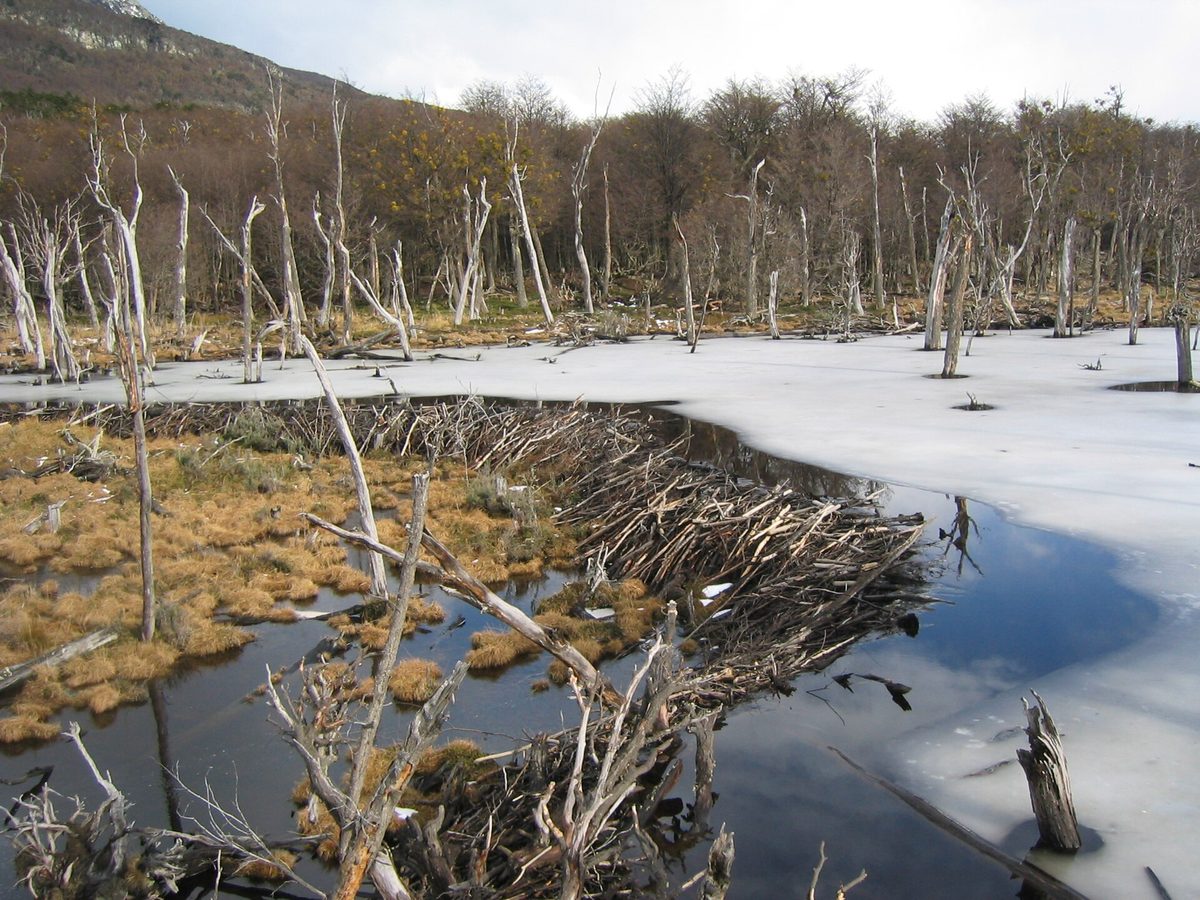
For walkers, Ushuaia is a trailhead in disguise. The standout day hike is Laguna Esmeralda, a moderate out-and-back of roughly four to five hours round trip that climbs through beaver-gnawed forest and open valley to a startling turquoise glacial lake ringed by peaks. It is one of the most rewarding free things to do in the area — no entrance fee, just your own legs — though the trail is notoriously muddy and is best tackled from December through March, when conditions are kindest. In shoulder season it can be a boggy, icy slog, and in deep winter it becomes a snowshoe route. Go with decent waterproof boots and gaiters, or join a guided trip for around US$60 if you want navigation and gear sorted.
There are tougher options too — Cerro Guanaco in the national park for the big view, the multi-day routes into the Martial range for the experienced — but for most cruise travellers Laguna Esmeralda is the sweet spot of effort and payoff. Just be realistic: at four-plus hours it is not an embarkation-morning hike, so reserve it for your full buffer day and keep the morning of boarding for shorter, closer outings. There is a real satisfaction in arriving at your ship with tired legs and a head full of Fuegian forest, already feeling like the adventure has begun before you have left the dock.
Shopping for Last-Minute Gear
Ushuaia is the last real place to buy outdoor kit before Antarctica, and you would be amazed how many people discover on arrival that they forgot something essential. San Martín, the main street, is lined with outdoor shops selling everything from waterproof trousers and thermal base layers to gloves, beanies, wool socks, and the dry-bags you will want for Zodiac landings. Prices are not bargain-basement — this is a remote town and imports are taxed — but the selection is solid and the staff understand exactly what polar-bound travellers need, because they outfit them all season. If your expedition operator provides a parka and boots (many do), you can focus on the gaps: a good neck gaiter, liner gloves, a spare base layer.
My honest take: do your serious gear-buying at home where it is cheaper and you can test fit, and treat Ushuaia as the safety net for forgotten items and last-minute upgrades. That said, the souvenir shopping is fun too — penguin everything, Fin del Mundo patches, local chocolate, and Malbec to tuck in your bag. Build a relaxed hour into your buffer day to wander San Martín; it doubles as people-watching and as a chance to fix any kit holes before you commit to the Southern Ocean. To make sure you have covered the essentials before you even land, read my full what to pack for Antarctica checklist — Ushuaia should be plugging small gaps, not bailing you out of major ones.
How to Fit It All Around Embarkation Day
Here is the planning heart of this guide, because the whole challenge is sequencing. Most ships board in the afternoon — often a window like 4 to 5 p.m. — after a morning when your cabin is not yet ready and your bags can usually be left with the operator or hotel. That gives you a free embarkation morning, and the trick is to fill it with something short, flexible, and weatherproof rather than a full-day excursion that could run long or get weathered out. My go-to embarkation-morning shortlist: the Maritime & Prison Museum, the harbour walk and sign, the Martial chairlift, or a standard short Beagle Channel catamaran cruise that returns by early afternoon. Any of those leaves a comfortable buffer to collect your bags, grab lunch, and be at the pier relaxed rather than sprinting.
What I would not do on boarding day is attempt the Isla Martillo penguin walk, the Laguna Esmeralda hike, or anything that commits you to a fixed return late in the afternoon — the risk of a delay colliding with your boarding time is just not worth it. Save those for the full buffer day you (wisely) built in beforehand. The mental model that works: buffer day = the big stuff (penguins, long hikes, full park day, your centolla blowout); embarkation morning = the short, safe, indoor-friendly stuff. Get that division right and you will see a remarkable amount of Ushuaia without ever once feeling like you are gambling with your ship. For the timing of the voyage itself once you board, see how to get to Antarctica and the crossing details it covers.
A Sample Two-Day Ushuaia Plan
To make it concrete, here is roughly how I would spend a model two-night stop, arriving the day before my buffer day. Afternoon of arrival: check in, shake off the flight with the harbour walk and the Fin del Mundo sign, then an early centolla dinner — you will likely be too tired for a late one. Full buffer day: the big-ticket choice, which for most people is either the Isla Martillo penguin landing (if it is the season and you booked ahead) or a full day in Tierra del Fuego National Park combined with the End of the World train, followed by a relaxed asado dinner and a wander down San Martín to fill any gear gaps.
Embarkation day: a slow morning with the Maritime & Prison Museum or the Martial chairlift, a light lunch near the port, bag collection, and a calm walk to the pier to board. That sequence front-loads the weather risk onto your buffer day, keeps boarding day low-stress, and still delivers the full Ushuaia experience — wildlife, history, mountains, crab, and the sign. Adjust the order for the season and the weather, but keep the principle: ambitious early, gentle on the day you sail. If you have even more time and want to extend the trip, my notes on a Buenos Aires stopover show how to bookend Ushuaia with a city break on the way through.
Practical Tips for Your Ushuaia Days
A few hard-won pointers. Weather here is famously fickle — sun, wind, rain, and a cold snap can all arrive within an hour — so carry a waterproof shell and layers every single day, even on a bright morning. Cash versus card: many tours and restaurants take cards, but some give a better rate for US dollars or pesos in cash, and ATMs can run dry or cap withdrawals, so arrive with some cash buffer. Book the capped, popular excursions — Isla Martillo above all — well in advance online, not on arrival, because they sell out in high season. And build slack into every plan; Fuegian time is relaxed, transfers run late, and you do not want to be the person watching the clock.
One more, the most important: protect your boarding day. Whatever you do in Ushuaia, nothing is worth missing the ship for, so leave generous margins and keep boarding-day activities short and close to town. The town is small and walkable at its core, taxis are cheap and plentiful, and most hotels will hold your bags and help arrange tours — use them. Get those basics right and Ushuaia stops being a nervous layover and becomes what it should be: a genuinely wonderful two days at the end of the world, the perfect on-ramp to the greatest journey most travellers will ever take. For more on squeezing the most from the whole trip, see my Antarctica travel tips.
Frequently Asked Questions
How many days should I spend in Ushuaia before an Antarctic cruise?
I recommend at least one full buffer day plus your arrival afternoon, so two nights minimum. That protects you against flight delays — your ship will not wait — and gives you time for one big excursion plus a centolla dinner and the harbour walk. If your budget allows, three nights lets you do both a full park day and the penguin walk without rushing.
What are the best things to do in Ushuaia if I only have one day?
With a single free day, I would do a Beagle Channel boat trip in the morning — sea lions, the Les Éclaireurs lighthouse, the channel itself — then the harbour walk, the Fin del Mundo sign, and a king-crab dinner in the evening. If penguins are your priority and it is the season, swap the boat trip for the Isla Martillo landing tour, which fills the whole day on its own.
Can I see penguins in Ushuaia?
Yes, seasonally. From roughly October/November through March, Magellanic and a few gentoo penguins nest on Isla Martillo in the Beagle Channel, and licensed operators run guided walks among them from Estancia Harberton. Outside that window the colony disperses. Landings are capped and sell out, so book weeks ahead. Boat-only trips that cruise past the island without landing are a cheaper alternative.
How much does Tierra del Fuego National Park cost to enter?
As of 2026, the entrance fee for foreign visitors is around US$25–35, payable at the gate or online. Buying online can earn a 50% discount on a second consecutive day used within 72 hours of first entry. The fee is separate from any tour or the End of the World train ticket, so budget for it on top if you are combining activities.
Is the End of the World train worth it?
It depends on your time and interests. The Tren del Fin del Mundo is touristy and short — about an hour each way — but the history of the prisoners who once walked that route makes it genuinely moving, and it is an easy, gentle outing. If you are choosing between it and a Beagle Channel cruise, I would take the channel; if you have a spare morning and like trains and history, the railway is a pleasant add-on.
What can I realistically do on the morning I board my ship?
Stick to short, flexible, weatherproof activities: the Maritime & Prison Museum, the Museo del Fin del Mundo, the harbour walk and sign, the Martial chairlift, or a standard short Beagle Channel catamaran cruise that returns by early afternoon. Avoid full-day excursions like the penguin walk or Laguna Esmeralda, which risk colliding with your afternoon boarding time.
What should I eat in Ushuaia?
Centolla — southern king crab — is the must-try, served in the shell, as gratin, or in ravioli at the crab houses near the port, running roughly US$35–60 a head. Beyond that, Argentine asado, Fuegian lamb cooked al palo, and the local craft beer are all excellent. Book your big king-crab dinner for your buffer night so you can linger without watching the clock.
Is Ushuaia expensive?
It is pricier than the rest of Argentina because it is remote and imports are taxed, but the excursions are minor next to your cruise fare. Expect rough 2026 bands of US$45–70 for a channel cruise, US$25–35 for park entry, and US$35–60 for a king-crab dinner. Argentina’s exchange rate moves constantly, so confirm current pricing and whether cash earns a better rate when you book.
Do I need to book Ushuaia tours in advance?
For the capped, popular ones — above all the Isla Martillo penguin landing — yes, book weeks ahead online, because they sell out in high season. Standard Beagle Channel catamaran cruises, the museums, and the train usually have same-day or next-day availability, especially outside peak weeks. When in doubt, reserve the penguin walk first and leave the flexible activities for arrival.
How do I get from Ushuaia to Antarctica once I have explored the town?
You board an expedition ship at the Ushuaia port, usually in the afternoon, and sail south across the Drake Passage — about two days each way to the South Shetlands and Antarctic Peninsula. Ushuaia handles the overwhelming majority of Antarctic departures. My full guide to how to get to Antarctica walks through the crossing, timing, and what to expect once you cast off.
Final Thoughts
Ushuaia is too good to treat as a holding pen. The day or two you spend here before sailing is not dead time to be endured — it is the overture to the whole symphony, a chance to stand among penguins, walk the end of the Pan-American Highway, eat king crab pulled from the channel, and watch your expedition ship rock gently at the pier. The best things to do in Ushuaia are memorable in their own right, and they sharpen your sense of just how far south you have come. Arrive early, build in a buffer day, and you will board your ship not frazzled and rushed but full, content, and already a little in love with the bottom of the world.
Plan it with a light hand. Put the ambitious excursions on your buffer day, keep boarding morning short and weatherproof, protect the gap before departure like it is sacred — because it is — and let Fuegian time be what it is. Do that, and Ushuaia gives you everything: wildlife, history, mountains, a great meal, and the quiet thrill of standing at the literal end of the world with the greatest adventure of your life waiting just over the horizon. I will see you on the dock. Bon voyage, and enjoy every windblown minute of it.