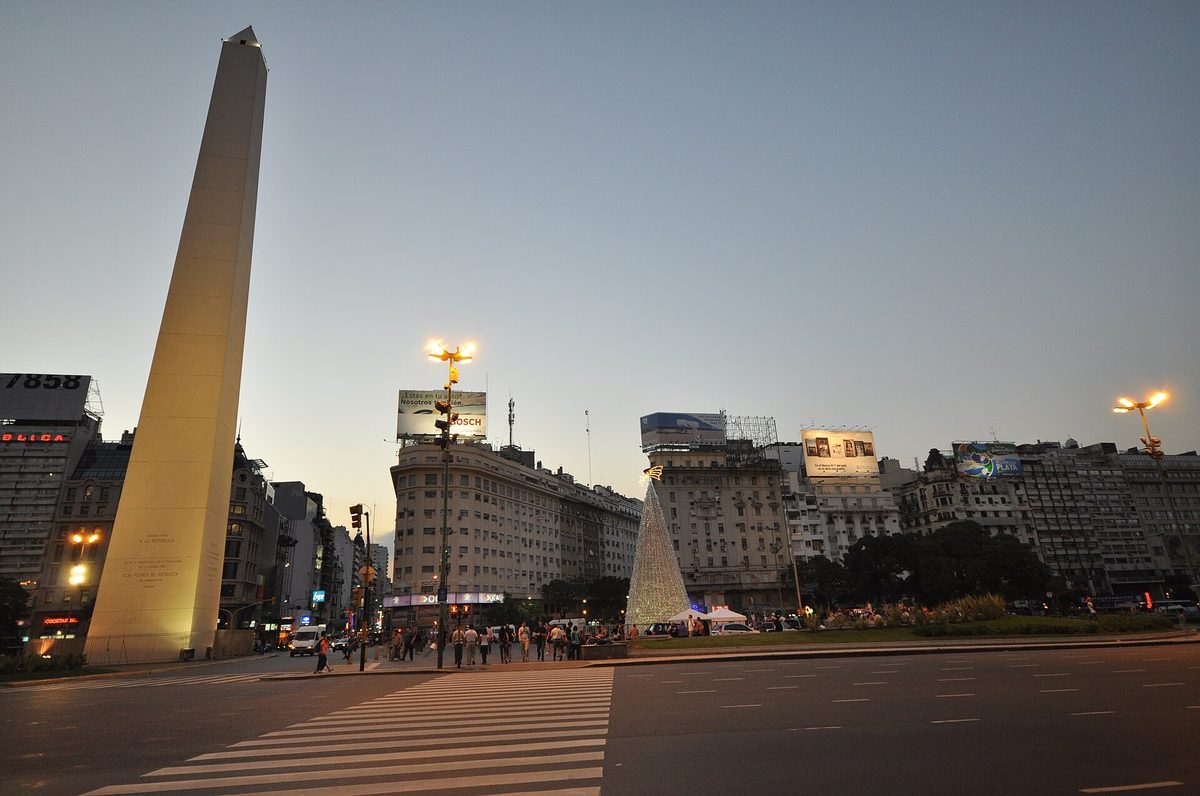
Buenos Aires Stopover Before Antarctica
Almost nobody flies straight from home to the bottom of the world in one clean shot, and you shouldn’t try. A Buenos Aires stopover is the night — or two, or three — that nearly every Antarctica-bound traveller spends in Argentina’s capital before catching the short hop south to Ushuaia, where the expedition ships actually leave from. I’ve done this routing more times than I can count, and I’ll be honest: the first time I treated Buenos Aires as a box to tick, raced through it on four hours’ sleep, and regretted it. Now I build in real days. The city earns them, and the buffer it gives you against a missed ship is worth far more than the price of a hotel.
This guide is the one I wish someone had handed me before my first crossing. We’ll cover exactly why the overnight is non-negotiable, how many nights to plan, the airport logistics that trip up first-timers (the international and domestic airports are on opposite sides of the city), what to actually do with your time, where to stay, how to handle the money, and whether to spend your days here before the cruise or save them for after. If you’re still mapping the whole journey, my overview of how to get to Antarctica sets the stage; this page zooms in on the layover that sits in the middle of almost every itinerary.
Why a Buenos Aires Stopover Makes Sense
Here’s the core reason, and it’s the one your cruise operator cares about most: ships don’t wait. An expedition vessel leaving Ushuaia sails on a fixed tide-and-berth schedule, and if your luggage — or you — fails to arrive because a single long-haul flight got cancelled, delayed, or misconnected, the ship is gone and your trip is effectively over. A Buenos Aires stopover is the airline cushion that absorbs that risk. By breaking the journey and sleeping in the capital before the domestic flight to Ushuaia, you give weather, strikes, and mechanical delays a full day to sort themselves out instead of cascading straight into a missed departure. This is why most operators either build a pre-cruise night into the package or flatly require you to arrive at least a day early.
The second reason is simpler: the trip is long and your body knows it. By the time you reach Argentina you may have crossed five to ten time zones, and Ushuaia is still a 3.5-hour flight further south. Trying to land internationally, clear immigration, cross the city, and connect to a domestic flight the same day is the kind of plan that looks fine on a spreadsheet and falls apart in real life. Spend the night, shower, eat a proper steak, sleep flat, and start the polar leg as a human rather than a husk. For a sense of how the whole journey stacks up, see my breakdown of how long it takes to get to Antarctica — the Buenos Aires night is a small slice of a multi-day push.
How Many Nights Should You Plan?
One night is the floor — the bare minimum that gives you the airline buffer and a flat bed before the Ushuaia flight. If your budget or holiday allowance is tight, a single night works and thousands of travellers do exactly that every season. But if you’ve come this far and spent this much, two to three nights is the sweet spot. Two lets you actually see the city without sprinting; three lets you breathe, hit a Sunday market if the timing lands, and keep a spare day in reserve against flight chaos. I almost always advise the upper end of that range for the pre-cruise side, because every extra day before the ship is another day of insurance.
There’s also the after-cruise question, which I’ll return to below. Many travellers split the difference: one night before to protect the connection, then two or three nights after the expedition to decompress and explore properly, when the schedule pressure is gone. However you slice it, resist the urge to plan zero nights. The table further down lays out what each length of stay realistically buys you, and the honest answer is that the jump from one night to two transforms the visit from a logistics layover into an actual chapter of the trip. If you’re piecing together the wider South American leg, my notes on a Patagonia add-on to an Antarctica trip pair naturally with extra Buenos Aires time.

The Airport Logistics Nobody Warns You About
This is the single most important practical thing on the page, so read it twice. Buenos Aires has two airports, and they are not the same place. Your international flight from North America, Europe, or Australasia almost certainly lands at Ezeiza (EZE), the big international hub roughly 35–40 km southwest of the centre. But your domestic flight onward to Ushuaia almost always departs from Aeroparque (AEP), the city airport sitting right on the river in the Palermo district, a world away on the opposite side of town. Arriving at one and flying out of the other is the rule, not the exception, and the gap between them is exactly where same-day connections go to die.
Plan on a cross-city transfer of about 45–60 minutes in light traffic, and considerably more in the thick of a weekday rush — I’ve watched that drive stretch past 90 minutes when the autopista clogged. Even if your international and domestic legs are on the same ticket and the same airline, this is not an airside connection: you collect your checked bags at Ezeiza, exit, transfer across the city, and re-check at Aeroparque from scratch. There is no transit corridor that spares you the schlep. Treat EZE and AEP as two separate trips with a city in between, because functionally that’s what they are. This logistics reality is the backbone of any sensible plan for how to get to Ushuaia.
Why You Don’t Want a Tight Same-Day Connection
People ask every season whether they can land at Ezeiza in the morning and catch an afternoon flight to Ushuaia the same day, skipping the hotel. Technically yes. Sensibly, no — and I’d talk almost anyone out of it. Stack up everything that has to go right: the long-haul arrives on time, immigration and customs move quickly, your bags actually come off the belt, the transfer driver shows, traffic cooperates across 40 km of city, and the domestic flight isn’t itself delayed or oversold. One weak link and you’re scrambling. Argentine domestic flights are not immune to delays and the occasional strike, and Ushuaia’s own weather can shuffle the schedule without warning.
Now remember what’s at the other end: a ship that leaves on a tide. If you miss the connection and there’s no slack day, you don’t just lose a flight — you risk losing a five-figure expedition. The maths is lopsided. A hotel night costs a small fraction of the cruise, and it converts a fragile same-day gamble into a near-certain success. So unless your cruise operator has explicitly built and guaranteed a same-day transfer with its own buffer, sleep in Buenos Aires. The detail of the airports matters enough that I cover it again in my dedicated piece on flights to Ushuaia, including which carriers fly the route.
Getting From Ezeiza to Aeroparque: Your Options
You’ve basically got three ways to cross the city, and which one I pick depends on how tired I am and how much luggage I’m hauling. The cleanest is a pre-booked private transfer or remis: a driver meets you in arrivals with a sign, helps with bags, and takes you door to door for somewhere in the region of US$30–55 depending on the company and the season. After a twelve-hour flight, with cold-weather gear and a duffel of camera kit, this is the one I book without thinking twice. The shuttle services — Tienda León is the long-established name — run scheduled coaches between EZE, the city, and AEP for roughly US$15–20, taking around 75 minutes, and they’re perfectly good if you’re travelling light.
Ride-hailing apps operate in Buenos Aires too and can be cheaper than a private transfer, though pickup logistics at Ezeiza can be fiddly and you’ll want a working local SIM or eSIM to summon one reliably. Whatever you choose, do NOT rely on flagging a random unmetered car outside the terminal — that’s the classic overcharge trap. Pre-arrange where you can, agree the fare or use the meter, and you’ll be fine. Because the transfer eats the better part of an hour plus buffer, it’s another argument for not cutting your timing fine; the cross-city hop is a journey in itself, and it slots into the larger puzzle of Antarctica’s gateway cities and how you thread between them.
What to Actually Do in Buenos Aires
Buenos Aires is one of the great walking cities of the Americas, elegant and gritty and caffeinated, and even a single full day rewards you. If your time is short, prioritise Recoleta and La Boca — they bookend the city’s moods. Recoleta is the grand, leafy, French-styled north, and its star is the Recoleta Cemetery, a city of marble mausoleums where Eva Perón is buried; it sounds morbid and is in fact mesmerising, free to enter, and an easy hour or two of wandering. Pair it with the surrounding cafés and the weekend craft fair, and you’ve got a gentle, jet-lag-friendly first outing that doesn’t demand much of your fried brain.
La Boca is the opposite energy: working-class, colourful, loud. The Caminito strip with its painted corrugated-iron houses is the postcard image of the city, touristy but genuinely photogenic, and the football cathedral of La Bombonera sits a few blocks away. A word of caution I’d give any first-timer — La Boca is fine on the main tourist streets in daylight but gets sketchy a block or two off them, so stick to the busy core, don’t wander, and don’t go after dark. Treat it as a midday visit and you’ll love it. Buenos Aires is, in the best way, a city that asks you to slow down, and that rhythm is itself good preparation for the patience polar travel demands; my Antarctica travel tips lean on the same mindset.

San Telmo, Palermo and the Tango
If your stopover catches a Sunday, build your day around the San Telmo market. The neighbourhood’s cobbled streets fill with antique stalls, buskers, leather, and street tango from late morning, spilling down Defensa toward Plaza Dorrego, and it’s the most atmospheric free thing you can do in the city. San Telmo is also the old bohemian quarter — faded grandeur, tango bars, and some of the best people-watching in Buenos Aires. On non-Sundays it’s still worth a wander for the architecture and the parrillas, just quieter. Go hungry; the choripán and empanadas alone justify the trip.
Palermo is where I’d base myself and where I’d spend an evening. It’s the big, green, fashionable district — leafy Palermo Soho for boutiques, bars and restaurants, the rose garden and parks for a daytime stroll, and a nightlife that starts late and runs later. And then there’s tango. Seeing a proper tango show is one of those things that sounds like a tourist trap and turns out to be genuinely moving; you can pick anything from a polished dinner-and-show production to a gritty neighbourhood milonga where locals actually dance. Book the bigger shows ahead in high season. None of this is essential to your Antarctica trip, of course — but you’ll be very glad you didn’t spend the layover staring at a hotel ceiling.
Steak, Malbec and the Parrilla Scene
Let me be blunt: if you leave Buenos Aires without a proper parrilla dinner, you’ve missed the point of the city. Argentine beef is the real thing, and a traditional parrilla — the open grill — turns it into an event. Order a bife de chorizo or ojo de bife, let them cook it the Argentine way, and start with provoleta, the grilled cheese that has no business being as good as it is. Portions are large, dinner starts late (locals rarely sit down before 9pm), and the whole thing is leisurely. It’s the perfect last big meal before the comparatively spartan, if surprisingly good, dining of an expedition ship.
The drink, obviously, is Malbec — Argentina’s signature red, full and dark and made for grilled meat. Even a modest bottle in a neighbourhood restaurant tends to overdeliver, and Mendoza’s best are world-class. If wine isn’t your thing, the craft-beer scene in Palermo has exploded, and a Fernet con Coca is the unofficial national drink if you want to go full local. Pace yourself, though — you’ve got an early-ish domestic flight and a Drake Passage in your near future, and neither rewards a hangover. Speaking of which, understanding the Drake Passage ahead of time will do more for your sea-legs than any glass of Malbec.
How Many Days and Where to Stay by Neighbourhood
Before the practicalities of lodging, here’s the quick-reference table I’d hand a first-timer. The left side answers “how many days is enough”; pair it with the neighbourhood notes that follow to decide where to base yourself.
| Nights in Buenos Aires | What it realistically buys you | Best for |
|---|---|---|
| 1 night (minimum) | Airline buffer + a flat bed; maybe one neighbourhood and a steak dinner | Tight budgets and schedules; the bare-safe minimum before the ship |
| 2 nights (ideal) | One full day to see Recoleta + La Boca or San Telmo, an evening out, plus a spare buffer | Most travellers; the best value-to-time ratio |
| 3 nights (generous) | Two unhurried days, a Sunday market if timed right, a tango show, real decompression | Anyone who flew far and wants the city to count, not just connect |
| Split (1 before / 2–3 after) | Protect the connection going down; explore properly coming back, pressure-free | Travellers who’d rather sightsee without a ship deadline looming |
Now, where to sleep. For a short pre-cruise night where catching the AEP flight is the priority, Palermo is my default — it’s safe, pleasant, packed with restaurants, and notably closer to Aeroparque than the southern districts, which shaves time and stress off your departure morning. Recoleta is the other strong choice: elegant, central, very walkable, and well-connected, if a touch more formal. Both put you near the things you’ll actually want to do.
Downtown areas like the Microcentro and around Plaza de Mayo are convenient for sightseeing the historic core but empty out and feel less appealing after office hours, so I’d skip them for a single night. Puerto Madero, the redeveloped docklands, is modern, safe and a little sterile — fine if you like new-build comfort and riverside walks. San Telmo is full of character and great for a longer, more bohemian stay, but its streets are rougher around the edges, so I’d save it for the after-cruise visit rather than a rushed overnight. Wherever you land, pick something with a 24-hour front desk so a 5am airport pickup is no drama.
Getting Around the City
Buenos Aires is flat, gridded, and made for walking, and within a single neighbourhood your own two feet are the best transport. For longer hops, the Subte (metro) is cheap and fast but limited in reach and sweaty in the summer heat of December and January; you’ll need a SUBE travel card, which also works on the extensive bus network. Buses go everywhere and cost next to nothing, though the routes bewilder newcomers, so most short-stay visitors lean on apps to navigate them. Taxis are plentiful and reasonable — stick to the official black-and-yellow cabs or app-based ride-hailing rather than unmarked cars.
For your airport runs specifically, pre-book. A scheduled remis or transfer to Aeroparque on departure morning removes the one variable you can’t afford to get wrong, and it’s worth the few extra dollars over hailing something on the street with a flight to catch. Give yourself plenty of cushion for that AEP departure — domestic check-in lines and the city traffic can both surprise you. All of this connects back to the bigger picture of Ushuaia as the Antarctica gateway: Buenos Aires is the relay station, and smooth ground logistics here set the tone for everything south.
Safety and Petty-Theft Caution
Let me give this to you straight, because sugar-coating helps no one. Buenos Aires is, by the standards of big Latin American cities, reasonably safe for tourists — violent crime against visitors is uncommon in the areas you’ll frequent. The real and constant threat is petty theft: pickpocketing, bag-snatching, phone-grabbing, and distraction scams, concentrated in crowded tourist spots, on public transport, and around markets like San Telmo. I’ve never had a problem in years of visits, but I’m also careful, and that’s the whole point.
The rules are simple and they work. Don’t flash an expensive phone or camera on the street; keep them put away when you’re not actively using them. Carry a day’s worth of cash and leave the rest, plus your passport, in the hotel safe. Stay alert in crowds and on the Subte, keep bags zipped and in front of you, and be wary of the classic “something spilled on you” distraction. Avoid the rougher fringes of La Boca and the southern districts after dark, and use registered taxis or ride-hailing at night. Do that and you’ll almost certainly have a trouble-free, wonderful time. These habits, frankly, are the same situational awareness that serves you well as a traveller anywhere on the way to a remote place — the kind of trip my guide for Antarctica for every traveller is built around.
Money, Cash and Exchange
Argentina’s money situation has been genuinely volatile in recent years, with high inflation and a history of multiple exchange rates, so check the current picture close to your trip rather than trusting old advice. As a working principle for the 2026 season: carry some clean, undamaged US dollars in cash. Historically, paying in dollars or exchanging them has often stretched your money considerably further than card transactions at official rates, though the gap and the rules shift, so confirm what’s current before you go. Crisp larger bills tend to get the best rates; tatty or torn notes can be refused.
Cards are widely accepted in hotels, better restaurants and shops, and international cards have become more usable as the system normalises — but cash remains king for markets, taxis, small cafés, tips, and anywhere off the tourist track. Bring a mix, don’t rely on a single card or a single method, and use ATMs inside banks or busy locations rather than isolated machines. Keep a small stash of pesos for incidentals and your dollars for larger or favourable transactions. Sorting your money before you fly south matters because Ushuaia and the ship are not the place to be scrambling for cash; budget for it as part of your overall Antarctica trip cost.
Before the Cruise or After?
So should your Buenos Aires days come before the expedition or after? My honest answer: a little before, more after. You need at least one night before for the airline buffer — that part isn’t optional. But the pre-cruise mindset is tense; you’re watching flights, guarding your gear, and mentally already on the ship, which is not the headspace for savouring a tango show. The night before should be about protection and rest, not ambitious sightseeing.
Save the proper exploring for the return. After the crossing you’ll be glowing, unhurried, and free of the ship deadline, and Buenos Aires is a glorious place to come back to solid ground — long lunches, late dinners, a market morning, no alarm set for an airport. The only caveats are to keep a buffer day on the return leg too (Ushuaia weather can delay your flight back north just as easily), and to remember the city’s summer heat in December and January if you’re a warm-weather wilter. Many travellers pair this return time with a wider Patagonia loop; if that’s you, the Patagonia and Antarctica add-on options are worth a look, and the whole sequence fits the framework in my hub on how to get to Antarctica.
A Realistic First-Day Plan
If you’ve got one full day and want a low-stress template, here’s roughly how I’d spend it after an overnight arrival. Sleep in a little, then take a slow morning in Recoleta — the cemetery, a café, the surrounding streets — because it’s beautiful and undemanding while your body clock recalibrates. Have a long lunch nearby. In the early afternoon, when the light is good, head to La Boca for the Caminito strip and a wander of its few photogenic blocks, sticking to the busy core. Back to the hotel to rest and freshen up, then a late, leisurely parrilla dinner in Palermo with a bottle of Malbec, and if you’ve the energy and it’s booked, a tango show to cap it.
That itinerary is deliberately gentle. You’re a day or two from a serious expedition, and the goal of the stopover is to arrive at the ship rested and ahead of schedule, not exhausted from cramming a metropolis into eighteen hours. Adjust to taste — swap La Boca for a Sunday San Telmo market, or trade the tango for an early night — but keep the shape: one neighbourhood in the morning, one in the afternoon, a great dinner, and an eye on tomorrow’s airport run. The point of a good Buenos Aires stopover is that it leaves you better prepared for the south, not frazzled.
Packing and Practical Odds and Ends
One quirk of this routing catches people out: you’ll be in a warm, humid, possibly sweltering Buenos Aires (it’s high summer down here in the cruise season) while carrying a duffel of heavy polar gear you won’t touch until Ushuaia. Pack so your city layer is accessible and your Antarctic kit stays bagged. Keep essentials — a change of clothes, medications, chargers, documents, and anything irreplaceable — in your carry-on, because checked bags occasionally go astray on the international leg, and you do not want your expedition jacket sitting in a different city than you are.
A few more practicalities: Argentina uses Type C and I plugs at 220V, so bring an adaptor; download an offline city map and a translation app, as English is patchy outside tourism; get a local eSIM for data so ride-hailing and maps just work; and tip modestly in cash (around 10% in restaurants is normal and appreciated). Confirm your AEP domestic flight and its baggage allowance in advance, since polar duffels can be heavy and domestic limits are tighter than international ones. For the full kit question once you’re properly southbound, my guide on what to pack for Antarctica covers the gear that’s filling that duffel.
Frequently Asked Questions
Do I really need to overnight in Buenos Aires before Antarctica?
In practice, yes. Almost every operator either builds in a pre-cruise night or requires you to arrive at least a day early, because the international flight and the domestic flight to Ushuaia leave from different airports and a single delay can make you miss the ship. The overnight is cheap insurance against losing a five-figure expedition. Skipping it is a gamble I’d never advise.
Which airport do I fly into, and which do I leave from?
You’ll almost always arrive internationally at Ezeiza (EZE), the big hub southwest of the city, and depart domestically to Ushuaia from Aeroparque (AEP), the city airport in Palermo. They’re on opposite sides of town, about 35–40 km apart. Even on one ticket you must collect bags at EZE and re-check at AEP — it is not an airside connection.
How long does the transfer between EZE and AEP take?
Plan on roughly 45–60 minutes in light traffic and 90 minutes or more in a weekday rush. Add buffer for collecting bags, the transfer itself, and domestic check-in. Most experienced travellers leave at least four to five hours between an international arrival and a same-day domestic flight — which is exactly why overnighting instead is the smarter move.
How many days should I spend in Buenos Aires?
One night is the safe minimum for the airline buffer. Two to three nights is ideal: two gives you a full day to explore without sprinting, and three lets you catch a Sunday market, see a tango show, and hold a spare buffer day. Many travellers do one night before the cruise and save two or three for after, when there’s no ship deadline.
Is Buenos Aires safe for tourists?
Reasonably, yes — violent crime against visitors is uncommon in tourist areas, but petty theft is a real and constant risk. Pickpocketing, bag-snatching and distraction scams cluster in crowds, on the Subte, and around markets. Keep valuables hidden, carry only the day’s cash, use registered taxis at night, and avoid the rough fringes of La Boca after dark.
Should I bring cash or rely on cards in Argentina?
Bring both, but carry clean US dollars. Argentina’s currency situation is volatile, and paying or exchanging in dollars has often stretched your money further than cards at official rates — though the rules shift, so check what’s current near your trip. Cards work in hotels and better restaurants; cash rules for markets, taxis, tips and small cafés.
What are the must-do things on a short stopover?
If you only have a day, prioritise Recoleta with its cemetery and the colourful Caminito strip in La Boca, then a Palermo parrilla dinner with Malbec. If your stay catches a Sunday, swap in the San Telmo antiques-and-tango market. A tango show makes a memorable evening if you book ahead. Keep it gentle — you’ve an expedition to be rested for.
Where’s the best neighbourhood to stay for one night?
Palermo is my default for a short pre-cruise stay: safe, lively with restaurants, and closer to Aeroparque for your departure. Recoleta is the elegant, central alternative. Skip the emptied-out Microcentro for an overnight, and save characterful but rougher San Telmo for a longer after-cruise visit. Choose a hotel with a 24-hour desk for early airport pickups.
Should I explore Buenos Aires before or after the cruise?
A little before for the mandatory buffer night, more after for real exploring. The pre-cruise mindset is tense and flight-focused, poor for savouring the city. After the crossing you’re relaxed and deadline-free, and Buenos Aires is a joy to return to. Just keep a buffer day on the way back too, since Ushuaia weather can delay your northbound flight.
How do I get from Ezeiza into the city or to Aeroparque?
Three good options: a pre-booked private transfer or remis (roughly US$30–55, the easiest after a long flight), a scheduled shuttle like Tienda León (around US$15–20, about 75 minutes), or ride-hailing if you have local data. Avoid unmarked cars touting outside the terminal. For your departure morning, pre-book the run to AEP so timing is never in doubt.
Final Thoughts
The Buenos Aires layover is one of those rare bits of travel admin that is also a genuine pleasure. You’re forced to stop here for sound logistical reasons — the airport split, the airline buffer, the body’s need to rest before the long push south — and the city repays the obligation with grand cemeteries, painted streets, the best steak of your life, and tango drifting out of San Telmo doorways. Treat it as a chore and you’ll get a hotel bed and a missed opportunity; treat it as a chapter and you’ll get one of the warmest memories of the whole expedition.
My parting advice is the same I’d give a friend over a Malbec the night before they sail: build in more time than you think you need, protect the connection religiously, keep your wits about petty theft, carry good clean cash, and save your real exploring for the triumphant return. Do that, and Buenos Aires becomes exactly what a great stopover should be — not a gap between flights, but the elegant front door to the last great wilderness. For the next leg, see where the journey goes in my guides to flights to Ushuaia and the wider question of how to get to Antarctica.
1 note
Notes are closed on this entry.