
Patagonia Antarctica Add On: Pre-Cruise Stays
Here’s the thing nobody tells you until you’re already deep into planning an Antarctic expedition: by the time you fly to Ushuaia or Punta Arenas, you’ve spent a fortune and three flights getting to the literal end of the South American continent. You’re standing in some of the most jaw-dropping mountain country on Earth — and most people just sit in a hotel for one night, board a ship, and sail off. That, to me, is the single biggest missed opportunity in polar travel. A well-planned patagonia antarctica add on turns one expensive trip into two unforgettable ones, often for a fraction of what a separate Patagonia holiday would cost, because the hard, pricey part — getting yourself down to 54° South — is already done.
I’ve sailed south four times now, and on three of those trips I tacked Patagonia onto the front or back end. I’ve watched the sun light up the granite towers of Torres del Paine at dawn, stood close enough to the Perito Moreno Glacier to hear it crack like rifle fire, and hiked toward Fitz Roy with my legs screaming. None of it would have happened if I’d treated Antarctica as a standalone box to tick. This guide is everything I wish someone had handed me the first time — which add-ons are worth your days, how to sequence them around your cruise, how many extra days and dollars each one really needs, and the logistics that quietly make or break the whole plan.
Why You’re Already at the End of the World
The economics here are genuinely lopsided in your favor. The most punishing leg of any Patagonia trip — for North Americans and Europeans alike — is simply reaching southern South America. You’re looking at a long-haul flight to Santiago or Buenos Aires, then a domestic hop down to Ushuaia or Punta Arenas, the two towns that double as Antarctic gateways. If you’ve committed to an Antarctica expedition, you are paying for all of that anyway. Patagonia’s headline sights sit within a day’s drive or a short flight of those exact same gateway cities. So the marginal cost of adding, say, El Calafate and the Perito Moreno Glacier is a few nights’ lodging, a couple of excursions, and maybe one cheap regional flight — not another transcontinental airfare.
There’s a second reason that matters just as much: the seasons line up perfectly. The Antarctic cruise season runs roughly November through March, and that is also the heart of the Patagonian summer, when the trails are open, the days are absurdly long (16-plus hours of light in December), and the mountain weather is at its most cooperative — which in Patagonia still means wind that can knock you flat, but workable. You will never have a better excuse to be in this corner of the planet at this time of year. If you want the bigger picture of how the whole journey fits together, our pillar guide on how to get to Antarctica lays out the routes, and this add-on slots neatly onto either end of them.
Planning a Patagonia Antarctica Add On: The Big Decisions
Before you fall down the rabbit hole of individual parks and glaciers, there are three decisions that shape everything else, and getting them right early saves you money and backtracking. First: which gateway is your cruise actually using? Roughly nine in ten Antarctic expeditions leave from Ushuaia in Argentina; the rest mostly fly-cruise out of Punta Arenas in Chile. That single fact steers your add-on toward the Argentine side or the Chilean side, because crossing the border mid-trip costs you a half-day and some hassle. Our deep dives on Ushuaia as the Antarctic gateway and Punta Arenas as the fly-cruise hub are worth a read once you know which boat you’re on.
Second: before the cruise or after? I have strong feelings here, and I’ll lay out the trade-offs in detail below, but the short version is that going before gives you a weather buffer and acclimatizes you to the rhythm of the region, while going after lets you decompress and avoids the nightmare of a delayed Patagonia leg making you miss the ship. Third: how many extra days can you spare? Be honest. A meaningful Patagonia add-on is three days minimum and shines at five to eight. Trying to cram Torres del Paine into 48 hours is how people end up exhausted, soaked, and resentful. For a sense of the total time budget, our overview of Antarctica’s gateway cities helps you see where the days go.
Torres del Paine: The Marquee Add-On (Chile)
If Patagonia has one undisputed superstar, it’s Torres del Paine National Park in Chilean Patagonia — those three sheer granite towers (the torres) that you’ve seen on a hundred desktop wallpapers, plus turquoise lakes, hanging glaciers, and guanaco herds grazing under the Paine Massif. It is, hand on heart, one of the most beautiful places I have ever set foot in. The park sits about a two-hour drive from Puerto Natales, which is itself roughly three hours by road from Punta Arenas. That geography is the key planning fact: Torres del Paine pairs most naturally with a Punta Arenas Antarctic departure, because you’re already on the Chilean side and don’t have to cross into Argentina.
How you experience the park depends entirely on your appetite and your day count. The famous multi-day option is the W trek — named for the W-shaped route that links the three signature valleys (the base of the towers, the French Valley, and Grey Glacier) — which takes four to five days and nights, staying in a mix of refugios (mountain hostels) and campsites that book out months ahead in summer. The full circuit, the O, adds the remote back side and needs seven to nine days. But — and this is the part the hardcore hikers won’t tell you — you can get a tremendous amount out of Torres del Paine in a single well-chosen day trip or two from Puerto Natales without ever shouldering a multi-day pack. More on that trade-off shortly.
The W Trek vs. Day Trips: An Honest Comparison
Let me save you some agonizing. The W trek is a genuine bucket-list experience, but it is not a casual bolt-on. You need four to five clear days, a decent level of fitness, gear that can handle horizontal rain, and — critically — refugio or campsite reservations that you should lock in by July or August for the following summer. If your Antarctica cruise already has you on a tight clock, sandwiching the W in front of it is risky: a couple of stormbound days (entirely normal here) can cascade into a missed flight back to your gateway. I’ve met people who pulled it off beautifully and people who spent the ship’s first dinner white-knuckling about whether their bus would make it back to Punta Arenas in time.
Day trips, by contrast, are the unsung hero of a tight add-on. From Puerto Natales you can do a full-day guided tour that hits the main viewpoints — Lake Pehoé, Salto Grande waterfall, the Grey Glacier lookout, and the classic Mirador Las Torres trail if you’re fit and start early — and be back for dinner. Two well-planned day trips give you maybe 70% of the park’s visual punch for perhaps a third of the logistical stress. My honest advice: if Patagonia is the main event of your South America trip, do the W. If Antarctica is the main event and Patagonia is the bonus, do two day trips and sleep in a real bed. There’s no wrong answer, only the one that fits your days. For the broader question of matching a trip to your style, our guide to Antarctica for every traveler takes the same honest approach.
El Calafate & the Perito Moreno Glacier (Argentina)
If Torres del Paine is the Chilean crown jewel, El Calafate is its Argentine counterpart — and for an Antarctica add-on it has one massive advantage: it pairs beautifully with an Ushuaia departure, because you stay on the Argentine side the whole time. El Calafate is a tidy, slightly touristy lakeside town that exists largely as the launchpad for Los Glaciares National Park and its showstopper, the Perito Moreno Glacier. There’s a direct domestic flight network linking it to Buenos Aires and Ushuaia, so slotting it into an Argentine itinerary is refreshingly painless — a real contrast to the border-crossing gymnastics that Chilean-side add-ons can involve.
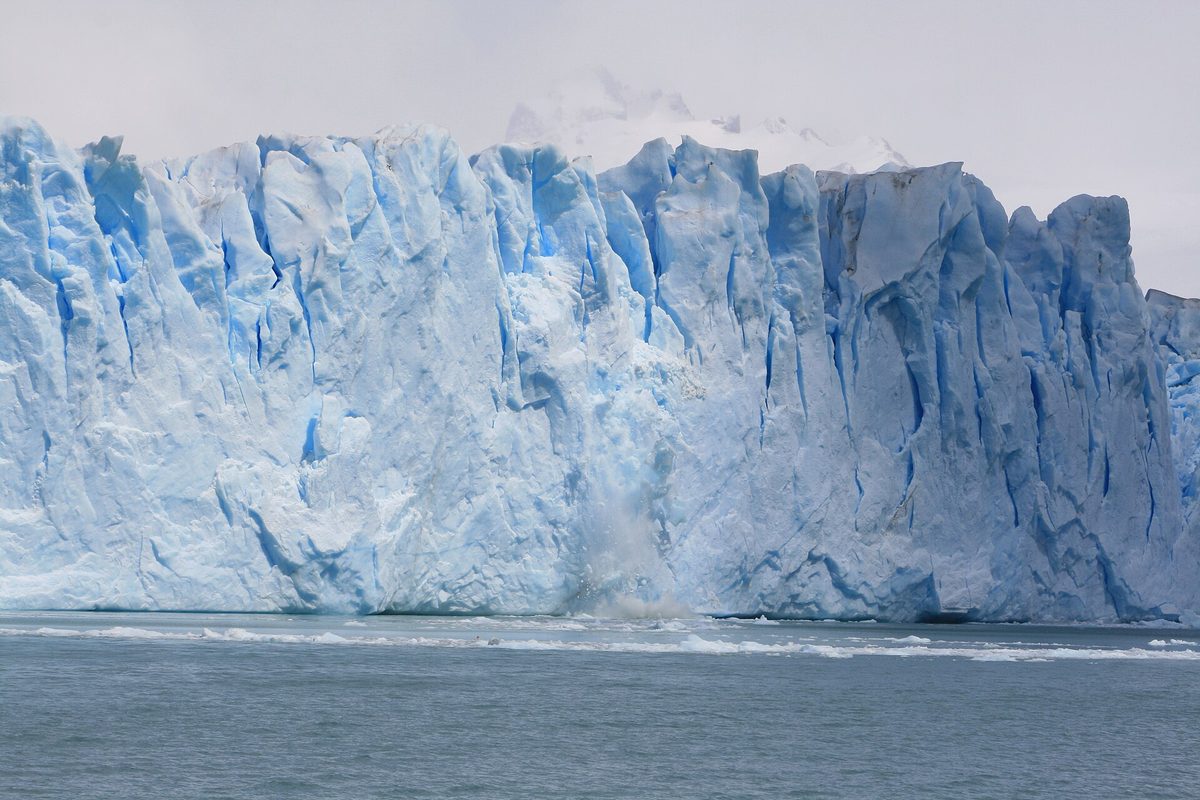
Perito Moreno itself is one of those rare natural sights that actually exceeds the hype. It’s a five-kilometre-wide wall of ice that rises some 60 metres above the water, and — unusually for the world’s glaciers — it’s roughly in equilibrium, which means it’s constantly calving. You stand on a network of boardwalks, and every few minutes there’s a crack like a gunshot and a tower of ice the size of a building collapses into the lake. You can experience it three ways: from the boardwalks (half a day, easy, suitable for anyone), from a boat that noses up to the face, or — the one I’d book — on a guided mini-trekking excursion where you strap crampons on and actually walk on the glacier. That last option turns a sightseeing stop into a genuine adventure, and it’s the memory that stuck with me longest.
El Chaltén & Fitz Roy: Argentina’s Hiking Capital
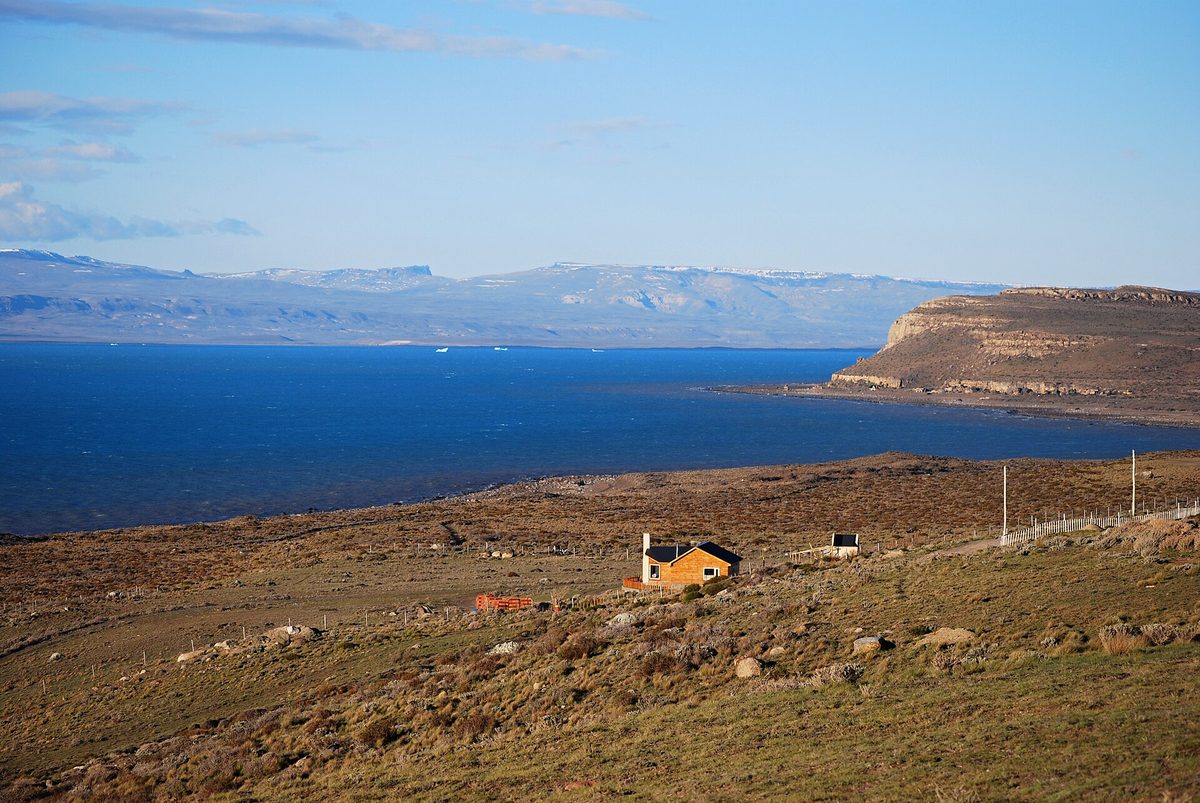
About a three-hour drive north of El Calafate, on the same Argentine side, sits El Chaltén — a scruffy little frontier village that Argentina has officially branded its “national trekking capital,” and the claim is fair. This is the base for hikes toward Mount Fitz Roy (Cerro Chaltén) and Cerro Torre, two of the most dramatic granite spires on the planet, beloved by climbers and immortalized in a certain outdoor-clothing logo. What makes El Chaltén perfect for an add-on is that, unlike the W trek, almost all of its best hikes are free day walks that start from the edge of town — no permits, no refugio bookings, no guide required for the standard routes.
The signature day hike is the trail to Laguna de los Tres, a tough but well-marked round trip of roughly eight to ten hours that delivers you to a glacial lake directly beneath Fitz Roy’s towers. If that’s too much, the shorter walks to Laguna Capri or the Mirador Cóndores reward you handsomely for an hour or two of effort. The catch — and in Patagonia there’s always a catch — is the weather: Fitz Roy is notoriously shy, hiding behind cloud more often than not, so you want to build in a buffer of two to three nights to maximize your odds of a clear-summit day. El Chaltén pairs most easily with El Calafate, so think of them as a combined Argentine-side package and an obvious extension of an Ushuaia-based Antarctic trip.
Tierra del Fuego & Ushuaia Itself
Here’s an add-on that costs you almost no extra travel at all, because you’re already there: Ushuaia and the Tierra del Fuego National Park sit right at your Antarctic departure point. Far too many travelers fly in the afternoon before their cruise and fly out the morning they return, seeing nothing of the world’s southernmost city beyond the port and a hotel breakfast. Give it even one full extra day. Tierra del Fuego National Park is a short drive or a ride on the cheerfully touristy “End of the World Train” from town, with gentle coastal trails along the Beagle Channel, peat bogs, and the famous sign marking the southern terminus of the Pan-American Highway.
Beyond the park, Ushuaia rewards a day of poking around: catamaran trips on the Beagle Channel out to the Les Éclaireurs lighthouse and sea-lion colonies, a surprisingly good maritime and prison museum, and some genuinely excellent king crab. Because this “add-on” requires zero additional flights, it’s the highest-value extra day in the whole region — pure upside. If you’re building your itinerary around the Argentine gateway, our guides to things to do in Ushuaia and the practicalities of how to get to Ushuaia will help you carve out that buffer day without stress.
The Lake District & Bariloche: A Northern Detour
Further north, straddling the Argentine-Chilean border, lies the Patagonian Lake District — Bariloche on the Argentine side, Puerto Varas and Puerto Montt on the Chilean side — a softer, greener, more alpine version of Patagonia, all snow-dusted volcanoes, deep blue lakes, and Swiss-looking chocolate-shop towns. This is a different mood entirely from the stark granite drama down south, and it’s a longer detour: Bariloche is its own flight from Buenos Aires, not something you swing past on the way to Ushuaia. I’d only recommend the Lake District as an add-on if you’ve got a genuinely generous timeline (think two-plus weeks total) or if you’re flying through Buenos Aires anyway and want to break up the journey.
That said, it has real charms. The classic “Cruce Andino” lake-and-bus crossing between Bariloche and Puerto Varas is one of South America’s great scenic journeys, and the region’s food and wine scene outclasses anything down in the deep south. If you’re already routing through the Argentine capital — and most people are — it’s worth glancing at our Buenos Aires stopover guide to decide whether to break the trip there or push straight on to a more southerly add-on. For most Antarctica travelers, though, the Lake District is a “next time” rather than a “this time.”
Chilean-Side Combos Near Punta Arenas
If your cruise leaves from Punta Arenas, you’ve got more on your doorstep than just Torres del Paine. Punta Arenas itself, perched on the Strait of Magellan, is an atmospheric old wool-and-shipping port with grand mansions, a windswept plaza, and easy half-day trips to penguin colonies. From September to March you can take a boat to Magdalena Island to walk among tens of thousands of Magellanic penguins, or visit the king penguin colony in Tierra del Fuego’s Chilean side — a rare chance to see kings outside the sub-Antarctic islands. These are gentle, low-commitment add-ons that fit neatly into a day or two before you sail.
For something more ambitious on the Chilean side, the luxury expedition cruises through the Strait of Magellan and the fjords toward Cape Horn (operated by lines like Australis) are a Patagonia experience in their own right, though they’re a bigger time-and-money commitment than a simple land add-on. The point is that a Punta Arenas departure isn’t the “lesser” gateway for add-ons — it just steers you toward Chilean treasures. Our breakdown of the Punta Arenas gateway covers the fly-cruise logistics, and pairing it with a couple of these excursions makes the most of your time at the bottom of Chile.
Add-On Comparison: Place, Base, Days, Highlight & Gateway
To make all of this concrete, here’s how the marquee add-ons stack up side by side. “Days needed” is my realistic minimum to do the place justice without rushing — you can always give more. “Pairs with” tells you which Antarctic gateway each one slots onto most cleanly, which is the single most important logistical filter.
| Add-On | Base Town | Days Needed | Signature Highlight | Pairs With Gateway |
|---|---|---|---|---|
| Torres del Paine NP (W trek) | Puerto Natales | 4–5 | Granite towers, Grey Glacier, French Valley | Punta Arenas (Chile) |
| Torres del Paine NP (day trips) | Puerto Natales | 2–3 | Lake Pehoé, Las Torres viewpoint, guanacos | Punta Arenas (Chile) |
| El Calafate + Perito Moreno | El Calafate | 2–3 | Calving glacier, ice mini-trekking | Ushuaia (Argentina) |
| El Chaltén / Fitz Roy | El Chaltén | 2–3 | Laguna de los Tres, free day hikes | Ushuaia (Argentina) |
| Tierra del Fuego + Ushuaia | Ushuaia | 1–2 | Beagle Channel, End of the World train | Ushuaia (Argentina) |
| Punta Arenas + penguins | Punta Arenas | 1–2 | Magdalena Island penguin colony | Punta Arenas (Chile) |
| Lake District / Bariloche | Bariloche | 3–4 | Cruce Andino lake crossing, alpine towns | Either (via Buenos Aires) |
If you read just one thing in this guide, let it be that table. The gateway-pairing column is what separates a smooth trip from a stressful one — match your add-on to the side of the Andes your ship sails from, and most of the logistics solve themselves.
Sequencing: Before or After the Cruise?
This is the question I get asked most, and the answer genuinely depends on your risk tolerance. Doing Patagonia before your cruise has one enormous advantage: you arrive in the region early, shake off jet lag, get used to the wind and the rhythm, and if a flight is delayed or a hike gets stormed out, you’ve still got slack before the ship sails. The danger is the opposite: if your Patagonia leg runs long because of weather, you risk eating into your pre-cruise buffer and arriving at the port frazzled. I always tell people to leave at least one clear “nothing day” in the gateway city before embarkation, no matter which way you sequence it.
Doing Patagonia after the cruise is the decompression option, and there’s a lot to love about it. You come off two weeks at sea, still buzzing from penguins and icebergs, and instead of flying straight home you ease back into the world with a few days among mountains. The risk here is different and arguably scarier: Antarctic cruises sometimes return a day late due to Drake Passage conditions, so any tightly-timed post-cruise plans need a cushion. My personal preference, after doing it both ways, is to split the difference when I can — a short, low-stakes add-on (Ushuaia, or El Calafate) before the cruise, and save the big multi-day trek for a trip where Patagonia is the headline act. To understand why ships sometimes run late, our guide on the best time to visit Antarctica explains how conditions shift across the season.
How Many Extra Days Each Add-On Really Needs
Be ruthlessly realistic about days, because Patagonia punishes optimism. Here’s my quick mental model, accounting for the travel time to actually reach each place from your gateway, which people consistently underestimate:
- Ushuaia / Tierra del Fuego: 1–2 extra days. Zero additional flights since you’re already there — the best value add-on going.
- El Calafate + Perito Moreno: 2–3 days. One short domestic flight from Ushuaia or Buenos Aires; the glacier itself is a half-day, but give it a full day plus travel.
- El Chaltén / Fitz Roy: add 2–3 days on top of El Calafate (it’s a 3-hour drive each way), more if you want a buffer for the famously cloudy summits.
- Torres del Paine day trips: 2–3 days including the road transfer from Punta Arenas via Puerto Natales.
- Torres del Paine W trek: 5–6 days door to door, and I’d pad it to 7 to absorb a storm day.
- Lake District / Bariloche: 3–4 days minimum, and realistically its own mini-trip given the flights involved.
Stack two compatible add-ons and you can see how a trip balloons: El Calafate plus El Chaltén plus a buffer day in Ushuaia is a very satisfying five-to-six-day Argentine package on top of your cruise. For a sense of how this affects your total time commitment from home, our pillar on getting to Antarctica walks through the full door-to-door timeline before you even add Patagonia into the mix.
Rough Costs & Effort (2026 Ballpark)
Let me give you honest, hedged numbers — Patagonia is not cheap, and prices have crept up, so treat these as 2026-season ballparks rather than quotes, and always check current rates. A guided full-day Perito Moreno excursion with the mini-trekking ice walk tends to run somewhere around US$150–250 per person including park fees and transfers; the boardwalk-only version is far cheaper. Multi-day combined tours that string together El Calafate, the glacier, and Torres del Paine — the kind of 9-to-13-day packages you’ll see advertised — typically land in the four-figure range per person, often US$2,000–4,000 depending on lodging standard and how much is guided.
The W trek’s cost swings wildly with how you do it: camping with your own gear and self-catering can keep it surprisingly affordable, while booking full-board refugio stays through an agency pushes it well into four figures. Day trips into Torres del Paine from Puerto Natales generally run roughly US$80–140 per person. Lodging in El Calafate and Puerto Natales ranges from budget hostels to genuinely lovely boutique lodges, and the gateway cities of Ushuaia and Punta Arenas sit at the pricier end because demand from cruise passengers is relentless in season. To set all of this against the cost of the voyage itself, our breakdown of what an Antarctica trip costs gives you the big-picture budget to slot these extras into.
Best Months for a Patagonia Add-On
The happy news, as I mentioned up top, is that the ideal Patagonia window is the exact same window as the Antarctic cruise season: roughly November through March. December and January are peak summer — longest days, warmest temperatures, most reliable trail access — but also the busiest and windiest, and the refugios and popular tours book out earliest. I have a soft spot for the shoulder months: late November and March tend to bring slightly thinner crowds, gorgeous light, and (in March) the first hints of autumn color on the southern beech forests, which is genuinely beautiful.
Whatever month you choose, internalize this: Patagonian weather does whatever it wants, and the wind is a constant character in the story. I’ve had snow in January and shirt-sleeve sun in November. The practical upshot is to build buffer days and pack as if for four seasons in an afternoon — much of the same layering logic that applies to the voyage south, which our guide on what to pack for Antarctica covers in detail. A good waterproof shell and proper hiking boots are non-negotiable for the trails, even in midsummer.
Guided vs. Independent
Whether to book a guided package or do it independently comes down to your travel style and how much friction you’re willing to absorb. The independent route is very doable, especially on the Argentine side: El Calafate and El Chaltén are easy to navigate, the day hikes around Fitz Roy need no guide, and you can book glacier excursions and buses locally or online. Renting a car opens up flexibility but adds the wrinkle of cross-border paperwork if you’re hopping between Chile and Argentina, which is its own small headache. For many travelers, doing the Argentine side independently and saving money for the cruise is the sweet spot.
Guided packages earn their keep in two situations: the W trek (where logistics, transfers, and refugio bookings are genuinely fiddly and a good operator removes all of it), and any itinerary that crosses the border, where a tour company handling the Chile-Argentina transfers spares you real hassle. There’s also a comfort factor — after the intensity of an expedition cruise, some people simply want everything arranged, and that’s a perfectly valid choice. My rule of thumb: independent for the easy Argentine-side stuff, guided for the W trek and for border-crossing combos. Either way, build your add-on around the same expedition operator’s schedule, since our overview of Antarctica cruises shows how embarkation dates anchor the whole plan.
Putting It All Together: My Recommended Itineraries
Let me make this practical with the two combinations I’d actually book. If your cruise sails from Ushuaia, the cleanest add-on is an Argentine-side loop: fly into Buenos Aires, hop down to El Calafate for the Perito Moreno Glacier (2 nights), drive up to El Chaltén for Fitz Roy hiking (2 nights), then fly to Ushuaia with a buffer day in Tierra del Fuego before embarkation. That’s a roughly six-day extension with no border crossings and only domestic flights — about as frictionless as Patagonia gets, and it shows you glaciers, granite spires, and the end of the world before you’ve even seen an iceberg.
If your cruise is a fly-cruise out of Punta Arenas, stay Chilean: fly into Punta Arenas, transfer up to Puerto Natales (1 night), spend two or three days exploring Torres del Paine — day trips if your clock is tight, the W trek if Patagonia is the headline — then return to Punta Arenas for a penguin-colony day before your flight to King George Island. Either way, the discipline is the same: pick one side of the Andes, give it enough days, and leave a buffer. For inspiration on what comes after these warm-ups, our guide to things to do in Antarctica previews the main event, and the regional gateway cities overview ties the logistics together.
Frequently Asked Questions
Is a Patagonia add-on worth it if I’m already spending so much on Antarctica?
In my view, absolutely — it’s the best value-add in polar travel. You’ve already paid the expensive part: the long-haul flights to reach southern South America. Adding a few nights and excursions in Patagonia costs a fraction of a standalone trip there, and you’re seeing world-class glaciers and mountains that are right on your gateway’s doorstep. Skipping them is the real waste.
Should I do Patagonia before or after my Antarctica cruise?
Both work, but they carry different risks. Going before gives you a weather and jet-lag buffer before embarkation; going after lets you decompress but risks clashing with a cruise that returns late due to Drake Passage conditions. My preference is a short, low-stakes add-on before the ship and a longer one only on trips where Patagonia is the headline. Always leave a clear buffer day in the gateway city.
Which add-on pairs with an Ushuaia departure versus Punta Arenas?
Match the add-on to the side of the Andes your ship uses. Ushuaia departures (the vast majority of cruises) pair naturally with Argentine-side add-ons: El Calafate, the Perito Moreno Glacier, and El Chaltén’s Fitz Roy hikes, all reachable by domestic flight. Punta Arenas fly-cruises pair with Chilean-side options, above all Torres del Paine via Puerto Natales, plus penguin colonies near the city.
How many extra days do I need for Torres del Paine?
It depends entirely on how you do it. Two well-chosen day trips from Puerto Natales need about 2–3 days including the road transfer from Punta Arenas and give you most of the park’s visual highlights. The full W trek needs 4–5 days on the trail, and I’d pad it to 6 or 7 to absorb a stormbound day, which is entirely normal here. Don’t try to rush it.
Can I see the Perito Moreno Glacier in just one day?
Yes, comfortably. The glacier sits about an hour and a half from El Calafate, and the boardwalk viewpoints are an easy half-day visit suitable for any fitness level. If you add the boat approach or the crampon-on mini-trekking ice walk, it becomes a full day. I’d budget two nights in El Calafate so you have a relaxed full day at the glacier plus travel time on either side.
Do I need a guide, or can I do Patagonia independently?
The Argentine side — El Calafate and El Chaltén — is very doable independently; the Fitz Roy day hikes need no guide and buses and excursions are easy to book locally. I’d hire a guided package for two things: the W trek, where transfers and refugio bookings are genuinely fiddly, and any itinerary that crosses the Chile–Argentina border, where a tour operator handling the paperwork saves real hassle.
When is the best time for a Patagonia add-on?
The ideal window matches the Antarctic cruise season: roughly November through March. December and January bring the longest days and most reliable trail access but also the biggest crowds and strongest winds. I have a soft spot for the shoulder months of late November and March, which offer thinner crowds, lovely light, and — in March — the first autumn colors on the southern beech forests.
How much should I budget for a Patagonia add-on in 2026?
Treat these as ballparks and check current rates. A guided Perito Moreno day with the ice walk runs roughly US$150–250 per person; Torres del Paine day trips from Puerto Natales about US$80–140. Multi-day combined packages stringing together the glacier and Torres del Paine often land around US$2,000–4,000 per person depending on lodging standard. Independent travel on the Argentine side can cut costs significantly.
Is the W trek too hard to bolt onto an Antarctica trip?
It can be, if your cruise clock is tight. The W is a genuine 4–5 day commitment requiring fitness, gear, and refugio reservations booked months ahead, and a couple of stormbound days can cascade into a missed flight back to your gateway. If Antarctica is your main event, I’d do two day trips instead and sleep in a real bed. Save the full W for a trip where Patagonia is the headline act.
What about combining Patagonia with a Buenos Aires stopover?
It fits beautifully, since most Argentine itineraries route through Buenos Aires anyway. A night or two in the capital breaks up the long journey and lets you adjust to the time zone before flying south. From there you connect to El Calafate or directly to Ushuaia. If a Lake District detour to Bariloche tempts you, that’s also flown from Buenos Aires, though it’s a bigger time commitment best reserved for generous itineraries.
Final Thoughts
If there’s one mindset shift I’d press on anyone planning an Antarctic expedition, it’s this: stop thinking of Antarctica as a single destination and start thinking of the whole bottom of the world as your trip. You are going to extraordinary lengths and considerable expense to reach 54° South. The granite towers of Torres del Paine, the thunder of the Perito Moreno Glacier, and the spires of Fitz Roy are not detours — they’re some of the finest scenery on the planet, sitting right where your journey already takes you. A thoughtfully planned Patagonia add-on is the rare travel decision that adds enormous value for relatively little extra cost or effort.
So pick your side of the Andes based on your gateway, give each add-on the days it honestly needs, build in buffers for Patagonia’s famously theatrical weather, and decide early whether you’re an independent traveler or someone who’d rather have it all arranged. Do that, and you’ll come home with two trips of a lifetime stitched into one. I’ve never once regretted the extra days I spent in Patagonia on my way to or from the ice — only the trips, early on, where I didn’t. When you’re ready to lock in the voyage that anchors it all, our guide on how to get to Antarctica is the place to start.
