
If you are trying to work out how many days in antarctica you actually need before you book a voyage and start rearranging your life around it, let me save you the spiral of comparing forty itineraries with my own hard-won opinion: most people need a total trip of around eleven to twelve days, of which a precious handful are spent genuinely on or beside the ice. I have sailed south more times than I can comfortably justify to my bank manager, and the single question I get asked more than any other — more than what to pack, more than whether the Drake will try to kill me — is some version of “how long do I really need down there?” It is the right question to obsess over, because trip length is the one decision that quietly controls everything else: your budget, your seasickness exposure, how many penguins you meet, and whether you come home satisfied or quietly haunted by the landings you never made.
So let me walk you through it properly, the way I wish someone had walked me through it the first time, when I booked the shortest, cheapest thing I could find and spent the entire flight home rewriting my plans for the trip I should have taken instead.
Total Trip Length Versus Days Actually In Antarctica
Here is the first and most important distinction, and it trips up nearly everyone: the number on the brochure is not the number of days you spend in Antarctica. When a voyage says “11 days,” that figure is counting from the moment you step aboard the ship in Ushuaia to the moment you step off it again. It is not counting the white continent; it is counting the whole journey, sea days included. And the sea, in this part of the world, is not a minor detail. It is the Drake Passage, and it wants its share of your itinerary.
Then there is everything that happens before you even reach the ship. Getting to Antarctica is a genuine expedition in itself, and almost nobody flies from home to Ushuaia in a single hop. You will typically lose the better part of two days simply travelling to the bottom of Argentina — a long-haul flight to Buenos Aires, an overnight there because the domestic connection rarely lines up neatly, then a three-and-a-half hour flight down to Ushuaia the next day. Many operators, and frankly most sensible travellers, build in an extra night in Ushuaia before embarkation as insurance against delayed luggage and cancelled flights. So before your “11-day cruise” has even begun, you have quietly spent three or four days of your real life getting into position. I go into the logistics of this properly in my guide on how to get to Antarctica, because underestimating the front end of the trip is one of the most common and most expensive planning mistakes I see.
Put bluntly: a voyage advertised as eleven days is realistically a two-week commitment from your calendar once you add the travel either side. Plan your annual leave around the bigger number, not the brochure number, and you will arrive relaxed instead of frazzled.
How the Drake Passage Eats Roughly Four of Your Days
The Drake Passage is the stretch of furious open ocean between Cape Horn and the South Shetland Islands, and it is the toll you pay to reach Antarctica by sea. Crossing it takes, on a typical voyage, around two days each way. That is roughly four days of your trip spent not standing among penguins but rocking gently — or violently, depending on the mood of the Southern Ocean — across some of the most notorious water on the planet. There is no way around this on a classic crossing; the Drake is simply the moat around the castle.
Now, I want to be clear that I do not consider the Drake wasted time, and I would gently push back on anyone who frames it purely as a cost. Those sea days are when the expedition team runs their lectures on ice, whales, history and photography; when the albatrosses wheel behind the stern in numbers that genuinely stop conversation; when you make the friends you will be emailing for years afterwards. The crossing is part of the pilgrimage, and arriving slowly, by water, gives the continent a weight that flying in never quite matches. I have written a whole love-letter-slash-survival-guide to this on the subject of crossing the Drake Passage, because it deserves more than a footnote.
But for the cold arithmetic of trip planning, you must internalise this: on a sea-going voyage, four of your days belong to the Drake. If your cruise is eleven days door-to-door on the ship, you are looking at roughly six to seven days in Antarctic waters once the crossing takes its cut. That ratio is the heart of this entire article, and it is why “how many days” cannot be answered by the brochure number alone.
So, How Many Days in Antarctica Do You Need?
If you forced me to give a single number and then walk away, I would say aim for a voyage of around eleven days, which buys you roughly six full days in Antarctica after the Drake. That is the sweet spot, the answer I give friends, the trip that satisfies the largest number of people. But a single number is a disservice, because the honest answer depends entirely on what kind of traveller you are, how much time you can take off, and how much you are willing to spend. So rather than fob you off with one figure, let me lay out the real tiers of Antarctic travel — the express dash, the classic voyage, the deep Circle expedition, and the three-week South Georgia epic — and tell you exactly who each one is for.
| Trip type | Total voyage length | Days actually in Antarctica | Approx. landings | Who it suits |
|---|---|---|---|---|
| Express fly-cruise | 6–8 days | 4–5 days | 4–8 landings | Time-poor travellers; bad sailors who want to skip the Drake |
| Classic Peninsula voyage | 10–12 days | 5–6 days | 8–12 landings | Most people; the all-round sweet spot |
| Antarctic Circle / deep voyage | 13–16 days | 8–10 days | 12–18 landings | Keen travellers wanting more ice, more buffer, the Circle crossing |
| South Georgia & Falklands epic | 18–23 days | 10–14 days at sea & ashore | 15–22 landings | Wildlife obsessives; repeat polar travellers; the trip of a lifetime |
Keep that table in mind as we go, because every section below is really just an expansion of one of those rows. And if you want to see how these blocks of days get arranged hour by hour on the ground, my a day-by-day Antarctica itinerary breakdown shows what a typical voyage actually feels like from wake-up to nightcap.
The Express Fly-Cruise: 6 to 8 Days
Let us start at the short end, because it is the option people reach for when their leave allowance is thin or the thought of the Drake makes them turn the colour of the sea. The express fly-cruise — sometimes marketed as the “Antarctica in a week” or “bridge the Drake” trip — skips the ocean crossing entirely. Instead of sailing south from Ushuaia, you fly across the Drake Passage in about two hours to King George Island in the South Shetlands, where your ship is waiting. You board, you cruise the Peninsula for a few days, and then you fly back. The whole thing fits inside six to eight days door to door.
I will be honest about my feelings here, because that is what you are here for. The fly-cruise is a genuinely clever piece of logistics and an absolute gift to two groups: people who simply cannot spare two full weeks, and people who get so seasick that the Drake would turn a dream trip into a misery. For them, this format is not a compromise; it is the difference between going and not going, and going is always better than not going. If that is you, read my full thoughts on planning a short Antarctica trip before you write the idea off.
But — and you knew a “but” was coming — the express trip carries real trade-offs that the glossy marketing tends to soft-pedal:
- The flights are weather-dependent and notoriously fickle. That little plane to King George Island can only land in a narrow weather window, and delays of a day or two are common. Ironically, a trip designed to save you days can lose them to fog.
- You get fewer days on the ice, not more. After the flights, you typically have only four or five days actually cruising Antarctic waters, which means fewer landings and far less weather buffer if a storm parks itself over the Peninsula.
- It is often more expensive per day. You are paying a premium for those charter flights, so the cost-per-day-on-ice can be higher than a longer sea voyage, even though the total bill is smaller.
- You miss the Drake entirely — which is a blessing for some and, genuinely, a loss for others. The slow approach by sea is part of the magic, and the fly-cruise trades it for speed.
My verdict: the express fly-cruise is the right answer if and only if time or seasickness genuinely forces your hand. If you have the days and a reasonably settled stomach, I would almost always nudge you toward the classic voyage instead. Going short by choice, when you could have gone longer, is the decision I most often hear people regret.
The Classic 10 to 12 Day Voyage: The Sweet Spot
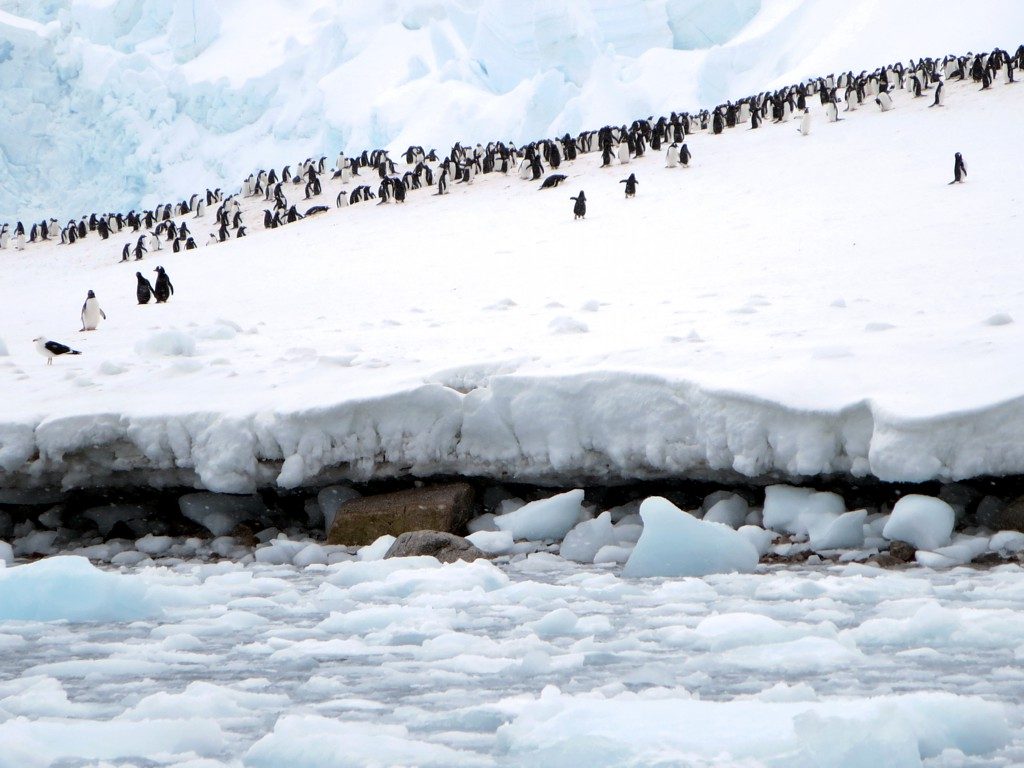
This is the one. If you take nothing else from this article, take this: the ten-to-twelve-day Antarctic Peninsula voyage is the sweet spot, the option I steer the overwhelming majority of first-timers toward, and the trip that sends the highest proportion of travellers home utterly content rather than wistful. It is the classic for a reason, and that reason is balance.
Here is how the days break down. You sail from Ushuaia, spend roughly two days crossing the Drake, then enjoy four to six glorious days exploring the Peninsula and the South Shetland Islands, before turning around for the two-day crossing home. That gives you, in practice, around five or six full days in Antarctica — and five or six days is the magic threshold where the trip stops feeling like a smash-and-grab and starts feeling like an actual immersion. You will make somewhere between eight and twelve landings and Zodiac cruises in that window, which is enough to see a real variety: different penguin species, a historic hut or research base, towering tabular icebergs, hopefully a whale or two, and the kind of silent, cathedral-like ice scenery that rewires something in your brain.
Crucially, the classic voyage carries enough days to absorb a setback. Antarctica is the most weather-governed destination on Earth, and a single ferocious blow can wipe out a day of landings. On a six-day-on-ice trip, losing one day to weather still leaves you five — disappointing but survivable. On a four-day express trip, losing one day cuts a quarter of your entire Antarctic experience. That buffer is worth more than people realise until the wind comes up. For the full anatomy of this trip, see my deep dive into the classic Antarctic Peninsula itinerary, which is the route most of these voyages follow.
Why do people regret going shorter than this? Because Antarctica is overwhelming in the best way, and a few days is simply not enough to absorb it before you are heading home. I have watched fellow passengers on shorter trips physically slump when the captain announces the turnaround, because they have only just found their rhythm — only just learned to read the ice, to anticipate the wildlife, to stop gasping at every iceberg — and now it is over. The eleventh day is when Antarctica stops being a spectacle and starts being a place you know a little. That is what the extra days buy, and it is why I consider this length the floor for a truly satisfying trip rather than a mere taster. If you want to weigh up the various route options at this length, my guide to Antarctica cruise routes explained lays them out side by side.
What Happens on Those Days: Why More Time Means More Landings
Let me make the abstract concrete, because “days in Antarctica” is meaningless until you understand what a day there actually contains. A typical full day on a Peninsula voyage offers two outings: a morning landing or Zodiac cruise, and an afternoon one. So each day on the ice is worth roughly two experiences — two penguin colonies, or a colony plus an iceberg cruise, or a landing plus a polar plunge, or a hike up a snowy ridge for the view plus a quiet drift past a leopard seal hauled out on the floe.
This is the simple, almost mathematical reason that more days equal a richer trip: every extra day on the ice is two more chances to step ashore in the most extraordinary place on the planet. There is no shortage of things to fill that time, either — between landings, Zodiac cruises, kayaking, camping on the ice, photography, and the polar plunge, the menu is deep. I have catalogued the full range in my piece on things to do in Antarctica, and it is genuinely hard to run out of wonder down there.
What does a single extra week add? In raw terms, a week is potentially ten to fourteen additional outings — landings and cruises you simply would not have had on a shorter trip. That is the difference between meeting three penguin species and meeting five; between one whale encounter and several; between seeing the Peninsula and seeing the Peninsula plus the Antarctic Circle. Time, in Antarctica, converts very directly into memories.
The 14 to 16 Day Voyage: Crossing the Antarctic Circle and Going Deeper
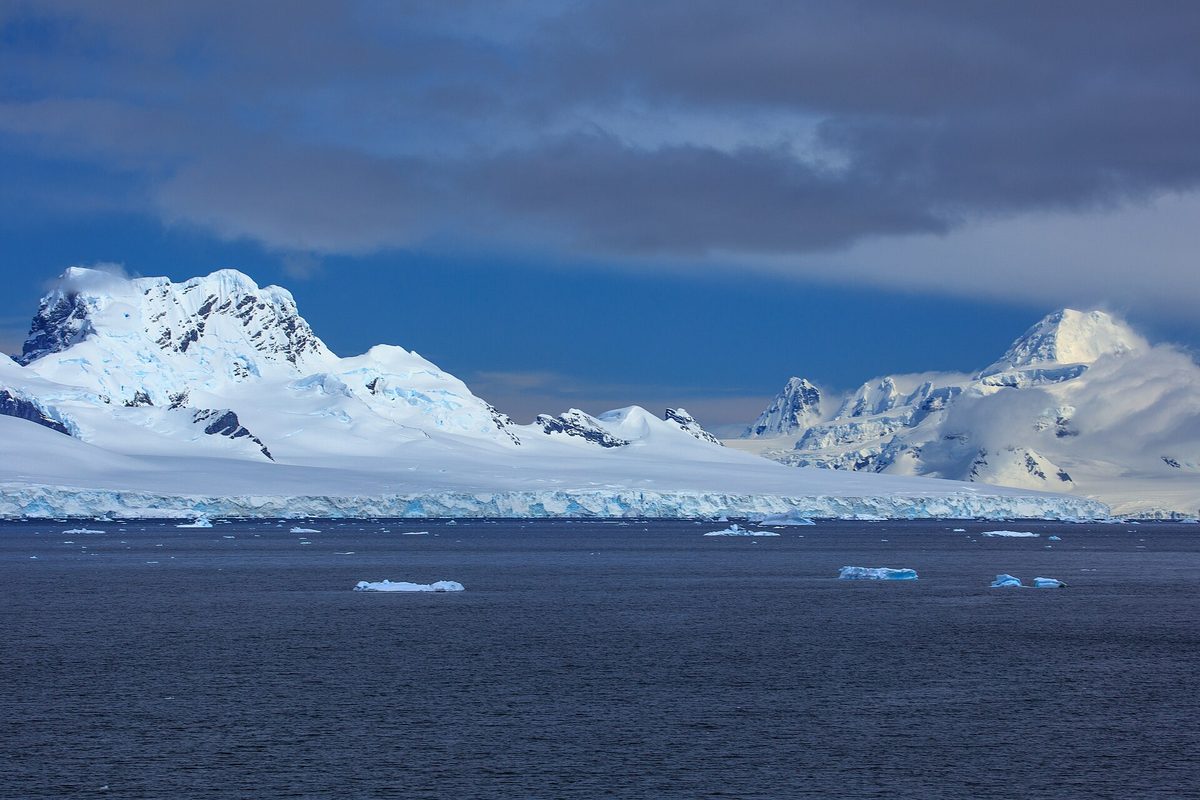
If you have the leave and the budget to step up a tier, the fourteen-to-sixteen-day voyage is where things get properly serious — and where my own heart tends to drift. These longer expeditions use their extra days to push further south, often crossing the Antarctic Circle at 66°33′ — a milestone that fewer than a fraction of Antarctic travellers ever reach, and one that comes with a genuine frisson of “almost nobody comes this far.” Below the Circle the ice gets bigger, the light gets stranger, the colonies thin out, and the sense of remoteness deepens into something close to reverence.
The maths of the longer trip is generous. Two days of that fortnight still go to the Drake each way, but that leaves you eight to ten full days actually in Antarctica — nearly double the classic voyage. With that much time, the expedition team can be patient. They can wait out bad weather rather than gambling, sit tight for a day and then pounce on a perfect window, push to landing sites the shorter ships never reach, and double back to a spot that looked promising. The extra days are not just “more of the same”; they unlock geography and flexibility that a shorter trip cannot. Here is what those additional days typically buy you:
- The Antarctic Circle crossing — a bucket-list line on the map and a certificate you will absolutely keep.
- More southerly landing sites that shorter voyages physically cannot reach in the time available.
- A serious weather buffer, so a two-day storm dents rather than defines your trip.
- Time for the slow, deep encounters — sitting silently in a Zodiac for an hour while a pod of orcas works the bay, rather than rushing to the next thing.
- Often the chance to add specialist activities like a night camping on the ice or extended kayaking programmes, which need spare days to slot in.
I think of the Circle voyage as the trip for people who already suspect, deep down, that they are going to fall in love with Antarctica and want to give the romance room to breathe. It is more expensive and it demands more of your calendar, but the reward is an experience that feels less like a visit and more like a proper expedition. For the full spread of what is possible at this length and beyond, my master guide to Antarctica cruise itineraries guide is the place I would send you next.
The 18 to 23 Day Epic: Adding South Georgia and the Falklands
And now the big one — the voyage I would book tomorrow if money and time were no object, the three-week odyssey that adds the Falkland Islands and, above all, South Georgia to the Antarctic Peninsula. These trips run roughly eighteen to twenty-three days, and I will say it plainly: South Georgia is, for sheer wildlife spectacle, the single most jaw-dropping place I have ever set foot, and it is the reason this longer trip exists.
Picture a beach with several hundred thousand king penguins stretching to the horizon, the noise and the smell and the sheer biomass of it all knocking the breath out of you. Add elephant seals the size of small cars, fur seal pups skittering between your boots, and the ghosts of the old whaling stations and Shackleton’s grave at Grytviken. South Georgia is where the numbers stop meaning anything and you just stand there, slack-jawed, grateful. But it sits far out in the Southern Ocean, and reaching it costs days — several at sea between the Falklands, South Georgia and the Peninsula. There is no shortcut; the only way to earn South Georgia is to give it the time it demands. I have written about this remarkable combination in depth in my guide to the South Georgia and Antarctica voyage, and it remains my single favourite itinerary on the planet.
Who is this trip for? Honestly, it is the trip for people on their second Antarctic voyage, or for first-timers who know in their bones that they want the absolute maximum and are prepared to commit three weeks and a serious sum to get it. It is not the place to start if you are unsure whether polar travel is for you — that is what the classic voyage is for. But if you are a wildlife obsessive, or you suspect this may be your one great trip and you want zero regrets, the South Georgia epic is the answer, and the extra days are worth every penny and every hour of leave. Beyond even this lie the truly extreme expeditions — Ross Sea and full Antarctic circumnavigations at three to five weeks — but those are a specialist world unto themselves and a topic for another day.
Why Weather Forces Flexibility, and Why Buffer Days Matter So Much
I keep returning to weather buffer, and I want to dwell on it properly because it is the most underrated factor in the entire “how many days” question. Antarctica does not run to a timetable. There is no fixed itinerary that survives contact with the Southern Ocean; every plan is provisional, every landing conditional on wind, swell, ice and the judgement of the expedition leader. A site that is calm and welcoming in the morning can be unlandable by lunch. This is not a flaw in the experience — it is the experience, the thrilling unpredictability of a place that refuses to be tamed — but it has a hard practical consequence for trip length.
The consequence is this: the more days you have, the more the law of averages works in your favour. On a short trip, a single bad-weather day is a catastrophe, removing a large slice of your limited time ashore. On a longer trip, the same storm is merely an inconvenience, absorbed by the days on either side. Buffer days are insurance, and Antarctica is one of the few places on Earth where you genuinely cannot buy your way out of bad luck — you can only out-wait it, and out-waiting requires days. I would rather have one more day of buffer than almost any onboard luxury, because the buffer is what protects the landings, and the landings are the whole point. Timing your trip well helps too; my guide to the best time to visit Antarctica explains how conditions shift across the season and which months tilt the odds in your favour.
Matching Days to Budget and Leave: The Real-World Trade-Off
Now for the part that actually decides most trips, whatever the heart wants: money and time off. Antarctica is expensive — there is no gentle way to say it — and the bill scales with the days. A longer voyage costs more not just in the obvious fare but in flights, extra nights of accommodation, insurance, and the simple opportunity cost of being away from work for three weeks instead of two. So the honest planning exercise is a triangle between the days you want, the days your job will grant you, and the dollars in your account, and you rarely get to maximise all three.
My practical advice is to be strategic about how you spend your constraints. If your budget is the tight one, I would still protect the days on the ice fiercely — a slightly less plush cabin on a longer voyage will, in my firm opinion, beat a luxury suite on a trip that turns around too soon. The memories live in the landings, not the thread count. If your time off is the binding constraint, then the express fly-cruise earns its keep, and there is no shame in it; a short trip you actually take beats a perfect trip you never do. And if you are fortunate enough that money is the looser variable, then buy days, not luxury — days are the one thing you cannot add later. Here is how I would think about prioritising:
- Budget-limited? Hold the line on days-on-ice; economise on cabin grade, flight class and add-on activities instead.
- Time-limited? Consider the fly-cruise to compress the trip, and accept fewer landings as the price of going at all.
- Both flexible? Go long. Book the Circle or South Georgia voyage and never look back — this is the regret-proof choice.
- Genuinely unsure if polar travel suits you? The classic eleven-day voyage is the safest bet, long enough to satisfy and not so long it overcommits you.
Whatever you do, cost the whole thing honestly before you commit, including the bits the brochure hides. I have broken down the full picture — fares, flights, gear, tips, the lot — in my guide to how much an Antarctica trip costs, and I would read it before you fall in love with an itinerary you cannot quite afford. The point of all this is not to talk you into the most expensive option; it is to make sure that whatever number of days you choose, you choose it deliberately, with your eyes open, rather than defaulting to the cheapest line on a comparison page and hoping for the best.
My Honest Recommendation
So let me stop hedging and tell you what I would actually do, because that is what you would want from a friend who has done this a dozen times. For a first trip, with a normal job and a real budget, book the classic ten-to-twelve-day Peninsula voyage. It is the sweet spot for a reason: long enough to immerse you, short enough to fit a fortnight’s leave, forgiving enough to absorb the weather, and rich enough that you will come home changed rather than merely impressed. If you can stretch to fourteen or sixteen days and cross the Antarctic Circle, do it — you will not regret the extra week. And if some part of you suspects this is a once-in-a-lifetime trip and you want absolutely everything, give yourself the three weeks and add South Georgia, because it is the greatest wildlife show on Earth and you will never forgive yourself for skipping it to save a few days.
The only choice I would actively warn you against is going short by default — picking the cheapest, briefest option simply because it is the cheapest and briefest, when you genuinely had the days and the means to go longer. That is the path to the wistful flight home, the one where you rewrite your itinerary at thirty-five thousand feet and promise yourself a do-over. Antarctica is too far, too dear, and too astonishing to do in a hurry if you do not have to. To compare the full range of departures and operators at every length, browse my overview of Antarctica cruises and find the trip that fits your particular triangle of days, dollars and dreams.
Frequently Asked Questions
How many days do you really need in Antarctica?
For a genuinely satisfying first trip, aim for a total voyage of around ten to twelve days, which gives you roughly five to six full days actually in Antarctica once the Drake Passage takes its share. That is the widely agreed sweet spot — long enough to immerse you and make eight to twelve landings, short enough to fit a standard two weeks of leave. You can go shorter with a fly-cruise or much longer for the Circle and South Georgia, but five to six days on the ice is the threshold where the trip stops feeling rushed.
How many of those days are actually spent on the continent?
Fewer than the brochure number suggests, which surprises most people. On a classic eleven-day voyage, roughly four days are consumed by the Drake Passage crossing (two each way), leaving around six days in Antarctic waters making landings and Zodiac cruises. Always read the itinerary for the number of “expedition days,” not just the total length, because that is the figure that tells you how much time you will really spend ashore.
Why does the Drake Passage take so long?
The Drake Passage is roughly 1,000 kilometres of open ocean between South America and the South Shetland Islands, and crossing it by ship takes about two days in each direction — so four days of a round-trip voyage. It is the price of reaching Antarctica by sea. You can skip it with a fly-cruise that crosses by plane in about two hours, but the sea crossing is also where the lectures, the albatrosses and the camaraderie happen, so many travellers come to love it.
Is a short 6 to 8 day fly-cruise worth it?
It is genuinely worthwhile for the right person — namely someone who cannot spare two full weeks, or who suffers badly from seasickness and wants to avoid the Drake. The trade-offs are fewer days on the ice (typically four to five), a higher cost per day, and weather-dependent flights that can be delayed. If time or stomach forces your hand, the fly-cruise is a fine way to see Antarctica. If you have the days and a settled stomach, a longer sea voyage usually delivers more.
Why do people regret choosing too short a trip?
Because Antarctica is overwhelming, and a few days is rarely enough to absorb it before the turnaround. Travellers on short trips often report that they had only just found their rhythm — learned to read the ice and anticipate the wildlife — when it was time to head home. There is also no weather buffer on a short trip, so a single storm can wipe out a big slice of your limited time. The extra days are what turn a spectacle into a place you actually come to know.
What does an extra week in Antarctica actually buy you?
A great deal. Stepping up from an eleven-day voyage to a fourteen-to-sixteen-day one roughly doubles your days on the ice, unlocking the Antarctic Circle crossing, more southerly landing sites that shorter ships cannot reach, ten or more additional landings, and a serious weather buffer. The extra week is not just “more of the same” — it lets the expedition team be patient, wait out storms, and push to places that simply are not reachable on a shorter schedule.
How long is the South Georgia and Falklands trip?
These epic voyages run roughly eighteen to twenty-three days, because South Georgia sits far out in the Southern Ocean and reaching it costs several days at sea between the Falklands, South Georgia and the Antarctic Peninsula. The reward is arguably the greatest wildlife spectacle on Earth — beaches with hundreds of thousands of king penguins, elephant seals, fur seals and the history of Shackleton’s grave at Grytviken. It is the trip for wildlife obsessives and repeat travellers who want the absolute maximum.
How many landings will I make each day?
On a typical full day in Antarctica you will make two outings — a morning landing or Zodiac cruise and an afternoon one. So each day on the ice is worth roughly two experiences, whether that is two penguin colonies, a landing plus an iceberg cruise, or a hike plus a polar plunge. This is the simple reason more days mean a richer trip: every extra day is two more chances to step ashore in the most extraordinary place on the planet.
How much total time off work should I budget?
More than the cruise length, because you must add travel on either side. Almost nobody reaches Ushuaia in a single hop; you will typically lose two days getting down to the bottom of Argentina, plus a buffer night before embarkation as insurance against delayed flights and luggage. So an eleven-day cruise is realistically a two-week commitment from your calendar, and a three-week South Georgia voyage closer to twenty-five days door to door. Always plan your leave around the bigger number.
Final Thoughts
The question of how many days you need in Antarctica has, in the end, one honest answer: as many as you can reasonably give it, because this is not a place you will want to have rushed. If your budget and your leave allow only a short fly-cruise, go anyway — a brief trip is infinitely better than none, and Antarctica at any length will rearrange something inside you. But if you have the days and the means, lean long. Book the classic eleven-day voyage at minimum, stretch to the Circle if you can, and give yourself the full three weeks for South Georgia if this might be your one great expedition. The Drake will take its four days, the weather will demand its buffer, and the landings will fill whatever time you give them with wonder. Choose your number deliberately, protect the days on the ice above all else, and you will come home not wistful but quietly, permanently changed — which is, in the end, exactly what you went south to find.
Related Reading
- Antarctica cruise itineraries guide
- Antarctica cruise routes explained
- the classic Antarctic Peninsula itinerary
- a short Antarctica trip
- the South Georgia and Antarctica voyage
- a day-by-day Antarctica itinerary
- Antarctica cruises
- how much an Antarctica trip costs
- the best time to visit Antarctica
- crossing the Drake Passage
- how to get to Antarctica
- things to do in Antarctica
