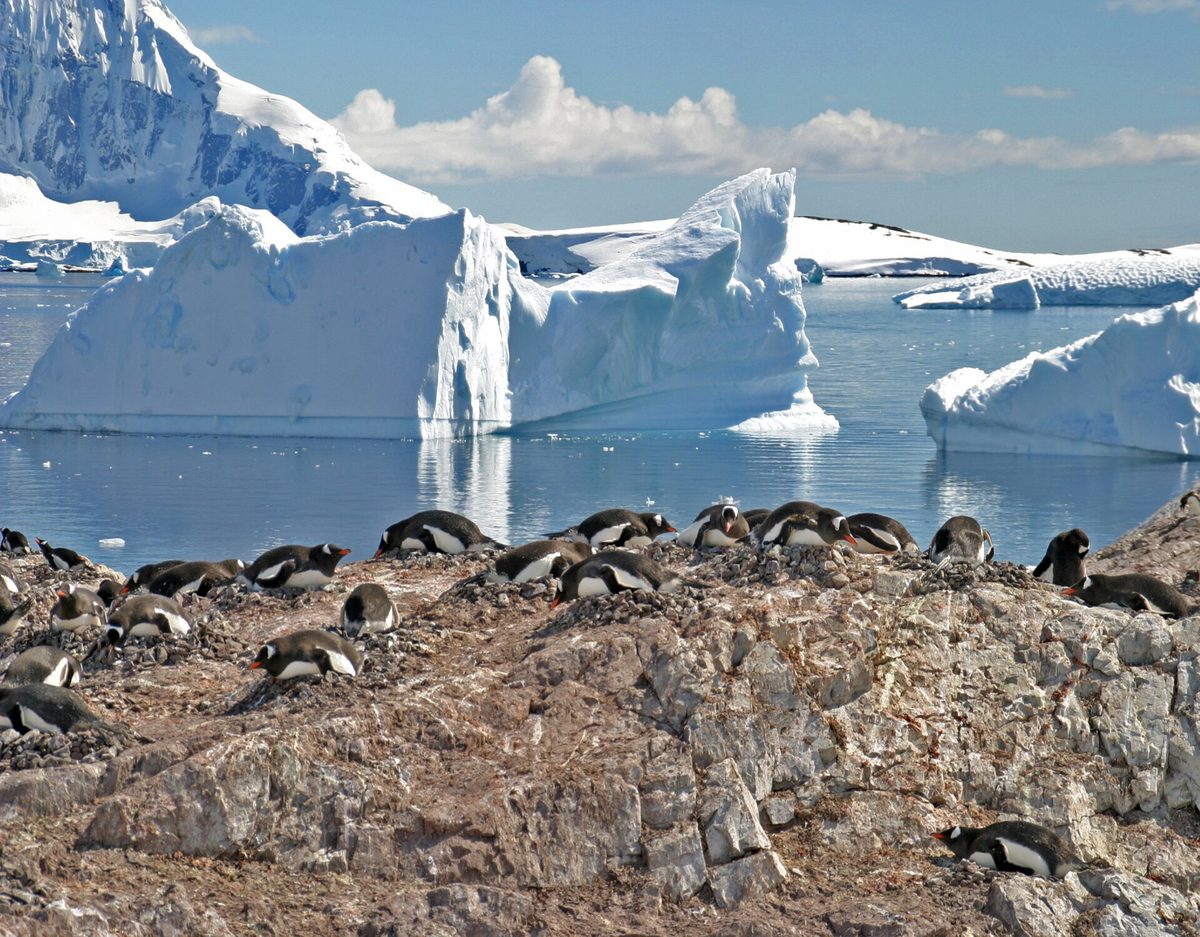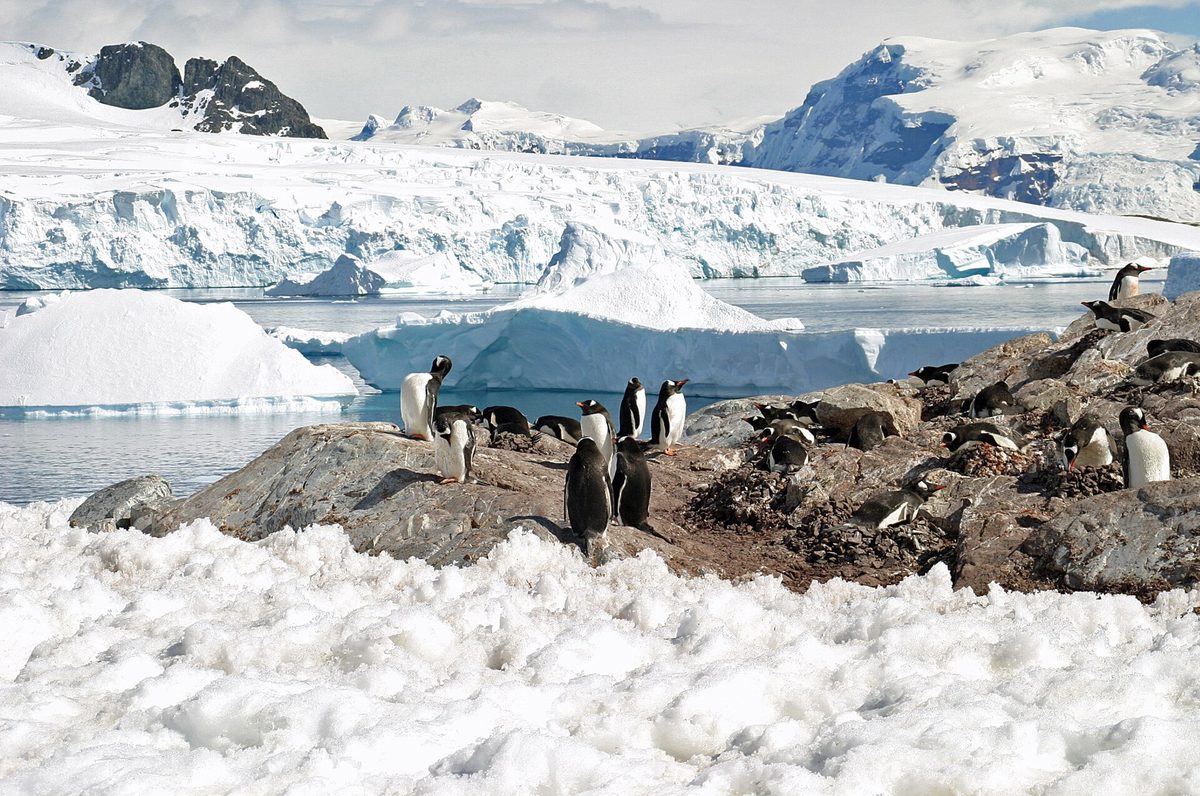
Let me answer the question that keeps most people awake at night before they book: the antarctica fitness requirements for a standard expedition cruise are far gentler than the dramatic photographs suggest. You do not need to be an athlete, a marathon runner, or a gym regular. You need to be in good general health and reasonably mobile — able to walk for an hour or two on uneven ground, keep your balance on a moving deck, and step in and out of a small boat with a steadying hand. That is genuinely the bar for the vast majority of the trip. After many seasons sailing south, I have watched people in their seventies, recovering from knee replacements, and carrying a few extra stone all have the journey of their lives.
This guide is the honest, no-nonsense breakdown I wish more people had before they paid their deposit. We will walk through exactly what your body is asked to do on a voyage — the gangway, the Zodiac transfers, the wet landings, the walking on snow and rock — what the phrase “light adventure” really means, the medical self-assessment form operators ask you to fill in, who can comfortably handle it and who should think twice, how to train in the months beforehand, and how to opt out gracefully when a landing is not for you. We will also cover the activities that genuinely demand more, such as sea kayaking and camping. By the end you will know precisely where you stand.
What “light adventure” actually means
Antarctic expedition cruising is almost universally described by operators as “light adventure” or “soft adventure,” and it is worth unpacking that phrase because it sets the right expectation. It does not mean an assault course. It means a relaxed, naturalist-led voyage with a comfortable ship as your floating hotel, punctuated by short bursts of gentle physical activity when you go ashore or out in a Zodiac. You sleep in a warm cabin, eat well at proper tables, and spend a good deal of each day on deck or in the lounge watching the scenery slide past. The “adventure” is in the wildness of the place, not in the strain on your body.
The rhythm of a typical day tells the story. After breakfast you might layer up, head down to the embarkation platform, and ride a Zodiac to a landing site where you walk among a penguin colony for an hour. Back aboard for lunch, then perhaps a Zodiac cruise in the afternoon, sitting in the boat as it noses past icebergs and seals. The physical demands come in short, manageable chunks — rarely more than a couple of hours at a stretch — with plenty of rest, food, and warmth in between. This is not a trek where you carry a heavy pack all day. It is a series of gentle outings from a comfortable base.
That said, “light” is not the same as “effortless.” You are in one of the most remote environments on Earth, the ground underfoot is wild and often slippery, and the weather can turn a simple walk into a brisk, cold, breezy one. The honest framing is this: if you can comfortably manage a brisk walk around your neighbourhood, climb a couple of flights of stairs without stopping, and get up off the floor unaided, you are very likely fit enough for the standard programme. If you would like the broader picture of how the white continent welcomes all kinds of travellers, our hub on Antarctica for every traveller is the place to begin.
The real physical demands of an Antarctic voyage
Let us get specific, because vague reassurance helps nobody. There are five core physical demands on a standard expedition, and once you understand each one, the whole trip stops feeling intimidating and starts feeling achievable. None of them requires athletic ability. All of them reward a little balance, a little leg strength, and a willingness to accept a helping hand from the expedition staff, who do this dozens of times a day and are extraordinarily good at it.
Going up and down the ship’s gangway
Every time you leave the ship and return, you use the gangway — essentially a steep, sturdy staircase that runs down the side of the hull to the embarkation platform at water level. It has handrails on both sides and crew stationed at top and bottom, but you do need to be able to descend and climb a flight of steep steps, often several times a day, sometimes while bundled in bulky clothing and a life jacket. Practising stairs at home is the single most useful thing you can do to prepare. If you can manage a couple of flights comfortably, the gangway will not trouble you.
Getting in and out of a Zodiac
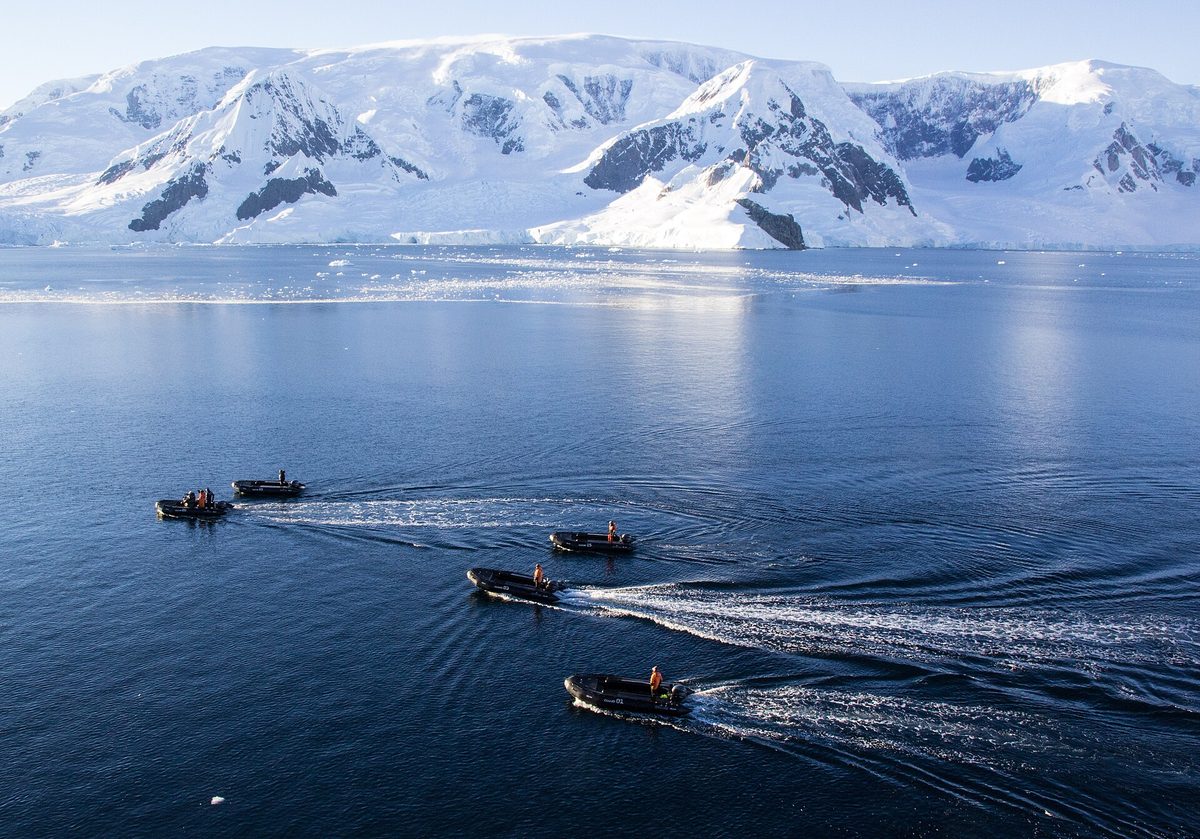
The Zodiac is the workhorse of every expedition — a tough inflatable boat that ferries you from ship to shore and out on cruises. Boarding means stepping down from the platform into a boat that is gently bobbing on the water, then sitting on the inflatable tube and shuffling along to your spot. Disembarking reverses the process. Crew hold the boat firm against the platform and offer the “sailor’s grip,” forearm to forearm, as you step across. It is the part that worries people most and, in practice, the part they are most relieved by. You need to be able to take a moderate step down and up, and to lower yourself onto and rise from a low seat. Our overview of the Antarctica Zodiac cruise experience explains the whole routine in detail.
Wet landings into shallow water
Many of the best landing sites have no jetty, so you make what is called a “wet landing”: the Zodiac noses up to the shore, and you swing your legs over the side and step into a few inches of cold, shallow water before walking up onto the beach. This is exactly what your waterproof boots are for, and it is why operators insist on them. A wet landing asks for a bit of balance and the confidence to step into knee-deep water and onto a possibly uneven, pebbly seabed. It is entirely manageable, and the crew steady you throughout, but it is good to know it is coming. Our guide on what to pack for Antarctica covers the boots and waterproofs that make this painless.
Walking on uneven, snowy, and rocky terrain
Once ashore, you are walking on wild ground: loose pebbles, rocky shingle, slushy snow, slick mud near penguin colonies, and sometimes a gentle uphill slope to a viewpoint. There are no paved paths and no handrails out here. Most walks last between thirty minutes and two hours and cover modest distances at a slow, photo-stopping pace, but the surface is the challenge, not the distance. Sturdy ankles, decent balance, and the patience to place your feet carefully matter far more than speed or stamina. Walking poles are welcome and many ships lend them out.
Keeping your balance on a moving ship and slippery shore
Finally, there is the simple matter of staying upright. At sea the ship moves, sometimes considerably during a crossing, and you learn to walk with one hand for the ship, bracing against rails and walls. Ashore, snow and wet rock are slippery underfoot. Good core stability and balance — the ability to steady yourself when the ground shifts — is arguably the most important single attribute for an Antarctic traveller. It keeps you safe on deck, on the gangway, in the Zodiac, and on the ice. The good news is that balance is very trainable, and we will come to exactly how below.
Antarctica fitness requirements: a realistic self-assessment
Here is the practical heart of this guide. Rather than worry in the abstract, run yourself through a few honest questions that map directly onto what a voyage demands. If you can answer “yes” to most of these comfortably, the standard expedition programme is well within your reach. If several give you pause, it does not mean Antarctica is off the table — it means you should choose a gentler itinerary, train beforehand, and talk candidly to your operator and your doctor.
| Can you comfortably… | Why it matters on a voyage |
|---|---|
| Walk briskly for one to two hours? | Shore landings and longer hikes |
| Climb two flights of stairs without stopping? | The gangway, several times a day |
| Step down into and up out of a low boat? | Boarding and leaving the Zodiac |
| Stand and balance on an unsteady surface? | A moving deck and a bobbing Zodiac |
| Walk on uneven, slippery ground unaided? | Rocky, snowy, muddy landing sites |
| Get up from the floor or a low seat unaided? | Rising from the Zodiac tube and after rests |
| Carry your own day bag and camera? | Self-sufficiency ashore for a couple of hours |
| Manage your own layered clothing and boots? | Dressing and undressing for every outing |
Notice what is not on this list: running, lifting heavy weights, swimming long distances, or any feat of athleticism. The bar is everyday functional fitness — the kind of mobility that lets you live an active, independent life at home. Most people who walk regularly and have no major health limitations clear it without thinking. If you are weighing this up alongside the practicalities of choosing a voyage, our guide to Antarctica cruises sets out the different styles of ship and trip on offer.
The medical self-assessment form, explained
Almost every reputable operator requires you to complete an online medical or health questionnaire before you sail, typically submitted somewhere in the window of around forty-five to ninety days before departure. This is not a fitness test you can pass or fail by training harder. It is a self-assessment of your health history, current conditions, and medications, designed to make sure the expedition team understands who they are taking to one of the most remote places on the planet. Treat it as a safety net, not a hurdle.
The form usually asks about heart and lung conditions, recent surgery, mobility limitations, allergies, and any medication you take, along with emergency contacts and insurance details. For some operators, and commonly for older guests, a doctor’s signature or full medical clearance is required on top of the self-assessment — your own physician reviews your history and confirms you are fit to travel somewhere genuinely remote. Give yourself plenty of time to arrange a doctor’s appointment if you need one, because test results and medication reviews can take weeks.
The single most important rule is to be completely honest. The whole point of the form is to protect you. Concealing a condition to avoid awkward questions is the worst thing you can do, because the one person who most needs your medical history is the ship’s doctor who may have to treat you in the Southern Ocean. Full, frank disclosure means the medical team can prepare, carry the right supplies, and keep an eye out for you. For older travellers in particular, our dedicated guide to Antarctica for seniors goes much deeper into age limits and medical clearance.
What the onboard doctor and clinic can and cannot do
Every reputable expedition ship carries a small clinic and at least one qualified doctor, which is enormously reassuring. It is also important to understand the limits. The onboard doctor is there for first aid and the everyday: seasickness, sprains, cuts and bruises from a slip on deck, chest infections, and the flare-ups of well-managed conditions. For the great majority of guests, that is every scrap of medical care they will ever need on the trip, and it is delivered with calm professionalism.
What the clinic is not is a hospital. There is no operating theatre, no CT or MRI scanner, and no intensive care unit. The doctor can stabilise a serious problem, but a major emergency — a heart attack, a stroke, a bad fall — means getting the patient to a proper hospital, and given where you are, that can take a very long time. This is precisely why your general health, your honest medical form, and comprehensive insurance matter so much. Robust cover with emergency evacuation is non-negotiable, and most operators will not let you board without it; our guide to Antarctica travel insurance explains exactly what to look for.
Who can comfortably handle a standard expedition
Let me be direct, because the people who assess themselves honestly are the ones who have the best time. A standard Antarctic expedition suits a traveller in reasonable general health who can walk on uneven ground for short distances, manage a flight of steep steps, and is comfortable being away from immediate medical care for a week or two. You do not need to be young or sporty. A great many active people in their sixties, seventies, and beyond do everything the programme offers and come home glowing.
Crucially, a stable chronic condition is rarely a barrier. Well-controlled blood pressure, managed diabetes, a replaced hip or knee, mild arthritis, a heart condition that is stable and monitored — none of these automatically rules you out, especially on a gentler itinerary. Plenty of travellers manage exactly these conditions and have a wonderful time. What matters is that the condition is stable, you carry ample medication, and your doctor is content for you to travel somewhere remote. Families travelling together with a range of ages and fitness levels will also find our guide to Antarctica with kids useful for planning around mixed abilities.
Who should think twice or seek medical advice first
Honesty cuts both ways, so let me be equally clear about who should pause. Anyone with a serious, unstable medical condition that could require urgent or intensive hospital care should have a frank conversation with their doctor before booking. The remoteness that makes Antarctica magical is the same remoteness that means help is not around the corner. A life-threatening condition needing close monitoring, very recent major surgery, an illness that flares unpredictably, or a heart or lung problem that is not well controlled are all good reasons to seek proper medical advice rather than press ahead and hope for the best.
Severe mobility limitations need careful, candid planning rather than an automatic “no.” True wheelchair accessibility on shore is limited — beaches are rocky, slopes are snowy, and there are no paved paths or ramps in the wild. That does not necessarily mean the trip is impossible, but it does mean a very honest conversation with your operator about which ship and which landings can work, and a realistic acceptance that you may watch more from the ship than you go ashore. The key in every borderline case is to talk to your doctor and your operator early, before you commit, so there are no unhappy surprises.
How to train and prepare in the months beforehand
Here is the genuinely encouraging part: a few months of simple, targeted preparation will transform how much you enjoy your voyage, and none of it requires a gym membership or a personal trainer. The goal is not to become an athlete. It is to build the everyday functional fitness — walking endurance, leg and core strength, and balance — that maps directly onto what the trip demands. Start three to six months out if you can, and build gently.
- Build up your walking. The single best preparation is regular walking. Work up to comfortably managing an hour or two on uneven ground — parks, trails, hills — rather than just flat pavement. This is the closest thing to a shore landing you can practise at home.
- Practise stairs. Climb and descend stairs deliberately, several flights at a time, to ready your legs for the gangway. If you live somewhere flat, a few sessions on stairs each week pay real dividends.
- Work on balance and core strength. Simple balance drills — standing on one leg, heel-to-toe walking, gentle yoga or Pilates — build the stability you need on a moving deck and a bobbing Zodiac. A strong core is your best defence against a fall.
- Keep up general cardio. Anything that gently raises your heart rate — brisk walking, swimming, cycling — builds the stamina that makes a cold, breezy landing feel easy rather than exhausting.
- Practise getting up and down. Rehearse lowering yourself to the floor and rising again unaided, and getting up from a low seat. This is exactly the movement of boarding and leaving a Zodiac, and it is surprisingly trainable.
- Get used to your layers. Try on your full layered outfit and walk around in it. Bulky clothing changes how you move, and managing the weight and the zips before you travel saves fumbling on the embarkation platform.
If you are choosing when to go, bear in mind that conditions vary across the season, and gentler weather can make the physical side easier; our guide to the best time to visit Antarctica breaks down the months. For a fuller sense of the activities your fitness unlocks once you are there, see our overview of things to do in Antarctica.
Mobility limitations and the freedom to opt out
One of the loveliest truths about an expedition is that nothing is compulsory. This is the single most reassuring fact for anyone uncertain about their fitness, so let me say it plainly: on any given day you can throw yourself into the full programme of landings and Zodiac cruises, or you can choose to stay aboard and watch the very same wildlife and scenery slide past from the warmth and comfort of the ship. Opting out of a landing is never seen as a failure. It is simply one of the choices on the menu, and a sensible one when conditions or your energy say so.
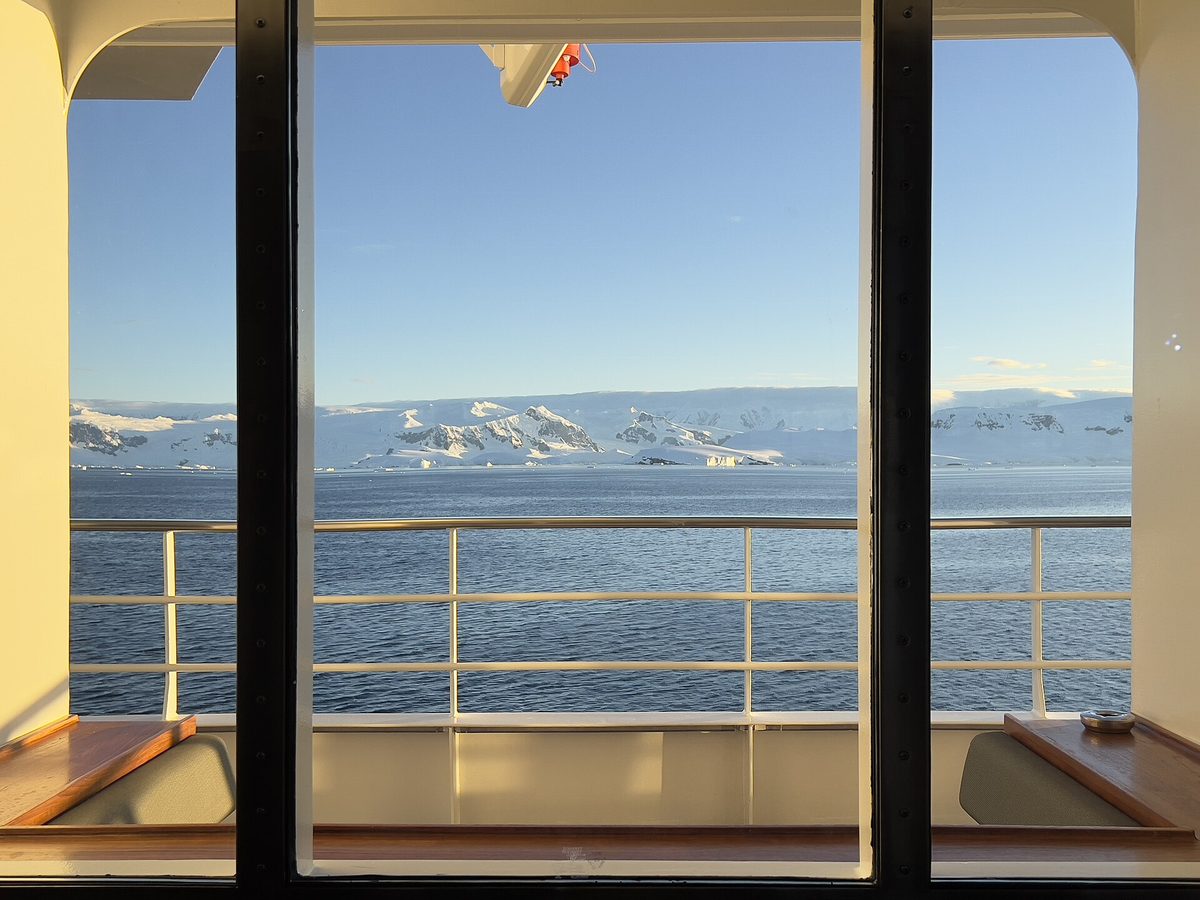
The flexibility runs deeper than all-or-nothing. Most landing sites offer at least one short, easy option close to the beach as well as longer, steeper walks for those who want them, so you can go ashore and still keep things gentle. You set your own pace; nobody marches you up a hill unless you ask to be marched up a hill. Less-mobile guests are routinely accommodated, and the expedition staff are practised at quietly steering people toward the route that suits them. Some of my most memorable sightings — whales lunge-feeding, a leopard seal hauled out on a floe — have come from the deck with a hot drink in hand, not from the shore at all.
The key, once again, is to talk to your operator candidly about your mobility before you book, so they can advise which ship and which itinerary will give you the most while asking the least. A roomier, modern vessel with an elevator between decks, good stabilisers, and generous indoor viewing areas makes an enormous difference if stairs or rough seas are a concern. The ship itself can be a wonderful base even on the days you choose not to land. And for many travellers, the crossing of the Drake Passage is the most physically demanding part of all, so it is worth understanding what that stretch of open ocean involves before you decide.
Activity-specific fitness: kayaking, camping, and longer hikes
Everything so far describes the standard programme, which is deliberately accessible. The picture changes the moment you add an optional adventure activity, and it is vital to be honest with yourself about the step up in fitness these demand. The good news is that they are all optional extras — you choose them, they are not foisted on you — and most have clear prerequisites that operators apply precisely so that everyone stays safe and has fun.
Sea kayaking
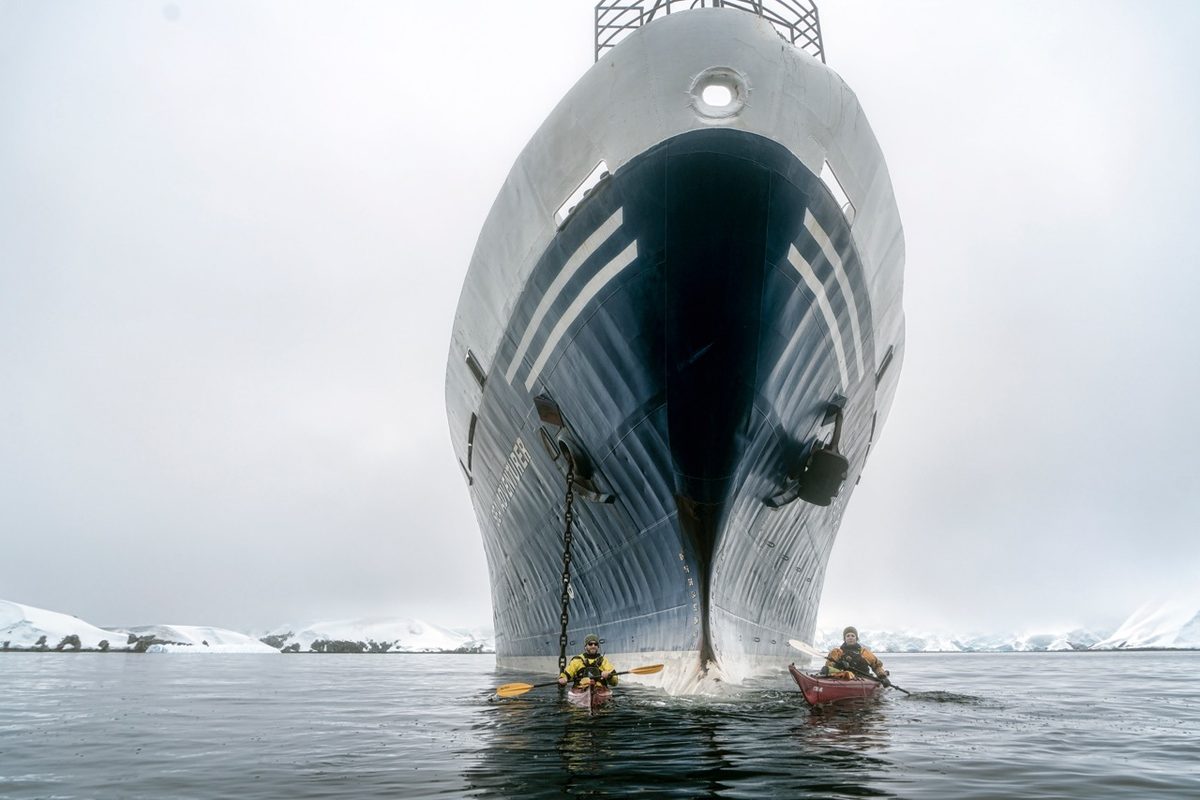
Paddling a sea kayak among the ice is one of the great Antarctic experiences, but it asks considerably more of your body than a Zodiac cruise. You need upper-body strength and stamina to paddle for an hour or more, the core stability to sit in and balance a narrow boat, and usually some prior kayaking experience, as many operators require it. You must also be able to get into and out of a kayak from the water or a platform and, in the worst case, cope calmly with a capsize. It is hugely rewarding for the reasonably fit and experienced. If it tempts you, our guide to kayaking in Antarctica explains the prerequisites in full.
Camping on the ice
A night camping on the Antarctic continent is unforgettable, and physically it is more demanding than it sounds. You carry your own gear to the campsite, dig or settle into a bivvy in the snow, sleep on cold, hard ground, and rise early and stiff for the Zodiac back to the ship. It rewards people who are comfortable being cold, can get down to and up from ground level repeatedly, and do not mind a broken night’s sleep. It is not for anyone whose back or joints rebel at a hard surface. Our overview of camping in Antarctica sets out exactly what a night ashore involves.
Longer hikes, mountaineering, and ski touring
Some voyages offer extended hikes to high viewpoints, and a few specialist trips add mountaineering, snowshoeing, or ski touring. These sit firmly at the demanding end and often carry real prerequisites — good cardiovascular fitness, experience, and sometimes technical skills. A long uphill hike on snow, carrying a pack, at a steady pace for hours is a serious physical undertaking compared with a gentle shore landing. If pushing yourself is part of the appeal, our guide to Antarctica adventure travel covers the more active end of the spectrum, and many of these pursuits sit alongside the gentler core programme rather than replacing it.
Who an Antarctic expedition suits
Pulling it together, a standard expedition suits a remarkably broad range of people: active retirees, families, solo travellers, and anyone in reasonable general health with everyday mobility and a sense of adventure. You do not need to be fit in any sporting sense. You need to be well enough to walk, balance, and step in and out of a boat with a helping hand, and honest enough with yourself to choose a gentler trip if that suits you better. The flexibility built into every voyage means that even those at the cautious end can have a magnificent time, watching from the deck on the days a landing is not for them.
The optional activities — kayaking, camping, mountaineering, the longer hikes — widen the range at the top end for those who want to push themselves, while the core programme keeps the whole experience open to almost everyone else. That balance is exactly why Antarctica is so often called a once-in-a-lifetime trip that is also more achievable than people expect. If you are still deciding whether it is for you at all, our broad look at Antarctica adventure travel and the wider Antarctica for every traveller hub will help you see where you fit.
Frequently Asked Questions
How fit do I really need to be for an Antarctic cruise?
Far less fit than the photographs suggest. For a standard expedition you need good general health and everyday mobility: the ability to walk for an hour or two on uneven ground, climb a flight of steep steps, balance on a moving deck, and step in and out of a Zodiac with a helping hand. If you can comfortably manage a brisk walk and a couple of flights of stairs at home, you are very likely fit enough for the core programme.
Do I need to be able to swim?
No. You are not expected to swim, and you wear a life jacket whenever you are in a Zodiac or near the water. Wet landings involve stepping into only a few inches of shallow water in waterproof boots, not swimming. The only time swimming enters the picture is the optional polar plunge, a brief, voluntary dip that you are completely free to skip if it does not appeal to you.
What is the medical form, and will my health condition stop me going?
Operators ask you to complete an online medical self-assessment, usually around forty-five to ninety days before departure, and some require a doctor’s sign-off as well. A stable, well-managed chronic condition — controlled blood pressure, diabetes, a replaced joint — rarely stops you going, especially on a gentler itinerary. A serious or unstable condition needs a frank conversation with your doctor first. Honesty on the form protects you, because the ship’s doctor needs the full picture.
Can I still go if I have limited mobility or use a walking aid?
Often, yes, with honest planning. Nothing is compulsory, so you can watch landings from the ship and still have a wonderful trip. True wheelchair accessibility ashore is limited because the terrain is wild, but many less-mobile guests are accommodated with care. Choose a roomier modern ship with an elevator and good stabilisers, and talk to your operator candidly about your mobility before booking so they can advise on the best ship and itinerary.
What if I get tired or simply do not want to do a landing?
That is completely normal and entirely your choice. You can opt out of any landing or Zodiac cruise and stay aboard, where the wildlife and scenery often pass right by the ship. Most landing sites also offer a short, easy option as well as longer walks, so you can go ashore and keep it gentle. Nobody is marched up a hill, and opting out is never treated as a failure.
How should I train before I travel?
Start three to six months out with simple, functional preparation. Build up your walking on uneven ground, practise climbing and descending stairs for the gangway, work on balance and core strength with drills or gentle yoga, keep up general cardio, and rehearse getting up and down from the floor and from low seats. Try on your full layered clothing and walk around in it. None of this needs a gym — consistency matters more than intensity.
Are kayaking, camping, and long hikes harder than the standard programme?
Yes, noticeably. The standard landings are deliberately accessible, but optional activities ask much more. Sea kayaking needs upper-body stamina, core balance, and usually prior experience; camping demands you carry gear and sleep on cold, hard ground; long hikes and mountaineering require genuine cardiovascular fitness and sometimes technical skill. These are all optional extras with their own prerequisites, so the core voyage stays open to almost everyone regardless of whether you add them.
Is the Drake Passage the most physically demanding part?
For many travellers, yes — though it is more about endurance and seasickness than fitness. The two-day open-ocean crossing can be rough, and walking around a moving ship takes a steady core and a tolerance for motion. Seasickness is very preventable with early medication, a central lower cabin, and fresh air on deck. If rough seas are your main worry, a fly-cruise that skips the crossing is worth investigating as a gentler alternative.
Final thoughts
If you have read this far, you almost certainly already meet the antarctica fitness requirements for a standard expedition — because the bar is everyday health and mobility, not athletic prowess. The honest truth, after many voyages south, is that the people who struggle are not the unfit so much as the unprepared and the dishonest with themselves. Assess yourself frankly, do a few months of gentle walking and balance work, complete your medical form openly, choose a ship that suits your body, and accept that opting out of a landing is always a perfectly good choice. Do that, and one of the wildest places on Earth is comfortably within your reach.