If you have spent a lifetime dreaming of the white continent and are now wondering whether you have left it too late, let me put your mind at ease straight away: planning antarctica for seniors is one of the most rewarding things you can do in your sixties, seventies, or beyond. There is no upper age limit on a polar expedition, and on every voyage I have made south the ship has been full of older travellers doing everything the brochure promised — stepping ashore among penguins, riding Zodiacs past blue ice, and standing on deck at midnight while the sun refused to set. Age is rarely the obstacle people fear it will be. What matters far more is choosing the right voyage, preparing your health sensibly, and going in with a clear-eyed plan.
This guide is written for the traveller who is no longer twenty-five and has no intention of pretending otherwise. We will cover age limits and medical clearance, the level of fitness you actually need (much less than you think), what the onboard clinic can and cannot do, accessibility and mobility on landings, how to pick a gentler ship, why travel insurance with evacuation cover is non-negotiable, and a long list of practical tips drawn from years of watching people in their eighties have the trip of their lives. Antarctica is one of the most senior-friendly remote destinations on Earth, and by the end of this article you will know exactly how to make it yours.
Is there an age limit for visiting Antarctica?
The short answer is no — there is no fixed upper age limit on an Antarctic cruise. Operators do not turn you away for having a certain number of birthdays behind you. What they care about is whether you are well enough to travel safely to one of the most remote places on the planet, where the nearest full hospital can be days away. That is a question of health, not age, and the two are not the same thing. I have shared Zodiacs with sprightly eighty-somethings who put much younger guests to shame, and I have seen far younger travellers struggle because they arrived unprepared.
It helps to know who actually goes. The average Antarctic visitor sits somewhere around fifty to sixty years old, which means that if you are retired you will be very much among your peers, not an outlier. Expedition ships are not adrenaline cruises packed with twenty-year-olds; they are thoughtful, slower-paced, naturalist-led voyages that suit mature travellers beautifully. Many guests are seasoned explorers ticking off their seventh continent, and a good number are well into their seventies and eighties. You will not feel out of place. If anything, you will feel right at home.
So when people ask me whether they are “too old” for Antarctica, my honest reply is that the question is almost always the wrong one. Replace “How old am I?” with “How is my general health, and which voyage suits me?” and you are thinking like a polar traveller. For a deeper look at how the white continent welcomes travellers of all kinds, our hub on Antarctica for every traveller is a good place to start, and it links out to guidance for solo adventurers, families, and more.
Antarctica for seniors: who it suits and who should think twice
Let me be direct, because the people who plan well are the ones who have the best time. An Antarctic expedition suits an older traveller who is in reasonable general health, can walk on uneven ground for short distances, and is comfortable being away from immediate medical care for a week or two. You do not need to be an athlete. You need to be steady enough to climb a few steps into a Zodiac with a helping hand, to stand and balance on a wet platform, and to walk a short distance on snow or rocky shingle. That describes a great many active retirees.
Who should think twice? Anyone with a serious, unstable medical condition that could require intensive or urgent hospital care should have a frank conversation with their doctor before booking. The continent’s remoteness is the whole point of the adventure, but it also means that if something goes badly wrong, help is not around the corner. A life-threatening condition needing close monitoring, recent major surgery, or an illness that flares unpredictably are all reasons to pause and seek proper medical advice rather than press ahead and hope. This is not about excluding people; it is about going safely.
Between those two poles sits the vast majority of older travellers, who are perfectly able to go with a little planning. If you manage a chronic but stable condition — well-controlled blood pressure, diabetes, a replaced hip or knee, mild arthritis — you are almost certainly a candidate, especially on a gentler itinerary. The honest assessment of your own fitness is the most useful tool you have, and our guide to Antarctica fitness requirements walks through exactly what each part of a voyage demands of your body.
Medical clearance: what operators ask of older guests
Here is something many first-timers do not expect: a number of expedition operators require a medical clearance form for guests over a certain age, often around seventy, and sometimes for younger guests with declared conditions. This is not a hoop designed to keep you out. It exists to protect you, to make sure the ship’s doctor knows what they are dealing with, and to confirm that you are fit to travel somewhere genuinely remote. Treat it as a helpful safety net rather than a barrier.
The process is usually straightforward. The operator sends a form, you take it to your own doctor, and your doctor reviews your history, current medications, and general fitness before signing it off. Be completely honest on this form. Concealing a condition to avoid awkward questions is the worst thing you can do, because the one person who most needs to know your medical history is the doctor who may have to treat you in the Southern Ocean. Full disclosure protects you and helps the medical team prepare.
Give yourself plenty of time. Book your doctor’s appointment well before any deadline the operator sets, because you may need test results, a medication review, or a specialist’s note, and these take time to arrange. Bring a written summary of your conditions and a current medication list, and ask your doctor to flag anything the ship’s clinic should watch for. If you are also weighing up the practicalities of cost and timing, our overview of Antarctica trip cost helps you budget for the whole journey, medical preparation included.
What the ship’s medical facilities can and cannot do
Every reputable expedition ship sailing to Antarctica carries a small clinic and at least one qualified doctor. This is enormously reassuring, and it is worth understanding exactly what that means. The onboard doctor is there to handle the everyday and the unexpected-but-minor: seasickness, sprains, cuts and bruises from a slip on deck, chest infections, flare-ups of managed conditions, and the general medical care a community of a hundred-odd travellers might need over a couple of weeks. For the great majority of guests, that is all the medical support they will ever require.
What the clinic cannot do is just as important. A ship’s infirmary is not a hospital. There is no operating theatre for major surgery, no advanced imaging like CT or MRI scanners, and no intensive care unit. The doctor can stabilise a serious problem, but a major emergency — a heart attack, a stroke, a serious fall — means getting the patient to a proper hospital, and that can take a long time given where you are. This is precisely why your general health and honest medical clearance matter so much, and why robust insurance is essential.
| The onboard clinic CAN handle | The onboard clinic CANNOT do |
|---|---|
| Seasickness and motion sickness | Major surgery (no operating theatre) |
| Minor cuts, sprains, and bruises | Advanced imaging (CT / MRI scans) |
| Chest infections and common illnesses | Intensive care for critical patients |
| First aid and medication management | Specialist or emergency hospital treatment |
| Monitoring stable chronic conditions | Rapid evacuation without insurance cover |
None of this should frighten you. Tens of thousands of older travellers visit Antarctica every season and come home glowing. It simply means you go with eyes open, you bring your own medications in good supply, and you carry insurance that can get you to a hospital if the rare worst case occurs.
Why travel insurance with evacuation cover is non-negotiable
If you take one thing from this entire guide, let it be this: comprehensive travel insurance that includes emergency medical evacuation is absolutely essential for Antarctica, and most reputable operators will not let you board without it. In a place this remote, an evacuation can be extraordinarily expensive and logistically complex, and you do not want to be discovering that fact mid-crisis. Good cover turns a frightening situation into a manageable one.
When you compare policies, look specifically for a high limit on emergency medical evacuation and repatriation — not just a token medical figure but a sum large enough to cover the real cost of getting you out of the Southern Ocean and home. Check that pre-existing conditions are declared and covered, that the geographic scope explicitly includes Antarctica and remote regions, and that cancellation cover protects the considerable sum you will have paid for the trip. Read the small print on age limits, too, as some general policies quietly exclude older travellers or charge steep premiums.
Buy your policy as soon as you book, not the week before you fly, so that cancellation cover is in force from day one. Declare every condition honestly, exactly as you did on your medical clearance, because an undeclared illness can void a claim at the worst possible moment. We go through all of this in detail in our dedicated guide to Antarctica travel insurance, which is essential reading before you part with a deposit.
Accessibility and mobility on landings
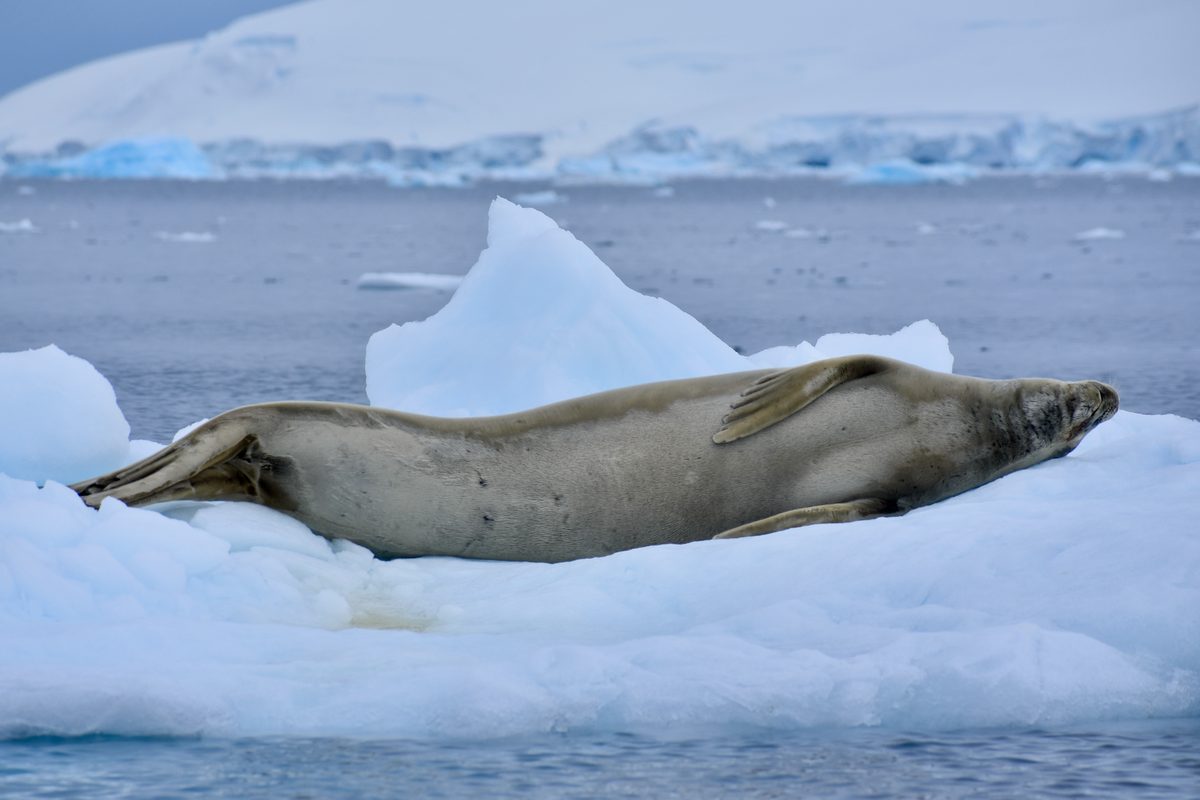
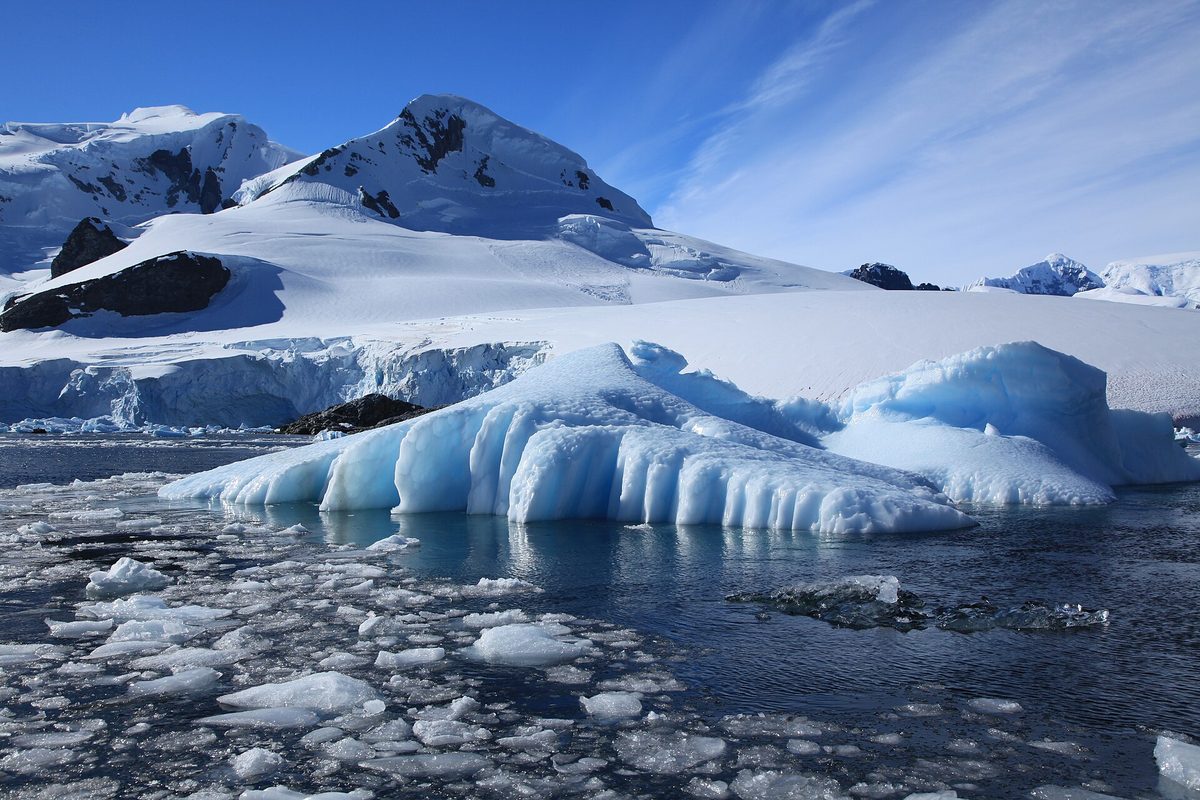
One of the loveliest surprises for older travellers is how flexible an expedition really is. Nothing is compulsory. On any given day you can throw yourself into the full programme of Zodiac cruises and shore landings, or you can choose to stay aboard and watch the same wildlife slide past from the warmth and comfort of the ship. Some of my most memorable wildlife sightings — whales lunge-feeding, leopard seals hauled out on floes — have come from the deck with a hot drink in hand. Opting out of a landing is never seen as a failure; it is simply one of the choices available to you.
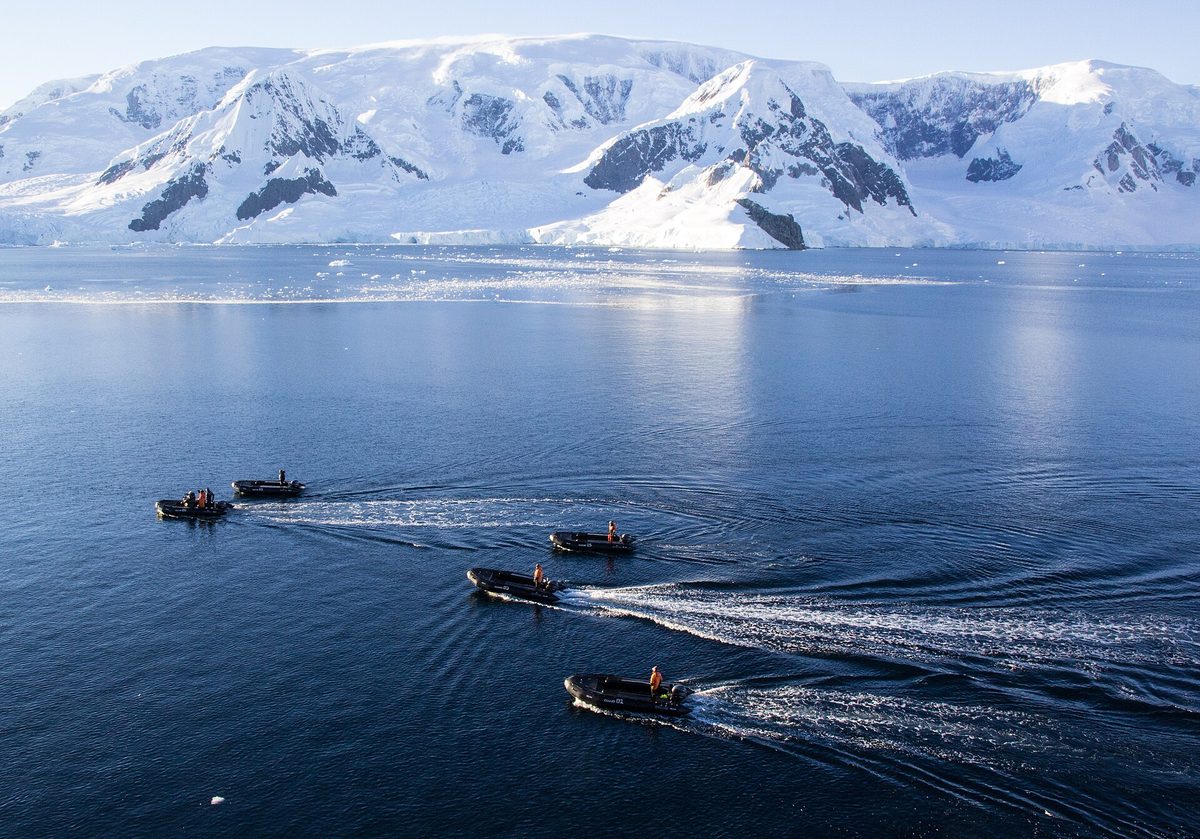
When you do go ashore, the expedition staff are extraordinarily attentive. Getting in and out of a Zodiac is the part that worries people most, and it is genuinely manageable: the boats are held steady against the platform, and a crew member is always there to offer a firm arm and a “sailor’s grip” as you step across. Once ashore, most landing sites offer at least one short, easy route as well as longer, steeper options for those who want them. You set your own pace. Nobody is marching you up a mountain unless you ask to be marched up a mountain.
That said, Antarctica is wild terrain, and true wheelchair accessibility on shore is limited — beaches are rocky, slopes are snowy, and there are no paved paths. If you use a wheelchair or have very limited mobility, the ship itself can still be a wonderful base, with deck viewing, lounges, and Zodiac cruising that does not always require a landing. Talk to your operator candidly about your mobility before booking so they can advise which landings and which ship will work best for you. For the full picture of what a day actually involves, see our rundown of Antarctica travel tips.
Choosing an easier voyage: ships, stabilisers, and elevators
The single biggest decision you will make — bigger than when you go or what you pack — is which ship you sail on. For older travellers, a roomier, modern expedition ship is worth every extra pound it costs. Newer vessels are built with comfort in mind: they have elevators between decks so you are not forever hauling yourself up and down stairs, advanced stabilisers that take the edge off rough seas, spacious en-suite cabins, and generous indoor lounges and observation areas where you can enjoy the scenery in warmth.
Smaller, older expedition ships have their own gritty charm, but they often mean steeper stairs, tighter cabins, and a livelier ride in heavy weather. If your knees or your stomach are not what they were, the modern ship will pay for itself in comfort many times over. Look specifically for the presence of an elevator, the cabin layout relative to the dining room and the Zodiac embarkation point, and the ship’s stabiliser system. A lower passenger count is also a quiet blessing, because it means faster, calmer landings and less queuing.
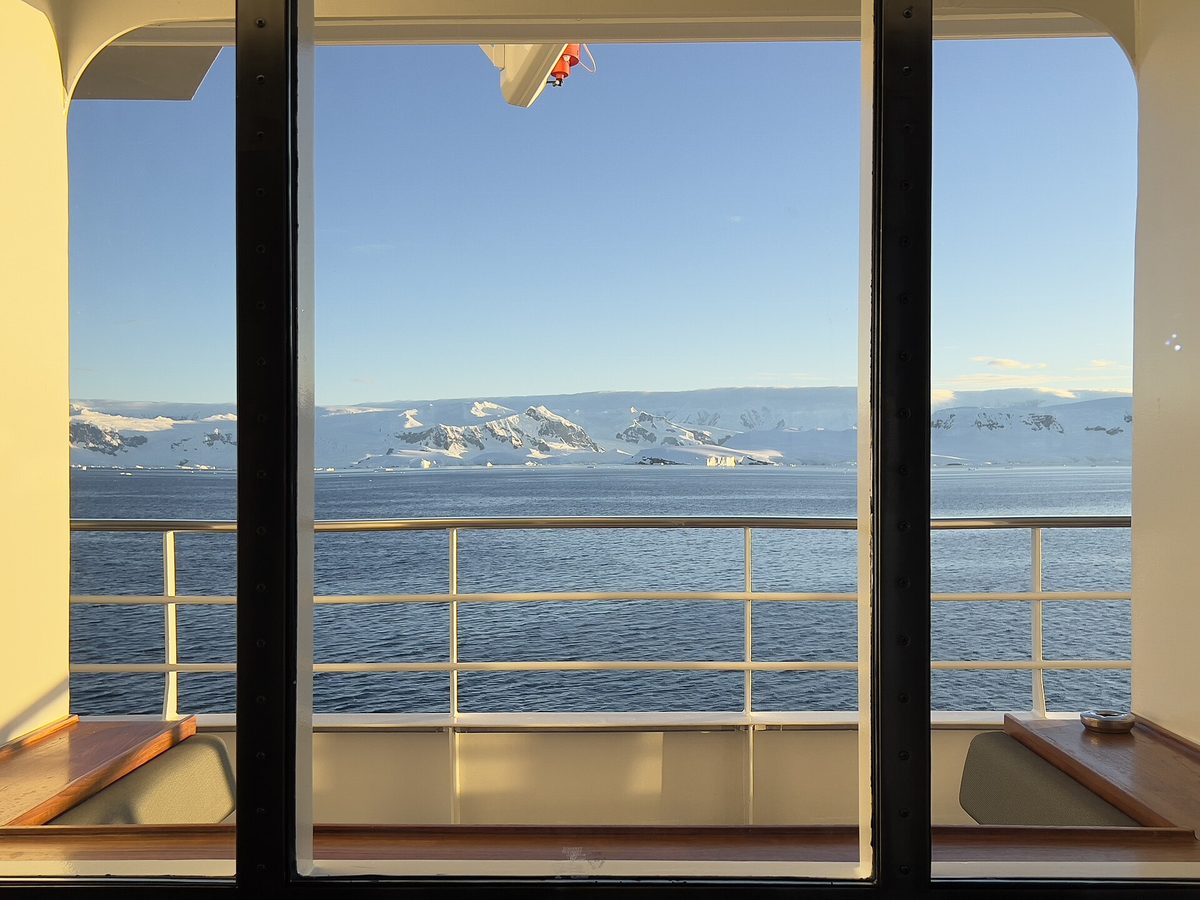
Cabin choice within the ship matters too. I generally steer older travellers toward a cabin on a lower or middle deck and ideally near the centre of the ship, where motion is least felt, rather than high up at the bow. A balcony or a large window is a real luxury when you would rather watch the ice from your own bed than head up to the deck. To weigh up the different classes of vessel, our guide to Antarctica expedition ships compares your options, and our broader look at Antarctica cruises sets the scene for the whole experience.
The Drake Passage versus the fly-cruise option
No conversation about senior-friendly travel south is complete without the Drake Passage. This is the stretch of open ocean between South America and the Antarctic Peninsula, and it has a fearsome reputation. On a good crossing it is merely lively; on a bad one it can be genuinely rough for a day or two in each direction. For many older travellers the classic two-day Drake crossing is part of the adventure and entirely survivable with good seasickness management. For others, the thought of rough seas is the one thing standing between them and the trip of a lifetime.
If that is you, there is a wonderful solution: the fly-cruise, sometimes called an air-cruise. Instead of sailing across the Drake, you fly directly from southern Chile to an airstrip in the South Shetland Islands and board your ship there, skipping the open-ocean crossing almost entirely. You trade a couple of days at sea for a short flight, which means less time being tossed about and more time among the ice. For travellers prone to seasickness or simply nervous about heavy weather, this option can be the difference between going and not going.
The trade-offs are worth knowing. Fly-cruises tend to cost more, the flights are weather-dependent and can be delayed, and you miss the seabirds and albatrosses that make the Drake crossing such a thrill for keen birdwatchers. The route you choose also shapes your whole Antarctica cruise itinerary. But for a senior traveller whose main worry is the sea, the calmer journey is often well worth it. We weigh both routes in detail in our guides to the Drake Passage and to flights to Antarctica.
Managing seasickness like a pro
Seasickness is the single most common discomfort on a polar voyage, and it is also one of the most preventable. The good news is that even the roughest stretches pass, the ship’s doctor is well stocked, and most people find their sea legs within a day. The bad news is that being miserable for that first day is no fun, so it pays to be ready before you ever feel a twinge. Prevention is far easier than cure once nausea has taken hold.
- Start medication early. Take your chosen remedy — tablets, a patch behind the ear, or whatever your doctor recommends — before the sea gets rough, not after you feel ill.
- Choose your cabin wisely. Lower and more central cabins move the least; book one if motion worries you.
- Watch the horizon. Fresh air on deck and a steady gaze at the distant horizon settle the inner ear better than lying in a dark cabin.
- Eat little and often. An empty stomach makes nausea worse; dry crackers, ginger, and plenty of water genuinely help.
- See the doctor early. If you feel rough, the clinic has stronger remedies, including injections for severe cases. Do not suffer in silence.
A word on attitude: the travellers who cope best are the ones who expect a bit of movement and roll with it, sometimes literally. Pack your seasickness kit in your carry-on so it is available the moment you board, and remember that the reward on the far side of any rough patch is the most extraordinary scenery on Earth.
When to go: choosing the calmest, warmest window
Timing can make an Antarctic voyage noticeably gentler, which matters a great deal for older travellers. The season runs roughly from late October to March, and conditions shift as it progresses. For the calmest seas and the mildest temperatures, the heart of the season — December and January, around the austral midsummer — is usually your best bet. The days are at their longest, the weather at its kindest, and the wildlife in full swing with penguin chicks hatching across the colonies.
Early-season voyages in November reward you with pristine snow and pack ice but can be colder and the seas less predictable, while late-season trips in February and March bring superb whale watching and a real chance of stretching daylight, at the cost of muddier, well-trodden penguin colonies. None of the windows is bad, but if your priorities are comfort, warmth, and the smoothest possible ride, aim for the middle of the season. Your knees, your stomach, and your camera will all thank you.
Whichever window you choose, the polar climate demands respect even at its mildest, so warm, layered clothing is essential year-round. Our guide to the best time to visit Antarctica breaks the season down month by month, and our what to pack for Antarctica checklist makes sure you arrive properly equipped for whatever the Southern Ocean serves up.
Practical tips for older travellers heading south
After many voyages I have a mental checklist I run through with any older traveller before they go. None of these tips is complicated, but together they make the difference between a trip you merely survive and one you savour. Pace yourself above all: the temptation to do every single landing is strong, but skipping the occasional excursion to rest is a sign of wisdom, not weakness, and it keeps your energy up for the landings you most want.
- Pick a roomy, modern ship with elevators and stabilisers, and choose a lower-deck or balcony cabin for comfort and minimal motion.
- Carry medications in your hand luggage — never in checked bags — in their original packaging, with a copy of your prescriptions and a doctor’s letter.
- Bring more than enough of every medication to cover delays, as you cannot pop to a pharmacy in Antarctica.
- Pace yourself and rest between excursions; there is no prize for exhaustion and no shame in a quiet afternoon on deck.
- Use the gear and the staff. Borrow a walking pole, take the offered arm, use the handrails, and let the crew help you in and out of the Zodiac.
- Stay hydrated and dress in layers, as cold and dry air dehydrate you faster than you expect.
- Tell the expedition team about your needs early so they can keep an eye out and tailor landings to your mobility.
One more piece of advice that has nothing to do with logistics: give yourself permission to simply be present. The light, the silence, the sheer scale of the place have a way of moving people to tears. You have earned this. Let it land. Many older travellers tell me afterwards that it was the most profound trip of their lives, and the ones who let go of the rush are always the ones who say it most.
Travelling solo or with companions as a senior
Plenty of older travellers come to Antarctica on their own, and it is a marvellous place to do so. Expedition ships are intimate, sociable communities; over a couple of weeks of shared Zodiac rides and dinner tables, strangers become friends, and a solo traveller is rarely lonely for long. The naturalist-led structure of each day gives plenty of natural opportunities to fall into conversation, and the camaraderie of a small ship suits independent older travellers wonderfully.
If you do travel alone, the main practical wrinkle is the single supplement, the extra charge cruise lines levy on solo guests for occupying a cabin built for two. Some operators waive or reduce it, and a few offer cabin-share schemes that pair you with another same-gender solo traveller to split the cost. It is always worth asking. For couples, friends, and multi-generational family groups, Antarctica is equally rewarding, and travelling with a companion who can lend a hand on landings is a real comfort for those who want it.
Whether you go alone or in company, the social warmth of an expedition is one of its great pleasures. If you are weighing up a solo adventure, our guide to Antarctica solo travel covers the practicalities, and our overview of Antarctica cruises helps you find the voyage that fits your style and budget.
Frequently Asked Questions
Is there a maximum age limit for an Antarctica cruise?
No, there is no fixed maximum age limit for an Antarctica cruise. Operators assess your health and fitness rather than your age, and travellers in their seventies and eighties take part every season. What matters is good general health and, for many ships, a completed medical clearance form rather than the number of candles on your birthday cake.
How fit do I need to be to visit Antarctica as a senior?
You need reasonable general health rather than athletic fitness. If you can walk short distances on uneven ground and climb a few steps into a Zodiac with a helping hand, you can manage a typical voyage. You can also opt out of any landing and enjoy the wildlife from the ship, so the trip flexes to your ability on any given day.
Do I need medical clearance to travel to Antarctica?
Many operators require a medical clearance form for guests over around seventy, and sometimes for younger guests with declared conditions. Your own doctor reviews your history and medications and signs it off. Be completely honest on the form, allow plenty of time to arrange it, and treat it as a safety measure rather than an obstacle to your trip.
What medical care is available on an Antarctic expedition ship?
Every reputable ship carries a small clinic and a doctor who can handle seasickness, minor injuries, common illnesses, and stable chronic conditions. The clinic cannot perform major surgery, advanced scans, or intensive care, so serious emergencies require evacuation to a distant hospital. This is why comprehensive insurance with strong evacuation cover is essential.
Can I avoid the rough Drake Passage crossing?
Yes. Fly-cruise or air-cruise voyages fly you directly from southern Chile to the South Shetland Islands, where you board your ship and skip most of the open-ocean Drake crossing. These trips cost more and depend on the weather for the flights, but for travellers worried about seasickness they offer a much gentler journey to the ice.
What is the best time of year for older travellers to visit Antarctica?
December and January, the height of the austral summer, generally bring the calmest seas, the mildest temperatures, and the longest days, which makes them the most comfortable choice for older travellers. The wider season runs from late October to March, with November offering pristine ice and February and March bringing excellent whale watching.
Is travel insurance really compulsory for Antarctica?
For all practical purposes, yes. Most reputable operators require comprehensive travel insurance that includes emergency medical evacuation before you can board, and given the cost of an evacuation from such a remote region you would not want to travel without it. Buy it as soon as you book and declare every pre-existing condition to keep your cover valid.
Are expedition ships accessible for travellers with limited mobility?
Newer ships offer elevators, stabilisers, and comfortable en-suite cabins that make life aboard much easier, and you can always watch wildlife from the deck. On shore, however, the rocky, snowy terrain limits true wheelchair access. Discuss your mobility candidly with your operator before booking so they can recommend the right ship and the gentlest landings for you.
Final thoughts
Planning antarctica for seniors is, in the end, an exercise in sensible preparation rather than heroics. Choose a roomy modern ship with an elevator and stabilisers, sort out your medical clearance and insurance early, pick the calmer midsummer months, manage your seasickness, and pace yourself once you are there, and the white continent opens itself up to you as generously as it does to anyone half your age. The penguins do not check your passport, and the icebergs do not care how old you are.
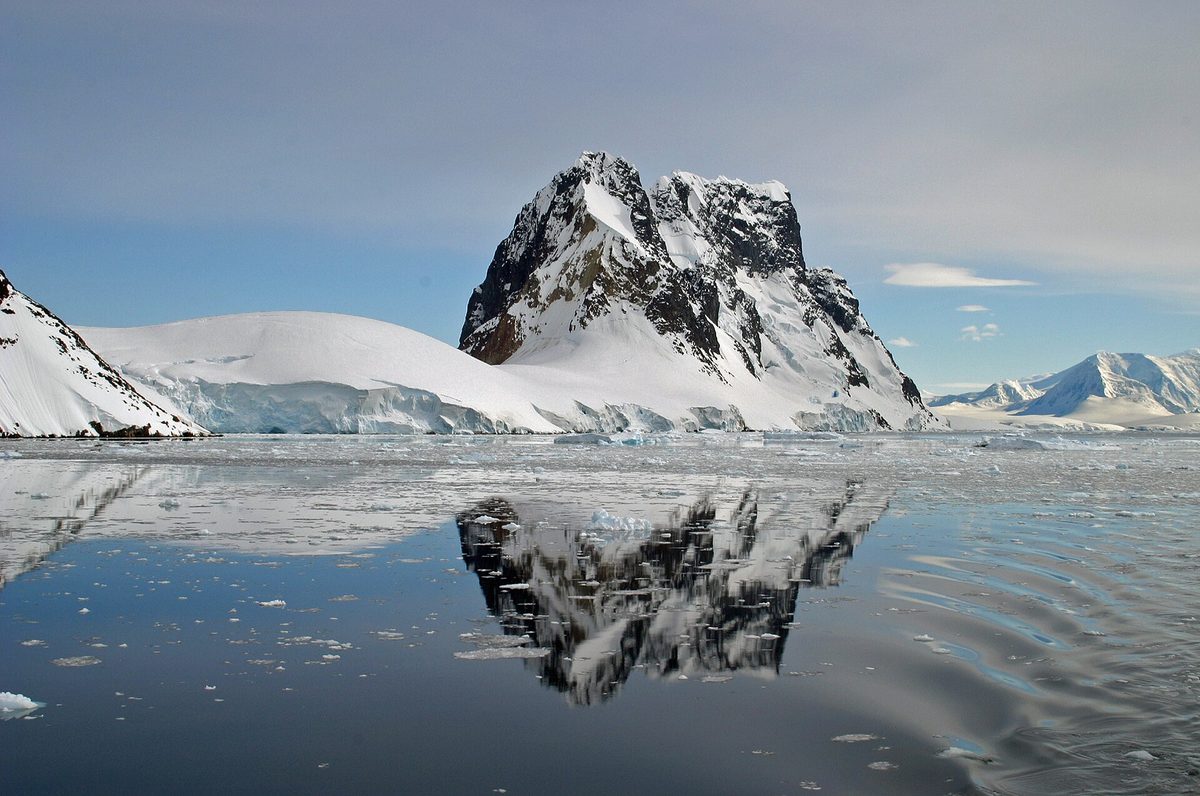
I have watched travellers in their eighties stand silent on deck as the Lemaire Channel slid past, and I have never once heard one of them say they wished they had stayed home. If the dream is still alive in you, do not let a number talk you out of it. With the right voyage and a little planning, Antarctica is waiting, and it is more welcoming to older travellers than almost anywhere else on Earth.